

Disclosure: This article contains affiliate links. We may earn a commission from purchases at no extra cost to you, which helps our travel content.
After five years of living in Seoul and countless business trips across Asia, I've developed quite the knack for finding exceptional shopping experiences. Kuala Lumpur—with its fascinating blend of Malay, Chinese, and Indian influences—offers one of the most diverse retail landscapes I've encountered. From bustling traditional markets to gleaming air-conditioned megamalls, KL (as the locals affectionately call it) presents a shopping paradise that caters to every preference and budget. Join me as I share my curated guide based on multiple weekend excursions with visiting friends and colleagues.

Navigating Central Market: A Cultural Treasure Trove
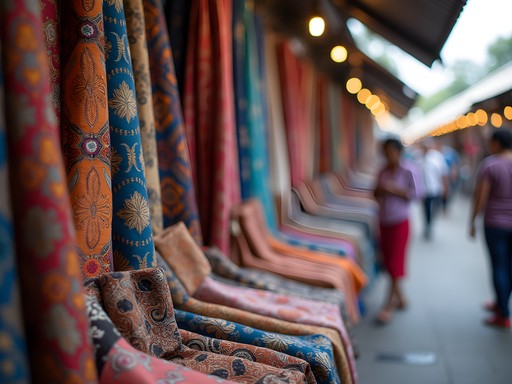
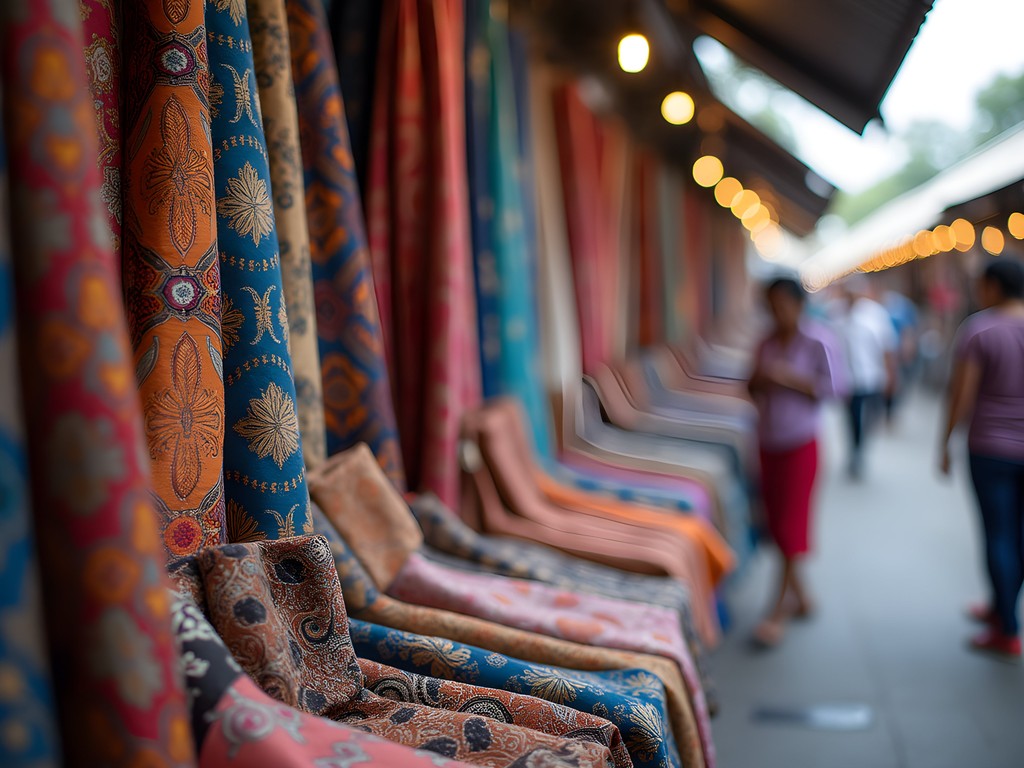
Central Market (Pasar Seni) stands as my first recommendation for visitors seeking authentic Malaysian crafts and cultural souvenirs. This Art Deco building, dating back to 1928, has transformed from a wet market into a cultural landmark housing over 300 vendors. During my first visit with my daughter (then a college student studying textile arts), we spent nearly five hours exploring its organized zones.
The Lorong Melayu section offers traditional batik prints and songket fabrics that remind me of the intricate patterns I've studied in my calligraphy practice. The Straits Chinese zone showcases exquisite pewterware—Malaysia being home to some of the world's finest pewter artisans. I've assembled a modest collection of Royal Selangor pewter tea cups that now grace my Seoul apartment and serve as perfect conversation pieces when hosting colleagues.
What distinguishes Central Market from other tourist shopping venues is the opportunity to watch artisans at work. The batik demonstrations particularly fascinate me, as the wax-resist dyeing technique shares philosophical similarities with certain Korean craft traditions I've studied.
💡 Pro Tips
- Visit on weekday mornings to avoid crowds and have more meaningful conversations with vendors
- Bargaining is acceptable but should be respectful—I typically start at about 20% below asking price
- The Annexe Gallery on the second floor features rotating exhibitions by local artists worth exploring
Petaling Street: Bargain Hunting in Chinatown
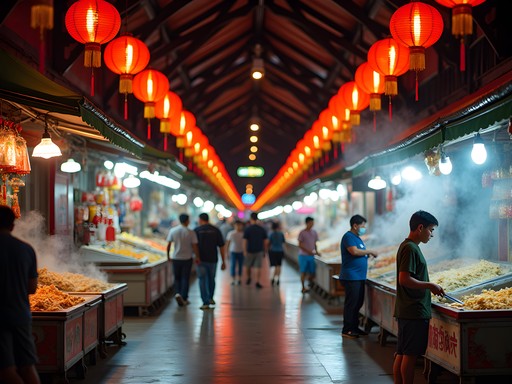
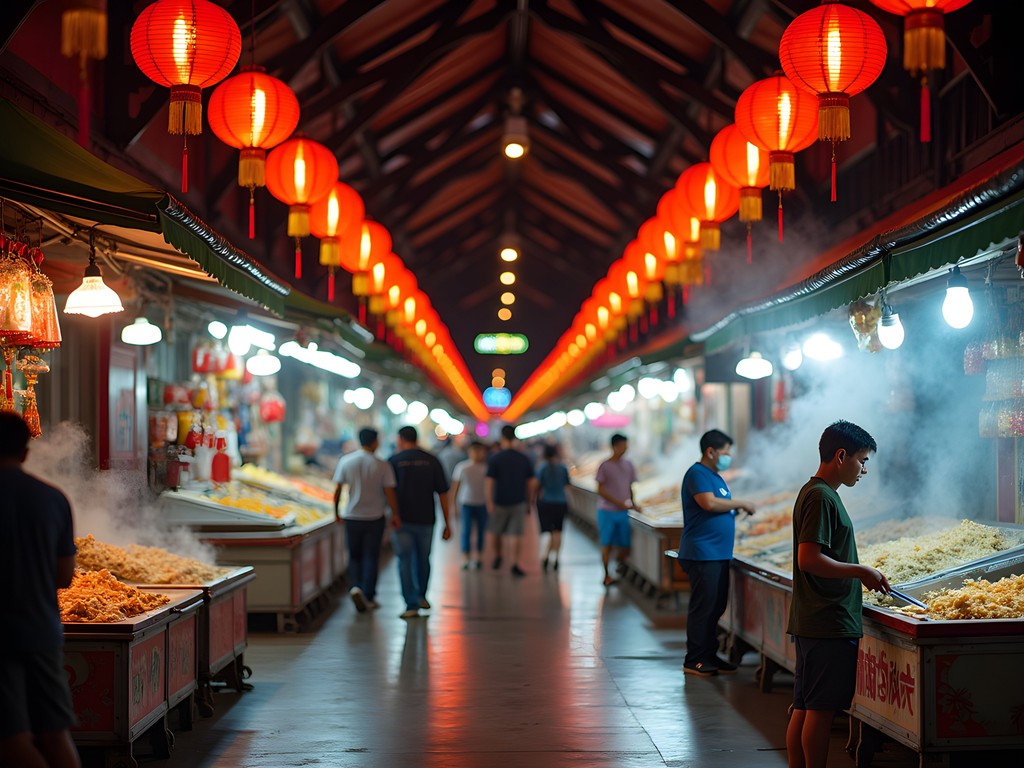
No shopping expedition to Kuala Lumpur is complete without navigating the sensory explosion that is Petaling Street in Chinatown. While some travelers dismiss it as merely a haven for counterfeit goods, I've discovered it offers much more for the discerning shopper. The covered walkway, installed in 2003, provides welcome relief from KL's frequent afternoon downpours or intense sunshine.
During my third visit to Malaysia, when I was training for the Penang Bridge International Marathon, I found exceptional deals on athletic wear here. While authenticity may be questionable for some branded items, certain local vendors sell legitimate sports merchandise at significant discounts. My compression running socks purchased here lasted through three international marathons—quite the testament to finding quality amid the chaos!
Beyond clothing, Petaling Street excels in its food offerings. The various hawker stalls serve as perfect refueling stations during marathon shopping sessions. I particularly recommend the Madras Lane section for its clay pot chicken and authentic Hokkien mee noodles—essential fuel for serious shopping endeavors.
💡 Pro Tips
- Visit after 6 PM when the night market atmosphere is most vibrant
- Bring small denominations of Malaysian Ringgit for easier transactions
- Wear a crossbody anti-theft bag to keep your belongings secure in crowded areas
KLCC & Bukit Bintang: Luxury Shopping Districts
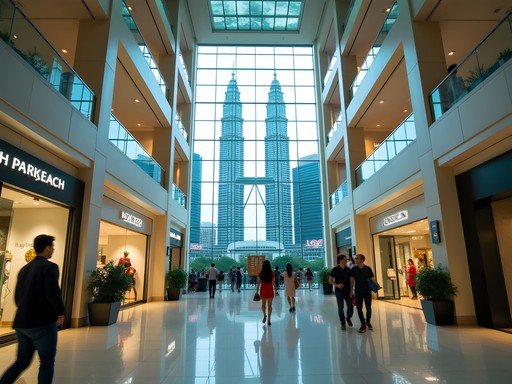
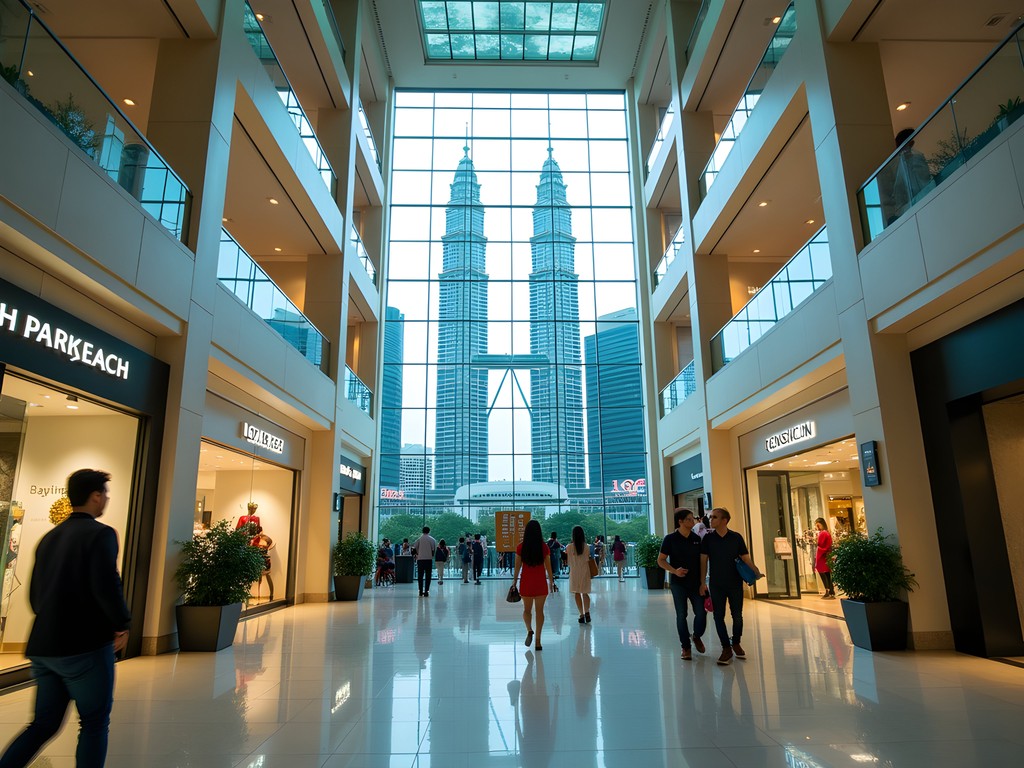
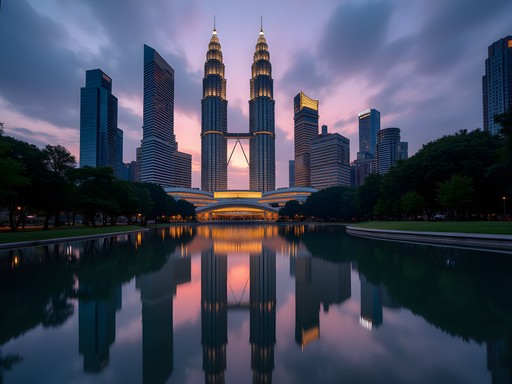
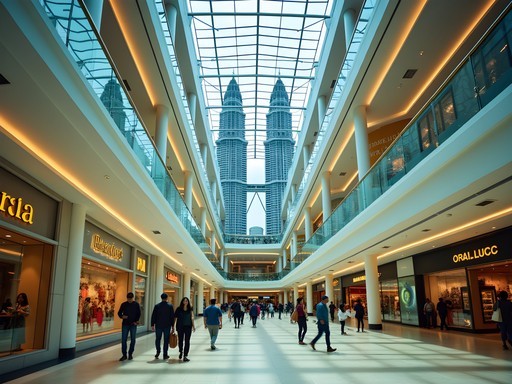
For those days when air conditioning and international brands call your name, Kuala Lumpur offers sophisticated shopping complexes that rival any global metropolis. The Suria KLCC mall, nestled at the base of the iconic Petronas Twin Towers, houses over 300 stores across six levels. During a particularly humid April visit, I found myself grateful for its pristine environment while hunting for business attire for an unexpected client meeting.
The mall's anchor tenant, Isetan, offers an impressive selection of international and Asian beauty products. I've become particularly devoted to Malaysian skincare brands that utilize local ingredients like ginger and pandan. My travel skincare kit now always includes these Malaysian finds—they've proven remarkably effective in combating the effects of frequent flying between Seoul and various Asian destinations.
A short distance away, the Bukit Bintang district forms the heart of KL's shopping scene. Pavilion KL mall stands as its crown jewel, with a spectacular crystal fountain at its entrance. The Tokyo Street zone on Level 6 satisfies my occasional cravings for Japanese culture between visits to Tokyo. For electronics enthusiasts, Low Yat Plaza offers competitive prices on gadgets, though I recommend researching current market rates before purchasing.
💡 Pro Tips
- Visit KLCC Park after shopping for a refreshing green space with views of the towers
- Use the air-conditioned walkways connecting major malls to avoid KL's heat and sudden rain showers
- The Pavilion KL Food Court offers excellent, affordable dining options amid luxury surroundings

Craft Complexes & Specialty Markets
As someone who has developed a deep appreciation for traditional crafts during my years in Asia, I find the Kompleks Kraf Kuala Lumpur (Craft Complex) absolutely essential for understanding Malaysian artistic heritage. Located in Jalan Conlay, this government-supported venue showcases authentic Malaysian handicrafts including batik, weaving, pottery, and woodcarving. Unlike tourist-oriented markets, the quality here is consistently exceptional.
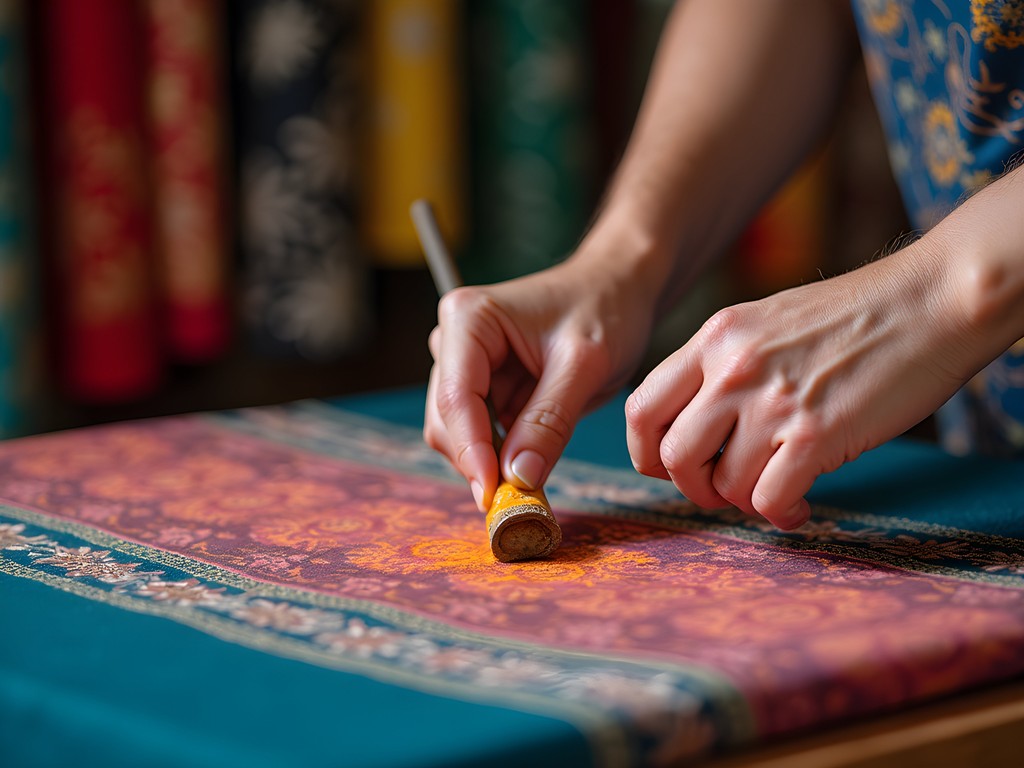
During my most recent visit, I participated in a batik workshop where I created a small piece under the guidance of a master artisan. The batik starter kit I purchased there has allowed me to continue exploring this art form alongside my Korean calligraphy practice. The techniques share fascinating philosophical parallels regarding negative space and contemplative creation.
For those interested in textiles specifically, I recommend Kampung Baru's Sunday Market. This predominantly Malay area offers authentic songket and batik directly from artisans at prices significantly lower than tourist areas. The market also provides a glimpse into traditional Malay life that feels remarkably preserved despite being surrounded by KL's modern skyline. My collection of handwoven textile pieces sourced here has become one of my most treasured souvenirs from my Asian travels.
💡 Pro Tips
- Schedule at least half a day for the Craft Complex if you wish to participate in workshops
- Visit the Karyaneka handicraft center nearby for additional high-quality souvenirs
- Bring a packable duffel bag for transporting delicate craft purchases safely
Navigating KL Shopping with Ease
After numerous shopping expeditions across Kuala Lumpur, I've developed a system for maximizing efficiency and enjoyment. The city's heat and occasional downpours demand strategic planning. I typically start my day at outdoor markets early (before 11 AM) when temperatures are more forgiving, then transition to air-conditioned malls during the afternoon heat or rain.
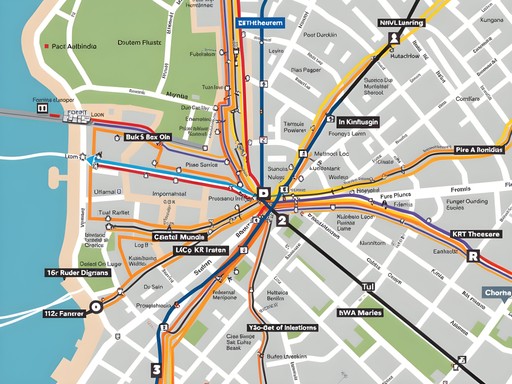
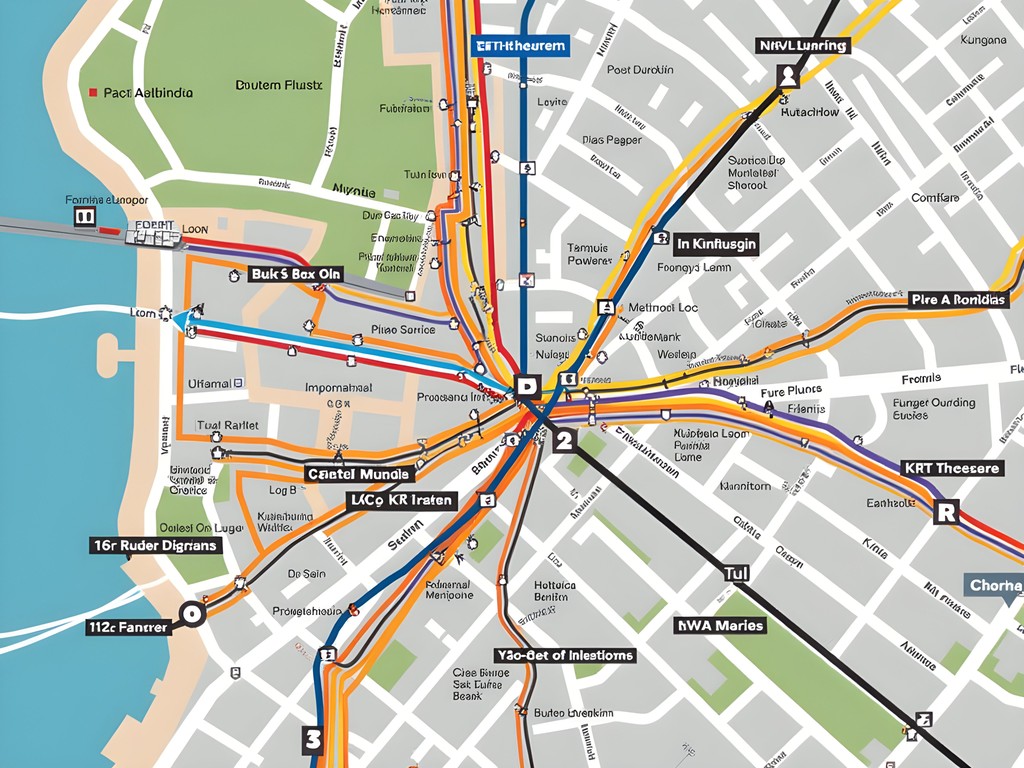
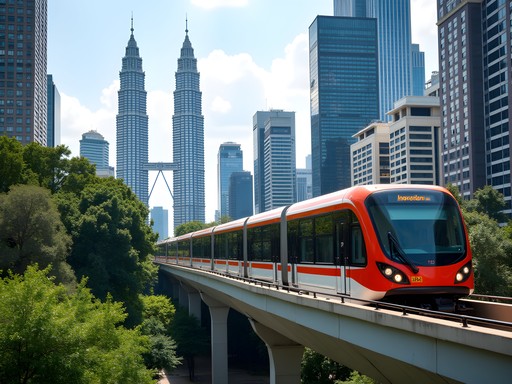
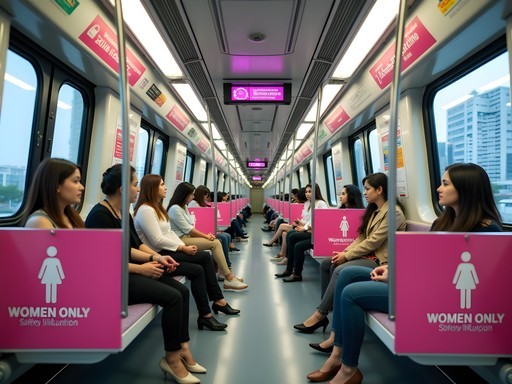
Transportation between shopping districts is remarkably straightforward thanks to KL's excellent public transit system. The Klook KL TravelPass offers unlimited rides on rapid transit lines and includes airport transfers—an exceptional value for weekend visitors. For groups, I occasionally use Grab (Southeast Asia's equivalent to Uber), which proves economical when splitting costs.
While most major shopping venues accept credit cards, smaller markets and street vendors operate primarily in cash. I've found carrying a travel money belt with small denominations particularly useful for market negotiations. Most vendors speak sufficient English for basic transactions, though learning a few Malay phrases like "berapa harga" (how much) and "terima kasih" (thank you) enhances the experience considerably and often leads to better pricing.
💡 Pro Tips
- Download the MyRapid PULSE app for real-time public transportation updates
- Major malls typically operate from 10 AM to 10 PM, while markets have varying hours
- Consider shipping larger purchases home directly from KL's efficient post offices rather than struggling with luggage constraints
Final Thoughts
Kuala Lumpur's shopping landscape perfectly encapsulates Malaysia's fascinating blend of tradition and modernity. From the handcrafted batik pieces I've added to my collection at Central Market to the surprisingly excellent athletic gear found in Petaling Street's maze of vendors, KL offers treasures at every price point. What makes shopping here particularly special is how it serves as a gateway to understanding Malaysian culture—each purchase carries stories of the country's diverse heritage and contemporary evolution.
As someone who has shopped in major cities across Asia, I find KL's combination of authenticity, variety, and value difficult to match elsewhere. Whether you're seeking souvenirs that genuinely represent Malaysian craftsmanship or hunting for international brands at competitive prices, this city delivers with remarkable efficiency and charm. Pack light on your journey to Kuala Lumpur—you'll want to leave ample space in your luggage for the treasures you'll inevitably discover in this shopper's paradise. I return to Seoul after each visit with not just purchases, but deeper appreciation for Malaysia's artistic traditions that continue to inform my own creative practices.
✨ Key Takeaways
- Balance your shopping time between traditional markets and modern malls for the full KL experience
- Visit Central Market and craft complexes for authentic Malaysian handicrafts with cultural significance
- Use the efficient public transportation system to maximize shopping time across districts
- Early mornings and evenings offer the most comfortable outdoor shopping experiences
- Learning basic Malay phrases enhances your shopping experience and often leads to better prices
📋 Practical Information
Best Time to Visit
year-round (avoid major holidays like Chinese New Year and Hari Raya when possible)
Budget Estimate
$300-500 for a weekend of shopping (excluding major purchases)
Recommended Duration
2-3 days
Difficulty Level
Beginner


Comments
Fatima Sims
Great guide! I spent three weeks in KL last year and completely agree about the contrast between the markets and malls. One hidden gem I discovered was the Craft Complex near the National Museum - not many tourists know about it but it has incredible traditional Malaysian crafts at fair prices. No bargaining needed which was refreshing after Petaling Street! I picked up some gorgeous pewterware there. Also, if anyone's into textiles, there's a small batik workshop behind Central Market where you can watch artisans at work. The owner even let me try my hand at wax painting. Those authentic experiences are what made KL shopping so memorable for me.
luckygal
ooh the craft complex sounds perfect! adding to my list
travelvibes
Love your photos! The colors at central market are amazing
adventureadventurer
Did you check out any night markets? I heard pasar malams are incredible but not sure which ones are worth visiting
Savannah Torres
Amy, this brings back such great memories! We took our kids to Central Market last summer and they absolutely loved the traditional puppet stalls. My daughter still plays with the wayang kulit shadow puppet we bought her. One tip for families - the food court upstairs has amazing laksa and it's super affordable. The kids were fascinated watching the satay being grilled right in front of us. We spent almost a whole day just in that area between Central Market and Petaling Street. The cultural experience alone made it worth the trip!
luckygal
is central market good for souvenirs? what did you buy there?
escapequeen3299
not the author but i got beautiful batik scarves there last year! way better quality than petaling street
summerbuddy
how much should you bargain at petaling street? like what percentage off?
Savannah Torres
I usually aim for 30-40% off the first price they quote! Start lower than what you want to pay and meet in the middle. It's all part of the fun :)
summerbuddy
thanks!!
escapequeen3299
omg this is so helpful!! heading there in march!!
Dylan Turner
Solid overview, Amy. I'd emphasize the tax refund opportunity at the higher-end malls for international visitors - it's straightforward at KLCC and Pavilion if you're spending over 300 RM. The processing is efficient compared to some other Asian shopping destinations. Also worth noting: the air-conditioned walkway system connecting Pavilion to Lot 10 and Fahrenheit 88 is a lifesaver during the midday heat. From a value perspective, I've found KL offers better pricing on Southeast Asian designer brands compared to Singapore or Hong Kong, particularly during their mega sale seasons. The craft complexes you mentioned are genuinely underrated - picked up museum-quality pewter pieces at Royal Selangor for a fraction of what similar items cost in Western boutiques.
adventurenomad
Love this guide! Really helpful photos too
islandclimber
Is Bukit Bintang walkable or do you need to grab transport between the malls?
Venture X
Premium card with 2X miles, $300 travel credit, Priority Pass