
Disclosure: This article contains affiliate links. We may earn a commission from purchases at no extra cost to you, which helps our travel content.
When I first arrived in Kuala Lumpur with my camera bag slung over my shoulder, I was immediately struck by the city's visual duality. Modern skyscrapers pierce the tropical sky while colonial architecture and vibrant street markets pulse with life below. As an engineer who sees the world through both technical and artistic lenses, I found KL to be a photographer's playground of contrasting textures, colors, and perspectives. Over seven budget-friendly days, I mapped out the most captivating spots that showcase this dynamic Malaysian capital. ¡Vamos a explorar! Let's explore my top 12 Instagram-worthy locations that will make your followers stop scrolling.

Iconic Architecture: Engineering Marvels Through the Lens
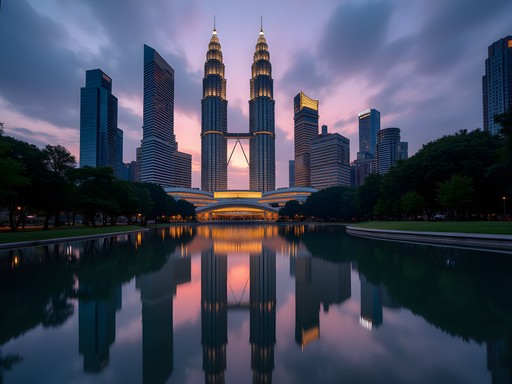
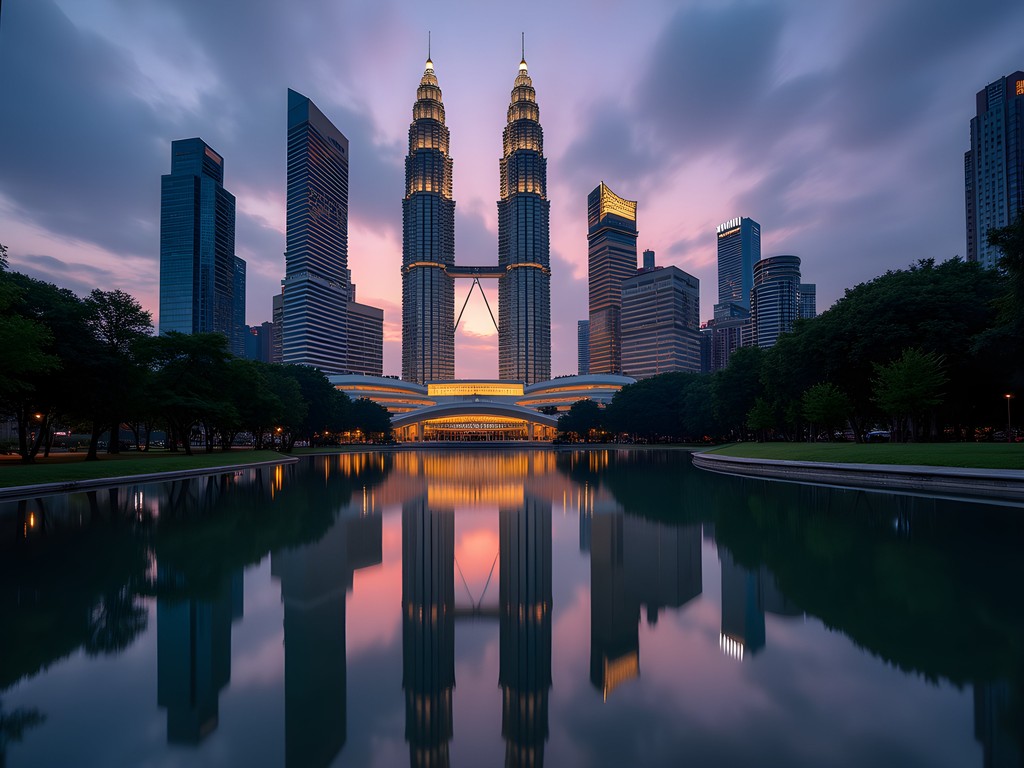
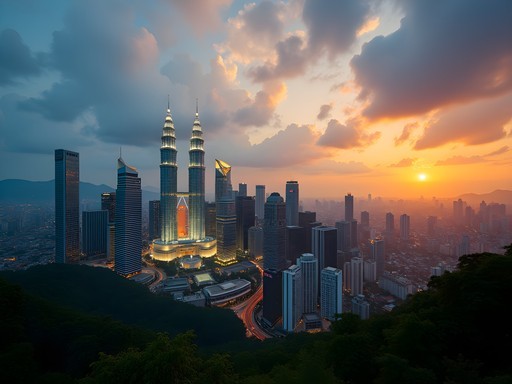
As a renewable energy engineer, I'm naturally drawn to architectural innovation, and KL delivers spectacularly. The Petronas Twin Towers remain the crown jewel of the skyline, but the real photography magic happens across the KLCC Park lake at sunset. Position yourself near the fountain around 7pm for that perfect reflection shot when the towers illuminate against the twilight sky.
The often-overlooked KL Tower observation deck actually offers superior cityscape compositions than the Petronas itself. For just 52 MYR (compared to 85 MYR at Petronas), you'll capture panoramas that include the iconic twins in your frame—something impossible when standing on them. I spent nearly two hours at the open-air Sky Deck with my travel gimbal capturing silky-smooth panning videos of the 360° views.
For architecture enthusiasts, don't miss the Sultan Abdul Samad Building near Merdeka Square. Its Moorish-inspired façade with copper domes photographs beautifully in the golden hour light. The symmetry and intricate details reward those who take time to frame their shots thoughtfully.
💡 Pro Tips
- Visit the Petronas Towers observation deck first thing in the morning (opening at 9am) to avoid crowds in your shots
- Bring a polarizing filter to reduce glare when photographing KL's many glass skyscrapers
- The Sky Bridge connecting the Petronas Towers offers unique perspectives, but tickets sell out—book online 2-3 days ahead
Cultural Enclaves: Where History Meets Vibrant Street Photography
Kuala Lumpur's cultural diversity creates rich visual storytelling opportunities in neighborhoods like Chinatown, Little India, and Kampung Baru. These areas offer authentic slices of daily life that contrast beautifully with the city's hyper-modern districts.
Petaling Street in Chinatown transforms completely between day and night. During daylight, focus on the detailed shophouse architecture and colorful merchandise. After sunset, the hanging red lanterns illuminate the market stalls, creating a moody atmosphere perfect for street photography. I found my low light prime lens invaluable here—its wide aperture allowed me to capture the vibrant night scenes without pushing my ISO too high.
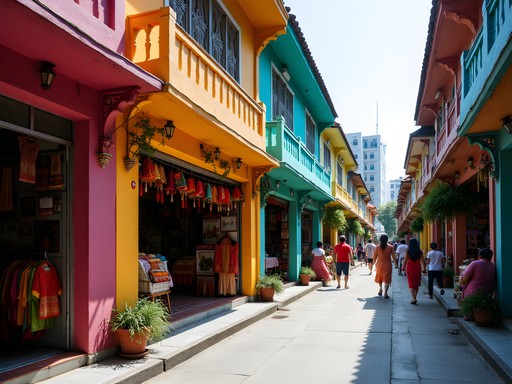
Brickfields (Little India) explodes with color—from rainbow-painted buildings to flower garland vendors and sari shops. The saturated hues here are a photographer's dream, especially mid-morning when the light is soft but bright. Sri Mahamariamman Temple offers incredible detail shots of its ornate gopuram (entrance tower), but remember to remove shoes and request permission before photographing inside religious sites.
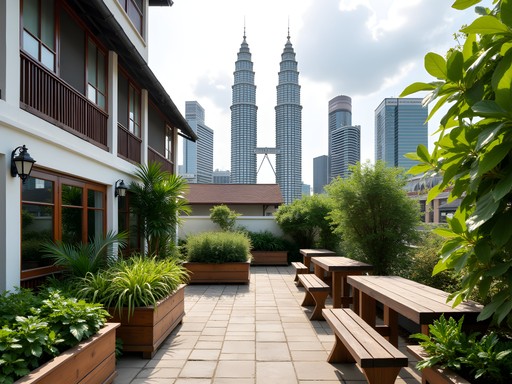
For an authentic glimpse of traditional Malay life, Kampung Baru provides a fascinating juxtaposition—wooden stilt houses standing in the shadow of the Petronas Towers. This neighborhood feels frozen in time yet exists right beside ultramodern development. Visit the Saturday night market for compelling documentary-style opportunities capturing local food culture.

💡 Pro Tips
- Use a 35mm or 50mm prime lens in markets for better low-light performance and to avoid intimidating subjects with a large zoom lens
- Ask permission before taking close-up photos of people, especially in religious areas
- Visit Brickfields between 10am-2pm when colors are most vibrant but shadows aren't harsh
Urban Exploration: Street Art and Hidden Gems
Beyond the postcard landmarks, Kuala Lumpur harbors photogenic secrets in its urban fabric. The street art scene has exploded in recent years, particularly in neighborhoods undergoing creative revitalization.
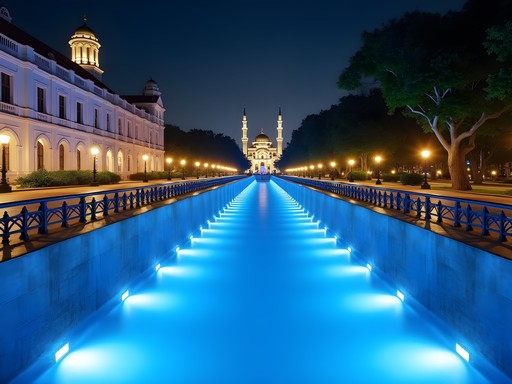
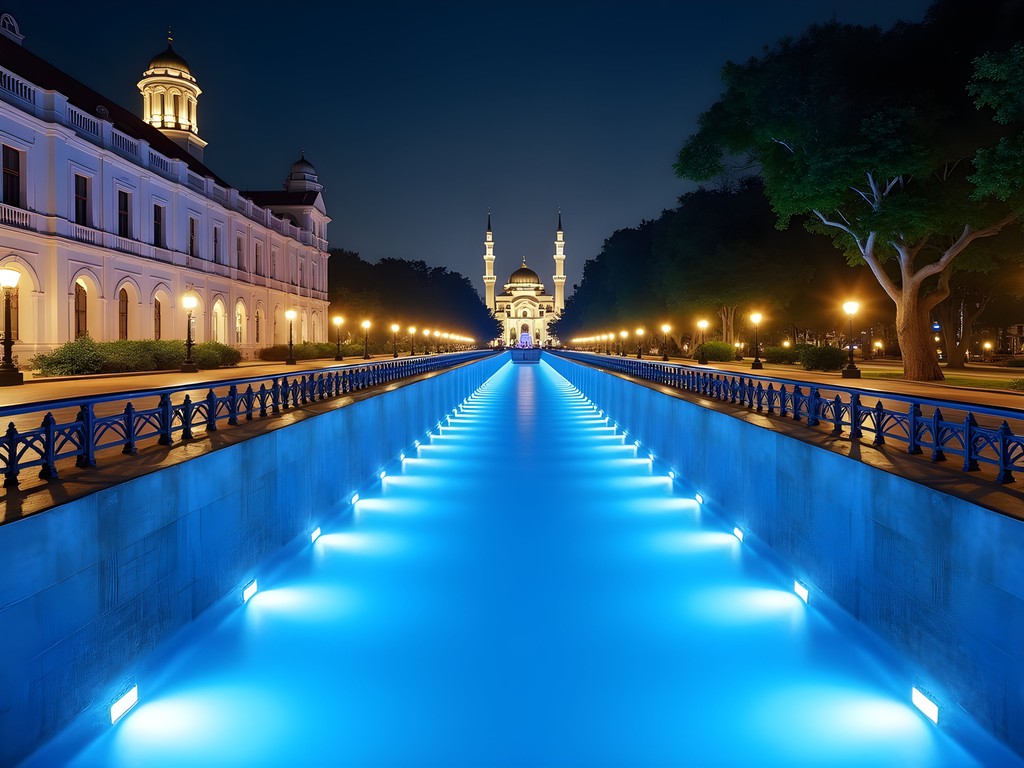
River of Life project along the Klang River offers stunning blue-lit waterscapes after dark. This urban renewal initiative transformed once-neglected waterways into photogenic promenades. For the best shots, position yourself on the Masjid Jamek bridge around 8:30pm when the illumination reaches peak intensity. I recommend bringing a compact travel tripod for these night scenes—the small footprint works perfectly on narrow walkways while providing the stability needed for longer exposures.
The back alleys of Jalan Alor and Changkat Bukit Bintang hide impressive murals between their famous food stalls. Unlike the more touristy street art in Penang, these works feel more authentic and less photographed. Early morning provides the best light and fewest obstructions for clean compositions.
For architectural photographers, the River Confluence (where the Gombak and Klang rivers meet) offers fascinating juxtapositions of colonial buildings, mosques, and modern structures. This area represents the literal and symbolic birthplace of Kuala Lumpur—kuala meaning confluence and lumpur meaning mud in Malay. The late afternoon light here creates beautiful contrasts between historical and contemporary elements.
💡 Pro Tips
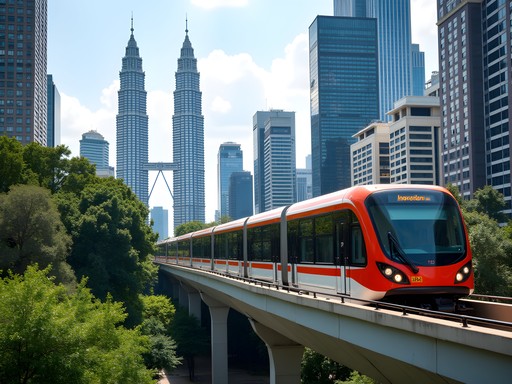
- Use the Transit Art Gallery MRT stations to find unexpected photo opportunities—Merdeka station features incredible batik-inspired designs
- Visit street art locations early morning (6-8am) to avoid cars parking in front of murals
- Bring a microfiber cloth in your pocket—KL's humidity can cause lens condensation when moving between air-conditioned buildings and outside

Urban Astronomy: Capturing Kuala Lumpur's Night Sky
As an astronomy enthusiast, finding dark skies in cities is always a challenge. While KL's light pollution limits deep-space photography, there are still creative ways to incorporate celestial elements into your urban photography.
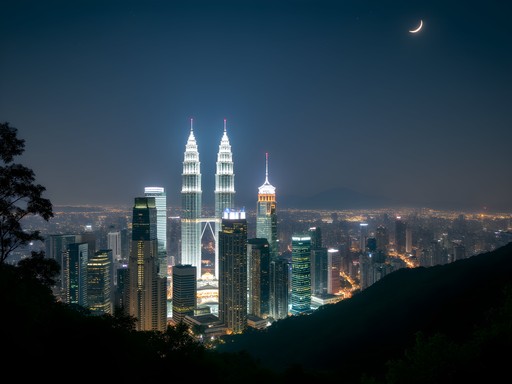
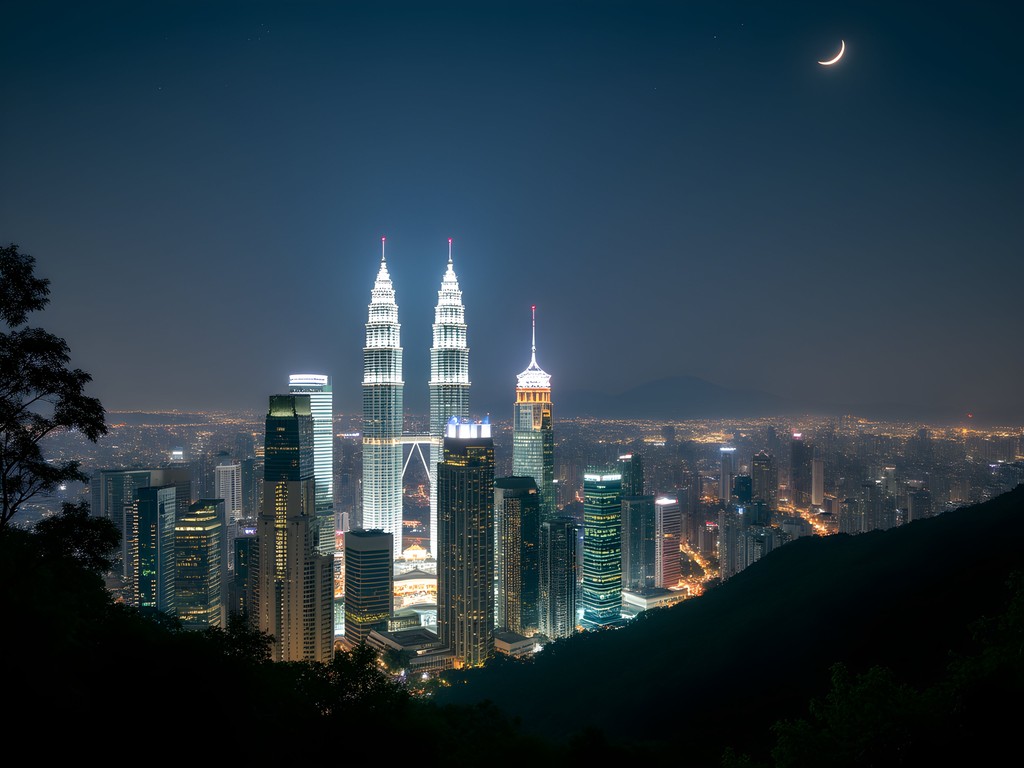
The KL Forest Eco Park offers a unique vantage point where you can frame the illuminated city skyline with the canopy walkway's silhouetted trees in the foreground. On clear nights, you might capture a few stars above the Petronas Towers. I used my light pollution filter to help reduce the city glow and enhance what stars were visible.
For those serious about astrophotography, I recommend a day trip to Kuala Selangor Nature Park (about 1.5 hours from KL). Here, the reduced light pollution allows for more traditional night sky photography, particularly over the mangrove forests. My intervalometer was essential for capturing star trail sequences without having to manually time exposures.
Back in the city, the Ampang Look Out Point provides elevated views away from the brightest downtown lights. On exceptionally clear nights after rain (which helps reduce haze), you can capture the moon rising over the city skyline. This location requires a bit of planning with moon phase apps, but the results are worth it.
💡 Pro Tips
- Use apps like PhotoPills to plan moon alignment with city landmarks
- Set up at elevated locations at least 30 minutes before astronomical twilight ends to properly compose night shots
- Bring a red headlamp to preserve your night vision while adjusting camera settings
Hidden Bookstores and Record Shops: A Cultural Photographer's Paradise
My dual passions for bookstores and vinyl shops led me to discover some of KL's most photogenic cultural spaces. These locations offer rich visual textures and authentic cultural experiences away from the typical tourist trail.
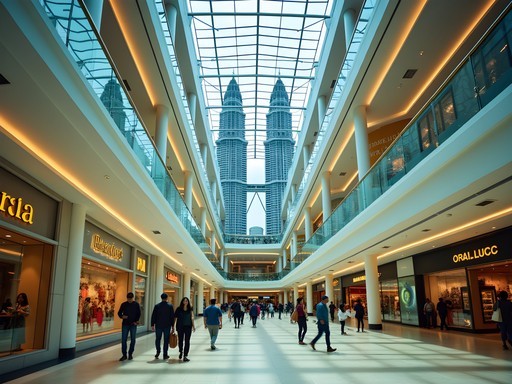
Kinokuniya in KLCC provides dramatic leading lines with its towering bookshelves and geometric architecture. The science fiction section features a stunning spiral staircase that creates perfect framing opportunities. For the best shots without disrupting shoppers, I used my ultra-wide lens to capture the expansive interior spaces without needing to back up into walkways.
Buku Fixi in Jalan Petaling (Chinatown) offers a completely different aesthetic—this independent publisher specializes in contemporary Malaysian fiction with boldly designed covers that make for vibrant flat-lay compositions. The friendly staff were happy to let me photograph their colorful book displays when I asked permission.
For vinyl enthusiasts, Teenage Head Records in ZHONGSHAN Building is a photographer's dream with its moody lighting and carefully curated collection. The owner, a passionate music lover, allowed me to document the space after I purchased some local Malaysian psych rock releases. The warm tones and vintage equipment create a nostalgic atmosphere perfect for detail-oriented photography.
The most photogenic spot might be BookXcess at REX KL, housed in an old cinema. The dramatic spiral bookshelves and reading pods create architectural compositions that perform exceptionally well on Instagram. Visit on weekday mornings when the crowds are thinner for cleaner architectural shots.

💡 Pro Tips
- Ask permission before photographing inside private businesses, especially when focusing on merchandise
- Use wide apertures (f/1.8-2.8) to create atmospheric depth in bookstore shots
- Incorporate human elements like hands browsing records or readers absorbed in books for scale and storytelling
Final Thoughts
Kuala Lumpur defies simple categorization through a camera lens—it's a city of perpetual contrast where the future and past engage in constant visual dialogue. As both an engineer and photographer, I found myself equally captivated by the structural brilliance of the Petronas Towers and the organic chaos of heritage neighborhoods like Kampung Baru. The 12 locations I've shared represent just the beginning of KL's photographic potential.
What makes this city special for photographers is its accessibility. Unlike many urban destinations, most of these spots can be reached via affordable public transport, making it ideal for budget-conscious creators. The tropical climate means year-round shooting opportunities, though I'd recommend planning indoor locations during afternoon downpours.
As I packed away my camera on my final evening, watching the sunset from the Heli Lounge Bar, I realized KL had changed my perspective—not just photographically but personally. In a city where Chinese temples stand beside mosques and colonial buildings, where traditional markets operate in the shadows of glass skyscrapers, there's a visual reminder that harmony exists in diversity. ¡Hasta la próxima, Kuala Lumpur! Until next time—bring extra memory cards, you'll need them.
✨ Key Takeaways
- Kuala Lumpur offers exceptional value for photographers with many free or low-cost shooting locations accessible via affordable public transport
- Early mornings (6-8am) provide the best light and fewest crowds at popular spots like Batu Caves and Thean Hou Temple
- Contrasting modern architecture with traditional neighborhoods creates the most compelling visual stories of KL
- Weather patterns are predictable—plan indoor shooting locations for the typical afternoon rain showers
- Always ask permission before photographing people up close, especially in religious sites and markets
📋 Practical Information
Best Time to Visit
year-round (March-May slightly drier)
Budget Estimate
$30-50/day excluding accommodation
Recommended Duration
5-7 days
Difficulty Level
Intermediate

Comments
coffeelife
is it safe to walk around with expensive camera gear? kinda worried about that
tripfan4913
I felt totally safe there. Just use common sense like anywhere
oceanfan
Same, never had any issues. Just don't flash your gear around unnecessarily and you'll be fine
greenpro3823
This is SO helpful!! Going in September for the first time and super excited to try these spots!
George Hayes
Great guide! I took my family to KL last year and while traveling with three kids under 10 doesn't exactly scream 'photography expedition,' I still managed to capture some memorable shots. The Perdana Botanical Gardens were a lifesaver—wide open spaces for the kids to run around while I could practice composition with the lake and skyline backdrop. My 8-year-old actually got really into it and we made a game of finding the best angles. Pro tip for families: the KL Bird Park is surprisingly photogenic and keeps everyone happy. I used my camera backpack the whole trip and it was perfect for carrying both camera gear and kid essentials.
Bryce Diaz
Matthew, this resonates so much with my own KL experience. I was there solo in 2023 and spent an entire afternoon just wandering through the Central Market area with my camera. What struck me most was exactly what you mentioned—that visual duality. I'd be photographing a centuries-old temple, turn around, and there's this gleaming tower of steel and glass. The contrast is jarring but somehow it works. One tip I'd add: the rooftop bars around Bukit Bintang offer incredible skyline views at sunset. Yes, you'll pay for a drink, but the vantage point is worth it for photographers. Also, respect to you for highlighting the street art scene—it doesn't get enough attention compared to Penang.
coffeelife
which rooftop bar would you recommend?
Bryce Diaz
Heli Lounge Bar is touristy but the 360-degree views are unbeatable. Go just before sunset.
tripfan4913
Bookmarking this for sure
adventureway
What lens did you use for the architecture shots? Planning a trip in August and trying to figure out what gear to bring
oceanfan
YES!! KL is so underrated for photography! I spent 5 days there last year and could've stayed longer. The blue hour shots from the Petronas Towers area are just *chef's kiss*. Also the street art in Chinatown is constantly changing so there's always something new. Did you get up to Batu Caves? The light coming through in the morning is incredible.
greenpro3823
how early do you need to get to batu caves for good light?
oceanfan
I got there around 7am and it was perfect. Not too crowded either!
citymate
These shots are amazing!
Gregory Boyd
Excellent guide, Matthew. I'd add that the humidity in KL is brutal for camera gear - went through three silica gel packs in my bag during a week there. The street art in Chinatown has evolved significantly since 2024, lots of new murals along Jalan Balai Polis. Also found that shooting in the Batu Caves requires getting there before 8am to avoid both the tour groups and harsh overhead light. The monkeys are entertaining subjects but keep your gear strapped on tight. Did you venture out to any of the rooftop bars for cityscape shots?
blueninja
What time did you shoot the Petronas Towers? Trying to figure out best lighting
Gregory Boyd
Not Matthew, but I've shot there multiple times. Blue hour (around 7-7:30pm) is ideal - you get the towers lit up but still some ambient light in the sky. The fountains at KLCC Park make great foreground elements too. Just be prepared for crowds, especially on weekends.
blueninja
Thanks! Yeah crowds are always the worst for long exposures
Venture X
Premium card with 2X miles, $300 travel credit, Priority Pass