
Disclosure: This article contains affiliate links. We may earn a commission from purchases at no extra cost to you, which helps our travel content.
The first time I stepped off the train at KL Sentral, I was hit by that familiar wall of tropical heat and the intoxicating aroma of rendang simmering somewhere nearby. Seven years and four visits later, Kuala Lumpur still captivates me with its perfect chaos – gleaming skyscrapers towering over colonial architecture, street food that rivals any Michelin-starred restaurant (trust this pastry chef on that one), and some of the most hospitable people you'll ever meet. The best part? You can experience all this magnificent city has to offer without emptying your wallet. Let me show you how.

Navigating KL: Transportation on a Shoestring
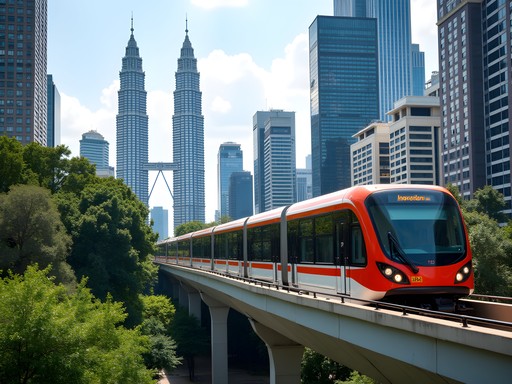
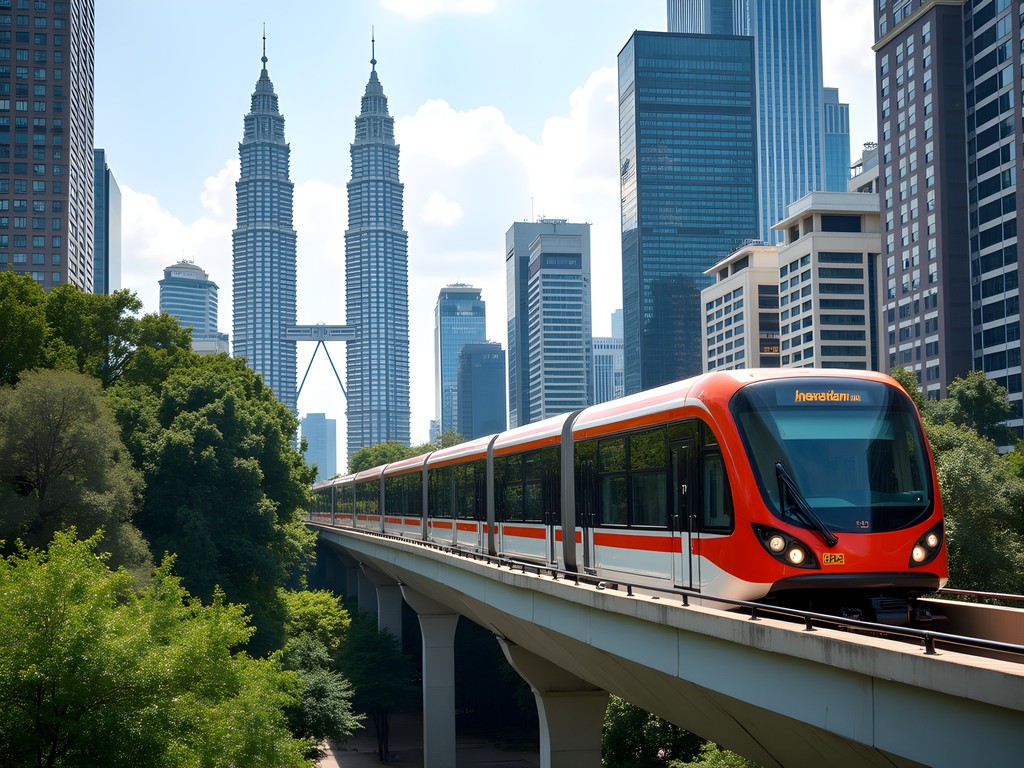
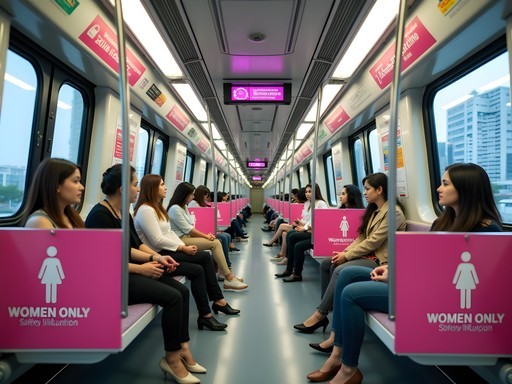
First things first: ditch the taxis. Kuala Lumpur boasts one of Southeast Asia's most efficient public transportation systems, and mastering it will save you serious ringgit. The integrated network of MRT, LRT, monorail and buses can get you virtually anywhere worth going for pennies.
On my last visit, I purchased a prepaid transit card and loaded it with 20 MYR (about $4.50), which covered three full days of city exploration. The card works across all transit systems and eliminates the hassle of buying individual tokens.
For areas not covered by rail, GoKL's free bus service runs several routes hitting major tourist spots. I've found Route Green particularly useful as it connects Bukit Bintang (shopping district) to KLCC (home of the Petronas Towers) in air-conditioned comfort – a blessing when the afternoon humidity hits 90%.
When my feet need a break but I'm nowhere near public transit, I rely on Grab (Southeast Asia's Uber). It's significantly cheaper than traditional taxis and eliminates any potential for tourist pricing. Just make sure you have a portable wifi device to connect when public WiFi isn't available.
💡 Pro Tips
- Purchase a Touch 'n Go card immediately upon arrival to save on individual transit tickets
- Download the PULSE app to track KL's public transit in real-time
- Take advantage of the free GoKL buses for major tourist routes
Feast Like Royalty: Street Food & Budget Eats
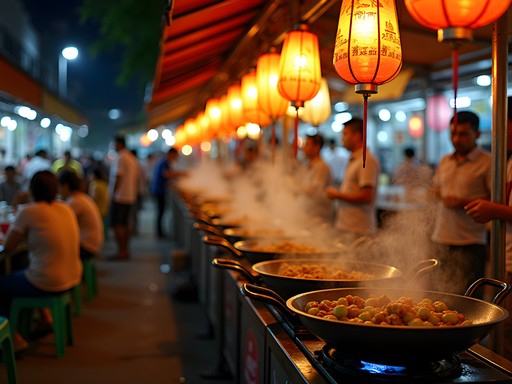
If there's one thing my pastry chef background has taught me, it's how to recognize quality ingredients and exceptional technique – and KL's street food scene delivers both in abundance. The city's culinary landscape is a glorious fusion of Malay, Chinese, and Indian influences that will have you eating like royalty for less than $5 per meal.
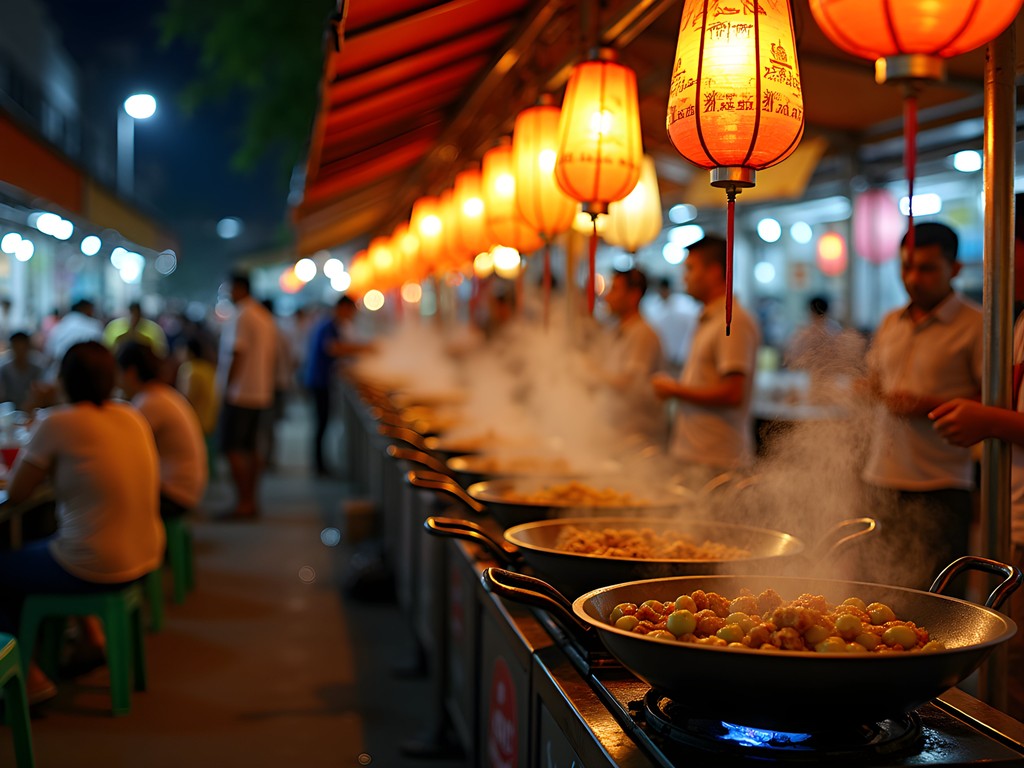
Jalan Alor transforms nightly into a food lover's paradise. This is where I first fell in love with satay so tender it practically dissolves on your tongue, served with a peanut sauce I've spent years trying (and failing) to replicate. A full dinner here – multiple dishes, drinks included – rarely exceeds 25 MYR (about $5.50).
For breakfast, I always make a pilgrimage to Imbi Market for kaya toast – pillowy soft bread spread with coconut jam and served alongside soft-boiled eggs. Pair it with a strong kopi (Malaysian coffee) and you've got a breakfast of champions for under $2.
My secret weapon for finding authentic local spots? I carry a food translation cards that helps me identify dishes and communicate dietary preferences without awkward pointing and charades. They've led me to hidden gems no guidebook mentions, including a tiny stall in Chow Kit where an elderly woman makes the most transcendent kuih (traditional Malaysian sweets) I've ever tasted.
💡 Pro Tips
- Visit Jalan Alor after 5pm for the full street food experience
- Look for stalls with locals queuing – always a good sign
- Try nasi lemak for breakfast at least once – it's Malaysia's unofficial national dish
Sacred Spaces & Cultural Gems
My grandmother's stories about Ukrainian churches sparked a lifelong fascination with sacred architecture, and Kuala Lumpur offers a remarkable array of spiritual spaces that won't cost you a cent to visit.
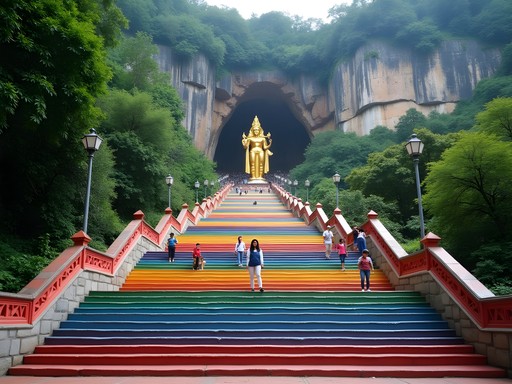
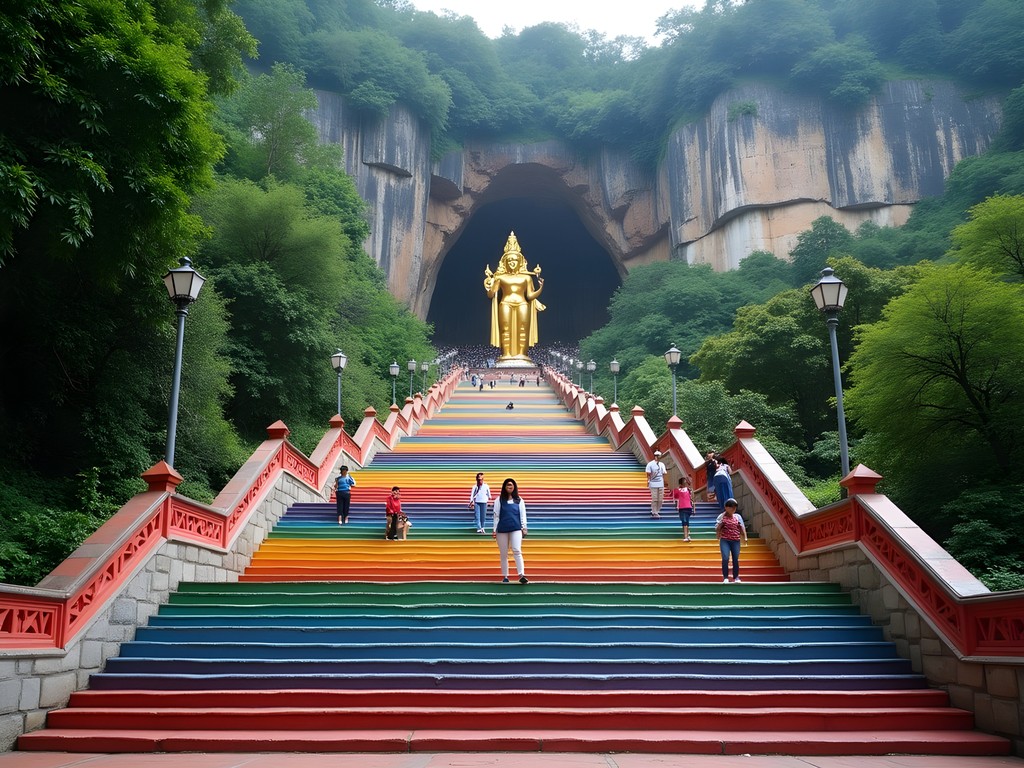
Batu Caves remains one of my favorite places on earth – not just in KL. The 272 rainbow-colored steps leading to the limestone cave temples create an Instagram-worthy backdrop, but it's the interior that truly mesmerizes. The cavernous ceiling opens to the sky in places, creating ethereal light beams that dance across Hindu shrines. The caves are free to enter (though I recommend bringing a lightweight sarong to cover your legs if needed).
In stark contrast to the ancient caves, the Islamic Arts Museum Malaysia showcases exquisite artifacts in a modern setting. The modest 14 MYR entrance fee (about $3) grants access to one of Southeast Asia's finest collections. I spent three hours mesmerized by intricate calligraphy and architectural models that trace Islamic influence across continents.
For an off-the-beaten-path experience, I discovered Thean Hou Temple during my second visit to KL. This six-tiered Chinese temple sits atop a hill with panoramic city views. The intricate dragon pillars and ornate prayer halls dedicated to the goddess Mazu offer a peaceful retreat from the urban bustle below. Like many religious sites in Malaysia, entrance is free, though donations are appreciated.
💡 Pro Tips
- Visit Batu Caves early morning (before 8am) to avoid crowds and midday heat
- Respect dress codes at religious sites – keep a light scarf or sarong handy
- Check lunar calendar for festival dates when temples host special celebrations

Free & Nearly-Free Attractions
Between religious sites and food adventures, Kuala Lumpur offers plenty of attractions that cost little to nothing. I've discovered that some of my most memorable KL experiences came with the smallest price tags.
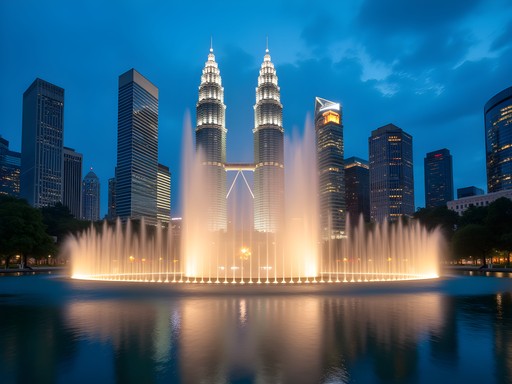
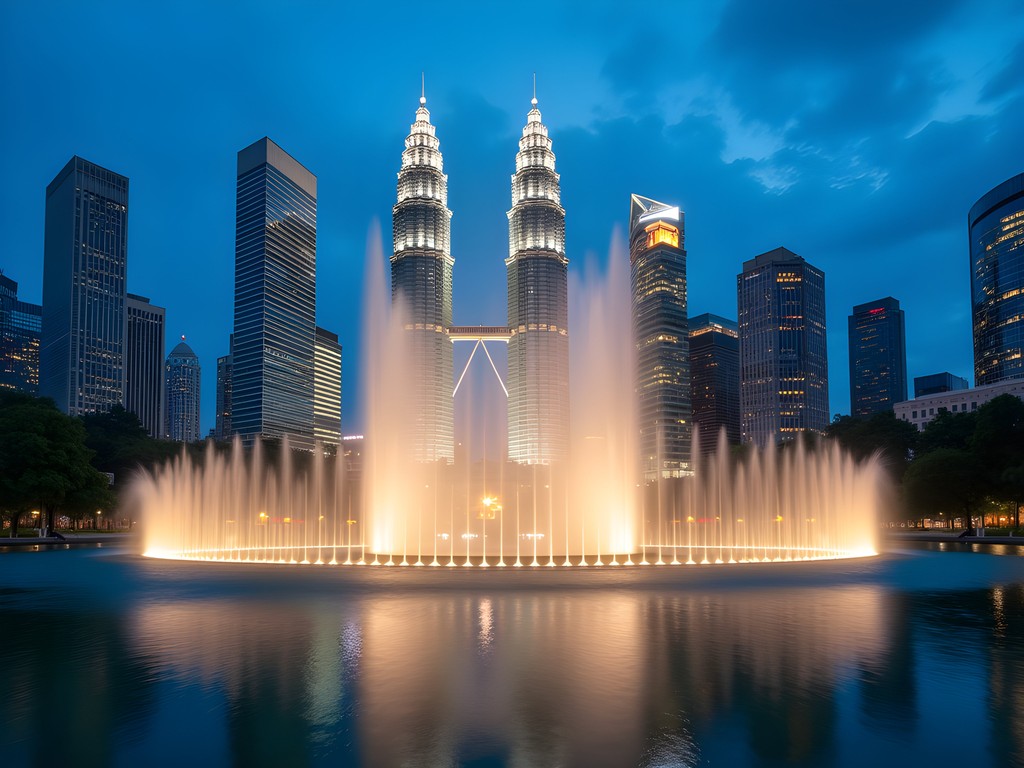
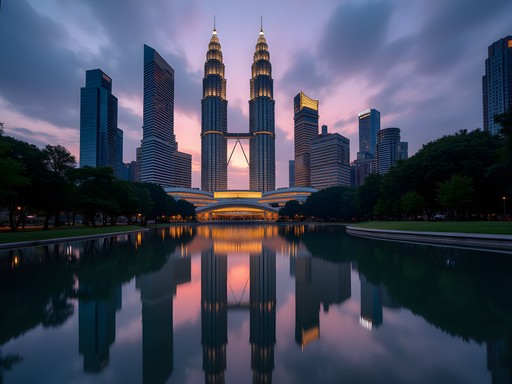
KLCC Park sits in the shadow of the iconic Petronas Towers and offers a surprisingly serene escape from urban chaos. The park's centerpiece is a choreographed fountain show that rivals those in much pricier destinations (I'm looking at you, Dubai). I've spent many evenings here with a 3 MYR ice cream, watching the towers illuminate against the darkening sky – pure magic for less than a dollar.
For art lovers, the National Visual Arts Gallery showcases Malaysian and international works in a striking modernist building. Entry is just 5 MYR (about $1.10), and they often host free workshops and events. During my last visit, I stumbled upon a batik demonstration that gave me newfound appreciation for this traditional craft.
My favorite hidden gem is the Perdana Botanical Gardens. This sprawling green space houses specialized gardens, including a stunning orchid conservatory that would make any horticulturist swoon. Pack a collapsible water bottle and a simple picnic from a local market, and you've got a delightful afternoon that costs next to nothing.
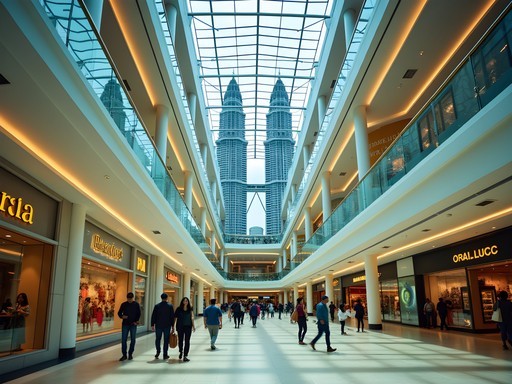
When the tropical heat becomes overwhelming, I retreat to the air-conditioned comfort of Central Market. This art deco building houses handicraft stalls where you can browse traditional Malaysian crafts without pressure to buy. The cultural performances in the central court are free and provide insight into Malaysia's diverse heritage.
💡 Pro Tips
- Visit KLCC Park fountain shows at noon, 8pm and 9pm daily
- Many museums offer discounted or free entry on specific weekdays – check websites before visiting
- Download the KL Heritage Trail map for a self-guided walking tour of colonial architecture
Budget Accommodation: Rest Well for Less
Finding affordable accommodation in Kuala Lumpur is surprisingly easy, even in central locations. The key is knowing which neighborhoods offer the best bang for your buck without sacrificing safety or convenience.
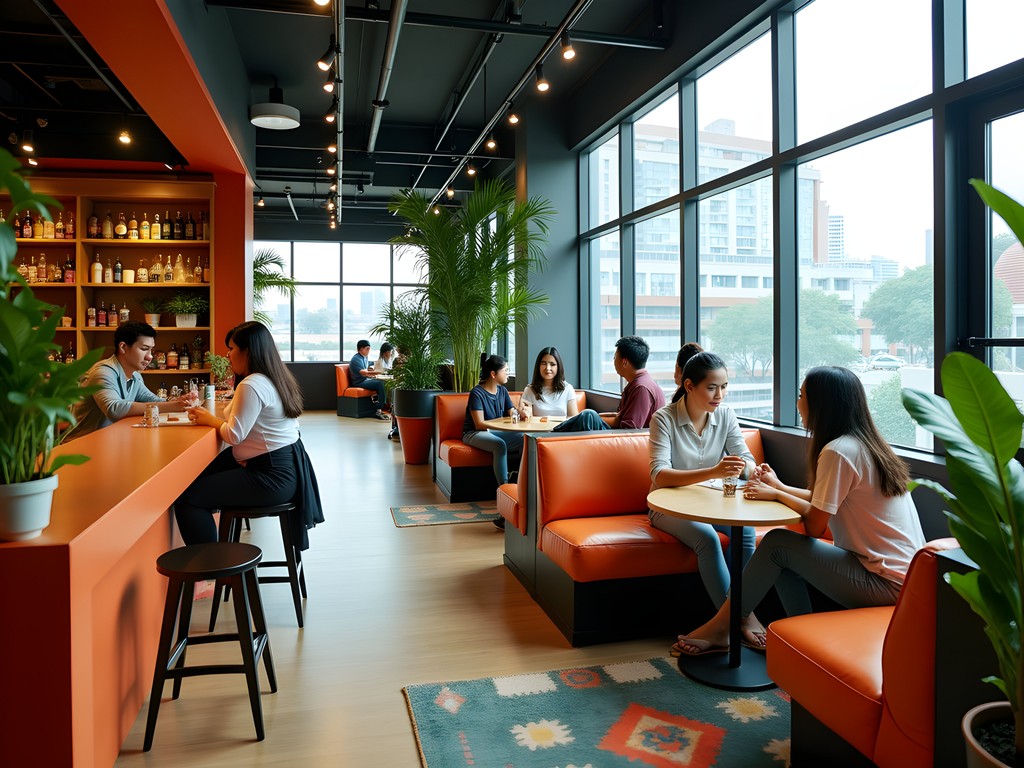
On my first solo visit, I stayed in Bukit Bintang, the shopping and entertainment district. While slightly pricier than other areas, its central location meant I saved on transportation costs. Hostels here average 40-60 MYR ($9-13) for a clean dorm bed with air conditioning – an absolute necessity in KL's humidity.
For my subsequent trips, I discovered Chow Kit offers excellent value. This more local neighborhood houses budget hotels where private rooms with ensuite bathrooms can be found for 80-100 MYR ($18-22) per night. The area's morning market became my go-to for fresh fruit and Malaysian snacks.
My personal hack for longer stays is booking through local apartment rental services rather than international platforms. On my three-week visit researching Malaysian pastries, I found a small studio apartment near Pudu for 25% less than similar listings on major booking sites.
Regardless of where you stay, I always pack a portable door lock for extra security and peace of mind, especially in budget accommodations where doors might not feel quite as solid as you'd like. It's lightweight, takes seconds to install, and has helped me sleep soundly in dozens of countries.
💡 Pro Tips
- Book accommodations near MRT stations to maximize mobility
- Consider staying slightly outside the city center for better weekly rates
- Look for places that include breakfast to save on morning meals
Final Thoughts
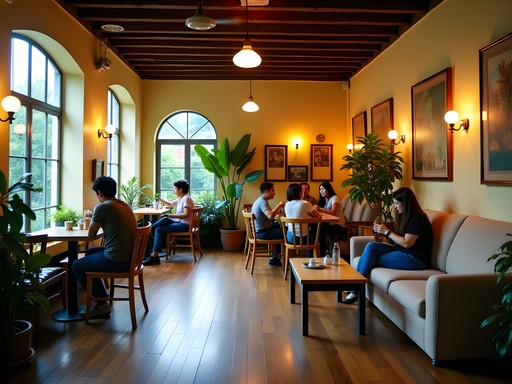
As I sit writing this at a tiny kopitiam (coffee shop) near Masjid Jamek, sipping my third teh tarik of the day (I'm hopelessly addicted to this frothy pulled tea), I'm struck again by how Kuala Lumpur manages to be both accessible and extraordinary. This city has taught me that memorable travel experiences don't require emptying your bank account – sometimes they're found in a $1 plate of perfect nasi lemak or a free sunset view from an overlooked temple.
With some strategic planning and local insights, $30 a day is not just possible in KL – it's enough to experience the city's soul. You'll return home with stories of dawn prayers echoing from minarets, the taste of durian (love it or hate it, you must try it), and the memory of kind strangers who pointed you toward their favorite hidden gems.
So pack light, bring an adventurous spirit, and prepare to fall in love with a city that proves luxury isn't about price tags – it's about authentic experiences. Kuala Lumpur awaits, and your wallet will thank you almost as much as your senses will.
✨ Key Takeaways
- Public transportation is extensive and affordable – invest in a Touch 'n Go card for seamless travel
- Street food is not just budget-friendly but often superior to restaurant meals
- Religious sites offer cultural immersion and architectural wonder at no cost
- The best views of the city are often free – parks, public spaces, and temple grounds
📋 Practical Information
Best Time to Visit
year-round (avoid November-January rainy season if possible)
Budget Estimate
$25-30 per day excluding flights
Recommended Duration
4-7 days
Difficulty Level
Easy



Comments
happywalker933
Love your photos! Really inspiring.
Sage Dixon
Solid breakdown, Natalie. I spent a month in KL last year prepping for a Borneo trek and lived on even less. One hack I discovered - the university cafeterias near UM (University of Malaya) are open to public and ridiculously cheap. Full meals for $2-3. Also, if you're into hiking, Bukit Tabur is free and gives you incredible views of the city and the dam. Just go early morning to beat the heat. The street art scene in Chinatown has really blown up too - free entertainment for hours.
springclimber
Quick question - is $30 realistic if you want to do some day trips outside the city? Thinking about going to Melaka or the Cameron Highlands. Also, how's the hostel situation there? Safe and clean options?
Sage Dixon
Day trips will add to your budget for sure, but buses are cheap. Melaka is like $10 round trip. Hostels in KL are great - stayed at Reggae Mansion and it was solid.
winterway
OMG I'm booking my ticket RIGHT NOW!! This looks amazing and way more affordable than I thought!!!
happyguy
Good guide! I'd also recommend checking out Kampung Baru for authentic Malay food - it's way less touristy than Jalan Alor but still super cheap. The nasi lemak there is unreal. And yeah, that teh tarik addiction is real lol, I was drinking like 5 a day by the end of my trip.
Claire Hawkins
Natalie, this brought back so many memories! We took our kids to KL two years ago and I was amazed at how family-friendly it was on a budget. The Aquaria KLCC has a family pass that's reasonable, and the kids absolutely loved the bird park. One thing I'd add - the free shuttle bus around the Golden Triangle area saved us so much money. We stayed in Bukit Bintang and could get everywhere without taxis. Also, the night markets (pasar malam) rotate through different neighborhoods - they're perfect for cheap eats and the kids loved the atmosphere.
happywalker933
Which neighborhood would you recommend staying in for first timers?
Claire Hawkins
Bukit Bintang or Chinatown for sure! Both are central and have tons of food options within walking distance.
wildchamp
YES!! KL is seriously underrated for budget travel. I spent 3 weeks there last year and barely touched my savings. The hawker stalls near Petaling Street are INSANE - you can eat like a king for under $5. Also pro tip: get the MyRapid card for the trains, saves so much hassle. And those Batu Caves at sunrise? Absolutely worth waking up early for!
coffeegal
Thanks! What's the MyRapid card?
wildchamp
It's like a reloadable transit card - you can use it on all the trains and buses. Way easier than buying tickets each time!
coffeegal
This is so helpful! Going in August!
freeperson
Don't miss Kampung Baru area if you want authentic Malay food at local prices. Sunday night market there is incredible!
summernomad
Thanks for the tip! Any specific stalls you'd recommend?
freeperson
Look for the nasi lemak with the longest line - always a good sign! And try the grilled fish. Can't remember the stall name but it's toward the north end.
escapegal
The Rapid KL pass saved me so much money. Great tip!
Venture X
Premium card with 2X miles, $300 travel credit, Priority Pass