
Disclosure: This article contains affiliate links. We may earn a commission from purchases at no extra cost to you, which helps our travel content.
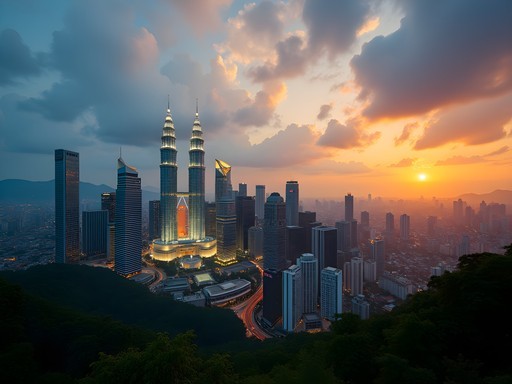
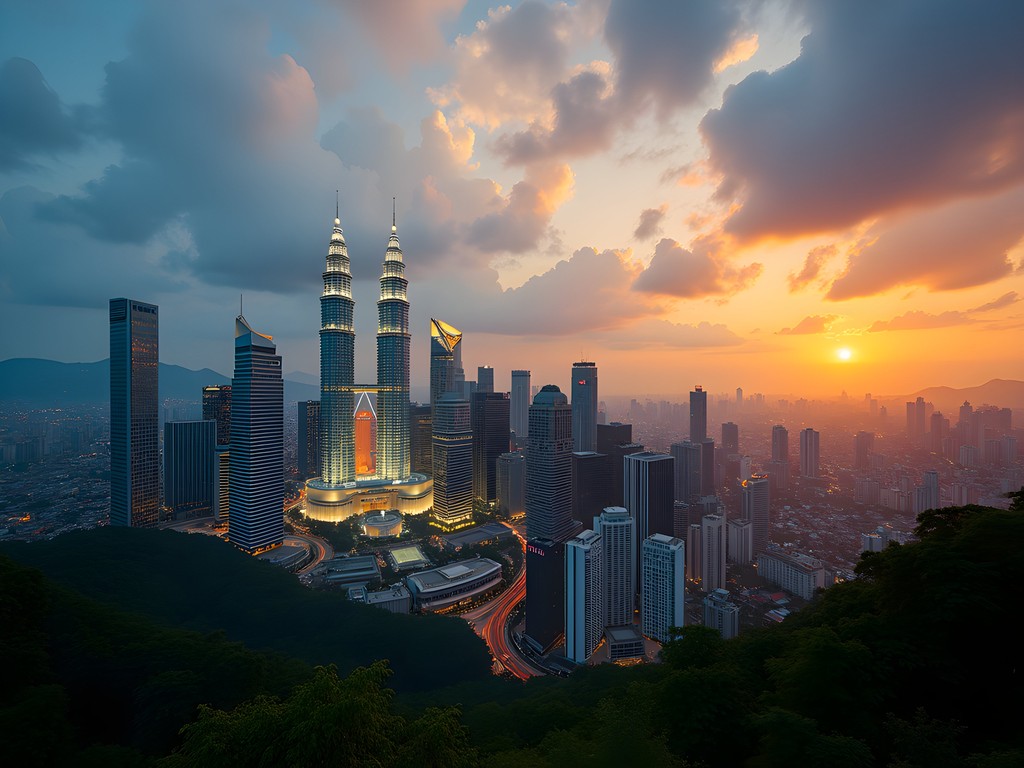
Standing on the observation deck of the KL Tower at golden hour, I watched as the last rays of sunlight painted the Petronas Twin Towers in a warm amber glow while shadows crept across the city below. The juxtaposition was mesmerizing – gleaming skyscrapers rising above colonial architecture, modern highways winding past ancient temples, and lush pockets of greenery scattered throughout this concrete jungle. As someone who typically photographs vast plains and horse cultures, Kuala Lumpur initially seemed like a departure from my comfort zone. Yet I quickly discovered that this Malaysian metropolis offers its own unique form of vastness – a vertical expanse that challenges your perspective and photographic skills in the most rewarding ways. Over my week-long adventure, I found myself captivated by KL's visual contradictions and the stories they tell about a city balancing tradition and modernity, nature and development, chaos and serenity.

Planning Your Photographic Journey Through KL
Before diving into the visual feast that is Kuala Lumpur, it's worth taking time to strategize your photographic approach. Unlike the expansive plains I'm accustomed to shooting, urban photography in KL requires adapting to confined spaces, dramatic height variations, and rapidly changing light conditions as you move between open squares and narrow alleyways.
I spent my first day simply walking without my camera – mapping mental routes that would later guide my photo excursions. The city naturally divides into distinct photographic zones: the ultra-modern KLCC area surrounding the Petronas Towers, the colonial heritage district around Merdeka Square, the vibrant cultural enclaves of Chinatown and Little India, and the lush escapes of the city's parks and forest reserves.
While planning, consider that KL's weather patterns significantly impact your shooting conditions. The tropical climate means sudden afternoon downpours are common year-round. However, these rain showers create magical opportunities for reflective street photography and dramatic skies once they pass. I found carrying my weather-sealed camera essential for these unpredictable conditions, allowing me to continue shooting when less prepared photographers had to pack up.
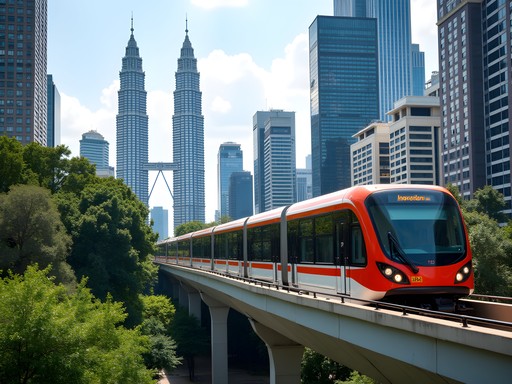
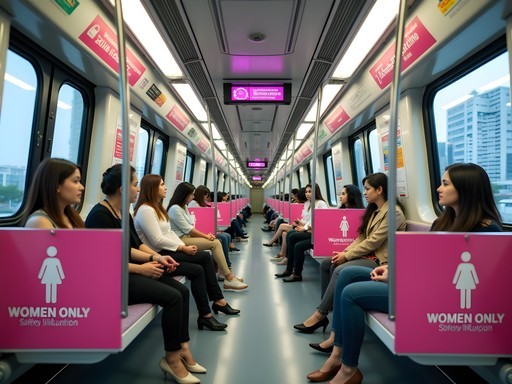
For transportation between photo locations, I relied heavily on the city's efficient rail system (MRT, LRT, and Monorail). These not only provide quick access to diverse neighborhoods but also offer elevated perspectives of the cityscape that you might otherwise miss. Purchase a Touch 'n Go card on arrival to save time and money when hopping between locations.
💡 Pro Tips
- Download offline maps and mark potential photo locations before heading out each day
- Visit iconic locations during both day and night for dramatically different shooting opportunities
- Plan around the daily rain pattern – typically early afternoon – and use this time to review images or visit indoor locations
Mastering Urban Architectural Photography
Kuala Lumpur presents a masterclass in architectural diversity, challenging photographers to capture everything from Islamic-influenced modern skyscrapers to British colonial buildings and ornate Chinese temples – often within the same frame. This visual complexity initially overwhelmed me, accustomed as I am to the clean lines and open spaces of plains photography.
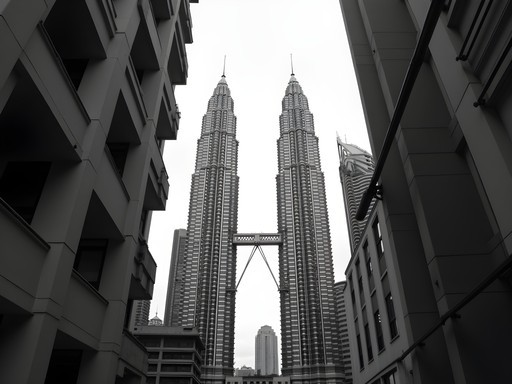
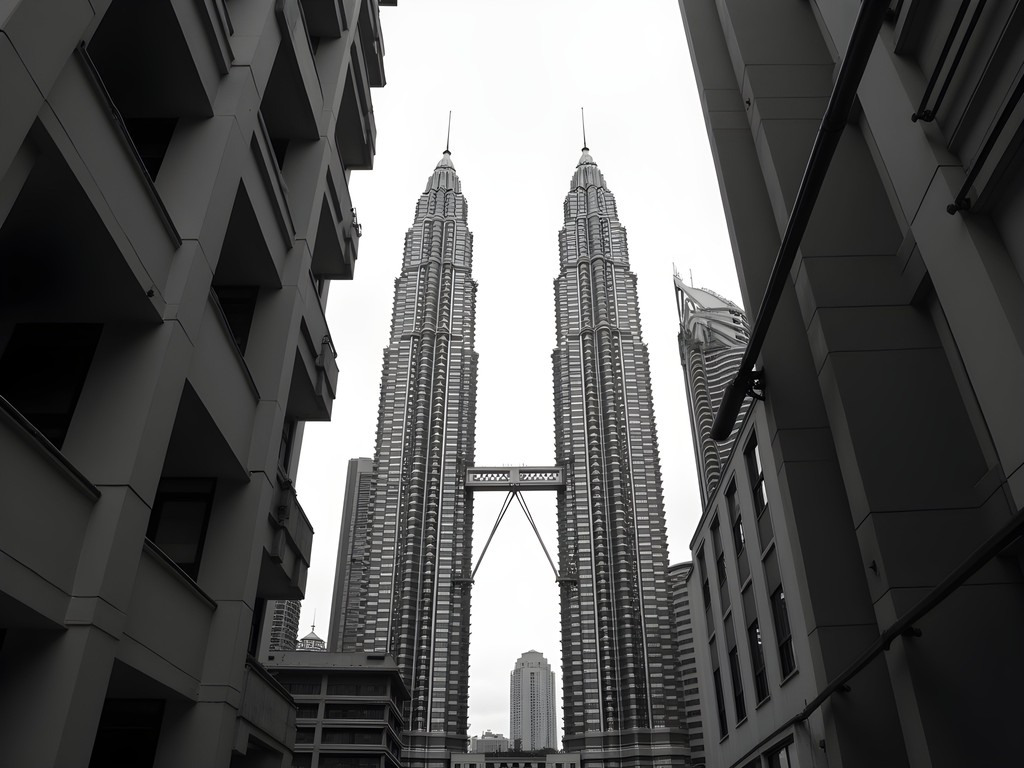
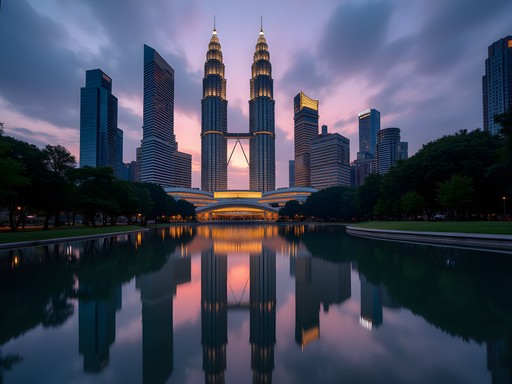
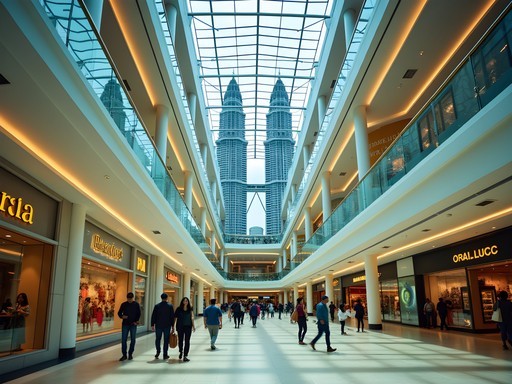
The Petronas Twin Towers rightfully dominate KL's architectural photography scene, but finding fresh perspectives requires creativity. Rather than shooting only from the obvious KLCC Park viewpoint, I discovered compelling compositions from the elevated walkways near Pavilion Mall, the rooftop bars along Jalan P. Ramlee, and even through the structural elements of neighboring buildings. My favorite shot emerged from the quiet corner of Ampang Park, where I framed the towers through a series of older buildings, creating a timeline of the city's development in a single image.
For wide architectural shots, my wide-angle lens proved invaluable, allowing me to capture entire structures even in tight urban spaces. When shooting upward at skyscrapers, this lens minimized distortion while maximizing dramatic perspective.
Don't limit yourself to modern structures. The Sultan Abdul Samad Building, Jamek Mosque, and Central Market showcase KL's historical architectural heritage. These buildings require different technical approaches – often benefiting from longer exposures to emphasize their timeless quality against the movement of modern life surrounding them.
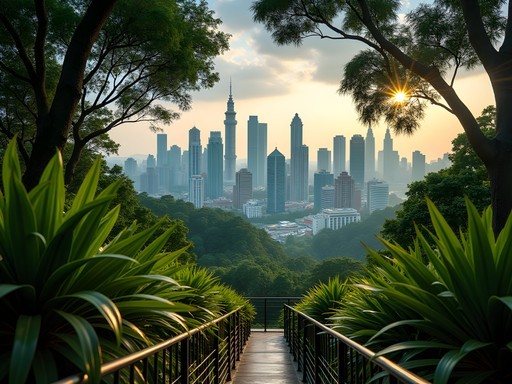
One technique I developed specifically for KL was what I call 'architectural layering' – finding vantage points where colonial, traditional religious, and hyper-modern structures align in a single composition, telling the complete story of the city's architectural evolution in one frame. The view from Bukit Nanas Forest Reserve proved particularly effective for this approach.
💡 Pro Tips
- Use a polarizing filter to manage reflections on glass buildings and enhance sky contrast
- Shoot architecture during blue hour (just after sunset) when artificial lighting balances perfectly with the remaining natural light
- Look for reflections of historic buildings in modern glass facades for compelling juxtaposition shots
Street Photography: Capturing KL's Cultural Tapestry
While architecture dominates Kuala Lumpur's skyline, the city's soul lives in its streets. Coming from photographing the wide-open spaces of Montana and Wyoming, I initially found street photography in KL intimidating – the density, the movement, the sheer humanity of it all. Yet it was precisely this contrast to my usual subject matter that pushed my creative boundaries.
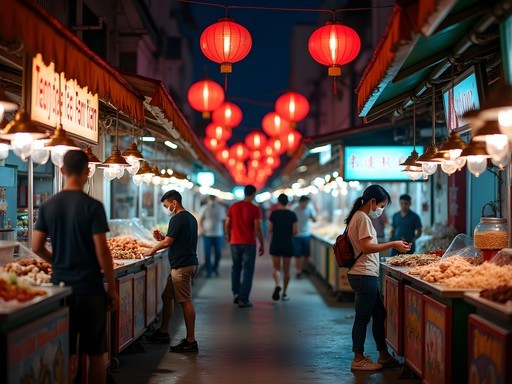
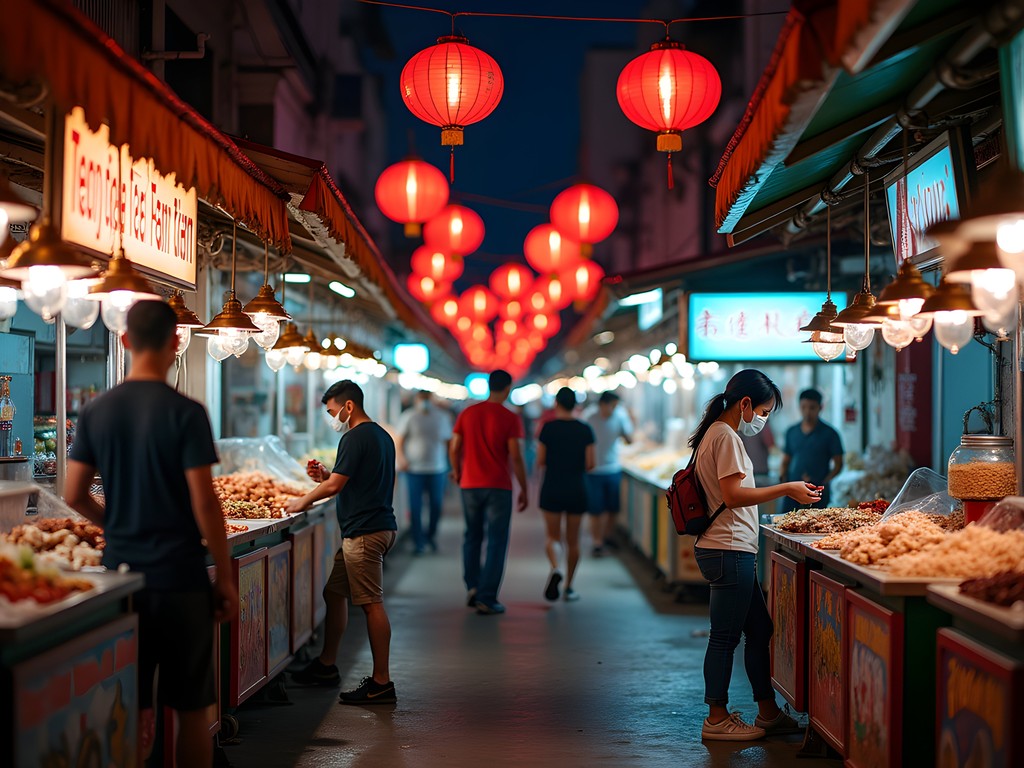
Jalan Petaling in Chinatown became my favorite hunting ground for street photography. The narrow lane transforms from a bustling market by day to a neon-lit food haven by night. Here, I abandoned my typically deliberate plains photography approach for a more reactive style. Using my prime lens allowed me to work quickly in changing light conditions while maintaining image quality and drawing less attention than larger zoom lenses.
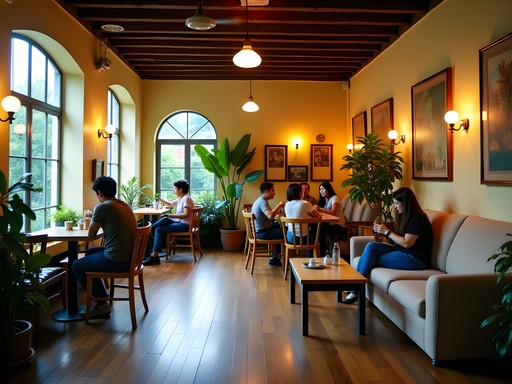
Brickfields (Little India) offered another rich environment for cultural photography, with its colorful buildings, elaborate temple facades, and vibrant street life. The key to authentic shots here was patience – spending hours simply sitting at street-side cafes, becoming part of the environment rather than an obvious observer. This approach yielded candid moments impossible to capture as a hurried tourist.
My background as a caregiver has taught me to read people's comfort levels and respect boundaries. Before photographing individuals up close, I made eye contact, smiled, and used simple gestures to request permission. This approach not only produced more authentic portraits but often led to meaningful conversations about the subjects' lives and stories – adding depth to the resulting images.
KL's street markets – particularly Chow Kit Market and the weekend Kampung Baru Night Market – provided sensory overload in the best possible way. Here, I focused on detail shots that captured the essence of Malaysian daily life: hands exchanging colorful produce, the steam rising from food stalls, the intricate patterns of traditional fabrics. These intimate glimpses tell a more nuanced story than sweeping city views alone ever could.
💡 Pro Tips
- Use a small prime lens for street photography to be less conspicuous and more nimble
- Embrace high ISO settings rather than flash to preserve natural ambiance in night markets
- Learn basic greeting phrases in Malay, Chinese, and Tamil to establish rapport with potential subjects

Finding Nature Within the Urban Jungle
For someone who typically photographs vast natural landscapes, Kuala Lumpur's concrete expanses initially felt constraining. Yet I discovered that KL offers remarkable green sanctuaries that provide both respite from urban intensity and unique photographic opportunities where nature and city collide.
The KLCC Park, while seemingly obvious, revealed its photographic potential during my early morning visits. Arriving at 6:30 AM, I found the park nearly empty, with morning mist hovering over the lake and the rising sun creating dramatic backlighting against the Petronas Towers. The symphony fountains, without crowds, became abstract foreground elements for architectural shots rather than mere tourist attractions.
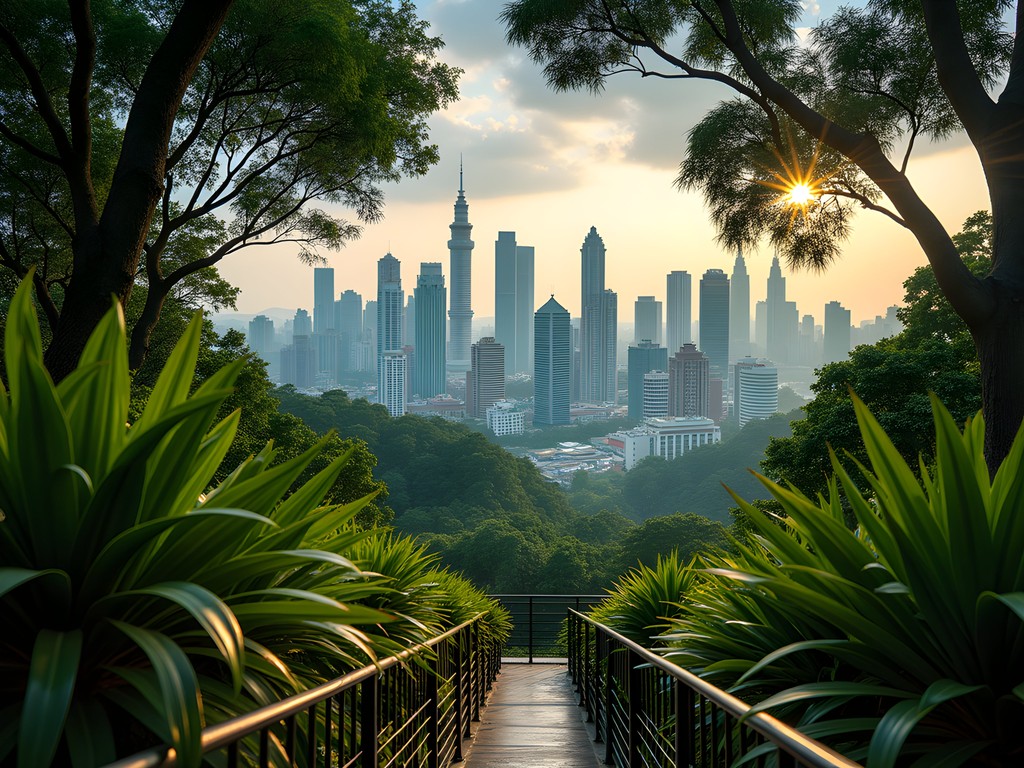
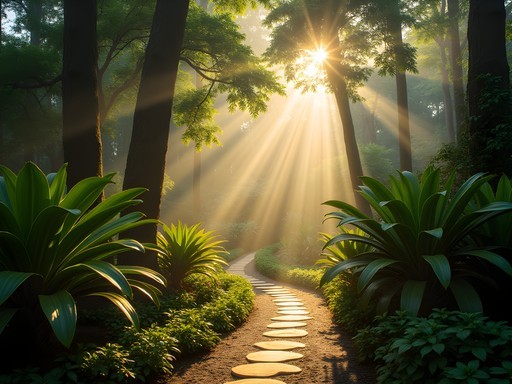
More adventurous photographers should not miss the Bukit Nanas Forest Reserve (KL Forest Eco Park) – a genuine rainforest remnant in the city center. The canopy walkway provides mid-level perspectives of both ancient trees and urban structures, creating surreal compositions where primeval nature frames modern development. The light filtering through the canopy creates challenging but rewarding conditions that test your exposure skills.
Perdana Botanical Gardens offered the most diverse natural shooting environment, with specialized gardens creating varied backdrops throughout the day. I spent an entire afternoon just in the Orchid Garden, using my macro lens to capture intricate flower details with the blurred city skyline as background context.
The most unexpected nature-meets-city location I discovered was the Saloma Link Bridge at dusk. As bats emerge from nearby trees to feed, they create dynamic elements against the twilight sky and illuminated bridge structure. These fleeting moments required patience and my camera's burst mode, but resulted in uniquely Malaysian urban-nature compositions impossible to replicate elsewhere.
These green spaces provide essential context to Kuala Lumpur's story – showing how the city maintains connections to the lush rainforest environment from which it emerged. Photographically, they offer the contrast and breathing room that elevate a city portfolio beyond mere architectural documentation.
💡 Pro Tips
- Visit green spaces at dawn when wildlife is active and city haze hasn't yet developed
- Include human elements in nature shots to emphasize scale and the relationship between residents and green spaces
- Use graduated ND filters when shooting landscapes that include both shadowy forest areas and bright sky/buildings
Night Photography: KL After Dark
If Kuala Lumpur is visually compelling by day, it becomes absolutely mesmerizing after sunset. The city's thoughtful illumination transforms mundane structures into light sculptures, creating a playground for night photography enthusiasts. As someone who frequently photographs star-filled skies above Montana's plains, I found KL's light pollution initially challenging – until I embraced it as an essential element of the urban narrative.
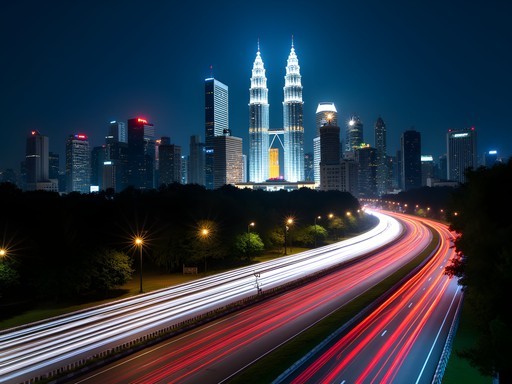
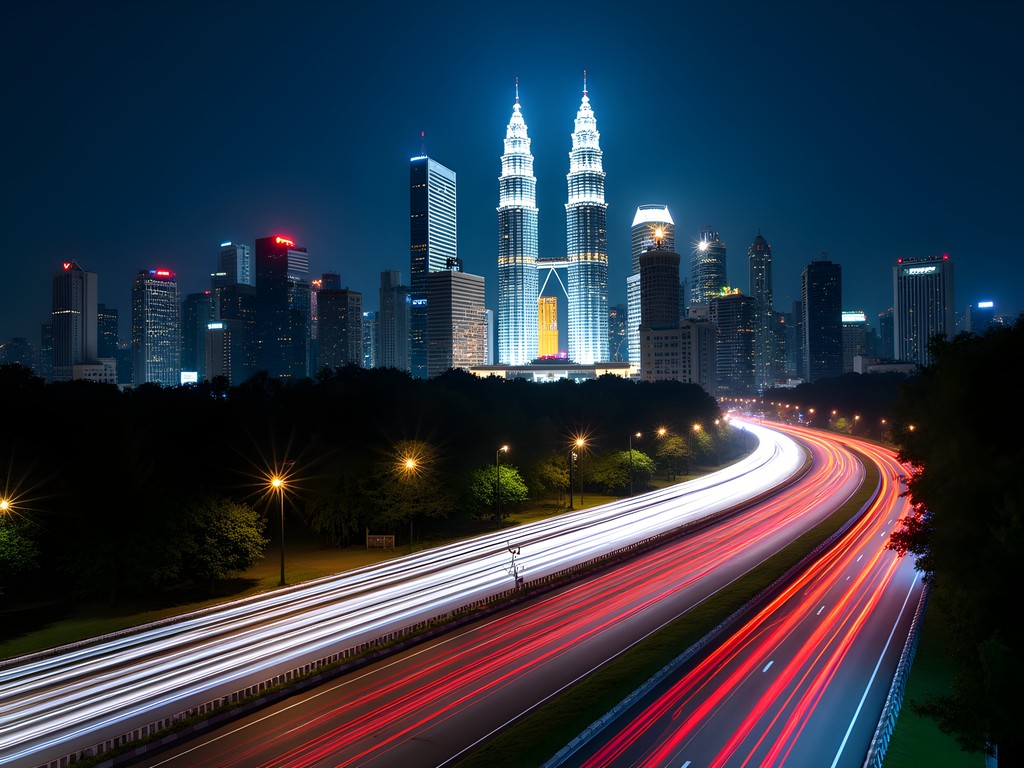
The city's elevated highways, normally prosaic infrastructure, become ribbons of light through long-exposure techniques. I discovered that the pedestrian bridge near Masjid Jamek LRT station offers a perfect vantage point for capturing light trails as vehicles navigate the city center. Using my travel tripod was essential for these shots, as it provided the stability needed for 10-30 second exposures while being compact enough to carry throughout a day of exploration.
Rooftop bars and restaurants provide exclusive night photography perspectives worth the price of admission (or at least a drink). Heli Lounge Bar, Vertigo at Banyan Tree, and Marini's on 57 each offer distinct angles on the illuminated cityscape. I found arriving right at opening time secured prime photography spots before the evening crowd arrived.
KL's abundant reflective surfaces create fascinating night compositions. The twin reflecting pools at KLCC Park mirror the illuminated towers, while the glass facades of neighboring buildings create fractured reflections that abstract the city lights. Rain-slicked streets after evening showers multiply these effects, transforming ordinary intersections into kaleidoscopic light displays.
Perhaps my most successful night photography experiment came from Thean Hou Temple, which is itself beautifully lit after dark but also provides an elevated view of the illuminated Federal Highway. From here, I created compositions where traditional Chinese architectural elements frame the modern light trails below – another example of KL's constant conversation between tradition and modernity.
While photographing at night, I was mindful of security, keeping my gear in a nondescript bag between shots and remaining aware of my surroundings. Most areas frequented by photographers are quite safe, but common-sense precautions ensure you can focus on creativity rather than concerns.
💡 Pro Tips
- Use bulb mode for precise control over exposure time when capturing light trails
- Carry a small flashlight for light painting architectural details in darker areas
- Embrace high contrast in night scenes rather than trying to preserve shadow details in every shot
Final Thoughts
As my week in Kuala Lumpur drew to a close, I found myself scrolling through thousands of images that told a story far different from my usual work on the world's great plains. Yet I recognized a familiar theme emerging – the documentation of how humans shape and are shaped by their environment. In KL, this relationship simply unfolds vertically rather than horizontally, with the same fascinating complexity. The city challenged me to adapt my photographic approach, to find intimacy in crowded spaces and vastness in narrow viewpoints. For photographers willing to embrace its contrasts and contradictions, Kuala Lumpur offers endless creative possibilities – a place where every alley, overpass, and rooftop reveals another facet of a city constantly reinventing itself while honoring its diverse heritage. I left with memory cards full, but also with a renewed appreciation for urban photography and its ability to capture the human story in all its layered complexity. Whether you're a seasoned urban photographer or someone like me stepping outside your comfort zone, KL will reward your patience and curiosity with images that continue to reveal new details with each viewing.
✨ Key Takeaways
- Kuala Lumpur offers exceptional photographic diversity within a compact area, from ultra-modern architecture to colonial heritage and vibrant cultural districts
- Early mornings and post-rain evenings provide the most dramatic lighting conditions for urban landscape photography
- The city's elevated viewpoints and pedestrian connections create unique perspectives impossible in most other urban environments
- KL's cultural diversity requires photographers to adapt their approach for different neighborhoods and communities
📋 Practical Information
Best Time to Visit
year-round, with slightly drier conditions March-September
Budget Estimate
$75-150 per day including mid-range accommodations, transportation, and meals
Recommended Duration
5-7 days for comprehensive photographic coverage
Difficulty Level
Intermediate

Comments
dreammaster
Really love your composition in these shots! The way you captured the street life against the modern backdrop is exactly what I was trying to do when I visited. Saved this post for my next trip - definitely going back with your tips in mind!
vacationtime
YES!! KL is one of my favorite cities for photography! The Batu Caves are also incredible if you have time - the colors and light inside are just stunning. And the street food markets at night?? Perfect for practicing low light photography and the atmosphere is electric. Such an underrated photography destination honestly. Everyone goes to Bangkok or Singapore but KL has this amazing energy.
summerseeker
Going there in March, so excited now!
bluewanderer
This is super helpful! I'm a beginner with photography - do you think it's still worth going to these spots even if I just have my phone camera? The photos in the post are making me want to visit so badly but I don't have fancy equipment.
Hunter Thompson
Absolutely! Phone cameras these days are brilliant. KL is so photogenic you'll get great shots regardless!
Taylor Moreau
Excellent coverage of KL's photographic opportunities, Preston. I've been traveling to Kuala Lumpur for business for nearly a decade and your section on architectural photography really resonates. The contrast between colonial buildings like the Sultan Abdul Samad Building and the modern towers is extraordinary. One tip I'd add: the blue hour just after sunset can be even more dramatic than golden hour for the Petronas Towers - the building lights come on and create this stunning interplay with the twilight sky. I always carry my travel tripod for those longer exposures.
exploreclimber
What time did you go to KL Tower for those sunset shots? Planning my first trip and want to get the timing right!
vacationtime
not the author but i went around 5:30pm and stayed til dark. totally worth it!!
exploreclimber
Thanks! That helps a lot
Hunter Thompson
Brilliant post Preston! I was in KL last year and completely agree about the golden hour at KL Tower - absolutely magical for photography. Did you get a chance to explore the back alleys around Petaling Street? Found some amazing street art there that really captured that contrast you're talking about. The mix of old shophouses and modern skyscrapers in the background makes for some really compelling compositions. How long did you spend shooting in each area?
dreammaster
Petaling Street is amazing for photos! Got some of my best street shots there
islandnomad3392
Those Petronas shots are incredible!
Hannah Woods
Preston, this resonates so much with my experience shooting in KL. The architectural contrast you mentioned is what makes it such a compelling subject - you can literally frame a century-old shophouse against a gleaming skyscraper in one shot. I found the best light for the Petronas Towers was actually just before sunrise from KLCC Park, when there's that blue hour glow and almost no tourists. The challenge is balancing exposure between the bright towers and darker foreground. What settings did you typically use for those high-contrast scenes? I struggled with blown highlights on my first attempts.
starbuddy
Going to KL in March! Is sunrise really better than sunset for the towers?
Hannah Woods
Both are beautiful, but sunrise has way fewer people and softer light. Sunset can be more dramatic though!
freetime6552
We spent 5 days in KL last year and the contrast between old and new is just unreal for photography. Did you make it to the Batu Caves? The light coming through in the morning is perfect for shots. Also the street food markets in Jalan Alor at night - so colorful and chaotic in the best way. Public transport made it really easy to get around with camera gear too.
Hannah Woods
Jalan Alor is fantastic for street photography! Did you have any issues with people not wanting their photos taken? I'm always cautious about that in markets.
freetime6552
Most vendors were cool with it, just smile and ask first. Some even posed lol
Venture X
Premium card with 2X miles, $300 travel credit, Priority Pass