
Disclosure: This article contains affiliate links. We may earn a commission from purchases at no extra cost to you, which helps our travel content.
The first time I heard a lion's roar echo across Hwange's golden savanna, my camera nearly slipped from my hands. Meu Deus, what a sound—primal and electric. That moment crystallized why I'd traveled from my adopted home in Osaka to Zimbabwe's largest national park: to capture through my lens the raw power and subtle grace of Africa's most iconic creatures. After five safaris across three continents, I can confidently say that Hwange offers wildlife photographers an unparalleled canvas—19,000 square kilometers of diverse landscapes and one of Africa's largest elephant populations. This past winter, I spent seven unforgettable days tracking and photographing the Big Five, and I'm sharing everything I learned about capturing these magnificent animals in their natural habitat.

Preparing Your Photography Arsenal for Hwange
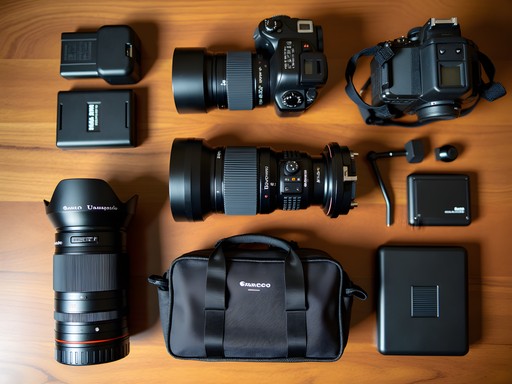
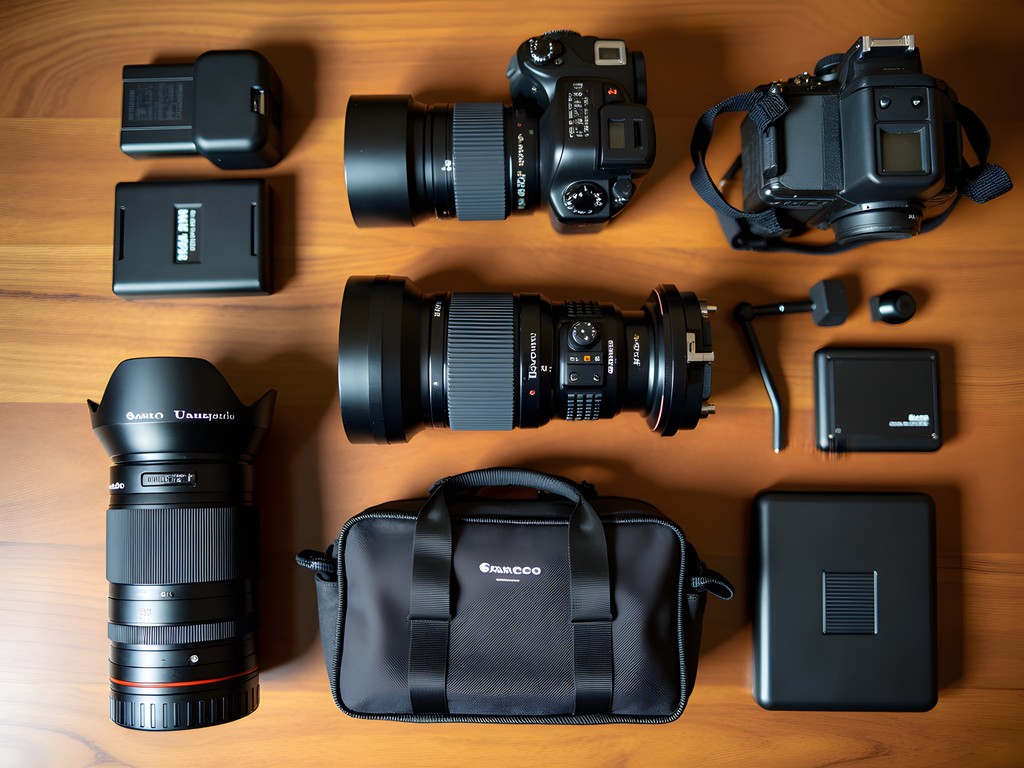
When packing for Hwange, remember that dust is your constant companion and electricity your occasional friend. My engineering background has taught me to build redundancy into systems—the same applies to safari photography.
I brought two camera bodies: my primary workhorse paired with a 150-600mm telephoto for distance shots, and a second body with a 24-70mm for environmental portraits and landscapes. The lens rain cover proved invaluable during unexpected showers and for dust protection during game drives.
Battery management is critical—I carried six fully-charged batteries and a solar charger that saved me when our lodge experienced a power outage. Memory cards disappear like pão de queijo at a Brazilian breakfast, so I packed 512GB worth of storage, downloading daily to my portable SSD.
For stability without the bulk of a traditional tripod, my beanbag mount became my most-used accessory, providing perfect support when draped over the safari vehicle's frame.
💡 Pro Tips
- Pack twice as many memory cards as you think you'll need—wildlife moments are unpredictable
- Use a beanbag mount instead of a monopod for stability in safari vehicles
- Bring lens cleaning supplies that can handle fine African dust without scratching
Mastering Light: The Golden Hours of Hwange
In Hwange, light is both your greatest ally and most formidable challenge. The park's winter season (May-August) offers the photographer's holy grail: extended golden hours with dramatic low-angle light that transforms ordinary scenes into visual poetry.
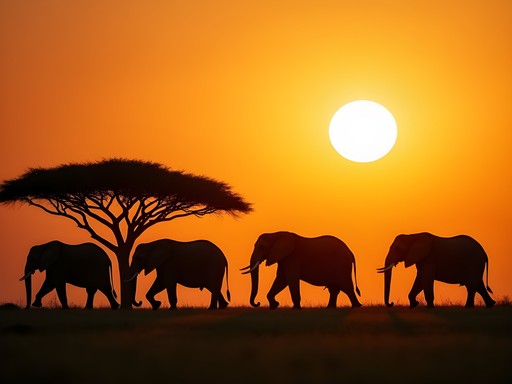
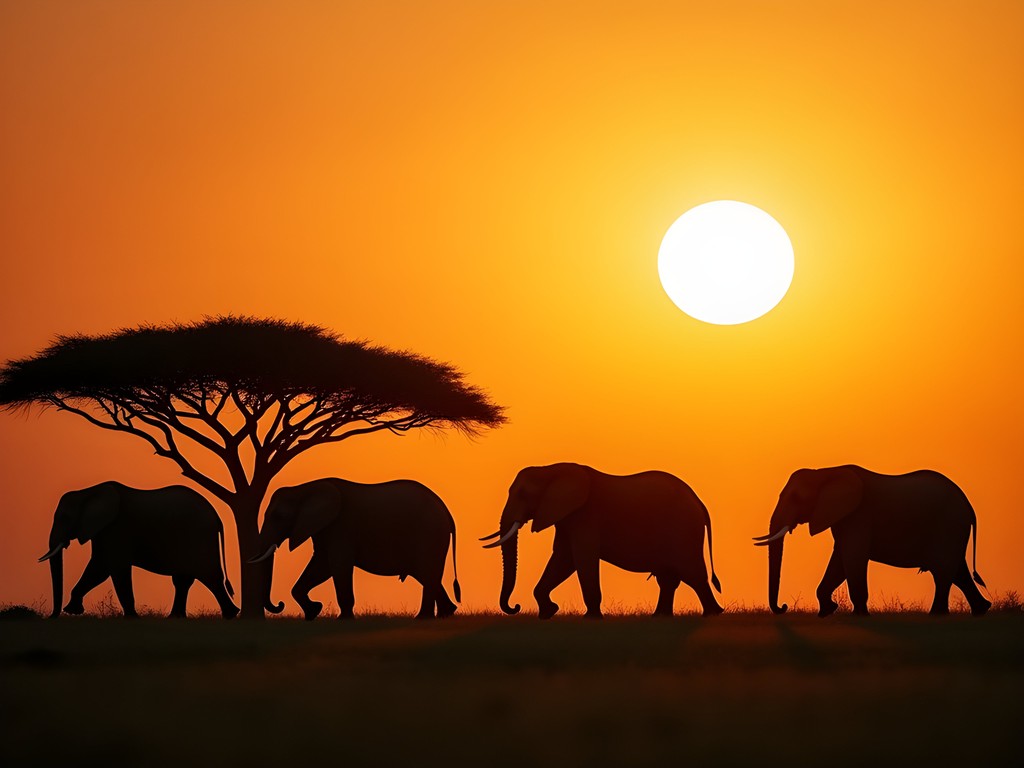
I quickly established a rhythm: rising before dawn to be in position as the landscape awakened. Those first moments when the savanna transitions from blue twilight to amber morning light create a magical canvas for silhouetted baobabs and backlit elephants at waterholes.
The midday harsh light (10am-3pm) presents technical challenges that I countered using a circular polarizer to manage glare and enhance color saturation, particularly useful for cutting through the haze that often settles over the plains.
For evening shoots, I discovered that setting my white balance manually to the 'cloudy' preset (rather than auto) captured the rich golden tones more accurately. My most successful elephant portraits came during these last light moments, when herds congregated at Nyamandhlovu Pan, their skin textured by side-lighting that revealed every wrinkle and battle scar with sculptural precision.
💡 Pro Tips
- Position yourself with the sun at your back during early morning game drives for optimal lighting on animals
- Use exposure compensation of +1/3 to +2/3 stops during golden hour to preserve the warm tones
- When shooting dark animals (like elephants) against bright skies, spot meter on the animal and open up 1 stop
Tracking the Big Five: Patience and Positioning
My background in software engineering has unexpectedly informed my wildlife photography—both require pattern recognition, patience, and the ability to anticipate behavior based on observed data. In Hwange, this translated to learning to read the landscape and animal behavior to position myself for optimal shots.
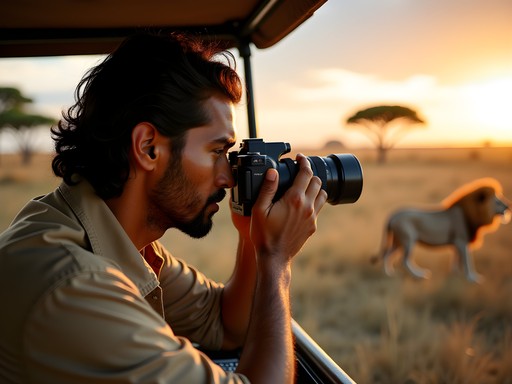
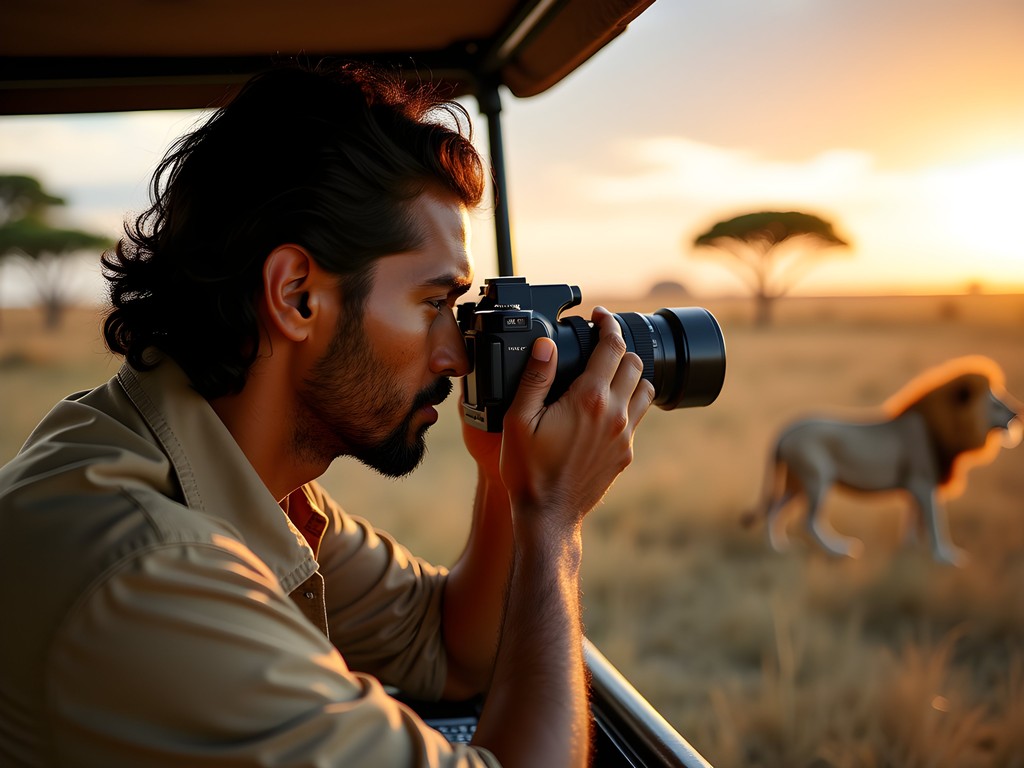
Lions proved the most challenging subjects. Our guide Tendai, with 15 years of experience, taught me to look for subtle signs—alarm calls from baboons, circling vultures, or fresh tracks crossing game paths. When we finally located the Linkwasha pride, I learned to watch their ears and tail tips for micro-movements that telegraph hunting intentions, allowing me to prepare my settings before action erupted.
For elephants, which Hwange has in abundance (approximately 45,000), the key was anticipating movement patterns between waterholes. I used the field guide to understand herd dynamics, which helped me predict when matriarchs would lead family groups to water.
Buffalo presented opportunities for dramatic dust-bath photographs, particularly in the dry winter months. I discovered that by positioning low to the ground with my ground pod, I could capture dramatic low-angle shots as these massive bovines created dust clouds illuminated by backlighting.
Rhinos remain scarce in Hwange due to poaching, making sightings precious. When we encountered a white rhino and calf near Ngweshla Pan, I prioritized capturing their relationship rather than just portraits, using a wider focal length to include environmental context.
💡 Pro Tips
- Learn to identify tracks and dung—they'll lead you to fresh sightings before other vehicles arrive
- Position your vehicle downwind when photographing predators to avoid disturbing natural behavior
- Focus on animal behavior sequences rather than just static portraits to tell more compelling stories

Technical Settings for Wildlife Action
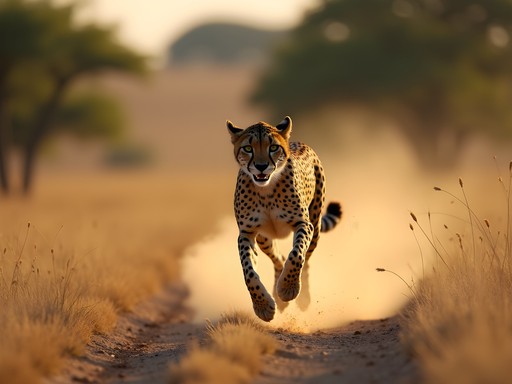
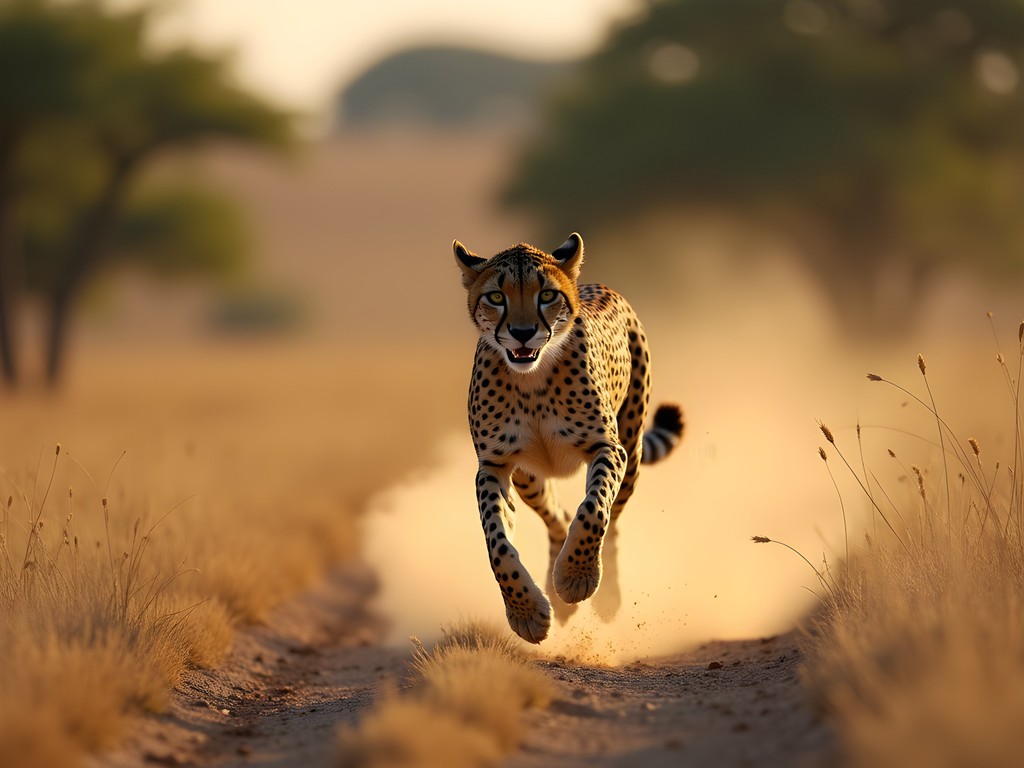
The unpredictability of wildlife demands technical mastery and quick adaptability. After numerous missed shots on my first day (a cheetah hunt happened in seconds), I developed a systematic approach that dramatically improved my keeper rate.
I configured three custom modes on my camera for instant recall:
C1: Stationary Wildlife
Aperture Priority (f/5.6-f/8)
ISO 400 (adjusting as needed)
Single-point AF
Drive mode: Single shot
C2: Moving Wildlife
Shutter Priority (1/1000s minimum)
Auto ISO (max 3200)
Expanded AF tracking
Drive mode: High continuous
C3: Low Light/Dusk
Manual mode with Auto ISO
Widest aperture
Shutter speed 1/focal length minimum
Exposure compensation +0.7
Tracking fast-moving subjects like wild dogs (we were fortunate to encounter a pack near Main Camp) required pre-focusing techniques and understanding predictive movement. I found the camera rain sleeve essential during afternoon thunderstorms that created dramatic skies but threatened equipment.
For night photography, including nocturnal predators at spotlit waterholes, I relied on my headlamp with red-light mode to preserve night vision while adjusting settings.
💡 Pro Tips
- Back-button focus separates focusing from shutter release, giving better control for wildlife photography
- When photographing dark animals against bright skies, use exposure compensation of +1 to +1.5 stops
- For sharp action shots, remember the reciprocal rule: minimum shutter speed should be at least 1/focal length
Cultural Integration: Beyond Wildlife Photography
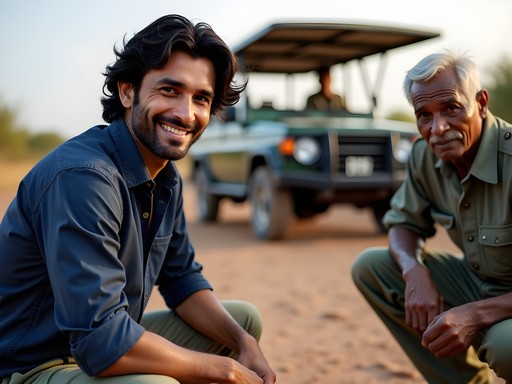
My mixed Brazilian-Indian heritage has always made me sensitive to cultural contexts when traveling. In Zimbabwe, I discovered that understanding the human element enriched my wildlife photography immeasurably.
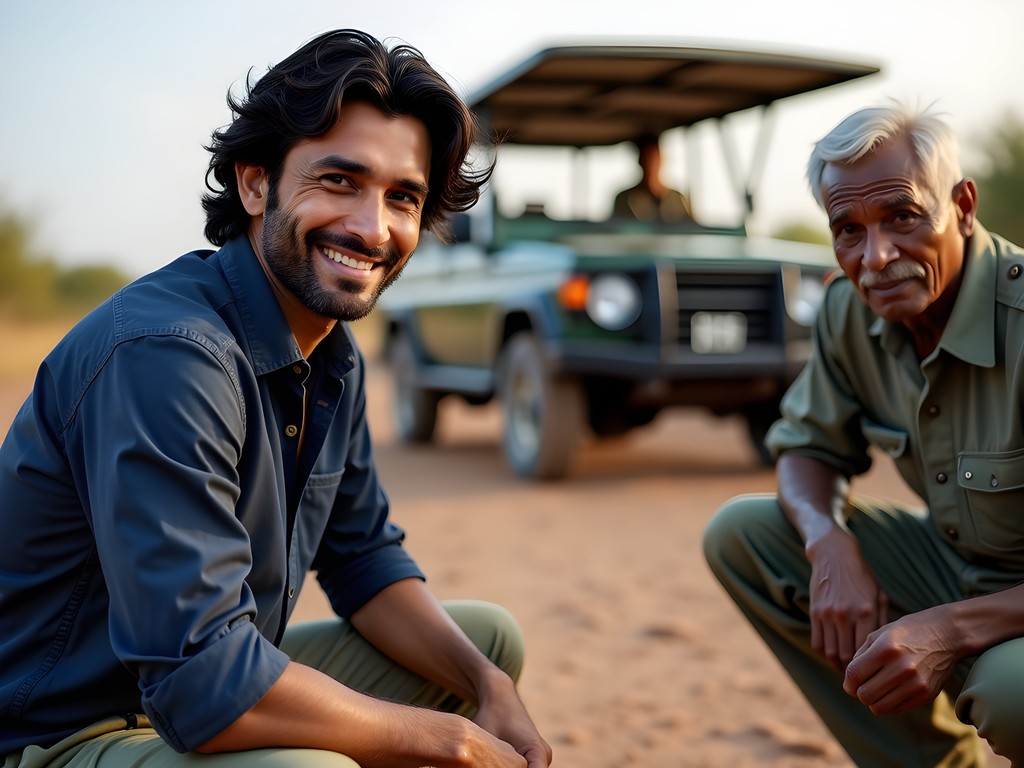
I spent an afternoon with our tracker Blessing, learning traditional tracking techniques passed down through generations. His knowledge of subtle signs—a disturbed pebble, a bent grass blade—revealed animal presence and behavior patterns invisible to my untrained eye. These insights transformed my approach from random opportunity to informed anticipation.
Visiting the nearby Painted Dog Conservation Center provided context about conservation challenges and community involvement. I used my audio recorder to document the stories of local conservationists, creating a soundscape that accompanies my visual portfolio of these endangered animals.
The connection between Zimbabwe's people and wildlife is profound and complex. Learning about traditional beliefs regarding lions (shumba in Shona) helped me understand the cultural significance of these animals beyond their photographic appeal. When I captured a male lion roaring at sunset, I understood I wasn't just documenting a biological entity but a living symbol deeply embedded in local cosmology.
I also made time to visit a local village through a community tourism initiative, where I photographed daily life with permission and respect. These images provide essential context to my wildlife portfolio, showing the integrated ecosystem of humans and animals that defines modern conservation.
💡 Pro Tips
- Learn basic phrases in local languages (Shona/Ndebele) to connect with guides and enhance your experience
- Support community-based tourism initiatives that create sustainable alternatives to poaching
- Photograph conservation efforts alongside wildlife to tell complete stories about ecosystem preservation
Final Thoughts
As my bush plane lifted off from Hwange's airstrip, banking over herds of elephant and buffalo that appeared like miniature figurines below, I reflected on how this park had transformed both my photography and my perspective. There's something profound about sitting with a pride of lions as the African sun sets, your camera quietly documenting moments that have unfolded in similar ways for millennia.
Hwange isn't just about checking off the Big Five list—though that satisfaction is undeniable. It's about developing the patience to wait four hours for the perfect light on a leopard in a sausage tree. It's about the technical mastery that comes from adapting to rapidly changing conditions. And perhaps most importantly, it's about understanding that every photograph tells a story of delicate balance between wilderness, wildlife, and the communities that border the park.
When you visit, bring not just your cameras and lenses, but your curiosity and respect. Shikaribhaa as they say in Shona—travel well. And when you return home with memory cards full of images that make your heart race, remember that sharing these visual stories helps ensure these magnificent creatures and ecosystems remain for generations to come. I'll be returning next winter, this time to focus on Hwange's extraordinary bird life. Perhaps our paths will cross on the dusty tracks between Ngweshla and Kennedy pans, cameras in hand, waiting for that perfect moment when light, subject, and spirit align.
✨ Key Takeaways
- Preparation and redundancy in equipment are essential for successful wildlife photography in remote locations
- Understanding animal behavior patterns dramatically increases your chances of capturing meaningful images
- The best wildlife photography emerges from patience and anticipation rather than luck
- Cultural context enriches wildlife photography by placing animals within their complete ecosystem
- Ethical photography practices ensure minimal impact on wildlife behavior and maximum respect for local communities
📋 Practical Information
Best Time to Visit
May to August (dry winter season)
Budget Estimate
$400-600 per day for luxury lodges and private guides
Recommended Duration
Minimum 5-7 days
Difficulty Level
Challenging


Comments
starbuddy
Adding this to my bucket list! The photos in this post are stunning
happyrider
what lens do you recommend for someone on a budget? can't afford those fancy telephotos
Marco Sharma
A 70-300mm is a great starting point and much more affordable! You can get excellent shots with it. The guides also get you pretty close to the animals, so you don't always need extreme reach.
Nicole Russell
YES YES YES to everything in this post! I visited Hwange solo last September and it completely changed how I approach wildlife photography. That section about the golden hours is SPOT ON - I set my alarm for 4:30am every single day and it was SO worth it. The morning light filtering through the acacia trees while watching a pride of lions... I literally cried behind my viewfinder. One thing I learned the hard way: bring way more memory cards than you think you need. I filled up 128GB in three days because you just can't stop shooting! Also, the dust is REAL - I cleaned my sensor every single evening. Worth every second though. Already planning my return trip!
starbuddy
did you feel safe traveling solo there? considering it but a bit nervous
Nicole Russell
Super safe! You're always with guides during game drives and the lodge staff are amazing. I actually met other solo travelers there too. Don't let that stop you!
wavephotographer
those elephant shots are incredible!
Claire Hawkins
Marco, this brings back such vivid memories! We took our kids to Hwange last year and it was transformative for them. My daughter (8 at the time) still talks about the elephant herd we watched at sunset near Ngweshla pan. Your tip about patience is SO crucial - we spent three hours one morning waiting for a leopard that never appeared, but the kids learned such valuable lessons about wildlife and respect for nature. One thing I'd add for families: bring activities for downtime between game drives. The heat can be intense midday and younger children need breaks. But honestly, it's one of the most family-friendly Big Five destinations we've experienced. The guides were incredible with the kids.
happyrider
is it safe for kids? been thinking about taking my 10 year old
Claire Hawkins
Absolutely! The lodges are very safety-conscious and guides are excellent. Just follow their instructions. My kids felt completely safe the whole time.
dreamninja
how long should i plan to stay to get good shots? first safari trip!
Marco Sharma
I'd recommend at least 4-5 days to really increase your chances with all the Big Five. The longer you stay, the better your odds of those magical moments. Good luck on your first safari!
dreamninja
thanks!! super helpful
oceanbuddy3467
thanks for sharing! going there next month, super excited
Frank Garcia
Brilliant guide, Marco. Your shutter speed recommendations are particularly useful. I did a budget safari in Hwange two years ago (camping at Sable Valley) and wish I'd had this info then. Learned through trial and error that 1/1000s minimum for birds in flight, but you can get away with 1/500s for elephants if you're steady. The section on tracking patterns is gold—patience really is everything. Sat at a waterhole for four hours once waiting for a leopard that never showed, but got incredible buffalo and kudu shots instead. Also worth mentioning: respect the park rules about staying in vehicles. Saw some tourists get dangerously close trying to get 'that shot.' Not worth it.
escapelover
YES to staying safe! The wildlife is wild for a reason. Great reminder Frank
wandergal
Love the photos! Hwange is magical
Jean Wells
Excellent technical breakdown, Marco. Your point about the golden hour positioning is spot-on. I spent three weeks photographing in Hwange last September and found that the light between 6:30-7:30am produced the most dramatic results, particularly at Ngweshla platform. The dust particles in the air create this ethereal quality that's hard to replicate elsewhere. One thing I'd add: bring lens cleaning supplies—the fine Kalahari sand gets everywhere. I learned that lesson the hard way when my primary body needed servicing after the trip. The investment in weather-sealed equipment really pays dividends in these conditions.
oceanbuddy3467
how bad is the dust really? going in august and worried about my camera
Jean Wells
It's manageable with proper precautions. Keep your gear in sealed bags when not shooting, change lenses inside the vehicle, and bring a rocket blower. August is dry season so yes, more dust, but the wildlife viewing is spectacular.
Venture X
Premium card with 2X miles, $300 travel credit, Priority Pass