Disclosure: This article contains affiliate links. We may earn a commission from purchases at no extra cost to you, which helps our travel content.
When my dental conference in Antananarivo concluded last autumn, I found myself with a precious week to explore before my return flight to Frankfurt. Having visited Madagascar's coastal regions on previous trips, I decided to venture inland to Antsirabe, the country's highland colonial gem situated 170 kilometers south of the capital. As a photographer with a penchant for historical architecture and cultural documentation, Antsirabe presented an irresistible canvas—a unique blend of French colonial influence, Malagasy traditions, and thermal springs that earned it the moniker 'the Vichy of Madagascar.' What followed was a week of extraordinary photographic opportunities that challenged my technical skills while deepening my appreciation for Madagascar's multifaceted heritage. For solo travelers with a camera in hand, this highland city offers remarkable rewards for those willing to rise before dawn and linger after dusk.

Colonial Architecture in Highland Light
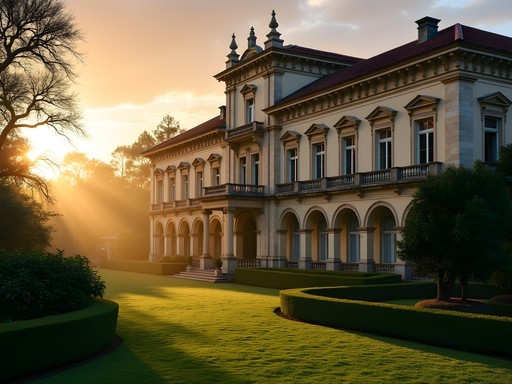
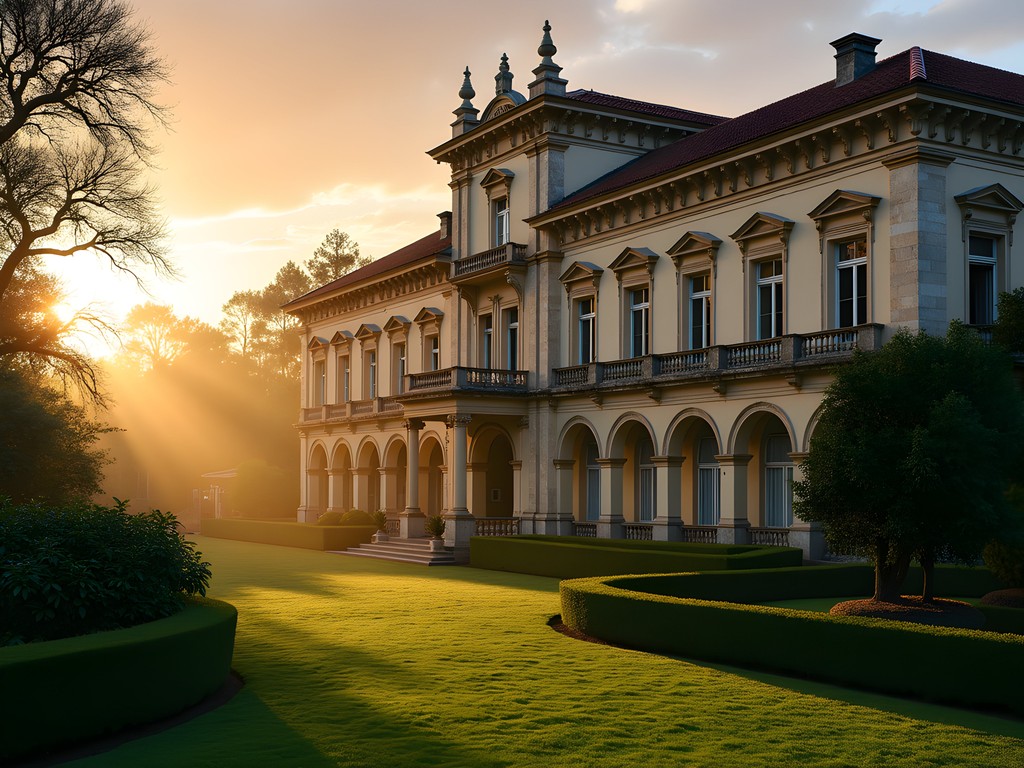
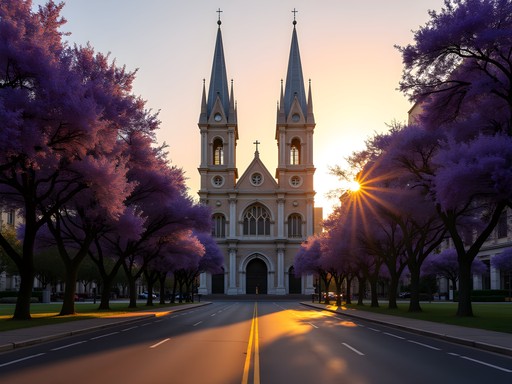
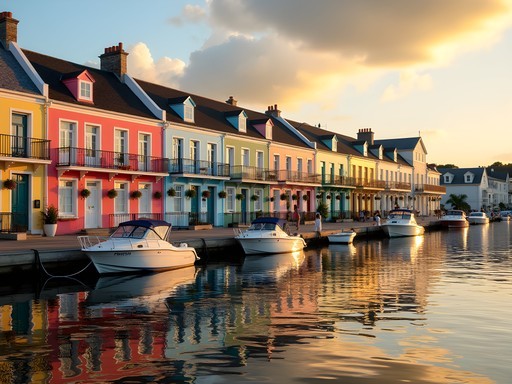
Antsirabe's architectural heritage stands as a testament to its French colonial past, with buildings that seem transported from a provincial European town yet adapted to Madagascar's tropical highland climate. The city center, particularly along Independence Avenue, offers a concentrated collection of these structures, many dating from the early 20th century.
As a photographer with a background in dental precision, I find myself drawn to the intricate details—the weathered shutters, ornate balconies, and the play of light across faded pastel facades. The key to capturing these buildings lies in timing. The golden hour just after sunrise bathes these structures in a warm glow that accentuates their textures while the streets remain relatively empty. By contrast, the blue hour before sunset creates a moody atmosphere as the buildings transition from day to night.
I discovered that my tripod was essential for these low-light conditions, particularly for capturing the long exposures that reveal both architectural details and the soft motion of people moving through the scene. The stable platform allowed me to work with slower shutter speeds without introducing camera shake, especially valuable when documenting the transition from day to night.
The Hotel des Thermes, a grand colonial-era establishment near the thermal baths, offers particularly photogenic facades. I recommend visiting in the early morning when the building catches the first light while the grounds remain quiet, allowing for unobstructed compositions that highlight its historical grandeur.
💡 Pro Tips
- Visit architectural subjects during the golden hour (first hour after sunrise) for warm, directional light that accentuates textures
- Use a polarizing filter to manage reflections on windows and enhance the saturation of colored facades
- Include local residents or pousse-pousse for scale and cultural context in architectural shots
Pousse-Pousse: Capturing Motion and Tradition
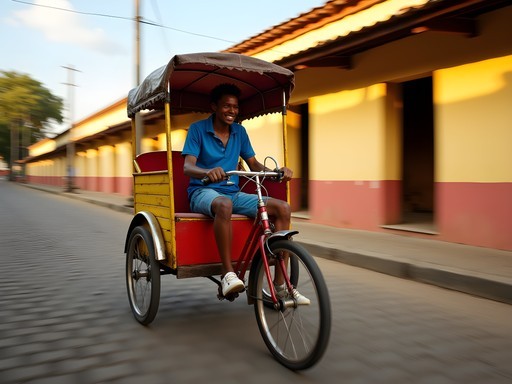
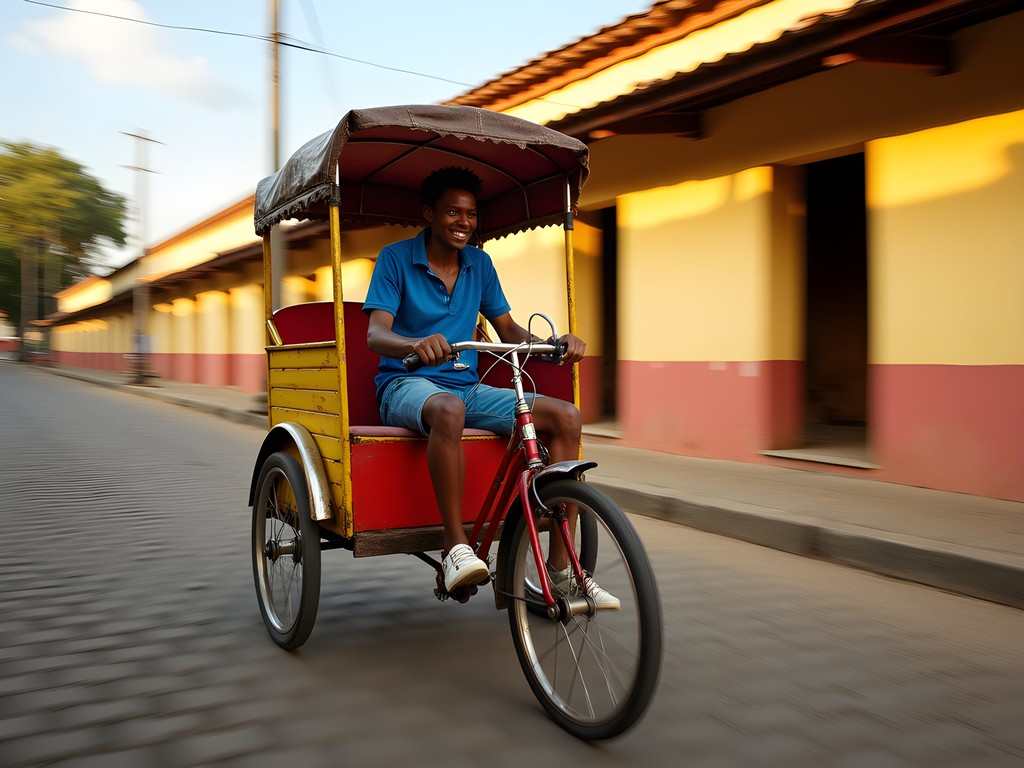
Antsirabe's streets are animated by the constant movement of pousse-pousse—colorful hand-pulled rickshaws that serve as the city's primary mode of transportation. As a photographer who typically works with static dental subjects in my professional life, capturing these dynamic elements presented an enjoyable challenge and opportunity for creative growth.
The pousse-pousse are not merely transportation; they represent a living cultural tradition and economic lifeline for many families. Each is uniquely decorated, with vibrant colors and personalized touches that reflect the owner's personality. These human-powered vehicles create compelling photographic subjects, especially when framed against the city's colonial architecture or highland landscapes.
Photographically speaking, pousse-pousse require thoughtful technical decisions. I found that using my telephoto zoom lens allowed me to compress perspective and isolate these colorful conveyances against clean backgrounds. The lens's optical stabilization proved invaluable for maintaining sharpness while shooting handheld in changing light conditions.
For environmental portraits of the pousse-pousse pullers, I always ask permission and offer a small payment (5000-10000 Ariary) in recognition of their time. This approach has led to some of my most meaningful images from Antsirabe—photographs that capture not just the visual elements but the human dignity and entrepreneurial spirit of these hardworking individuals. The best locations for these shots include the central market area and the wide boulevard near Independence Avenue, where the backdrop complements the vibrant colors of the pousse-pousse.
💡 Pro Tips
- Use panning techniques with slower shutter speeds (1/15-1/30) to capture motion while keeping the pousse-pousse sharp
- Seek permission before photographing pousse-pousse drivers up close, offering compensation when appropriate
- Position yourself at intersections during late afternoon when the light is warm and traffic increases
Thermal Baths: Capturing Mist and History
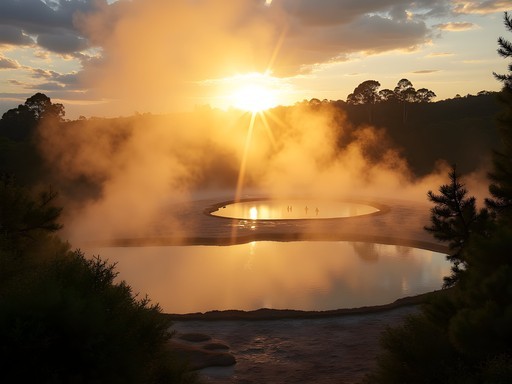
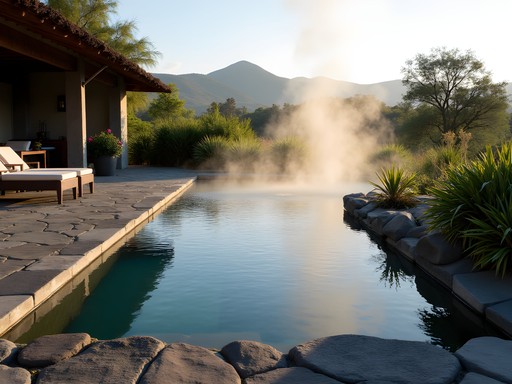
The thermal springs that gave Antsirabe its name (from the Malagasy for 'place of much salt/minerals') provide some of the most atmospheric photographic opportunities in the region. These geothermal features have attracted visitors since the colonial era and continue to serve both therapeutic and cultural purposes today.
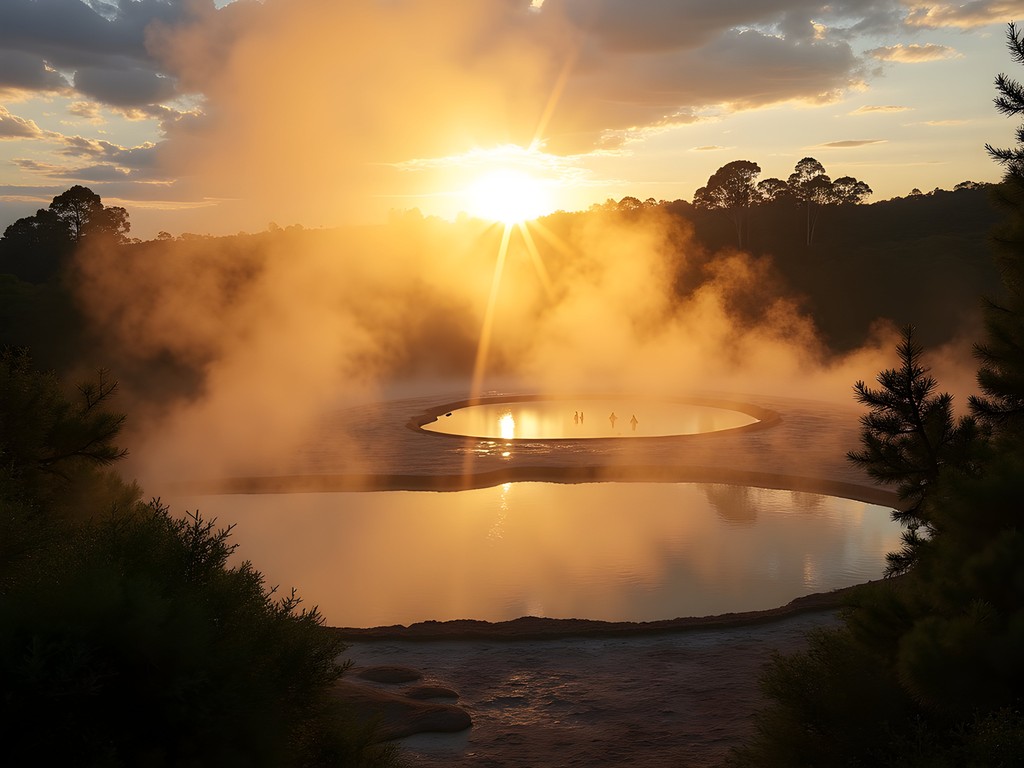
As a photographer with a deep interest in historical continuity, I was particularly drawn to documenting how these springs connect present-day Madagascar with both its colonial past and its geological uniqueness. The most photogenic location is undoubtedly the historic thermal bath complex near Hotel des Thermes, where early morning mist creates ethereal scenes as it rises from the mineral-rich waters.
Photographing these thermal features presents specific technical challenges. The contrast between the bright steam and darker surroundings requires careful exposure management. I typically bracket my exposures (taking multiple shots at different exposure values) and later blend them in post-processing to preserve details in both highlights and shadows. My graduated ND filters proved invaluable for balancing exposures in-camera when shooting during the golden hours.
The local hot springs at Ranomafana (not to be confused with the national park of the same name) offer a less touristy alternative where local residents come to bathe and wash clothes. While these make for compelling documentary images, I approach such photography with cultural sensitivity, focusing on the landscape and steam rather than individuals at their ablutions unless explicit permission is granted.
💡 Pro Tips
- Visit thermal areas in early morning when temperature differences create the most dramatic steam effects
- Use a microfiber cloth to protect your lens from condensation when moving between temperature zones
- Experiment with backlighting the steam for dramatic, ethereal effects

Markets and Crafts: Color and Composition
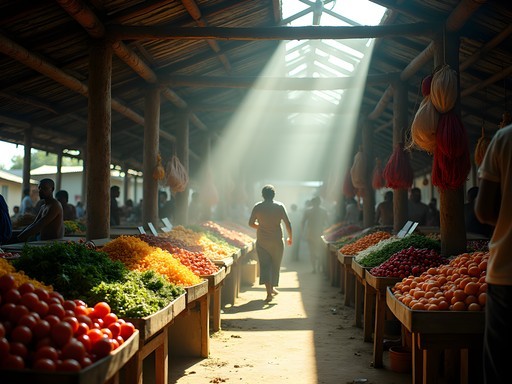
Antsirabe's markets and craft workshops offer a vibrant tapestry of colors, textures, and human activity that provide rich photographic material. The central market, bustling with activity from dawn until dusk, presents an authentic slice of Malagasy life where everything from fresh produce to handcrafted goods changes hands.
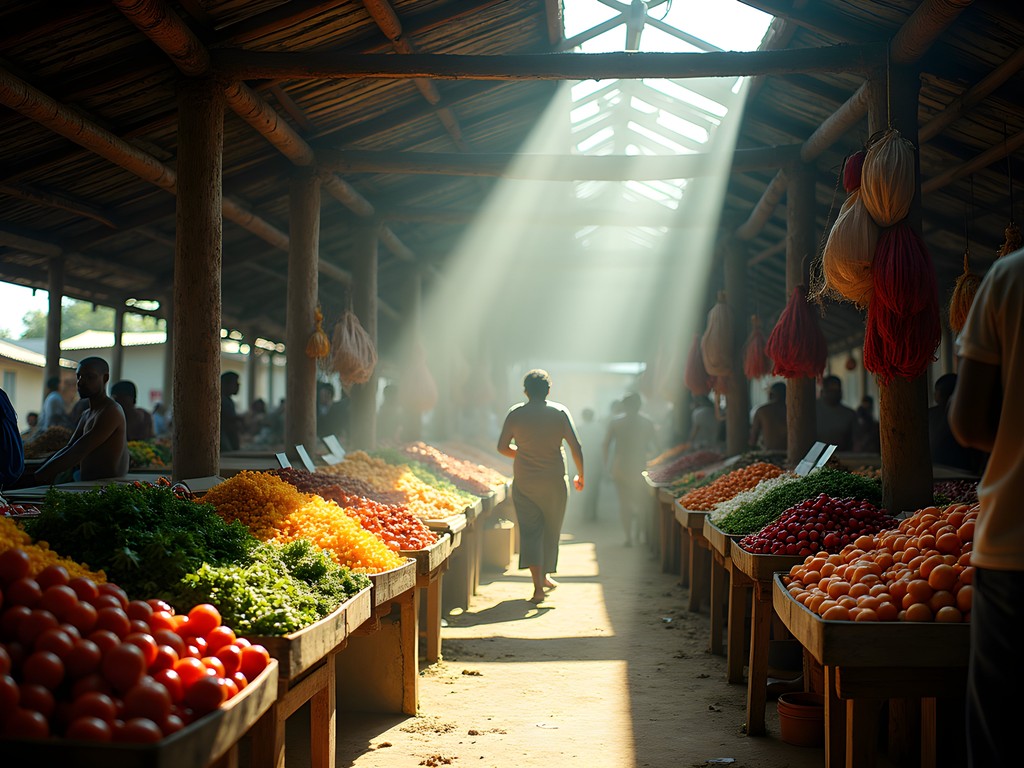
As someone who has photographed markets across four continents, I find Antsirabe's particularly photogenic due to the quality of highland light that streams through partially covered market structures, creating dramatic shafts of illumination against otherwise shadowed environments. These lighting conditions can be challenging but reward photographers who understand how to work with high-contrast scenes.
I found my prime lens to be the ideal companion for market photography. Its wide aperture allowed me to work in lower light conditions without raising ISO excessively, while the 35mm focal length provided a natural perspective that neither compressed nor distorted the scene unnaturally. The lens's excellent sharpness and color rendition captured the vibrant textiles and produce with faithful accuracy.
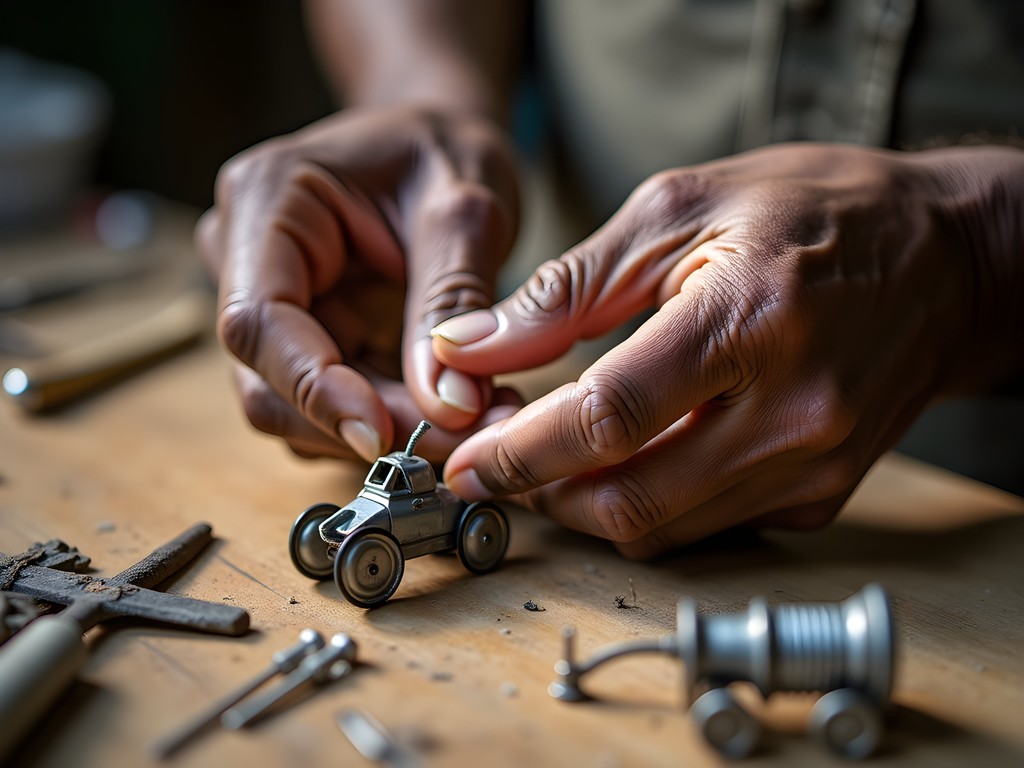
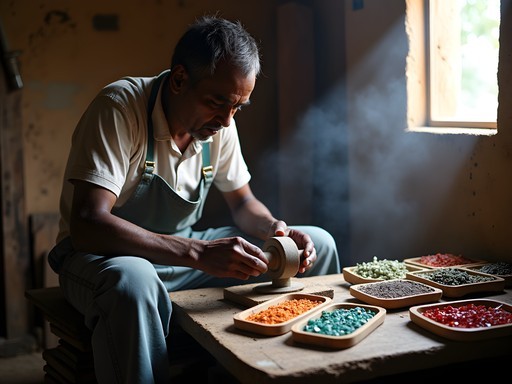
Antsirabe is renowned for its artisanal workshops, particularly those crafting miniature bicycles and pousse-pousse from recycled tin cans and other repurposed materials. These workshops, often family operations in residential areas, welcome photographers who show genuine interest in their craft. I spent a fascinating afternoon documenting the meticulous work of these artisans, focusing on their hands and the transformation of humble materials into intricate art pieces. The resulting images tell a compelling story of creativity and resourcefulness that transcends language barriers.
💡 Pro Tips
- Use a lens hood to prevent flare when shooting in markets with directional light streaming through openings
- Carry small prints from previous days to share with vendors—this builds goodwill and often leads to more natural portraits
- Focus on hands and materials when photographing craftspeople to tell the story of creation
Night Photography in the Highlands
As someone who has developed a particular affinity for night photography during my years documenting European cities, I was eager to apply these skills to Antsirabe's unique nocturnal landscape. The city's 1,500-meter elevation results in clear highland air that, when combined with minimal light pollution in certain areas, creates excellent conditions for both urban night photography and astrophotography.
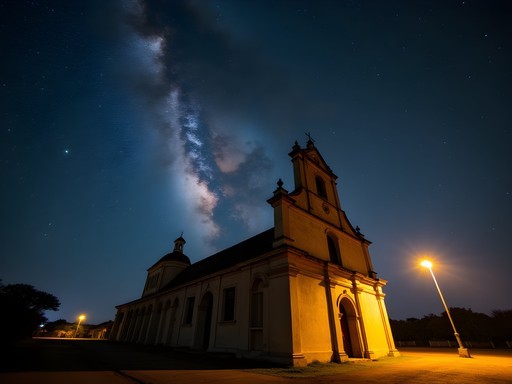
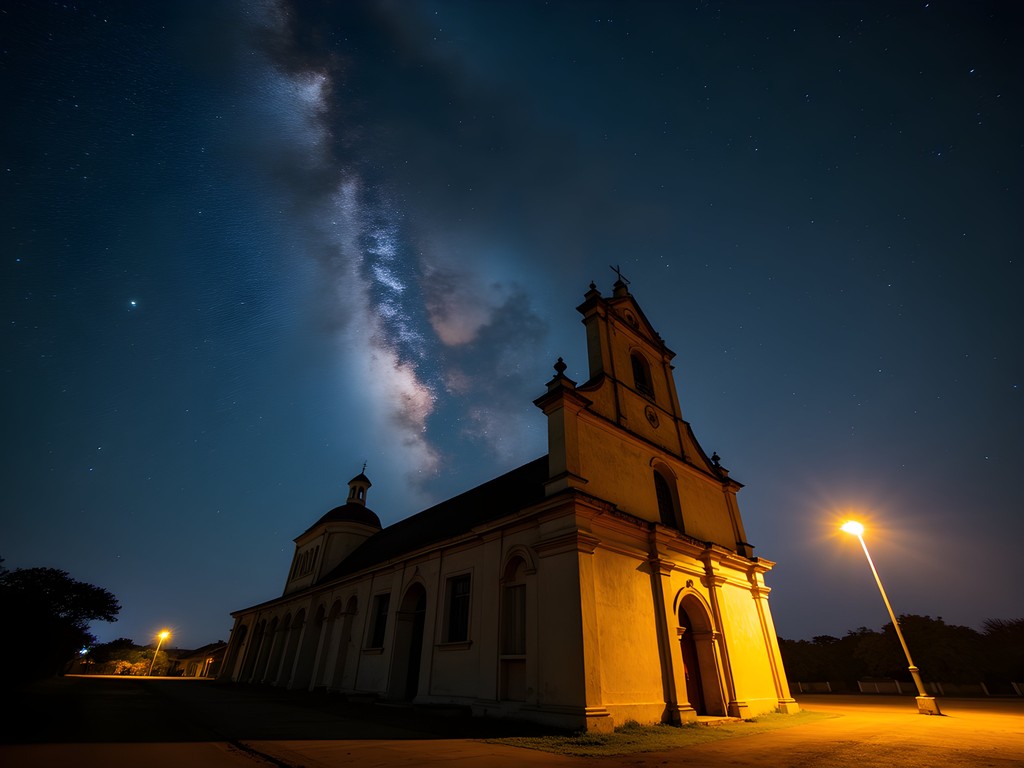
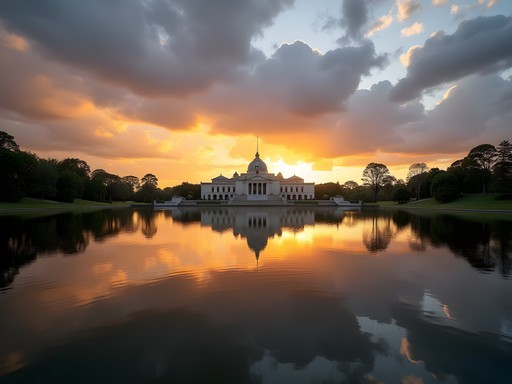
The colonial center takes on a different character after dark, with limited street lighting casting dramatic shadows across architectural features that go unnoticed during daylight hours. The Hotel des Thermes and the cathedral are particularly striking subjects for night photography, their structures dramatically uplit or silhouetted against the night sky.
For these technical challenges, my remote shutter release proved indispensable for the long exposures required in low-light conditions. The timer functionality allowed me to capture extended star trails above Antsirabe's landmarks without having to stand beside the camera in the cool highland night air.
For those interested in pure astrophotography, a short trip outside the city rewards you with stunning views of the southern hemisphere's celestial features. The Milky Way core is particularly brilliant from this latitude, and I spent one memorable evening photographing it rising above Lake Andraikiba, just 7km from the city center. The reflections of stars on the still lake surface created mirror images that doubled the impact of the night sky.
Safety is paramount when photographing at night. I always arranged for a trusted pousse-pousse driver to remain with me during evening sessions in the city, and for excursions outside Antsirabe, I hired a local guide who knew both the terrain and the communities we would encounter. This approach not only enhanced my security but also enriched my understanding of what I was photographing through their local knowledge.
💡 Pro Tips
- Scout locations during daylight hours to plan night compositions and identify potential safety concerns
- Bring a powerful flashlight both for safety and for light-painting techniques that can highlight foreground elements
- Use the 500 rule (divide 500 by your lens focal length) to determine maximum exposure time before stars begin to trail
Final Thoughts
Antsirabe rewards photographers willing to slow down and engage with its multifaceted character. From the ethereal morning mist rising from thermal springs to the vibrant energy of market life and the serene beauty of star-filled highland nights, this colonial gem offers diverse visual narratives waiting to be captured. As I packed my equipment on my final evening, reviewing the week's images on my laptop at Hotel des Thermes, I realized that Antsirabe had given me not just photographs but a deeper understanding of Madagascar's complex cultural tapestry. For fellow photographers seeking subjects beyond the expected lemurs and baobabs, this highland city offers rich rewards for those willing to rise early, stay out late, and approach their subjects with respectful curiosity. I'll certainly return, perhaps next time when the jacarandas bloom in late October, adding yet another layer to this photogenic highland gem.
✨ Key Takeaways
- Antsirabe's combination of colonial architecture, cultural traditions, and natural features provides diverse photographic opportunities in a compact area
- The highland light quality is exceptional, particularly during golden and blue hours, making timing essential for optimal results
- Engaging respectfully with locals enhances both the photographic experience and the resulting images
- The elevation creates unique conditions for night photography rarely found in other parts of Madagascar
📋 Practical Information
Best Time to Visit
September-November (dry season with clear skies)
Budget Estimate
$50-100 USD per day including accommodation and transportation
Recommended Duration
4-7 days
Difficulty Level
Moderate



Comments
happynomad
Great post! I was in Madagascar last year and the highland light is something special. One thing - dust is a real issue for camera gear there. I kept my lens cleaning kit handy the whole trip. Also recommend staying at least 2-3 days in Antsirabe if you can, there's more to see than you'd think.
smartwalker
good tip about the dust! didnt think about that
Megan Martin
Beautiful work, Katherine. Your composition in the market section is particularly strong - love how you used the textiles to frame the artisans. The depth of field work is excellent throughout.
beachlover
Never heard of this place before but looks beautiful!
greenlife
WOW!! These photos are absolutely stunning! The thermal baths look like something out of a dream. I'm a total beginner with photography but this makes me want to grab my camera and just GO! How safe is it for solo travelers? Especially women traveling alone?
Nicole Russell
I solo travel everywhere and Madagascar is definitely on my safe list! Just use common sense like anywhere else.
springlegend
Going to Madagascar in August!! Is Antsirabe easy to get to from the capital?
Timothy Jenkins
It's about 3 hours by taxi-brousse (shared minibus) from Tana. Roads are decent by Madagascar standards. August is a great time - cooler and dry!
springlegend
thanks!!
moonmaster
Just got back from Madagascar last week and wish I'd seen this before I went! We only spent one day in Antsirabe and totally rushed it. Your market photography tips are spot on - the colors there are insane. Did you have any issues with your camera gear in the humidity? I was paranoid the whole time about my lenses fogging up.
waveguy3838
Going there next month! Any tips on hiring a guide?
Megan Martin
Not Katherine, but I visited Antsirabe last year on business. I'd recommend booking through your hotel - they usually have reliable contacts. The guides know all the best spots for photos that tourists typically miss.
Nicole Russell
Katherine, this is absolutely gorgeous! I've been dying to get to Madagascar and your photos just sealed the deal. The colonial architecture section really spoke to me - I love how you captured that golden hour light on those pastel buildings. Quick question: how did you navigate language barriers when photographing locals? I always want to be respectful but sometimes struggle with communication. Also, were people generally okay with being photographed?
Katherine Fisher
Nicole! Most people were wonderful about it. I learned basic Malagasy phrases and always asked permission first. A smile goes a long way! The pousse-pousse drivers especially loved posing with their colorful rickshaws.
globeadventurer
Really cool photos! Added to my list.
explorepro
This looks amazing! Quick question - what camera settings did you use for the pousse-pousse shots? I always struggle with motion photography and those came out so sharp. Also wondering about the best time of day for the thermal baths? The mist in your photos is incredible.
Katherine Fisher
Thanks! For the pousse-pousse I used 1/250 shutter speed, panned with the motion. Early morning (6-7am) is perfect for the thermal baths - that's when the mist is thickest!
explorepro
Perfect, thanks so much!
Venture X
Premium card with 2X miles, $300 travel credit, Priority Pass