

Disclosure: This article contains affiliate links. We may earn a commission from purchases at no extra cost to you, which helps our travel content.
After decades of business travel, I've developed what my colleagues call an 'occupational hazard' - seeing the world through frames and compositions rather than just tourist attractions. New York City, where I've attended the Greater New York Dental Meeting annually for nearly two decades, has become my photographic playground beyond conference hours. While tourists cluster at Times Square with their smartphones pointed skyward, I've spent countless dawn hours and twilight moments discovering the city's more nuanced photographic treasures. This autumn marks my fifteenth visit to Manhattan, and I'm finally sharing my curated collection of photography locations that showcase the authentic character of New York without a single costumed character or Broadway marquee in sight. Whether you're visiting for business like me or purely pleasure, these spots will elevate your photography portfolio and social media presence with images that capture the true essence of the city that never sleeps.

The Elevated Perspectives: Heights Beyond the Empire State
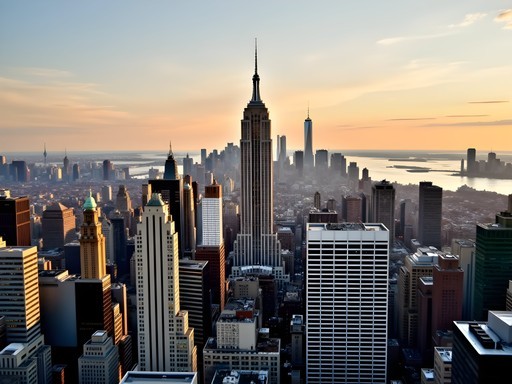
While tourists queue for hours at the Empire State Building, savvy photographers know that New York offers numerous elevated vantage points with equally stunning - and often less obstructed - views.
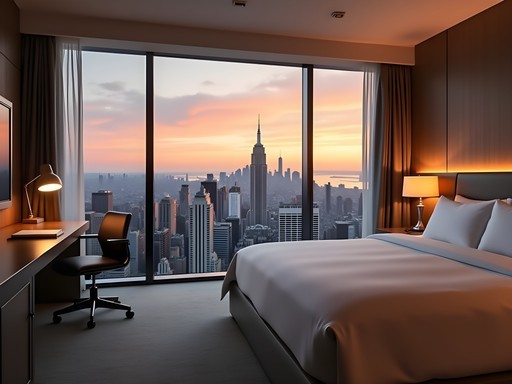
My personal favorite remains the Top of the Rock at Rockefeller Center, particularly at sunset when the Empire State Building itself becomes your subject, bathed in golden hour light against the southern Manhattan skyline. Arrive 45 minutes before sunset to secure your spot and witness the city's transformation as artificial lights begin their evening performance.
For a more contemporary architectural frame, the Edge at Hudson Yards offers a unique triangular observation deck extending 80 feet from the building's face. Its glass floor panels create vertigo-inducing compositions directly above the streets below - a perspective that transforms ordinary city patterns into abstract art. I've found my travel tripod absolutely essential here, particularly for blue hour shots when longer exposures capture the light trails of vehicles below.
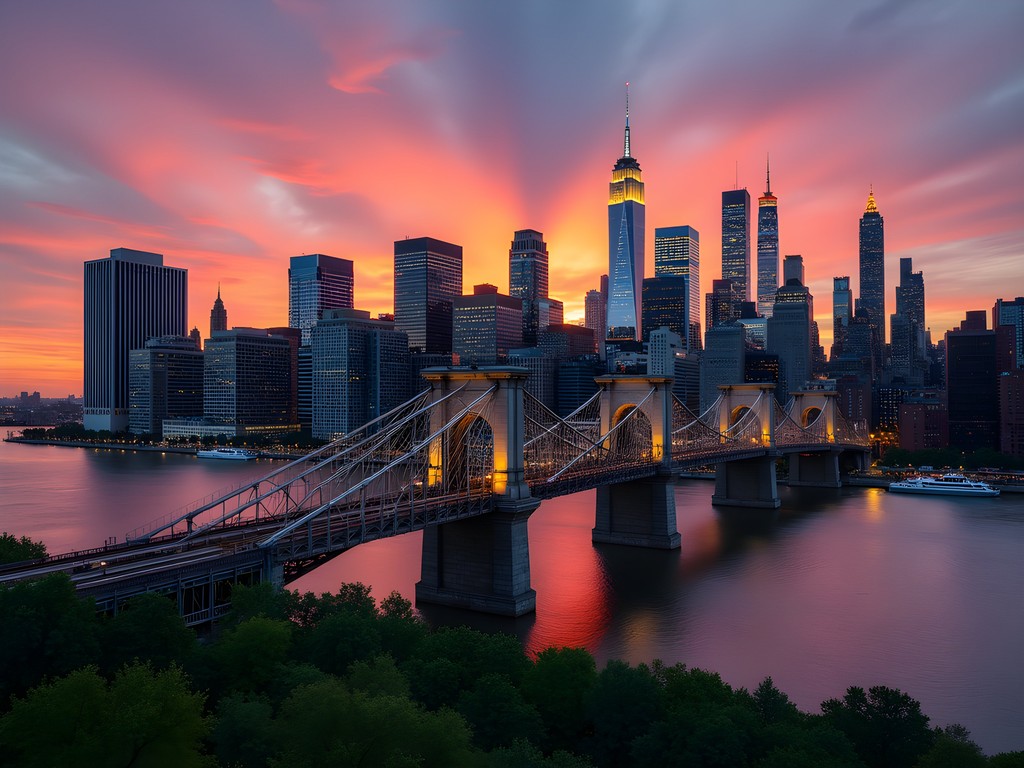
Perhaps my most cherished discovery is the Roosevelt Island Tramway. For merely the price of a MetroCard swipe, you'll glide above the East River in a suspended cable car, capturing unparalleled views of the Queensboro Bridge and Midtown skyline through the windows. Time your journey for dusk when the city begins to sparkle, but prepare for challenging shooting conditions through glass - setting your camera to manual focus often yields better results than fighting with autofocus in this scenario.
💡 Pro Tips
- Purchase observation deck tickets online to avoid queues and secure specific time slots
- Bring a microfiber cloth to clean glass surfaces before shooting through windows
- Use a polarizing filter to reduce reflections when shooting through glass
Waterfront Wonders: Maritime Perspectives of the Concrete Jungle
My fascination with maritime transport naturally draws me to New York's waterways, where the juxtaposition of historic vessels against modern skyscrapers creates compelling visual narratives.
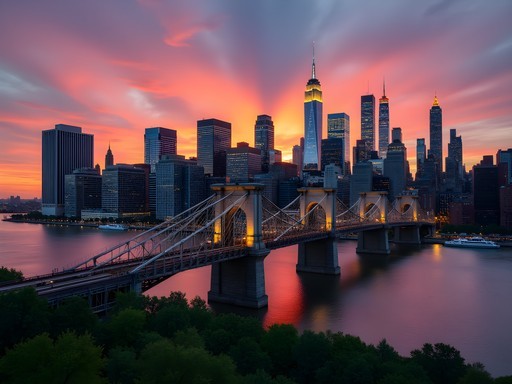
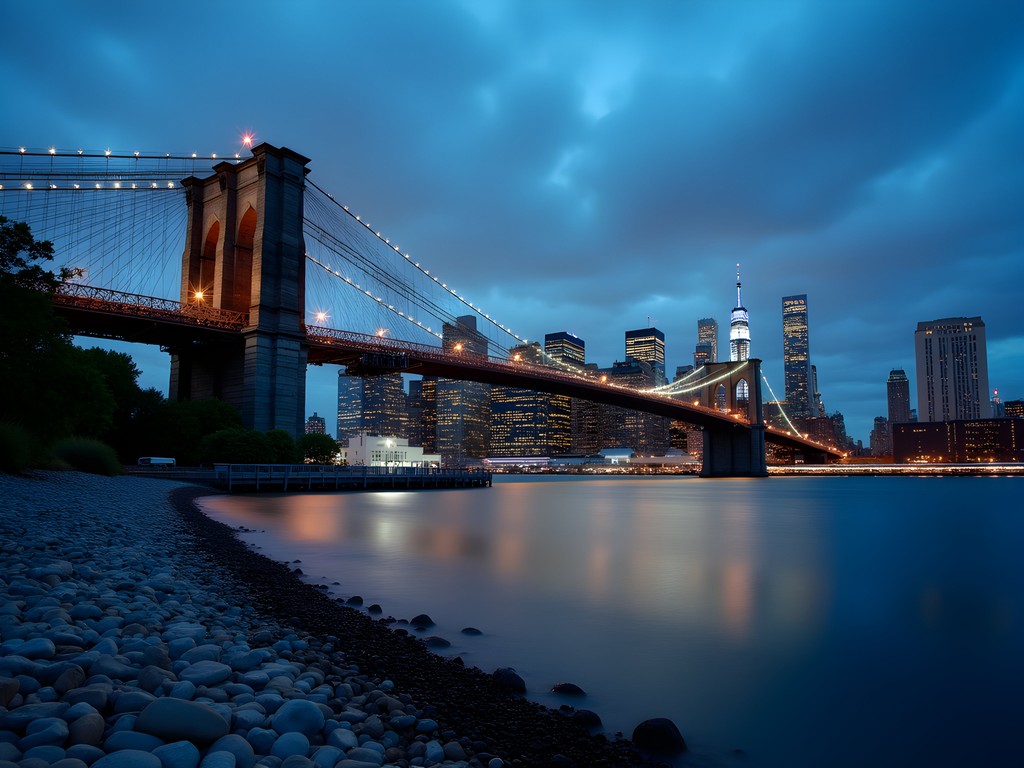
The Brooklyn Bridge Park waterfront offers what I consider the quintessential Manhattan skyline view. For an extraordinary composition, position yourself at Pebble Beach near Pier 1 during blue hour, when office lights create a tapestry of illumination across the Financial District. The foreground of smooth river stones provides perfect leading lines toward the iconic bridge. I've spent countless evenings here with my wide-angle lens, which captures the expansive scene beautifully.
For those seeking industrial maritime aesthetics, the Red Hook neighborhood delivers with its working waterfront and vintage warehouses. The area around Valentino Pier offers unobstructed views of the Statue of Liberty across the harbor, particularly striking at sunset when Lady Liberty is silhouetted against orange skies. This location rewards photographers who embrace negative space in their compositions.
My professional trips have taught me the value of ferry transportation not just for commuting but for photography. The Staten Island Ferry provides a free 25-minute journey with spectacular views of Lower Manhattan and the Statue of Liberty. Unlike tourist cruises, this commuter service allows you to experience authentic New York maritime life. Position yourself at the stern when departing Manhattan and at the bow for your return journey. In autumn, the early evening departures around 5:30 pm often coincide with magnificent light conditions as the sun sets behind New Jersey.
💡 Pro Tips
- Use a neutral density filter to create silky water effects in daytime long exposures
- Shoot during rush hour when ferries create interesting wake patterns in the water
- Pack a zip-lock bag to protect your camera in case of unexpected spray from the water
Architectural Time Capsules: Historic Districts & Hidden Courtyards
New York's architectural heritage offers rich photographic opportunities beyond the obvious skyscrapers, particularly in neighborhoods where multiple eras of design coexist in fascinating harmony.
DUMBO (Down Under the Manhattan Bridge Overpass) has become increasingly popular with photographers, but with good reason. The cobblestone streets and industrial buildings create a distinctive atmosphere that feels quintessentially New York. The famous view from Washington Street frames the Manhattan Bridge perfectly between brick buildings, with the Empire State Building visible through the bridge's archway. Visit on weekday mornings before 8am to avoid crowds and capture the scene in peaceful solitude.
The Jefferson Market Library in Greenwich Village presents a fairytale-like Victorian Gothic structure that seems transported from another continent. Its clock tower and ornate details provide endless compositional possibilities, particularly when photographed from the small garden on the Greenwich Avenue side. The contrast between this 1877 structure and surrounding buildings creates a compelling visual narrative about the city's layered history.
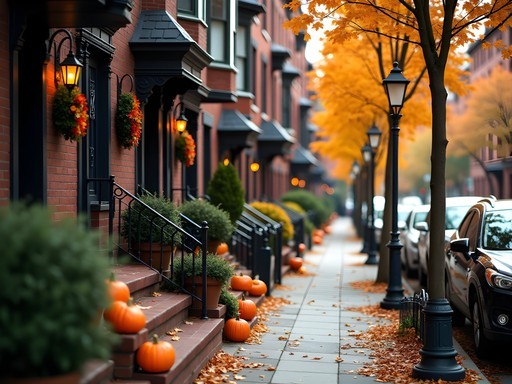
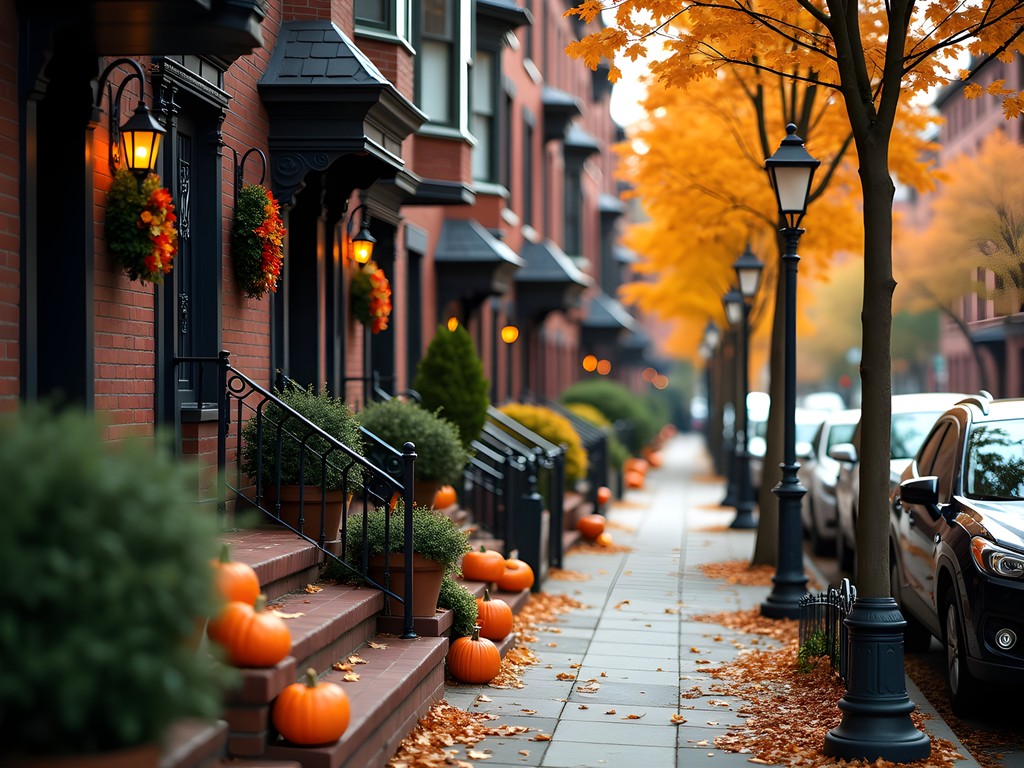
Perhaps my most treasured discovery came during an unexpected detour between dental lectures: Pomander Walk on the Upper West Side. This hidden Tudor-style enclave tucked between Broadway and West End Avenue feels like stumbling into a secret English village. While the gated community limits interior access, photographs through the ironwork entrance gates yield charming results, particularly when residents have decorated for autumn with pumpkins and seasonal wreaths. The telephoto zoom lens I carry for architectural details proves invaluable here, allowing me to capture intimate vignettes without intruding on residents' privacy.
💡 Pro Tips
- Photograph historic buildings in early morning when modern elements like cars and pedestrians are minimal
- Look for reflections of historic structures in the glass facades of modern buildings for compelling juxtapositions
- Research the architectural history before visiting to understand significant details worth highlighting

Urban Oases: Parks Beyond Central Park
While Central Park rightfully claims fame as Manhattan's green heart, the city boasts numerous lesser-known parks that offer distinctive photographic opportunities without the crowds.
The High Line transformed an abandoned elevated railway into a linear park that provides unique perspectives of Chelsea and the Meatpacking District. As a dentist who appreciates precision, I'm drawn to the thoughtful integration of wild-inspired plantings with industrial remnants. The section between 15th and 17th Streets offers particularly compelling compositions where the planted trackbed creates natural leading lines toward architectural landmarks. In autumn, the ornamental grasses catch morning light spectacularly, especially when backlit around 9am.
Greenacre Park on East 51st Street represents the opposite end of the spectrum - a pocket park measuring just 60 by 120 feet that nonetheless contains a magnificent 25-foot waterfall. This hidden gem provides a lesson in photographing intimate spaces: the sound of cascading water drowns the city noise while the negative ions create an atmosphere of tranquility. The interplay of water, stone, and dappled light rewards photographers who take time to observe subtle details rather than seeking grand vistas.
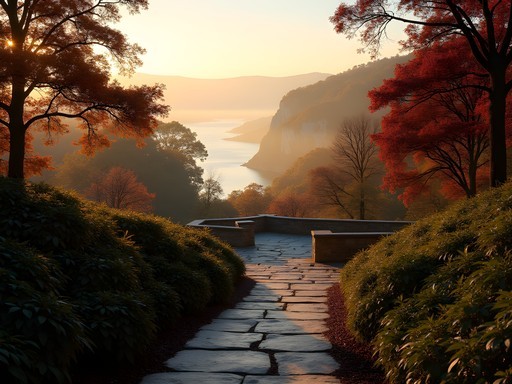
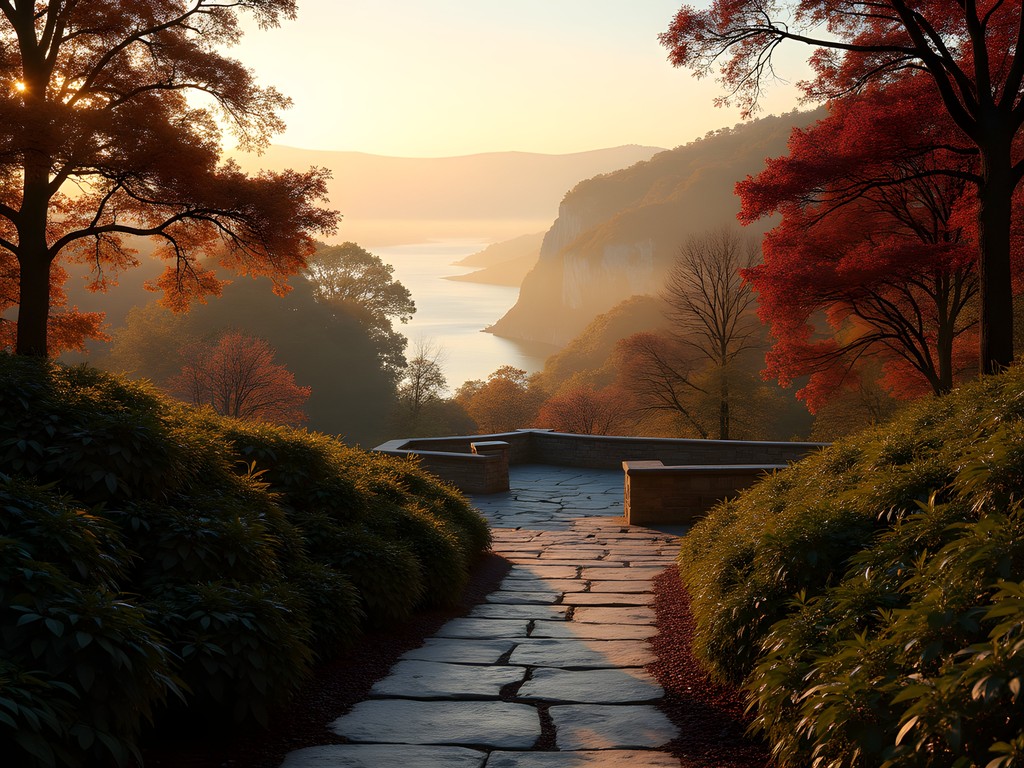
Fort Tryon Park in northern Manhattan houses The Cloisters museum but deserves photographic attention in its own right. Its elevated position offers sweeping views of the Hudson River and Palisades that few tourists ever witness. The Heather Garden contains magnificent plantings that peak in autumn with rich burgundy and gold tones. I've found dawn visits here particularly rewarding - the early light illuminating the mist rising from the river creates atmospheric conditions perfect for my night-to-day transition photography. My camera rain cover has proven essential during dewy autumn mornings when equipment protection becomes necessary while capturing these ephemeral conditions.
💡 Pro Tips
- Visit parks at opening time (usually 6am) for the best light and minimal crowds
- Include human elements selectively to establish scale in landscape compositions
- Look for seasonal maintenance schedules online to avoid photographing during pruning or renovation periods
Nocturnal New York: After-Hours Photography Opportunities
My specialization in night photography finds no better canvas than New York City after dark, when artificial lighting transforms ordinary scenes into theatrical tableaux.
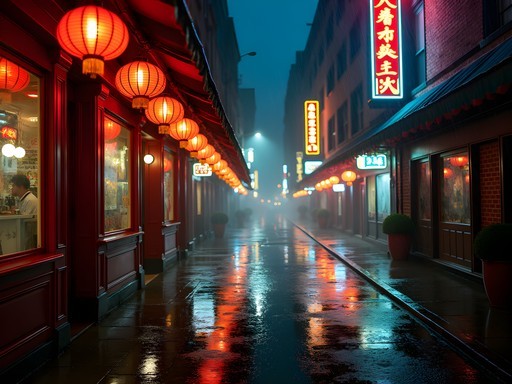
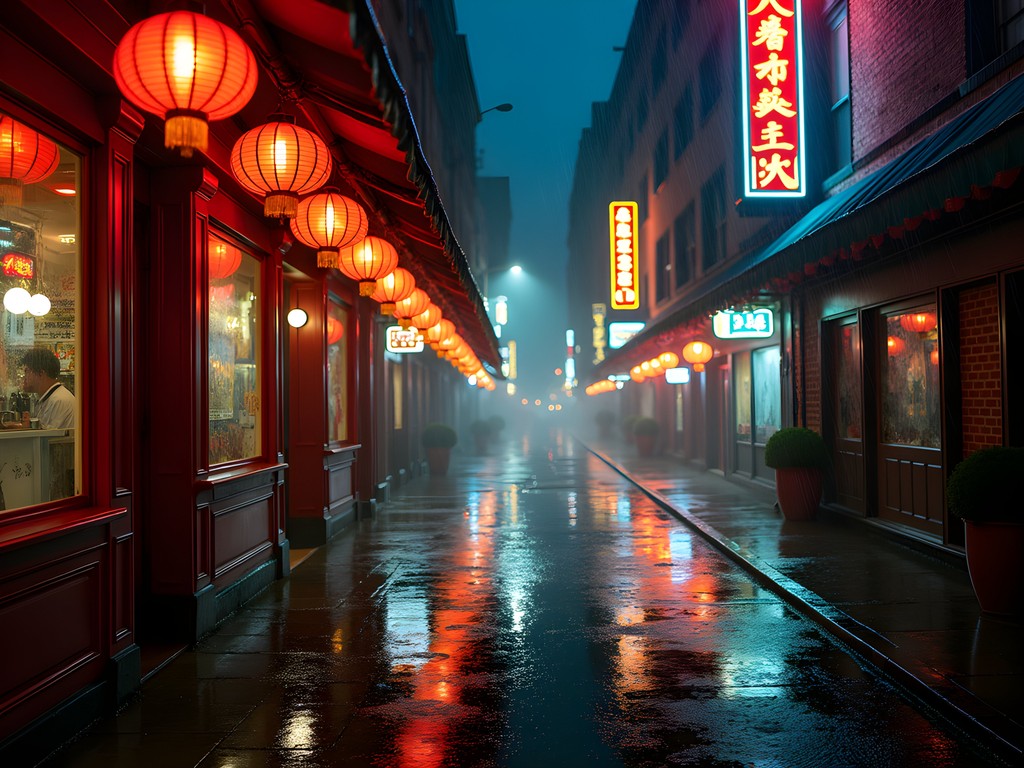
Chinatown after dusk presents a photographic feast of neon signs, paper lanterns, and steamy restaurant windows that create a cinematic atmosphere. Pell Street and Doyers Street offer particularly rich visual environments with their narrow dimensions and dense signage. The reflective quality of rain-slicked streets after an evening shower multiplies the visual interest exponentially - I often hope for light precipitation during autumn visits specifically for this effect.
The Oculus transportation hub designed by Santiago Calatrava provides an otherworldly architectural space that photographs brilliantly at night. The ribbed white structure illuminated from within creates a science fiction aesthetic unlike anything else in the city. Visit after 9pm when commuter crowds thin but before the midnight closing to capture the soaring interior space with minimal human presence.
Grand Central Terminal transforms after the commuter rush subsides around 9pm. The magnificent constellation ceiling and streaming light rays through the grand windows create a cathedral-like atmosphere that rewards patient photographers. Setting up a discrete tripod becomes possible during these quieter hours (though security may still approach - always be respectful and prepared to explain your artistic intentions). The north balcony offers the classic overview of the main concourse, but I've found more interesting compositions from ground level looking up at the monumental windows and celestial ceiling.
For serious night photography enthusiasts, I recommend the remote shutter release that has saved countless images from camera shake during my long-exposure work. When tripods aren't permitted, finding stable surfaces and triggering the camera remotely becomes essential for sharp results in low-light conditions.
💡 Pro Tips
- Set your white balance manually rather than using auto settings to preserve the distinctive color temperatures of various urban lighting
- Embrace high ISO capabilities of modern cameras rather than always requiring a tripod - grain can enhance the atmospheric quality of night images
- Carry a small flashlight to illuminate camera settings in dark environments without using your phone's bright screen
Seasonal Spectacles: Autumn's Unique Photographic Offerings
Autumn in New York presents distinctive photographic opportunities that transform familiar locations with seasonal character and events.
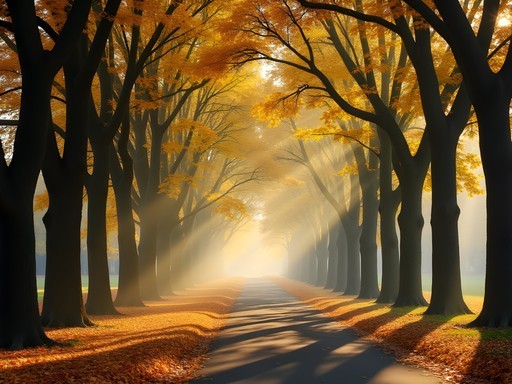
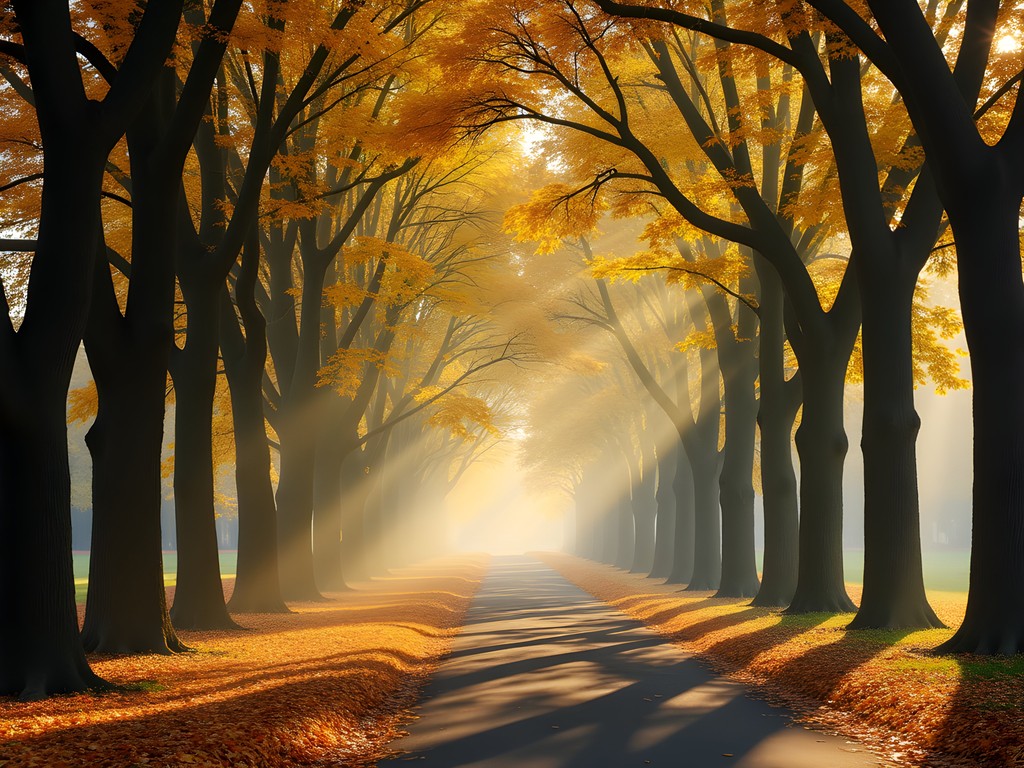
The Mall in Central Park creates a cathedral-like corridor when its stately American elms turn golden in late October. While this location sees heavy visitor traffic, arriving at dawn reveals it in pristine condition with leaves carpeting the pathways. Position yourself at the northern end looking south for a composition that emphasizes the symmetrical tree canopy creating a natural archway. The low autumn sun angle creates dramatic dappled light patterns that add dimension to images.
The Halloween Parade in Greenwich Village offers extraordinary street photography opportunities with elaborate costumes against historic architecture. Rather than photographing the parade itself (which countless others do), I prefer positioning myself along side streets where participants gather before and after the event. These quieter moments often yield more authentic portraits and unexpected juxtapositions of the fantastic against the mundane.
Bow Bridge in Central Park becomes particularly photogenic in autumn when surrounded by fall foliage reflected in the lake. The classic view from the western shore captures the bridge with Midtown skyscrapers visible beyond the trees. Morning fog, common in autumn, adds atmospheric depth to these compositions. This location rewards photographers who visit multiple times throughout the season as different tree species change color sequentially, creating evolving compositions.
For those combining autumn foliage with architectural elements, the polarizing filter has proven invaluable in my kit. It not only enhances the saturation of fall colors but also manages reflections when incorporating water features or glass building facades into compositions with colorful trees.
💡 Pro Tips
- Track fall foliage progression through NYC Parks Department updates online before your visit
- Photograph fall foliage on overcast days for richest color saturation without harsh shadows
- Include people selectively in autumn scenes to provide scale and narrative context
Final Thoughts
After fifteen years of combining dental conferences with photographic exploration, I've come to understand that New York reveals itself most authentically through a viewfinder pointed away from the obvious. The city rewards those who rise before dawn, venture beyond Manhattan, or linger after the commuter crowds disperse. My dental colleagues often ask why I extend my conference stays by several days each autumn. The answer lies in these fifteen locations where I've captured not just images but moments of connection with the city's complex character. Whether you're visiting for business as I initially did or purely for creative pursuits, I encourage you to set aside the tourist map and follow your lens to these less-celebrated corners. New York doesn't merely tolerate photographers - it performs for them, changing its appearance hourly with shifting light and seasons. All you need is the patience to observe and the willingness to explore beyond the expected frame.
✨ Key Takeaways
- Early morning photography (6-8am) offers the best combination of light quality and minimal crowds in popular locations
- Elevated perspectives beyond tourist observation decks provide unique compositional opportunities
- Water features throughout NYC create reflective surfaces that dramatically enhance urban photography
- Autumn transforms familiar locations with seasonal color and atmospheric conditions worth specifically targeting
📋 Practical Information
Best Time to Visit
Mid-October to early November for peak fall foliage
Budget Estimate
$150-250 per day including accommodation, transportation and observation deck admissions
Recommended Duration
3-4 days minimum to cover these photography locations properly
Difficulty Level
Moderate (Involves Early Mornings, Some Walking Between Locations, And Basic Photography Skills)
Comments
dreamwanderer
Love these hidden gems! I'll be visiting in December - are any of these spots particularly good in winter?
Sage Dixon
Not Katherine, but I've shot NYC in winter many times! The elevated spots like the rooftop at 230 Fifth are magical when there's snow - they have heated igloos too. Also, Bryant Park with the ice skating and holiday market makes for stunning winter compositions. Just make sure you have good gloves that still let you work your camera controls - I use photography gloves which have been a lifesaver for winter shooting.
dreamwanderer
That's super helpful, Sage! Hadn't thought about the gloves issue but that makes total sense. Adding Bryant Park to my list!
Marco Flores
Katherine, your perspective as someone who's combined business travel with photography really shows! I spent a month in NYC last summer and discovered that Brooklyn Heights Promenade at sunset gives you this incredible panorama of Manhattan that most tourists miss. The light hitting the buildings across the water creates this golden glow that's almost impossible to capture unless you're there in person. Did you find any specific time of day worked best for the waterfront spots you mentioned?
Katherine Fisher
Thanks Marco! For the waterfront spots, I've found that early morning (6-7am) at Brooklyn Bridge Park gives you gorgeous light with fewer crowds. And for evening shots, Gantry Plaza State Park about 30 minutes before sunset lets you capture that golden light hitting the midtown skyline!
sunsetlover
That early morning tip is gold! Never thought about trying that since I'm usually not a morning person on vacation, but might be worth it for the photos!
sunsetlover
These spots are amazing! I've been to NYC three times and never knew about half of these places. Definitely saving this for my next trip!
summerlegend
Great list! I'd add Dumbo at sunrise to this - the Manhattan Bridge framing is incredible and you beat the Instagram crowds. Also the High Line is better at the northern end where fewer people go. Been shooting NYC for years and still discovering new angles. The key is really just walking more and taking the subway less, you notice so much more.
skyqueen7109
Do you need permits to shoot at these locations or can you just show up?
summerlegend
Most public spaces are fine for personal photography. Just don't bring a tripod or commercial setup without checking first.
beachseeker
The photo of the courtyard is stunning! Which neighborhood was that in? I always walk right past these hidden gems without noticing them.
Sophia Gomez
This is such a refreshing take, Katherine! I'm in NYC every other month for work and I've completely fallen into the trap of only seeing the city through my hotel-to-conference-center routine. Your section on architectural time capsules inspired me to actually explore during my last trip. I walked through the West Village at dawn before my meetings and the light filtering through those narrow streets was absolutely magical. Funny how we can visit a place dozens of times and never really see it until someone shifts our perspective. Now I'm blocking out extra time on every business trip specifically for photography walks.
mountainphotographer
Finally someone mentions the waterfront areas!
wanderfan
Going in April - are these spots good for beginners with just a phone camera?
Sophia Gomez
Absolutely! I shoot half my content on iPhone. The lighting matters way more than the gear.
Mason Sullivan
Katherine, this resonates so much! I spent three weeks in NYC last fall on a shoestring budget, and stumbled onto some of these same spots purely by accident. The elevated perspectives section really hit home - I found this incredible rooftop garden in Brooklyn that nobody talks about. Shot sunrise there with maybe two other people around. The city feels completely different when you're not fighting crowds at the usual tourist traps. Your point about 'seeing through frames' is exactly how I've started approaching every city now.
mountainphotographer
Which rooftop garden? Always looking for new spots
Mason Sullivan
Brooklyn Grange! The Sunset Park location. Get there early though.
Venture X
Premium card with 2X miles, $300 travel credit, Priority Pass