

Disclosure: This article contains affiliate links. We may earn a commission from purchases at no extra cost to you, which helps our travel content.
The first time I stepped foot in New York City fifteen years ago, I made every rookie transportation mistake possible. I took taxis everywhere (goodbye, budget!), got hopelessly lost on the subway, and spent a small fortune just getting from JFK to Manhattan. Fast forward to today, after countless visits to the Big Apple, I've mastered the art of navigating this magnificent concrete jungle without breaking the bank. Whether you're a student on a tight budget or simply want to stretch your dollars further, these hard-earned transportation insights will help you zip around NYC like you were born and raised in the five boroughs.

Airport to City: Your Wallet-Friendly Options
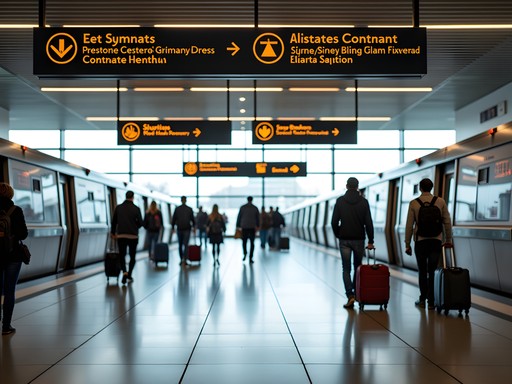
Let's be honest—landing at JFK, LaGuardia, or Newark can be intimidating when you're watching your pennies. The yellow taxi line might seem tempting (especially after a long flight), but that $60+ fare will put a serious dent in your ramen budget.
My go-to recommendation? The AirTrain + subway combo from JFK. At just $10.75 total ($8.25 for AirTrain + $2.90 for subway), it's by far the most economical option. The AirTrain connects to the subway at Jamaica Station (E, J, Z lines) or Howard Beach (A line). Yes, it takes longer (about 60-90 minutes to Manhattan), but the savings are substantial.
From LaGuardia, the Q70 SBS "LaGuardia Link" bus is your budget bestie. It's FREE and connects to multiple subway lines at Jackson Heights-Roosevelt Avenue. I was shocked when I first discovered this option—it feels like finding a $20 bill in your winter coat pocket!
For late-night arrivals when safety is a bigger concern, I recommend using the Uber/Lyft fare splitter to share rides with fellow travelers heading to similar areas. I've made some wonderful connections this way, including two Swedish students who ended up becoming hiking companions for my weekend trip to the Hudson Valley.

💡 Pro Tips
- Download the NYC MTA app before your trip to check for service changes and plan routes
- Purchase a reloadable MetroCard upon arrival—don't buy individual tickets
- If arriving between 11pm-5am, consider splitting a rideshare rather than navigating public transit
Mastering the NYC Subway System
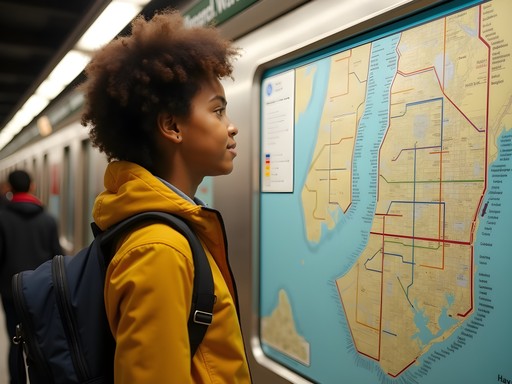
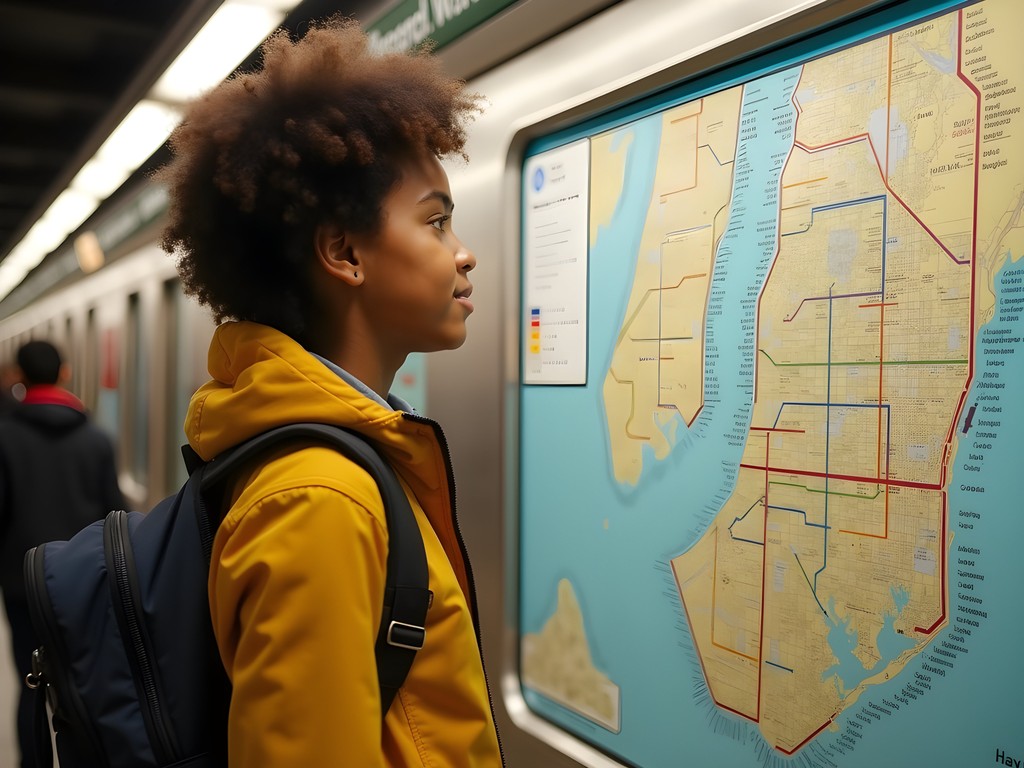
The subway is the lifeblood of New York City, and while it might seem daunting at first, it's actually quite logical once you understand a few key principles.
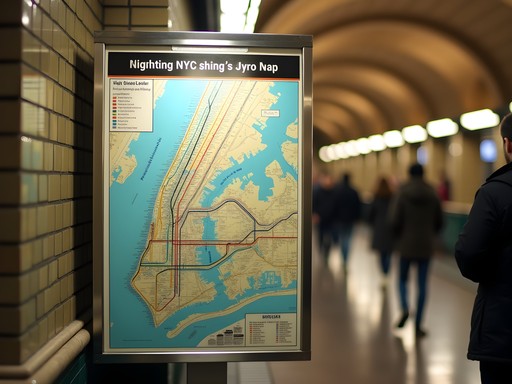
First, know the difference between local and express trains. Local trains stop at every station along a line, while express trains skip several stations to get you to major hubs faster. On subway maps, express stops are denoted by white circles, while local-only stops have black circles. This distinction alone can save you precious time when traveling longer distances.
Second, understand the directional system. Instead of northbound/southbound, NYC subways typically use "Uptown" (north) and "Downtown" (south) in Manhattan. In Brooklyn and Queens, trains are often labeled by their final destination or by borough ("Brooklyn-bound" or "Queens-bound").
For my fellow night owls: late-night service runs 24/7, but with reduced frequency and route changes. Before heading out for that midnight slice of pizza, download the Citymapper app, which accounts for late-night service changes better than Google Maps in my experience.
Always carry a pocket hand sanitizer when riding the subway. Between touching turnstiles, poles, and seats, you'll want to clean your hands regularly—especially before enjoying that street food you've been eyeing!
💡 Pro Tips
- Always check the direction (Uptown/Downtown) before entering the station
- Stand clear of the closing doors (you'll hear this announcement constantly)
- Move to the center of the car during rush hour to allow others to board
MetroCard Magic: Maximizing Your Transit Value
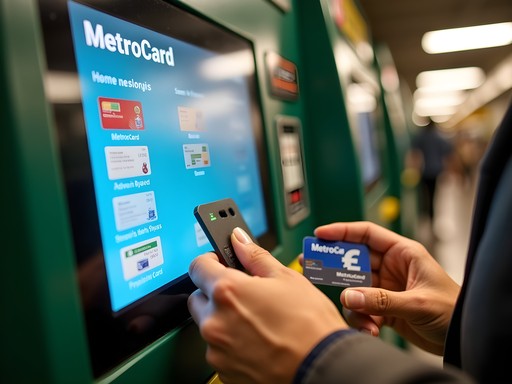
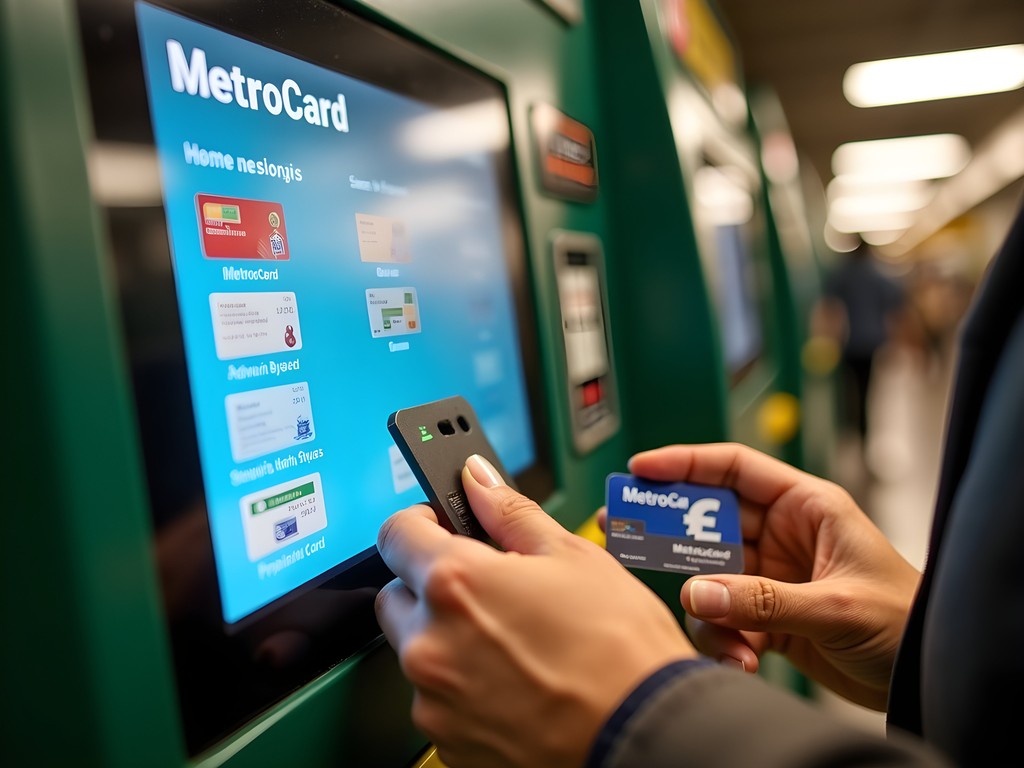
The humble MetroCard is your golden ticket around NYC, but there are strategies to make it work harder for you. For students staying a week, the 7-day unlimited MetroCard ($34) is almost always the best value. Do the math: at $2.90 per ride, you break even after just 12 trips—that's less than two rides per day. During my last week-long visit, I logged 26 subway rides, effectively paying just $1.30 per trip!
A lesser-known hack: the MetroCard allows free transfers between subway and local buses within a two-hour window. This opens up transportation options in areas with limited subway coverage, like parts of Brooklyn and Queens.
One money-saving trick I've used countless times: when traveling with a friend, you can share a single pay-per-ride MetroCard (though not an unlimited one). Just swipe, enter, wait 18 minutes (the anti-fraud cooldown period), then swipe your friend through.
Keep your MetroCard protected in a slim card holder with tracking capabilities. After losing my MetroCard twice in one trip (with $20+ remaining on each!), I started keeping it in this tracker. Now if I misplace it, I can find it before heading to the station.
💡 Pro Tips
- Add a bit more than your expected fare to pay-per-ride cards—unused amounts under $1 are difficult to use up
- Keep your MetroCard away from your phone and credit cards to prevent demagnetization
- Hold onto expired MetroCards—you can trade in any card with at least $1 in value when purchasing a new one

Beyond the Subway: Alternative Budget Transport
While the subway is my primary mode of NYC transportation, there are times when alternatives make more sense—without destroying your budget.
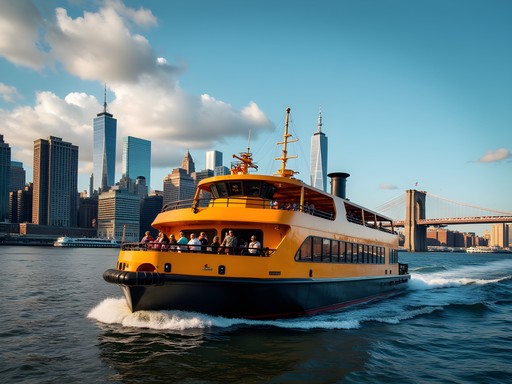
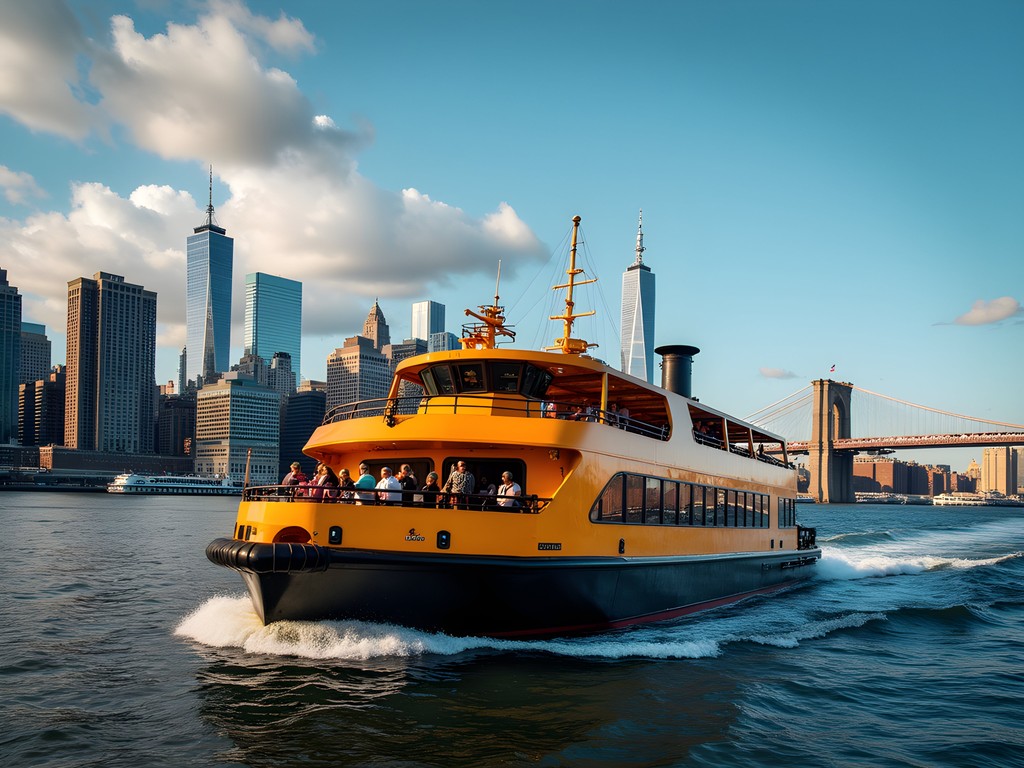
The NYC Ferry is my secret weapon for gorgeous views at transit prices. For just $4 per ride, you'll get Instagram-worthy skyline views that rival expensive harbor cruises. The East River route connects Manhattan, Brooklyn, and Queens with stops near major attractions. I once spent a delightful afternoon "ferry hopping" between Brooklyn Bridge Park, Williamsburg, and Roosevelt Island—all for less than the price of a single tourist boat ticket.
For exploring Central Park or cruising along the Hudson River Greenway, consider a day bike rental. While Citibike offers short-term rentals, students staying for a week might find better value in a 3-day pass from a local bike shop.
Don't overlook the bus system! While slower than the subway, NYC buses offer above-ground views and access to areas between subway lines. The compact umbrella has saved me countless times while waiting at bus stops during New York's unpredictable rain showers. It's small enough to fit in my daypack but sturdy enough to withstand those notorious NYC wind tunnels between skyscrapers.
For late-night journeys, I recommend the personal safety alarm that easily attaches to your keychain or backpack. As a solo female traveler, having this small device gives me peace of mind when navigating quieter streets from subway stations to accommodations.
💡 Pro Tips
- Download the NYC Ferry app to purchase tickets and check schedules
- Buses display their route number and destination on digital signs—confirm before boarding
- Consider walking for distances under 20 blocks (approximately 1 mile)—it's often faster than public transit for short trips
Student-Specific Money-Saving Transport Hacks
As a student on a budget in NYC, every dollar saved on transportation is another dollar for experiences (or let's be honest—pizza). Here are my top student-specific transport hacks:
First, always carry your student ID! Several museums offer student discounts on admission, and while transportation discounts are limited for short-term visitors, your ID might help with certain tour packages that include transportation.
Plan accommodations strategically near subway hubs. I once saved nearly $200 on a week-long trip by staying in Astoria, Queens instead of Midtown Manhattan. The 15-minute subway ride into the city was a small price to pay for the substantial savings.
For exploring neighborhoods, consider free walking tours that operate on a tip-what-you-wish basis. Not only will you save on transportation, but you'll also gain insights from local guides. My favorite discovery was a street art tour of Bushwick that revealed hidden gems I would have never found on my own.
When traveling with classmates, coordinate your exploration. My travel expense splitter has been invaluable for managing shared Uber rides and group MetroCard purchases with fellow travelers.
Finally, pack a collapsible water bottle to stay hydrated without spending $3+ on bottled water throughout the day. NYC tap water is excellent, and refilling stations are available in many public spaces and museums.

💡 Pro Tips
- Group sightseeing by neighborhood to minimize transit costs
- Look for student discount codes on rideshare apps—Lyft occasionally offers student promotions
- Consider a hostel with free breakfast to reduce daily expenses, allowing more budget for transportation to outer boroughs
Final Thoughts
When I reflect on my countless visits to New York City over the years, I'm struck by how my relationship with its transportation system mirrors my growth as a traveler. What once seemed like an incomprehensible maze of subway lines and bus routes has become a familiar friend that connects me to all the magic this incredible city holds.
The beauty of mastering NYC's public transportation isn't just in the money you'll save—though your wallet will certainly thank you. It's about experiencing the city as locals do, rubbing shoulders with New Yorkers from all walks of life, and discovering that the journey between destinations often holds as many stories as the landmarks themselves.
Remember that every seasoned NYC navigator was once a confused newcomer. Give yourself grace when you inevitably take the express train when you meant to take the local, or end up heading downtown instead of uptown. These small misadventures are part of the authentic New York experience and often lead to unexpected discoveries.
So grab your MetroCard, download those transit apps, and step confidently into the controlled chaos that is New York City transportation. The city that never sleeps awaits—and now you know how to get around it without emptying your bank account or losing your mind in the process. Safe travels!
✨ Key Takeaways
- The subway is almost always your most economical option—master it early in your trip
- A 7-day unlimited MetroCard is the best value for most week-long visits
- Airport transfers can be done for under $11 using public transportation
- Alternative transport options like the NYC Ferry provide experiences and views at transit prices
- Strategic accommodation location near subway lines can save hundreds on transportation costs
📋 Practical Information
Best Time to Visit
year-round (avoid holiday seasons for less crowded subway)
Budget Estimate
$35-50 for transportation per week with unlimited MetroCard
Recommended Duration
minimum 5 days to maximize unlimited MetroCard value
Difficulty Level
Beginner (With Proper Planning)






Comments
luckymate
Really cool tips! Bookmarking this
Claire Hawkins
Hazel, this brought back memories of our first family trip to NYC! We stayed in Brooklyn and I was terrified of navigating the subway with two kids under 5. But honestly, it became our favorite part of the adventure. My daughter still talks about being a "real New Yorker" on the F train. One tip I'd add - the express vs local trains confused me at first. Always check if your stop is express or you'll fly right past it! Also, those fold-up strollers are essential if you're traveling with little ones. The stairs are no joke.
luckymate
omg the express thing!! I did that and ended up in the bronx lol
wanderlusttime
Quick question - is it still worth getting a 7-day MetroCard if I'm only there for 5 days? Or should I just do pay per ride? We're planning to move around a lot but not sure how many rides we'll actually take per day.
Claire Hawkins
I'd say do the math! If you're taking more than 12 rides total, the 7-day is worth it. We took our kids last year and used it constantly - subway to breakfast, museum, lunch spot, park, dinner. Easily 4-5 rides per day with little ones!
greenphotographer57
YES to the AirTrain advice!! I wasted so much money on a taxi my first trip. Last time I took the AirTrain to Jamaica Station then the subway into Manhattan and it was SO easy and like $10 total. The subway really isn't scary once you get the hang of it. Download the MTA app before you go - it shows real-time arrivals and helps with planning routes. Game changer!
coolguide
This is super helpful! Going in March
luckymate
omg me too!! when are you going?
coolguide
mid march, first time!
coffeephotographer
Solid advice throughout. I've been visiting NYC for work for years and the subway really is the way to go. One thing I'd emphasize is downloading the offline subway map before you arrive - cell service is spotty underground in many stations. Also, the LIRR from JFK can be faster than the AirTrain route depending on where you're staying in Manhattan. Worth comparing both options.
mountainrider
Anyone know if the MetroCard works for buses too or just subway?
coffeephotographer
Works for both! And you get a free transfer between subway and bus within 2 hours.
Claire Hawkins
What a fantastic resource, Hazel! We took our two kids (7 and 9) to NYC last fall and the subway was surprisingly manageable with them. One tip I'd add for families - the elevators at subway stations aren't always obvious or working, so if you're traveling with a stroller, definitely download the accessible station map beforehand. We learned that the hard way at Times Square! The kids actually loved riding the subway and spotting all the different train lines. It became a little game for them. Also, having a portable charger was essential since we were constantly using Google Maps underground when we had service.
nomadlover
Great tip about the elevators! Didn't even think about that
wanderdiver
YES!! The subway changed everything for us last year. We went everywhere for basically nothing compared to our friends who kept using Uber. Your section on the express vs local trains is gold - that confused us so much at first lol
coffeeway
Quick question - is the subway safe late at night? Planning some evening shows in Manhattan.
coffeephotographer
I've taken it plenty of times after 11pm and felt fine. Just stick to the more crowded cars and stay aware of your surroundings like any big city.
Venture X
Premium card with 2X miles, $300 travel credit, Priority Pass