
Disclosure: This article contains affiliate links. We may earn a commission from purchases at no extra cost to you, which helps our travel content.
Look, I'll be honest—when a group of my NBA clients first suggested we tackle the Wasatch backcountry outside Sandy, Utah, I thought they were just trying to escape contract negotiations. But after a week of pushing our limits across these mountains, I realized Sandy is like that sixth-round draft pick nobody talks about until they're dominating the playoffs. This unassuming Salt Lake City suburb sits at the literal doorstep of some of North America's most accessible yet challenging terrain. Whether your crew is chasing powder at Snowbird, scaling granite faces in Little Cottonwood Canyon, or mountain biking the Wasatch Crest Trail, Sandy delivers elite-level adventure without the pretension of more famous mountain towns.

Winter Warriors: Skiing and Snowboarding the Legendary Cottonwood Canyons
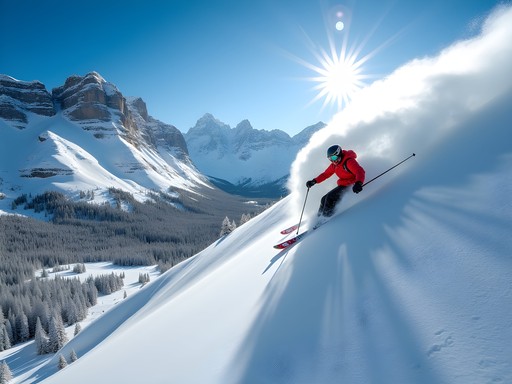
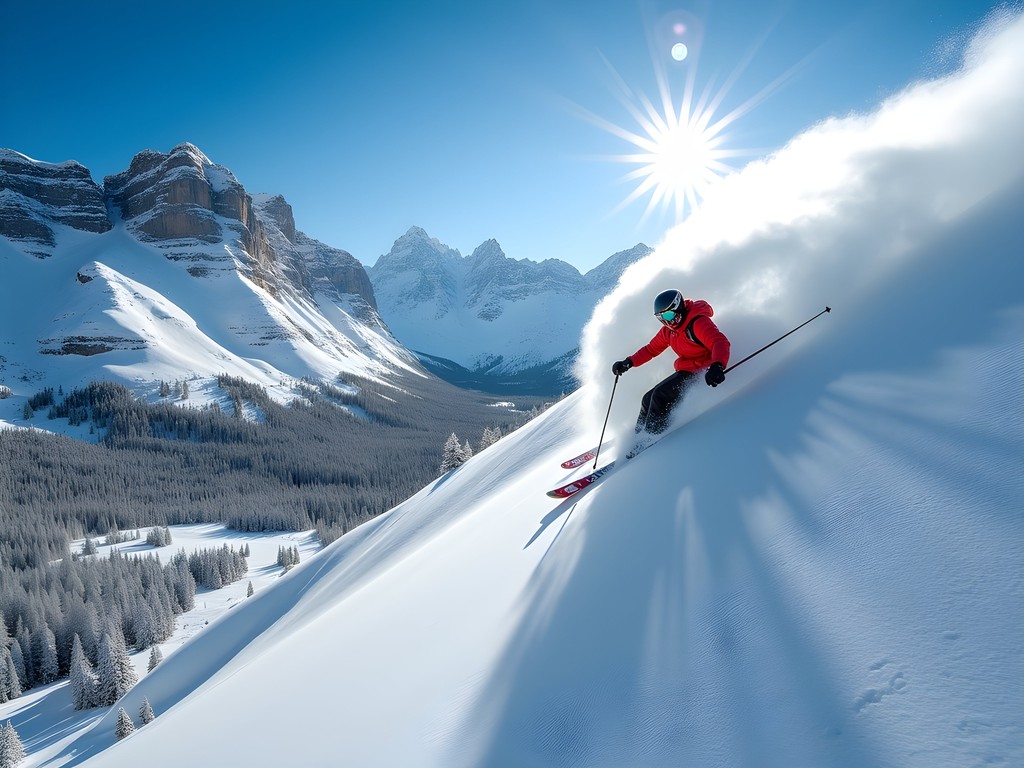
The winter game in Sandy revolves around two legendary canyons: Little and Big Cottonwood. Snowbird and Alta in Little Cottonwood Canyon deliver what locals call 'The Greatest Snow on Earth'—and they're not exaggerating. I've taken groups here in January when we measured 18 inches of fresh powder overnight. The terrain is legitimately advanced, with Snowbird's Cirque and Alta's High Rustler demanding respect and skill.
Big Cottonwood Canyon offers Brighton and Solitude, slightly mellower but still challenging. For groups, I recommend splitting days between resorts—the Alta/Snowbird pass combo is the MVP move. The catch? Little Cottonwood Canyon is steep and avalanche-prone, so UDOT controls traffic during storms. Start early or prepare to wait.
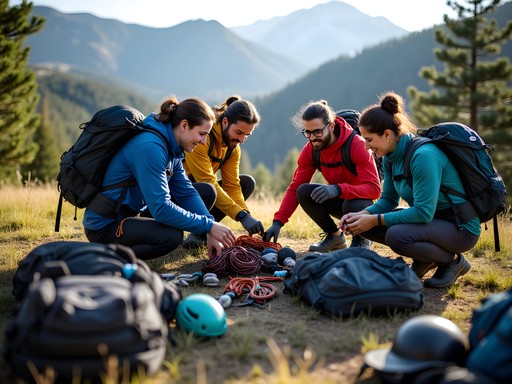
Gear-wise, the altitude (base elevations around 8,000 feet) and dry climate require adjustment. I learned this the hard way my first season—constant nosebleeds and chapped lips. Now I never hit the slopes without my lip balm and a quality hydration pack to combat that high-altitude dehydration. The dry powder also means goggles fog easily, so invest in good ventilation.
💡 Pro Tips
- Book accommodations in Sandy proper rather than canyon lodges—better value and more dining options
- Download the UDOT traffic app to monitor Little Cottonwood Canyon road conditions and closures
- Acclimate for 24-48 hours before pushing hard at altitude to avoid altitude sickness
- Rent avalanche safety gear (beacon, probe, shovel) if venturing into backcountry zones
Spring and Summer: Rock Climbing and Canyoneering Masterclass
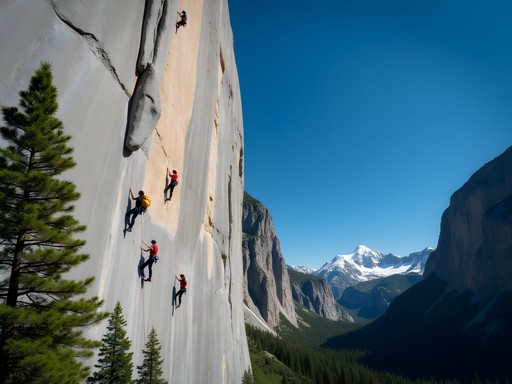
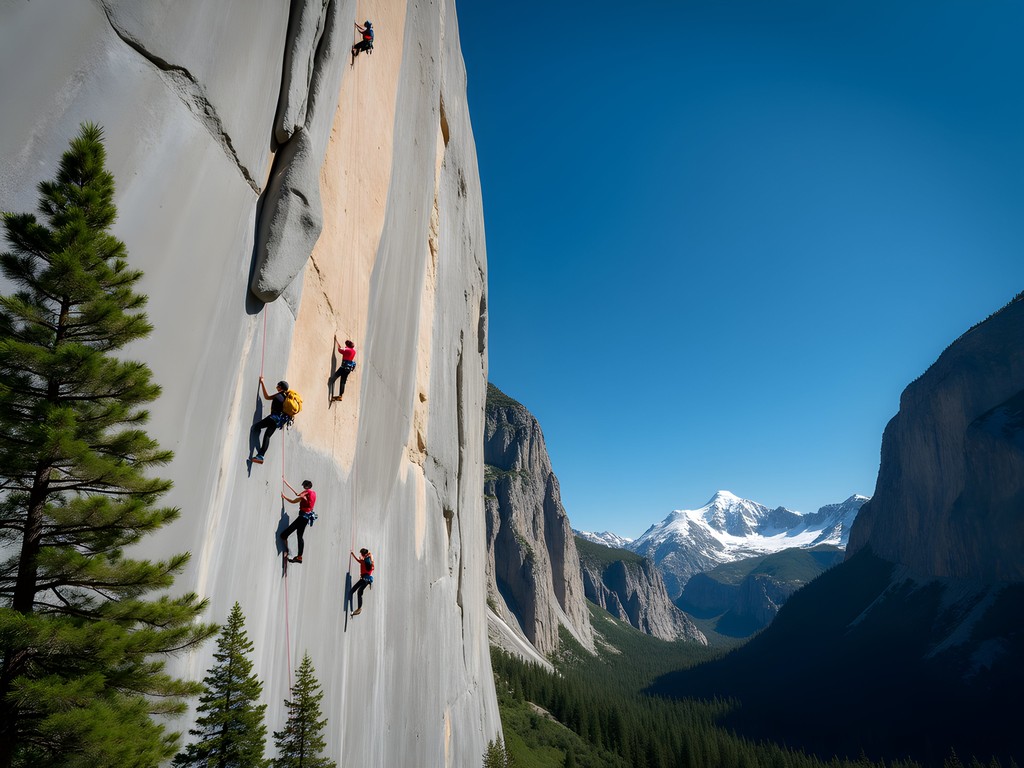
When the snow melts, Sandy transforms into a climber's paradise. Little Cottonwood Canyon is one of North America's premier granite climbing destinations, with over 1,500 routes. The Gate Buttress area offers accessible multi-pitch classics, while the Coffin and Pentapitch Wall challenge even experienced groups.
I brought a group of athletes here in May—guys who are used to performing under pressure—and watching them problem-solve on 5.10 routes was like seeing them read a defense in real-time. The mental game translates perfectly. The canyon's quartzite granite is bulletproof, with positive holds and excellent friction.
For groups new to trad climbing, hire a guide through the Utah Mountain Adventures. They'll teach anchor building, route finding, and canyon-specific beta. The investment pays off in safety and confidence. Big Cottonwood Canyon offers Bell's Canyon for excellent sport climbing and canyoneering combinations.
The summer heat (regularly 90°F+ in the valley) makes early starts essential. We'd hit the rock by 6 AM, finish by noon, then retreat to Sandy for lunch. Pack a quality climbing rope bag to keep your gear organized and protected from the dusty trail approaches. Also, the granite can shred hands—I go through a tube of climbing salve every trip to keep my skin in game shape.
💡 Pro Tips
- Check current climbing restrictions—some crags close seasonally for raptor nesting
- Bring approach shoes for the often steep, rocky trail access to climbing areas
- Cache water at the base of longer routes—dehydration happens fast at this altitude
- Download the Mountain Project app for detailed route information and recent conditions
Fall Mountain Biking: The Wasatch Crest Trail and Beyond
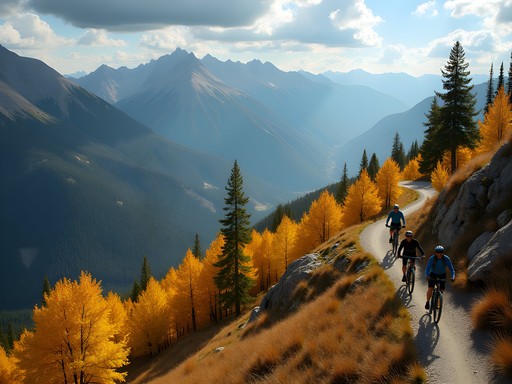
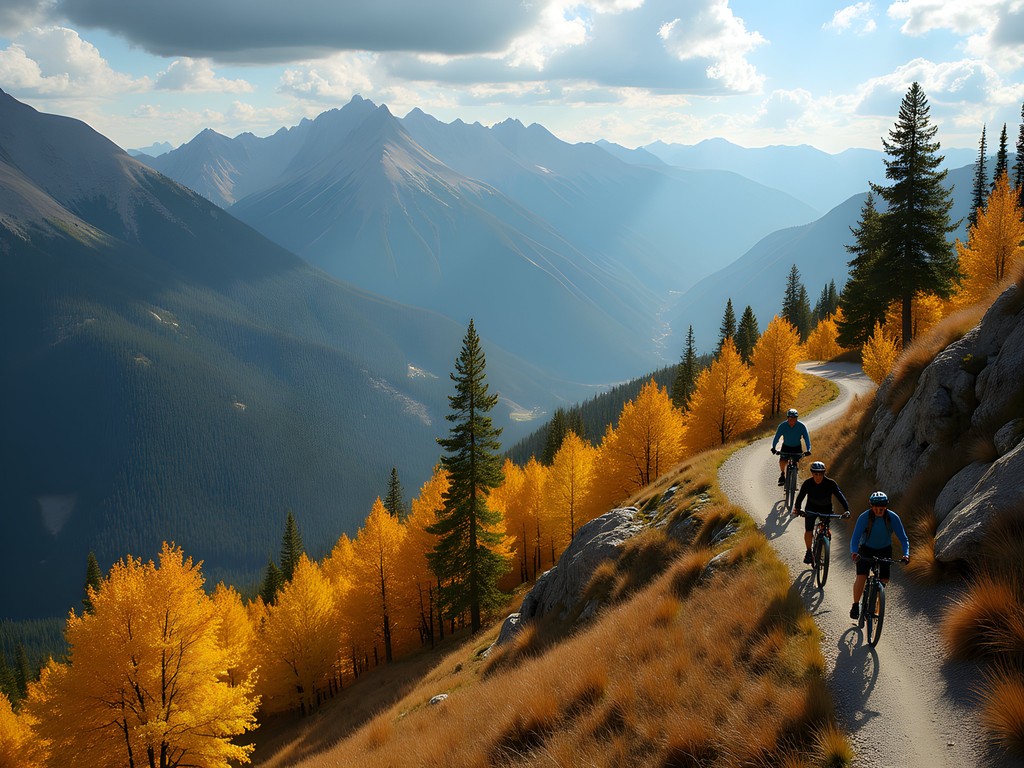
September and October bring my favorite Sandy season—mountain biking when the aspens turn gold. The Wasatch Crest Trail is the headliner: a 20-mile ridge-line epic with 4,000 feet of climbing that delivers non-stop views and technical challenges. This isn't a beginner ride—it's advanced terrain with exposure, rocky sections, and sustained climbs.
I rode this with a group last October, and the combination of golden aspens, 360-degree mountain views, and flowy singletrack made it one of my top five rides globally. We shuttled from Big Cottonwood to Millcreek Canyon, which saved our legs for the technical descents. The exposure on some ridge sections is real—not the place for riders uncomfortable with steep drop-offs.
Closer to Sandy, the Dimple Dell Regional Park offers a network of intermediate trails perfect for warming up or easier group rides. Corner Canyon in nearby Draper provides another excellent option with trails like Rush and Rime that challenge without intimidating.
Bike prep is crucial for these rocky, technical trails. I upgraded to tubeless tires after my third flat on the Crest Trail, and it's been game-changing. Also, the afternoon thunderstorms in fall can roll in fast—I always pack a lightweight rain jacket that stuffs into my hydration pack. For navigation on the extensive trail networks, a GPS bike computer keeps you on track when trail intersections get confusing.
💡 Pro Tips
- Book shuttle services in advance for point-to-point rides like the Wasatch Crest Trail
- Start Crest Trail rides by 7 AM to avoid afternoon thunderstorms and finish before dark
- Carry a comprehensive repair kit including tubeless repair plugs and a spare derailleur hanger
- Check trail conditions after rain—some sections become dangerously slick when wet

Base Camp Sandy: Logistics and Group Accommodations
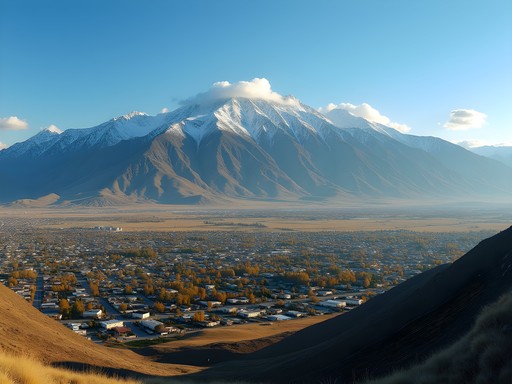
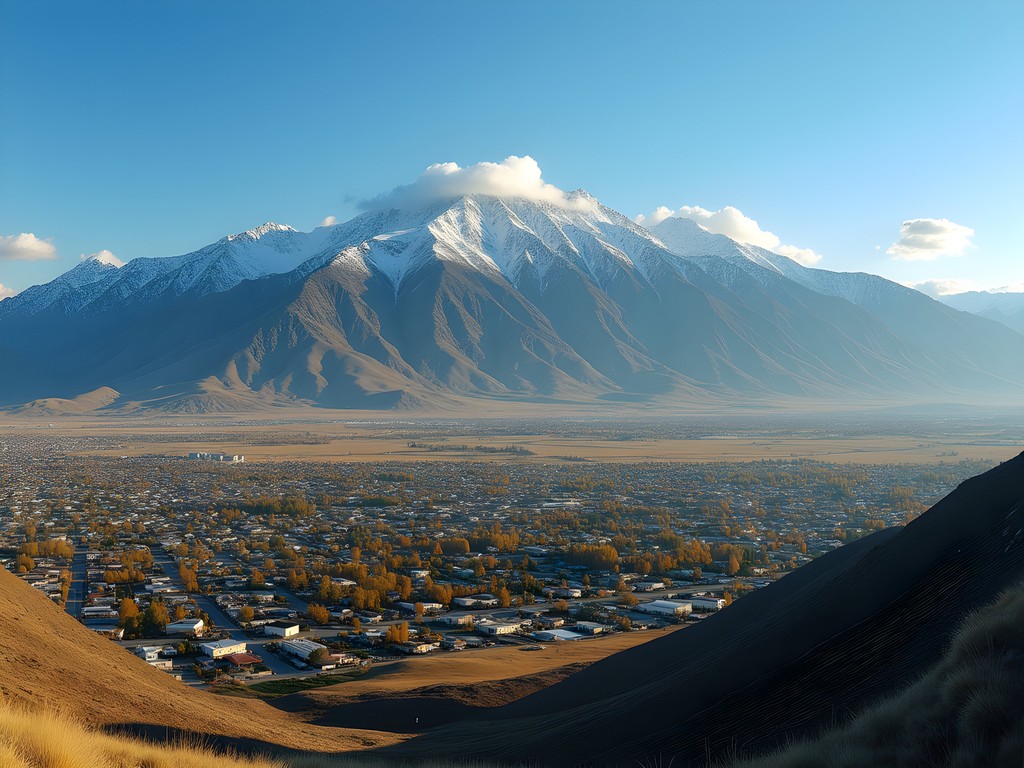
Sandy's strategic positioning makes it the perfect base camp for Wasatch adventures. You're 25 minutes from Salt Lake City International Airport, 15-20 minutes from both Cottonwood Canyons, and surrounded by dining and gear shops. For groups, I recommend the mid-range hotels along the I-15 corridor—Hampton Inn Sandy, Courtyard Marriott, or Holiday Inn Express offer clean rooms, breakfast, and reasonable rates ($120-180/night).
For larger groups or longer stays, vacation rentals in Sandy's residential areas provide better value and space. We've rented 4-bedroom houses for $300-400/night that sleep 8-10 people comfortably. The full kitchens save money on meals and provide space for gear organization.
Sandy has solid restaurant options—Lone Star Taqueria for post-adventure tacos, Tsunami for surprisingly good sushi, and The Dodo for upscale dining. The Real Foods Market is your grocery headquarters for healthy provisions. For gear needs, Wasatch Touring and REI in Sandy have everything from rental equipment to emergency replacements.
One underrated advantage: Sandy's altitude (4,500 feet) is high enough to begin acclimatization but low enough to sleep comfortably. We'd spend nights in Sandy, then push hard at 8,000-11,000 feet during the day. This approach reduced altitude sickness significantly compared to staying at elevation.
💡 Pro Tips
- Rent a vehicle with AWD or 4WD—canyon roads require it in winter and help in summer storms
- Stock up on groceries and gear before heading to canyons—limited options once you're up there
- Book accommodations early for peak seasons (January-February for skiing, September-October for biking)
- Consider the UTA ski bus service in winter—affordable alternative to driving congested canyon roads
Safety and Preparation: Playing the Long Game
Here's where I channel my agent side—preparation is everything. The Wasatch doesn't forgive mistakes, and I've seen too many groups underestimate these mountains. Altitude, weather volatility, and technical terrain create real consequences.
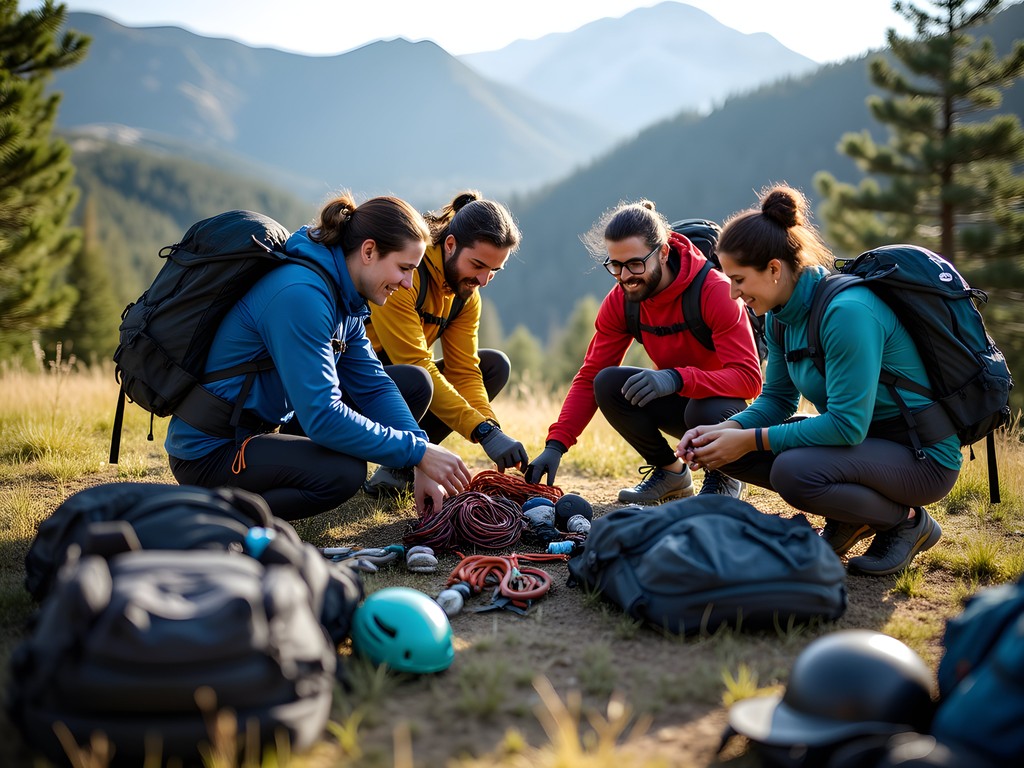
First, fitness matters. These are advanced activities requiring solid cardiovascular conditioning and technical skills. If your group isn't ready, dial back ambitions or hire guides. Utah Mountain Adventures, Exum Mountain Guides, and Wasatch Backcountry Alliance offer excellent group instruction and guided trips.
Second, weather changes fast. I've experienced 40-degree temperature swings in a single day. Layer aggressively and always pack emergency gear—headlamp, first aid, fire starter, emergency shelter. A quality emergency bivy weighs nothing and could save your life if you're caught out overnight.
Third, avalanche education is non-negotiable for winter backcountry travel. Take an AIARE Level 1 course before attempting anything beyond resort boundaries. Check the Utah Avalanche Center forecast daily. The Cottonwood Canyons have serious avalanche terrain, and people die here every season.
Finally, respect the altitude. Even fit athletes struggle initially. Hydrate obsessively (twice what you think you need), limit alcohol the first few days, and consider acetazolamide if you're prone to altitude sickness. I keep a pulse oximeter in my kit to monitor oxygen saturation—it's a simple way to catch altitude issues before they become serious.
💡 Pro Tips
- Download offline maps for all areas—cell service is spotty in the canyons
- Establish clear communication protocols and turnaround times before splitting up groups
- Carry a satellite communication device like Garmin inReach for true backcountry travel
- Know the signs of altitude sickness, hypothermia, and heat exhaustion—and when to descend
Final Thoughts
Sandy doesn't have the flash of Aspen or the Instagram fame of Moab, but that's exactly why I keep bringing groups back. This is a working athlete's mountain town—serious terrain, reasonable prices, and zero pretension. You can ski world-class powder in the morning, climb granite classics in the afternoon, and still find a solid meal and comfortable bed without breaking the bank.
The Wasatch Range delivers legitimate challenge across all four seasons. This isn't a casual vacation destination—it's where groups come to push limits, build skills, and earn their adventure credentials. But with proper preparation, experienced leadership, and respect for the mountains, Sandy offers some of the most rewarding outdoor experiences in North America.
I've negotiated contracts in boardrooms from Tokyo to New York, but some of my most memorable moments have been sharing rope with friends on a Cottonwood granite face or dropping into fresh powder with clients-turned-adventure-partners. Sandy facilitates those transformative experiences—you just have to show up ready to work for it. The mountains will handle the rest.
✨ Key Takeaways
- Sandy provides year-round access to world-class skiing, climbing, and mountain biking in the Wasatch Range
- Advanced fitness and technical skills are essential—this is legitimate challenging terrain requiring preparation
- Strategic base camp location offers better value than resort towns while maintaining easy canyon access
- Weather, altitude, and avalanche conditions demand respect, proper gear, and conservative decision-making
📋 Practical Information
Best Time to Visit
Year-round (January-February for skiing, May-June for climbing, September-October for mountain biking)
Budget Estimate
$1,200-2,000 per person for a week (accommodations, food, lift tickets/guides, gear rentals)
Recommended Duration
7 days minimum to acclimate and experience multiple activities
Difficulty Level
Advanced





Comments
Taylor Moreau
Excellent write-up, Scott. I've been bringing corporate retreat groups to the Sandy area for three years now, and your point about the logistics infrastructure is spot-on. The proximity to Salt Lake International (20 minutes) makes it remarkably efficient for groups flying in from multiple cities. We've had great success with the group accommodation options in Sandy proper - far more cost-effective than the canyon resorts, and the participants actually prefer the authentic local dining scene. One tip I'd add: book transportation to the canyons well in advance during peak season. The UDOT canyon restrictions can complicate group movements.
redlegend
YES!! The Wasatch Crest Trail is absolutely legendary. Did it last September and it was one of the best rides of my life. Scott's right about Sandy being underrated - no crowds, amazing terrain, and way cheaper than the resort towns. Also the local coffee scene is surprisingly good? Hit up the shops on State Street before you head up the canyon. Can't wait to get back there this summer.
Taylor Moreau
Completely agree on the value proposition. I've been routing business groups through Sandy rather than Park City for exactly these reasons.
backpackninja
this looks awesome but is it too intense for someone whos kinda new to mountain stuff? im in decent shape but not like NBA athlete level lol
redlegend
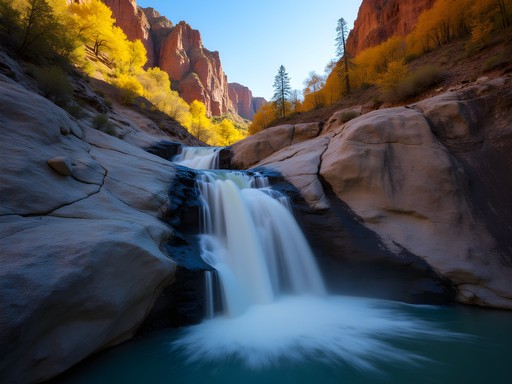
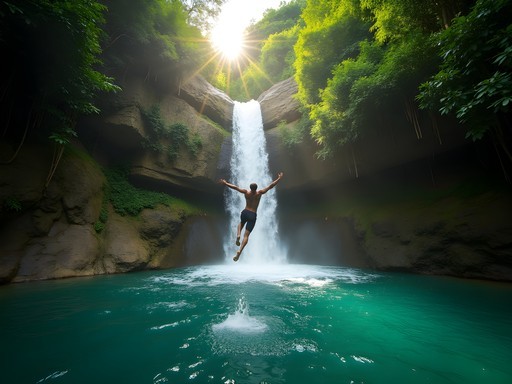
Nah you'll be fine! Start with the easier trails in Little Cottonwood. The Bell Canyon trail is perfect for beginners and the waterfall is sick
backpackninja
thanks!! adding it to my list
Venture X
Premium card with 2X miles, $300 travel credit, Priority Pass