



Disclosure: This article contains affiliate links. We may earn a commission from purchases at no extra cost to you, which helps our travel content.
Having traversed the frozen expanses of Iceland and Norway with my camera in tow, I never imagined finding equally breathtaking landscapes in the American Southwest. Yet here I stand, utterly captivated by Utah's crimson canyons and towering hoodoos—a stark contrast to my usual arctic adventures. Sandy, Utah has proven to be the perfect launching pad for families seeking to explore the state's magnificent national parks without constantly repacking suitcases. Allow me to share how this charming suburb of Salt Lake City can serve as your strategic base camp for an unforgettable spring expedition through Utah's natural wonders.

Why Sandy Makes the Perfect Base Camp
Sandy sits like a geographical blessing at the nexus of Utah's natural splendours. Located just 20 minutes from Salt Lake City International Airport, this suburban gem offers the perfect balance of accessibility and tranquility that families require. Unlike staying directly in the bustle of Salt Lake City or committing to the remote accommodations near each park, Sandy provides comfortable lodging options at reasonable rates, excellent dining establishments, and—most crucially—strategic positioning for your daily excursions.
During my week-long stay, I secured a charming three-bedroom holiday rental that cost substantially less than comparable options in Park City or Salt Lake proper. The property featured a proper kitchen for preparing packed lunches (essential for long park days) and a garden where the children could decompress after our daily adventures. The neighbourhood grocery stores proved invaluable for stocking our cooler bag, which became our constant companion on longer journeys.
Most importantly, Sandy's location at the mouth of Little Cottonwood Canyon places you at the gateway to both the Wasatch Mountains and the southern desert parks. This geographical advantage cannot be overstated when planning a comprehensive Utah parks itinerary.

💡 Pro Tips
- Book accommodation in Sandy's southeast quadrant for quickest access to the mountain roads leading south
- Consider a rental property with laundry facilities—park explorations generate surprising amounts of red dust-covered clothing
- The Sandy TRAX light rail station provides convenient access to Salt Lake City attractions on your 'rest days'
Planning Your Park Itinerary: The Logical Route
When using Sandy as your base camp, the geographical arrangement of Utah's national parks dictates a logical exploration sequence. Having studied maps extensively before our journey (the scientist in me cannot resist proper preparation), I devised what I believe to be the optimal visitation order.
For a one-week adventure, I recommend this structured approach:
Days 1-2: Zion National Park (3 hours from Sandy) The crown jewel deserves two full days. Depart Sandy pre-dawn to maximize your first day. Consider staying overnight in Springdale to fully experience Zion's magnificent sunset and sunrise.
Day 3: Bryce Canyon National Park (4 hours from Sandy, 1.5 hours from Zion) Easily combined with your Zion return journey. The hoodoos are particularly spectacular in morning light.
Day 4: Capitol Reef National Park (3.5 hours from Sandy) Often overlooked, this hidden gem offers uncrowded trails and fascinating geology.
Day 5: Arches National Park (3.5 hours from Sandy) Dedicate a full day to exploring the iconic arches. The hiking poles I brought proved invaluable for the Devil's Garden trail.
Day 6: Canyonlands National Park (4 hours from Sandy) Focus on the Island in the Sky district for the most accessible grandeur.
Day 7: Recovery day in Sandy/Salt Lake City Allow time to rest before departure and perhaps explore Temple Square.
This itinerary involves significant driving, but the journeys themselves become part of the adventure. Utah's highways offer vistas that would be national monuments in many other countries.

💡 Pro Tips
- Download offline maps before departure as mobile coverage is spotty in remote park areas
- The America the Beautiful Annual Pass (currently $80) pays for itself if you're visiting three or more parks
- Book timed entry permits for Arches National Park well in advance during peak spring season
Transportation Essentials: Selecting the Right Vehicle
Having traversed Arctic terrain in various vehicles, I've developed strong opinions about appropriate transport for natural wonders. For Utah's national parks, your vehicle selection proves nearly as important as your itinerary planning.
While a standard sedan can access the main attractions in most parks, I strongly recommend a mid-sized SUV with moderate clearance. Our roof cargo carrier provided invaluable additional storage space for our family's gear without cluttering the cabin—essential for maintaining harmony during long drives.
During our spring visit, we encountered unexpected weather variations that reinforced this recommendation. A brief snowfall in Bryce Canyon's higher elevations and sudden heavy rain creating temporary wash crossings near Capitol Reef were navigated with confidence in our Subaru Outback. The same vehicle handled the unpaved scenic drive in Capitol Reef without difficulty.
For families with children, I cannot overstate the importance of comfort features. The car organizer we attached to the back of the front seats kept the children's snacks, water bottles, and entertainment accessible without constant requests to the driver. This small investment paid dividends in family harmony throughout our 1,200+ miles of driving.
Petrol stations grow increasingly scarce as you venture into southern Utah. Adopt the 'half-tank rule' I learned in Finland—begin seeking fuel when your gauge drops below half. This practice prevented any anxious moments during our journey between the more remote parks.

💡 Pro Tips
- Reserve your vehicle well in advance during peak spring season when fleet availability becomes limited
- Request a vehicle with Apple CarPlay/Android Auto compatibility for easier navigation in areas with poor mobile reception
- Consider adding a small inverter to your packing list for charging camera batteries and other electronics between accommodations

Navigating Park Shuttle Systems & Timing Your Visits
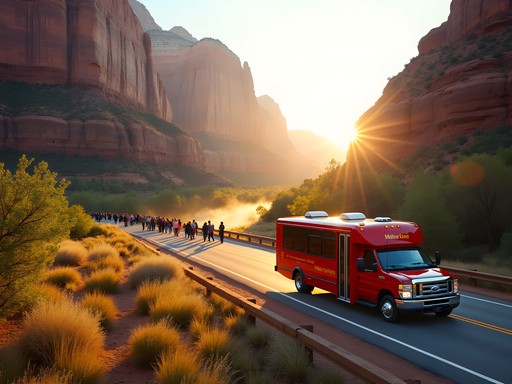
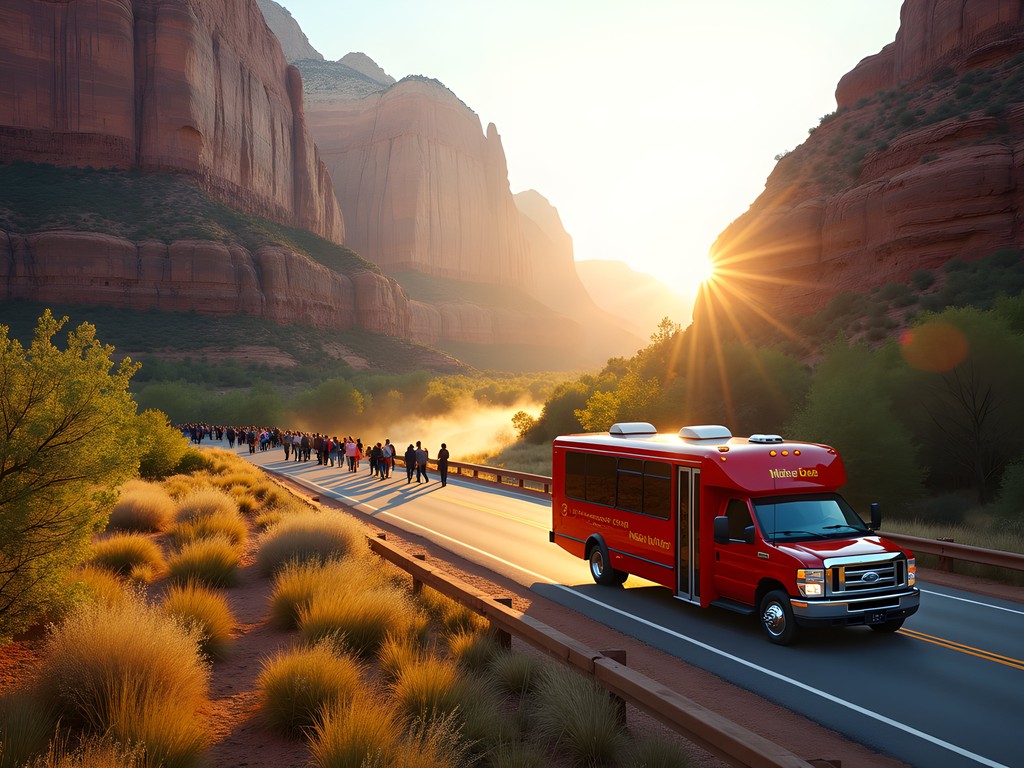
One aspect of Utah's national parks that differs dramatically from my Arctic expeditions is the necessity of navigating shuttle systems and timing constraints. Zion National Park, in particular, requires careful planning as private vehicles are prohibited in the main canyon during peak season.
The Zion shuttle system operates with remarkable efficiency, but understanding its nuances enhances your experience tremendously. During our spring visit, the first shuttles departed the Visitor Center at 7:00 AM, with queues forming by 6:30. My recommendation: arrive by 6:15 AM with your insulated travel mug filled with tea or coffee. The early start allows you to experience popular trails like Angels Landing or The Narrows before the midday crowds arrive.
Bryce Canyon offers an optional shuttle that proves valuable during peak hours when parking at popular viewpoints becomes challenging. Capitol Reef, Arches, and Canyonlands currently allow private vehicles throughout, though Arches has implemented a timed entry system requiring advance reservations.
Timing your park visits requires balancing multiple factors. The lighting for photography is most magical during the golden hours of early morning and late afternoon—a consideration that speaks to my photographer's heart. However, families must also consider meal times, children's energy levels, and driving distances.
My solution was to alternate between very early starts (arriving at parks for sunrise) and more leisurely days. This rhythm prevented exhaustion while still allowing us to experience the parks at their most photogenic and least crowded moments. The children actually embraced our pre-dawn departures when framed as special adventures, especially when equipped with their own headlamp for early morning hikes.
💡 Pro Tips
- Download the NPS app for each park to access shuttle schedules even without mobile service
- For Zion, consider staying in Springdale to access the shuttle system without driving to the visitor center
- Pack breakfast items that can be eaten in the car during early morning drives to maximize time in the parks before crowds arrive
Family-Friendly Hiking Strategies from Park to Park
While my Arctic explorations often involve challenging terrain, Utah's national parks offer remarkable accessibility with options suitable for various ages and abilities. As someone who regularly observes how different environments impact family dynamics, I've developed strategies for maximizing enjoyment across generations.
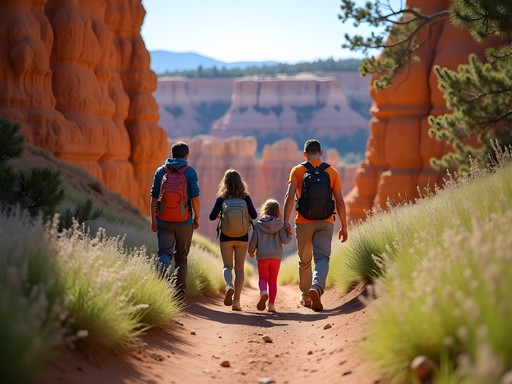
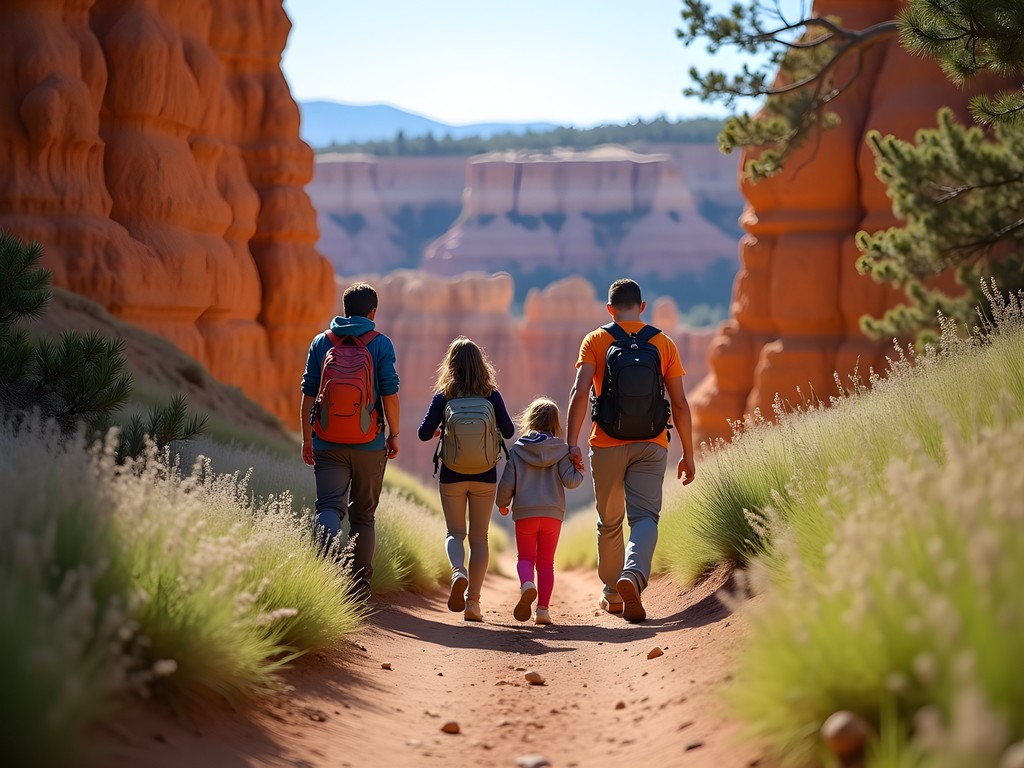
Each park presents unique considerations for family hiking. In Zion, the Riverside Walk and lower Emerald Pools trails offer spectacular scenery without excessive difficulty. For more adventurous families with older children, Angels Landing to Scout Lookout (stopping before the chains) provides thrilling views without the most dangerous sections.
Bryce Canyon's Queens Garden/Navajo Loop combination creates a perfect family adventure—beginning with an easy descent among hoodoos and concluding with a more challenging but manageable ascent. The hydration pack we purchased for each child proved invaluable here, encouraging proper hydration while giving them a sense of self-sufficiency.
In Capitol Reef, the Hickman Bridge trail offers moderate challenge with magnificent rewards, while Arches' Windows Section provides accessible wow-factor suitable for all ages. Canyonlands' Mesa Arch presents an easy half-mile loop with arguably the most photogenic vista in all of Utah.
Regardless of which trails you select, I recommend applying the same principles that serve Arctic family expeditions: maintain flexible expectations, celebrate small achievements, and always carry more snacks than you think necessary. The first aid kit in our daypack provided peace of mind, though thankfully we needed only plasters for minor blisters.
Finally, embrace the educational opportunities these landscapes provide. My nephews were far more engaged learning about erosion while standing beneath an arch than they ever would be from a textbook. The junior ranger programs available at each visitor center provide excellent structure for turning these hikes into meaningful educational experiences.
💡 Pro Tips
- Hike early in the morning not just to avoid crowds but to minimize sun exposure during spring when shade is limited on many trails
- Create a simple scavenger hunt for younger children (find a heart-shaped rock, spot three different wildflowers, etc.) to maintain engagement on longer trails
- Allow extra time for all hikes—what might take adults 2 hours can easily require 3-4 hours with children stopping to explore
Final Thoughts
As I reflect on our week exploring Utah's magnificent national parks from our Sandy base camp, I'm struck by how these crimson landscapes—so different from my beloved Arctic regions—evoke the same sense of wonder and perspective. The efficient hub-and-spoke approach from Sandy allowed us to experience five national parks without constantly repacking suitcases, while the drives between destinations became memorable adventures in themselves.
Utah's parks offer a rare combination of accessibility and grandeur that makes them particularly suited for family exploration. Children who might struggle with the subtle beauty of tundra landscapes immediately connect with the dramatic arches, hoodoos, and canyons of the American Southwest. The scientific mind marvels at geological processes laid bare, while the photographer's eye finds endless compositions in the interplay of light and stone.
Whether you're navigating Zion's shuttle system at dawn, watching sunrise illuminate Bryce Canyon's amphitheater, or standing beneath the impossibly delicate span of Landscape Arch, these experiences create the family bonds and memories that inspire a lifetime of exploration. I encourage you to use Sandy as your launching pad for this magnificent adventure—and perhaps I'll see you on the trails, camera in hand, still marveling at how these desert wonders compare to the frozen north that first captured my heart.
✨ Key Takeaways
- Sandy provides an ideal central location for exploring Utah's national parks while minimizing accommodation changes
- A mid-sized SUV offers the optimal balance of comfort, capacity and capability for park roads and changing weather conditions
- Early morning starts dramatically improve both photography opportunities and trail experiences by avoiding crowds
- National park shuttle systems require advance planning but provide efficient access to popular destinations
- The educational opportunities in Utah's parks create meaningful family experiences that transcend mere sightseeing
📋 Practical Information
Best Time to Visit
Mid-April to early June (spring)
Budget Estimate
$2,000-$3,500 for a week-long family trip including accommodation, vehicle rental, and park fees
Recommended Duration
7-10 days
Difficulty Level
Moderate







Comments
beachace
Really useful guide! We're planning this exact trip for September. One thing I learned from our Arizona parks trip - bring way more water than you think. I had my water bladder and still went through it faster than expected with all the hiking. The desert is no joke!
photowanderer
Good call on the water! I always underpack for desert trips lol
Willow Sanchez
Love this comprehensive approach! As someone who's done the Utah circuit twice now, I wish I'd known about the Sandy strategy the first time. We made the mistake of booking hotels near each park and spent so much time checking in and out. Your point about the shuttle systems is spot-on too - Zion's shuttle is actually a blessing once you embrace it. Pro tip for anyone reading: download the park maps offline before you go. Cell service is spotty and having those maps saved on my phone was clutch. Also, the sunrise at Bryce is worth the early wake-up call, but bring layers! It's shockingly cold even in summer.
blueway4325
Quick question - did you rent an SUV or was a regular car okay? Worried about the roads!
Caleb Kennedy
Regular sedan was fine for all the main parks! The paved roads are well-maintained. Only need 4WD if you're doing backcountry stuff.
beachace
Can confirm - we did it in a Camry no problem. Just take your time on the curvy bits near Zion.
Frank Carter
Caleb, this resonates so much! We did a similar trip last fall and I couldn't agree more about the Sandy base camp approach. We stayed near the TRAX station and being able to grab breakfast at local spots instead of tourist traps was a game-changer. One thing I'd add - the drive from Sandy to Capitol Reef is absolutely stunning, especially through the small towns. We stopped in Torrey for lunch and it became a highlight. Did you make it to Goblin Valley? It's a bit out of the way but worth the detour if you have an extra day.
Caleb Kennedy
We didn't get to Goblin Valley this trip but it's on my list! Torrey was lovely - great call on that. The scenic byways between parks really are half the adventure.
luckyguy
Going in June! This helps a lot
photowanderer
Those red rock photos are incredible!! Never thought about staying in Sandy instead of jumping between hotels. Genius idea!
Caleb Kennedy
Thanks! Yeah, the unpacking once strategy saved us so much time and stress. Plus Sandy has great restaurants to come back to after long park days.
roadtrip_dave
If you're doing this trip, don't miss Dead Horse Point State Park near Canyonlands. Often overlooked but has some of the best views in the area!
hikermom42
We just got back from doing almost exactly this trip with our kids (10 & 12). Sandy was perfect as our base for the first 4 days. One thing I'd add - the free shuttle at Bryce Canyon was a lifesaver with kids. We could hop on and off at different viewpoints without worrying about parking. The Rainbow Point tour (free but requires reservation) takes you to the highest elevations of the park - definitely worth it! Our favorite hike was Navajo Loop combined with Queen's Garden. Start early to avoid crowds!
journeyexplorer
How did your kids handle the hiking? We've got a 9-year-old and I'm wondering which trails would be most kid-friendly.
hikermom42
They did great! Navajo/Queen's Garden was their favorite. In Zion, Riverside Walk and Lower Emerald Pools were perfect. At Arches, they loved Double Arch and Windows section. Just bring LOTS of water and snacks, and start early to avoid midday heat.
desert_wanderer
Those red rock photos are incredible! Utah is definitely on my bucket list now.
Taylor Moreau
Excellent write-up, Caleb! I've been recommending Sandy as a base camp to my clients for years. One additional tip I'd offer is to consider visiting Arches in the late afternoon/evening rather than morning - you'll avoid both crowds and the harshest midday heat. I typically bring my clients in around 3pm and stay until sunset. The lighting on Delicate Arch at golden hour is simply magnificent. Also, don't overlook the lesser-known Corona Arch just outside the park boundaries - no entrance fee required and often much less crowded. I always pack my hiking daypack with extra water as these desert environments can be deceptively dehydrating even in cooler months.
journeyexplorer
Corona Arch sounds amazing! Adding it to my list. How difficult is that hike?
Taylor Moreau
It's quite moderate - about 3 miles round trip with 500ft elevation gain. Some exposed sections but generally suitable for most ability levels. Bring plenty of water!
Venture X
Premium card with 2X miles, $300 travel credit, Priority Pass