
Disclosure: This article contains affiliate links. We may earn a commission from purchases at no extra cost to you, which helps our travel content.
The first time I glimpsed Siwa's palm-fringed silhouette rising from the golden desert, I understood why this remote Egyptian oasis has remained one of North Africa's best-kept secrets. Nestled deep in the Western Desert near the Libyan border, Siwa isn't just a mirage of freshwater springs and olive groves—it's a living museum where Amazigh (Berber) traditions have survived for millennia, and where adventure travelers can discover a side of Egypt far removed from the crowded pyramids and chaotic streets of Cairo.

The Great Sand Sea: Desert Adventures Beyond Imagination
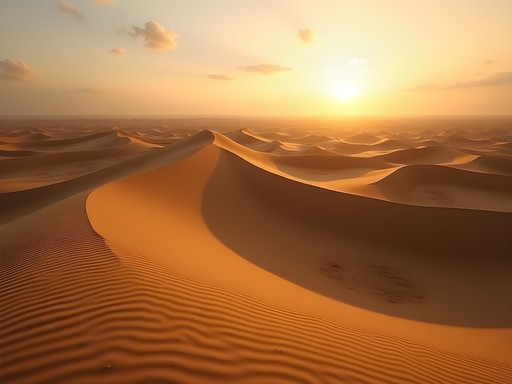
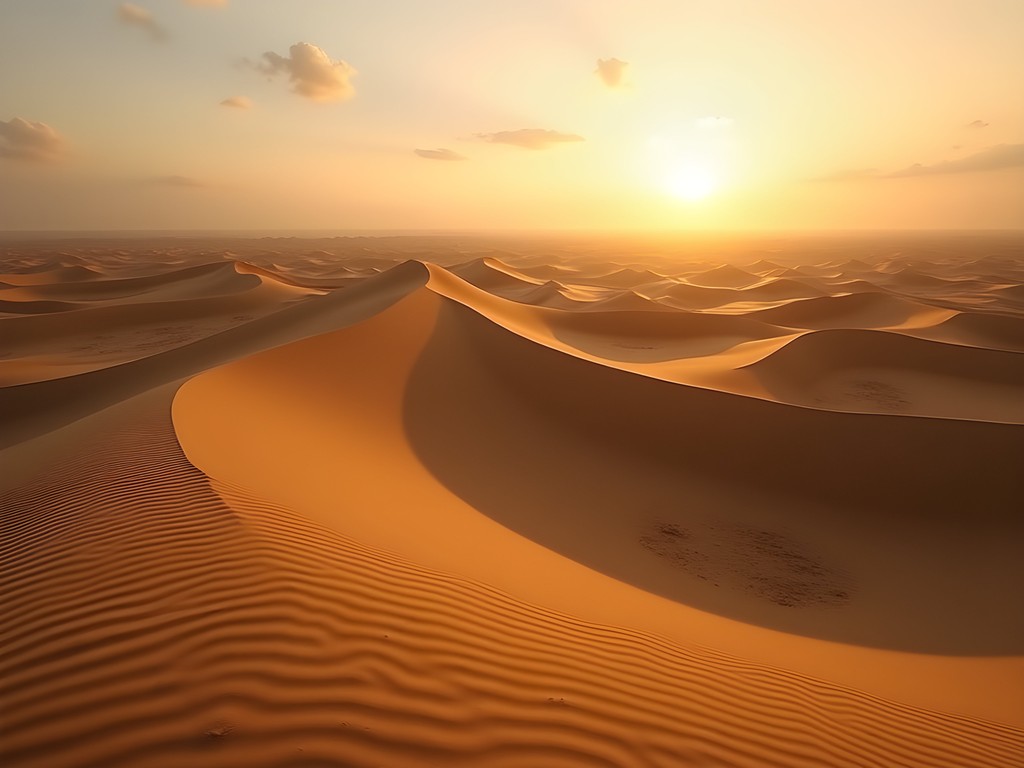
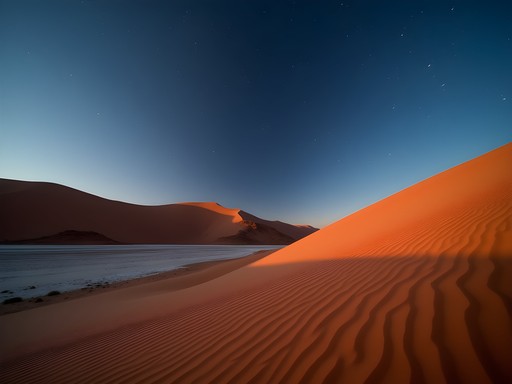
The Great Sand Sea surrounding Siwa offers some of Egypt's most dramatic landscapes—an ocean of undulating golden dunes stretching hundreds of miles into Libya. My second morning in Siwa, I joined a local Amazigh guide named Omar for a full-day desert safari that would push both my adventure limits and my photography skills.
We set out at dawn in Omar's weathered but reliable Toyota Land Cruiser, the back loaded with water, emergency supplies, and my sand boards for the day's adventures. The vehicle was equipped with a portable air compressor—essential for deflating tires before hitting the soft sand and reinflating them afterward.
Our first stop was the fossilized seabed, where Omar showed me ancient seashells and coral embedded in the rock—tangible reminders that this harsh desert was once a thriving ocean. The real thrill came later as we tackled the massive dunes for sandboarding. Having snowboarded in my youth, I thought the transition would be easy—I was humbled within minutes as I face-planted into the soft sand, much to Omar's amusement.
By midday, we'd reached a remote desert camp where Omar brewed cardamom-spiced coffee over an open fire. As we sipped from tiny cups, he explained how his people have navigated these sands for centuries using the stars and subtle changes in dune patterns—a reminder that GPS is a recent luxury in a place where traditional navigation skills meant the difference between life and death.
💡 Pro Tips
- Hire guides through your hotel or the Siwa tourism office—never venture into the desert independently
- Pack at least twice as much water as you think you'll need
- Apply sunscreen repeatedly throughout the day, even in winter
Salt Lakes and Clay Pools: Natural Spa Experiences
Siwa's salt lakes offer a surreal swimming experience unlike anywhere else I've traveled. After the intense heat of desert exploration, these mineral-rich waters provide welcome relief—and a natural spa treatment that leaves your skin feeling incredibly soft.
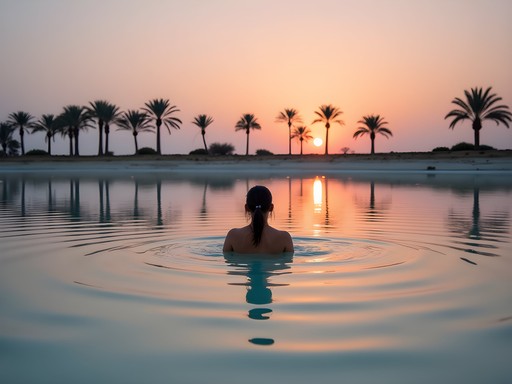
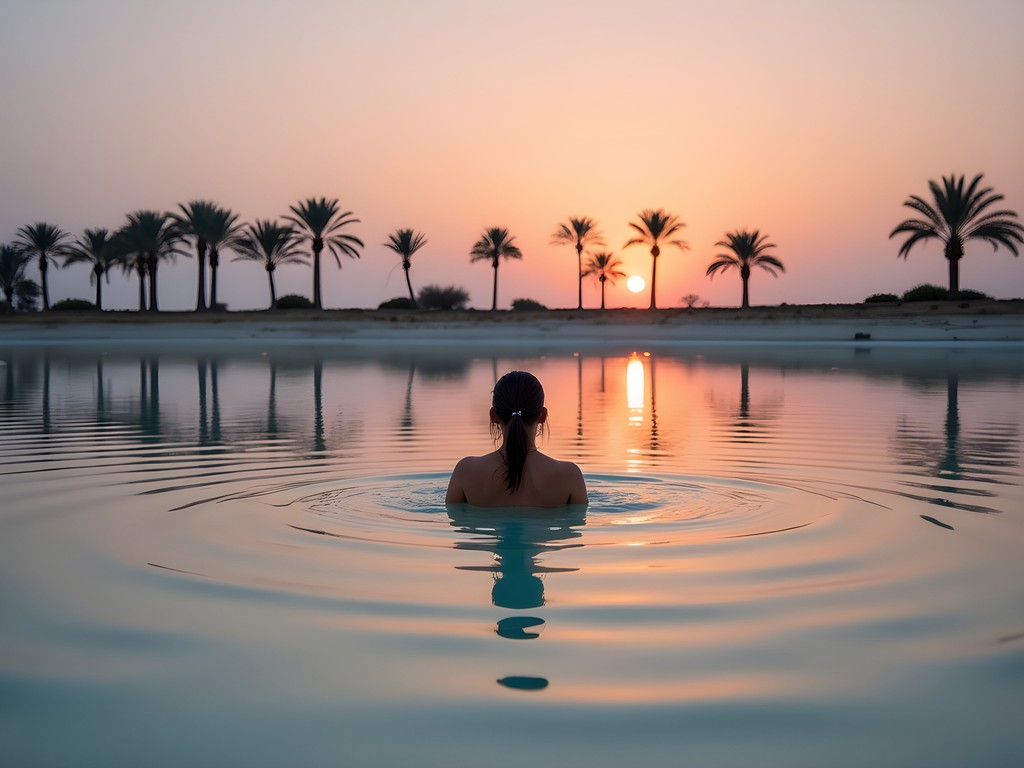
The most famous is Lake Siwa (Birket Siwa), a vast saltwater lake where you can effortlessly float like in the Dead Sea. I arrived just before sunset, when the water takes on a rose-gold hue that photographers dream about. My waterproof phone case proved invaluable here, allowing me to capture the experience without risking my electronics.
For a more intimate experience, I visited one of the smaller salt pools near Fatnas Island (also called Fantasy Island by locals). Here, I floated weightlessly while watching the sun sink behind date palms, creating one of those travel moments that burns itself into memory.
The next day, I explored Siwa's famous mud baths—natural clay pools heated by underground springs. Local tradition holds that Cleopatra herself may have visited these therapeutic waters. Following the lead of my guide, I slathered the mineral-rich mud across my skin, let it dry in the desert sun, and then rinsed off in the cool spring water. My skin hasn't felt that refreshed since my grandmother's homemade Lebanese clay treatments from childhood.
💡 Pro Tips
- Bring flip-flops for the hot sand around the salt lakes
- Wear dark swimwear as the minerals can discolor lighter fabrics
- Pack a large bottle of fresh water to rinse salt from your skin afterward
Ancient Traditions: Connecting with Siwa's Amazigh Culture
What makes Siwa truly special isn't just its landscapes but its people. The Siwans (primarily Amazigh or Berber) maintain traditions that have remained largely unchanged for centuries, despite the gradual encroachment of modern influences.
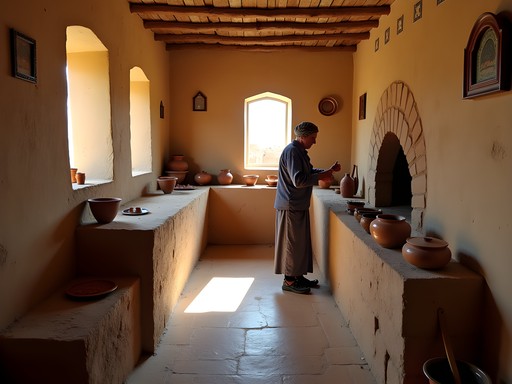
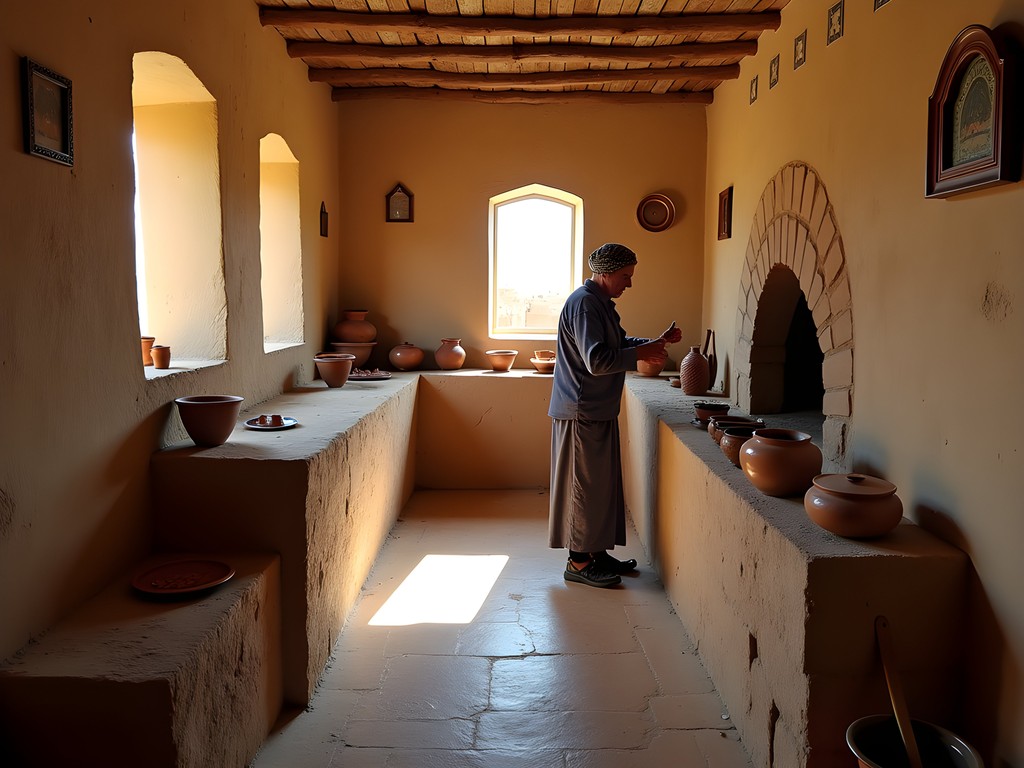
I spent a memorable afternoon with a Siwan family learning the art of traditional bread-making in their mud-brick home. The matriarch, Fatima, showed me how to knead dough before baking it in a simple clay oven heated by olive wood—techniques reminiscent of my Lebanese grandmother's kitchen rituals. My travel notebook quickly filled with recipes and sketches as I documented these disappearing traditions.
For craft enthusiasts, Siwa offers remarkable handicrafts, particularly embroidery and silver jewelry. The Siwa House museum provides excellent context for understanding local traditions, while several women's cooperatives sell authentic handmade items. I purchased a traditionally embroidered shawl from a women's collective, where my guide explained that each pattern tells a specific story about family lineage and marital status.
Perhaps most fascinating was learning about the sustainable agriculture practices that have allowed this community to thrive in harsh desert conditions for thousands of years. The ancient irrigation systems that channel water from natural springs to date palms and olive groves demonstrate an intimate understanding of the environment that modern sustainability experts are only beginning to appreciate.
💡 Pro Tips
- Learn a few Arabic or Amazigh greeting phrases—locals greatly appreciate the effort
- Always ask permission before photographing people
- Support women's cooperatives rather than larger souvenir shops

Mountain of the Dead and Desert Stargazing
Siwa's archaeological treasures offer a fascinating glimpse into ancient Egyptian and Greco-Roman influence at this remote crossroads. The Mountain of the Dead (Gebel al-Mawta) contains dozens of rock-cut tombs dating back to the 26th Dynasty and Ptolemaic period. Climbing the limestone hill in late afternoon, I explored chambers adorned with remarkably preserved paintings depicting Egyptian deities and daily life scenes.
My guide explained the mountain's eerie name comes from its use as a refuge during WWII when Siwan families hid in the ancient tombs during Italian bombing raids—a sobering reminder of how ancient and modern history often intersect in unexpected ways.
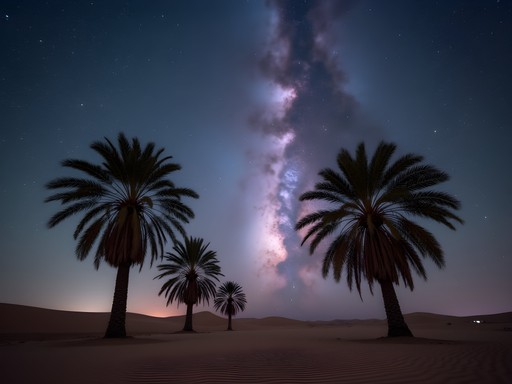
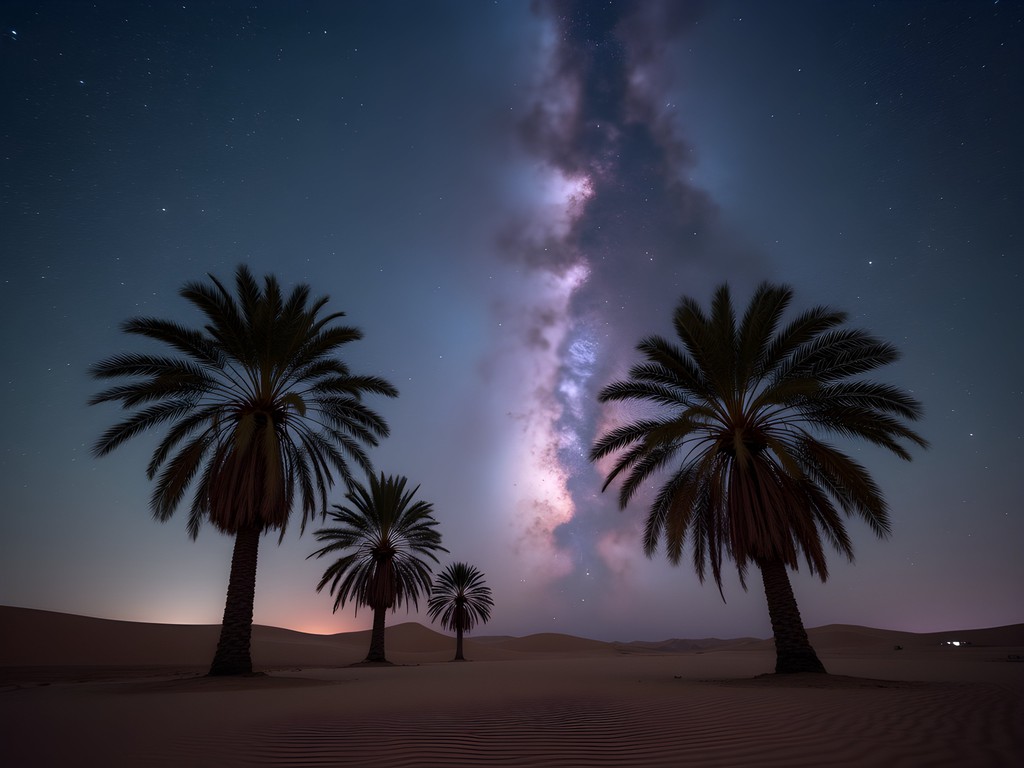
As fascinating as the tombs were by day, Siwa's night sky proved even more mesmerizing. Far from light pollution, the desert darkness reveals a celestial display that modern city-dwellers rarely experience. I joined a stargazing tour with a local astronomer who brought a powerful telescope to observe Jupiter's moons and Saturn's rings.
For my personal viewing, I brought a red light headlamp that preserved night vision while allowing me to navigate and take notes. We sat on traditional woven mats, sipping mint tea as my guide pointed out constellations and shared Amazigh star legends that have been passed down through generations. The Milky Way stretched across the sky like a river of light, while shooting stars frequently streaked through the darkness.
💡 Pro Tips
- Bring a light jacket for desert evenings, even in warm seasons
- A red-light headlamp preserves night vision for stargazing
- Download a star chart app that works offline before your trip
Sustainable Adventure: Eco-Friendly Exploration
As an environmental sustainability consultant, I'm always evaluating the ecological impact of my travels. Siwa presents both challenges and opportunities in this regard. The oasis faces threats from over-extraction of groundwater and increasing tourism, yet many locals are working to preserve their traditional low-impact lifestyle.
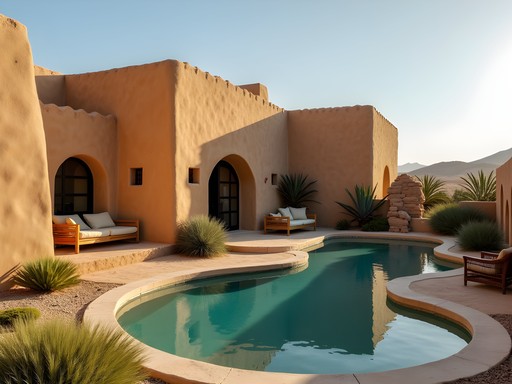
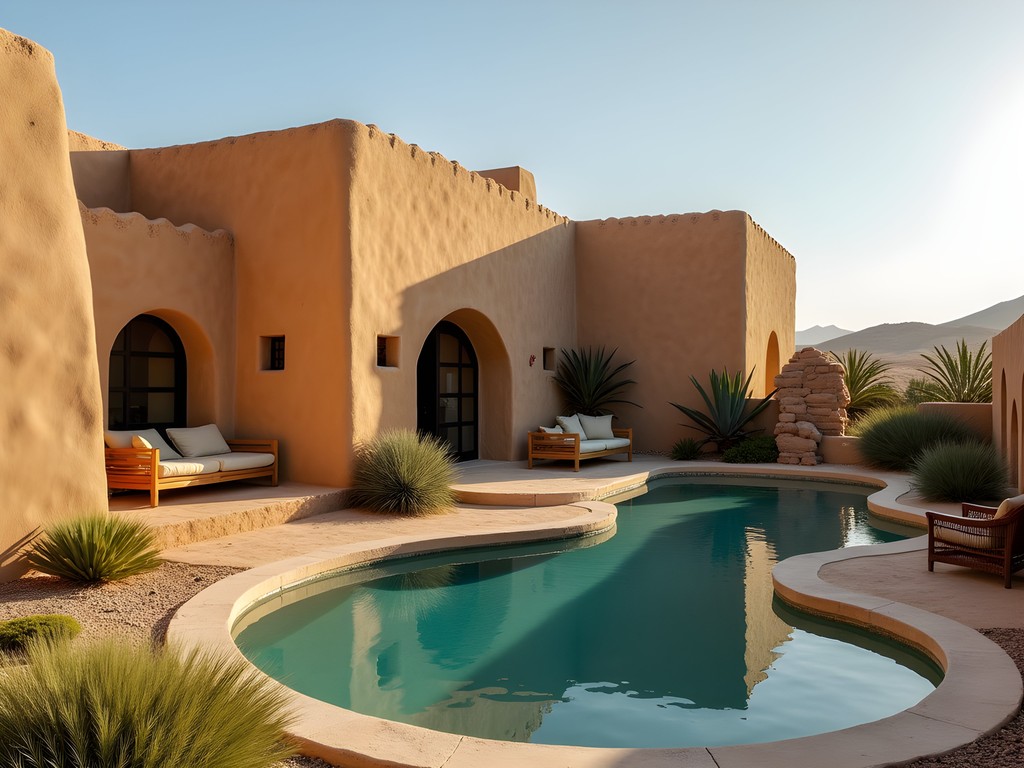
I stayed at Taziry Ecolodge, built using traditional mud-brick construction that naturally regulates temperature without energy-intensive air conditioning. Their solar water heaters and organic garden demonstrate how desert hospitality can minimize environmental impact. For day trips, I often used a folding bicycle to explore nearby sites without relying on motorized transport.
Water conservation is critical in desert environments, so I carried a filtered water bottle that allowed me to safely refill from local sources without purchasing plastic bottles. When venturing into remote areas, my solar charger kept my phone and camera batteries topped up without relying on the sometimes unreliable local electricity grid.
My conversations with younger Siwans revealed both concern about climate change impacts on their oasis and determination to develop sustainable tourism that preserves their cultural heritage. Several community initiatives focus on reviving traditional water management techniques that have sustained this desert community for centuries—knowledge that may prove invaluable as climate patterns shift globally.
💡 Pro Tips
- Support ecolodges and hotels with visible sustainability practices
- Pack a reusable water bottle with built-in filter to reduce plastic waste
- Consider carbon offsetting your journey to and from Siwa
Final Thoughts
As I left Siwa after my week of adventures, bumping along the desert road toward the Mediterranean coast, I found myself already planning my return. This remote oasis offers a rare combination of cultural immersion, outdoor adventure, and sustainable travel that speaks to the soul of any thoughtful explorer.
What struck me most wasn't just the dramatic landscapes or the thrill of sandboarding down massive dunes, but the resilience of Siwa's people—maintaining their unique identity and traditional knowledge despite centuries of isolation and change. In our rapidly homogenizing world, places like Siwa remind us that cultural diversity and ecological wisdom are treasures worth preserving.
Whether you come for the adventure sports, the archaeological wonders, or simply to float in salt lakes beneath star-filled skies, Siwa rewards those willing to venture beyond Egypt's well-trodden tourist path. Just remember to tread lightly, respect local customs, and take the time to listen to the stories this ancient oasis has to tell. Some deserts are far more alive than they first appear.
✨ Key Takeaways
- Siwa offers adventure activities from sandboarding to 4x4 safaris that showcase Egypt's dramatic desert landscapes
- The oasis's rich Amazigh culture provides authentic cultural experiences through food, crafts and traditional knowledge
- Natural wonders like salt lakes and hot springs offer unique wellness experiences in a dramatic desert setting
- Sustainable tourism options exist but require thoughtful planning to minimize impact on this fragile ecosystem
📋 Practical Information
Best Time to Visit
October to April (fall through spring)
Budget Estimate
$50-100 USD per day, excluding transportation to Egypt
Recommended Duration
5-7 days
Difficulty Level
Moderate
Comments
mountainmate
OMG I'M GOING NEXT WEEK!!! So excited after reading this! Those clay pools look AMAZING! Did you try that special Siwan tea they make? Someone told me it's life-changing!
roamphotographer
@mountainmate The tea is incredible! Ask for 'jabana' - it's served in this beautiful ceremonial way. Take lots of photos!
redvibes
Planning a trip for January - how cold does it get at night in the desert? Do the locals really drive those old Toyota Land Cruisers I keep seeing in photos?
sunnytime
@redvibes It gets FREEZING at night! Pack layers! And yes, those old Toyotas are everywhere - super reliable in the sand.
Hayden Butler
Leila, your post brings back wonderful memories! I took a luxury approach to Siwa last month - hired a private driver from Cairo and stayed at that beautiful eco-lodge with the salt-brick walls. The contrast between the plush accommodations and the rugged desert was incredible. For anyone going - don't miss the olive oil tasting at that family farm on the outskirts of town. Their centuries-old pressing techniques create something magical. And the hot springs at sunset? Pure bliss after a day of desert exploration. Did you make it to that hidden fossil site our guide called 'the whale valley'?
roamphotographer
Those salt lake photos are stunning! What camera setup did you use for the night shots? I'm heading there in December and want to capture those stars. Did you need a special lens or tripod? My phone camera probably won't cut it for those amazing night sky shots.
Hayden Butler
@roamphotographer Not Leila, but I was in Siwa last month. You'll definitely want a proper camera with manual settings for those star shots. I used my travel tripod which was perfect for the sandy terrain. The desert winds can pick up at night, so something sturdy is essential.
Haley Hamilton
Leila, you've captured the magic of Siwa perfectly! I backpacked through Egypt last year and spent 4 days in Siwa. That bumpy bus ride from Alexandria was an adventure in itself - 8 hours of desert views and interesting conversations with locals. The Great Sand Sea absolutely blew my mind. We camped overnight and our guide made bread baked in the sand! Did you try the date cookies from that tiny bakery near Shali fortress? They fueled all my desert hikes. Your post brings back so many memories!
mountainmate
Haley - did you feel safe as a solo female traveler there? Thinking of going alone!
Haley Hamilton
@mountainmate Absolutely! The locals were incredibly respectful. Just dress modestly and learn a few Arabic phrases. I found Siwa much more relaxed than Cairo.
sunnytime
Those stargazing photos are incredible! I've never seen stars like that anywhere else.
Jose McDonald
Leila, this post brought back so many memories! I spent three weeks exploring the Western Desert last year, and Siwa was definitely the highlight. That sunrise dune-bashing experience in the Great Sand Sea literally changed me - watching the colors shift across the endless waves of sand is something I'll never forget. For anyone planning to go: definitely spend at least one night camping in the desert. The stars are UNREAL and the silence is profound. Also worth noting that many places in Siwa only accept cash, and there's just one ATM that sometimes runs out of money, so bring enough Egyptian pounds with you. The Mountain of the Dead tombs are fascinating but bring a headlamp as lighting is minimal. And don't miss trying the local date varieties - completely different from what you get back home!
roamblogger
Thanks for the cash tip! Wouldn't have thought of that. Did you book your desert camping in advance or when you arrived?
Jose McDonald
I booked when I got there through my hotel. There are lots of local guides who can arrange it. Prices are negotiable but expect to pay around 600-800 EGP per person including meals. Worth every penny!
roamblogger
This looks AMAZING!! 😍 I've been dreaming about visiting Siwa for ages! Leila, would you say it's safe for solo female travelers? And what's the best time of year for those incredible stargazing experiences you mentioned?
citydiver
Not Leila, but I went solo (female) last November and felt very safe. The Siwan people are conservative but respectful. Winter months (Nov-Feb) are ideal for stargazing because the air is super clear and nights aren't too cold yet.
roamblogger
Thanks so much for the insight! That's really helpful. Thinking of planning a trip for this December!
citydiver
I visited Siwa last year and it was truly magical. The contrast between the lush palm groves and the surrounding desert is stunning. If you go, don't miss the hot springs at night - sitting in warm water under the stars was unforgettable. The locals were incredibly welcoming too. One thing I'd add though - the road from Cairo is LONG, so be prepared for that journey!
travelbuddy
How did you get there? Public transport or private car?
citydiver
We took the bus from Marsa Matruh. It's about 5 hours but affordable. You can also hire a driver in Alexandria but it's pricier.
Jose McDonald
I second the bus from Marsa Matruh! I brought my microfiber towel for the salt lakes and hot springs - total lifesaver since regular towels get crusty with all that salt!
travelbuddy
Wow, those salt lakes look incredible! Adding Siwa to my bucket list right now.
Venture X
Premium card with 2X miles, $300 travel credit, Priority Pass