
Disclosure: This article contains affiliate links. We may earn a commission from purchases at no extra cost to you, which helps our travel content.
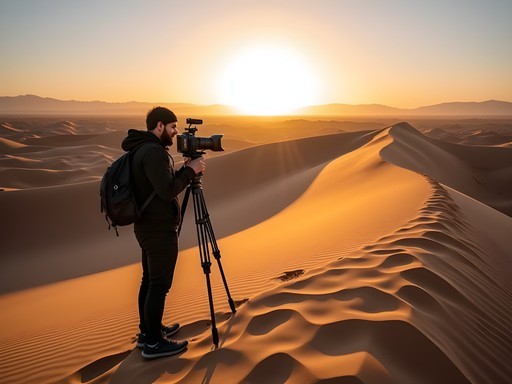
The first sound that greets you in Siwa isn't visual at all—it's the whisper of sand shifting across ancient limestone formations, a natural rhythm section backing the melody of distant birds. Two weeks ago, I stood atop a forgotten peak in Egypt's Western Desert, my recording equipment capturing what might be the world's most underappreciated symphony: the sound of absolute desert solitude punctuated by wind whistling through rock formations that few travelers ever witness. After producing music in Memphis's humid soundscapes for years, I found myself craving something sonically opposite—and Siwa's desert mountains delivered a composition I never expected to find in Egypt, a country most visitors associate only with the Nile and pyramids. What I discovered instead was a percussive landscape of challenging peaks, salt lakes that sing at sunset, and nights so quiet you can hear your own heartbeat keeping time with the stars.

Finding Rhythm in Siwa's Salt Mountains
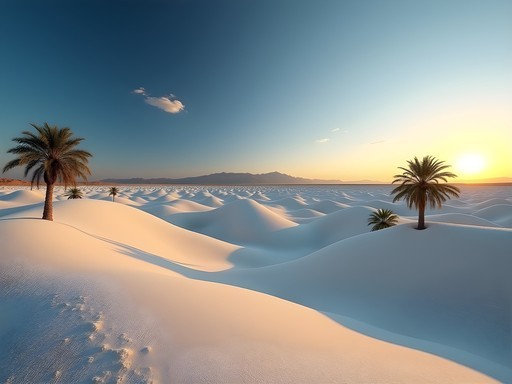
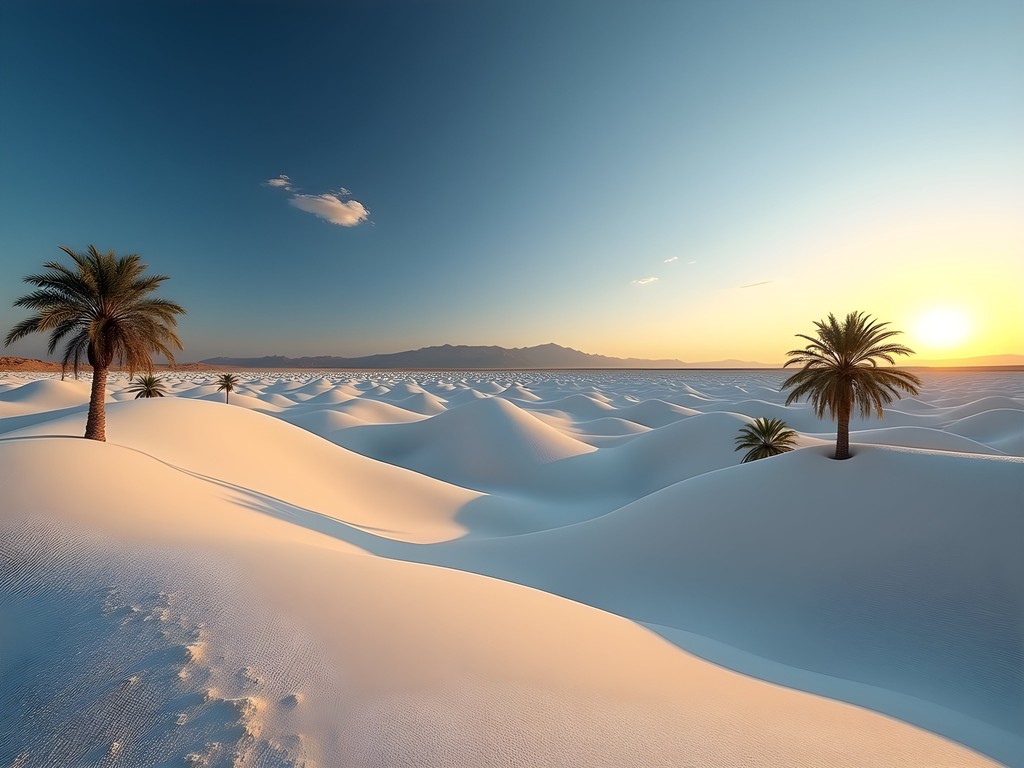
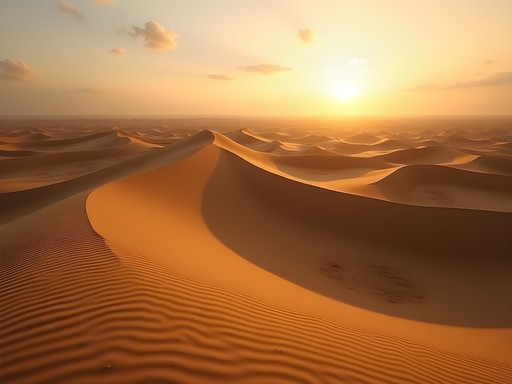
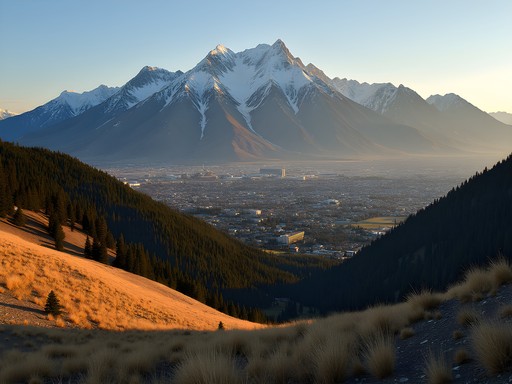
The journey to Siwa Oasis demands patience—a 10-hour bus ride from Cairo that serves as perfect preparation for the slower tempo awaiting you. As the landscape transitions from Egypt's chaotic capital to increasingly sparse desert, your internal metronome naturally downshifts. I arrived as the sun was setting, casting the famous salt mountains in a golden glow that made them appear more like snow-capped Alpine peaks than desert formations.
My first hike began at Gebel al-Dakrur, where locals believe the mountain possesses healing properties. The ascent isn't technically difficult, but the heat demands respect. Even in winter, temperatures can reach 75°F (24°C) by midday. The mountain rises about 300 feet (90 meters) above the oasis, offering panoramic views that reveal Siwa's true character: a green island floating in a sea of sand and salt.
What struck me most was the acoustic experience—each footstep on the salt-crusted path creates a distinctive crunch, like walking on fresh snow. I found myself recording these sounds, later layering them into a track that captured the mountain's peculiar percussion. Standing at the summit, I pulled out my portable field recorder to capture the wind whistling through the rock formations—a natural woodwind section that no studio could replicate.
During my descent, I encountered an elderly Siwan man who, noticing my recording equipment, invited me to witness a traditional healing ritual involving sand burials at the mountain's base. The rhythmic chanting combined with the natural acoustics of the mountain valley created a soundscape so unique that I sat mesmerized until sunset, my recorder capturing what would later become the foundation for a composition I'm still working on back in my Memphis studio.
💡 Pro Tips
- Start hikes before 8am to avoid midday heat, even in winter
- Carry at least 3 liters of water per person—the dry air dehydrates you faster than you realize
- Ask permission before recording local music or ceremonies—offering a small gift in return is appreciated
The Desert Mountain Circuit: A 4-Day Trek
The true hiking challenge in Siwa begins when you venture beyond the oasis proper into the Western Desert mountain circuit—a multi-day trek that few tourists attempt and fewer complete. This isn't a marked trail experience; you'll need a local guide with generational knowledge of these routes. I connected with Ahmed, a Berber guide whose family has traversed these paths for centuries, through the eco-lodge where I stayed.
Our four-day circuit began at Bir Wahed, a hot spring that served as our last reliable water source before heading into the mountain range. The route winds through the Great Sand Sea before ascending into a series of limestone plateaus and unexpected volcanic formations that speak to the region's complex geological history.
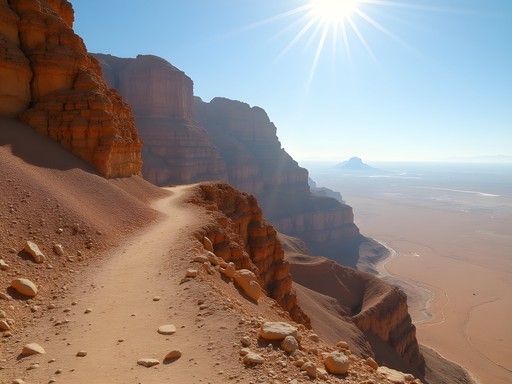
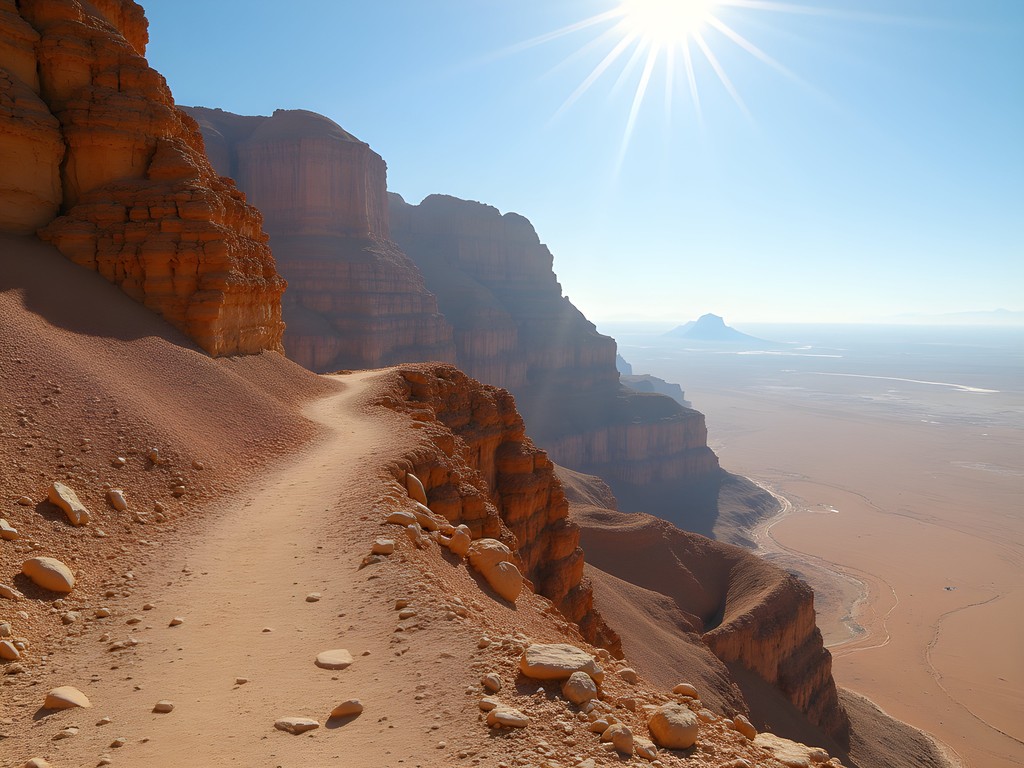
Day two brought the most challenging section—a steep ascent up what locals call the 'Forgotten Peak,' a nameless mountain that rises approximately 1,200 feet (365 meters) from the desert floor. The trail, if you can call it that, requires scrambling over loose scree and navigating narrow passages between wind-carved rock formations. My trekking poles proved invaluable here, providing stability on terrain that seemed to shift with each step.
What makes this circuit special isn't just the physical challenge but the absolute isolation. We encountered no other hikers during the entire four days. Each night, we camped under stars so brilliant they seemed artificial, the Milky Way stretching across the sky like a celestial highway. The silence was profound—a producer's dream and nightmare simultaneously—so complete that my recording equipment picked up nothing but occasional wind and the soft breathing of our small group.
The final day brought us to a series of hidden rock pools, formed by rare rainfall and preserved in the shadow of overhanging cliffs. Finding these azure mirrors in the midst of such aridity felt like discovering buried treasure, the kind of contrast that makes desert hiking so rewarding. We celebrated with a meal of locally grown dates and olives, the flavor intensified by our journey.
💡 Pro Tips
- Book your guide at least two weeks in advance—the best ones are often committed to longer desert expeditions
- Pack microfiber towels for unexpected swimming opportunities in desert pools
- Bring a lightweight sleeping pad—the desert floor gets surprisingly cold at night despite daytime heat
Vegan Sustenance in the Desert
Finding plant-based food while trekking through one of Earth's most extreme environments presented a challenge that aligned perfectly with my vegan adventures elsewhere. Surprisingly, Siwa offered rich options both in the oasis and on the trail, drawing from a tradition of desert preservation techniques that long predate modern dietary trends.
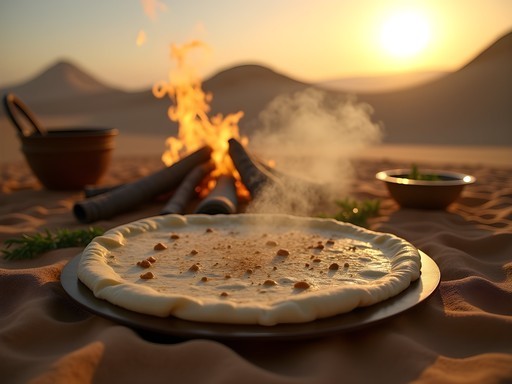
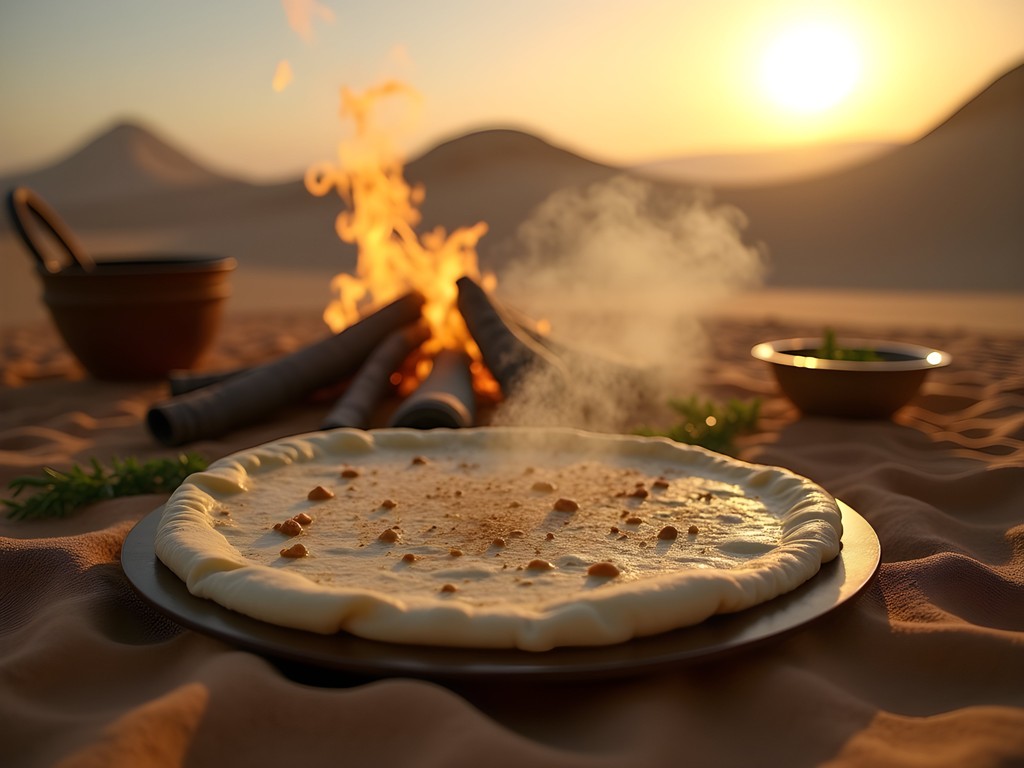
In the oasis itself, I discovered Abdu's Garden Restaurant, a family-run establishment where I learned to make traditional Siwan bread called tagella—a dense, nutritious flatbread cooked directly in hot sand and ashes. The owner showed me how desert dwellers have preserved vegetables and fruits for centuries, creating complex flavor profiles through fermentation and drying that would make any Memphis barbecue pitmaster nod in appreciation.
For the multi-day trek, Ahmed's wife prepared dried vegetable mixes that rehydrated beautifully over our evening campfire, creating hearty stews seasoned with baharat (a local spice blend heavy on coriander and cumin). We supplemented these with foraged desert plants—yes, even in this seemingly barren landscape, edible vegetation exists if you know where to look. Ahmed identified a type of wild arugula growing near seasonal water channels that added peppery freshness to our meals.
The most surprising culinary discovery came in the form of desert date palms, different from their oasis cousins, producing smaller, intensely sweet fruits that sustained us during difficult sections of the hike. I recorded the distinctive sound of these date palms rustling in the wind—a gentle percussion that contrasted with the otherwise silent landscape.
Back in the oasis, I recommend seeking out karkadeh (hibiscus tea) served cold—the perfect electrolyte replacement after a day of desert hiking. I became so addicted to its tart refreshment that I brought home dried hibiscus to recreate it in my Memphis kitchen, though it never tastes quite the same without the desert air as an ingredient.
💡 Pro Tips
- Pack calorie-dense nuts and dried fruits—you'll burn more energy than expected in the dry climate
- Learn the Arabic words for dietary restrictions before your trip—'ana nabati' means 'I am vegetarian'
- Bring a small bottle of olive oil to add calories and flavor to simple camp meals

Capturing Desert Soundscapes
As a music producer, I approach travel differently than most hikers. While others focus solely on visual landmarks, I'm constantly listening for the unique acoustic signature of each environment. Siwa's desert mountains offer what audio engineers would call an 'anechoic chamber'—a space almost completely devoid of echo or ambient noise, where sounds exist in pure form.
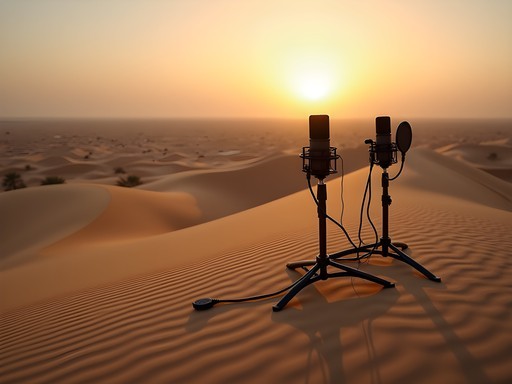
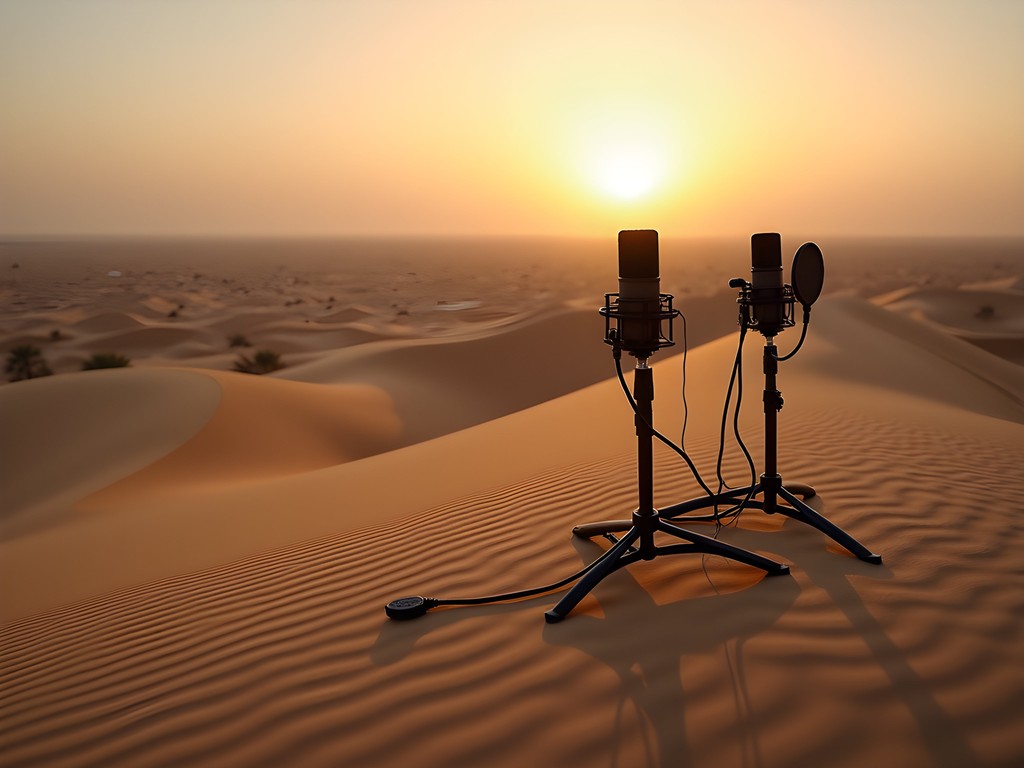
Each morning before our trek resumed, I would wake before dawn, hike a short distance from camp, and set up my recording equipment. The pre-sunrise desert has a sonic personality entirely different from daylight hours—occasional bird calls carry for miles, sand shifting creates micro-avalanches down dunes, and the temperature change causes rocks to expand with audible clicks and pops.
My wind protection system proved essential in capturing clean audio despite occasional gusts that would otherwise overwhelm the microphones. These dawn recordings have become the foundation for a new ambient music project I'm developing, layering the natural sounds with subtle synthesizer textures that complement rather than dominate the desert voice.
The most extraordinary recording opportunity came at Jebel al-Mawta (Mountain of the Dead), an ancient burial site honeycombed with tombs dating back to the 26th Dynasty. The natural acoustics inside these chambers create haunting reverberations unlike anywhere else I've recorded. With permission from local authorities, I captured the sound of traditional Siwan flute played by a local musician inside the largest chamber—the interaction between the melody and the ancient space created harmonics that seemed to connect present and past in waves of sound.
For those interested in sound recording while hiking, Siwa presents unique challenges. The extreme dryness affects equipment, requiring extra protection for sensitive microphones and regular cleaning of dust particles. I learned to wrap my recorder in lightweight cotton scarves at night to prevent condensation issues when temperatures dropped dramatically after sunset.
The soundscape shifted dramatically when we reached the Great Sand Sea—the massive dunes absorb sound so completely that your own voice seems to disappear just feet from your mouth. This acoustic phenomenon creates a sense of isolation more profound than visual remoteness alone, a silence so complete it becomes a presence itself.
💡 Pro Tips
- Record early morning and late evening when wind is typically calmest
- Bring twice as many backup batteries as you think you'll need—cold desert nights drain power quickly
- Use deadcats (furry windscreens) on microphones even on seemingly still days—desert wind can arrive suddenly
Cultural Connections in the Oasis
Between mountain treks, I spent time in Siwa Town connecting with local musicians and exploring how isolation has preserved cultural traditions that have disappeared elsewhere in Egypt. As someone who navigates dual cultural identities myself, I'm always drawn to communities that maintain their heritage while adapting to modern influences.
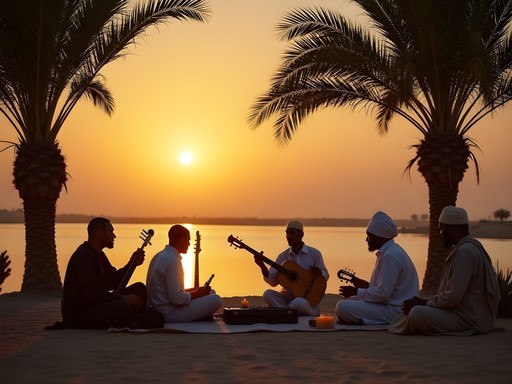
Siwa's Amazigh (Berber) community has developed musical traditions distinct from Arabic styles found elsewhere in Egypt. Through connections made at my guesthouse, I was invited to a women's gathering where traditional songs are passed down orally, never recorded or written. The complex polyrhythms reminded me of certain Korean percussion traditions I'd studied during my college years in Busan—proof that certain musical concepts emerge independently across cultures.
With permission, I recorded ambient sounds of the town's central square during evening gatherings, capturing snippets of conversation, children playing, and the call to prayer echoing off ancient mud-brick structures. These recordings became both personal souvenirs and professional samples I'll integrate into future productions.
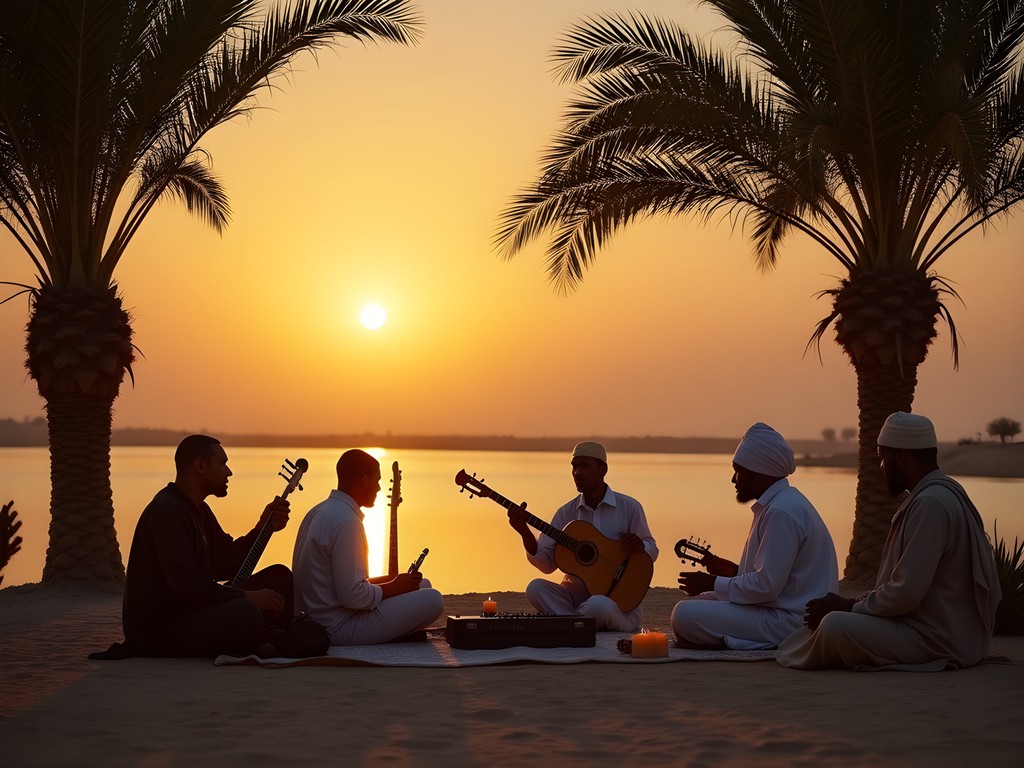
The most meaningful cultural experience came through an impromptu jam session with local musicians at Fatnas Island, a palm-fringed peninsula jutting into Siwa's salt lake. Armed with my travel-sized MIDI controller connected to my laptop, I shared beats I'd produced while they responded with traditional instruments. The resulting fusion—desert rhythms meeting electronic production—created connections that transcended our language barriers.
For solo travelers seeking authentic cultural experiences, I found that my interest in sound and music opened doors that might otherwise remain closed. Bringing small gifts for musicians (I packed extra instrument strings and thumb drives) created goodwill and genuine exchange rather than transactional tourism. My status as an Asian-American woman traveling alone initially caused curiosity, but quickly transformed into respectful interest when locals realized I had come to listen and learn rather than merely observe.
These cultural interludes between mountain hikes provided essential context for understanding the landscape itself. The mountains of Siwa aren't merely physical formations but repositories of stories, beliefs, and traditions that the Siwan people have maintained for centuries despite pressures to assimilate into mainstream Egyptian culture.
💡 Pro Tips
- Learn basic greetings in both Arabic and Siwi (the local Berber language) to show respect
- Ask permission before photographing people—offering to send them the photos via WhatsApp often creates positive connections
- Bring small, lightweight gifts from your home country to share with those who welcome you into their homes
Final Thoughts
As my flight lifted off from Cairo two weeks after first setting foot in Siwa, I scrolled through recordings on my field recorder—the crunch of salt crystals underfoot, wind carving ancient rock formations, Berber songs shared around campfires, and most precious of all, the profound silence of desert peaks at dawn. These sonic souvenirs will translate into music long after my photos fade from Instagram, reminding me that the most meaningful travel experiences engage all senses. Siwa's forgotten mountains offered me not just hiking challenges but a rare acoustic environment increasingly endangered in our noisy world. For those willing to venture beyond Egypt's established tourist circuit, these desert peaks provide both external vistas and internal silence—a combination increasingly rare in our connected age. The mountains of Siwa don't demand to be conquered; they ask only to be listened to, with patience and respect for both the natural landscape and the cultures that have called it home for millennia.
✨ Key Takeaways
- Siwa's mountain trails are best experienced with local guides who understand both the terrain and cultural significance
- Winter (November-February) offers ideal hiking conditions with manageable temperatures and clear skies
- Recording sounds along with taking photographs creates a more complete memory of desert experiences
- Cultural connections in the oasis provide essential context for understanding the surrounding mountain landscape
📋 Practical Information
Best Time to Visit
November through February
Budget Estimate
$50-100/day including guided treks
Recommended Duration
10-14 days
Difficulty Level
Challenging
Comments
winterhero
That sunset photo over the salt formations is absolutely stunning! What time of year is best for this trek?
Taylor Moreau
Having just returned from Egypt last month, I'm disappointed I missed Siwa. Your description of the Desert Mountain Circuit is compelling and seems like a worthwhile addition to the standard Cairo-Luxor-Aswan route that dominates most itineraries. The logistical details about transportation from Cairo are particularly helpful - the overnight bus option seems most practical for those on limited schedules. Did you find the local guides essential for navigation, or would experienced hikers be able to self-navigate with proper maps? Also, how reliable was your mobile connectivity throughout the trek? I'm often balancing remote exploration with occasional work needs.
Savannah Wood
Taylor, I'd definitely recommend a guide for at least the first day to get oriented. The salt formations can be disorienting and paths aren't always clear. Cell service was surprisingly decent near the higher elevations, but completely absent in the valleys. I'd plan on being offline most of the time if you're considering the full circuit.
coffeeguide
Those sound recordings sound amazing! What kind of equipment did you use?
Savannah Wood
I used my field recorder with windscreens for the outdoor recordings. Desert winds can really overwhelm microphones but this setup worked perfectly!
happyfan
Going there next month! How difficult was finding vegan food outside the main oasis? Any specific places you'd recommend?
Savannah Wood
It's actually quite vegan-friendly! Abou Ayman's near the main square has amazing falafel and bean dishes. For the trek itself, I packed lots of nuts, dried fruits, and flatbreads from the local bakery. The date paste with tahini is a perfect energy food!
happyfan
Thank you! That date paste with tahini sounds perfect. Can't wait to try it!
Jean Wells
Savannah, thank you for highlighting this lesser-known region. I trekked through Siwa last year and was equally captivated by the acoustic dimensions you described. The salt crunching underfoot creates such a distinctive soundscape. Your 4-day circuit route appears more comprehensive than mine - I only managed the eastern portion. Did you encounter any water access issues during day 3? That stretch was particularly challenging for me, even in November when temperatures were more moderate. The local guide I hired insisted on carrying additional water which proved essential.
Savannah Wood
Thanks Jean! Yes, water was definitely scarce on day 3. We cached some supplies at the halfway point the day before which helped tremendously. Your November timing was smart - February was cooler than peak summer but still quite demanding.
Jean Wells
The cache strategy is brilliant. Wish I'd thought of that! Did you coordinate with local guides for that setup?
smartzone
Wow! Those salt mountain formations look incredible. Never knew Egypt had landscapes like this!
islandguide
Great post! What footwear would you recommend for the salt mountains? Regular hiking boots or something specific?
Savannah Wood
Good question! I used mid-ankle hiking boots with gaiters to keep the sand out. The salt can be abrasive, so something durable is key. Clean them thoroughly after each day or the salt will deteriorate the leather/fabric.
Riley Griffin
What a beautiful piece on Siwa! I took my teenagers there last summer, and it was the highlight of our Egypt trip. The salt mountains were otherworldly - my 15-year-old said it felt like walking on another planet. We didn't do the full 4-day trek (kids have limits!), but even our day hike with a local Berber guide was unforgettable. One tip for families: the stargazing from the desert camps is absolutely incredible. My kids, who normally can't look away from their phones, were speechless under that night sky. Savannah, did you record any night sounds? The desert at night has such a unique sonic landscape.
coffeestar
Just got back from Egypt last month and so wish I'd seen this before my trip! We spent all our time in Cairo and Luxor, completely missed Siwa. Your description of the salt mountains has me planning a return trip already. Love how you captured the sounds too - such an overlooked aspect of travel experiences. Did you find it difficult to arrange transportation from Cairo? And how was the vegan food situation beyond what you mentioned in the post?
Savannah Wood
Transportation was actually straightforward - overnight bus from Cairo to Marsa Matruh (about 6 hours), then a shared minivan to Siwa (another 4 hours). For vegan food, I found more options than expected! The date markets have amazing varieties, and several restaurants offer falafel, stuffed vine leaves, and bean dishes. The eggplant tahini at Abdu's Restaurant was incredible!
coffeestar
That sounds way easier than I expected! Adding this to my 2026 travel list for sure. Thanks for the vegan tips too!
exploregal
How hot was it during your trek? Planning to visit in May and wondering if I'll melt! 🥵
Savannah Wood
May can be quite hot! I'd recommend starting hikes before sunrise (4:30-5am) and taking long breaks from 11am-3pm. Temperatures can reach 95°F (35°C) by midday. Bring a cooling towel - absolute lifesaver!
Venture X
Premium card with 2X miles, $300 travel credit, Priority Pass