


Disclosure: This article contains affiliate links. We may earn a commission from purchases at no extra cost to you, which helps our travel content.
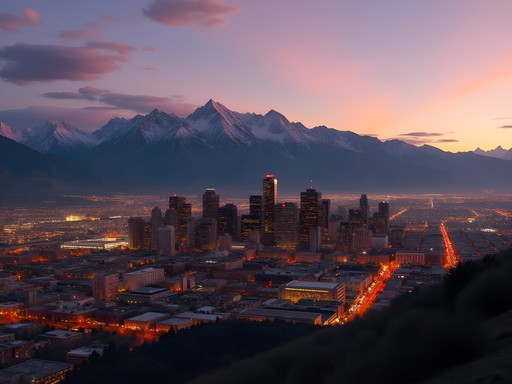
Standing at the threshold where urban sophistication meets raw wilderness, Salt Lake City has captured my heart in ways I never anticipated. As someone who spends her days immersed in interior spaces, there's something profoundly refreshing about stepping into nature's grand design. The juxtaposition of the city's clean grid against the majestic Wasatch Range creates a harmony that speaks to both my Korean heritage's appreciation for natural balance and my designer's eye for visual contrast. Join me as I guide you through Salt Lake City's mountain trails—a canvas of ever-changing colors and textures that redefines itself with each passing season.

The Wasatch Front: Nature's Masterpiece
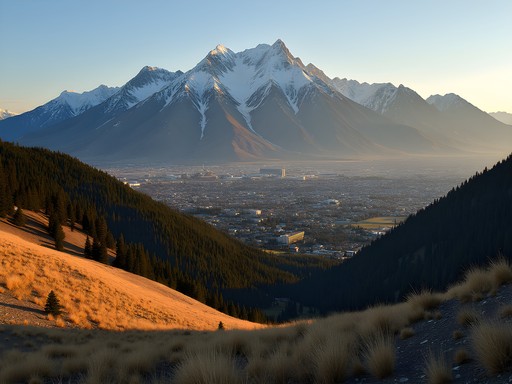
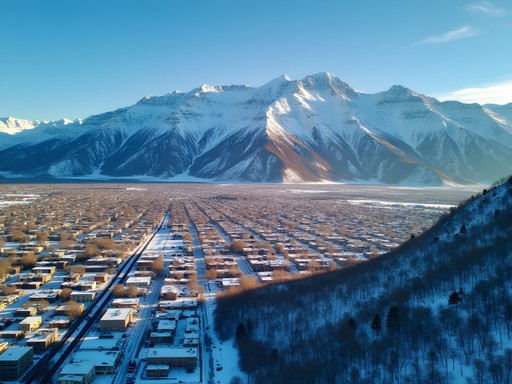
The Wasatch Mountains aren't merely a backdrop to Salt Lake City—they're an integral part of its identity, rising dramatically from the valley floor to create what locals affectionately call the Wasatch Front. This mountain range offers a remarkable diversity of trails that would satisfy even the most discerning outdoor enthusiast.
My first encounter with these mountains left me breathless, both literally from the elevation and figuratively from their imposing beauty. The geological textures reminded me of the mountains near my childhood home in Busan, though vastly different in composition. These mountains tell stories through their strata—layers of earth's history exposed like pages of an ancient manuscript.
For solo hikers seeking both challenge and safety, I recommend investing in a reliable satellite messenger. Cell service can be spotty on many trails, and this compact device has given me tremendous peace of mind during solo adventures into the more remote areas. The ability to send messages or call for help from anywhere has allowed me to explore with confidence rather than trepidation.

💡 Pro Tips
- Always check trail conditions before heading out, as weather can change rapidly in mountain environments
- Carry more water than you think you'll need—the dry mountain air increases dehydration risk significantly
- Consider hiking poles for steeper trails to reduce impact on knees during descents
Seasonal Symphony: Year-Round Trail Experiences
One of Salt Lake City's greatest gifts is its four distinct seasons, each transforming the mountain trails into entirely different experiences. This seasonal rhythm offers hikers the rare opportunity to develop an intimate relationship with the same paths throughout the year.
Spring (April-June): As snow retreats upward, lower elevation trails burst with wildflowers. The vibrant yellows of arrowleaf balsamroot create golden carpets against emerald backdrops. Spring hiking requires adaptability—I've often encountered mud, lingering snow patches, and the occasional afternoon thunderstorm. Mill Creek Canyon's Pipeline Trail becomes particularly magical during this season.
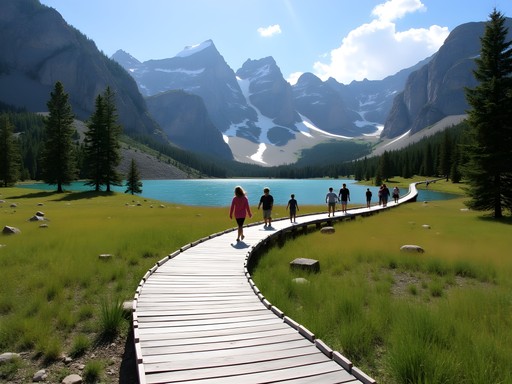
Summer (July-September): Higher elevations become accessible, opening up alpine lakes and meadows. The Cecret Lake Trail in Alta showcases nature's perfect composition—a small alpine lake cradled by rugged peaks. Summer temperatures can soar in the valley but remain pleasantly cool at higher elevations. I never venture out without my cooling neck gaiter which has been invaluable on exposed trails like those in Grandeur Peak.
Fall (October-November): Perhaps my favorite hiking season, when aspen groves transform into brilliant gold galleries. The contrast of yellow aspens against evergreens creates a natural color palette that would inspire any interior designer. The Donut Falls trail in Big Cottonwood Canyon offers spectacular autumn displays.
Winter (December-March): Many trails transform into snowshoe and microspike territory. The silence of snow-covered landscapes offers a meditative quality unlike any other season. For winter explorations, I rely on my traction cleats which transform ordinary hiking boots into confidence-inspiring winter gear.

💡 Pro Tips
- Layer clothing regardless of season—mountain weather can change dramatically within hours
- Research seasonal trail closures, particularly in watershed areas that protect Salt Lake City's water supply
- Consider elevation gain when planning seasonal hikes—higher trails may be snow-covered until July
Accessible Adventures: Trails for Every Skill Level
What I appreciate most about Salt Lake City's trail system is its democratic nature—offering experiences for every ability level while maintaining that sense of wilderness immersion.
For Beginners: The Ensign Peak Trail offers perhaps the best effort-to-reward ratio in the city. At just under a mile round-trip with 374 feet of elevation gain, it delivers panoramic views of the entire Salt Lake Valley, Great Salt Lake, and surrounding mountains. The historical significance—early settlers surveyed the valley from this point—adds cultural depth to the experience.
For Intermediate Hikers: The Lake Blanche Trail in Big Cottonwood Canyon (6 miles round-trip, 2,700 feet elevation gain) represents the perfect middle ground. Challenging enough to feel accomplished, yet accessible enough for most reasonably fit hikers. The alpine lake nestled beneath the distinctive Sundial Peak creates a composition worthy of any gallery wall.
For Advanced Adventurers: Mount Olympus (7.5 miles round-trip, 4,100 feet elevation gain) stands as a rite of passage among local hikers. This trail doesn't waste time with switchbacks, instead climbing relentlessly toward the summit. The final scramble requires careful hand placement, but the 360-degree views justify every labored breath.
Regardless of which trail you choose, proper footwear is essential. After trying numerous brands, I've found my hiking boots offer the perfect balance of support, grip, and comfort for Salt Lake's varied terrain. The waterproofing has saved me countless times during stream crossings and unexpected rain showers.

💡 Pro Tips
- Start early to avoid afternoon thunderstorms in summer and crowds on popular trails
- Many trailheads have limited parking—arrive early or use the excellent UTA bus service that connects to several popular hiking areas
- Study trail maps carefully—many trails interconnect, creating opportunities for loop hikes rather than out-and-back routes

Practical Considerations: The Designer's Approach to Hiking
As an interior designer, I approach outdoor adventures with the same attention to detail I bring to my professional projects. Preparation creates the foundation for enjoyable experiences, just as planning precedes beautiful spaces.
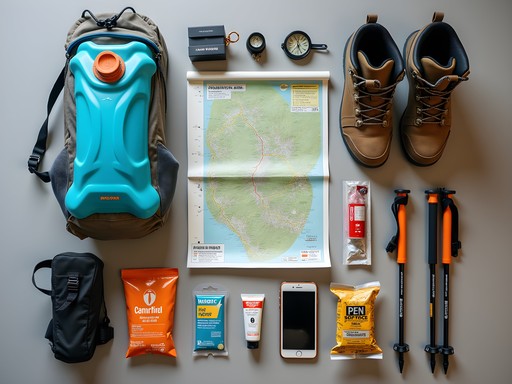
Water Management: Salt Lake City's desert climate demands respect. I carry a hydration bladder in my daypack, which encourages consistent sipping through the convenient tube rather than stopping to retrieve water bottles. The dry mountain air dehydrates you faster than you might expect, particularly at higher elevations.
Navigation Tools: While many popular trails are well-marked, I never rely solely on signs. The hiking app has been invaluable for discovering new trails and staying oriented, especially when downloaded maps are available offline. The ability to record tracks and share your location adds an extra layer of safety for solo hikers.
Wildlife Awareness: The mountains surrounding Salt Lake City host diverse wildlife including moose, deer, mountain lions, and black bears. While encounters are rare, awareness is essential. I carry bear spray on more remote trails, not out of fear but preparedness. Most wildlife sightings become cherished memories when approached with appropriate caution and respect.
Cultural Sensitivity: Many trails cross land with significance to indigenous communities, particularly the Ute, Paiute, and Shoshone peoples. Approaching these spaces with reverence honors those who recognized the sacred quality of these mountains long before settlers arrived. This perspective resonates deeply with my own Korean heritage, where mountains have traditionally been viewed as spiritual entities rather than recreational spaces.

💡 Pro Tips
- Pack essentials including first aid supplies, emergency shelter, and extra food even for short hikes—mountain weather is notoriously unpredictable
- Research trailhead facilities in advance—some have restrooms and water, while others offer no amenities
- Consider trekking poles for stream crossings, which are common on many Salt Lake City trails during spring runoff
Beyond the Trail: Salt Lake City's Mountain Culture
What makes Salt Lake City truly special is how mountain culture permeates every aspect of urban life. The mountains aren't merely recreational spaces—they're integral to the city's identity and rhythm.
After a satisfying hike, I often find myself at travel hammock stretched between trees at Liberty Park, reflecting on the day's adventures while still within view of the mountains that provided them. This portable hammock packs down smaller than a water bottle but creates an instant relaxation space wherever you find suitable trees.
The local cuisine reflects this mountain-valley connection as well. Restaurants like The Copper Onion serve locally-sourced ingredients that tell the story of Utah's diverse ecosystems. The Red Iguana offers Mexican cuisine that somehow feels perfectly at home against a mountain backdrop, especially when enjoyed on their outdoor patio with mountain views.
For those interested in deeper understanding, the Natural History Museum of Utah presents the geological and ecological story of the Wasatch Range through engaging exhibits. The architecture itself—nestled against the foothills—demonstrates thoughtful integration with the natural landscape.
My favorite post-hike ritual combines the Korean tradition of public baths with Salt Lake's mountain culture at The Kura Door, where traditional treatments soothe tired muscles while floor-to-ceiling windows frame mountain views. This harmonious blending of my Korean heritage with Salt Lake's natural beauty creates moments of perfect contentment.

💡 Pro Tips
- Many local breweries create seasonal beers named after favorite hiking trails—try them for a taste of local mountain culture
- The University of Utah offers excellent public lectures on local ecology and geology throughout the year
- Local gear shops like Black Diamond and REI often host community events connecting outdoor enthusiasts
Final Thoughts
Salt Lake City's mountain trails have taught me that true design doesn't require human intervention—sometimes nature creates the most perfect compositions. As someone who spends her professional life crafting interior environments, I find profound inspiration in these wild spaces where beauty emerges organically through geological processes and ecological relationships.
Whether you're seeking solitude on a remote peak, challenging yourself on steep ascents, or simply wanting to witness the changing seasons from an elevated perspective, Salt Lake City's mountains offer experiences that remain with you long after you've descended to the valley below. Like the most thoughtfully designed spaces, these trails create emotional responses—awe, peace, exhilaration—that transcend their physical attributes.
I encourage you to approach these mountains with both respect and wonder. Prepare thoroughly, tread lightly, and allow yourself to be fully present in these magnificent landscapes. The mountains of Salt Lake City aren't merely a destination but a relationship—one that deepens with each visit and changes subtly with every season. Sanhaeng-eul bibnida—I wish you happy trails and meaningful journeys in this remarkable corner of the world.
✨ Key Takeaways
- Salt Lake City offers year-round hiking opportunities with each season providing distinct experiences
- Trails exist for all skill levels, from easy viewpoint hikes to challenging summit adventures
- Proper preparation is essential given the variable mountain weather and relatively dry conditions
- The mountains inform every aspect of Salt Lake City culture, from cuisine to architecture
- These trails offer more than recreation—they provide connection to natural processes and personal reflection
📋 Practical Information
Best Time to Visit
Year-round, with each season offering unique experiences. May-October provides most accessible conditions for a wide range of trails.
Budget Estimate
$100-200/day including accommodations, food, and transportation
Recommended Duration
5-7 days to experience diverse trails and areas
Difficulty Level
Varies From Easy To Challenging, With Options For All Skill Levels

Comments
coffeemood
Going there in August! This post is perfect timing
Frank Garcia
Excellent breakdown of the trail systems. I'd add that the public transit option (UTA ski buses) is genuinely viable for accessing Big and Little Cottonwood Canyons during ski season, and they're expanding summer service too. From a budget perspective, SLC offers remarkable value compared to other mountain destinations—no entrance fees for most trails, plenty of free parking if you time it right, and the air quality is generally excellent except during occasional wildfire season. The elevation gain can be deceptive though; what looks like a moderate 4-mile hike can feel quite strenuous at 8,000+ feet if you're not acclimatized.
freeclimber
good to know about the buses!
coolmood
Love the photos!
citywalker556
We visited in June and the wildflowers were incredible. One thing I'd add is parking can be a nightmare on weekends, especially at the popular trailheads like Big Cottonwood. We learned to either go super early (like 6am) or hit the trails on weekday afternoons. The canyon restrictions are real—some canyons don't allow dogs on certain days which caught us off guard.
Haley Hamilton
Beautiful post, Priya! I spent three weeks in SLC two summers ago and fell completely in love with the accessibility of wilderness there. One morning I'd be grabbing coffee downtown, and two hours later I'd be standing at 10,000 feet watching marmots. The thing that surprised me most was the trail community—everyone was so willing to share beta and look out for each other. I actually used my hydration pack constantly there since water sources are limited on many trails. The Wasatch really does spoil you for other mountain towns!
Nicole Russell
Priya, this resonates so much! I spent a week in SLC last fall and was blown away by how accessible the trails are. I could literally Uber to the Millcreek Canyon trailheads in 20 minutes from downtown. The fall colors were absolutely spectacular—those golden aspens against the red rock formations. Did you get a chance to do Donut Falls? It's touristy but honestly worth it for the unique geological features. Also totally agree about the altitude—I'm from sea level and definitely felt it on my first hike!
coffeemood
donut falls is on my bucket list! how long did it take you?
Nicole Russell
About 90 minutes round trip with photo stops! Super family-friendly trail too.
freeclimber
Love the photos! Definitely adding this to my list
travelzone
how's the snow situation in winter? can you actually hike year round or do you need special gear?
Frank Garcia
You'll definitely need microspikes or crampons for winter trails. Most lower elevation trails are accessible, but anything above 7,000 feet gets proper snow coverage from December through March. Check avalanche reports if you're going higher up.
travelzone
thanks! hadn't thought about avalanche risk
beachperson
I'm usually a coastal person but visited SLC last winter and honestly the mountains converted me. Did the Living Room trail and the views over the valley were insane. Your point about year-round hiking is spot on - I was worried about snow but the lower elevation trails were totally clear in February. Only thing I'd add is bring way more water than you think you need. That dry air is no joke coming from sea level!
coolmood
the dry air got me too lol
mountainlife
local here - nailed it with this guide!
Venture X
Premium card with 2X miles, $300 travel credit, Priority Pass