
Disclosure: This article contains affiliate links. We may earn a commission from purchases at no extra cost to you, which helps our travel content.
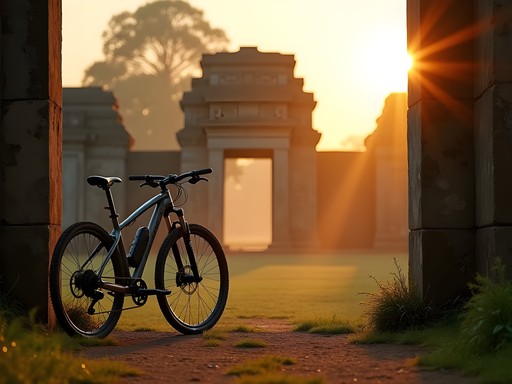
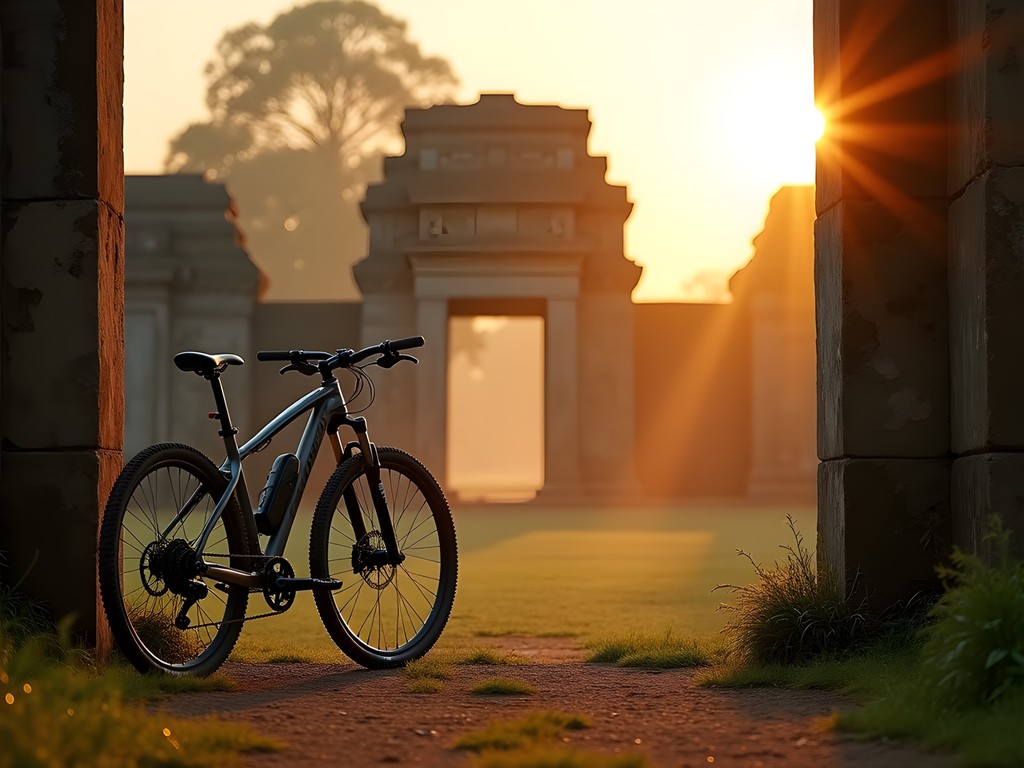
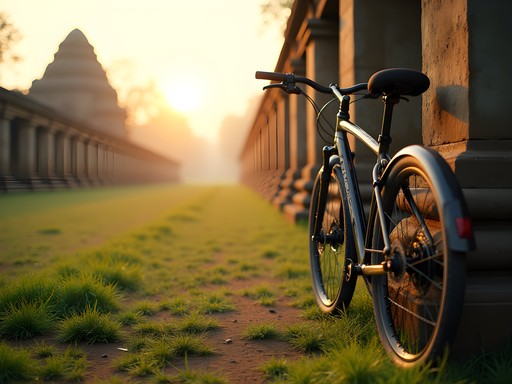
The morning sun breaks through the mist as I pedal along the quiet roads of Polonnaruwa, my bicycle tires crunching gently on the gravel path. There's something deeply spiritual about exploring these ancient ruins on two wheels—a perfect harmony between physical movement and historical reverence that I've rarely experienced elsewhere. After spending three days cycling through this UNESCO World Heritage site in Sri Lanka's Cultural Triangle, I'm convinced it's not just a journey through space, but through time and consciousness as well.

Why Cycling is the Perfect Way to Experience Polonnaruwa
When I first arrived in Polonnaruwa after a train journey from Colombo, I was tempted to join one of the many guided tours by car or tuk-tuk. But something in me—perhaps that same intuition that led me to India years ago—whispered that this sacred space deserved a different approach.
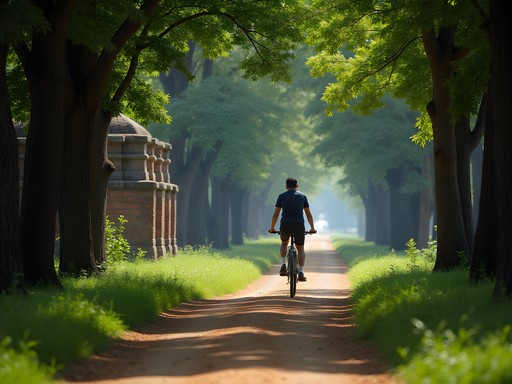
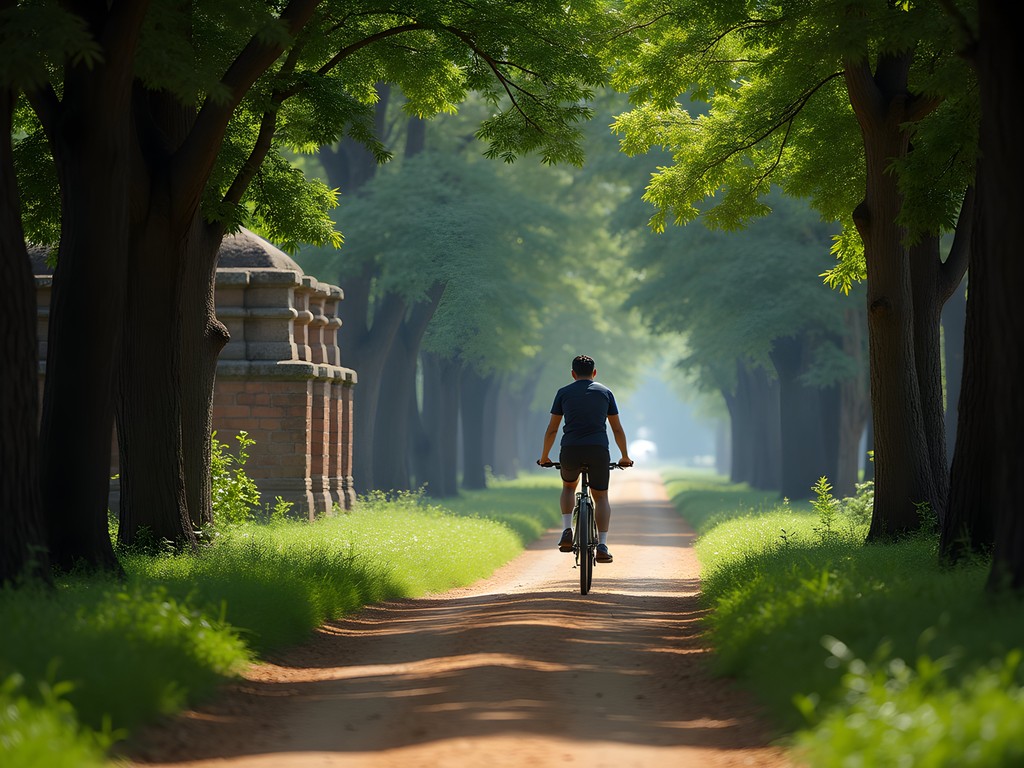
Cycling through Polonnaruwa offers a freedom that motorized transportation simply can't match. The archaeological complex spans several kilometers, with ruins scattered across a vast area that would be exhausting to cover on foot but feels perfectly paced by bicycle. The gentle exercise puts you in a meditative state, while the open-air experience connects you directly with the environment—the warm breeze, the calls of tropical birds, and the occasional monkey watching curiously from ancient stone walls.
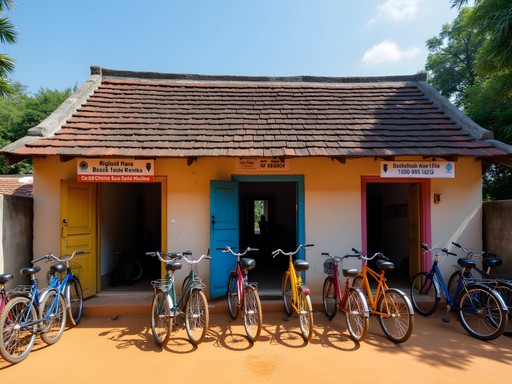
I rented my bicycle from a small shop near my guesthouse for just 500 LKR (about $2.50) for the entire day. If you're planning to bring camera equipment like I did, I'd recommend adding a handlebar bag to keep your gear accessible while riding.
💡 Pro Tips
- Rent bicycles early (around 7-8am) to beat both the crowds and the midday heat
- Bring at least 1.5 liters of water per person—the tropical heat is deceptive even in winter
- Download offline maps before your trip as cellular service can be spotty within the archaeological zone
Navigating the Sacred Quadrangle
The Sacred Quadrangle is where Polonnaruwa's spiritual energy feels most concentrated—a compact collection of ancient structures that once formed the heart of religious life. I recommend making this your first major stop, ideally reaching it by 8:30am before tour groups arrive.
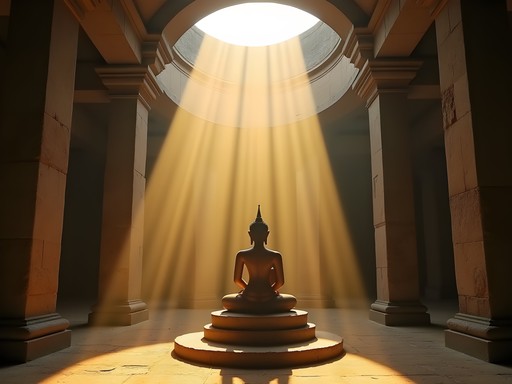
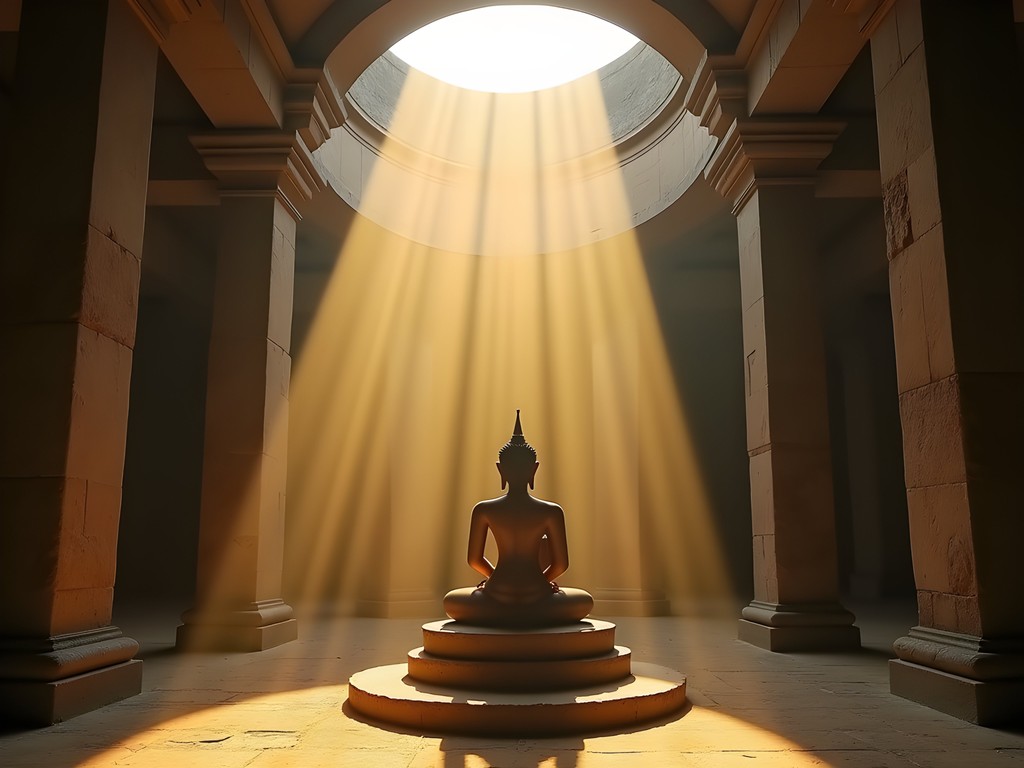
As an electrician, I've always been fascinated by how ancient civilizations designed spaces to capture and manipulate light. The Vatadage (circular relic house) demonstrates this brilliantly—its four entrances oriented to the cardinal directions, each guarded by exquisitely carved stone Buddhas. In the morning light, the eastern Buddha receives direct illumination while the others sit in graduated shadow, creating a natural spotlight effect that would impress any modern lighting designer.
I spent nearly two hours in this relatively small area, moving between structures at a contemplative pace. The Hatadage, Atadage, Gal Pota (stone book), and Satmahal Prasada each tell different stories of Sri Lankan Buddhist architecture. Take your time here—these aren't just photo opportunities but invitations to connection with a civilization that understood the relationship between physical space and spiritual awakening.
During my visit, I found myself constantly reaching for my quick-dry towel to wipe sweat from my brow while examining the intricate stone carvings. Even in winter, Polonnaruwa's tropical climate demands preparation.
💡 Pro Tips
- Remove shoes before entering religious structures (bring easy slip-on footwear)
- Carry a small flashlight to illuminate dark interiors and detailed carvings
- Sit in meditation for 5-10 minutes at each major structure to absorb the energy beyond the visual experience
Cycling the Royal Palace Group and Beyond
After exploring the Sacred Quadrangle, I hopped back on my bicycle for the short ride to the Royal Palace Group. The contrast between religious and secular architecture here tells a fascinating story about power and spirituality in ancient Sri Lanka.
The ruins of King Parakramabahu's seven-story palace stand as a testament to architectural ambition, with walls three meters thick that have withstood centuries of monsoons and tropical heat. As I walked through the audience halls and bathing pools, I couldn't help but draw parallels to the grand temples I'd seen in India—sacred and secular spaces often mirroring each other in their quest for transcendence.
From here, the cycling route extends northward past Rankot Vihara (a massive dagoba reminiscent of those at Anuradhapura) toward the northern group of monuments. This stretch is where having a bicycle truly shines—the distances between sites would be grueling on foot, but become enjoyable transitions on two wheels.
I found myself grateful for my cooling towel during the midday heat. Simply wet it at one of the water stations near the ticket office, wrap it around your neck, and enjoy natural air conditioning as you pedal between sites.
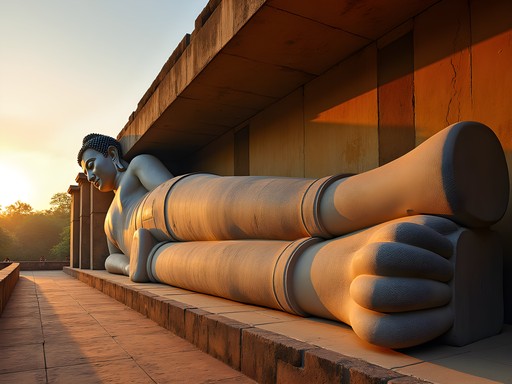
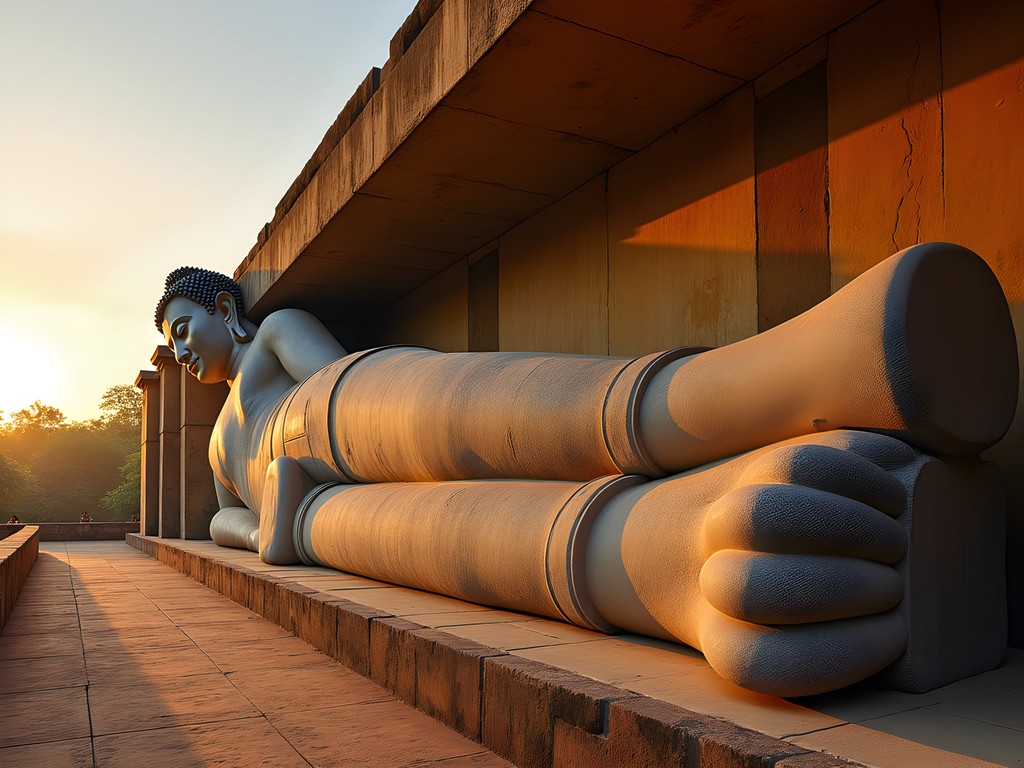
The northern monuments culminate in the awe-inspiring Gal Vihara, where four massive Buddha images are carved from a single granite wall. Sitting before these serene figures as the afternoon light played across their faces became one of the most meditative moments of my Sri Lankan journey.
💡 Pro Tips
- Lock your bicycle when exploring each site (bring a lightweight cable lock)
- The archaeological site closes at 6pm—plan to begin heading back by 4:30pm to avoid rushing
- Take shelter during the hottest part of the day (12-2pm) at one of the larger sites with shade trees

Practical Tips for the Mindful Cyclist
Exploring Polonnaruwa by bicycle requires some practical preparation to ensure your experience remains focused on connection rather than discomfort. Here's what worked for me as someone who values both spiritual experience and practical comfort:
Hydration and Sun Protection: Sri Lanka's tropical climate demands respect, even in winter months. I filled my insulated water bottle with cold water before setting out and refilled it throughout the day. A good sun hat, reef-safe sunscreen, and sunglasses are non-negotiable items.
Appropriate Attire: As you'll be visiting religious sites, dress modestly with shoulders and knees covered. I wore lightweight, quick-dry pants and carried a thin cotton scarf that served multiple purposes—from sun protection to covering my shoulders when entering sacred spaces. My trail running shoes provided the perfect balance of cycling comfort and walking support when exploring the ruins on foot.
Mindful Documentation: While photography is permitted at most sites (except inside certain structures), I found that limiting my photo-taking actually enhanced my experience. I set specific times for photography and otherwise kept my phone away, allowing for deeper connection with each space. When I did take photos, I used a phone gimbal for smooth video capture of the vast archaeological landscapes.
Timing Your Visit: The site officially opens at 7:30am, but arriving at the ticket office by 7am puts you ahead of tour groups. I structured my three days to explore different sections during optimal lighting conditions—Sacred Quadrangle in morning light, northern monuments in afternoon light, and the broader landscape during golden hour.
💡 Pro Tips
- Purchase your Archaeological Site ticket (US$25) the evening before to save time in the morning
- Pack a small first aid kit with basics like band-aids and antihistamines for potential insect bites
- Consider hiring a local guide for your first day to understand the historical context, then explore independently afterward
Final Thoughts
As I returned my rental bicycle on my final evening in Polonnaruwa, muscles pleasantly tired and spirit thoroughly nourished, I reflected on how different this experience had been from my first encounters with sacred sites in India years ago. There's something uniquely powerful about approaching ancient spiritual spaces through physical movement—each pedal stroke becoming a form of moving meditation that prepares the mind for deeper connection.
Polonnaruwa reveals itself differently to the cyclist than to those who arrive by car or tuk-tuk. The transitions between monuments become meaningful rather than mere distance to be covered; the physical effort required creates a natural state of presence that enhanced my appreciation for what I was seeing.
For the solo traveler seeking both adventure and spiritual connection, I can't recommend this approach highly enough. Pack light, rise early, move slowly, and allow the ancient wisdom of Polonnaruwa to reveal itself at the pace of a turning wheel. The Buddha images have watched over this land for nearly a millennium—they have much to teach those who arrive with open hearts and the patience to truly listen.
✨ Key Takeaways
- Cycling provides the ideal pace to absorb Polonnaruwa's spiritual atmosphere while covering its vast archaeological area
- Early mornings and late afternoons offer the best combination of lighting and smaller crowds
- Physical movement creates a natural meditative state that enhances connection to sacred spaces
📋 Practical Information
Best Time to Visit
December to March (dry season)
Budget Estimate
$30-40/day including accommodation, food, site entry and bicycle rental
Recommended Duration
2-3 days
Difficulty Level
Moderate

Comments
nomadwalker
Just got back from Sri Lanka and followed your cycling route through Polonnaruwa! The Sacred Quadrangle was definitely the highlight - those intricate carvings are mind-blowing when you consider their age. One tip for others: the bike rental places near the museum are cheaper than the ones right at the entrance. We paid about 600 rupees for the whole day. Also, there's a really nice local restaurant just outside the eastern gate where you can get a great rice and curry lunch for cheap. Perfect mid-ride refuel spot!
islandway
Do you remember the name of that restaurant? Heading there next month!
nomadwalker
I think it was called Pradeep or something similar. It's a small family place with blue chairs outside. Just ask anyone for the local lunch spot near the east entrance!
Taylor Moreau
Having visited Polonnaruwa numerous times for both leisure and business purposes, I can confirm that cycling offers significant advantages over motorized transport. For those combining business travel with cultural exploration, I recommend allocating a full day rather than attempting to squeeze it into a half-day itinerary. The route efficiency gained through cycling provides approximately 40% more site coverage compared to walking tours. Additionally, consider engaging a local guide for the initial hour to establish historical context before continuing independently. The northeastern section contains several lesser-documented structures that provide excellent perspective on water management engineering from the medieval period.
mountainblogger
Just got back from Sri Lanka and wish I'd seen this earlier! Walking was tough in the heat.
oceanwanderer
Great post! One thing to add - the monkeys around the Royal Palace area can be cheeky. Don't leave food in your bike basket unattended. Learned that the hard way when one stole my entire lunch 😂 Also the museum near the entrance is actually worth checking out before you cycle around, gives good context to what you're seeing.
springtime
haha noted! thanks for the warning
Jean Wells
Excellent guide, Luis. I cycled Polonnaruwa solo in 2023 and it was one of the highlights of my Sri Lankan journey. The freedom of cycling really does transform the experience - you're not rushed, you can stop whenever something catches your eye. I particularly appreciated how you emphasized the mindful aspect. These aren't just ruins; they're sacred spaces. I noticed many tourists rushing through, but taking time to sit quietly near the Gal Vihara Buddha statues was profoundly moving. The scale and serenity of those sculptures deserves contemplation, not just a quick photo stop.
photobackpacker
The Vatadage at sunset is absolutely stunning - one of my favorite photography spots in all of Sri Lanka. Luis, did you catch it during golden hour? I spent almost 45 minutes there just watching the light change on the stone pillars. Also pro tip: bring a portable tripod if you're into photography. The low light conditions inside some of the structures need it for sharp shots.
travelhero
This is my first trip to Sri Lanka and I'm kinda nervous about cycling in the heat. I'm not super fit lol. Is it really doable for beginners or should I hire a tuk-tuk instead? The ancient city looks incredible but I don't want to be miserable.
Jean Wells
It's definitely doable! The terrain is mostly flat and you can go at your own pace. Just bring lots of water, wear a hat, and take breaks in the shade. The sites are spread out enough that cycling actually makes it less tiring than walking everywhere.
bluerider
How much did the bike rental cost? And is it safe to leave your stuff while you explore?
oceanwanderer
When I went last year it was around 500-700 rupees for the day. Most places let you lock your bag to the bike or they have storage. Just don't bring valuables you don't need.
bluerider
Perfect, thanks!
Hannah Woods
Luis, great breakdown of the cycling route! I visited Polonnaruwa three years ago but did it on foot, which was exhausting in that heat. Your point about the bicycle giving you flexibility to pace yourself really resonates. One thing I'd add for readers - start EARLY. I mean sunrise early. By 10am the heat becomes brutal, especially around the exposed areas near Gal Vihara. The early morning light also makes the stone carvings absolutely magical for photography. Did you find the bike rental places near the museum reliable? I remember there being several options.
photobackpacker
Totally agree on the early start! Got some of my best shots at dawn
springtime
This looks amazing! Adding to my bucket list
Venture X
Premium card with 2X miles, $300 travel credit, Priority Pass