
Disclosure: This article contains affiliate links. We may earn a commission from purchases at no extra cost to you, which helps our travel content.
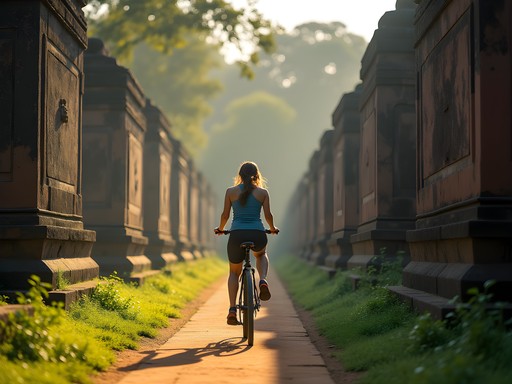
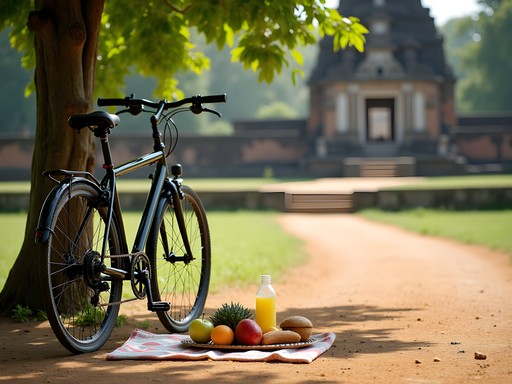
The morning sun cast long shadows across ancient stone structures as I adjusted my helmet, the rental bike's metal frame cool against my legs. Having spent years connecting networks across continents, there's something deeply satisfying about physically connecting with history through the spokes of a bicycle wheel. Polonnaruwa—Sri Lanka's medieval capital and UNESCO World Heritage site—reveals itself differently when explored on two wheels, a perfect blend of physical activity and historical immersion that speaks to both my engineer's mind and traveler's heart.

Planning Your Polonnaruwa Cycling Adventure
As someone who approaches travel with the same methodical preparation I apply to network diagrams, I spent considerable time researching Polonnaruwa before arriving. The archaeological park spans roughly 4 square kilometers (1.5 square miles) of flat terrain—making it absolutely perfect for cycling exploration.
I visited in late January, catching Sri Lanka's dry season when the temperatures hover around 86°F (30°C) but the humidity is bearable. The winter months (December-March) offer the ideal climate for cycling these ruins without the monsoon rains that can make paths muddy and stones slippery.
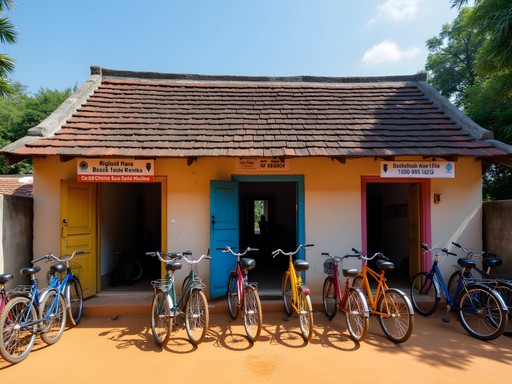
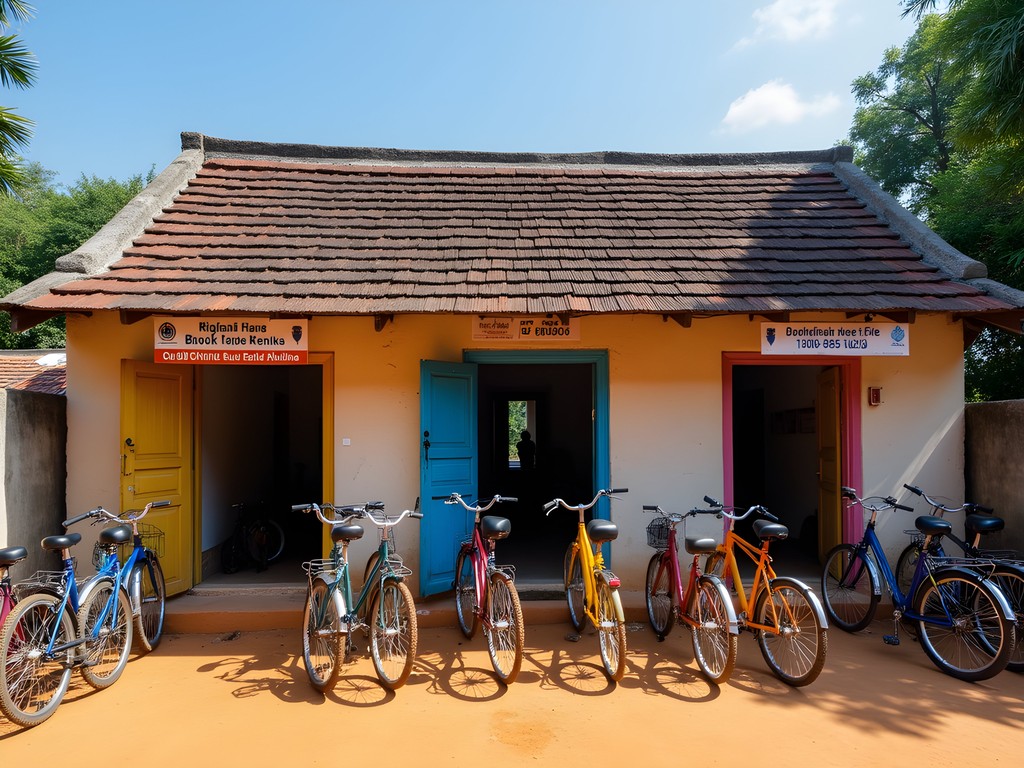
Most guesthouses in Polonnaruwa town rent bicycles for 500-800 LKR ($2.50-$4) per day. I opted for a slightly better model with working gears from my accommodation for 1000 LKR ($5), which proved worth the extra dollars when tackling the occasional incline. Before setting out, I made sure my hydration pack was filled to the brim—you'll need plenty of water as shade is limited throughout the complex.
💡 Pro Tips
- Rent your bicycle the evening before to get an early morning start before the tour buses arrive
- Bring a hat and sunscreen as shade is limited between monument clusters
- Download offline maps as cellular service can be spotty within the archaeological zone
Navigating the Ancient City: My Engineer's Route Plan
My network engineer brain couldn't help but map the most efficient route through Polonnaruwa's scattered monuments. The archaeological zone has a logical flow that rewards strategic planning.
I started at the Archaeological Museum (worth 30 minutes to contextualize what you'll see) before entering the main site. From there, I cycled to the Royal Palace Group, continuing north to the Quadrangle (the most concentrated collection of monuments), then further north to Rankot Vihara and Lankatilaka. The northern section culminates with the magnificent Gal Vihara Buddha statues.
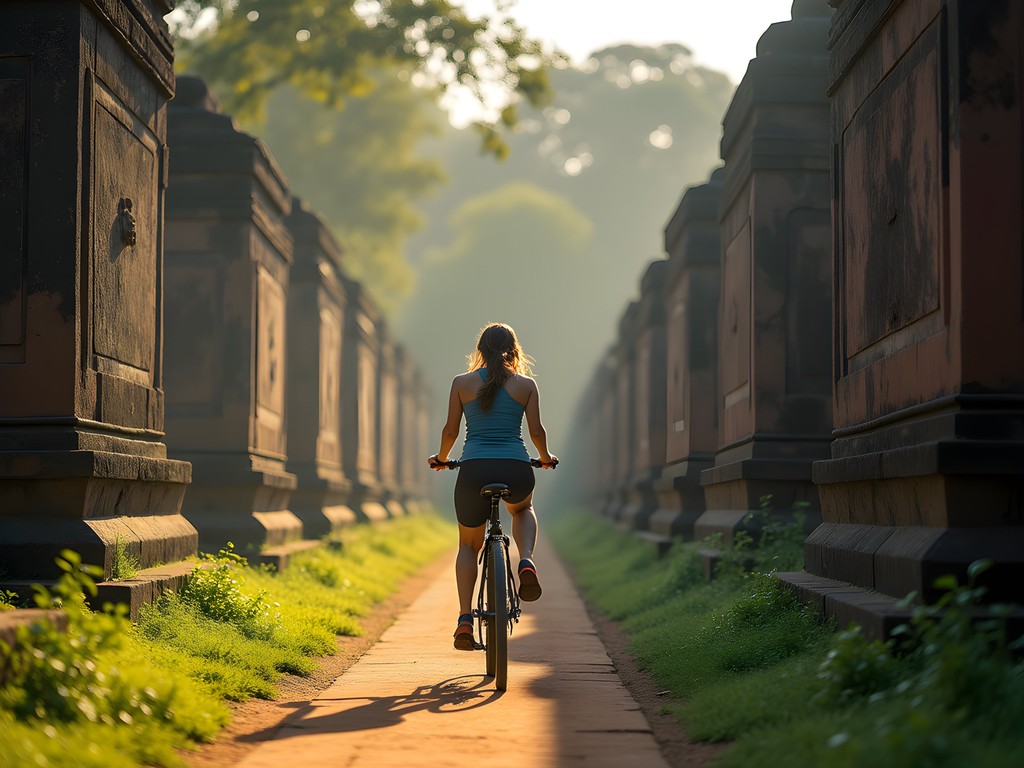
The beauty of cycling is the freedom to create loops between major sites, exploring smaller ruins that tour groups often bypass. I tracked my route using my GPS watch, which helped me navigate back to previously spotted treasures.
One unexpected highlight was stopping at a small, unnamed structure where a local archaeology student was sketching. We struck up a conversation about ancient Sri Lankan water engineering systems—a fascinating intersection of my technical background and the historical ingenuity on display.
💡 Pro Tips
- Visit the Archaeological Museum first to understand the significance of what you'll see
- Plan your route to hit major sites in geographical order rather than importance
- The northern section is less crowded—save it for midday when tour groups retreat for lunch
Must-See Monuments & Hidden Corners
While Polonnaruwa's star attractions deserve their fame, cycling grants access to quieter corners that reveal equally fascinating stories.
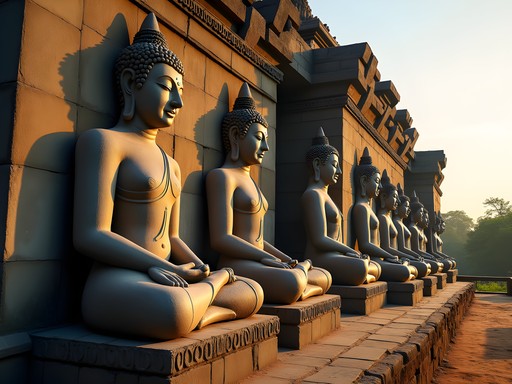
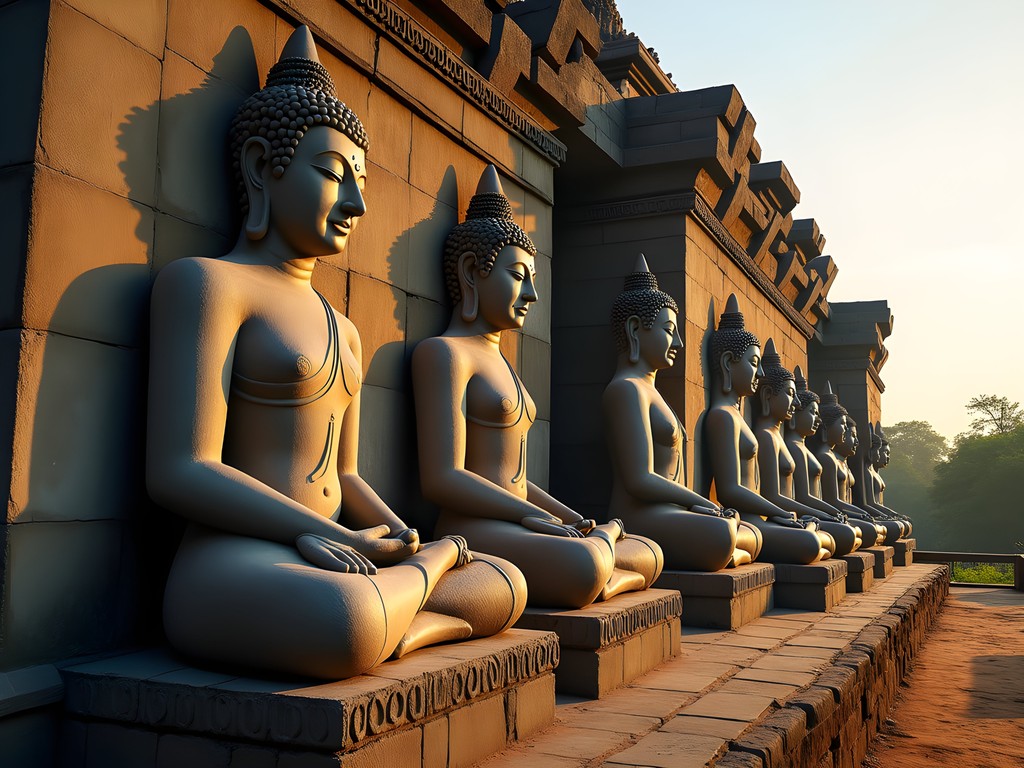
The Gal Vihara Buddha images carved from a single granite wall left me speechless. I parked my bike and spent nearly an hour examining the four massive sculptures, marveling at their engineering precision and artistic execution. The reclining Buddha, stretching 46 feet (14 meters) long, shows such serene detail that it's hard to believe it was carved over 800 years ago.
Cycling allowed me to visit the less-frequented northern monuments like Demala Maha Seya—believed to be built by Tamil merchants—where I had the entire complex to myself for 20 minutes. The ruins of ancient hospitals and monastic complexes scattered throughout the forest revealed fascinating insights into medieval healthcare and community organization.
For the best photographs, I relied on my camera lens to capture the massive scale of structures like Rankot Vihara, Polonnaruwa's largest stupa. The wide angle perfectly framed the 180-foot dome against the brilliant blue Sri Lankan sky, while still capturing the intricate details at its base.
💡 Pro Tips
- Visit Gal Vihara late afternoon when the light accentuates the details in the Buddha carvings
- Bring binoculars to spot the incredible detail on higher sections of temples
- Look for the ancient hospital site which many visitors miss—it features stone medicinal baths

Cycling Through Living History: Local Life Encounters
One of the unexpected joys of exploring Polonnaruwa by bicycle was witnessing how the ancient city blends with contemporary Sri Lankan life. Unlike some archaeological sites that feel sterile and museum-like, Polonnaruwa pulses with ongoing spiritual significance.
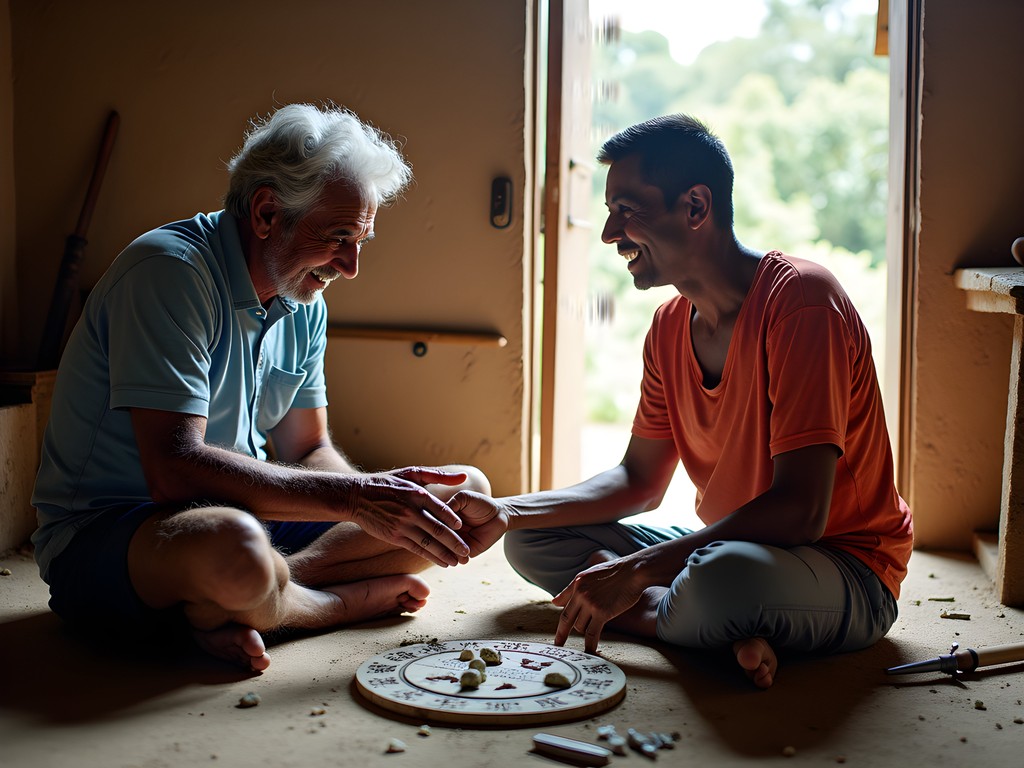
Pausing to catch my breath near the Shiva Devale (one of the few Hindu temples in this predominantly Buddhist complex), I watched as a family placed flowers and lit incense in a small shrine. My curious expression must have been obvious because an elderly gentleman motioned me over and explained this temple has been in continuous use for over 800 years. As a tech professional accustomed to systems becoming obsolete within months, witnessing something functioning across centuries was profoundly moving.
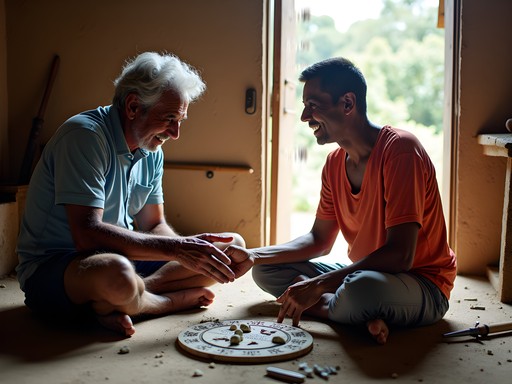
The bicycle proved invaluable for quick detours to village areas just outside the main archaeological zone. During one such excursion, I discovered a small workshop where artisans carved stone replicas of Polonnaruwa's famous moonstone designs. The owner demonstrated techniques virtually unchanged since the monuments themselves were built.
To document these spontaneous cultural encounters, I used my action camera mounted to my handlebars, capturing immersive footage of both monuments and daily life that a traditional camera couldn't match while on the move.
💡 Pro Tips
- Respect ongoing religious practices—some ruins remain active worship sites
- Learn basic Sinhalese greetings to connect with locals working in and around the site
- Look for small workshops in the nearby village where traditional stone carving continues
Budget-Friendly Tips for the Tech-Savvy Cyclist
As a budget traveler with a tech background, I'm always looking for ways to maximize experiences while minimizing expenses. Polonnaruwa offers excellent value compared to Sri Lanka's more touristed sites like Sigiriya.
The entrance fee (30 USD) initially seemed steep, but considering the site's vastness and conservation needs, it's reasonable. To maximize value, I arrived at opening time (7:00 AM) and stayed until closing (6:00 PM), essentially getting a full day's entertainment for the price of a modest dinner.
For accommodations, I stayed at a guesthouse in New Town, about 4km from the archaeological zone. At 2500 LKR ($12) per night including breakfast and bicycle rental, it was significantly cheaper than options closer to the ruins. The morning ride to the site became a lovely warm-up through rural landscapes.
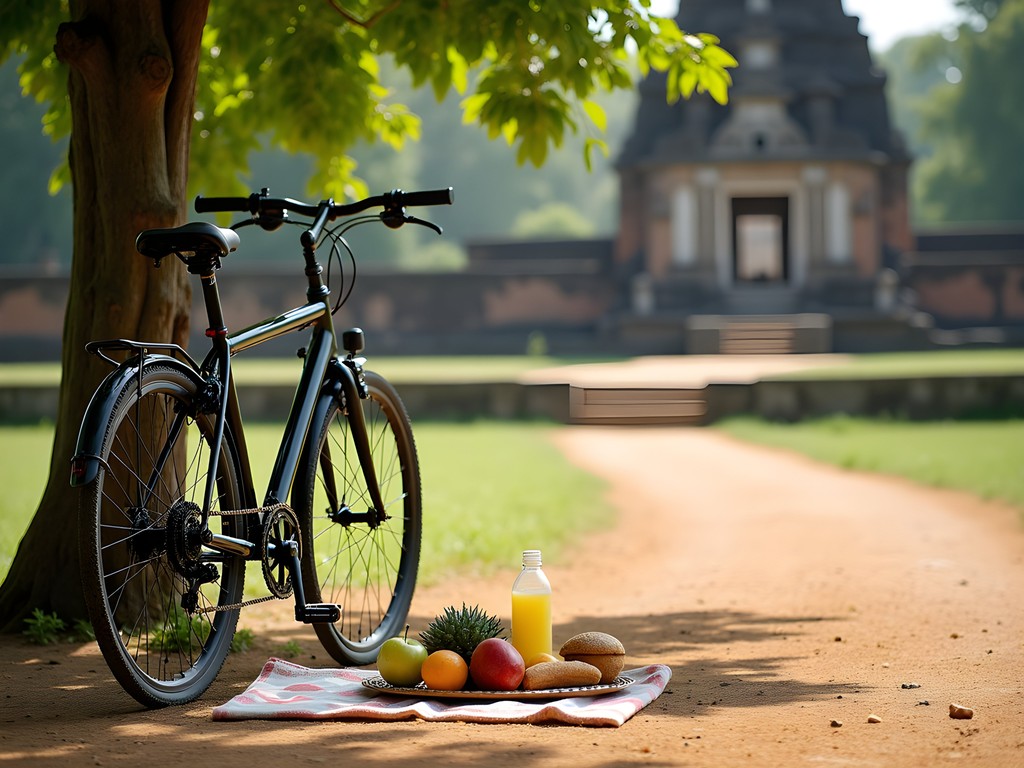
Food costs can add up inside the archaeological zone, so I packed a substantial lunch in my insulated lunch bag which kept my food fresh despite the tropical heat. Local markets in New Town sell fresh fruit, bread, and other supplies at non-tourist prices.
Most importantly, I used my power bank to keep my phone charged throughout the day. Between GPS navigation, photography, and occasional research about specific monuments, battery life disappears quickly in the field.
💡 Pro Tips
- Purchase a multi-day Cultural Triangle ticket if you're also visiting Anuradhapura and Sigiriya
- Bring small bills for refreshment vendors as they rarely have change for large notes
- Download the Archaeological Department's PDF guide before visiting to save on guidebook costs
Final Thoughts
As I pedaled back to town in the golden late afternoon light, sweat-soaked but exhilarated, I couldn't help but reflect on how cycling had transformed my Polonnaruwa experience. The freedom to move at my own pace—stopping to examine an intricate carving or chat with a local gardener—created a connection to this ancient place that would have been impossible from a tour bus window or even on foot.
For the technically-minded traveler, Polonnaruwa offers a fascinating glimpse into historical engineering and architectural innovation. For the history buff, it's a remarkably intact medieval city. And for the budget-conscious explorer, bicycle exploration represents the perfect intersection of economy, exercise, and immersion.
Whether you're racing against the setting sun to capture that perfect photo of Gal Vihara or quietly cycling through lesser-known ruins as monkeys scamper across ancient walls, Polonnaruwa by bicycle promises the rare travel experience that engages both body and mind. Pack your water bottle, adjust your helmet, and prepare to pedal through twelve centuries of Sri Lankan history—I promise the saddle soreness will be worth every moment of discovery.
✨ Key Takeaways
- Cycling is the most efficient and immersive way to explore Polonnaruwa's sprawling archaeological zone
- Visit during winter months (December-March) for optimal cycling weather conditions
- The site rewards technical curiosity—ancient engineering solutions are visible throughout the complex
📋 Practical Information
Best Time to Visit
December through March (dry season)
Budget Estimate
$40-60 per day including accommodation, food, site entrance and bicycle rental
Recommended Duration
1-2 full days
Difficulty Level
Moderate (Flat Terrain But Hot Conditions)


Comments
Bella Johansson
What a wonderful read! I visited Polonnaruwa during my three-month Southeast Asia journey in 2024, and cycling through those ruins felt like pedaling through a living museum. I was traveling on a tight budget and the bike rental was so affordable - maybe $3 for the whole day if I remember right. The thing that surprised me most was how peaceful it was early morning, just me, the monkeys, and 800 years of history. I packed my water bottle with ice from my guesthouse and it kept cold for hours. Jennifer, your engineer's approach to route planning is brilliant - I just wandered randomly and definitely missed some sections!
dreamqueen
Only $3?? That's amazing
globeadventurer1363
This is great timing! We're planning Sri Lanka for March. Did you do Sigiriya too? Trying to figure out if we should do both in one day or split them up. Also your photos are gorgeous - what camera do you use?
exploreone
Going there next month! So excited now
Haley Hamilton
Jennifer, this brought back such vivid memories! I cycled Polonnaruwa back in 2023 and it was one of those days that just stays with you. The Gal Vihara statues at sunrise were absolutely spiritual. I remember chatting with a monk there who explained some of the history - those spontaneous encounters are what travel is all about. One tip I'd add: bring a sarong or scarf for the temple areas. Some require covered shoulders and it's handy to have. The local kids selling cold king coconuts near Parakrama Samudra saved my life in the afternoon heat!
exploreone
The coconut vendors are the best! So refreshing
photoguide
Love this post! Quick question - how early did you start? I'm worried about the heat since I'm not the most fit cyclist lol. Also did you rent the bike right at the entrance or in town?
Bella Johansson
Not Jennifer but I was there last year! Start by 7am if you can, it makes ALL the difference. I rented from a shop near the old town and they gave me a route map too. Bring lots of water!
photoguide
Thanks so much! 7am it is 😊
dreamqueen
This looks amazing! Adding to my bucket list
sunnynomad
This is so helpful! I'm planning my first trip to Sri Lanka in a few months and was wondering if cycling was doable for someone who doesn't bike much. Sounds like it's manageable if I start early before it gets too hot. Your photos are gorgeous btw. Did you need to bring your own water or are there places to buy it in the park?
wanderlustzone
There are a few vendors but bring at least 2 bottles with you to be safe. You'll drink more than you think!
journeystar
Where did you rent the bike from? And roughly how much was it?
Jennifer Thomas
I rented from a shop right near the main entrance - there are several options along the main road. It was about 500 rupees for the day (roughly $3 USD). Super affordable!
wildadventurer
Love this! Adding to my Sri Lanka itinerary right now
Kimberly Murphy
Jennifer, this is brilliant! I love how you mapped out the route with such detail. I cycled Bagan in Myanmar a few years back and it's such a magical way to experience archaeological sites - you're moving slowly enough to really absorb everything but covering enough ground to see it all. The bit about encountering local life between the monuments really resonated with me. Those unexpected moments are often what I remember most. Did you hire a guide or go solo with a map?
Jennifer Thomas
Thanks Kimberly! I went solo with the map from the bike rental place plus GPS on my phone. It's very well signposted though. Bagan is definitely on my list!
Venture X
Premium card with 2X miles, $300 travel credit, Priority Pass