
Disclosure: This article contains affiliate links. We may earn a commission from purchases at no extra cost to you, which helps our travel content.
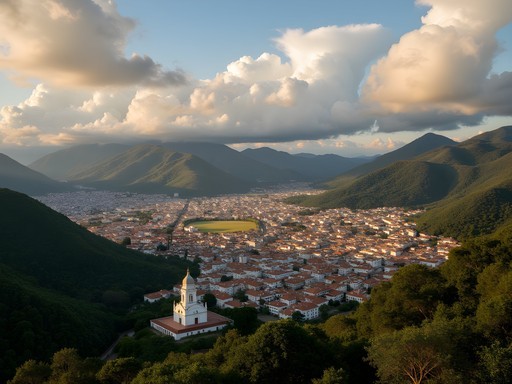
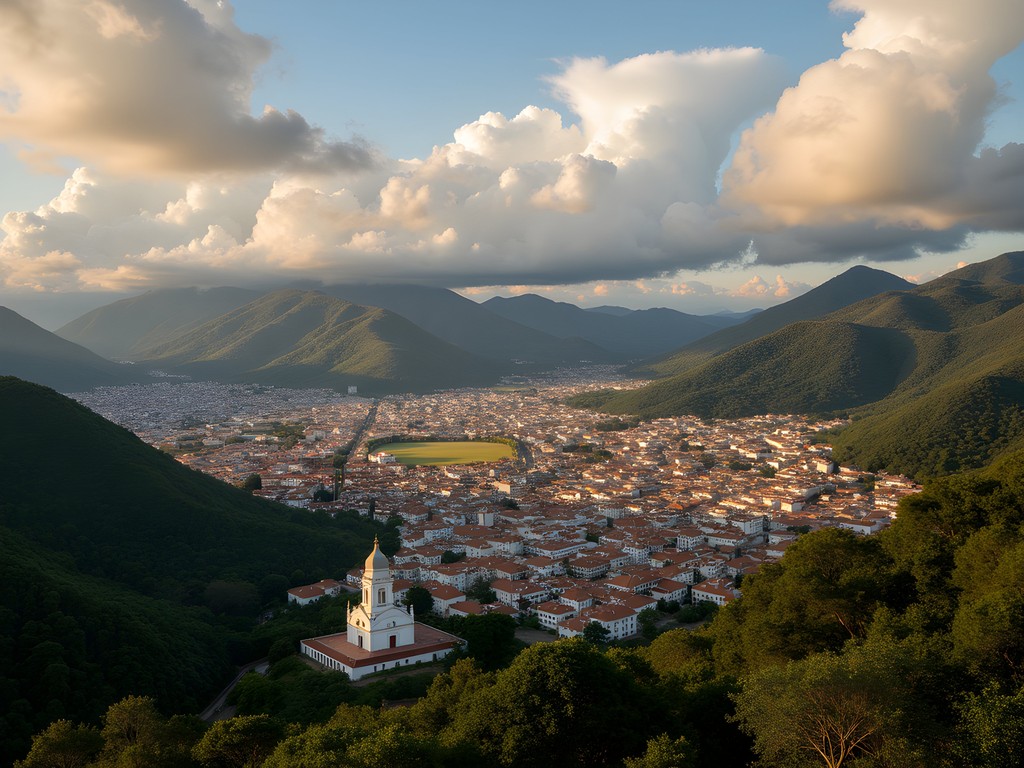
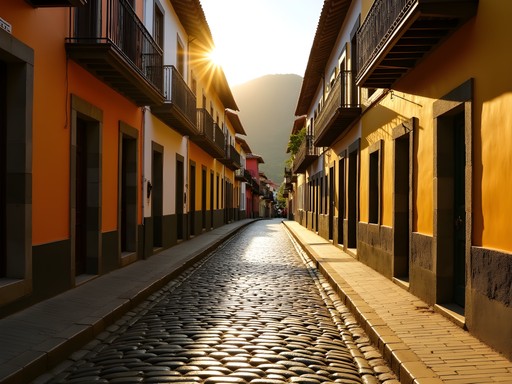
The cobblestone streets of Ouro Preto twist beneath my feet like the pages of an unfinished novel, each turn revealing another chapter of Brazil's gold rush history. At 61, I've hiked trails across five continents, but there's something uniquely compelling about traversing the same paths that 18th-century miners once trod in search of fortune. This UNESCO World Heritage city, nestled in the mountains of Minas Gerais, offers far more than its famed Baroque architecture and colonial charm. Beyond the ornate churches and museums lies a network of trails that weave through the surrounding Serra do Espinhaço mountains, telling tales of ambition, exploitation, and natural wonder. For my fellow adventurers seeking something beyond the typical Brazilian beach holiday, I present my week exploring Ouro Preto's gold trails—where history and hiking create an intoxicating blend of cultural immersion and physical challenge.

Preparing for Ouro Preto's Altitude and Terrain
When I first contemplated hiking Ouro Preto's historic trails, I underestimated the physical demands of this mountainous region. Sitting at approximately 1,150 meters (3,770 feet) above sea level, the city itself requires acclimatization, particularly for those of us with a few more years in our legs. The surrounding trails climb considerably higher, with some routes ascending another 500+ meters through terrain that alternates between dense Atlantic Forest remnants and exposed rocky paths.
I spent my first two days in town adjusting to the altitude while exploring the historic center—a practical approach that allowed me to appreciate the colonial architecture while giving my body time to adapt. This gradual introduction proved invaluable when tackling the more strenuous trails later in the week.
For equipment, I relied heavily on my trusty trekking poles which proved essential for navigating the often steep and sometimes slippery paths. The cork handles maintained their grip despite my sweaty palms in the Brazilian humidity, and the adjustable length feature was perfect for both ascents and descents.
The weather in Ouro Preto's fall season (March-May) brings cool mornings that warm to pleasant afternoons, with occasional afternoon showers. Layering is essential, as temperatures can vary significantly between shaded forest sections and exposed ridgelines. My typical hiking outfit consisted of moisture-wicking base layers, convertible hiking pants, and a light rain shell that packed down small enough to fit in my daypack's side pocket.
💡 Pro Tips
- Spend at least one full day in Ouro Preto before attempting longer hikes to acclimatize to the altitude
- Pack both sun protection and rain gear regardless of forecast—mountain weather changes rapidly
- Carry at least 2 liters of water per person, as many trails have limited water sources
Estrada Real: Walking the Royal Road
The centerpiece of any hiking adventure in the region is undoubtedly the Estrada Real (Royal Road), the historic route used to transport gold and diamonds from the mines of Minas Gerais to the ports of Rio de Janeiro during colonial times. While the complete trail network spans over 1,600 kilometers, the sections around Ouro Preto offer perfectly manageable day hikes that combine historical significance with natural beauty.
I set out early one morning with Marcos, a local guide whose family has lived in the region for generations. His knowledge of both the official paths and hidden shortcuts proved invaluable. We began our journey at the trailhead near Praça Tiradentes, Ouro Preto's main square, and headed east along what was once the primary artery of Brazil's economic lifeblood.
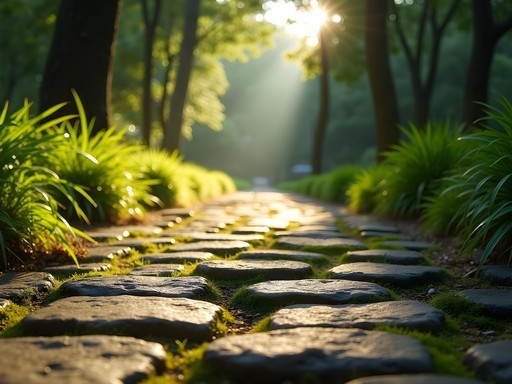
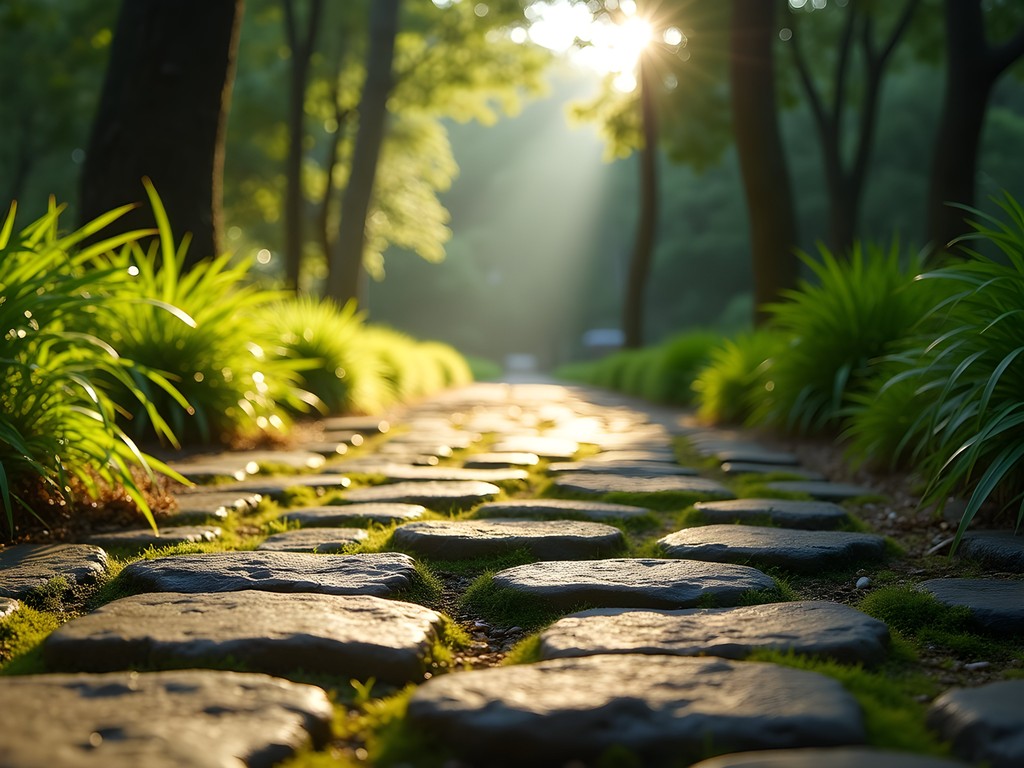
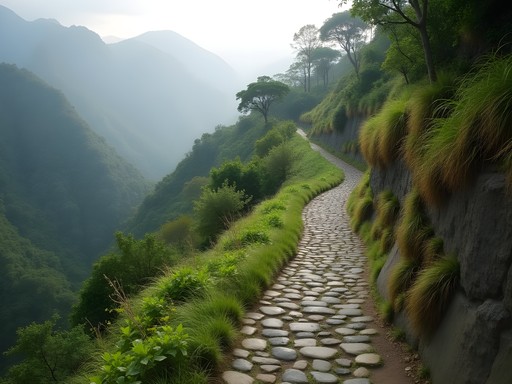
The trail alternates between well-preserved stone pathways—laid by slaves centuries ago—and sections reclaimed by nature where the path narrows to single-track through lush vegetation. Marcos pointed out subtle markings on stones that indicated official distance markers from the colonial era, some still bearing the faded coat of arms of the Portuguese crown.
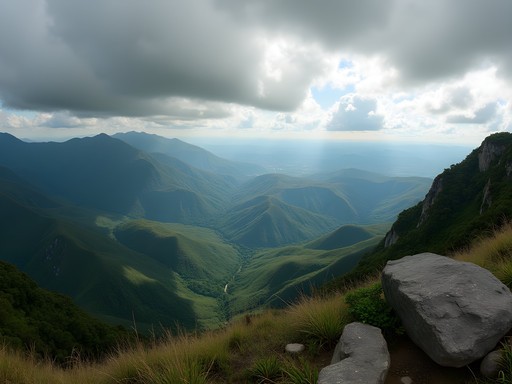
About three hours into our hike, we reached a natural overlook where the valley opened before us. The vista was breathtaking—rolling mountains carpeted in green, with the occasional glint of a church spire in the distance. This spot, Marcos explained, was once a checkpoint where colonial authorities would inspect gold shipments for the royal fifth tax.
I captured the sweeping landscape with my mirrorless camera, which has become my faithful companion on these adventures. Its lightweight design makes it ideal for hiking, while the weather-sealing has protected it through countless tropical downpours. The electronic viewfinder proved particularly valuable in the harsh midday Brazilian sun, allowing me to compose shots that truly captured the dramatic landscape.
As we continued, the trail revealed remnants of mining operations—stone foundations, water channels, and the occasional rusted piece of equipment from later industrial efforts. These silent witnesses to history made the hike feel like an archaeological expedition as much as a nature walk.
💡 Pro Tips
- Hire a local guide for Estrada Real hikes to learn about hidden historical details and avoid getting lost on unmarked trail sections
- Start early (around 7:00 AM) to avoid afternoon thunderstorms common in the region
- Pack a lunch to enjoy at one of the scenic overlooks—there are no facilities along most trail sections
Itacolomi State Park: Wilderness Beyond the Gold Rush
While Ouro Preto's gold trail history is fascinating, I found myself equally drawn to the natural wonders of Itacolomi State Park, located just 8 kilometers from the city center. The park's name comes from the distinctive Itacolomi Peak, which resembles a 'stone boy' (the meaning of the indigenous Tupi word) and served as a navigation landmark for colonial explorers.
Accessing the park requires either a 4x4 vehicle or arranging transport through your accommodation. I opted for the latter, joining three fellow hikers from my pousada for the bumpy ride to the park entrance. Unlike the historical trails closer to town, Itacolomi offers a wilder experience with well-marked but more challenging paths through Atlantic Forest ecosystems.
The main trail to Itacolomi Peak is approximately 12 kilometers round trip with an elevation gain of about 700 meters—a full day's commitment for even experienced hikers. The path begins gently enough, winding through forest that harbors remarkable biodiversity. My companions and I spotted toucans, marmosets, and a bewildering array of butterflies that seemed to dance alongside us as we walked.
As we gained elevation, the forest gradually gave way to campos rupestres, high-altitude rocky grasslands dotted with unique plant species adapted to the harsh conditions. These open areas afforded spectacular views across the mountain range, with Ouro Preto appearing as a tiny collection of white buildings in the distant valley.
The final approach to the peak requires some scrambling over boulders—nothing technical, but certainly demanding careful footing. At 61, I've learned to respect my limitations while refusing to be defined by them. I took my time on this section, letting my younger companions surge ahead while I maintained a steady, deliberate pace.
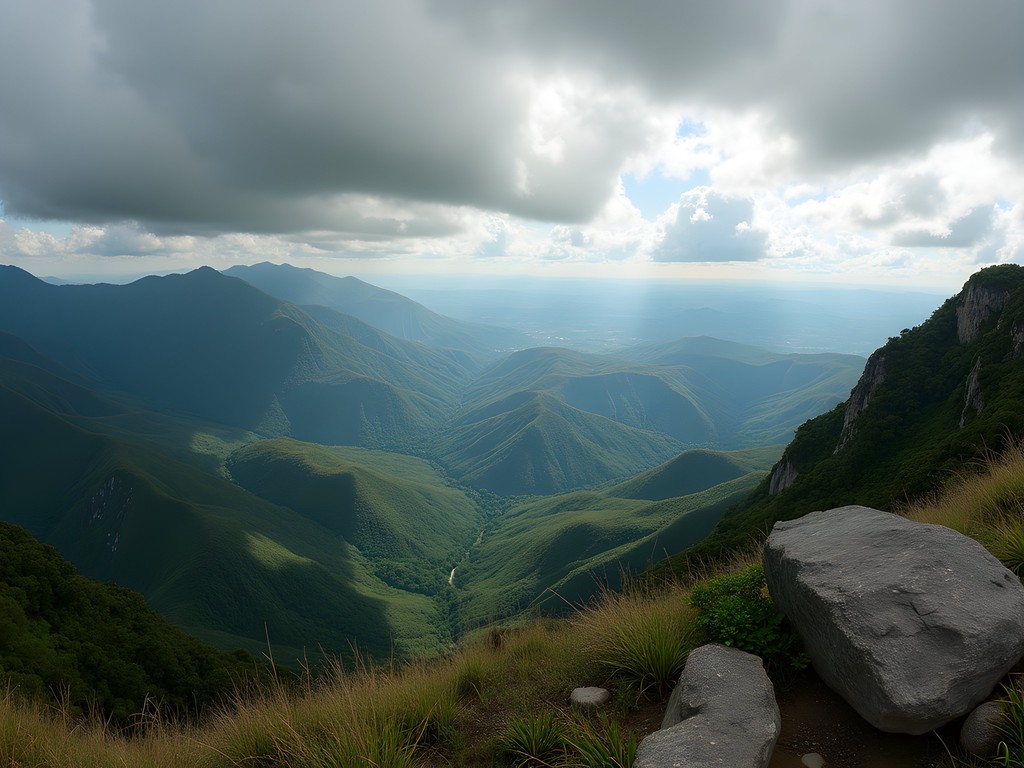
Reaching the summit was worth every labored breath. At 1,772 meters (5,814 feet), Itacolomi Peak offers a 360-degree panorama that encompasses much of southern Minas Gerais. On clear days, they say you can see all the way to the neighboring state of Espírito Santo. We weren't quite so lucky with visibility, but the swirling clouds moving through the valleys below created an ethereal landscape that felt like something from another world.
For this challenging hike, my hiking boots proved their worth repeatedly. The waterproof Gore-Tex kept my feet dry through morning dew and afternoon showers, while the aggressive tread provided confidence on both muddy forest floors and slippery rock faces. After seven years and countless trails across multiple continents, these boots continue to offer the perfect balance of support and flexibility.
💡 Pro Tips
- Reserve a full day for the Itacolomi Peak hike and start no later than 8:00 AM to ensure return before dark
- Register at the park office and check weather conditions—the peak is dangerous during thunderstorms
- Bring warm layers even on sunny days as temperatures at the peak can be 10°C cooler than in Ouro Preto

Lavras Novas: The Hidden Gem for Waterfall Chasers
While researching this trip, I stumbled across mentions of Lavras Novas, a small district about 25 kilometers from Ouro Preto that promised a different kind of hiking experience. Once a quilombo (settlement founded by escaped enslaved people) and later a mining community, today this sleepy village serves as a gateway to some of the region's most spectacular waterfall hikes.
I arranged a day trip through my pousada, though public buses run the route a few times daily for the more budget-conscious traveler. The road to Lavras Novas winds through hills that gradually become more lush and verdant than the immediate surroundings of Ouro Preto, hinting at the water-rich environment ahead.
The village itself is charming in its simplicity—a collection of whitewashed buildings with colorful trim surrounding a small church plaza. After a quick café and pão de queijo (Brazilian cheese bread) at a local bakery, I met Paulo, my guide for the day's waterfall circuit.
"We have more than fifteen waterfalls within hiking distance," Paulo explained as we set out, "but today we will visit the three most beautiful ones that can be reached in a single day's hike."
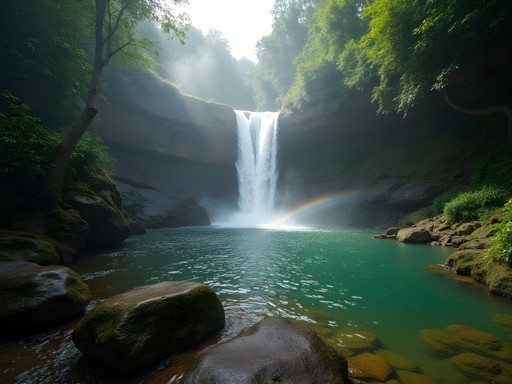
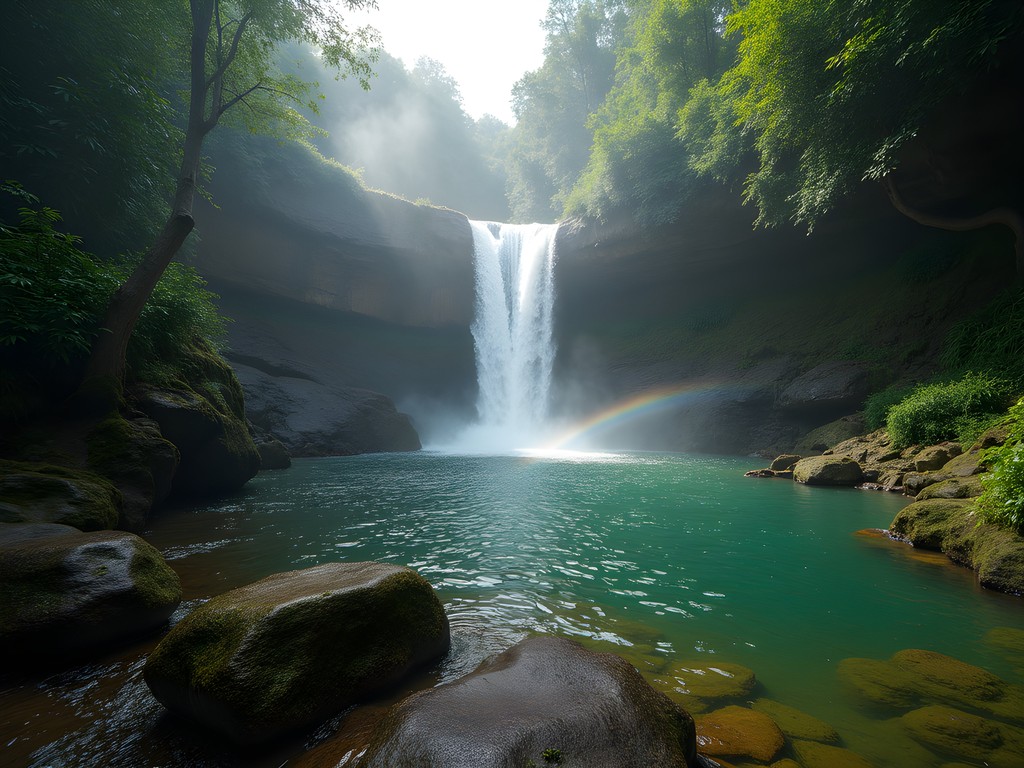
Our first destination was Cachoeira do Fogão (Stove Waterfall), named for the curious rock formation that resembles an old wood-burning stove. The trail there was moderately challenging, cutting through dense vegetation before opening to reveal the 15-meter cascade tumbling into a perfect natural swimming pool. Despite the cool autumn air, several young Brazilians were enjoying the waters, their laughter echoing off the surrounding rock walls.
The path to the second waterfall, Cachoeira das Três Quedas (Three Falls), proved more demanding. The trail narrowed considerably, with sections requiring us to use tree roots as natural handholds. My hiking daypack proved its worth here, staying close to my body without shifting weight as I navigated the technical sections. Its multiple compartments kept my camera accessible while securing my water and snacks, and the integrated rain cover deployed quickly when we encountered a brief but intense afternoon shower.
Três Quedas revealed itself gradually—first the sound, then glimpses through the trees, and finally the full glory of three distinct cascades dropping into successive pools. Paulo explained that during the rainy season (November to February), the three separate streams merge into one thunderous waterfall, but I found the autumn flow perfectly captivating in its delicate division.
Our final destination, Cachoeira do Manso (Gentle Waterfall), belied its name with a 25-meter drop that created a constant mist, feeding the lush microclimate of ferns and bromeliads clinging to nearby rocks. Here we paused for a late lunch of packed sandwiches and fruit, the waterfall providing nature's soundtrack to our meal.
As an older traveler who has seen his fair share of natural wonders, I've become increasingly selective about what truly impresses me. The waterfall circuit of Lavras Novas easily earned its place among my memorable hiking experiences—not just for the beauty of the cascades themselves, but for the remarkably diverse ecosystems we traversed between them.
💡 Pro Tips
- Wear quick-drying clothes and bring a small towel if you plan to swim in the waterfall pools
- The waterfall circuit is slippery even in dry weather—consider hiking poles or sturdy shoes with excellent traction
- Book a guide in advance during high season (December-February and July) as they can be in short supply
Evening Rewards: Ouro Preto's Culinary Scene After a Day on the Trails
One of the great joys of physically demanding days on mountain trails is the guilt-free pleasure of indulging in hearty regional cuisine come evening. Ouro Preto, despite its relatively small size, offers a surprisingly sophisticated culinary scene that beautifully rewards tired hikers.
As a novelist who has spent decades crafting characters and plots, I've always been drawn to establishments with stories to tell. In Ouro Preto, restaurants are often housed in centuries-old buildings where the weight of history is as palpable as the aroma of simmering feijão tropeiro (a traditional bean, sausage, and manioc dish).
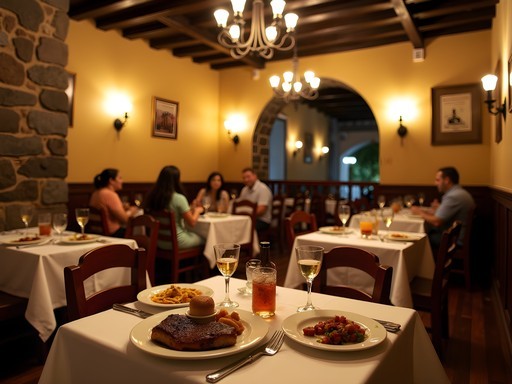
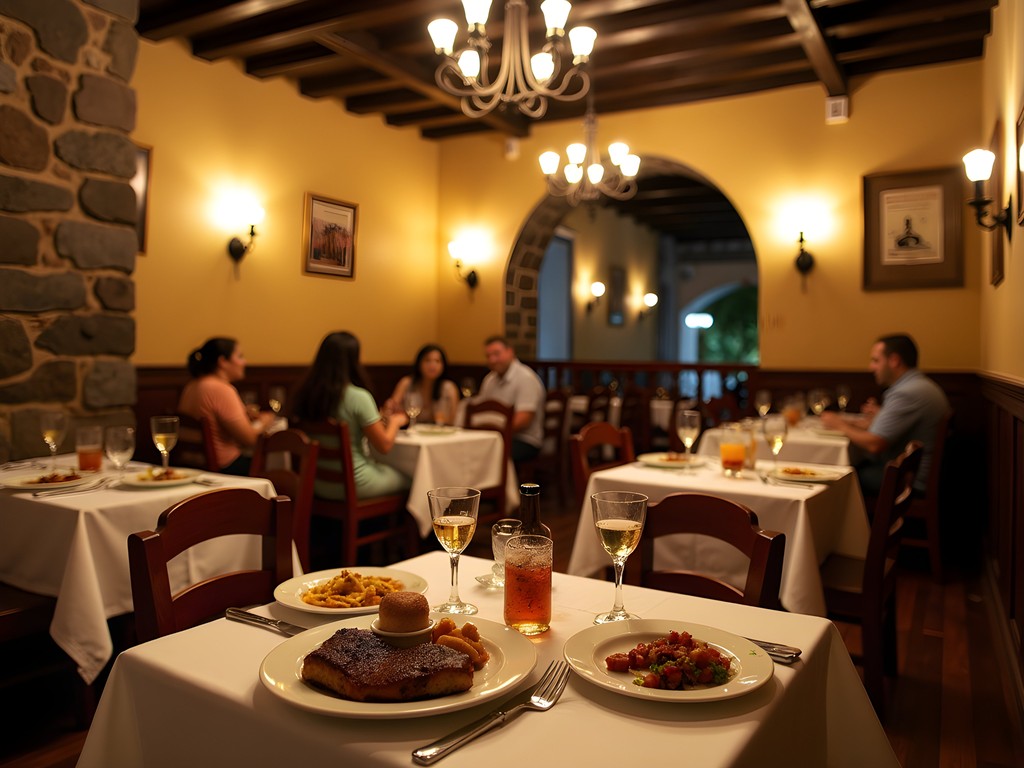
My favorite evening ritual became claiming a corner table at Restaurante Casa dos Contos, housed in a former gold taxation office dating back to 1782. The stone walls that once secured the colony's wealth now embrace diners exploring the flavors of Minas Gerais cuisine. After particularly challenging hikes, I found myself gravitating toward their signature dish, leitão à pururuca—roasted suckling pig with impossibly crispy skin that crackles between your teeth.
For more casual evenings, the boteco culture of Brazil provides perfect respite for weary legs. These neighborhood bars serve simple but delicious petiscos (Brazilian tapas) alongside ice-cold chopp (draft beer). Boteco do Geraldo became my regular haunt, where locals and visitors mingle freely. Their coxinha (chicken croquettes) paired with a caipirinha made with local cachaça became my standard order—the tart lime and sugar somehow perfect for muscles recovering from mountain exertions.
One evening, following our Estrada Real hike, Marcos invited me to join his family for dinner at their home on the outskirts of town. This proved to be the culinary highlight of my trip—his wife Maria served homemade cheese bread still warm from the oven, followed by a traditional chicken and okra stew that had been simmering all day. As we dined on their terrace overlooking the twinkling lights of Ouro Preto below, Marcos shared stories of growing up in a family that had lived in the region for nine generations.
"The mountains here," he said, passing me a glass of homemade jabuticaba liqueur, "they get in your blood. Even those who leave always feel them calling."
Sitting there, muscles pleasantly fatigued from the day's adventure, watching fireflies dance against the silhouette of mountains that had witnessed centuries of human ambition, I understood exactly what he meant.
💡 Pro Tips
- Make dinner reservations for popular restaurants like Casa dos Contos, especially on weekends when domestic tourists fill the town
- Try at least one meal at a local family home—many pousadas can arrange this authentic experience
- Ask for the local cachaça recommendations—the Minas Gerais region produces some of Brazil's finest artisanal varieties
Final Thoughts
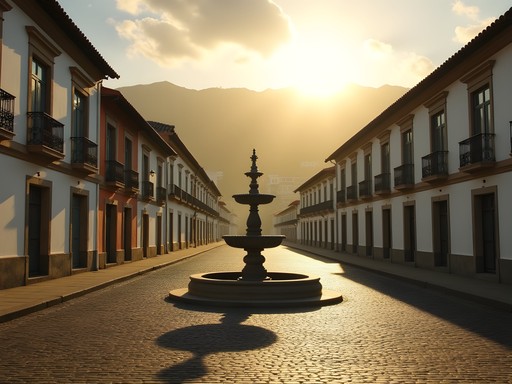
As my week of hiking Ouro Preto's gold trails drew to a close, I found myself standing once more in Praça Tiradentes, watching the late afternoon sun gild the façade of Nossa Senhora do Pilar Church. The symbolism wasn't lost on me—this town built on gold still transforms ordinary light into something precious, just as it had transformed my understanding of Brazil beyond the beaches and rainforests that dominate foreign imaginations.
For travelers willing to venture into these historic mountains, Ouro Preto offers a rare combination of physical challenge, cultural immersion, and historical significance. The trails that once carried colonial wealth now bear a different kind of riches—the stories of Brazil's complex past and the natural splendor that remains when gold fever has long subsided.
I came seeking adventure in these colonial mountains but discovered something more valuable: a deeper connection to a country I thought I knew from previous visits to Rio and São Paulo. Like the best novels, Ouro Preto reveals itself gradually, each trail a chapter in an ongoing story that rewards those patient enough to read beyond the first page. I'll be back—these mountains, as Marcos said, have a way of getting in your blood.
✨ Key Takeaways
- Ouro Preto offers hiking experiences that combine historical significance with natural beauty—a rare combination in Brazil's tourism landscape
- The region requires proper acclimatization due to altitude and challenging terrain—plan accordingly, especially for older travelers
- Local guides enhance the experience tremendously by revealing historical context and hidden spots not found in guidebooks
- The shoulder seasons (April-May and September-October) offer the best combination of stable weather and fewer crowds for optimal hiking conditions
📋 Practical Information
Best Time to Visit
March to May (fall) or September to November (spring) for mild temperatures and lower rainfall
Budget Estimate
$75-150 USD per day including mid-range accommodation, meals, and guided hikes
Recommended Duration
5-7 days to properly explore the various trails and allow for rest days
Difficulty Level
Moderate To Challenging, With Significant Elevation Gains And Some Technical Sections





Comments
solobackpacker
Just booked my trip to Ouro Preto for January! This couldn't have come at a better time.
local_explorer
January is rainy season - make sure to have a flexible schedule as some trails might be closed after heavy rain!
local_explorer
If you're visiting during the rainy season (Nov-Mar), the trails around Lavras Novas can get really muddy. The waterfalls are at their most impressive then, but bring appropriate gear!
travel_with_kids
Would any of these trails be suitable for active kids (10 and 12)? Planning a Brazil trip next summer and looking for outdoor activities beyond the beaches.
journeyblogger
Not the author but I saw several families with kids around that age doing the shorter sections of Estrada Real. The waterfall trails in Lavras Novas would probably be a hit with kids too!
travel_with_kids
Thanks! That's super helpful. My kids love waterfalls so Lavras Novas sounds perfect.
Bryce Diaz
Preston, your description of the contrast between colonial architecture and rugged wilderness is spot on! When I hiked there last summer, I kept having these surreal moments where I'd round a bend on a trail and suddenly see a 300-year-old church perched on a hillside. For anyone planning this trip, I highly recommend getting an early start for Itacolomi - the afternoon thunderstorms rolled in like clockwork when I was there in February. I learned the hard way that my regular hiking boots weren't quite up to those slippery cobblestones after rain. trail runners ended up being my go-to footwear for the mixed terrain.
mountain_wanderer
Did you need a guide for Itacolomi or is it well-marked enough to do solo?
Bryce Diaz
The main paths are marked, but I'd still recommend a guide for the more remote sections. The local knowledge really enhanced the experience - our guide pointed out mining remnants I would have walked right past!
hikergirl89
Those photos of Itacolomi are incredible! Adding this to my bucket list.
journeyblogger
This brings back so many memories! I did the Estrada Real section last year but wasn't prepared for how steep some of those cobblestone paths would be. My knees were killing me by day 3! Did you find the altitude affected you much? I'm in my 40s and definitely felt it when climbing up to some of those churches. Those views of the baroque architecture against the mountains were totally worth it though.
Bryce Diaz
The altitude is definitely sneaky in Ouro Preto! I'm 42 and consider myself in decent shape, but those hills combined with being at 1,200m had me breathing hard. I found spending the first day just wandering the town helped me acclimatize before hitting the longer trails. Did you make it to Lavras Novas? Those waterfalls were the perfect reward after the tough hiking.
journeyblogger
Missed Lavras Novas and really regret it! Everyone I met who went said it was magical. Definitely on the list for next time. And yes, that first day adjustment is smart - I jumped right into a full day hike and paid for it!
coffeeseeker
Did you stay in Ouro Preto itself or Lavras Novas? Trying to figure out the best base for a 4-day trip. Also any restaurant recommendations?
Preston Henry
I based myself in Ouro Preto for convenience - more accommodation options and easier access to trails. But if you're mainly focused on waterfalls and want a quieter vibe, Lavras Novas is lovely. For food, don't miss Bené da Flauta for traditional Mineiro cuisine. The tutu à mineira there is fantastic!
coffeeseeker
Perfect, thanks so much!
winterpro
Your photos are amazing! Makes me want to book a flight tomorrow lol
Casey Andersson
Love this perspective on Ouro Preto! Most people just do the churches and miss everything you've covered here. I stayed at Solar do Rosário last year (splurged on the colonial suite) and their concierge arranged a private guide for Itacolomi. We spotted a maned wolf at dawn - absolutely magical moment. The waterfalls around Lavras Novas are criminally underrated. Did you make it to Cachoeira do Templo? That one's my favorite for the late afternoon light.
Preston Henry
A maned wolf! That's incredible, Casey. I wasn't that lucky with wildlife. Did make it to Cachoeira do Templo on my last day - you're right about that light. Absolutely gorgeous.
coffeevibes
This looks absolutely stunning!! Adding to my bucket list right now
Venture X
Premium card with 2X miles, $300 travel credit, Priority Pass