



Disclosure: This article contains affiliate links. We may earn a commission from purchases at no extra cost to you, which helps our travel content.
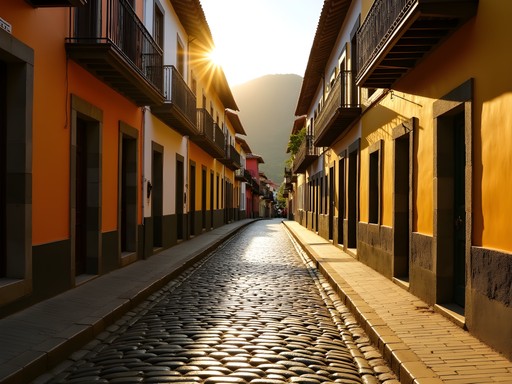
The cobblestone streets beneath my feet seemed to whisper stories of gold rushes and revolution as I wandered through Ouro Preto at dawn. This UNESCO World Heritage site in Minas Gerais isn't just another postcard-perfect Brazilian destination—it's a living museum where time moves differently, where baroque churches stand as monuments to both divine devotion and human greed. As someone who's found meaning in urban exploration from Toronto to Bangkok, I was unprepared for how this mountain town's colonial grid would unravel me, revealing its secrets one steep alleyway at a time.

First Impressions: A City Carved from Gold and Stone
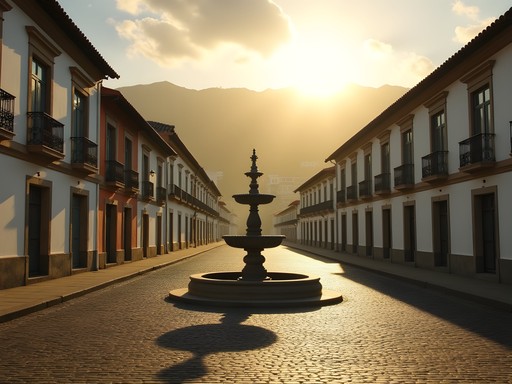
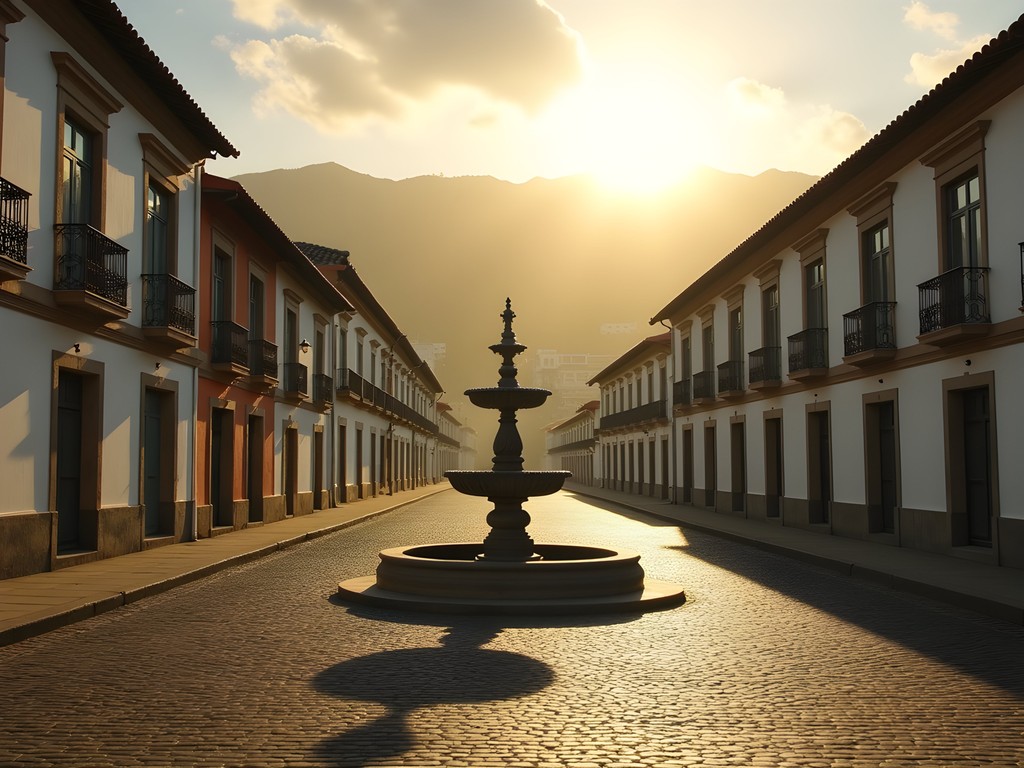
Ouro Preto hits you like a beautiful contradiction—a place simultaneously frozen in the 18th century yet vibrantly alive. After my overnight bus from Rio deposited me in the pre-dawn chill, I found myself alone in Praça Tiradentes, the town's main square, watching golden light gradually illuminate the surrounding hills and whitewashed buildings.
The name Ouro Preto (Black Gold) isn't poetic license—it's literal history. This was once the epicenter of Brazil's gold rush, where immense wealth was extracted by enslaved hands and transformed into the architectural splendor surrounding me. The weight of that history hangs in the air like the morning mist.
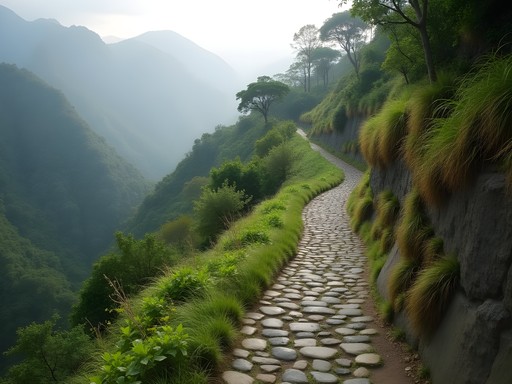
Navigating the steep streets requires sturdy footwear—my trail runners proved essential companions for the cobblestone climbs. By mid-morning, I was grateful for my insulated water bottle which kept my water cold as the Brazilian spring sun intensified. The bottle's self-purifying UV light also gave me peace of mind when refilling from public fountains.
💡 Pro Tips
- Arrive early morning or late afternoon to photograph the churches in golden light
- Wear shoes with excellent grip—cobblestones become treacherous when wet
- Start at Praça Tiradentes for orientation before exploring the hillside streets
The Sacred and the Ornate: Church-Hopping in Baroque Heaven
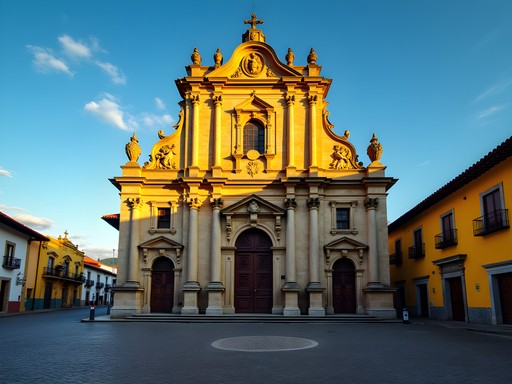
If Toronto taught me to find beauty in concrete modernity, Ouro Preto schooled me in the extravagance of baroque expression. The town boasts thirteen major churches, each competing in grandeur and artistic achievement. I spent an entire day moving between these sacred spaces, my senses overwhelmed by the gilded woodwork and Aleijadinho's masterful sculptures.
São Francisco de Assis Church stands as the undisputed masterpiece. I arrived just as an afternoon rain shower cleared, leaving the façade glistening in renewed sunlight. Inside, the ceiling paintings by Master Athaíde create an optical illusion—a heavenly dome that seems to extend infinitely upward. I sat in a back pew for nearly an hour, neck craned, lost in contemplation.
Nearby, Nossa Senhora do Pilar hides its treasures behind an unassuming exterior. Step inside to discover what locals claim is Brazil's most gold-adorned church interior—over 400 kilograms of gold leaf cover its altars and ceiling. The contrast between the humble exterior and opulent interior speaks volumes about Ouro Preto's complex relationship with wealth and faith.

💡 Pro Tips
- Purchase a combined ticket for multiple churches to save money
- Visit São Francisco de Assis around 3-4pm when light streams through the windows at perfect angles
- Bring a small flashlight to illuminate dark corners and ceiling details
Hidden Passages and Local Rhythms
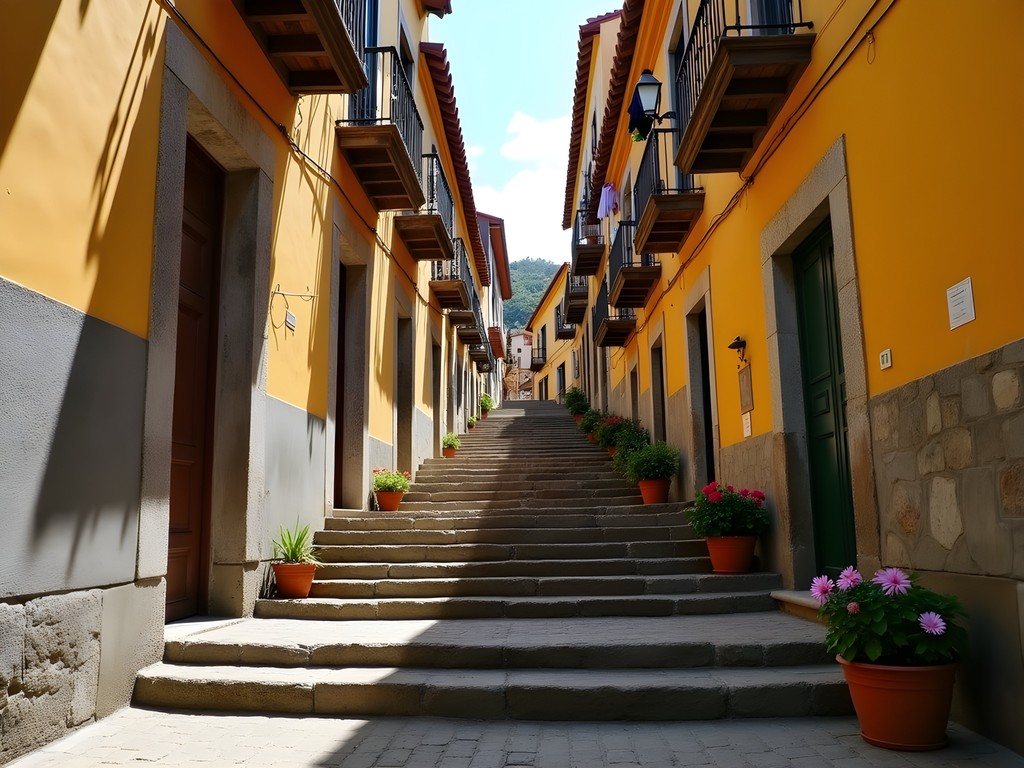
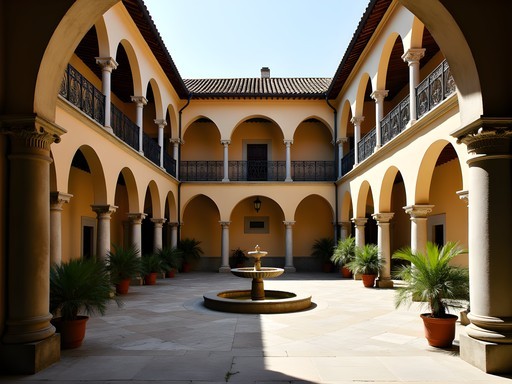
The real Ouro Preto reveals itself away from the postcard views and tourist circuits. On my second day, I deliberately got lost, following narrow alleys that twist between residential buildings, revealing hidden courtyards and unexpected vistas. These passages—some barely shoulder-width—were once used by gold smugglers avoiding the Crown's taxes.
One such detour led me to Beco do Pilão, a steep alleyway of worn steps where I encountered Dona Maria, a local artisan selling handmade soap from her doorway. Our conversation, conducted through my rudimentary Portuguese and her patient gestures, ended with an invitation to coffee in her tiny kitchen. The walls, she proudly showed me, contained stones from an 18th-century mining operation.
For exploring these hidden corners, I relied heavily on my crossbody sling bag which kept my essentials secure while leaving my hands free to steady myself on steep climbs. The weather in Ouro Preto can change rapidly, so my packable rain jacket earned its place in my bag, deployed several times during sudden afternoon showers.
As evening approached, I followed the sound of music to Largo de Coimbra, where university students gathered with guitars and percussion instruments. The impromptu jam session blended traditional mineiro songs with contemporary Brazilian music—a perfect soundtrack to the sunset painting the colonial facades in warm amber light.
💡 Pro Tips
- Download offline maps before exploring the alleys as signal can be spotty
- Learn basic Portuguese phrases—locals appreciate the effort and open up more readily
- Follow the sound of music in the evenings to find authentic local gatherings

Culinary Time Travel: Minas Gerais on a Plate
The cuisine of Minas Gerais is famously hearty—developed to sustain miners and now preserved as cultural heritage. My cashier's budget was stretched thin by this point in my journey, but I discovered that some of Ouro Preto's most authentic food experiences are also its most affordable.
At Café Geraes, a tiny establishment near Igreja do Rosário, I became addicted to pão de queijo (cheese bread) fresh from the oven each morning. The owner, noticing my daily returns, began setting aside extra pieces for me. "For energy," she'd say, pointing to the hills I planned to climb that day.
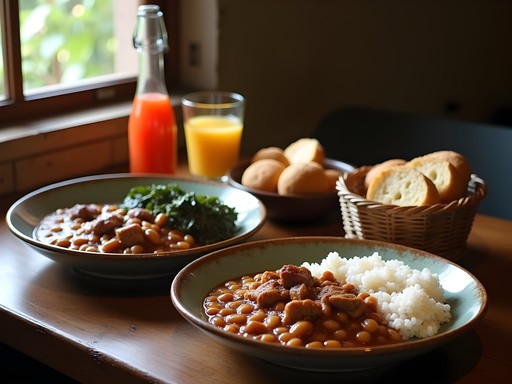
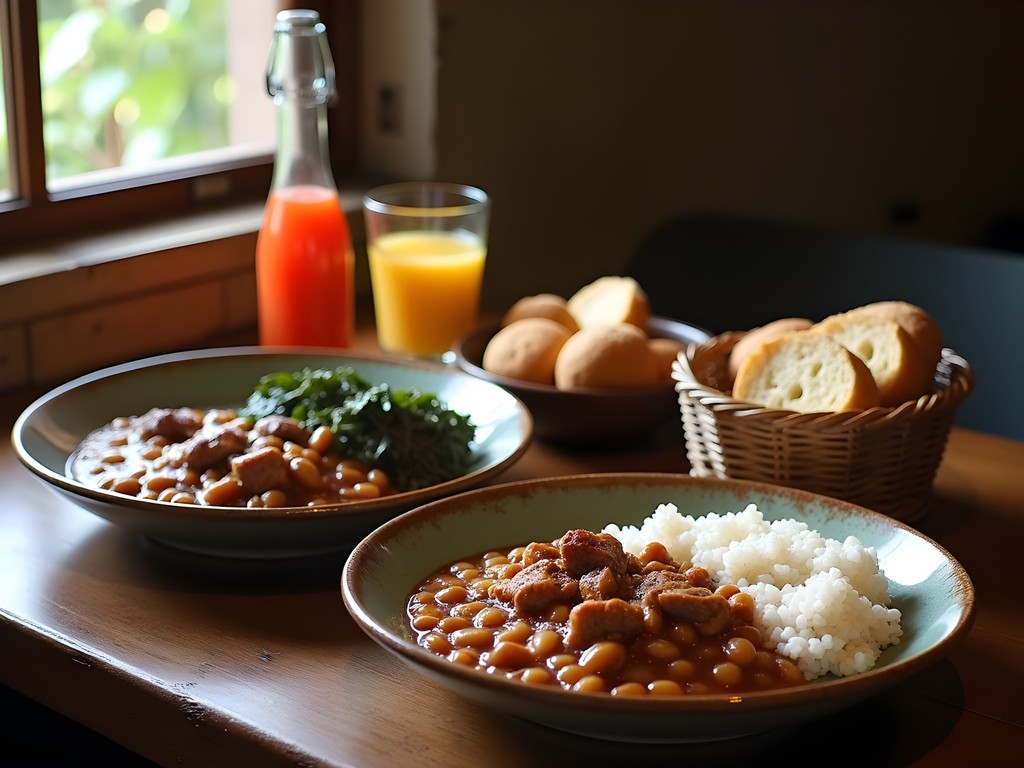
For lunch, nothing beats the comida mineira at local restaurants offering fixed-price meals. At Restaurante do Ouvidor, the spread included tutu à mineira (seasoned beans with cassava flour), roasted pork, and collard greens so perfectly prepared they made me reconsider my relationship with vegetables.
In the evenings, I saved money by shopping at the central market and preparing simple meals at my guesthouse. My travel spice kit transformed basic ingredients into flavorful dishes, a trick I've relied on throughout my budget travels. For coffee enthusiasts, I recommend bringing a portable coffee maker—Brazilian coffee is exceptional, and morning brews on my guesthouse balcony became a cherished ritual.
💡 Pro Tips
- Look for restaurants with 'PF' (prato feito) signs for affordable, authentic meals
- Visit the central market early for the freshest cheese and produce
- Ask locals where they eat—the best places are often unmarked and family-run
Mining History: Descending into Ouro Preto's Golden Past
No visit to Ouro Preto is complete without confronting the industry that built it—gold mining. The Mina do Chico Rei offers visitors a glimpse into the brutal conditions where enslaved Africans once labored. Descending into the narrow, damp tunnels with a local guide named Paulo, I felt the temperature drop and my chest tighten—not just from the close air but from the weight of history.
The story of Chico Rei himself—an African king who purchased his freedom and then gradually bought freedom for his people—provided a counternarrative of resistance and dignity amid exploitation. Standing in the cool darkness, Paulo's flashlight illuminating the rough-hewn walls where gold once gleamed, I thought about how places hold memories, how trauma and triumph can inhabit the same space.
For this underground exploration, my headlamp proved invaluable, allowing me to see details the tour guide's flashlight missed while keeping my hands free for navigating the uneven terrain. I also appreciated my quick-dry towel for wiping away the cave's dampness after emerging back into sunlight.
The nearby Museu da Inconfidência offers context for the mining history, housing artifacts from the 1789 independence movement that began in these very streets. The contrast between the opulence of the church art and the harshness of the mines creates a necessary tension in understanding Ouro Preto fully.

💡 Pro Tips
- Book mine tours in advance during high season
- Wear clothes you don't mind getting dirty—the ochre-colored soil stains easily
- Bring a light jacket even on hot days—the mines maintain a constant cool temperature
Final Thoughts
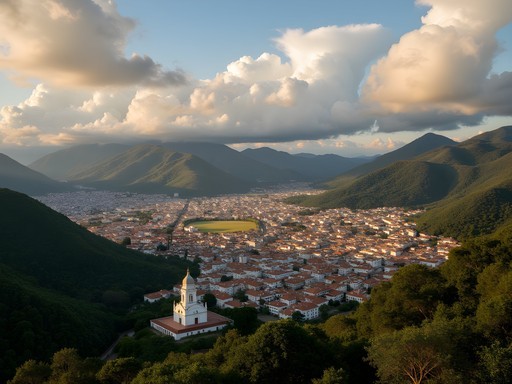
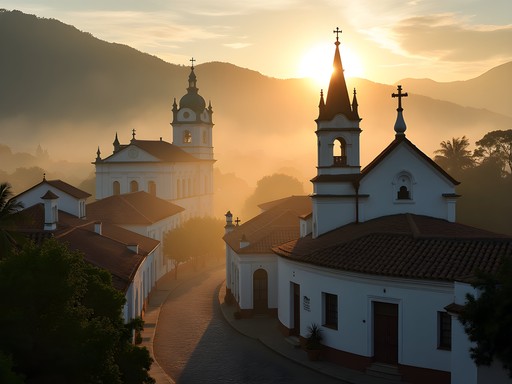
As my weekend in Ouro Preto drew to a close, I found myself at Mirante São Lucas at sunset, watching golden light wash over the town's red-tiled roofs and whitewashed walls. The church bells rang out across the valley, marking time as they have for centuries.
Ouro Preto exists in a beautiful tension—between preservation and lived experience, between acknowledging historical trauma and celebrating artistic achievement. For the urban explorer, it offers something increasingly rare: an authentic place that hasn't been sanitized for tourism, where the rough edges remain alongside the polished façades.
I came seeking baroque architecture but found something more valuable—a deeper understanding of how places shape us, how history echoes in stone and memory. As I prepare to return to my cashier's counter in Toronto, I carry with me not just photographs but new rhythms—the cadence of Portuguese conversations, the steep rise and fall of cobblestone streets, the quiet moments in church pews contemplating both beauty and its cost.
Let Ouro Preto reveal itself slowly. Wander without agenda. Sit in its squares and listen. The black gold may have been extracted long ago, but the true wealth of this place remains, waiting for those patient enough to discover it.
✨ Key Takeaways
- Ouro Preto rewards slow exploration—allow time to wander without strict itineraries
- The contrast between baroque splendor and mining history creates a necessary tension for understanding the town
- Budget travelers can experience authentic culture through affordable guesthouses, fixed-price meals, and free evening cultural events
📋 Practical Information
Best Time to Visit
Spring (September-November) or Fall (March-May)
Budget Estimate
$40-70 USD per day including accommodations and meals
Recommended Duration
Minimum 2 full days, ideally 3-4
Difficulty Level
Moderate Due To Steep Hills And High Altitude
Comments
Jean Wells
Excellent write-up, Aaron. I visited Ouro Preto in 2019 and your observations about the dawn hours are spot-on—the city truly transforms before the tour groups arrive. One tip for readers: if you're planning to visit multiple churches, purchase the combined ticket (passaporte) at the tourist office. It covers entry to several key baroque churches and saves considerable money. Also worth noting that many churches close between noon and 1:30pm, so plan accordingly. The Igreja de São Francisco de Assis with Aleijadinho's work should absolutely not be missed. Did you make it to the Mina da Passagem mine tour outside the city center?
Aaron Jackson
Great tip about the passaporte! I didn't mention it but definitely used it. Unfortunately ran out of time for the mine—next trip for sure. The São Francisco church was absolutely the highlight for me.
smartwanderer4179
This looks amazing! How long did you spend there? Planning a trip and trying to figure out if a weekend is enough.
Aaron Jackson
I did a weekend and it was perfect for the main sights! You could easily fill 3 days if you want to really slow down and explore every church though.
smartwanderer4179
Awesome, thanks!
Megan Martin
Excellent coverage of the architectural highlights, Aaron. I visited Ouro Preto during a business trip to Minas Gerais last year and managed to squeeze in a day trip - wish I'd had more time. Your section on the culinary scene is spot-on. The traditional mineiro food is hearty and delicious. For anyone planning a visit, I'd recommend trying feijão tropeiro and tutu de feijão. The restaurants around Praça Tiradentes can be touristy, but venture a few blocks away and you'll find authentic local spots with much better prices.
sunnytime
This is my first time hearing about this place and now I'm obsessed! Is it safe for solo travelers?
wanderrider
Yeah it's pretty safe! Just use normal precautions like anywhere. Stick to the main tourist areas at night.
starperson
Great write-up! I've been to Ouro Preto twice and still discover new hidden alleys each time. If you're into photography, bring a good camera with low-light capability - the interiors of those churches are dark but stunning. I used my camera and got some incredible shots. Also, don't skip the Museum of Inconfidência, really helps you understand the revolutionary history of the region.
beachlegend
Love the photos! Going next month!!
redlover
How did you get there from Rio? I'm planning a trip in October and trying to figure out the best route. Did you fly or take a bus?
Megan Martin
Not Aaron, but I flew Rio to Belo Horizonte then took a bus to Ouro Preto. The bus ride is about 2 hours through beautiful scenery. Much easier than the 7+ hour direct bus from Rio.
redlover
Perfect, thanks! That's what I was thinking of doing.
explorequeen
Love your photos!
Claire Hawkins
Beautiful post, Aaron! Ouro Preto has such a special atmosphere. When I visited with my family three years ago, my kids were fascinated by the mining history - we did a tour of Mina da Passagem and they still talk about going underground in that old mine cart. The town can get quite crowded on weekends though, so I'd echo your recommendation about early mornings. We stayed at a small pousada near Praça Tiradentes and the owner gave us the best local restaurant recommendations.
Casey Andersson
Aaron, this brings back memories! I stayed at the Solar do Rosário last year and waking up to those church bells echoing through the valleys was something else entirely. Your description of the cobblestones whispering stories really captures it. One thing I'd add for luxury travelers - the boutique pousadas in the historic center are absolutely worth the splurge. Waking up in a restored colonial mansion and having breakfast on a terrace overlooking those red roofs? Pure magic. The Pouso do Chico Rey was phenomenal. Also, hiring a local guide made such a difference in understanding the Inconfidência Mineira history. The stories behind those churches go so deep.
Venture X
Premium card with 2X miles, $300 travel credit, Priority Pass