


Disclosure: This article contains affiliate links. We may earn a commission from purchases at no extra cost to you, which helps our travel content.
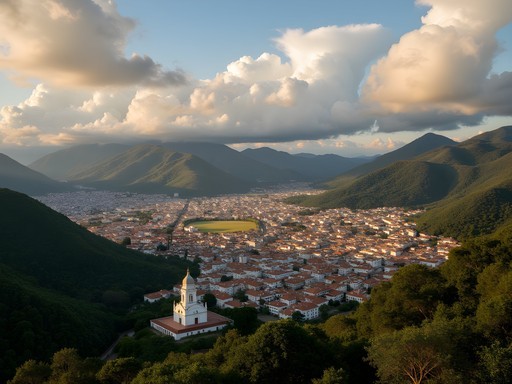
The morning mist still clung to the colonial rooftops of Ouro Preto as I laced up my hiking boots, ready to discover what the mountains surrounding this UNESCO World Heritage site had been hiding for centuries. Having lived in Brazil for years now, I'm constantly amazed at how this country continues to surprise me, and the ancient gold trails winding through the mountains of Minas Gerais might be one of its best-kept secrets for serious hikers. If you're looking to combine breathtaking natural landscapes with rich historical context in a challenging yet rewarding adventure, you've just found your next destination.

The Estrada Real: Hiking Through Colonial History
The Estrada Real (Royal Road) network represents the largest tourism project in Brazil, but most visitors only see the tamed sections. As someone who's explored these trails extensively, I can tell you the real magic happens when you venture beyond the typical tourist routes.
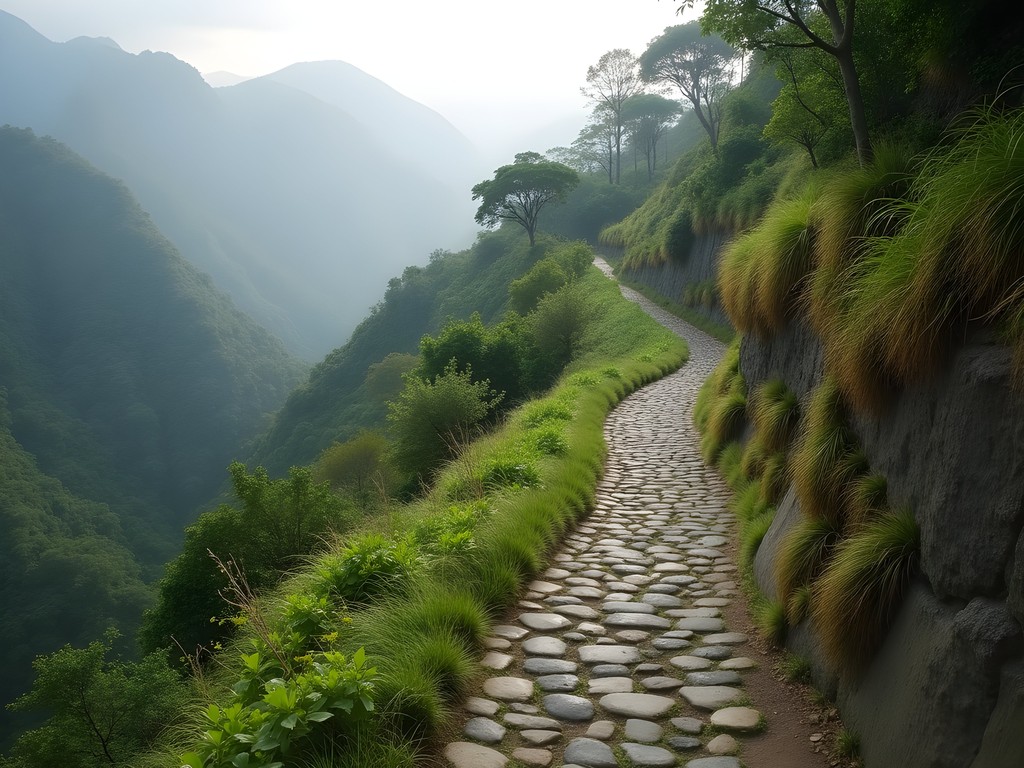
The main gold trail, originally built in the 17th century to transport gold from Minas Gerais to the coast, offers serious hikers a perfect combination of historical immersion and physical challenge. I recommend starting with the 40km section from Ouro Preto to Mariana, which can be tackled in segments or as a challenging two-day trek.
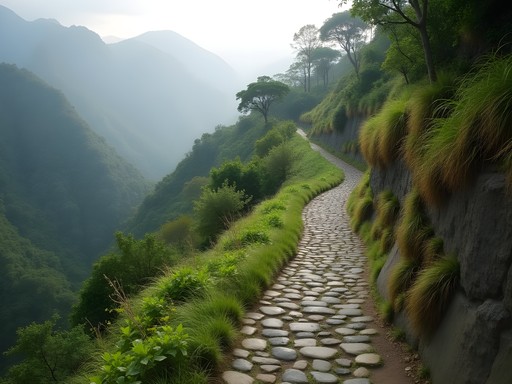
What makes these trails special isn't just the history – it's how the landscape transforms around you. One moment you're walking along stone paths laid by enslaved Africans centuries ago, and the next you're navigating dense Atlantic Forest sections with hidden waterfalls. I've hiked mountains across four continents, but there's something uniquely powerful about traversing paths where you can literally feel the weight of history beneath your boots.
💡 Pro Tips
- Register your hike with local authorities as some sections cross private property
- Download the Estrada Real app for offline maps before heading out
- Start early (6-7am) to avoid afternoon heat and thunderstorms
Conquering Pico do Itacolomi: The Guardian Peak
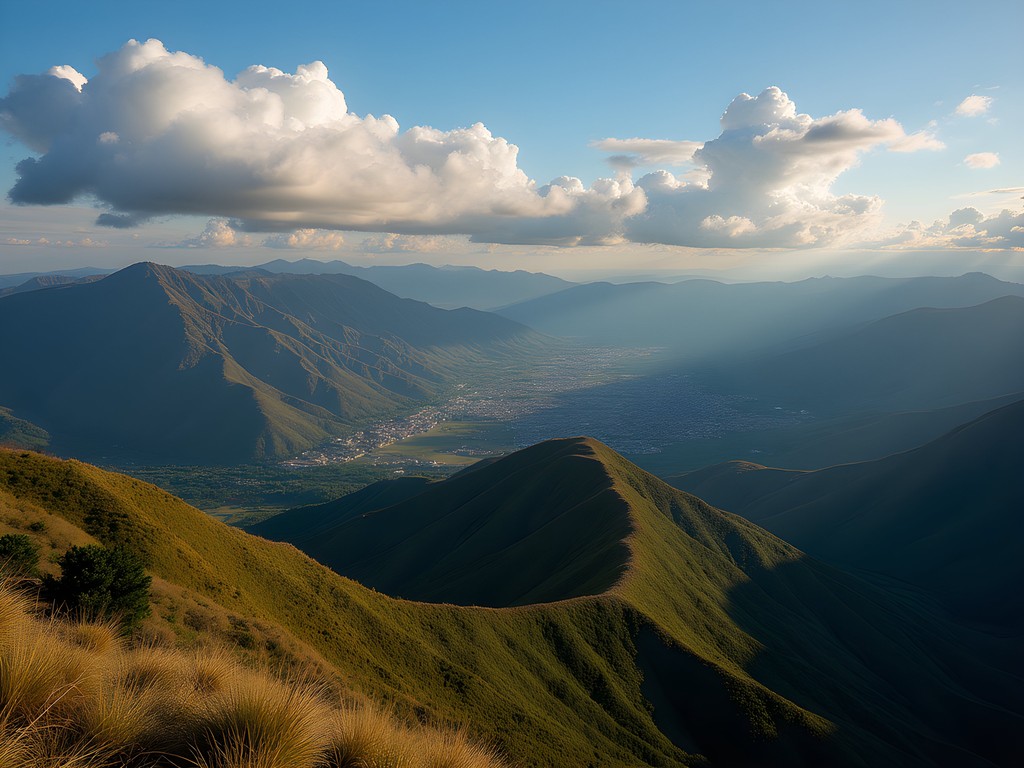
If you're an experienced hiker looking for the definitive mountain challenge in the region, Pico do Itacolomi is your summit to conquer. Standing at 1,772 meters, this distinctive peak has served as a natural lighthouse for travelers since colonial times – 'itacolomi' literally means 'stone with child' in Tupi-Guarani, referring to the smaller rock formation adjacent to the main peak.
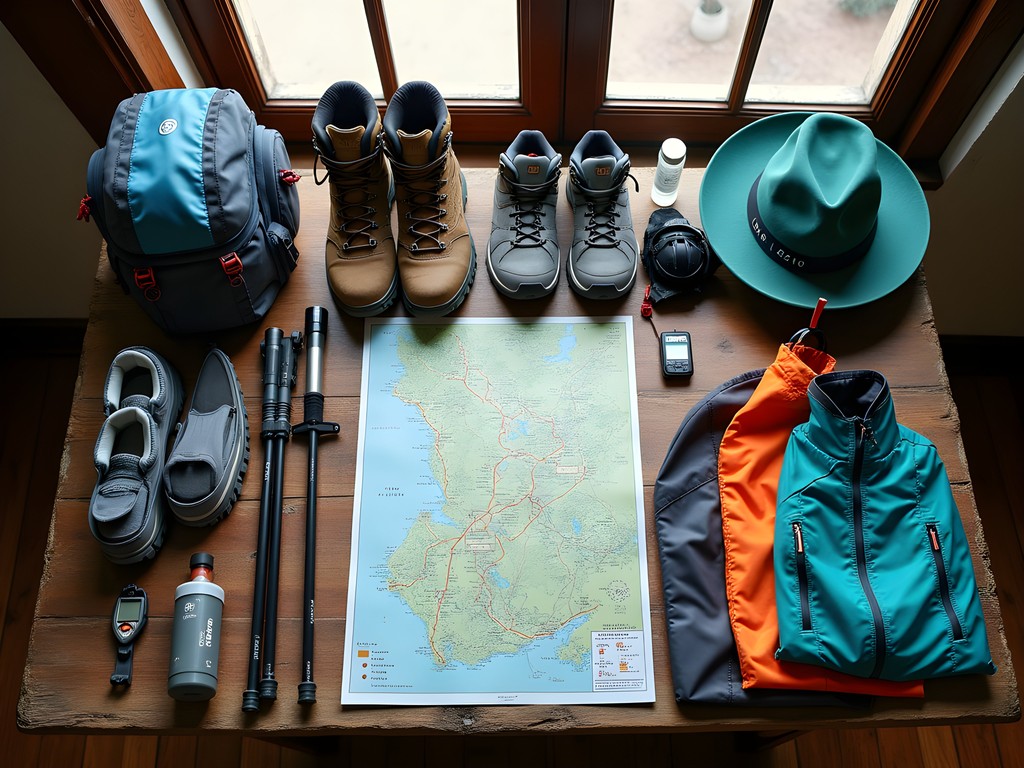
The trail begins inside Itacolomi State Park, about 15km from Ouro Preto's center. While the park offers several shorter trails, the full summit trek demands serious stamina and proper gear. I learned this the hard way during my first attempt when an unexpected rainstorm turned the trail into a slippery challenge. My trekking poles were absolute lifesavers that day, providing crucial stability on the steeper sections.
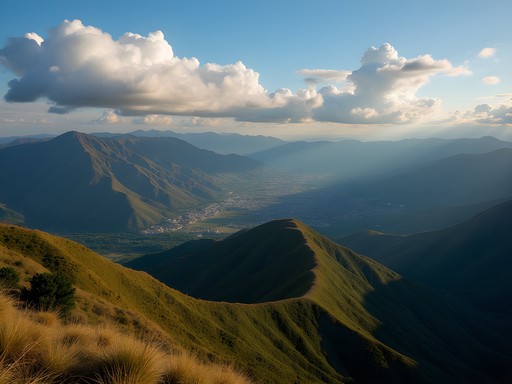
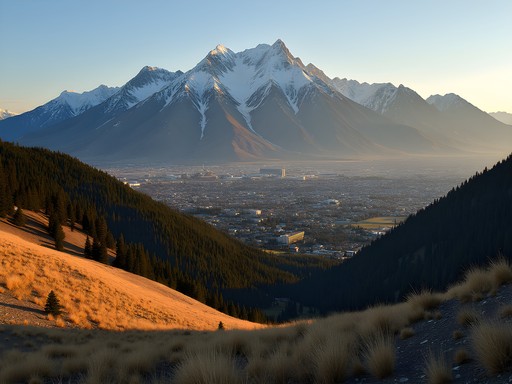
The 14km round-trip takes about 7-8 hours and involves some technical scrambling near the top. The payoff? Standing atop the rock that has guided travelers for centuries, with 360-degree views spanning multiple mountain ranges and the colonial jewels of Ouro Preto and Mariana spread out below you. On clear days, you can even spot the distant silhouette of Pico do Sol, another challenging hike for another day.
💡 Pro Tips
- Obtain your park permit the day before at the visitor center in Ouro Preto
- Bring at least 3 liters of water as there are no reliable sources along the trail
- Pack a lightweight rain shell regardless of forecast – mountain weather changes rapidly here
Serra do Caraça: Wilderness and Mystical Encounters
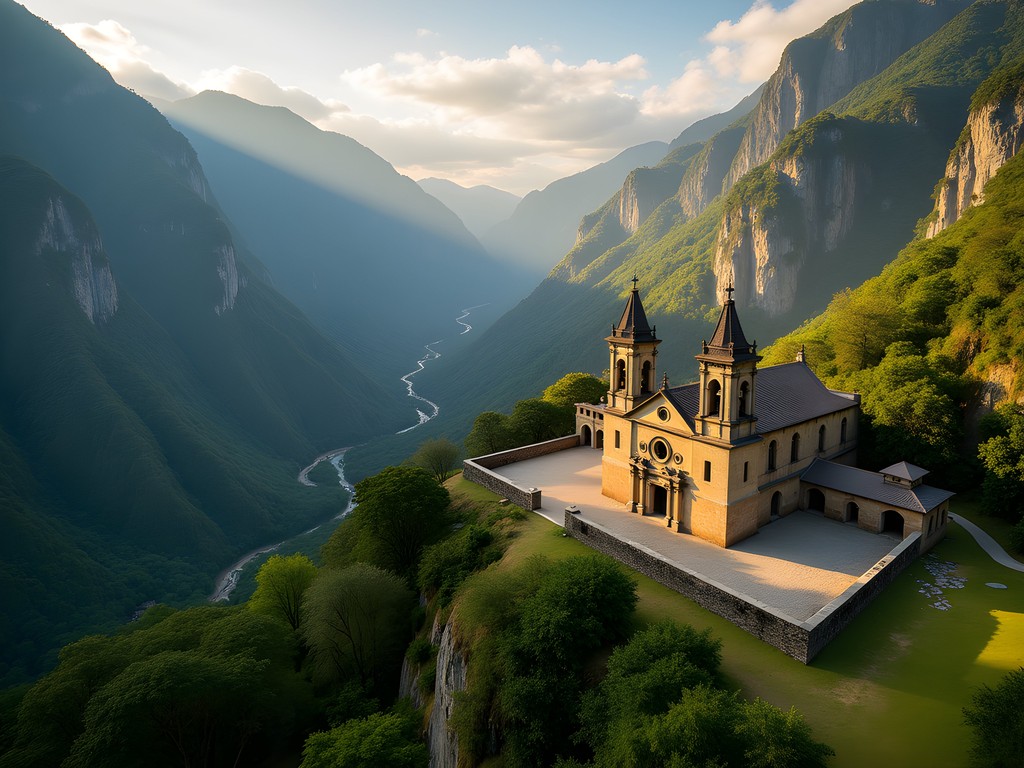
About 120km from Ouro Preto lies what I consider the crown jewel of hiking in Minas Gerais – the Serra do Caraça. This private natural reserve surrounding an 18th-century monastery offers the perfect multi-day hiking base for serious trekkers.
What makes Caraça special is the combination of challenging trails, rich biodiversity, and the unique accommodation experience. After a day conquering peaks like the Canjerana trail (a demanding 16km round-trip with 800m elevation gain), you can return to the historic monastery that now serves as an atmospheric pousada.
My favorite trail here is the Cascatona circuit, which takes you through diverse ecosystems before reaching a spectacular 64-meter waterfall. The terrain demands proper footwear – I've tested many hiking boots over the years, but my waterproof hiking boots have proven perfect for the varied conditions here, from rocky scrambles to stream crossings.
The most magical moment at Caraça happens at night, when wild maned wolves appear at the monastery steps for feeding. These shy, fox-like creatures are critically endangered, and Caraça offers one of the few places in the world to reliably observe them. After a day pushing your limits on mountain trails, watching these mystical animals emerge from the darkness feels like a reward from the mountains themselves.
💡 Pro Tips
- Reserve your stay at the monastery at least 2 months in advance – it fills quickly
- Pack a good headlamp with extra batteries for night hiking and wildlife viewing
- The higher trails can get extremely cold – bring a proper insulating layer even in spring

Essential Gear and Practical Preparation
The mountains around Ouro Preto demand respect and proper preparation. The weather can shift dramatically, with morning sunshine giving way to afternoon thunderstorms even during spring (September-November), which is generally the best hiking season.
Beyond standard hiking gear, I've found a few specialized items indispensable for these trails. A good water filter is essential as water sources exist but should be treated. The streams around Ouro Preto can contain mining residues, but the Sawyer handles these conditions admirably.
Navigation requires attention as trail markings can be inconsistent. While I use hiking apps, I've learned to always carry a backup GPS device since cell coverage is spotty at best. The eTrex's battery life has saved me multiple times when my phone died during longer treks.
Language can be a barrier on less-traveled routes. While tourism professionals in Ouro Preto often speak English, trail information and locals in remote areas typically don't. I recommend learning basic Portuguese phrases or using a translation device which works offline – it's been invaluable for asking local farmers about trail conditions or weather forecasts.
Lastly, don't underestimate the sun at these elevations. Even on cooler days, the Brazilian sun is intense. A good sun hat with neck protection has prevented many potential sunburns during my exposed ridge hikes.
💡 Pro Tips
- Purchase a good paper map from the Instituto Estrada Real in Ouro Preto as backup
- Register your hiking plans with your accommodation in case of emergency
- Carry antihistamines – some trails have plants that can cause mild allergic reactions
Hidden Waterfalls and Natural Pools
The true secret treasures of hiking around Ouro Preto are the hidden waterfalls and natural pools that offer perfect recovery spots after challenging trails. These aren't the tourist-packed cachoeiras you'll find on postcards – these are rewards reserved for those willing to put in the kilometers.
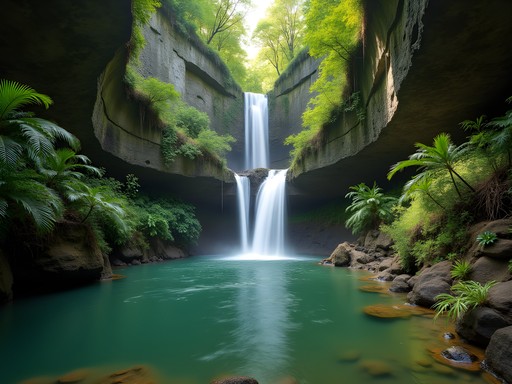
My favorite discovery came during an off-trail exploration near Lavras Novas, a small district about 20km from Ouro Preto. After following a faint path used mostly by local cattle herders, I discovered a series of three pristine waterfalls cascading into deep, emerald pools. The water here runs clear over ancient quartzite, creating natural swimming holes that soothe tired muscles after a day of climbing.
For those seeking a slightly more accessible option, the Cachoeira das Andorinhas offers a perfect compromise. Located within the Andorinhas State Park, this multi-tiered waterfall requires a moderate 5km hike that still filters out most casual tourists. I always bring my dry bag to protect my camera gear while allowing me to swim right up to the falls.
What makes these water features special isn't just their beauty – it's their historical context. Many of these streams once powered gold mining operations, and if you look carefully, you can spot old water channels and diversion structures built by colonial miners. I've spent hours sitting beside these falls, contemplating how the same waters that once fueled Brazil's gold rush now serve as natural therapy for modern adventurers.

💡 Pro Tips
- Always ask permission when trails cross private property – local landowners are generally friendly if approached respectfully
- Test water depth before jumping – water levels can change dramatically based on recent rainfall
- Pack out all trash – these pristine areas remain so because responsible hikers maintain them
Final Thoughts
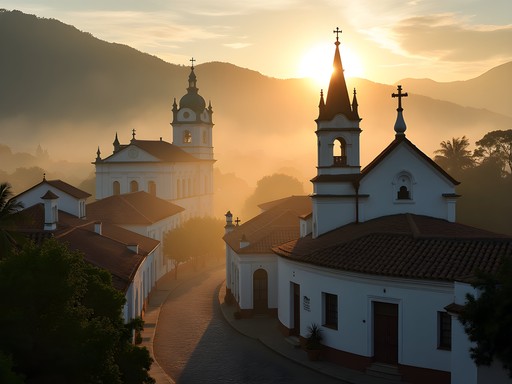
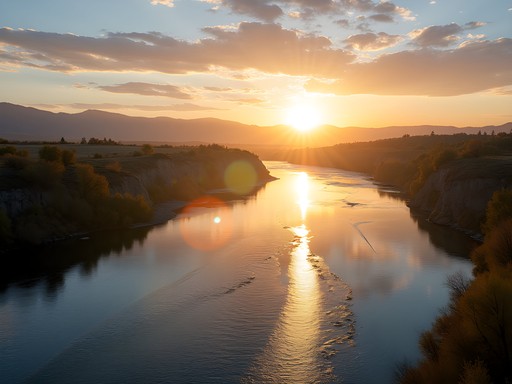
As I watched the sunset paint Ouro Preto's baroque churches in gold from a trail summit on my final evening, I couldn't help but reflect on the dual nature of these mountains. They've witnessed centuries of human ambition – from gold-hungry colonizers to modern hikers seeking personal conquests – yet they remain fundamentally unchanged, offering their challenges and rewards to anyone willing to engage with them respectfully.
The trails around Ouro Preto aren't for everyone. They demand physical preparation, proper gear, and a willingness to step outside comfortable tourist routes. But for solo travelers seeking that perfect combination of cultural immersion, physical challenge, and natural beauty, few destinations deliver as completely as these ancient gold paths.
Whether you're scrambling up Itacolomi's rocky spine, following colonial stone paths through time, or cooling off in a hidden waterfall, these mountains offer experiences that simply can't be replicated elsewhere. Just remember that the most rewarding trails are rarely the easiest ones – in Ouro Preto as in life, the path worth taking is usually the one that challenges you to go just a little further than you thought you could.
✨ Key Takeaways
- Spring (September-November) offers the best balance of good weather and manageable temperatures for hiking
- Combining historical routes like the Estrada Real with challenging summit hikes provides the most rewarding experience
- Proper navigation tools and local knowledge are essential as many trails are poorly marked
- The hidden waterfalls and swimming holes provide perfect recovery between challenging hikes
- Staying in the historic center of Ouro Preto creates the perfect contrast between cultural immersion and wilderness adventure
📋 Practical Information
Best Time to Visit
Spring (September-November)
Budget Estimate
$50-100 per day including accommodations, food and transportation
Recommended Duration
5-7 days
Difficulty Level
Challenging

Comments
globephotographer7267
Going there in August! Can't wait
Marco Flores
Kevin, this post captures the magic perfectly! I spent three weeks in Minas Gerais last summer and these trails were the highlight. One thing I'd add - the trail conditions can change quickly after rain. I learned this the hard way on Itacolomi when a quick storm turned the rocky sections pretty slippery. My hiking boots saved me more than once. Also, the small vendas (shops) in the villages along Estrada Real are lifesavers - stock up on fresh fruit and water. The locals are incredibly friendly and love sharing stories about the trails.
smartgal
That sunset photo from the trail summit is just gorgeous! Really inspiring me to finally book that Brazil trip I've been dreaming about!
dreamstar
That sunset photo is gorgeous!!
roamrider
Is Serra do Caraça doable as a day trip from Ouro Preto or should I plan to stay overnight?
summerpro
Stay overnight if you can! The monastery guesthouse is incredible and you can see the maned wolves come at night. It's about 2 hours from OP so day trip is tight.
Riley Griffin
We took our kids (ages 10 and 13) on the Estrada Real section last year and it was such a memorable experience! The historical aspect really kept them engaged - they loved imagining the gold traders walking the same paths centuries ago. We hired a local guide in town who shared amazing stories and knew all the safe spots to rest. Pro tip: start EARLY, like 7am early. We finished by noon and avoided the midday heat. The kids still talk about finding those old stone markers along the trail. Kevin, your photos brought back all those memories!
dreamstar
Did you book the guide in advance or just find someone when you got there?
Riley Griffin
We found him through our pousada - they had a few recommendations. Most guides in Ouro Preto speak at least some English if that helps!
mountaintime
Hiked this last month. Absolutely stunning.
globephotographer7267
What time of year did you go? Trying to figure out the best season for this
summerpro
Not Kevin but I went in May (dry season) and it was perfect. Clear skies, not too hot. Avoid December-February if you can, lots of afternoon rain.
adventureblogger
This looks AMAZING!! Adding to my bucket list right now 🙌
Riley Griffin
Great post Kevin! I'm planning to take my kids (12 and 14) to Minas Gerais this summer. Would you say any of these trails are family-friendly? The Estrada Real sounds fascinating from a history perspective - my son is really into colonial era stuff. Also, how's the infrastructure? Are there places to stop for snacks and water along the way, or do we need to be totally self-sufficient?
Kevin Lawrence
Riley, your kids would love the Estrada Real! It's the most accessible and has several shorter sections. There are small villages along the way with cafes. Pico do Itacolomi might be challenging for a full family day but the lower trails around it are perfect. Bring your own water though - better safe than sorry.
Venture X
Premium card with 2X miles, $300 travel credit, Priority Pass