
Disclosure: This article contains affiliate links. We may earn a commission from purchases at no extra cost to you, which helps our travel content.
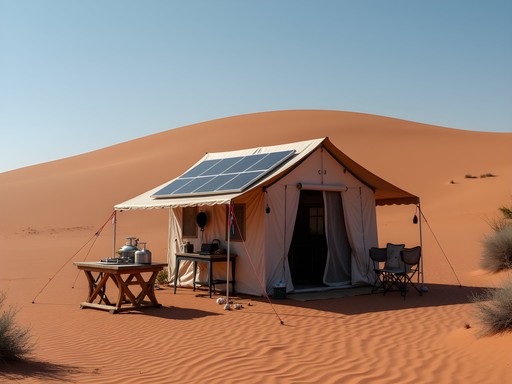
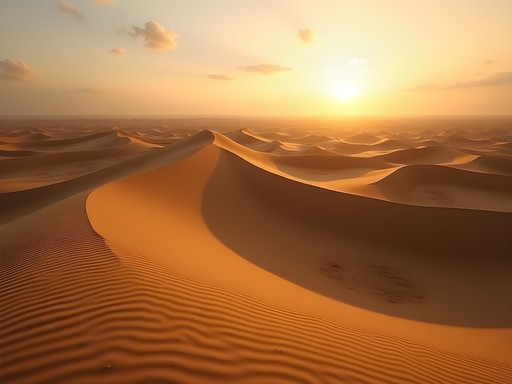
The Kalahari stretches before me like a living, breathing entity – not the barren wasteland many imagine, but a complex ecosystem pulsing with life adapted to some of Earth's harshest conditions. As a conservation scientist, I've studied desert ecosystems theoretically, but spending a month immersed in this 900,000 square kilometer wilderness has transformed my understanding of resilience, both environmental and personal. Winter in the Kalahari (June-August) offers the perfect balance: manageable daytime temperatures, wildlife concentrated around scarce water sources, and nights beneath the most spectacular star-filled skies I've ever witnessed.

Preparing for the Kalahari's Extremes
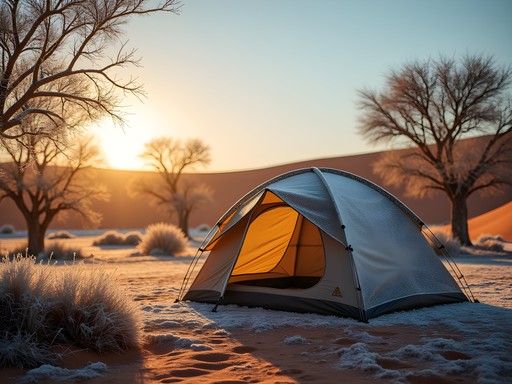
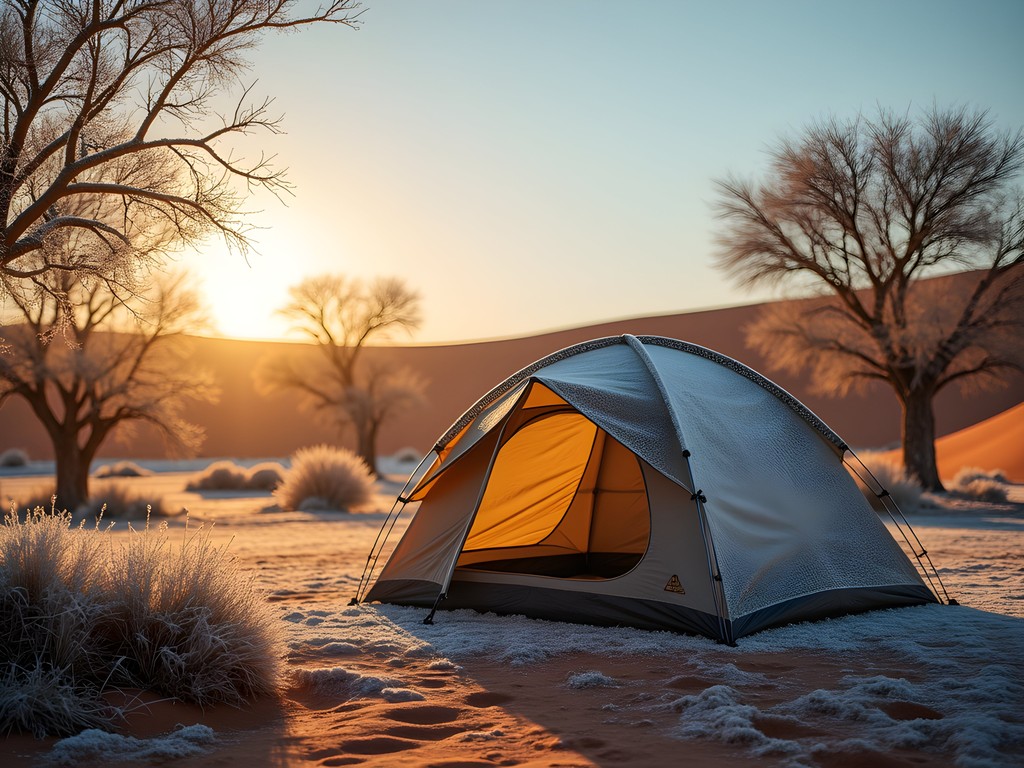
My scientific background prepared me for the ecological aspects of the Kalahari, but surviving here requires practical preparation beyond academic knowledge. Winter brings dramatic temperature fluctuations – pleasantly warm days (20-25°C) followed by bitterly cold nights that can drop below freezing. This thermal variability isn't just uncomfortable; it's potentially dangerous without proper gear.
I invested in a high-quality sleeping bag rated for -10°C, which proved essential during those frigid desert nights. Equally important was my water filtration system – despite traveling in winter, dehydration remains the desert's most insidious threat. The collapsible design saved precious pack space while ensuring I could safely filter water from the occasional pan or waterhole.
Layering became my daily ritual: lightweight, moisture-wicking base layers, insulating mid-layers, and a windproof outer shell. The Kalahari's winter winds can be surprisingly biting, especially in the Central Kalahari Game Reserve where the landscape offers little shelter from the elements.
💡 Pro Tips
- Pack clothing for temperature extremes – layers are essential for 30°C+ temperature swings between day and night
- Bring at least 4-5 liters of water capacity per day and know how to find and purify natural sources
- Include a comprehensive first aid kit with specific additions for desert environments: electrolytes, anti-diarrheal medication, and treatments for heat-related conditions
Wildlife Encounters: Conservation Insights
My conservation background gave me a unique lens through which to observe the Kalahari's remarkable wildlife adaptations. Winter concentrates animals around limited water sources, creating exceptional viewing opportunities balanced with ethical considerations about minimizing our impact on these crucial resources.
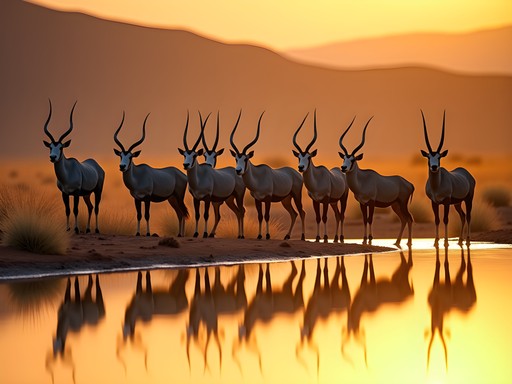
The desert-adapted species here represent evolutionary masterpieces – from the gemsbok (oryx) with its sophisticated nasal cooling system to the resourceful meerkats whose complex social structures ensure group survival. I spent three unforgettable days observing a meerkat colony near Nossob Camp, documenting their sentry behaviors and foraging strategies as part of my personal research.
Tracking became an essential skill, one I developed with the guidance of San guides whose ancestral knowledge far surpasses any academic understanding. Their ability to read the landscape – identifying hours-old leopard tracks or predicting animal movements based on subtle environmental cues – demonstrated the depth of indigenous ecological knowledge that deserves greater recognition in formal conservation efforts.
For wildlife photography, my telephoto zoom lens proved invaluable, allowing respectful distance while capturing intimate behavioral moments. I paired this with a sturdy tripod that withstood the Kalahari's challenging conditions – lightweight enough for trekking yet stable against the persistent desert winds.

💡 Pro Tips
- Always maintain respectful distances from wildlife – use binoculars or telephoto lenses rather than approaching animals
- Visit waterholes during early morning or late afternoon when wildlife activity peaks
- Learn basic tracking skills to enhance your wildlife spotting abilities – look for fresh tracks near water sources
Cultural Immersion: Learning from the San People
The ecological story of the Kalahari cannot be separated from its cultural heritage. My most profound experiences came through a week-long cultural immersion with San communities near Ghanzi, where the intersection of traditional ecological knowledge and modern conservation practices became vividly apparent.
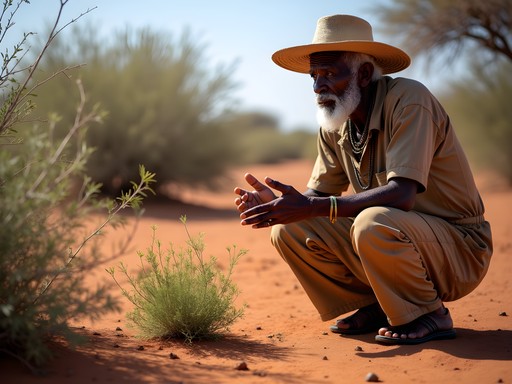
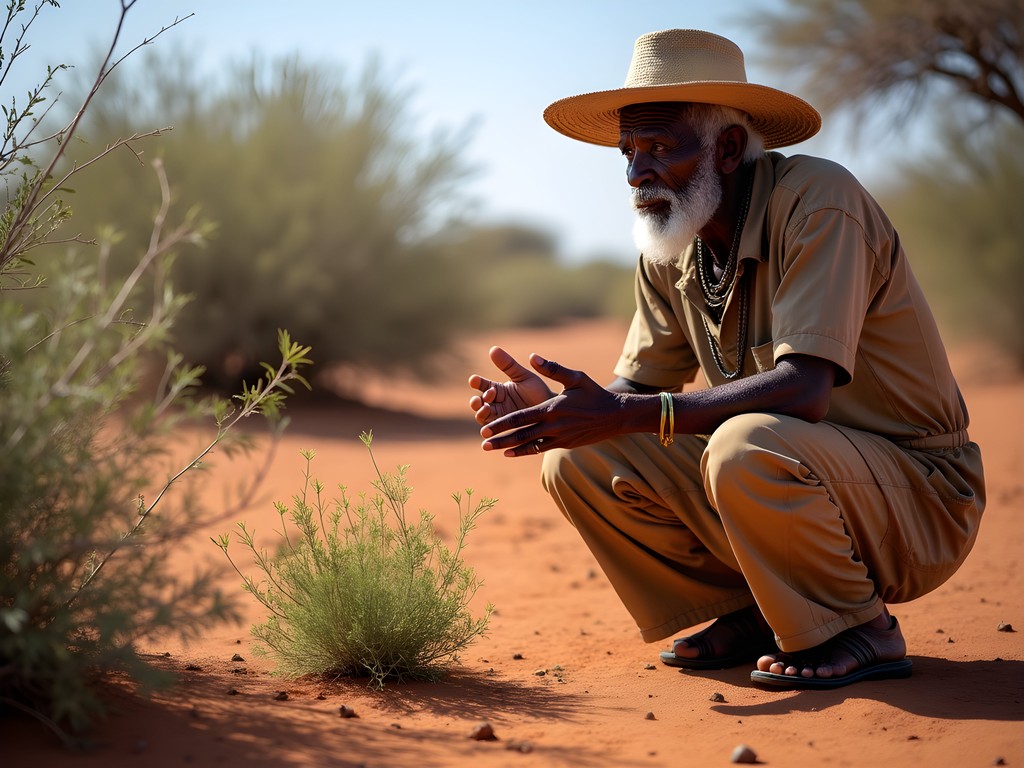
The San have inhabited this challenging landscape for over 20,000 years, developing sophisticated survival techniques that modern science is only beginning to appreciate. I participated in traditional food gathering walks, learning to identify the 'living pharmacy' of medicinal plants that thrive in seemingly inhospitable conditions. One elder showed me how certain roots store water even during drought, a potential research avenue for climate adaptation studies.
Communication presented challenges despite my preparation with a language guide. The click consonants of the San languages required practice and patience, but these efforts to learn even basic phrases significantly deepened my connections with community members. I documented these interactions in my weatherproof notebook, which withstood the harsh conditions while preserving valuable field notes.
Ethical considerations are paramount when engaging with indigenous communities. I arranged my visit through community-led tourism initiatives that ensure benefits flow directly to local people rather than outside operators. This approach aligns with my commitment to conservation models that center indigenous rights and knowledge systems.
💡 Pro Tips
- Arrange cultural experiences through community-led organizations rather than commercial operators
- Learn basic greetings in local languages – even simple efforts show respect and open doors
- Be mindful of photography etiquette – always ask permission before photographing people or cultural activities

Navigation and Survival Techniques
The vastness of the Kalahari demands serious navigation skills – this isn't a landscape forgiving of errors. Even as an experienced traveler, I found myself humbled by the challenges of orientation in an environment where landmarks can be subtle and distances deceptive.
I relied on multiple navigation systems for redundancy: a traditional compass as my primary tool, backed by a GPS device that also provided crucial emergency communication capabilities. The satellite messaging feature offered peace of mind during remote sections of my journey, allowing location sharing and emergency contact despite being far beyond cellular coverage.
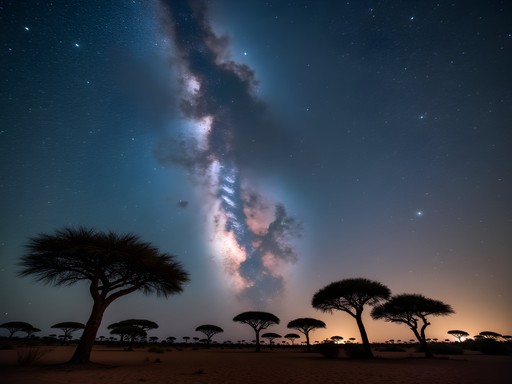
Understanding celestial navigation proved unexpectedly valuable. The Kalahari's clear winter skies reveal a stunning array of stars, and learning to identify key constellations from both northern and southern hemispheres provided reliable orientation points. The Southern Cross became my nightly companion, its position guiding my understanding of direction when other methods seemed uncertain.
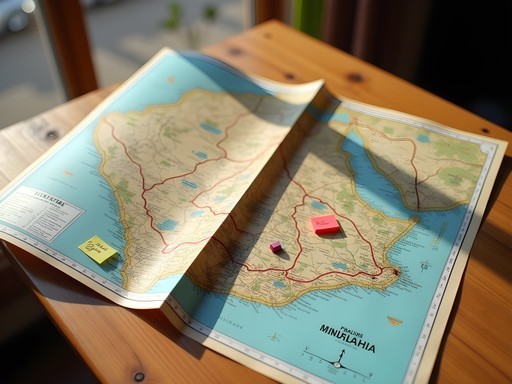
Water location and management dominated my daily planning. I mapped potential water sources before departing each camp, carried purification methods for natural sources, and learned to recognize subtle landscape indicators that might suggest subsurface water. The San guides taught me to identify plants like the Shepherd's Tree, whose presence often indicates water not far below the surface – knowledge that connects botanical understanding with practical survival.

💡 Pro Tips
- Always have multiple navigation methods – don't rely solely on electronic devices
- Learn to identify water-indicating plants and landforms specific to desert environments
- Plan each day's route around known water sources and establish clear emergency protocols
Sustainable Desert Travel: Minimizing Impact
Traveling responsibly through fragile desert ecosystems requires deliberate choices that align with conservation principles. The Kalahari may appear robust, but its slow regeneration rates mean that our impacts can persist for decades.
I committed to a strict 'leave no trace' approach, carrying out all waste (including biodegradable items that decompose slowly in arid environments) and avoiding off-track driving that damages delicate soil crusts and vegetation. For personal hygiene, I relied on biodegradable soap used sparingly and always at least 100 meters from any water source.
Energy needs presented another sustainability challenge. My solar charger eliminated the need for disposable batteries while harnessing the Kalahari's abundant sunshine. This lightweight panel easily attached to my backpack during day hikes, providing sufficient power for essential devices.
Water conservation became second nature – I developed systems for reusing water whenever possible and carried a shower bag that required minimal water while providing the psychological boost of occasional cleanliness. The black material absorbed solar heat effectively, delivering surprisingly comfortable showers even in winter conditions.
My professional background in conservation science heightened my awareness of how individual choices contribute to cumulative impacts. Throughout my journey, I documented evidence of climate change effects on this sensitive ecosystem – shifting rainfall patterns, changes in vegetation distribution, and altered wildlife behaviors – observations that will inform my ongoing research and advocacy work.

💡 Pro Tips
- Carry out ALL waste – even seemingly biodegradable items decompose extremely slowly in desert environments
- Minimize water usage through simple practices: wet wipes for quick cleaning, reusing cooking water for washing, and planning meals that require minimal water
- Support conservation initiatives and community-based tourism that creates economic alternatives to unsustainable resource extraction
Final Thoughts
A month in the Kalahari fundamentally reshapes your relationship with landscape, water, and time. This isn't merely a travel destination but a profound teacher of resilience and adaptation – lessons increasingly relevant in our climate-challenged world. The experience has deepened my conservation work, providing lived understanding of how desert ecosystems function and the sophisticated knowledge systems developed by those who have called this place home for millennia.
For those considering their own Kalahari journey, prepare thoroughly but remain open to the desert's lessons. The challenges are real – from extreme temperature fluctuations to navigation complexities – but so are the rewards: wildlife encounters unmarred by crowds, night skies untouched by light pollution, and the rare privilege of experiencing one of Earth's most remarkable environments on its own terms.
As I integrate these experiences into both my personal worldview and professional research, I'm reminded that true conservation must bridge scientific understanding with indigenous knowledge and direct experience. The Kalahari doesn't yield its secrets easily, but for those willing to approach with respect and humility, it offers insights available nowhere else on Earth. This vast wilderness isn't empty at all – it's filled with life, knowledge, and adaptations that may prove crucial to our collective future.
✨ Key Takeaways
- The Kalahari winter (June-August) offers ideal conditions for wildlife viewing with moderate daytime temperatures and animals concentrated around water sources
- Indigenous knowledge from San communities provides invaluable insights for both survival and conservation science
- Proper preparation with appropriate gear and navigation tools is essential for safety in this remote environment
- Sustainable travel practices are crucial in preserving the fragile desert ecosystem
📋 Practical Information
Best Time to Visit
Winter (June-August)
Budget Estimate
$3,000-5,000 USD for one month (excluding flights)
Recommended Duration
Minimum 2 weeks, ideally 3-4 weeks
Difficulty Level
Challenging

Comments
Marco Flores
Emilia, your post brings back so many memories! I spent three weeks in the Central Kalahari Game Reserve last year and it completely changed me. Your navigation section is crucial - I got separated from my guide for two hours when tracking a honey badger (bad decision) and those navigation skills saved me. The San people I met showed me how to find water in seemingly dry riverbeds by digging specific spots where certain plants grow. Did you try the mongongo nuts? They sustained me for days when our supplies ran low. For anyone planning a trip: the wildlife is incredible but unpredictable - we went three days seeing almost nothing, then suddenly encountered a massive herd of springbok followed by their predators. Patience is everything there.
wildclimber7937
Marco, following a honey badger?! Those things are fearless! You're lucky it ended well!
Marco Flores
Haha, yes, definitely not my smartest moment! The guide later told me they're one of the few animals they actively avoid following. Lesson learned!
coffeelife
Those sunrise photos are absolutely stunning! 😍
redwanderer2136
Just wow! I've been dreaming about the Kalahari for years but haven't had the courage. Your wildlife section has me convinced I need to make this happen. Were the nights as star-filled as they say?
Emilia Tucker
The night skies were beyond anything I could describe! Zero light pollution means you can see the Milky Way in stunning detail. Just bring warm layers - it gets surprisingly cold after sunset!
redwanderer2136
That's it, I'm booking my trip! Thanks for the inspiration!
Oliver Duncan
Brilliant post, Emilia! I did a similar trip through the Kalahari last year but only managed two weeks. The temperature swings were what shocked me most - freezing at night and scorching during the day. My best investment was my sleeping bag which handled both extremes surprisingly well. Your navigation techniques section is spot on - I got disoriented once when a dust storm hit and had to rely on a compass since GPS was useless. Did you get to try any of the traditional San medicines? There was an incredible root they showed me that instantly relieved sunburn.
Emilia Tucker
Thanks Oliver! Yes, those temperature swings are brutal. I did try several San medicinal plants - was your sunburn remedy from the aloe-like succulent? That stuff was magical. The dust storms were definitely nerve-wracking moments!
wildclimber7937
Your section on learning from the San people gave me chills! Their knowledge of the land is incredible. Did they show you any of their traditional hunting techniques?
summerclimber
This looks incredible! Did you have any issues with water rationing during your month there? I'm planning a 2-week trip and wondering how much I should realistically pack.
Emilia Tucker
Thanks for asking! Water management was definitely challenging. For 2 weeks, I'd recommend at least 4-5 liters per day plus purification tablets as backup. The local guides taught me some amazing plant-based water sourcing techniques too!
summerclimber
That's super helpful, thanks! Did you use any specific water containers that worked well in the heat?
Emilia Tucker
I used insulated water bottles that kept things cool even in 40°C+ heat. Also had a collapsible 10L container for camp that was a lifesaver!
luckydiver
Definitely doing this next year. Thanks for the inspiration!
dreamexplorer
Your photos are stunning! Especially the sunrise over the salt pans.
beachwanderer
I've done Sahara and Gobi trips but never southern Africa deserts. How does Kalahari compare in terms of accessibility and permits? Do you need special permissions for the survival aspects?
Gregory Boyd
Not Emilia, but from my experience: Kalahari is more accessible than Gobi logistically. Most areas don't require special permits unless you're in protected reserves. That said, going with local guides is essential for the cultural and survival components.
beachwanderer
Perfect, thanks Gregory!
Bryce Diaz
Your navigation section brought back memories of getting thoroughly turned around in the Namib. The Kalahari's got that same disorienting quality where landmarks just... disappear. I learned the hard way that GPS batteries die fast in extreme heat. Now I always carry a backup compass as redundancy. The San tracking techniques you mentioned - reading disturbed sand, animal behavior patterns - that's knowledge that took them thousands of years to develop. Did you get to participate in any traditional hunts or was it purely educational observation?
Emilia Tucker
Educational observation only - the community I stayed with focuses on sustainable tourism now rather than subsistence hunting. But the tracking demonstrations were incredibly detailed.
Venture X
Premium card with 2X miles, $300 travel credit, Priority Pass