


Disclosure: This article contains affiliate links. We may earn a commission from purchases at no extra cost to you, which helps our travel content.
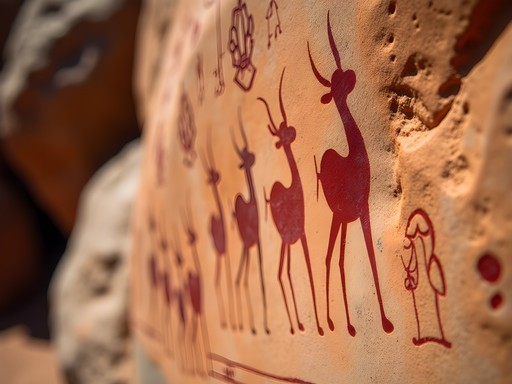
There's something profoundly humbling about standing before art created by human hands thousands of years ago. As the afternoon sun casts long shadows across the quartzite faces of Botswana's Tsodilo Hills, I find myself tracing the outline of a giraffe painted in ochre some 4,500 years earlier. This isn't my first encounter with ancient rock art—my work has taken me from Australia's Arnhem Land to Brazil's Serra da Capivara—but there's something uniquely powerful about these isolated mountains rising from the Kalahari's sea of sand. Known as the 'Louvre of the Desert,' Tsodilo contains over 4,500 paintings across four hills revered by the San people as the birthplace of all things. My week exploring this UNESCO World Heritage site would connect me not only with one of humanity's oldest continuous artistic traditions but also with the living cultural heritage of the San and Hambukushu peoples who consider these hills sacred to this day.

The Sacred Geography of Tsodilo
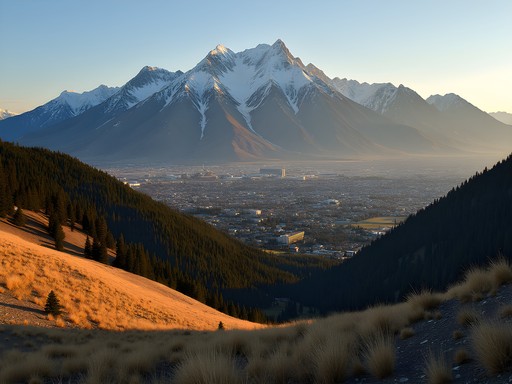
The Tsodilo Hills rise almost supernaturally from the otherwise flat Kalahari landscape—four main quartzite outcrops that have drawn human settlement for at least 100,000 years. The local San people know them intimately: Male Hill (the tallest at 410m), Female Hill (the most decorated with art), Child Hill, and an unnamed smaller outcrop sometimes called First Wife.
My guide, Xontae, a San elder whose family has lived in the region for generations, explained the hills' spiritual significance as we began our ascent of Female Hill at dawn. 'This is where the First Spirit knelt,' he said, pointing to a depression in the rock that indeed resembled a massive knee print. 'From here, all life was created.'
The hills contain not just art but a complex sacred geography of natural features—caves where rain ceremonies were conducted, channels in the rock believed to communicate with the spirit world, and mysterious depressions called 'python caves' that feature prominently in San creation myths.
As we hiked the increasingly steep path, I was grateful for my hiking boots, which provided crucial grip on the sometimes slippery quartzite. The hills may not be Kilimanjaro-tall, but in the intense heat of the Kalahari, even moderate elevation gain becomes challenging—especially when carrying enough water for a full day's exploration.
💡 Pro Tips
- Hire a local San guide for cultural context that no guidebook can provide
- Start hikes before 7am to avoid the worst midday heat
- The most accessible rock art panels are on Female Hill's eastern face
Reading the Ancient Gallery
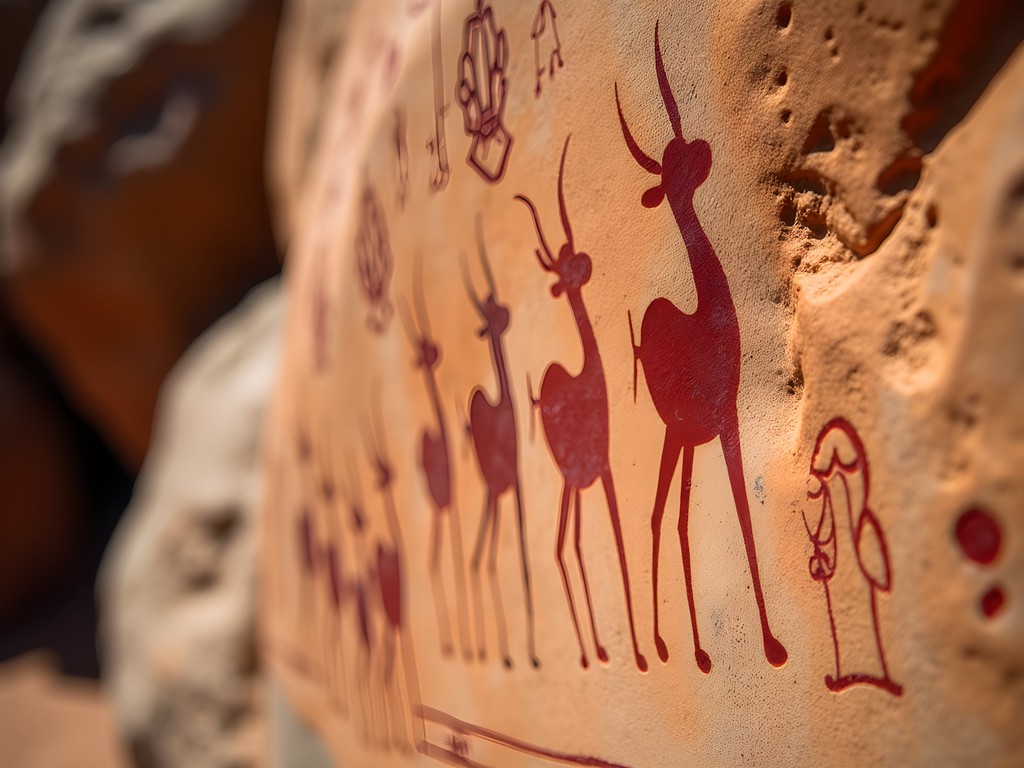
The rock art of Tsodilo spans millennia, with the oldest paintings potentially dating back 20,000 years and the most recent created just centuries ago. This creates a remarkable palimpsest where hunting scenes, geometric patterns, handprints, and animal figures overlap across sun-baked rock faces.
Xontae led me to the famed 'Rhino Panel,' where I pulled out my binoculars to study details I might otherwise miss. These compact but powerful optics have become essential for my archaeological explorations, allowing me to examine higher panels without disturbing the fragile site.
'See how the rhino is painted with its legs extended?' Xontae pointed out. 'This shows it running, perhaps being hunted. But look closer at the figures nearby.'
Indeed, what I initially took for human hunters appeared, on closer inspection, to have animal features—therianthropes, or human-animal hybrid figures that likely represent shamanic transformation experiences central to San spiritual practices.
The White Lady panel—misnamed by early European explorers who mistook a male shaman covered in white pigment for a Caucasian woman—reveals how cultural biases can distort interpretation. This has particular resonance for me given my own Indigenous Australian heritage, where similar misinterpretations plagued early documentation of Aboriginal rock art.
'These aren't just pictures,' Xontae explained as we sat in the shade of an overhang adorned with dozens of animal figures. 'They're doorways between worlds, created when shamans entered trance states and traveled to the spirit realm.'
💡 Pro Tips
- Morning and late afternoon light reveals different panels more clearly due to changing shadows
- Photography is permitted but no flash—bring a tripod for low-light conditions
- The 'Rhino Panel' and 'White Lady' are must-see panels with the richest cultural context
Living Among the Mountains
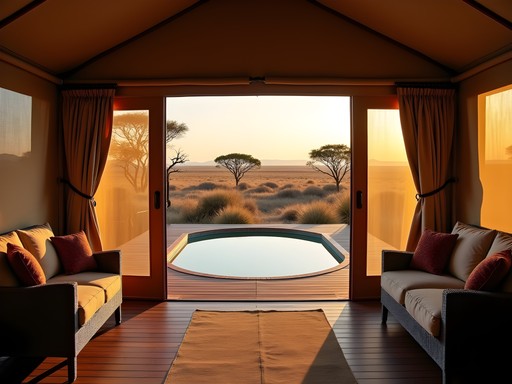
The Tsodilo Hills Community Camp, run by local San and Hambukushu people, served as my base for the week. The camp offers simple but comfortable accommodation in traditional-style rondavels with modern amenities like solar showers—a welcome luxury after dusty days of exploration.
What makes staying here special isn't the facilities but the opportunity to engage with communities who maintain deep connections to the hills. Each evening, I joined other travelers and local residents around a central fire, where stories were shared and traditional dances occasionally performed.
One night, a Hambukushu elder named Disho described how his people arrived in the region centuries after the San, developing a complex relationship that included both conflict and cooperation. 'The hills have enough stories for everyone,' he explained, 'and enough water too—that's why people have always come here.'
Indeed, despite being surrounded by arid Kalahari landscapes, Tsodilo features several permanent springs that have sustained human habitation for millennia. Modern archaeological work has uncovered evidence of extensive trade networks linking Tsodilo to distant regions—glass beads from the Indian Ocean coast, copper from central Africa, and marine shells from thousands of kilometers away.
The camp's simple restaurant serves traditional foods alongside more familiar options. I particularly enjoyed the morogo (wild spinach) and fresh bread baked daily in earth ovens. For self-catering, I relied on my trusty camp stove for morning coffee before dawn departures—the compact design has accompanied me through rainforests and deserts alike.

💡 Pro Tips
- Book the community camp well in advance as space is limited
- Bring cash as there are no ATMs—payments support local conservation efforts
- Pack a headlamp with a red light setting to preserve night vision for spectacular stargazing

Wilderness Beyond the Art
While the rock art rightfully commands attention, Tsodilo's natural environment deserves equal appreciation. The hills create a microclimate distinct from surrounding Kalahari plains, supporting woodland vegetation and wildlife typically found in less arid regions.
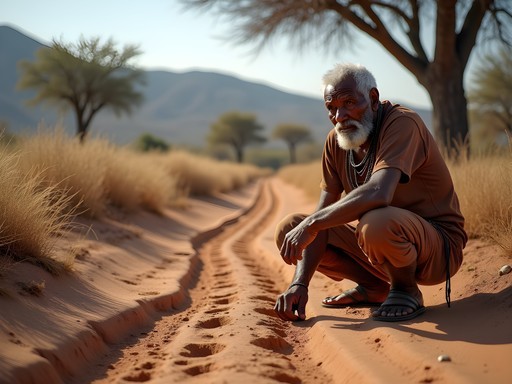
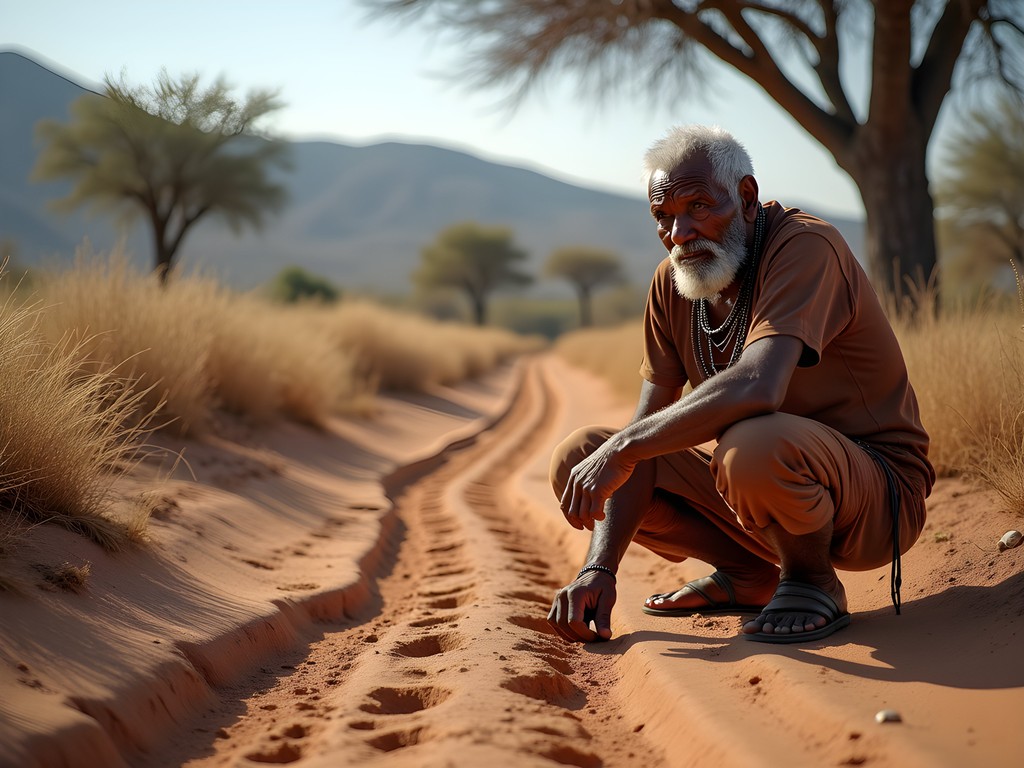
On my third day, I joined a tracking walk led by Karoha, a San hunter whose knowledge of the landscape bordered on supernatural. Within minutes of leaving camp, he was pointing out signs invisible to my untrained eye—a slight depression indicating a porcupine's nocturnal passing, the barely perceptible track of a leopard that had prowled through camp boundaries before dawn.
'The hills watch everything,' he said matter-of-factly. 'Nothing moves here without leaving a story.'
The winter season (June-August) offers ideal conditions for extensive hiking, with comfortable daytime temperatures and crisp, clear nights perfect for astronomy. The Kalahari's famously dark skies revealed a Milky Way so bright it cast shadows, and I spent hours capturing time-lapse footage with my camera mounted on a travel tripod, its carbon fiber construction making it light enough to carry even on the most demanding hikes.
Wildlife is present but not abundant—this isn't a traditional game-viewing destination. Yet patient observers might spot klipspringer antelope navigating impossible-looking rock faces, troops of baboons, and numerous bird species including the rare Schalow's turaco.
My most memorable wildlife encounter came unexpectedly during a solo hike (always arranged with guides' knowledge) when I stumbled upon a rock python sunning itself on a flat boulder. We regarded each other with mutual wariness before it slithered unhurriedly into a crevice—a living embodiment of the python spirit central to San creation mythology.
💡 Pro Tips
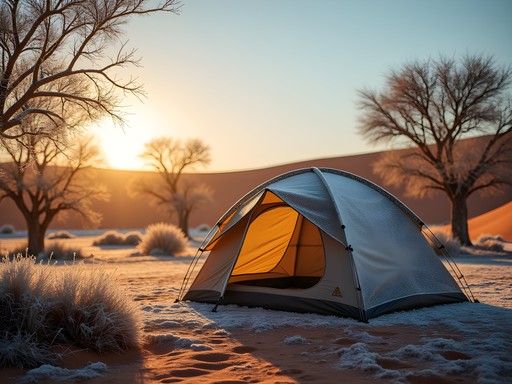
- Winter nights are surprisingly cold—pack a good quality sleeping bag rated to at least 5°C/40°F
- Guided tracking walks offer insights into the ecology you'd never notice independently
- The hills create their own weather—always carry rain protection even in dry season
Preservation Challenges in a Changing World
The UNESCO World Heritage designation in 2001 brought much-needed protection to Tsodilo but also new challenges. Visitor numbers, while still modest compared to better-known sites, have increased steadily, raising concerns about physical impacts on fragile rock art and the cultural appropriateness of tourism in sacred spaces.
'Before UNESCO, few outsiders came,' explained Kemmonye, a young Hambukushu woman working as the site's education coordinator. 'Now we must balance sharing our heritage with protecting it.'
The management plan developed in partnership with local communities restricts visitor numbers and mandates guided tours, with proceeds supporting conservation and community development. It's an imperfect but promising model that resonates with similar efforts I've documented in Australia's Kakadu and Peru's Machu Picchu.
Climate change presents perhaps the greatest long-term threat. Increasing temperature extremes and changing rainfall patterns stress the delicate balance that has preserved these paintings for millennia. Some panels already show accelerated exfoliation of rock surfaces, potentially losing irreplaceable art within decades.
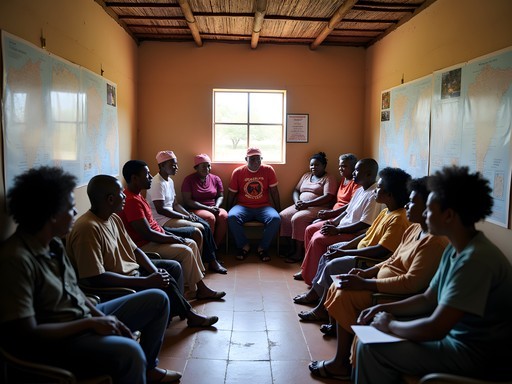
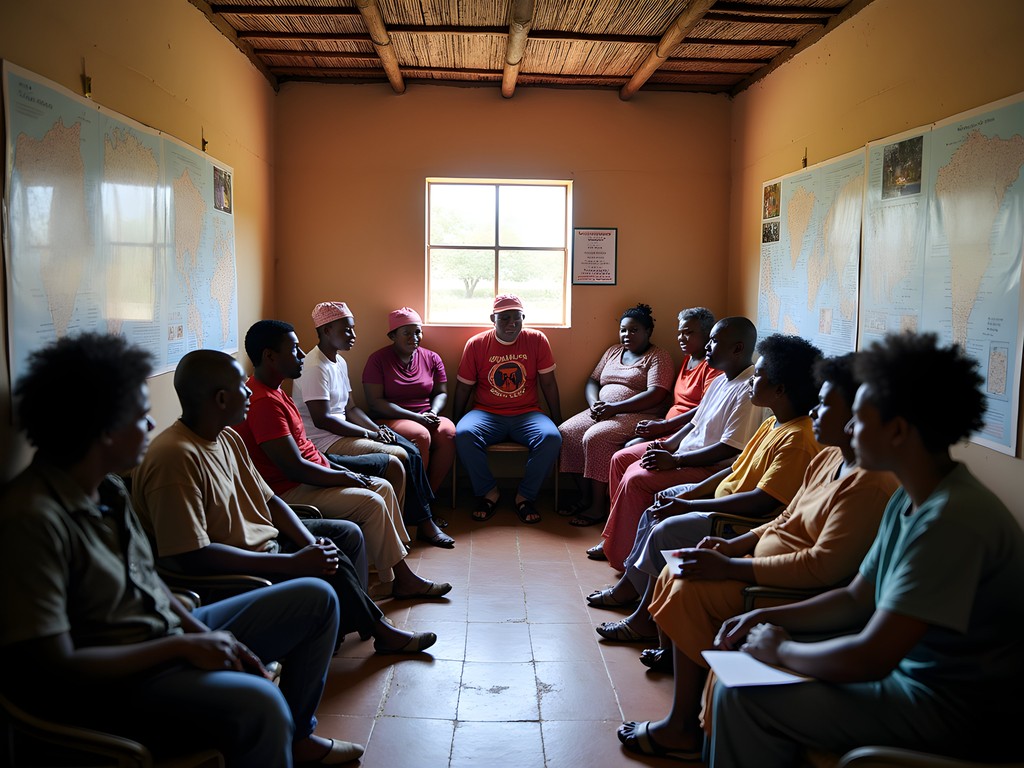
On my final evening, I joined a community meeting where elders and youth discussed these challenges. What struck me most was their temporal perspective—they spoke of responsibilities extending seven generations forward, a timeframe rarely considered in our accelerated modern discourse.
As development pressures mount in Botswana's rapidly evolving economy, Tsodilo stands as a testament to different values—where significance isn't measured in economic output but in cultural continuity and spiritual connection. The hills have witnessed 100,000 years of human adaptation; one hopes they'll witness many more.
💡 Pro Tips
- Visit the small but informative museum near the main entrance before exploring the hills
- Purchase crafts directly from community artisans rather than in Maun or Gaborone
- Consider donating to the Tsodilo Hills Conservation Trust which supports documentation of oral histories
Final Thoughts
As my bush plane lifted off from the small airstrip near Tsodilo, banking sharply to offer one final view of the hills receding into the vast Kalahari, I found myself reflecting on connections across time and space. The ochre pigments used by Tsodilo's ancient artists are chemically identical to those used by my Indigenous ancestors in Australia's Arnhem Land—a reminder of our shared human journey. These hills stand as testament to humanity's enduring creative impulse and our need to make meaning through art. They remind us that before we built cities or wrote books, we painted stories on stone, reaching across millennia to speak of what mattered most. If you seek an encounter with both our deepest past and the complex challenges of heritage preservation in our present, Tsodilo awaits—not as a convenient tourist stop, but as a pilgrimage worth every challenging mile of the journey.
✨ Key Takeaways
- Always visit with local guides who provide cultural context and ensure respectful engagement with sacred sites
- Winter (June-August) offers ideal exploration conditions with moderate temperatures and clear skies
- Plan at least three full days to properly experience both the rock art and surrounding wilderness
- The community camp provides the most authentic and supportive accommodation option
📋 Practical Information
Best Time to Visit
June-August (winter)
Budget Estimate
$150-200 USD per day including guide fees, accommodation, and transport from Maun
Recommended Duration
5-7 days
Difficulty Level
Moderate To Challenging
Comments
Ahmed Greene
Beautiful piece, Erik. Tsodilo is one of those places that changes how you think about human history. I was there in 2021 and spent three days camping and exploring. One thing I'd add for future visitors - the spiritual significance of these hills to the San people is very real and present. This isn't just an archaeological site, it's a living sacred space. Be respectful, follow your guide's instructions about where you can and can't go, and don't touch the paintings. Also, the stars at night are absolutely mind-blowing. Bring a good headlamp for navigating camp after dark.
nomadmaster
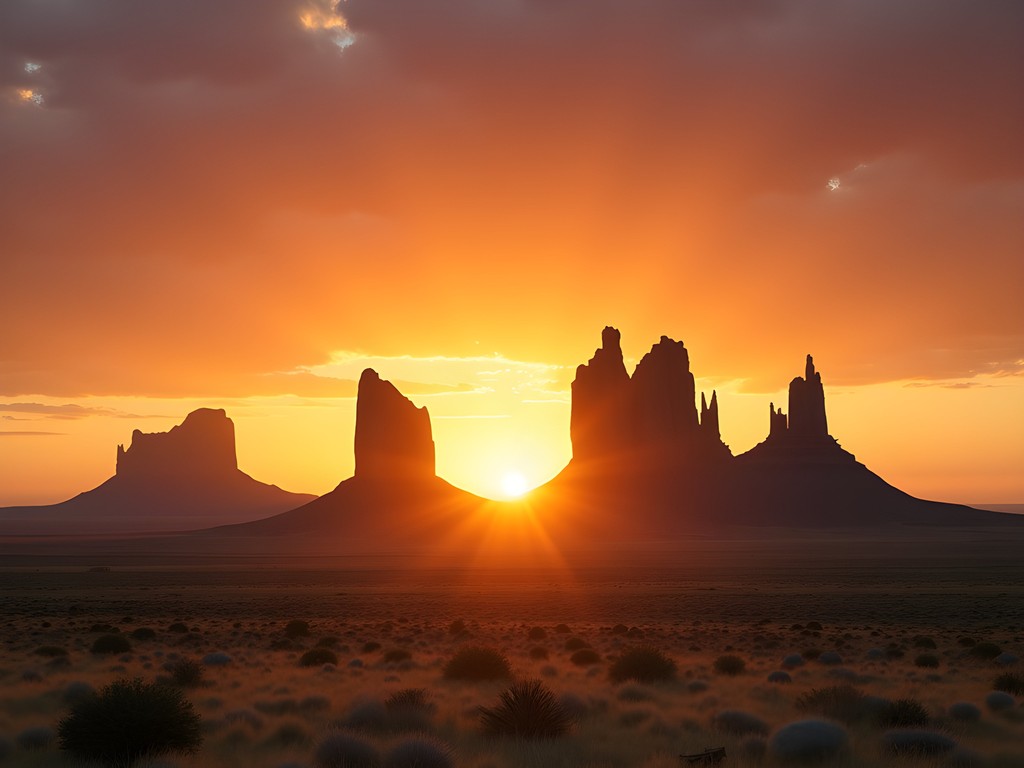
That sunset shot is stunning!
coolace
This might be a dumb question but is it safe for solo travelers? This would be my first trip to Africa and I'm a bit nervous.
Oliver Duncan
Not a dumb question at all! Botswana is generally very safe and Tsodilo is a UNESCO site with local guides available. Just arrange things in advance - don't just show up. Book your guide ahead of time through the community trust. The bigger challenge is the remoteness and logistics rather than safety.
coolace
that's really reassuring, thank you!
freeking
been to botswana twice but never made it to tsodilo. always ran out of time. your photos are making me regret that big time! the rock art looks way more extensive than i realized. how long would you recommend spending there to really see everything properly?
Erik Murphy
I'd say minimum a full day, ideally two if you want to hike all four hills and really take your time with the art. The main paintings on Male Hill take 3-4 hours to see properly.
oceanphotographer
Planning a Botswana trip for July - is that a good time to visit or should I aim for different season? Also your photos are stunning, what a special place.
Megan Martin
July is winter in Botswana - dry season, so great for wildlife viewing but can get quite cold at night if you're camping. Days are usually perfect though. Just pack layers!
springgal2557
Is there anywhere to stay nearby or do you have to camp? Not sure I'm ready for camping in the Kalahari!
Ahmed Greene
There's a small community-run campsite with very basic facilities - just pit latrines and cold showers. No lodges right at Tsodilo itself. Your closest proper accommodation is back in Shakawe or Etsha, about 40-50km away. I stayed at a guesthouse in Shakawe and did Tsodilo as a long day trip. The camping is rustic but safe if you're up for it - just bring all your supplies!
springgal2557
thanks Ahmed! day trip sounds more my speed :)
Oliver Duncan
Erik, this brought back so many memories! I visited Tsodilo back in 2019 and camped at the basic site near the hills. Waking up to the sound of the bush and watching the sun rise over Male Hill was one of those travel moments that stays with you forever. The San guide we hired was incredible - the stories he shared about the paintings gave them so much more context and meaning. For anyone planning to go: bring plenty of water, the heat is intense even in winter. And definitely hire a local guide, you'll get so much more from the experience.
nomadmaster
agree 100% on the guide. totally worth it
tripmate
How did you get there from Maun?
Erik Murphy
I flew in on a small charter from Maun - about 45 minutes. You can also drive (about 4-5 hours) but you'll need a 4x4 and good navigation. The roads are pretty rough!
tripmate
thanks! probably gonna fly then lol
beachway
WOW this looks absolutely incredible!! Adding to my bucket list right now!
Megan Martin
Erik, beautiful post as always. I visited Tsodilo in 2019 and was absolutely blown away by the experience. One thing I'd emphasize for anyone planning to visit: hiring a local San guide isn't just recommended, it's essential. They bring the rock art to life with stories and context you simply can't get from guidebooks. The spiritual significance of these hills to the local communities adds such depth to the visit. Did you stay at the basic campsite near the hills or fly in and out the same day?
oceanphotographer
Good to know about the guides! How much did that cost approximately?
Megan Martin
It was around 400 pula for a half-day tour back then (maybe $35 USD?). Absolutely worth every cent.
Venture X
Premium card with 2X miles, $300 travel credit, Priority Pass