


Disclosure: This article contains affiliate links. We may earn a commission from purchases at no extra cost to you, which helps our travel content.
Standing at the confluence of the Amazon River and the Atlantic Ocean, Belém offers a fascinating gateway into one of Earth's most complex ecosystems. As someone who's spent decades studying how ancient peoples adapted to challenging environments, I found the Amazon Basin's seasonal rhythms reminiscent of the Southwest's canyon systems – both landscapes shaped by water's patient persistence. My week in Belém last October revealed a city where modern Brazilian culture blends with the rainforest's ancient wisdom, creating perfect launching points for day adventures that transform with the seasons.

Navigating Belém's Gateway to the Amazon
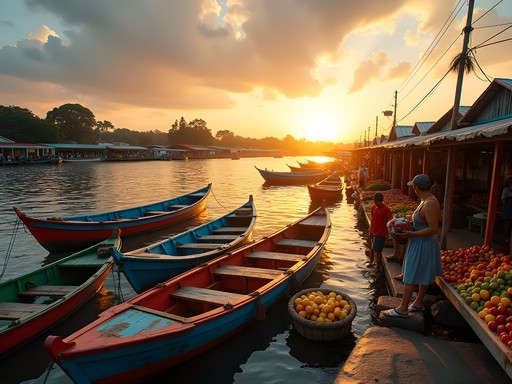
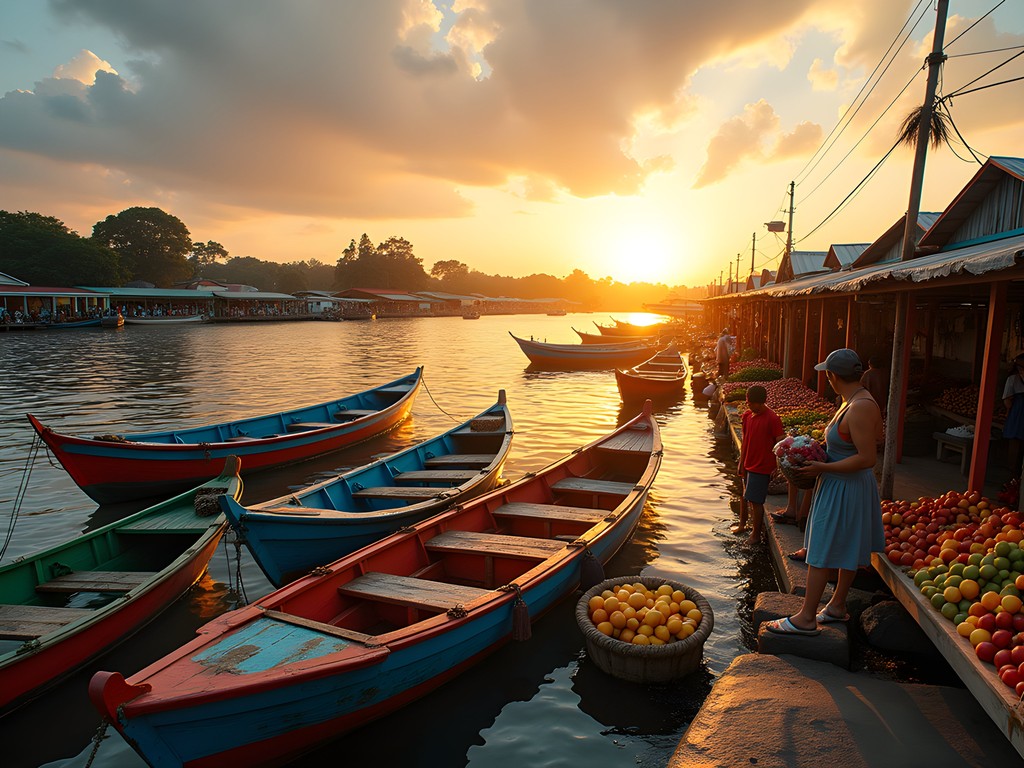
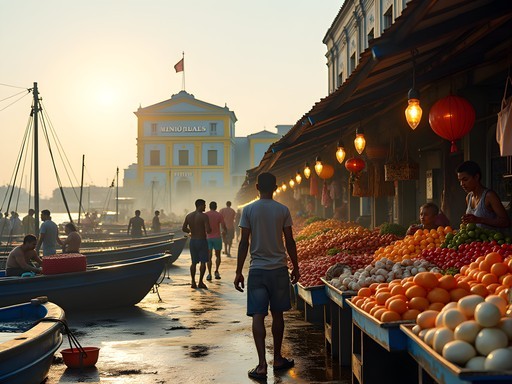
Belém sits at what Brazilians call the 'mouth of the Amazon,' though technically it's positioned along the Pará River within the greater Amazon Basin. This distinction becomes immediately apparent when you visit the Ver-o-Peso Market, a sprawling riverside marketplace dating back to 1688 where indigenous knowledge systems remain alive through the medicinal plants, regional fruits, and fishing techniques on display.
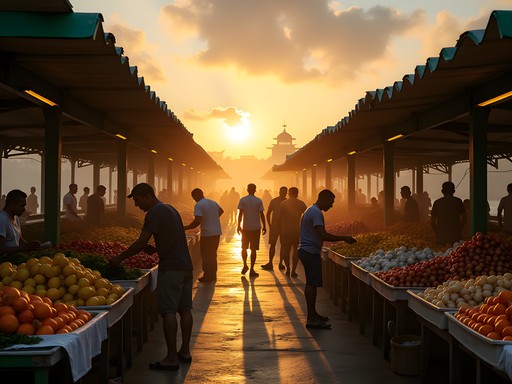
During my exploration, I found myself repeatedly drawn to this market at different times of day, observing how the activity patterns shifted—much like how archaeological sites reveal different aspects depending on the angle of sunlight. Early mornings showcase fishermen arriving with their catches, while afternoons highlight the botanical medicine vendors with their encyclopedic knowledge of rainforest pharmacology.
For navigating the river systems, I recommend investing in a quality dry bag to protect cameras and field notes. The humidity here is persistent, and unexpected rain showers are common even in the 'drier' fall season. When exploring the market, I relied heavily on my insect repellent wristband which proved surprisingly effective against the persistent Amazon insects without having to constantly reapply spray repellents.
💡 Pro Tips
- Visit Ver-o-Peso Market before 7 AM to see fishing boats arrive with fresh catches
- Learn a few basic Portuguese phrases - English is less common here than in Rio or São Paulo
- Exchange money at official banks rather than at the market where rates are less favorable
Combu Island: A Day Trip Through Changing Ecosystems
Just a 20-minute boat ride from Belém lies Combu Island, a floodplain ecosystem that offers a perfect introduction to Amazonian environmental adaptations. What fascinates me as someone who studies how ancient civilizations responded to environmental changes is how the residents of Combu have developed a seasonal calendar that mirrors what we see in archaeological records of Amazonian settlements thousands of years old.
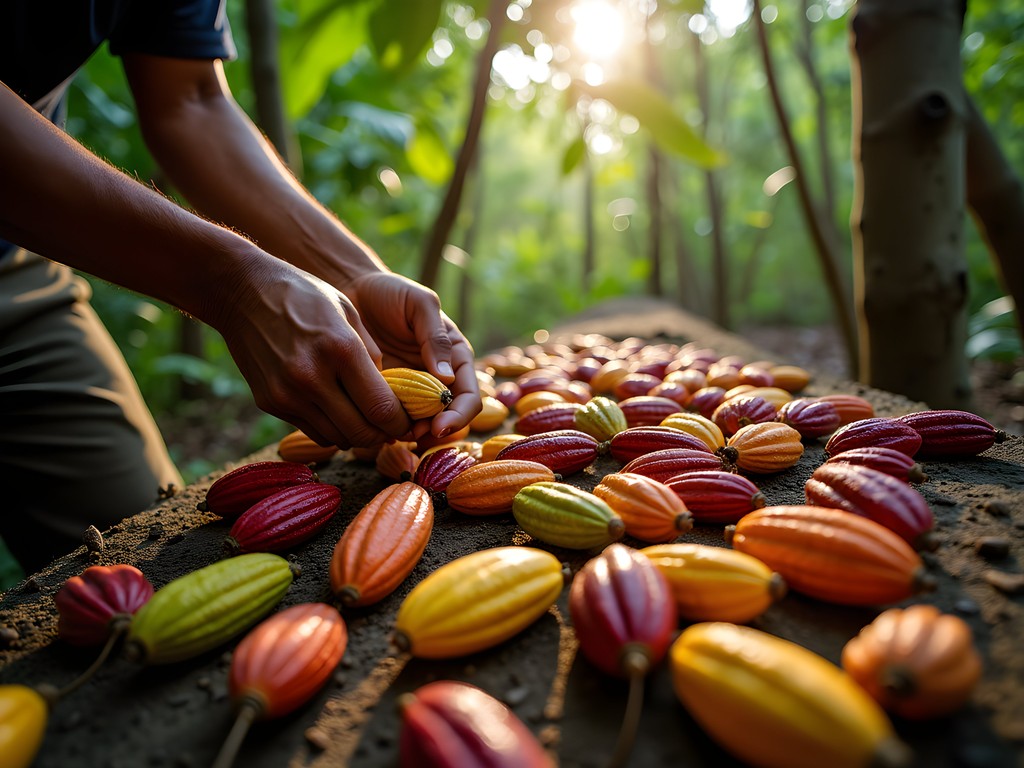
The island's cacao production follows traditional methods, with families harvesting and processing the beans much as their ancestors did. During my visit, I joined a guided tour with a local family who demonstrated how they've adapted their agricultural practices to work with the seasonal flooding rather than fighting against it—a lesson in sustainability that echoes what we see in ancient Andean and Southwestern agricultural systems.
The highlight was undoubtedly lunch at Restaurante Saldosa, where tables sit on platforms extending over the river. As the water level rises and falls with the tide, you can literally observe the ecosystem's response in real-time while dining on fresh fish prepared with regional techniques.
For this excursion, I was grateful for my quick-dry hiking pants which proved invaluable when our boat took on some water during a brief afternoon shower. For capturing the intricate details of the cacao processing, my waterproof phone case allowed me to document the process without worrying about humidity damaging my device.
💡 Pro Tips
- Book your boat to Combu from the Porto da Palha rather than the more touristy docks
- Visit during weekdays to avoid weekend crowds from Belém
- Bring small denominations of Brazilian reais as credit cards aren't widely accepted on the island
Algodoal-Maiandeua: Where River Meets Ocean
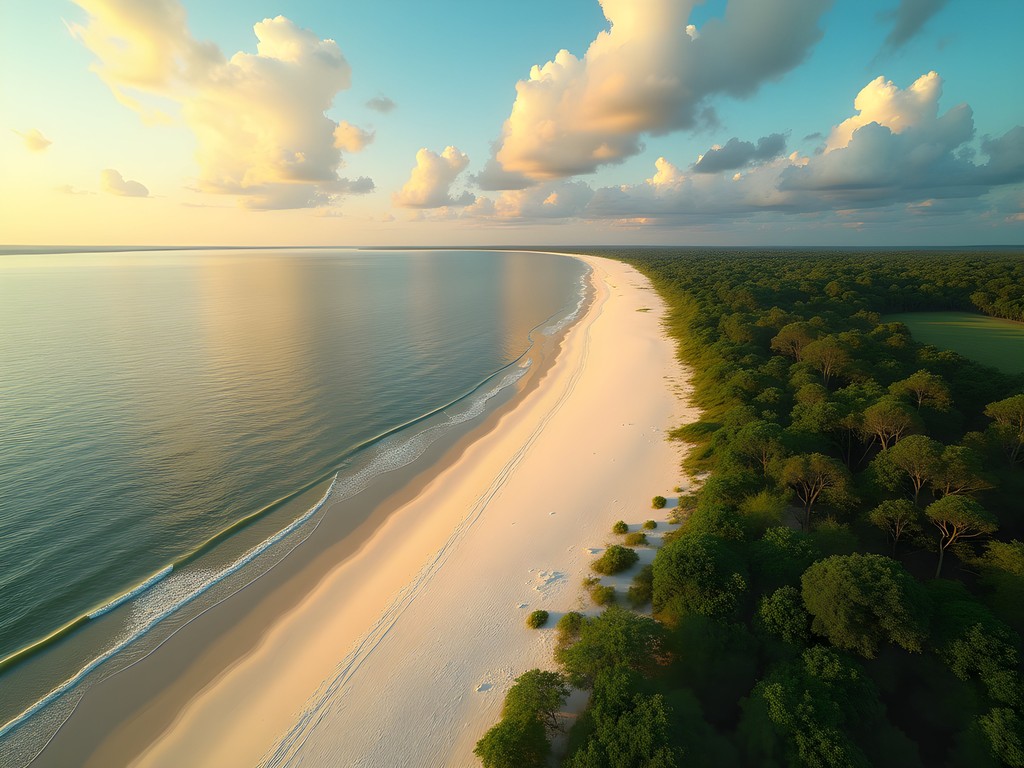
For those willing to venture a bit further from Belém (about 3 hours by bus and boat), the island sanctuary of Algodoal-Maiandeua presents a fascinating study in transitional ecosystems. What makes this excursion particularly valuable is witnessing how the Amazon's freshwater system gradually yields to the Atlantic's marine environment—creating distinct archaeological patterns in how ancient peoples utilized these different resource zones.
The island prohibits motorized vehicles, immediately transporting you to a slower rhythm that allows for more careful observation. During my day trip, I hiked through four distinct ecological zones: mangrove forests, dune fields, beaches, and interior forest. Each zone presented unique plant adaptations and cultural uses that reminded me of the ecological diversity we see in Southwest canyon systems, though with dramatically different flora.
The village of Algodoal itself feels suspended in time, with fishing techniques visible that archaeologists have documented in the region for centuries. I spent an hour simply watching the traditional net casting methods, noting the precision of movement that comes from generations of knowledge transmission—the same kind of embodied knowledge we try to reconstruct when studying ancient sites.
For this longer excursion, my solar charger proved essential as there are limited electrical outlets on the island. The multiple USB ports allowed me to keep my phone, camera, and GPS device charged throughout the day of hiking and documentation.
💡 Pro Tips
- Book your transportation to Algodoal a day in advance as schedules can be unpredictable
- Bring enough cash for the entire day as there are no ATMs on the island
- Respect local customs by asking permission before photographing residents or their fishing activities

Icoaraci: Uncovering Ancient Ceramic Traditions
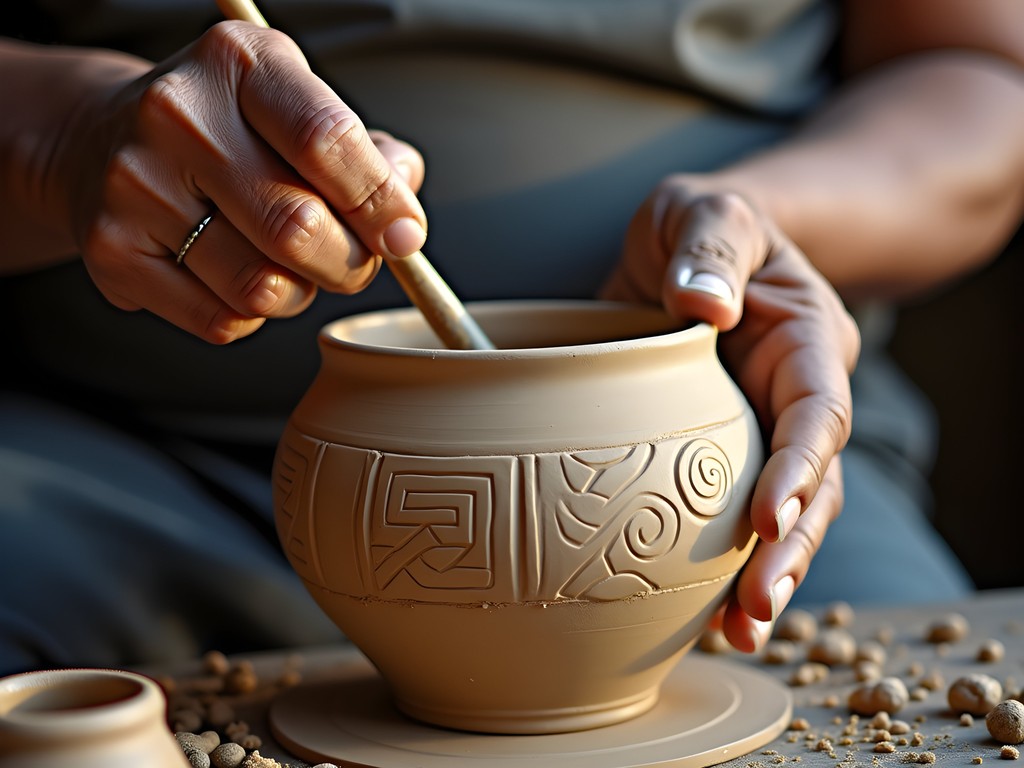
As an archaeologist, I found the district of Icoaraci, about 45 minutes from central Belém, to be an unexpected highlight of my Amazon explorations. This riverfront community has preserved ceramic traditions that directly connect to Marajoara and Tapajônica cultures that flourished in the Amazon Basin between 400-1300 CE. What makes this area remarkable is that modern artisans continue producing ceramics using techniques and motifs documented in archaeological collections.
I spent a full day at the Liceu de Artes e Ofícios Mestre Raimundo Cardoso, where master potters demonstrate how they recreate these ancient designs. The geometric patterns and zoomorphic figures they produce are nearly identical to pieces I've studied in museum collections, showing a remarkable continuity of cultural knowledge across centuries.
The most fascinating aspect was observing how the artisans have adapted their techniques to account for environmental changes in the region. Clay sources have shifted as river courses have changed, yet the potters have modified their processing methods to achieve similar results—a perfect example of the kind of adaptive knowledge systems I've documented at ancient sites across the Americas.
To document the intricate patterns and techniques, I relied heavily on my macro lens clip-on which attached to my smartphone and allowed for detailed close-ups of the pottery designs and manufacturing processes. For taking notes while moving between workshops, my waterproof notebook proved invaluable in the humid conditions.
💡 Pro Tips
- Arrange for a demonstration workshop in advance by contacting the Liceu directly
- Budget extra time for shipping if purchasing ceramics, as proper packing takes time
- Visit on weekdays when production is in full swing rather than weekends
Marajó Island: The Archaeological Day Trip
Though technically requiring an overnight stay to fully appreciate, it's possible to visit portions of Marajó Island—the world's largest fluvial island—as an ambitious day trip from Belém. As someone who's spent decades studying ancient settlement patterns, I found this excursion essential despite the early 5 AM departure and late return.
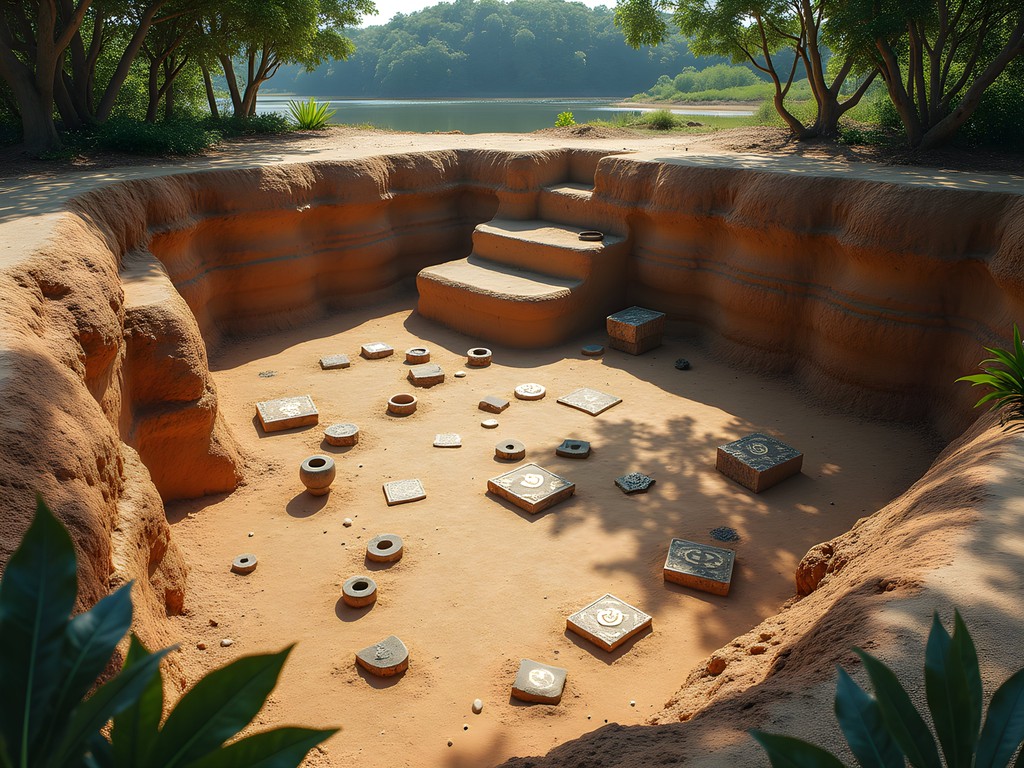
Marajó Island is home to the archaeological remains of the Marajoara culture, a sophisticated pre-Columbian society that developed advanced ceramic traditions and complex social structures between 400-1300 CE. What makes this site particularly significant is how the ancient inhabitants engineered the landscape, creating elevated earthworks and water management systems that allowed them to thrive in a seasonally flooded environment.
I focused my day trip on the eastern portion of the island, visiting the Fazenda São Jerônimo, where archaeological excavations have revealed elaborate burial urns and evidence of large-scale environmental engineering. The water management systems here bear striking similarities to what I've documented in the American Southwest, though adapted for excess water rather than water scarcity—a fascinating example of parallel development in ancient technologies.
For this longer excursion, my lightweight binoculars proved essential for spotting wildlife and examining distant landscape features that might indicate ancient modifications. To combat the intense sun reflected off the water during our boat journey, my cooling neck gaiter made the difference between comfort and heat exhaustion.
💡 Pro Tips
- Book your Marajó excursion through your hotel or a reputable agency to ensure proper scheduling with the ferries
- Bring twice as much water as you think you'll need—the combination of heat and humidity is intense
- Consider an overnight stay if your schedule allows—the single day trip is rushed for the archaeological sites
Final Thoughts
My week of day trips from Belém revealed the Amazon not just as a natural ecosystem, but as a cultural landscape shaped by thousands of years of human adaptation and innovation. What struck me most was how the seasonal rhythms here echo patterns I've documented at ancient sites across the Americas—the ways humans respond to environmental challenges often follow similar trajectories despite vast differences in geography and time.
As travelers, we have a responsibility to approach these excursions not just as consumers of experiences, but as students of both natural and cultural history. The knowledge systems preserved in Belém's surrounding communities—from the ceramic traditions of Icoaraci to the agricultural practices of Combu Island—represent living connections to archaeological knowledge that's often lost to time elsewhere.
If you're planning your own Amazon adventures from Belém, I encourage you to slow down, ask questions, and look for these connections between past and present. The richest experiences come not from checking destinations off a list, but from understanding how the river has shaped both the environment and human responses to it across millennia. In doing so, you'll gain insights that transform a simple day trip into a profound journey through time.
✨ Key Takeaways
- The best Amazon day trips combine natural and cultural experiences for a deeper understanding of the region
- October-November offers an ideal balance of accessibility and fewer crowds for Belém excursions
- Local knowledge is invaluable—prioritize guides who can speak to both ecological and cultural aspects of sites
- Archaeological perspectives enhance understanding of how communities have adapted to the Amazon environment for thousands of years
📋 Practical Information
Best Time to Visit
September-November (fall)
Budget Estimate
$75-150 per day including excursions
Recommended Duration
5-7 days
Difficulty Level
Moderate

Comments
exploreclimber
Just got back from Belém last week. The Combu Island chocolate tour was incredible! Tried making the traditional chocolate at home but it's not the same 😅
beachking
What's the best time of year to visit? Worried about the rainy season!
winterway
How did you get to Algodoal? Is there regular boat service or did you need to arrange something special?
Jamie Owens
There are regular boats from Marudá to Algodoal. You'll need to take a bus from Belém to Marudá first (about 2.5 hours), then catch one of the small boats across. They run frequently during daylight hours. It's a bit of a journey but totally worth it!
Riley Griffin
We took our kids (10 and 12) to Belém last year and the Combu Island trip was the highlight for them! The boat ride itself was an adventure - they spotted so many birds. We found a family-run restaurant that let the kids help make their own açaí bowls which they still talk about. For families considering this trip, I recommend bringing plenty of mosquito repellent and sun protection. The ceramic workshops in Icoaraci were also surprisingly engaging for the kids - they each got to make a small pot to take home. Great memories!
winterway
Did you stay overnight anywhere or were these all day trips? Wondering how it works with kids.
Riley Griffin
We stayed in Belém and did day trips. It worked perfectly with kids - no packing/unpacking and they could relax at the hotel pool in the evenings. The boat rides weren't too long for them either!
beachking
Those açaí bowls on Combu Island look amazing! 😍
redguide
Great post! How safe is it to travel around Belém on your own? I'm planning a solo trip next year and wondering if I should book guided tours for these day trips or if it's easy enough to navigate independently?
Jamie Owens
For first-timers, I'd recommend starting with a guided tour to get oriented. Belém itself is navigable but language can be a barrier. Once comfortable, public boats to Combu are straightforward and safe. Just keep valuables secure as you would in any city!
redguide
Thanks Jamie, that's really helpful! Will definitely book a guide for the first couple of days.
hikingmate
Love the photos! Adding this to my bucket list
Hunter Thompson
Mate, this is brilliant! I'm planning a 3-month South America trip and wasn't sure if Belém was worth the detour, but you've convinced me. The ceramic traditions in Icoaraci sound incredible - I'm doing a whole thing on indigenous crafts for my blog. Did you get a chance to meet any of the artisans there? Also, roughly how much should I budget per day for these excursions? Cheers!
Jamie Owens
Definitely worth it! Yes, I spent an afternoon with a family of ceramicists - they're super welcoming. Budget around 150-200 reais per day including transport, meals, and any guide fees. The Combu Island restaurants are surprisingly affordable.
Hunter Thompson
Legend, thanks! That's way more reasonable than I expected.
wintertime1954
This looks amazing! How easy is it to book the boat tours to Combu Island? Do you need to arrange in advance or can you just show up at the dock?
Jamie Owens
You can definitely just show up! The boats leave regularly from the Ver-o-Peso market area. I'd recommend going in the morning though - more departures and cooler weather.
wintertime1954
Perfect, thanks!!
nomadblogger1124
This looks AMAZING!!! Adding Belém to my bucket list right now 🙌
Venture X
Premium card with 2X miles, $300 travel credit, Priority Pass