

Disclosure: This article contains affiliate links. We may earn a commission from purchases at no extra cost to you, which helps our travel content.
The moment my feet touched down in Belém, I felt the Amazon's heartbeat pulsing through the city's veins. This gateway to the world's largest rainforest isn't just a geographical marker—it's where the river meets urban life in a symphony of sights, sounds, and flavors that defy conventional travel experiences. After years of chasing electronic music festivals across continents, I've found few places that blend natural wonder and cultural expression as seamlessly as this Amazonian metropolis.

Ver-o-Peso: The Market That Feeds the Amazon Soul
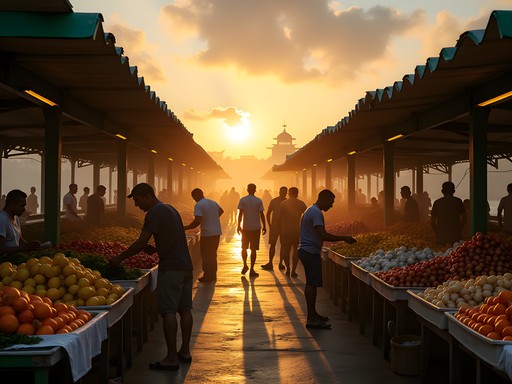
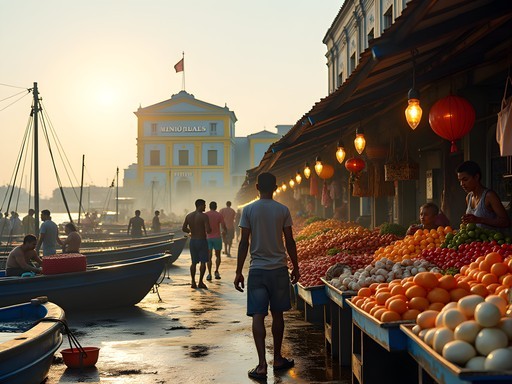
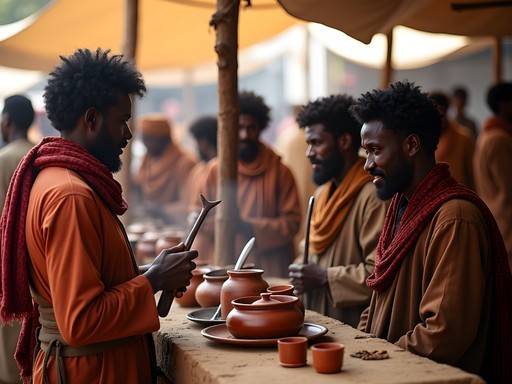
Ver-o-Peso isn't just a market—it's Belém's beating heart, a sensory universe that's remained the city's cultural epicenter for over 400 years. Walking through its labyrinthine paths before dawn broke reminded me of those pre-set moments at Berlin's Berghain—that electric anticipation before the bass drops, except here, the beat is life itself.
Fishmongers call out their morning catches while herbalists arrange mysterious Amazonian plants claimed to cure everything from heartbreak to headaches. I found myself drawn to an elderly woman selling priprioca, a root that perfumes the air with an earthy vanilla scent that local chefs have transformed into signature dishes.
The market's iron structure, built during Brazil's rubber boom, frames the chaotic beauty perfectly. I spent hours photographing the intricate dance of commerce with my waterproof phone case (essential protection against the sudden Amazonian downpours and market splashes). As the morning humidity intensified, I was grateful for my cooling towel that kept me comfortable while exploring every corner of this sensory playground.

💡 Pro Tips
- Arrive at Ver-o-Peso before 7am to witness the fishing boats unload their fresh catches
- Bring small bills (reais) for easier transactions with vendors
- Try tacacá, a traditional soup served in gourds, from the stalls along the boulevard
Círio de Nazaré: Finding Transcendence in Brazil's Largest Religious Festival
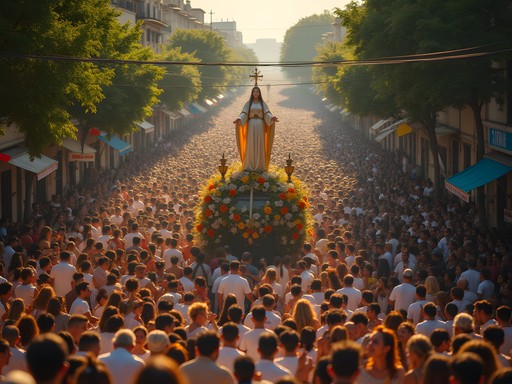
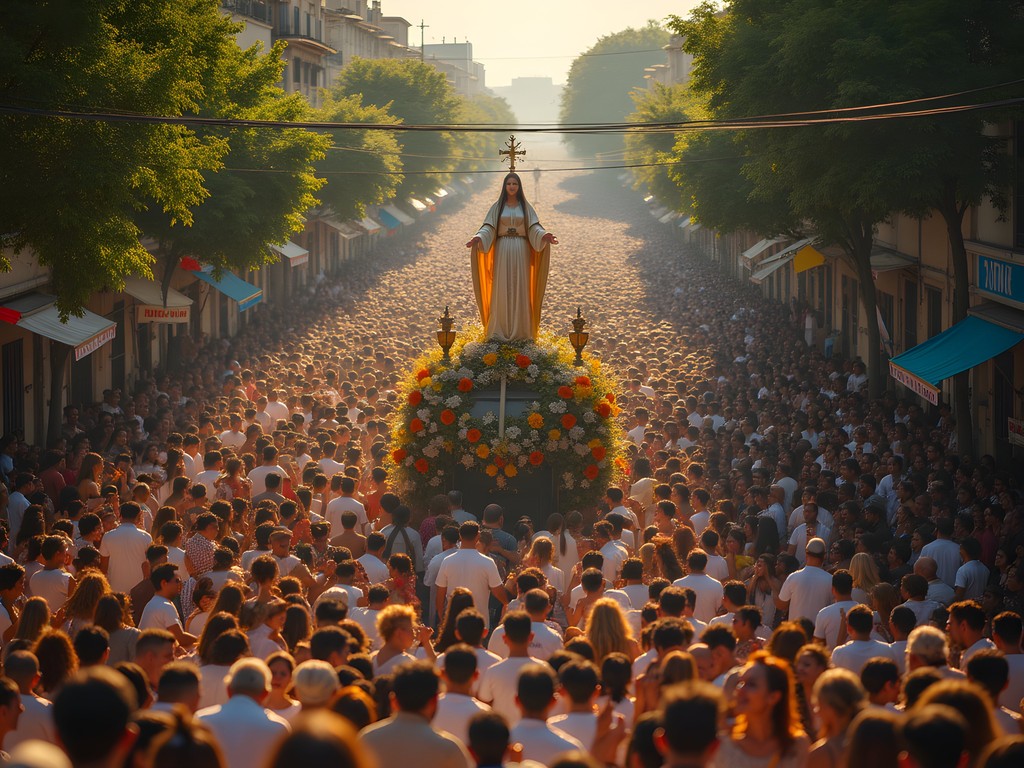
After experiencing countless electronic music festivals across the globe, I thought I knew what collective energy felt like—until I witnessed Círio de Nazaré. This October celebration honoring Our Lady of Nazareth brings together over two million devotees in what can only be described as a spiritual rave that transcends religious boundaries.
The procession's focal point—a small wooden statue of Mary—generates more reverence and emotional intensity than any headliner I've ever seen. Devotees follow a 3.6-kilometer rope attached to the statue's carriage, many barefoot on scorching pavement, tears streaming down their faces in ecstatic devotion.
Though not Catholic myself, I found the festival's raw emotional current irresistibly moving. The air thick with incense and prayer, I recorded ambient sounds using my portable recorder, capturing a soundscape I later incorporated into my personal meditation practice back home. The blend of hymns, bells, and collective emotional release created frequencies that resonated on a deeply human level.
💡 Pro Tips
- Book accommodations months in advance if visiting during Círio (second Sunday of October)
- Stay hydrated and wear sun protection during the procession
- Respect the religious significance by dressing modestly and asking before photographing participants
Amazonian Flavor Meditation: Culinary Journeys at Mercado de Carne
My wellness journey began years ago in Bali after burning out on tour, and I've since approached food as medicine and meditation. Belém's Mercado de Carne (Meat Market) might seem an unlikely place for mindfulness, but this iron-structured marvel houses one of the most profound culinary experiences in the Amazon.
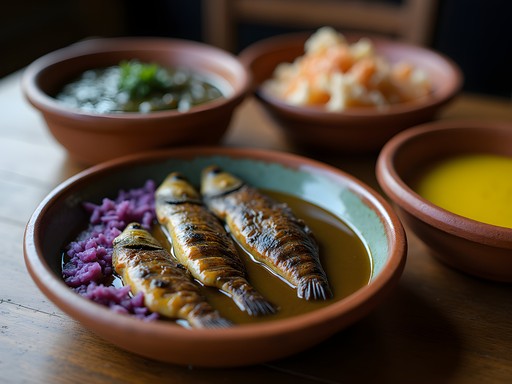
On the market's second floor, simple restaurants serve dishes that connect directly to the rainforest's bounty. Here, I practiced what I call 'flavor meditation'—fully immersing in each bite's story. The maniçoba (a cassava leaf stew that requires a week of preparation to remove toxins) became a lesson in patience. The açaí—served unsweetened and alongside fish—revealed itself as a staple rather than the trendy superfood smoothie bowl we know in the States.
To fully appreciate these flavors at home, I purchased regional ingredients including Brazil nut oil, which adds an incredible depth to both sweet and savory dishes while supporting sustainable rainforest harvesting.
During my visit, I connected with Dona Maria, a third-generation vendor who taught me to prepare tucupi, a fermented manioc juice central to Amazonian cooking. Her techniques—passed down through generations—reminded me that true wellness often lies in ancestral wisdom rather than trendy supplements.

💡 Pro Tips
- Try tacacá from the stalls outside the market, but be prepared for the jambu herb that causes a numbing sensation
- Most restaurants in the market close by 3pm, so plan for an early lunch
- Ask vendors about the origin of ingredients—many have fascinating stories about rainforest harvesting

Techno Meets Tradition: Belém's Modern Music Scene
My roots in electronic music drew me to Belém's surprisingly vibrant contemporary music scene, where Amazonian traditions blend with global beats in fascinating ways. The city that gave birth to technobrega—a fusion of electronic rhythms with regional carimbó and cumbia influences—offers a masterclass in cultural evolution.
At underground venue Casa Apoena, I witnessed DJs sampling indigenous chants over pulsing beats while VJ artists projected rainforest imagery that would have fit perfectly in my old stage design days. The crowd—a mix of university students, cultural preservationists, and tourists—moved together in a celebration that felt simultaneously ancient and futuristic.
I connected with local producer DJ Waldo, who introduced me to aparelhagem culture—sound system parties featuring towering speaker stacks adorned with LED screens that have evolved from riverside gatherings into full-scale electronic experiences. He showed me how he captures environmental sounds using a field microphone similar to mine, incorporating river currents and market calls into his tracks.
For those looking to dive into this sound, I recommend bringing a portable bluetooth speaker to enjoy these discoveries along the river beaches. I loaded mine with technobrega playlists and created impromptu sunset sessions that attracted curious locals eager to share their musical knowledge.

💡 Pro Tips
- Follow @casaapoena on Instagram for upcoming fusion music events
- Visit Açaí House on weekends for technobrega parties that start after midnight
- Download tracks from local artists before leaving—many aren't available on mainstream streaming services
River Connection: Dawn Rituals at Estação das Docas
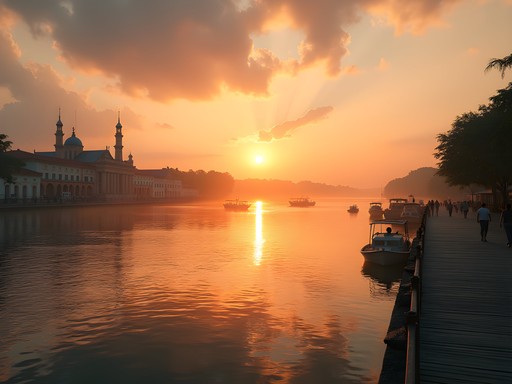
My wellness practice always includes connecting with local waters, so I made a daily ritual of greeting the Amazon River at dawn from Estação das Docas, a revitalized dockside complex. This former warehouse area has been transformed into a cultural center where the city's relationship with the river becomes most apparent.
I'd arrive just as the sky began shifting from black to deep indigo, setting up my travel yoga mat on the wooden boardwalk. As fish merchants arrived and dockhands prepared for the day, I'd move through a gentle flow practice, drawing inspiration from the river's constant movement.
One morning, an elderly fisherman named João paused his net-mending to watch me. After my practice, he shared stories of river spirits and the changing tides of both water and city life over a cup of tacacá. Through his eyes, I saw how the river serves as both provider and teacher to Belém's residents.
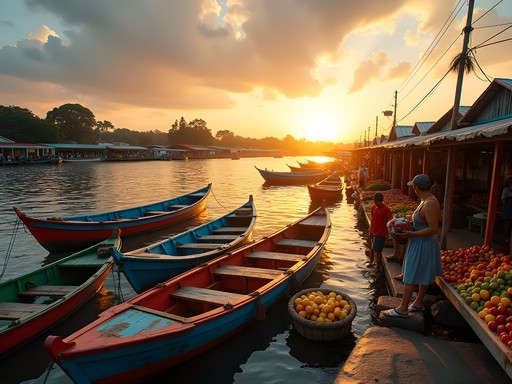
The boardwalk also offers perfect sunset views, when the water reflects golden light and river dolphins occasionally make appearances. I spent several evenings here sipping açaí in its traditional form—unsweetened and paired with fish—while journaling insights from the day's explorations.

💡 Pro Tips
- Visit Estação das Docas early morning (5:30-7am) to witness river commerce awakening
- Bring mosquito repellent for dawn and dusk riverside activities
- The restaurants at the station offer excellent river views but at higher prices than local spots nearby
Final Thoughts
Leaving Belém feels like departing from a frequency that resonates at a uniquely Amazonian wavelength—one that has recalibrated my understanding of how tradition and innovation can coexist. This city taught me that markets aren't just places of commerce but living museums where culture evolves in real-time. The festivals revealed how collective spiritual energy can transcend religious boundaries in ways that parallel the best electronic music gatherings I've experienced across the globe.
What strikes me most is how Belém doesn't separate its cultural heritage from daily life—it's all integrated in a continuous flow, much like the river that defines it. As travelers seeking authentic connections, we often chase experiences that feel untouched by modernization, but Belém offers something more valuable: a window into how traditions can remain vital while embracing change.
I'll carry the rhythms of Ver-o-Peso, the flavors of tucupi, and the sunrise reflections on the Amazon River back to my life in Buffalo. These aren't just memories but teachings about resilience and adaptation that feel increasingly essential in our rapidly changing world. When you visit, come with open senses and a willingness to let go of expectations—Belém doesn't reveal itself to tourists, only to participants.
✨ Key Takeaways
- Belém offers an accessible gateway to Amazonian culture without requiring deep jungle expeditions
- The city's markets and festivals provide immersive experiences that engage all senses
- Traditional Amazonian cuisine offers profound connections to the rainforest ecosystem
- Contemporary music scenes blend indigenous traditions with global influences in unique ways
- Dawn and dusk by the river provide natural opportunities for mindfulness and reflection
📋 Practical Information
Best Time to Visit
June-November (dry season), with October for Círio de Nazaré festival
Budget Estimate
$30-50 USD per day excluding accommodations
Recommended Duration
5-7 days
Difficulty Level
Easy


Comments
islandexplorer
Going there in August, so excited now!
Ahmed Greene
Great write-up, Brian! Belém doesn't get nearly enough attention compared to Rio or Salvador. I've been three times now and always find something new. For budget travelers, the street food at Ver-o-Peso is where it's at - you can eat like royalty for a few reais. I stayed in a simple guesthouse in Cidade Velha for about $15/night and it was perfect. The owner gave me tips on where locals actually eat. Also, don't sleep on the mango season (September-January) - the varieties at the market will blow your mind. I filled up my travel bag with dried spices and regional ingredients to bring home. The customs officers were very curious!
coolgal
I spent 10 days in Belém last year and honestly wish I'd stayed longer. The Mercado de Carne is a must - try the tacacá soup, it's weird but amazing. Also, if you're into architecture, the Theatro da Paz is gorgeous. Pro tip: take a boat trip to some of the river islands for a day. Ilha do Combu is like 20 minutes away and feels like you're deep in the jungle. Super cheap too, which is great for budget travelers. The local buses are fine to use during the day.
wanderlustchamp6347
Anyone been to the Círio de Nazaré festival? I'm trying to decide if it's worth planning a trip specifically around those dates or if the city is interesting enough year-round.
Ahmed Greene
I went during the festival in 2019 and it was absolutely worth it. Just know that accommodation prices triple and you need to book months in advance. The energy is unreal though - millions of people in the streets. If you can't make the festival, the city is still fantastic any time. I actually preferred my second visit in March when it was quieter and I could explore at my own pace.
blueninja7032
Those market photos are incredible!!
Savannah Torres
Brian, this brought back so many memories! We took our kids to Belém two years ago and the Ver-o-Peso market was honestly the highlight. My daughter still talks about the açaí bowls we had there - nothing like what we get back home in Philly! One tip for families: go early in the morning before it gets too crowded and hot. The vendors were so sweet with our kids and let them try all sorts of exotic fruits. We also stayed near the old town which made everything walkable. The street food scene is incredible if you're brave enough to dive in!
islandexplorer
Good to know about going early! Is it safe to walk around with kids?
Savannah Torres
We felt safe in the tourist areas during the day. Just use common sense like anywhere - don't flash expensive stuff around and stick to busier streets.
travelclimber449
This looks amazing!! Adding to my bucket list
hikingace
how hard is it to get around without speaking portuguese?
coolgal
Not gonna lie, it helps to have some basic phrases. Download a translation app before you go. People at Ver-o-Peso were super patient with me though!
Douglas Bradley
Brian, your description of Círio de Nazaré really captures the intensity of that experience. I attended in 2023 and was completely unprepared for the emotional weight of it—over 2 million people moving as one through the streets. What struck me most was how the festival blends indigenous Amazonian spirituality with Catholicism in ways you don't see elsewhere in Brazil. The procession route essentially maps the city's relationship with the river and forest. Did you get a chance to try the maniçoba during the festival? It's traditionally served then and takes a week to prepare properly.
happyway
How hot does it get at Ver-o-Peso in the morning? Planning to go in August.
Douglas Bradley
August is actually one of the drier months in Belém, but it's still quite humid. I'd recommend getting to Ver-o-Peso around 6-7am when it's cooler and the market is most vibrant. The fish vendors are setting up then and you'll see the real rhythm of the place. Bring water and wear light, breathable clothing. The covered sections provide some relief from the sun.
happyway
Thanks! 6am sounds early but worth it
Venture X
Premium card with 2X miles, $300 travel credit, Priority Pass