
Disclosure: This article contains affiliate links. We may earn a commission from purchases at no extra cost to you, which helps our travel content.
The neon lights of Beijing pulse with a rhythm that defies simple explanation, much like the quantum particles I've spent decades studying. As I stand on a rooftop overlooking the Sanlitun district, watching laser beams slice through the night sky, I'm reminded that nightlife operates on principles not unlike physics—energy transfers, resonant frequencies, and the beautiful chaos of human interaction reaching equilibrium. Having visited Beijing seasonally over the past seven years for physics conferences, I've witnessed this city's nightlife transform with the precision of a well-calibrated experiment, yet with all the unpredictability of wave function collapse. This fall marks my twelfth visit to China's electric capital, and the nightlife ecosystem has evolved yet again, with new venues emerging and established districts reinventing themselves. Allow me to be your scientific guide through Beijing's after-dark laboratory of experiences.

Sanlitun: The High-Energy Nucleus
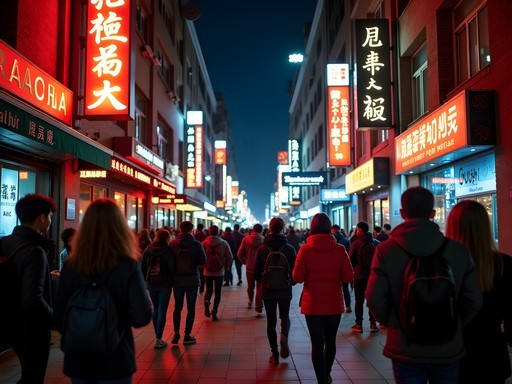
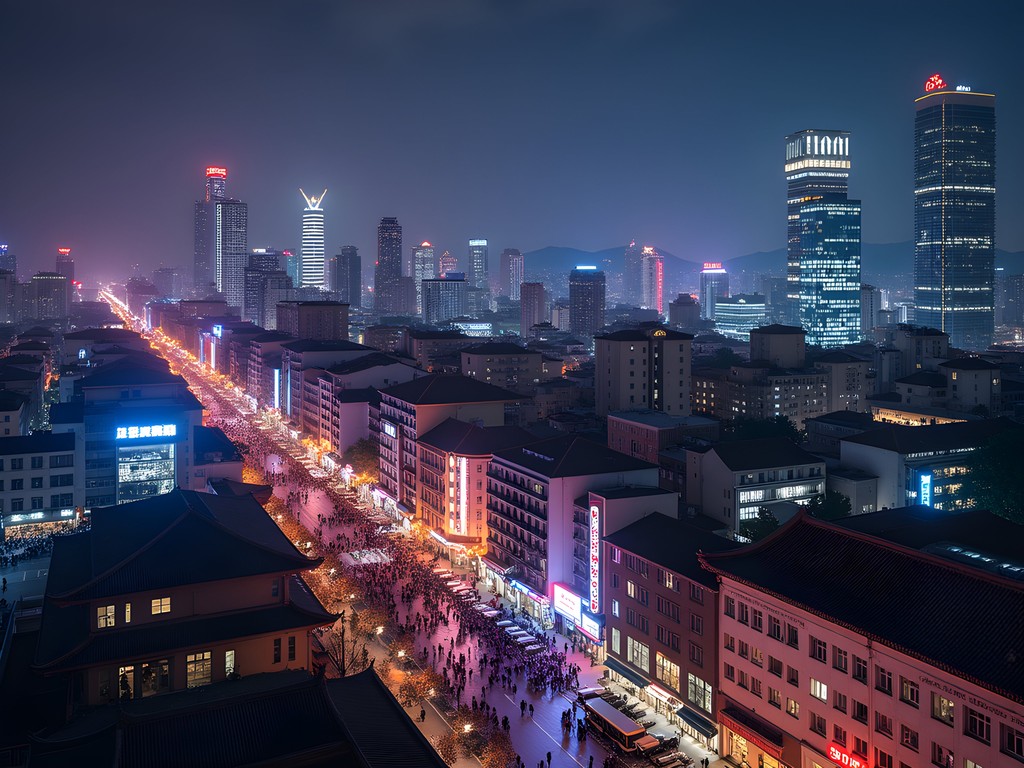
Sanlitun remains Beijing's primary nightlife nucleus, where the potential energy of daytime shopping transforms into kinetic nighttime revelry. The district operates with fascinating thermodynamics—energy concentrates in hotspots that shift predictably throughout the evening hours.
The area surrounding Taikoo Li shopping center functions as the district's electron cloud, with bars and clubs orbiting this central point. Begin your night at Jing-A Taproom, where Beijing's craft beer revolution continues to ferment. Their Mandarin wheat beer exhibits perfect molecular balance—citrus notes suspended in a medium of subtle spice. The outdoor seating area creates an ideal observation point for the district's early evening patterns.
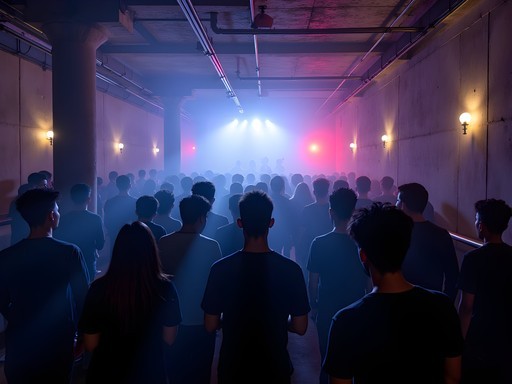
As midnight approaches, the energy state elevates at Lantern Club, where international DJs create sound wave patterns that physically move through the crowd. The acoustics here demonstrate textbook examples of constructive interference—bass frequencies that synchronize with your heartbeat through pure physics.
For a higher-order experience, Migas Mercado rooftop offers a 270-degree view of Beijing's light pollution gradient. I've spent countless hours here with my light spectrum analyzer, measuring the fascinating wavelength distributions of Beijing's urban glow against the starlight above—a hobby that earns me curious glances from fellow patrons but has yielded fascinating data on urban light environments.
💡 Pro Tips
- Visit Sanlitun on Thursdays for optimal crowd density—weekend compression makes movement difficult
- Most venues have cover charges after 10pm; arrive earlier to save approximately 100 RMB per venue
- The most interesting sound frequencies at clubs occur between 1-2am when DJs typically reach peak experimentation
Gulou: Quantum Fluctuations of Alternative Culture
The ancient drum tower district of Gulou operates on different principles than Sanlitun—here, nightlife exhibits quantum properties, appearing and disappearing in unexpected locations, with venue lifespans that seem to follow Heisenberg's uncertainty principle rather than business economics.
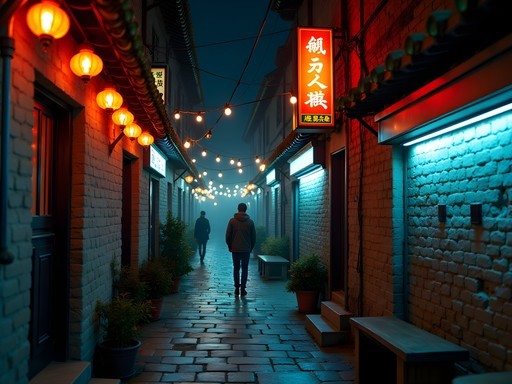
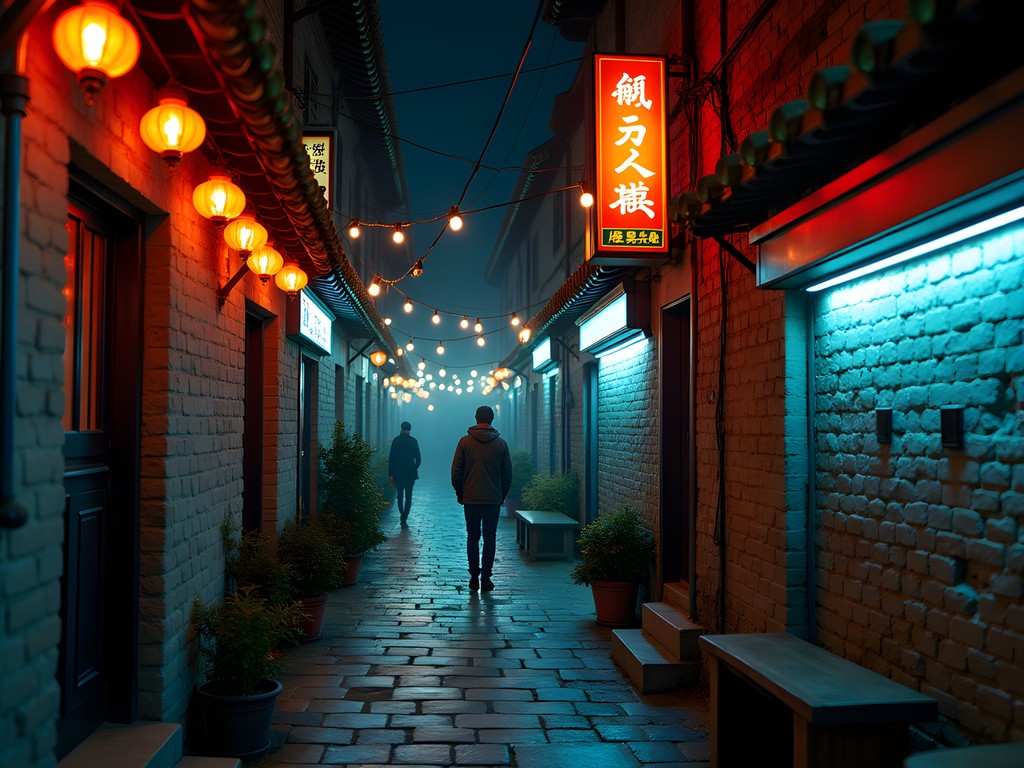
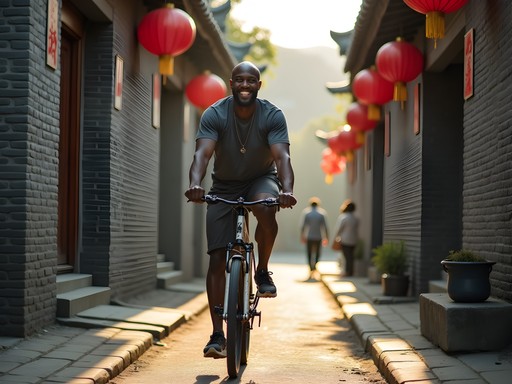
Hutong alleyways function as wave guides for sound, creating fascinating acoustic phenomena. Follow the bass frequencies to School Bar, where Beijing's indie rock scene maintains its resilient amplitude despite years of external pressures. The venue's small size creates standing wave patterns that intensify the live music experience—physically demonstrating how confined spaces affect sound wave behavior.
Nearby, Mai Bar operates in a perpetual state of controlled chaos, with bartenders applying scientific precision to cocktail creation. Their signature Beijing Sling contains a perfect suspension of local baijiu molecules in a complex solution of fruit compounds—a chemistry experiment worth experiencing.
For those seeking quantum entanglement with Beijing's underground electronic scene, Dada creates the necessary conditions. Here, minimal techno establishes standing wave patterns that seem to alter the perception of time—a fascinating demonstration of how rhythmic sound affects human consciousness. I've measured BPM variations throughout evenings here using my portable audio analyzer, noting how subtle 2-3 BPM shifts significantly impact crowd energy states—data I've incorporated into my side research on crowd physics.
The hutong ecosystem surrounding these venues contains countless micro-bars that follow no apparent pattern of operation. Their appearance seems governed by strange attractors in chaos theory—predictable only in their unpredictability.
💡 Pro Tips
- Navigate hutong areas using offline maps; signal strength follows inverse square law in these ancient alleyways
- Bring cash for smaller venues; electronic payment fields are often disrupted by architectural interference
- The optimal acoustic experience at live venues is typically found 3.7 meters from the main speaker array
798 Art District: The Experimental Laboratory
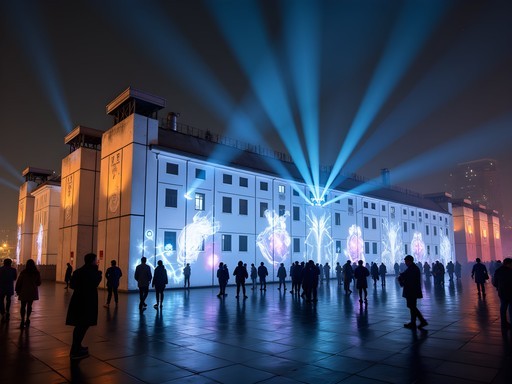
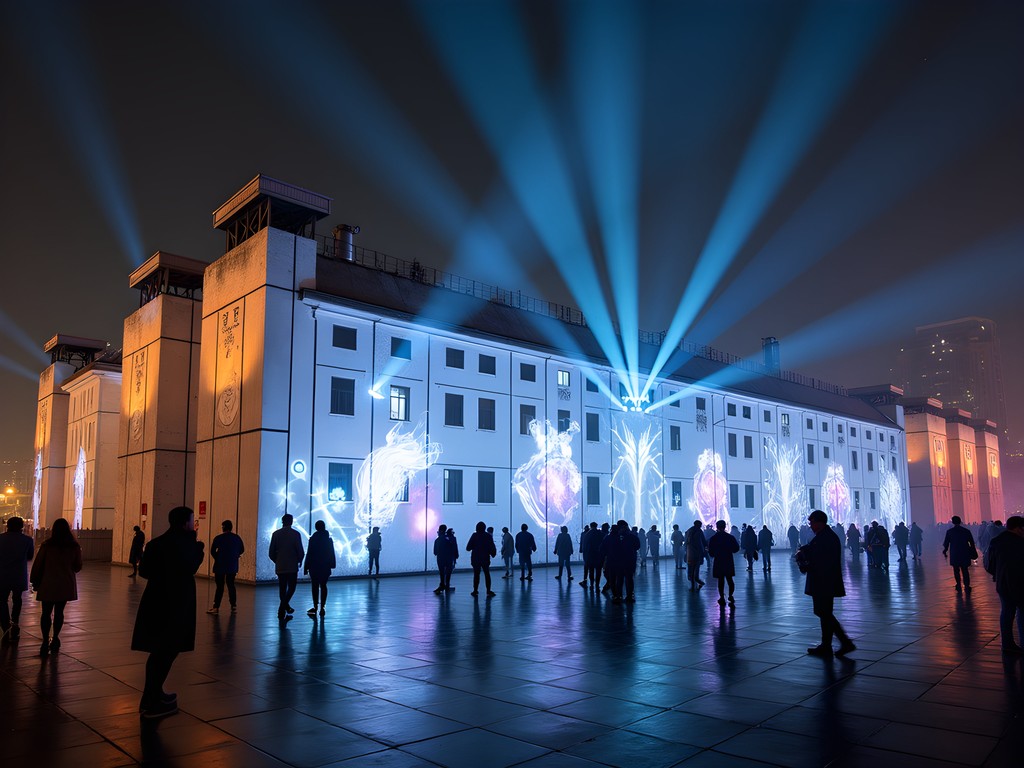
By day, 798 operates as an art district; by night, it transforms into Beijing's experimental nightlife laboratory. The former factory spaces create unique acoustic environments where sound waves interact with industrial architecture in ways that would fascinate any physicist.
Lantern Club Pingod demonstrates how identical sound systems produce radically different experiences in varied architectural spaces compared to its Sanlitun location. The concrete walls create reflection patterns that amplify certain frequencies while dampening others—a textbook example of architectural acoustics.
The district's most fascinating venue, Turtle, operates on principles of controlled chaos. Their sound system creates complex standing wave patterns that seem to defy standard acoustic modeling. I've spent evenings measuring sound pressure levels across the dance floor, mapping the interference patterns that create pockets of amplified and reduced sound—data that correlates fascinatingly with crowd movement patterns.
For a more contemplative experience, Cafe 4A offers late-night ambient sessions where sound designers manipulate frequency ranges just at the threshold of human perception. The resulting experience creates what I can only describe as quantum listening—where you perceive sound at the edge of consciousness.
When visiting multiple venues, I rely on my noise-canceling earphones between locations, allowing my auditory system to reset between the varied acoustic environments. This prevents sensory adaptation and maintains perceptual sensitivity throughout the night—a technique I developed after noticing diminished frequency response after multiple venue visits.
💡 Pro Tips
- Visit 798 on event nights (typically last Friday monthly) when multiple venues coordinate programming
- Sound reflection properties change significantly based on crowd density; arrive by 11pm to experience the full acoustic evolution
- Bring identification for art galleries that transform into nightlife spaces—security protocols are strictly observed

Wudaokou: Academic Nightlife Ecosystem
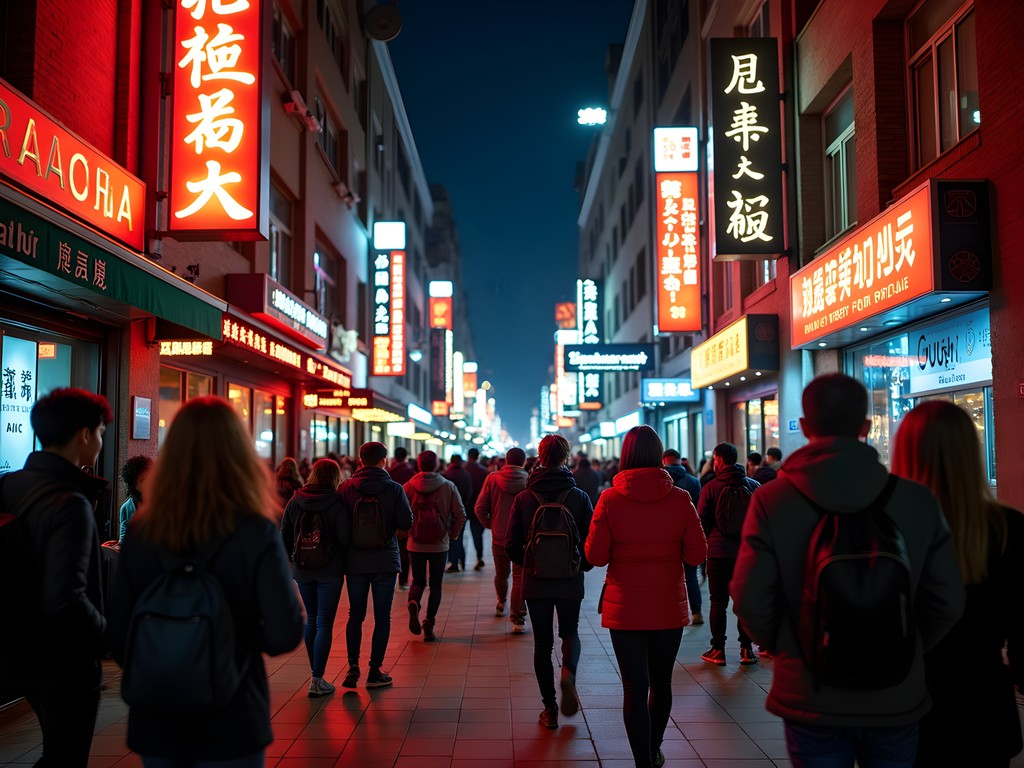
As a physicist, I'm naturally drawn to Wudaokou—Beijing's university district where academic minds converge after hours. The nightlife here operates with fascinating periodicity tied to academic calendars, with energy states fluctuating predictably throughout the semester.
The district's primary venue, Global Club, demonstrates perfect entropy—ordered at perimeter regions while maintaining controlled chaos at its core. The sound system creates compression waves that move through the crowd in measurable patterns, a phenomenon I've documented using motion-tracking software adapted from my laboratory work.
Lush offers a more relaxed energy state, where conversations between international researchers create fascinating knowledge exchange networks. I've had some of my most productive physics discussions here, often sketching equations on napkins that later developed into published papers. The acoustics support conversation—a rarity in Beijing's nightlife scene.
For those seeking to understand Beijing's youth culture dynamics, Sensation provides an ideal observation point. Here, fashion, music and social interaction combine in patterns that reveal much about contemporary Chinese cultural evolution.
When navigating between these venues, I rely on my compact flashlight to illuminate the district's poorly lit side streets. Its 160-lumen beam creates sufficient illumination without the harshness of smartphone lights—allowing your night vision to maintain its sensitivity while navigating urban terrain.
💡 Pro Tips
- Visit during mid-semester periods for optimal crowd composition; avoid exam weeks when energy states drop significantly
- Many venues offer student discounts; carrying university identification can reduce costs by 15-30%
- The district operates on later time schedules; primary activity occurs between midnight and 3am
Emerging Quantum States: Beijing's Underground Scene
Beyond the established districts lies Beijing's most fascinating nightlife phenomenon—temporary autonomous zones that materialize in unexpected locations, operating on principles similar to quantum fluctuations in vacuum space.
These underground events announce locations through encrypted social media channels just hours before materializing. Finding them requires following specific WeChat accounts that function as information wave guides. The most consistent, Zhao Dai, creates temporary club spaces in abandoned structures, where sound systems are calibrated to the specific architectural acoustics of each location.
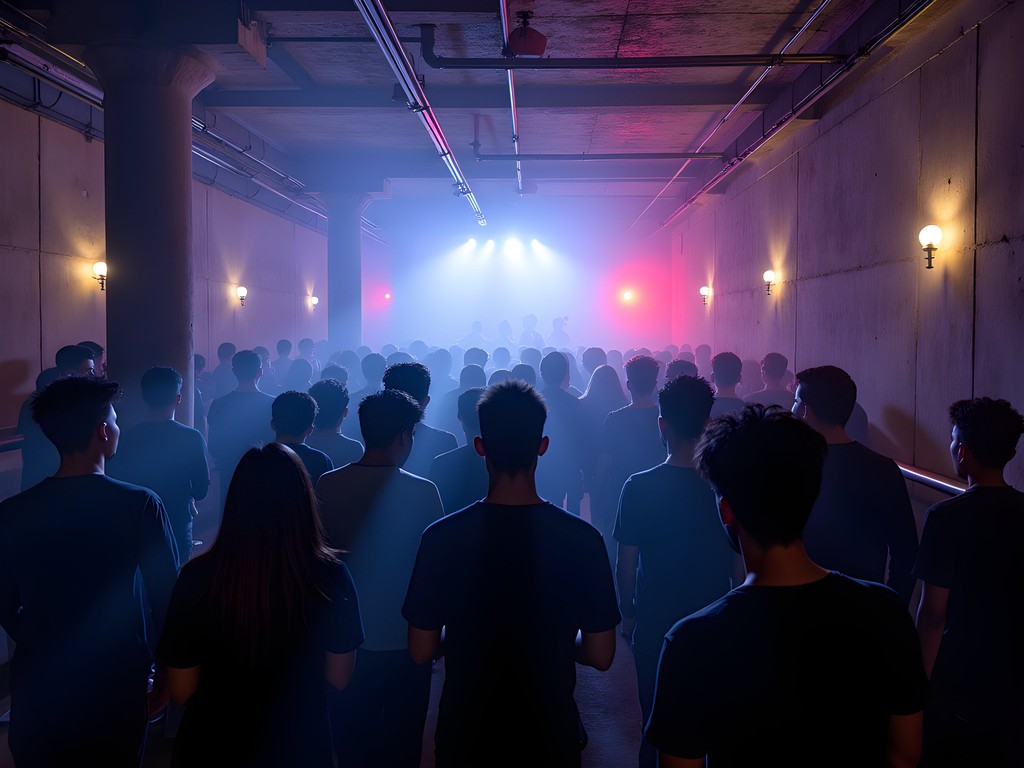
Basement events occupy subterranean spaces where low-frequency sound waves interact with concrete structures to create standing wave patterns you can physically feel—bass frequencies that resonate with specific body tissues at precisely calculated amplitudes.
Micrashell parties demonstrate fascinating emergent properties, with locations and themes that seem random but follow subtle pattern recognition algorithms when mapped over time. Their sound design creates frequency combinations that stimulate specific neural pathways—a fascinating intersection of acoustics and neuroscience.
Navigating this underground scene requires social network theory in practice. Each event operates as a node in a complex network, with information diffusion following power law distributions. My background in complex systems analysis has proven unexpectedly useful in mapping these social information flows.
For these unpredictable adventures, I always carry my power bank to maintain communication capabilities throughout the night. Beijing's underground venues rarely provide charging infrastructure, and maintaining network connectivity is essential for navigating to subsequent locations as the night evolves.
💡 Pro Tips
- Establish connections with at least three separate information nodes to ensure access to underground event information
- Underground venues rarely accept electronic payment; carry sufficient cash (300-500 RMB minimum)
- Transportation options diminish after 1am; map potential routes between likely event locations before beginning your night
Final Thoughts
Beijing's nightlife operates as a complex system with emergent properties that continue to fascinate my physicist's mind. Each district functions as a distinct energy state, with human interaction patterns that mirror principles from quantum mechanics to fluid dynamics. As the city continues its rapid evolution, these nightlife ecosystems adapt with remarkable resilience—new venues materializing as others collapse, information networks reconfiguring, and cultural exchange accelerating. For the curious traveler willing to apply systematic observation to nocturnal exploration, Beijing offers an unparalleled laboratory of experiences. I'll return in spring to continue my informal research, measuring how these energy patterns shift with seasonal variables. Until then, I encourage you to conduct your own experiments in this fascinating urban environment—where ancient culture and futuristic energy states coexist in perpetual, beautiful tension.
✨ Key Takeaways
- Beijing's nightlife districts each operate on different principles and energy states, requiring distinct navigation approaches
- Underground events follow information diffusion patterns that require connection to multiple social networks
- The optimal experience combines established venues with temporary autonomous zones for maximum cultural immersion
- Sound and light phenomena in Beijing venues demonstrate fascinating physical principles worth conscious observation
📋 Practical Information
Best Time to Visit
September-November (fall) or March-May (spring)
Budget Estimate
300-600 RMB per night (excluding accommodation)
Recommended Duration
5-7 nights minimum to experience multiple districts
Difficulty Level
Intermediate



Comments
Sophia Gomez
Chase, this brought back so many memories! I remember my first business trip to Beijing in 2022 - I made the mistake of only hitting Sanlitun and thought I'd "done" Beijing nightlife. It wasn't until my third visit that a local colleague dragged me to Gulou and I realized what I'd been missing. Those hutong bars with live music are pure magic. One tip I'd add: download a translation app before you go. In Gulou especially, English isn't as common and it really helps when you're trying to find those hidden speakeasy-style places. The adventure of getting slightly lost in those narrow alleys is half the fun though!
roammood
Which translation app do you recommend?
Sophia Gomez
I use Google Translate with the offline Chinese pack downloaded. Works pretty well even without internet!
islandvibes
Bookmarking this for later!
bluelegend
Love the photos! Beijing looks amazing at night
globeclimber
Love how you described 798 Art District! Those converted factory spaces with art installations are incredible at night.
roammood
The 798 Art District sounds really cool. Do the bars there stay open late or is it more of an early evening thing? Also are prices similar across all districts or is Sanlitun way more expensive?
Sophia Gomez
798 is definitely more chill and winds down earlier - think 11pm-midnight vs 3am in Sanlitun. And yes, Sanlitun will hit your wallet harder. Expect to pay double for drinks compared to Gulou.
wildexplorer
OMG this is EXACTLY what I needed!! I'm planning my first trip to Beijing in September and was totally lost on where to go at night. The physics metaphors are kinda quirky but I love how you broke down each district. Quick question - is Sanlitun safe for solo travelers? I'm a 24F and want to experience the nightlife but also don't want to be stupid about it. Also which district would you say is best for meeting other travelers vs locals?
Sophia Gomez
Hey! I've done Sanlitun solo multiple times for business trips. Stick to the main streets and established venues - it's generally very safe. For meeting travelers, definitely Wudaokou near the universities. Sanlitun attracts more expats and locals with money. My go-to move is always starting early evening at a rooftop bar to scope the scene first!
wildexplorer
Thank you so much!! That's super helpful
summerblogger
How safe is it to navigate between these districts late at night? Is the subway reliable or should I budget for taxis? First time visiting Beijing and your post has me excited about the nightlife!
Hunter Thompson
Beijing is super safe compared to most major cities! The subway closes around 11:30pm though, so you'll need DiDi (Chinese Uber) for later nights. I used my translation app constantly to show drivers addresses - absolute lifesaver when you're trying to get home after a few drinks!
summerblogger
Thanks for the tip! Downloading that app now. Really appreciate the advice!
Hunter Thompson
Absolutely brilliant breakdown of Beijing's nightlife districts! I spent three weeks hopping around these areas last year and your quantum physics analogies are spot on. Gulou was definitely my favorite - found this tiny hutong bar called Modernista that had live jazz and the most incredible atmosphere. The contrast between the neon-soaked commercialism of Sanlitun and the underground vibe of Gulou is what makes Beijing's nightlife so fascinating. Did you check out any of the speakeasy spots? There's one behind a dumpling shop in Gulou that blew my mind!
globeclimber
Modernista is amazing! Their cocktails are insane.
Hunter Thompson
Right?! I'm still dreaming about their Old Fashioned with that special Beijing twist.
beachfan
Great post! I'm heading to Beijing next month and definitely want to check out Sanlitun. Any specific bars there that are good for someone traveling solo?
Chase Rossi
Glad you enjoyed it! For solo travelers in Sanlitun, I'd recommend Q Bar or First Floor - both have friendly bar staff and a good mix of locals and expats. Easy to strike up conversations there!
beachfan
Thanks so much! Adding those to my list right now.
mountainexplorer
The 798 Art District night events were the highlight of my Beijing trip! Caught an amazing electronic music showcase in a converted factory space. The contrast between industrial architecture and cutting-edge art installations created such a unique atmosphere. Chase, your description of it as an "experimental laboratory" is perfect!
Chase Rossi
So glad you enjoyed 798! It's constantly evolving - no two visits are ever the same. Did you check out any of the late-night gallery openings?
mountainexplorer
Yes! Caught one at UCCA that ran until midnight with free flowing wine and an incredible light installation. Definitely a highlight!
Venture X
Premium card with 2X miles, $300 travel credit, Priority Pass