
Disclosure: This article contains affiliate links. We may earn a commission from purchases at no extra cost to you, which helps our travel content.
When I landed in Beijing last spring, armed with my trusty binoculars and a list of gaming shops to check out, I quickly realized the standard tourist itinerary wouldn't cut it. As someone who's spent years organizing pop-up food events, I craved authenticity – the real Beijing that locals experience daily. After befriending several university students and following their recommendations, my week-long adventure transformed from typical sightseeing to a genuinely immersive experience. So ditch the tour bus and grab your metro card – here's how to experience Beijing like you actually live there.

Navigate Like a Local: Transportation Hacks
Forget expensive taxis or guided tours – Beijing's public transportation system is your golden ticket to exploring like a local. The subway is essentially a massive, underground fast-travel system (gaming reference intended) that can teleport you across this sprawling metropolis for mere pennies. At roughly 3-7 yuan per trip (less than $1), it's the ultimate budget hack.
During my visit, I purchased a rechargeable Yikatong card on my first day – think of it as Beijing's version of a gaming pass that grants you access to all transportation levels. This contactless card works on subways, buses, and even some convenience stores. For longer adventures, I found the travel translator invaluable when trying to ask locals about specific bus routes or directions to lesser-known spots.
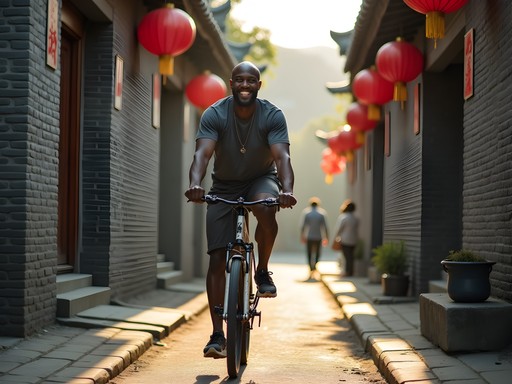
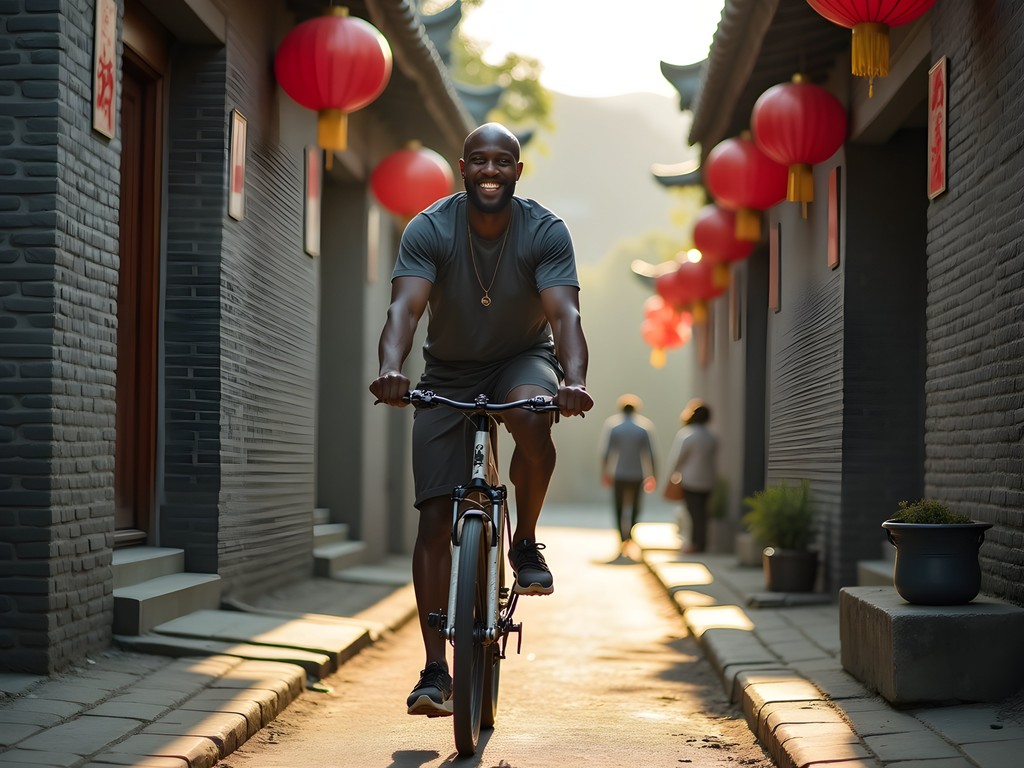
However, Beijing's true secret weapon is the shared bike system. Download either the Meituan (yellow bikes) or Hello (blue bikes) app, and suddenly the city transforms into an open-world exploration game. I spent one magical morning cycling through the hutongs near Houhai Lake, stopping whenever I spotted interesting birds or food stalls – something impossible with rigid tour schedules.
💡 Pro Tips
- Download Baidu Maps or Amap instead of Google Maps – they work better in China and show real-time bus arrivals
- Avoid subway lines 1 and 10 during rush hour (7:30-9am and 5:30-7pm) unless you enjoy human sardine simulations
- When taking taxis, always have your destination written in Chinese characters – most drivers don't speak English
Eat Where Students Eat: Budget Food Paradise
As a catering manager, food exploration tops my priority list wherever I travel. In Beijing, I discovered the golden rule: follow the university students for incredible, authentic meals that won't demolish your wallet. The areas around Peking University, Tsinghua University, and Beijing Normal University are treasure troves of delicious, budget-friendly eateries.
My favorite discovery was the underground food court at Wudaokou subway station (Line 13), where I feasted on hand-pulled noodles for just 15 yuan ($2). The chef performed what I can only describe as culinary magic, transforming a lump of dough into perfect noodles through an impressive series of stretches and slaps – a combo move that would earn respect in any gaming tournament.
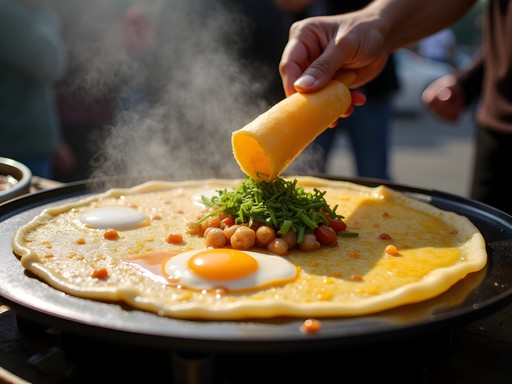
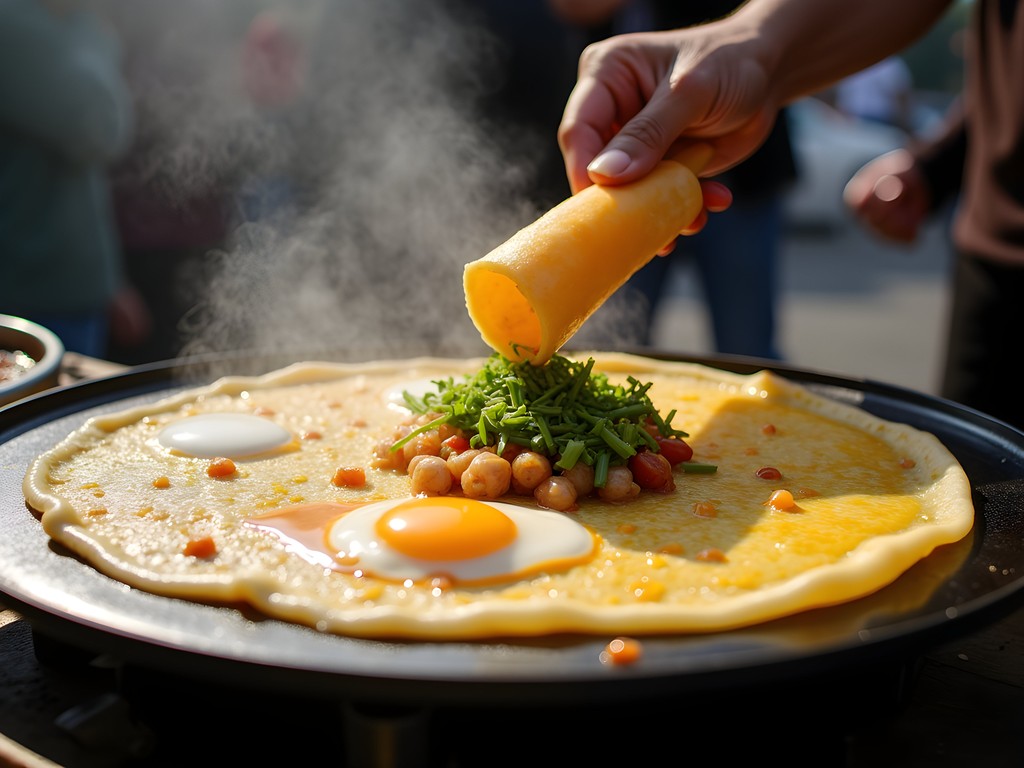
For breakfast, skip hotel offerings and venture to any neighborhood soy milk shop (豆浆店 - doujian dian). My morning ritual became ordering fresh, warm soy milk (doujiang) with youtiao (fried dough sticks) and jianbing (savory crepes made street-side) – the entire feast typically costing under $2. I tracked my culinary adventures using the food journal, which helped me remember all the incredible dishes and their Chinese names.
Pro tip: Beijing's university canteens are often open to the public. Flash a friendly smile, walk in confidently, and enjoy cafeteria-style meals where dishes cost 5-15 yuan each. The canteen at China Central Academy of Fine Arts became my regular lunch spot, offering regional specialties I couldn't find elsewhere.
💡 Pro Tips
- Look for restaurants with photos on menus or download the Dianping app (Chinese Yelp) and use its translation feature
- Always carry cash – many small food stalls don't accept foreign credit cards
- Learn the phrase 'Bu yao la' (不要辣) meaning 'no spicy' if you can't handle heat, as Beijing cuisine often packs a punch
Bird-Watching Oases in the Urban Jungle
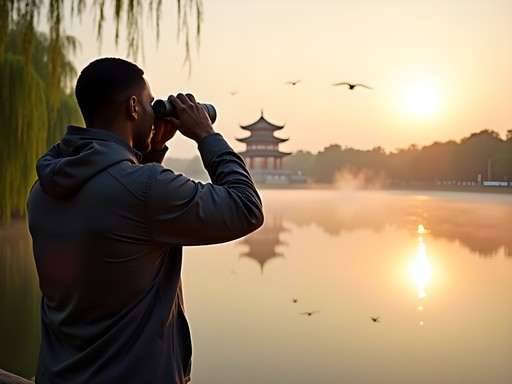
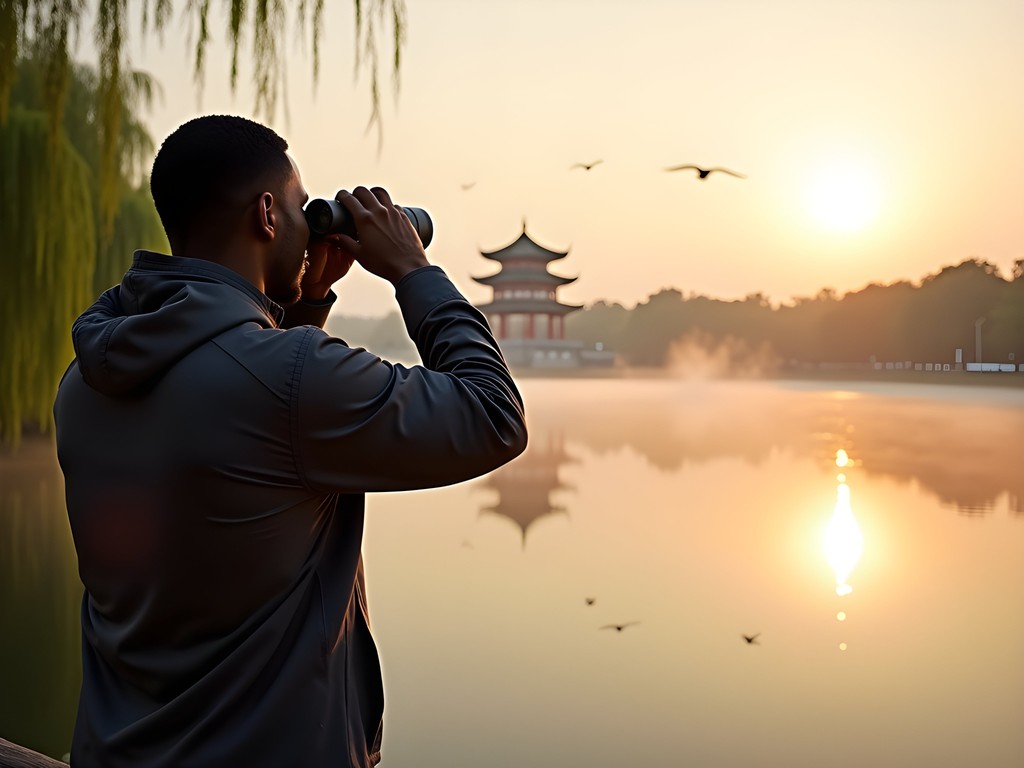
Beijing might seem like an unlikely destination for bird-watching, but this concrete metropolis hides several remarkable avian sanctuaries. The Olympic Forest Park became my dawn ritual – arriving at 6am with my binoculars revealed a completely different side of Beijing. While locals practiced tai chi and joggers made their rounds, I spotted yellow-billed grosbeaks, azure-winged magpies, and even the elusive Siberian rubythroat during migration season.
The most surprising discovery was the wetland area at the Old Summer Palace (Yuanmingyuan) – a place most tourists visit for historical ruins but completely overlook its ecological significance. The entrance fee is a mere 10 yuan ($1.50), and if you arrive early, you'll share the vast park with only serious photographers and fellow bird enthusiasts. I logged over 25 species in a single morning, including the spectacular mandarin duck and common kingfisher.
For serious birders, arrange a day trip to Wild Duck Lake (Yeyahu) about 80km northwest of central Beijing. This wetland reserve hosts impressive numbers of migratory birds in spring. I connected with a local birding WeChat group through my hostel manager, which allowed me to join a carpool with Chinese birders (saving considerable transportation costs). Remember to bring your field guide as English resources are limited once you're there.
💡 Pro Tips
- Visit parks at dawn (around 6am) when birds are most active and before crowds arrive
- Download the Merlin Bird ID app and the China bird pack before your trip – it works offline
- Bring a reusable water bottle and snacks as many parks have limited refreshment options in early morning

Gaming Culture: Beijing's Digital Playgrounds
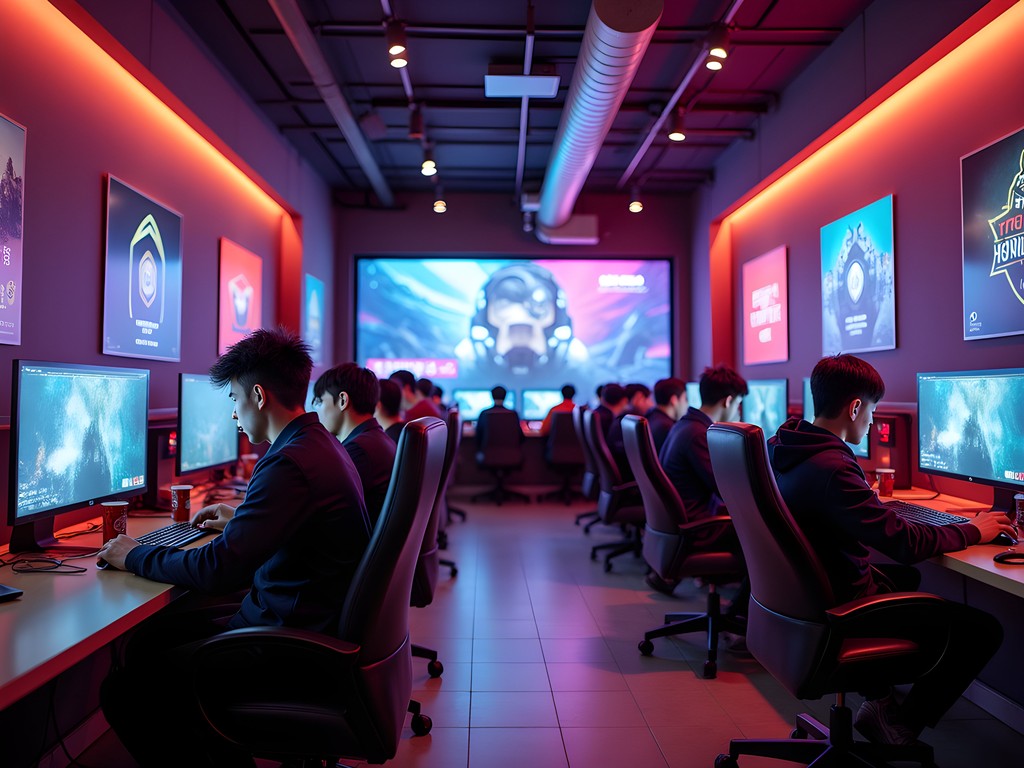
My wife couldn't join this particular adventure, but I made sure to explore Beijing's gaming scene to report back to her. Chinese gaming culture differs significantly from what we're used to in the States, focusing more on social, communal experiences than solo play. Internet cafés (网吧 - wangba) are everywhere, but the premium ones around universities offer the best experience for visitors.
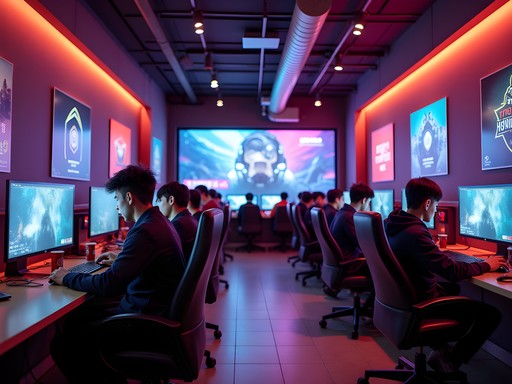
I spent several evenings at a massive gaming center near Tsinghua University where students welcomed me into their League of Legends teams despite my embarrassingly basic Mandarin. The setup was impressive – high-end gaming rigs with mechanical keyboards that would make any enthusiast jealous, all for about 10-20 yuan ($1.50-$3) per hour including complimentary drinks and snacks.
For tabletop gaming fans, seek out board game cafés like 'Playhouse' near Andingmen subway station. For around 40 yuan ($6), you get unlimited gaming time and access to hundreds of games from around the world. I brought my pocket translator which helped bridge language gaps when learning new games from locals.
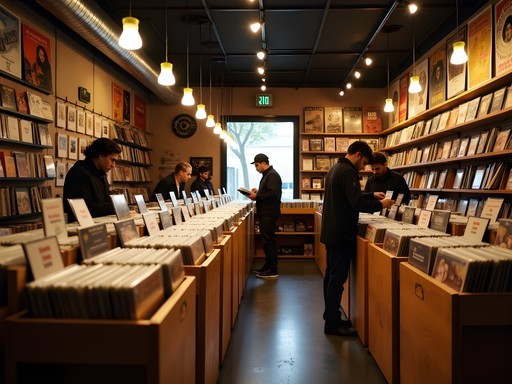
The real hidden gem was discovering Beijing's retro gaming scene in Gulou district. Tiny shops packed with everything from original Famicom consoles to rare arcade cabinets line the hutongs east of the Drum Tower. Even if you're not buying, the owners often invite you to play classic games and share gaming stories that transcend language barriers.
💡 Pro Tips
- Bring your student ID if you have one – many gaming centers offer student discounts
- Learn basic gaming terminology in Chinese before visiting (phrases like 'Can I join?' - 'Wo ke yi jia ru ma?')
- Visit CHUANGYIYUAN Cultural Creative Market for anime and gaming merchandise at prices far below what you'd pay in the West
Connect with Locals: Language Exchanges and Pop-up Events
My background in pop-up catering events taught me that temporary gatherings often create the most authentic connections. Beijing offers numerous opportunities to meet locals through language exchanges and community events – you just need to know where to look.
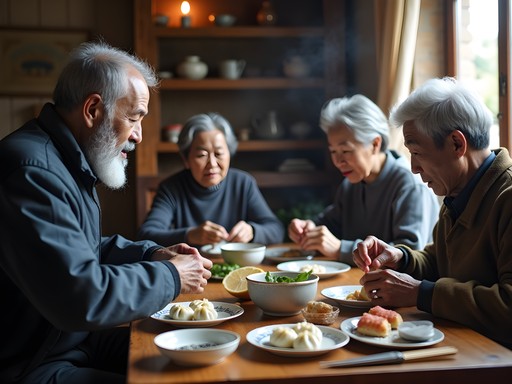
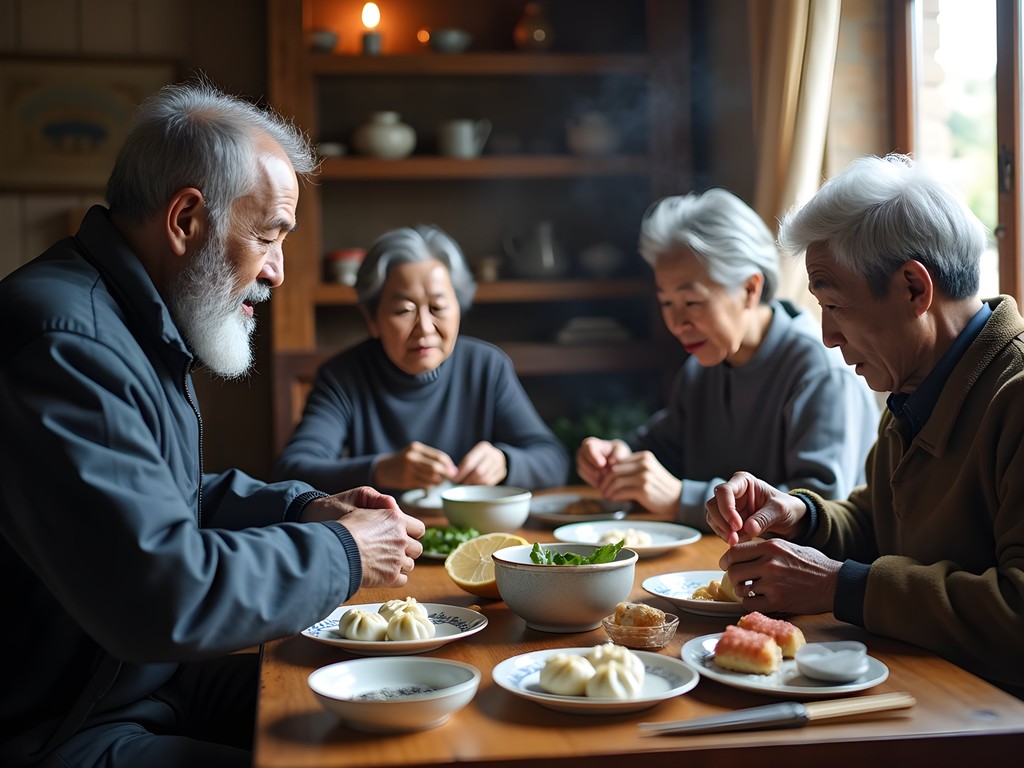
The Hutong Cultural Center near Beixinqiao subway station hosts weekly cooking classes and tea ceremonies where you can learn alongside Beijing residents. I attended a dumpling-making workshop (120 yuan/$18) where a grandmother with 60+ years of experience taught us her techniques. My dumplings looked like failed science experiments, but the laughter and conversations were worth every yuan.
For free cultural exchange, head to public parks on weekends. At Temple of Earth Park (Ditan Park), I joined an impromptu English corner where dozens of Chinese students practice English with native speakers. In exchange, they taught me essential Mandarin phrases and recommended local spots no guidebook mentions. I recorded these conversations using my voice recorder to practice pronunciation later.
Beijing's hutong neighborhoods also host increasing numbers of pop-up events. Follow WeChat public accounts like 'Beijing Foodies', 'The Hutong', and 'Timeout Beijing' (all have English options) to discover underground music shows, temporary food markets, and cultural festivals. I stumbled upon a fascinating tea-tasting event in a converted courtyard home where the owner explained Chinese tea culture while sharing rare varieties from his family's farm in Fujian province.
💡 Pro Tips
- Download WeChat before arriving in China – it's essential for connecting with locals and following event accounts
- Bring small gifts from your home country to share with new friends – American snacks were surprisingly popular conversation starters
- Visit university bulletin boards to find posters for upcoming student events that are often open to visitors
Final Thoughts
As I packed my bags after a week of authentic Beijing experiences, I realized how different my trip had been from the standard Great Wall-Forbidden City-Summer Palace circuit. By following university students to hidden eateries, joining local birders at dawn, exploring gaming cafés after dark, and connecting through language exchanges, I'd experienced a Beijing most tourists never see. The city had revealed itself as a complex open-world game with countless side quests and hidden treasures.
Beijing rewards the curious traveler willing to venture beyond TripAdvisor's top 10 list. It's a city where ancient traditions and cutting-edge technology coexist, where you can spot rare birds at dawn and battle in esports arenas by night. Whether you're a fellow birder, a food enthusiast, or a gaming aficionado, Beijing offers authentic experiences that won't destroy your budget.
So grab your metro card, practice a few basic Mandarin phrases, and prepare to discover the real Beijing – one early morning jianbing and late-night gaming session at a time. The city's true character isn't found in its monuments but in the daily rhythms of its people.
✨ Key Takeaways
- Follow university students for authentic, budget-friendly food experiences
- Visit parks at dawn for the best bird-watching and to see locals practicing traditional exercises
- Use shared bikes to explore hutong neighborhoods at your own pace
- Connect with locals through language exchanges, cooking classes, and gaming cafés
- Download WeChat and Chinese apps before your trip to access events and services most tourists miss
📋 Practical Information
Best Time to Visit
Spring (April-May) or Fall (September-October)
Budget Estimate
$30-50 per day excluding accommodation
Recommended Duration
Minimum 5-7 days
Difficulty Level
Moderate




Comments
beijingvisitor2025
Just got back from Beijing and wish I'd seen this before I went! Those transportation hacks would have saved me so much time.
nomadmate
Heading to Beijing next month and this is EXACTLY what I needed! The student dining spots sound amazing. Raymond - did you need any kind of student ID to get into those cafeterias or can anyone walk in? Also, how did you find the language barrier with the metro? My Mandarin is basically nonexistent 😅
Raymond Berry
No student ID needed! Just walk in confidently and you'll be fine. For the metro, all signs have English and the ticket machines have an English option. I recommend downloading Baidu Maps though - Google Maps doesn't work well there.
nomadmate
Awesome, thanks! Downloading Baidu Maps right now. Can't wait to check out those bird-watching spots too!
Charlotte Watkins
Raymond, your bird-watching tips caught my attention! When we took our grandkids to Beijing last summer, we stumbled upon Olympic Forest Park but had no idea it was such a hotspot for birders. My husband spotted several species but we weren't prepared with proper gear. Next time I'll bring my compact binoculars which are perfect for travel. Your transportation hacks would have saved us so much confusion - we spent our first two days completely baffled by the subway system before a kind student helped us figure it out. The gaming culture section is something I'll share with my teenage grandson who's planning to join us next trip!
nomadmate
Charlotte, if your grandson is into gaming, definitely check out the places Raymond mentioned near Zhongguancun. My nephew went nuts for those arcades - they have games we never see in the US!
Charlotte Watkins
Thanks for the tip! He'll be thrilled to hear that. Anything to make a teenager excited about family travel is a win in my book!
explorebackpacker
Those student dining spots were a game changer when I visited last year! The cafeteria near Peking University was insanely good and dirt cheap. Did you check out any of the night markets for street food? I found some amazing jianbing at the one near Wangfujing. Also, the metro card tip is spot on - saved me so much hassle compared to buying individual tickets every time.
Raymond Berry
Thanks! Yeah, the night markets are incredible too. I actually found the one near Donghuamen to be less touristy than Wangfujing, but both have amazing jianbing!
explorebackpacker
Oh I missed Donghuamen! Adding it to my list for next time. The gaming cafe section of your post brought back memories too - spent way too many hours playing with locals at this place near Gulou.
wildguide
Going in March! This is super helpful
Jean Wells
March is a great time to visit - not too hot yet and you'll catch the early spring blooms.
wildguide
perfect! any tips for staying connected? my phone plan doesn't work there
Raymond Berry
Grab a local SIM at the airport - China Mobile or China Unicom. Super cheap and works everywhere. You'll need it for mobile payments too!
Jean Wells
Raymond, this is exactly the kind of content travelers need. I've been to Beijing three times and always stuck to the standard circuit. Your transportation hacks are spot-on - the subway system is incredibly efficient once you understand the card system. I'm curious about your gaming shop recommendations though. As someone who analyzes travel patterns, I've noticed gaming culture is becoming a significant draw for younger travelers to Asian cities. Did you find the gaming community welcoming to international visitors? Also, which hutongs did you explore for authentic food?
Raymond Berry
Jean, the gaming community was super welcoming! Most shops around Zhongguancun had English-speaking staff. For hutongs, I spent most time around Gulou - the student crowd there keeps prices reasonable and food authentic.
explorebackpacker
The bird watching spots sound cool! Which one was your favorite?
Raymond Berry
Definitely the Olympic Forest Park! Early morning is best - saw some amazing migratory species there.
explorebackpacker
awesome thanks!
Taylor Moreau
Excellent practical advice here. I travel to Beijing quarterly for conferences and still learned a few things. The student district food recommendation is spot-on - I've been taking colleagues there instead of the usual business district restaurants. One addition: for business travelers who want authentic experiences between meetings, the early morning parks Raymond mentions are perfect for a quick cultural immersion before your day starts. The contrast between ancient practices and modern Beijing is fascinating.
greenphotographer
OMG the bird-watching section!! I'm a photographer and never even considered Beijing for wildlife shots. This is SO inspiring! Do you remember which park had the best variety? I'm already planning a trip and this totally changes my itinerary. The way you found those hidden spots while everyone else is doing the standard tourist circuit is exactly how I like to travel. Also those gaming cafe photos are aesthetic AF.
blueninja3280
Really cool approach to Beijing!
Venture X
Premium card with 2X miles, $300 travel credit, Priority Pass