
Disclosure: This article contains affiliate links. We may earn a commission from purchases at no extra cost to you, which helps our travel content.
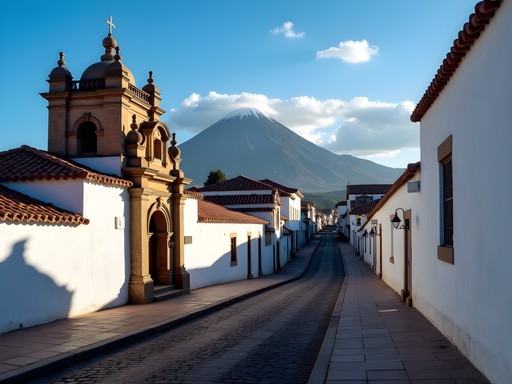
The morning sun had just begun to paint El Misti's perfect cone with golden light as I stood at 16,000 feet, my breath forming small clouds in the thin air. Twenty-six years after my first Himalayan trek sparked my love for mountains, I found myself once again drawn to these magnificent volcanic sentinels of the Andes. Arequipa—Peru's white city—nestled between three majestic volcanoes, had been calling to me for years. Not just for the technical climbs that would challenge my decades of mountaineering experience, but for the rich tapestry of Andean culture that pulses through this region like the magma beneath its peaks. This past summer, I finally answered that call, embarking on a week-long journey that would test my physical limits while feeding my soul's hunger for cultural connection. What follows is my guide to experiencing the best of Arequipa's volcanic wonders, where ancient traditions and geological marvels create a symphony as harmonious as the traditional huayno music that echoed through mountain villages during my trek.

Preparing for Arequipa's Volcanic Challenge
Let me be clear: trekking Arequipa's volcanoes is not for the casual hiker. At 56, I've summited peaks across five continents, but the combination of high altitude, technical terrain, and unpredictable weather around Arequipa demands serious preparation.
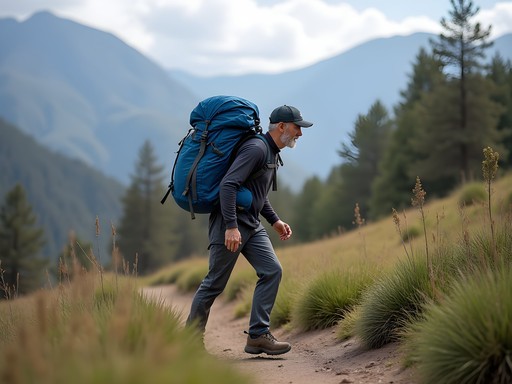
Three months before my departure, I increased my training regimen to include twice-weekly stair climbs with my expedition backpack loaded with 40 pounds of weight. Living in St. Louis doesn't offer much in terms of altitude training, so I focused on cardiovascular endurance and strength work. The postal routes I've walked for decades provided a baseline of fitness, but volcanic terrain requires specific preparation.
Acclimatization is non-negotiable. I spent three days in Arequipa (7,661 feet) before attempting any significant climbs, taking progressively higher day hikes. Even with my Himalayan experience, I felt the altitude's effects—a reminder that the mountains command respect regardless of your experience level.
Gear selection proved critical. The temperature swings in the Andes can be dramatic, dropping from pleasant 70°F days to below freezing nights. My down jacket became my most treasured possession during predawn summit pushes, packing down small but providing essential warmth when the temperature plummeted.

💡 Pro Tips
- Begin altitude training at least 8 weeks before your trip if possible
- Pack electrolyte tablets to combat dehydration at high altitudes
- Break in hiking boots thoroughly before arrival—Arequipa's volcanic terrain is unforgiving on new footwear
El Misti: The Iconic Sentinel
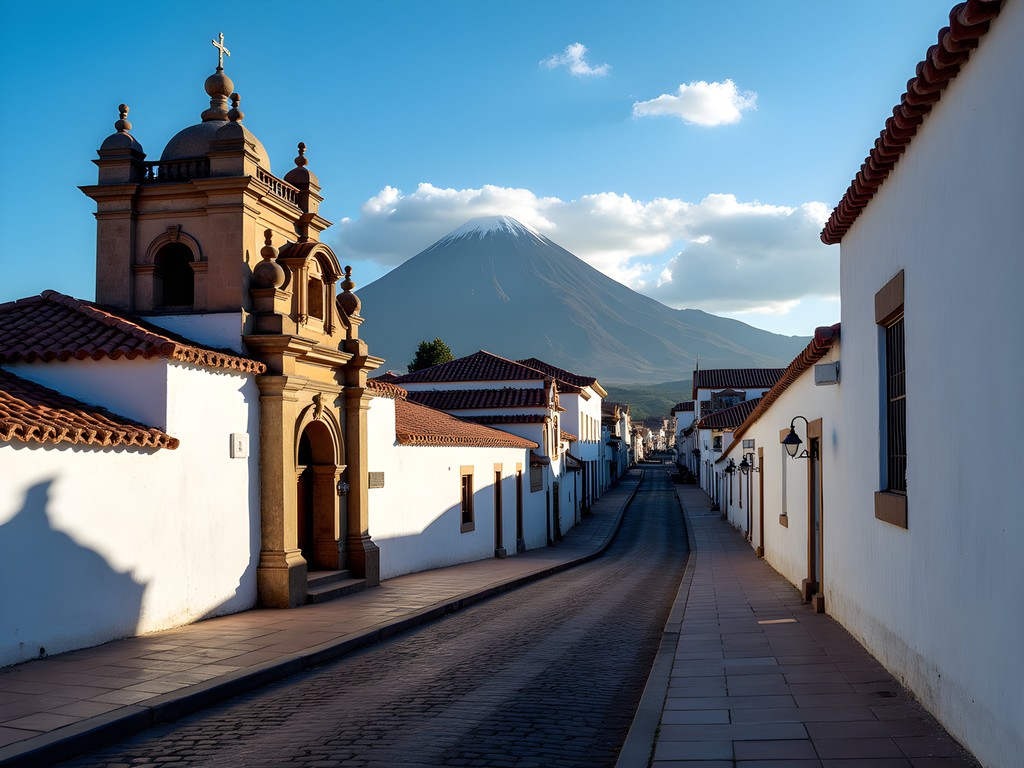
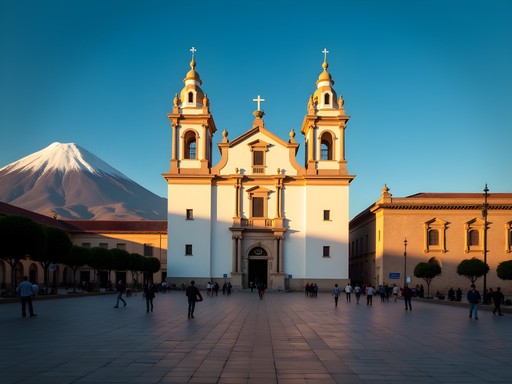
Standing at 19,101 feet, El Misti is Arequipa's postcard-perfect volcano—a nearly symmetrical cone that dominates the city's skyline. Despite its aesthetic appeal, this is no gentle giant. The two-day ascent demands both technical skill and mental fortitude.
I joined a small group guided by Andrés, a local mountaineer with twenty years of experience on these slopes. Our journey began at the trailhead (10,000 feet), with a steady climb to base camp at approximately 14,760 feet. The terrain transitions from desert scrubland to increasingly barren volcanic soil, each step crunching on centuries-old volcanic debris.
Base camp—a collection of stone shelters built by local guides—offered minimal protection from the elements but spectacular sunset views of neighboring peaks Chachani and Pichu Pichu. After a simple dinner of quinoa soup and coca tea (the local remedy for altitude symptoms), we attempted sleep despite the cold and thin air.
The summit push began at 2:00 AM under a canopy of stars so bright they seemed close enough to touch. Headlamps illuminated our zigzagging path up loose scree—a dance of two steps forward, one sliding back. My trekking poles with carbide tips proved invaluable here, providing stability on the unstable surface.
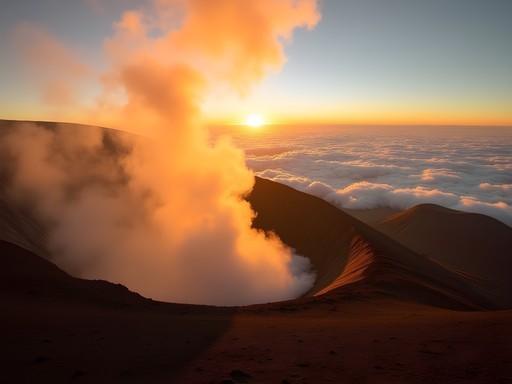
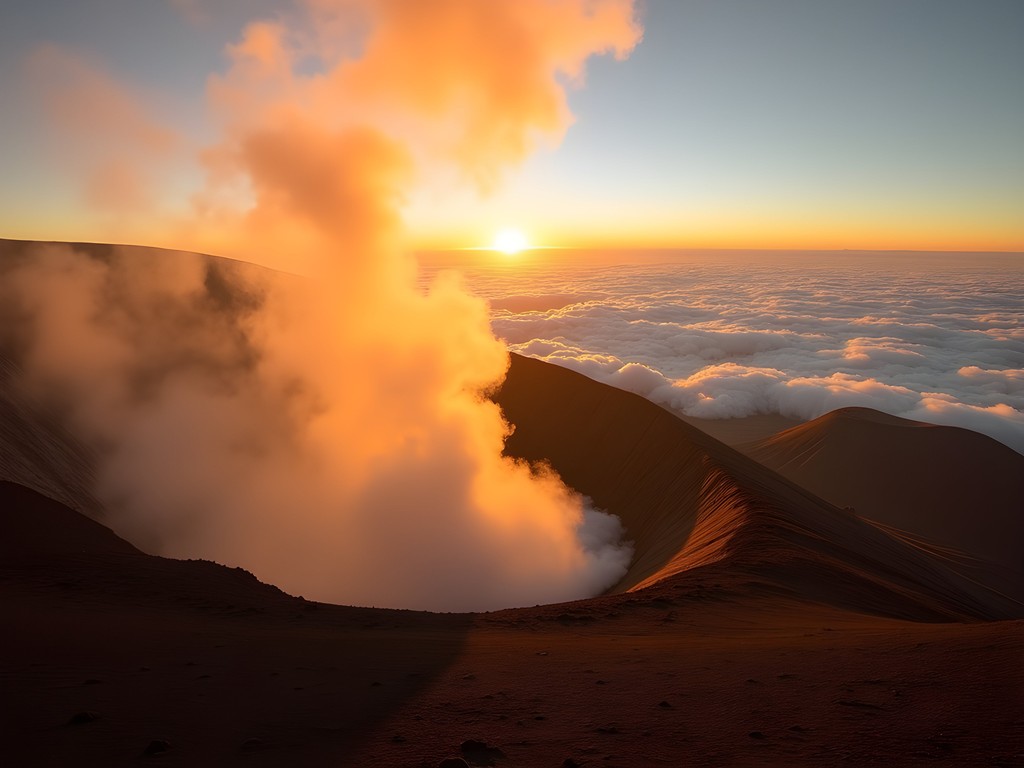
As dawn broke, we reached the crater rim. The sulfur smell from active fumaroles mingled with the crisp morning air as we traversed to the true summit. Standing atop El Misti at sunrise, Arequipa spread below like a white canvas against the desert landscape, I felt that familiar mountaineer's paradox—utterly exhausted yet completely alive.
💡 Pro Tips
- Use a buff or bandana to cover your mouth during the final ascent to filter volcanic dust
- Pack additional warm layers for the summit—temperatures can drop below freezing even in summer
- Bring extra batteries for headlamps—the predawn summit push requires reliable lighting
Chachani: The Technical Challenge
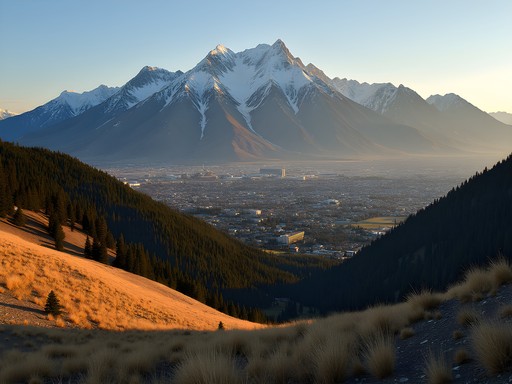
While El Misti may be Arequipa's most recognizable peak, Chachani—at 19,872 feet—offers the greater technical challenge and, in my experience, the more rewarding mountaineering adventure. This massive volcanic complex requires proper equipment and experienced guidance.
After a day of recovery in Arequipa (where I treated myself to a traditional rocoto relleno at a local picantería), I met my guide Miguel for the Chachani expedition. The approach took us through remarkable ecological transitions—from desert to puna grasslands, finally reaching the rocky base camp at approximately 16,400 feet.
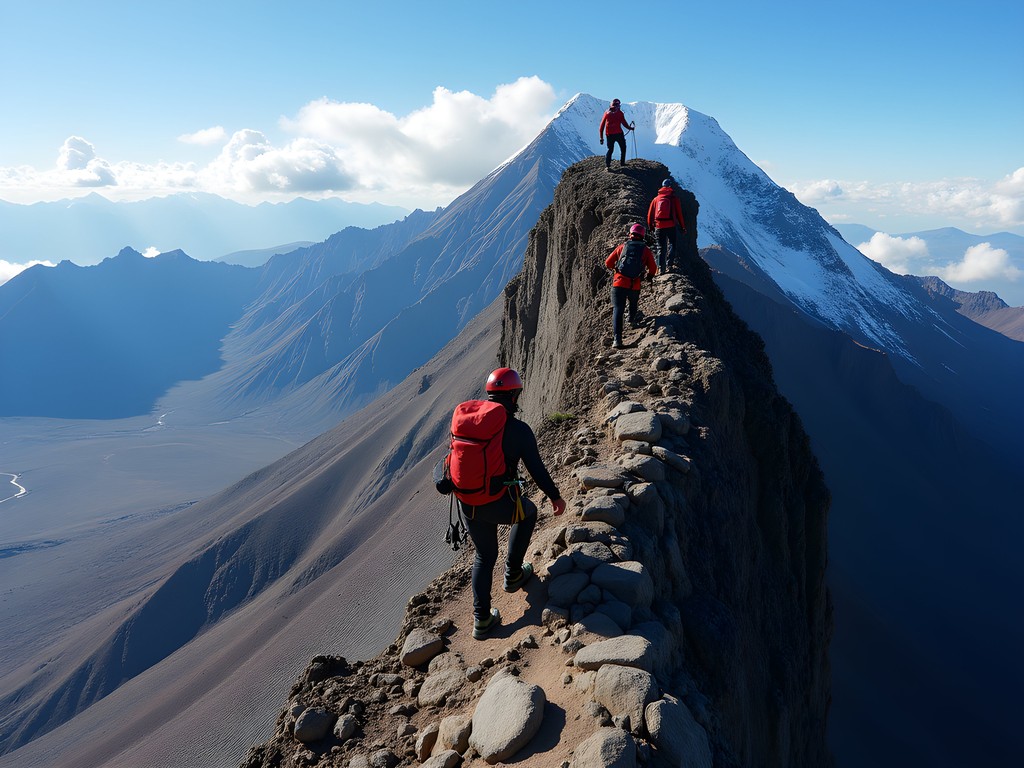
The predawn summit push tested every aspect of my mountaineering experience. Sections of the route required crampons and ice axes, particularly on the northern approach where old snow fields persist even in summer. My mountaineering boots proved their worth here—the rigid sole and insulation kept my feet secure and warm through technical sections.
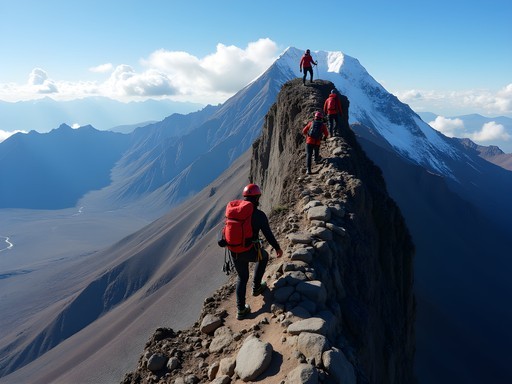
The final approach to the summit involves a narrow ridge with significant exposure on both sides. Having climbed similar terrain in the Himalayas, I felt comfortable with the exposure, but several in our group found this section challenging. The panoramic view from the summit, however, erased all memory of struggle. The entire volcanic chain stretched before us, with El Misti appearing almost diminutive from our higher vantage point.
During our descent, we encountered a group of local climbers who invited us to join their summit ceremony—an offering of coca leaves to the Apus (mountain spirits). As they performed traditional movements with the offering, I was reminded of the dance ceremonies I'd participated in across Nepal's mountain villages. Despite the different continents, the reverence for mountains as sacred entities resonated deeply with my own mountaineering philosophy.
💡 Pro Tips
- Invest in quality mountaineering boots with rigid soles for the technical sections
- Practice with crampons before attempting Chachani if you have limited experience
- Approach the traditional ceremonies with respect—ask permission before photographing

Colca Canyon: Recovery and Cultural Immersion
After the physical demands of El Misti and Chachani, I scheduled three days to explore the Colca Canyon—a journey that provided both recovery time for tired muscles and rich cultural experiences that satisfied my passion for traditional performance arts.
Twice as deep as the Grand Canyon in sections, Colca offers trekking opportunities that, while still challenging, felt gentle compared to the volcanic ascents. The verdant agricultural terraces dating back to pre-Inca civilizations create a striking contrast to the barren volcanic landscapes.
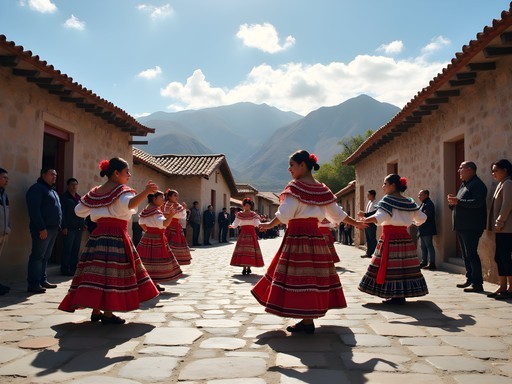
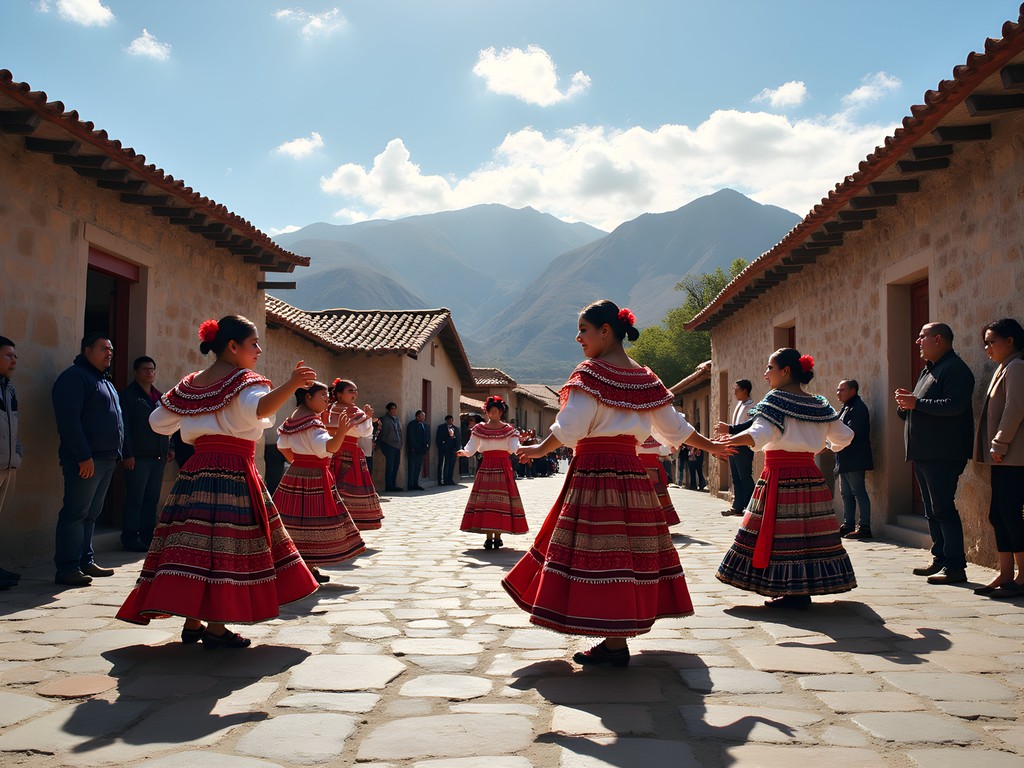
In the village of Cabanaconde, I witnessed local dancers performing the wititi—a courtship dance recently recognized by UNESCO as cultural heritage. The intricate footwork reminded me of Kathak patterns I'd studied years ago, though expressed through an entirely different cultural context. When invited to join, I found my body remembering movements from dance workshops in Nepal, adapting to this new rhythm with surprising ease.
The canyon trek led to the oasis of Sangalle, where natural pools offered welcome relief for mountaineering-weary legs. My hiking sandals proved perfect for this section—supportive enough for the trails but ideal for crossing streams and relaxing at the oasis.
During evenings in local homestays, I shared stories of postal routes in Missouri with bemused locals who couldn't fathom mail delivery without mountainous terrain. In return, they taught me traditional huayno dance steps, laughing good-naturedly at my attempts to master the quick footwork. These cultural exchanges, as much as the mountain summits, are what continue to draw me back to high places around the world.
💡 Pro Tips
- Allow at least 2-3 recovery days between major volcanic climbs
- Bring small gifts from your home country for homestay hosts—postcards from America were surprisingly appreciated
- Learn basic dance steps before joining traditional performances—locals appreciate the effort even if execution is imperfect
Practical Logistics: Base Camp Arequipa
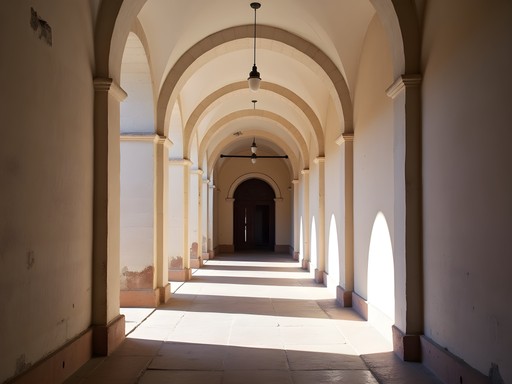
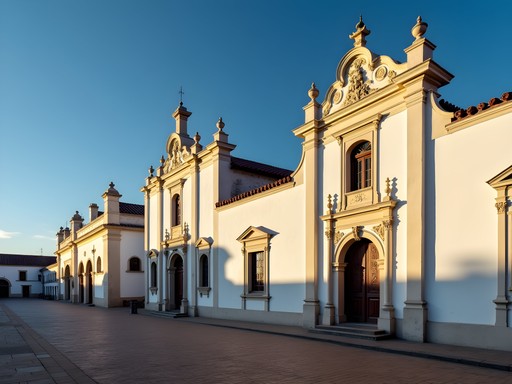
Arequipa itself deserves attention beyond being merely a staging ground for volcanic adventures. The historic center, constructed from sillar (white volcanic stone), earned its UNESCO World Heritage designation for good reason. I based myself at a mid-range hotel near the Santa Catalina Monastery, which provided easy access to both amenities and cultural attractions.
For equipment rental, I recommend Carlos Zarate Adventures, where I supplemented my own gear with locally available items. While I brought my own technical equipment, their rental quality impressed me—particularly important for items like crampons and ice axes that can be cumbersome to transport internationally.
Acclimatization days in the city weren't wasted time—I explored the fascinating Museo Santuarios Andinos, home to the famous Ice Maiden mummy discovered on Mount Ampato. The preservation of this Inca sacrifice and her artifacts provided historical context to the region's deep connection between mountains and spirituality.
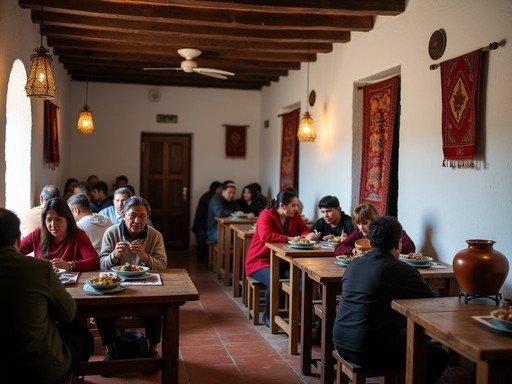
For meals between treks, Arequipa's picanterías offer hearty, traditional cuisine perfect for refueling. The local specialty rocoto relleno (stuffed spicy peppers) became my post-climb tradition, along with a cold Cusqueña beer. My travel journal filled quickly with notes on local ingredients and preparation methods—culinary details I've found enhance my understanding of a region's culture as much as its dances and ceremonies.
When planning your own itinerary, I recommend scheduling at least one day in Arequipa between major climbs. This allows for equipment maintenance, laundry (readily available at hostels and hotels), and the physical recovery needed to fully enjoy each mountain experience. The city's 7,661-foot elevation provides effective intermediate acclimatization without the discomfort of sleeping at higher base camps.
💡 Pro Tips
- Book accommodations with 24-hour hot water—a luxury you'll appreciate after descending from freezing summit conditions
- Use the city's central post office to mail home souvenirs and reduce pack weight (the postal worker in me couldn't resist checking out their operations)
- Purchase coca leaves from the San Camilo Market for altitude tea—far cheaper than tourist shops
Final Thoughts
As my flight departed Arequipa, El Misti's perfect cone receded into the distance—a silhouette that will remain etched in my memory alongside the Himalayan peaks that first called me to high places. What makes Arequipa's volcanic landscapes truly special isn't just their technical challenge or breathtaking beauty, but how seamlessly they blend with living cultural traditions. The dance of mountaineering here extends beyond the physical ascent to include the rhythms of local communities who have lived in harmony with these sleeping giants for centuries. Whether you're an experienced climber seeking new technical challenges or a cultural explorer drawn to authentic experiences, Arequipa's volcanic realm offers transformative adventures for those willing to respect both the mountains and the traditions they've inspired. As we say in mountaineering circles: the summit is only half the journey. In Arequipa, that journey includes not just the volcanic ascents, but the human connections waiting to be made in the valleys below.
✨ Key Takeaways
- Proper acclimatization is essential—spend at least 2-3 days in Arequipa before attempting major climbs
- The combination of technical volcanic ascents and cultural immersion makes Arequipa unique among mountaineering destinations
- Local guides not only ensure safety but provide invaluable cultural context that enriches the experience
📋 Practical Information
Best Time to Visit
May through September (dry season)
Budget Estimate
$1,200-$1,800 for one week (excluding international flights)
Recommended Duration
7-10 days minimum
Difficulty Level
Challenging
Comments
coffeewalker
Just got back from Arequipa last month. Pro tip: spend at least one day doing a shorter hike around the city before attempting the big volcanoes. We did a day trip to Yumina and it really helped with acclimatization. Also the picanterías in the city center are amazing for carb loading before the climbs. Don't skip the rocoto relleno!
globelegend
Good call on the practice hike!
citymate
Going in September! This post has me so pumped
Kimberly Murphy
Love this Aiden! The Colca Canyon section really resonated - it's such a perfect counterbalance to the intensity of the volcano climbs. I spent an extra few days there just soaking in the hot springs and watching condors. One tip for anyone planning this: bring proper layers! I made the mistake of underestimating how cold those pre-dawn starts get. My down jacket was a lifesaver. The temperature swing from base to summit is no joke. Also, the local markets in Arequipa are brilliant for picking up last-minute supplies and the food is incredible!
summerguy1848
Thanks for the jacket rec! Been looking for something packable
sunsetguide
Wow the photos are stunning!! This looks like such an adventure
coffeewalker
How many days did you spend acclimatizing in Arequipa before attempting El Misti? I've done some high altitude hiking in Colorado but nothing quite at 16k feet. Also curious about the technical difficulty - sounds like Chachani requires more experience?
citymate
Not OP but I spent 3 days in Arequipa first and felt ok. Chachani is definitely harder from what I heard
Hunter Thompson
Brilliant write-up Aiden! Did El Misti last year and the altitude absolutely kicked my arse despite thinking I was prepared. Your point about acclimatization is spot on - I rushed it and paid the price. The sunrise from the summit though, absolutely worth every labored breath. Did you use a local guide company? I went with a smaller outfit and they were fantastic, really knowledgeable about the geology and kept a good pace for the group.
summerguy1848
Which company did you use? Planning this for August!
Hunter Thompson
I used Andes Explorer - small group, good equipment, and they really emphasize safety. Worth the extra few quid over the budget operators.
globelegend
Those views are insane! Adding this to my list
Gregory Boyd
Excellent write-up, Aiden. Your point about Chachani being the technical challenge is spot-on. I attempted it in 2021 and underestimated how much the altitude would affect my coordination on those icy sections. The contrast you drew between the physical demands and the cultural recovery in Colca Canyon is a brilliant way to structure a trip. One thing I'd add for future trekkers: bring proper layers. The temperature swing from midday sun to pre-dawn summit attempts is massive. I made the mistake of not having adequate gloves and paid for it. The hand warmers I picked up in town were a lifesaver on summit day. How did you find the food situation at the base camps?
mountainace
What time of year did you go? Trying to figure out the best season for this trek.
vacationmaster
From what I've read, May to September is the dry season and best for trekking
redmate
Love the photos! That golden light on the cone is stunning
Venture X
Premium card with 2X miles, $300 travel credit, Priority Pass