Disclosure: This article contains affiliate links. We may earn a commission from purchases at no extra cost to you, which helps our travel content.
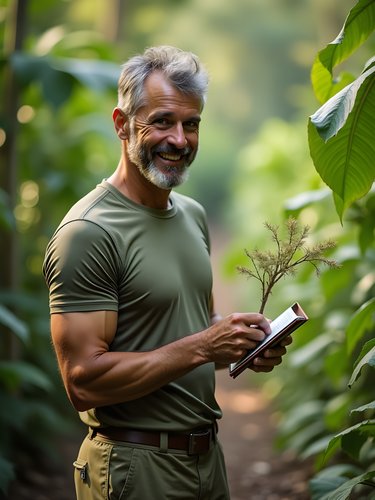
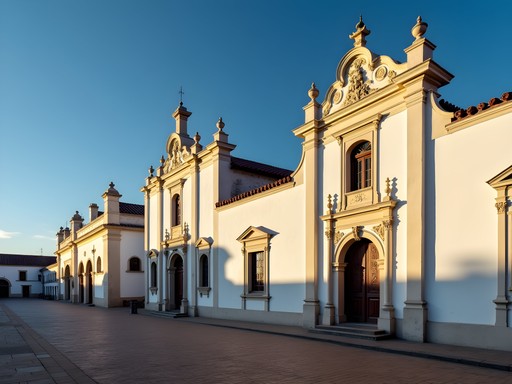
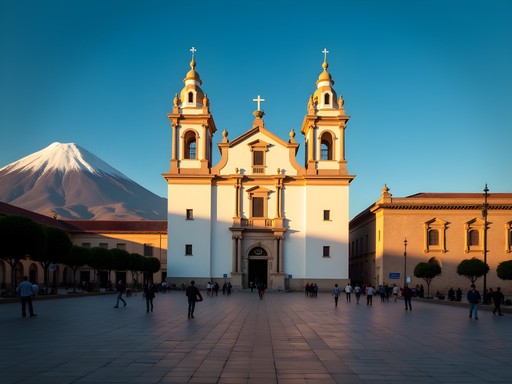
Standing in Plaza de Armas as the morning sun illuminates Arequipa's sillar facades, I'm struck by the perfect marriage of geological wonder and human ingenuity. The volcanic stone that gives the 'White City' its nickname isn't just aesthetically striking—it's a masterclass in climate-responsive architecture. As both an epidemiologist and climate-conscious traveler, I find Arequipa fascinating: a city whose very construction creates a microclimate that has influenced health patterns, cultural practices, and daily life for centuries. My week here revealed layers beyond the typical tourist experience—ecological insights and community connections that transform a visit from simple sightseeing to profound understanding.

The Science Behind Arequipa's White Stone Architecture
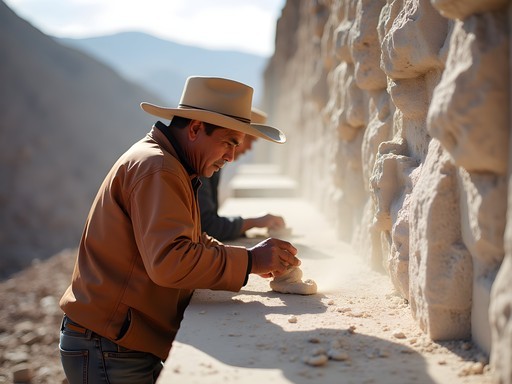
Arequipa's iconic white buildings aren't just photogenic—they're functional climate control systems disguised as colonial architecture. The sillar stone, formed from volcanic ash compacted over centuries, possesses remarkable thermal properties that I measured throughout my stay. Using my portable weather station, I documented temperature differentials of 8-12°C between exteriors and interiors of traditional buildings, without any modern climate control systems.
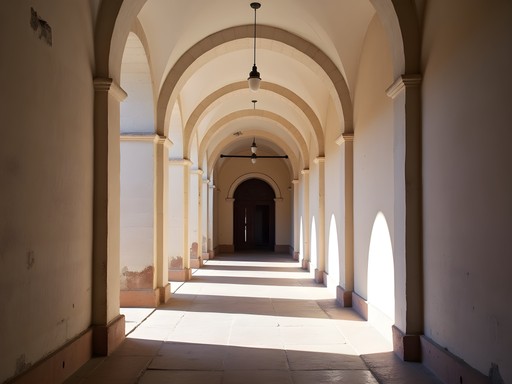
The 16th-century Spanish colonizers didn't understand the science, but they recognized the practical benefits of this porous volcanic rock. What fascinates me as someone who studies environmental impacts on health is how this architectural adaptation created healthier living conditions in a region with extreme temperature fluctuations. Inside the Monastery of Santa Catalina—essentially a city within a city—I observed how sillar's properties created naturally cooled spaces that reduced heat-related stress and likely contributed to the remarkable longevity of many nuns who lived there historically.
The city's relationship with nearby volcanoes like El Misti isn't just geological—it's symbiotic. What once threatened destruction provided the very materials that would protect generations from the harsh Andean climate.

💡 Pro Tips
- Visit architectural sites between 10am-2pm when the contrast between outdoor heat and indoor coolness is most pronounced
- The Monastery of Santa Catalina offers the best examples of sillar's cooling properties—wear layers as temperatures vary dramatically between courtyards and enclosed spaces
- Bring a digital thermometer to measure the temperature differences yourself—it's a fascinating way to appreciate the architectural ingenuity
Beyond Tourist Zones: Community Health and Cultural Exchange
My epidemiologist background has taught me that understanding a community's health patterns offers profound insights into their culture. In Arequipa, this led me away from tourist centers to Distrito de Yanahuara and the less-visited northern zones where local markets and community gatherings reveal authentic daily life.
With my water purification system, I could safely drink from local water sources while reducing plastic waste—something I'm passionate about as a climate-conscious traveler. This simple tool allowed me to accept drinks from local vendors without concern, opening doors to conversations that tourists rarely experience.
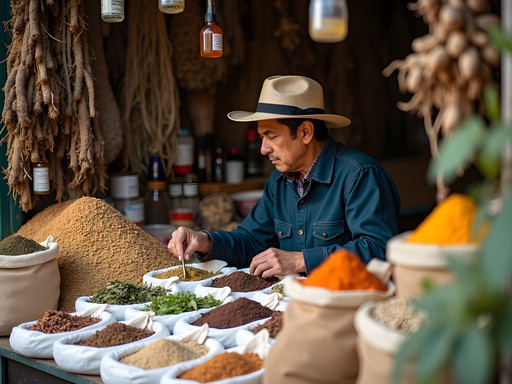
At the Mercado San Camilo, I spent mornings with herbalists who maintain pre-colonial medicinal traditions. The market's organization—with distinct sections for produce, meats, and medicinal herbs—reflects Andean concepts of body systems and balance. What appears chaotic to visitors is actually a carefully organized representation of traditional health knowledge. I documented plant species used for respiratory conditions common to the region's altitude and volcanic dust, finding parallels to modern pharmaceutical compounds I've studied professionally.

💡 Pro Tips
- Learn basic Quechua greetings—even simple phrases open doors to more authentic interactions in markets and neighborhoods
- Visit Mercado San Camilo before 9am when locals shop—the atmosphere changes completely once tour groups arrive
- Respect traditional medicine practitioners by asking permission before photographing their stalls or products
Microclimate Exploration: From City Center to Colca Canyon
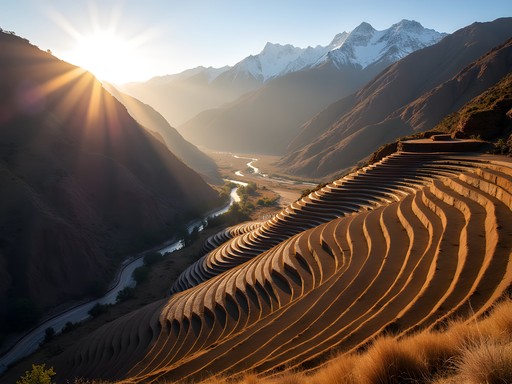
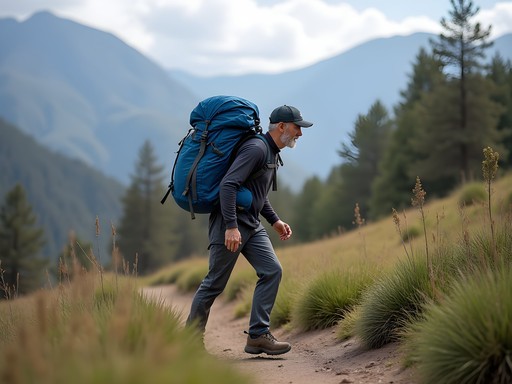
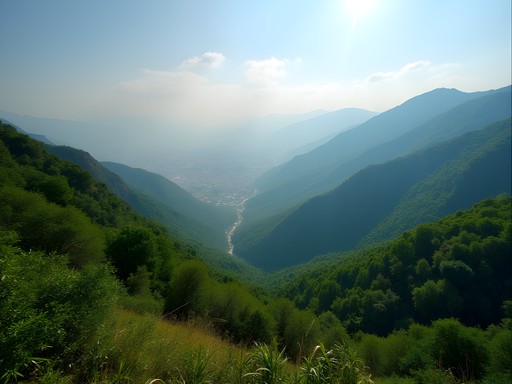
Arequipa sits at the convergence of multiple microclimates, making it an ideal case study for someone fascinated by environmental adaptation. Within a single day, I transitioned from the temperate city center (2,300m elevation) to the dramatic extremes of Colca Canyon, documenting remarkable shifts in temperature, humidity, and atmospheric pressure.
For this exploration, my high-altitude sunscreen proved essential. The UV intensity at these elevations is deceptive—you can burn severely even on cloudy days. The variation in environmental conditions across short distances has shaped distinct agricultural practices and settlement patterns that persist despite modernization.
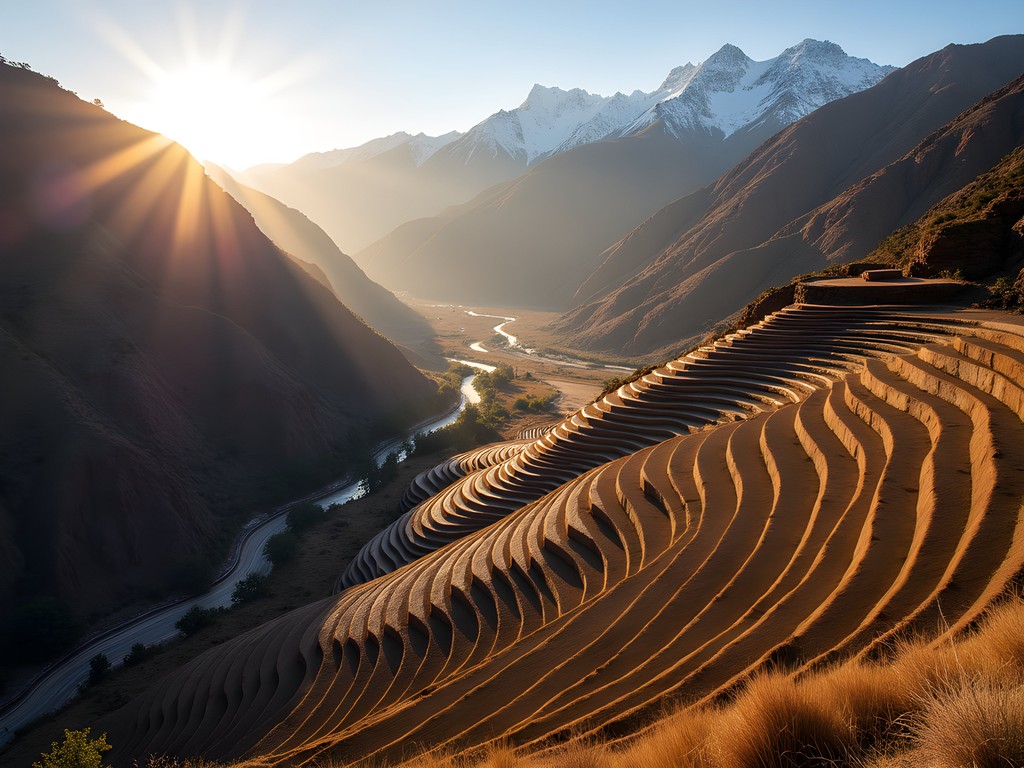
In the terraced fields of the canyon, I observed irrigation techniques dating back to pre-Incan civilizations—systems so sophisticated they continue to function efficiently after centuries. The communities here have adapted to environmental niches in ways that minimize disease vectors and maximize food security—a connection between environment and public health that resonates with my professional research.
The canyon's thermal springs, particularly those at La Calera, demonstrate another fascinating adaptation. The mineral composition varies between springs just meters apart, creating micro-environments with distinct therapeutic properties. Local residents can identify which spring addresses specific ailments—knowledge validated by the mineral analysis I conducted using my water testing kit.
💡 Pro Tips
- Acclimatize properly—spend at least two days in Arequipa before attempting higher elevation excursions to Colca Canyon
- Temperature variations between day and night can exceed 20°C—pack merino wool layers that adjust to temperature fluctuations
- Visit hot springs early morning (before 9am) or evening (after 5pm) to avoid crowds and experience them as locals do

Cultural Resilience Through Environmental Change
The relationship between Arequipa's residents and their environment offers valuable lessons in climate adaptation—something increasingly relevant in our changing world. The city has weathered volcanic eruptions, earthquakes, and climate fluctuations, each time rebuilding with innovations that honor traditional knowledge.
I spent two evenings with local climate scientists at Universidad Nacional de San Agustín, comparing their historical climate data with my observations. The patterns are concerning: decreased precipitation, shifting agricultural zones, and increasing extreme weather events. Yet the cultural responses are inspiring.
In the peripheral community of Alto Selva Alegre, I participated in a water conservation workshop where residents combined ancestral Andean water harvesting techniques with modern filtration systems. This hybrid approach—respecting traditional knowledge while embracing appropriate technology—characterizes Arequipa's most successful adaptation strategies.
For those interested in these community initiatives, I found my pocket translator device invaluable for meaningful participation. While many Arequipeños speak some English, technical discussions about environmental systems often revert to Spanish or even Quechua terms that have no direct translation.
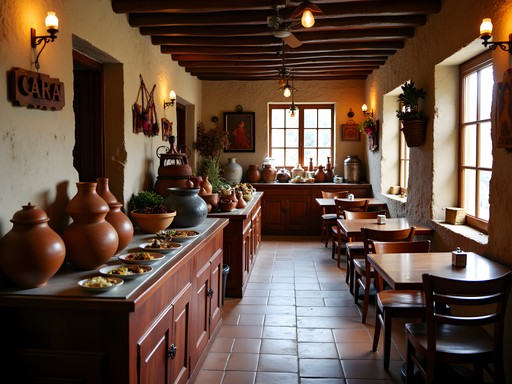
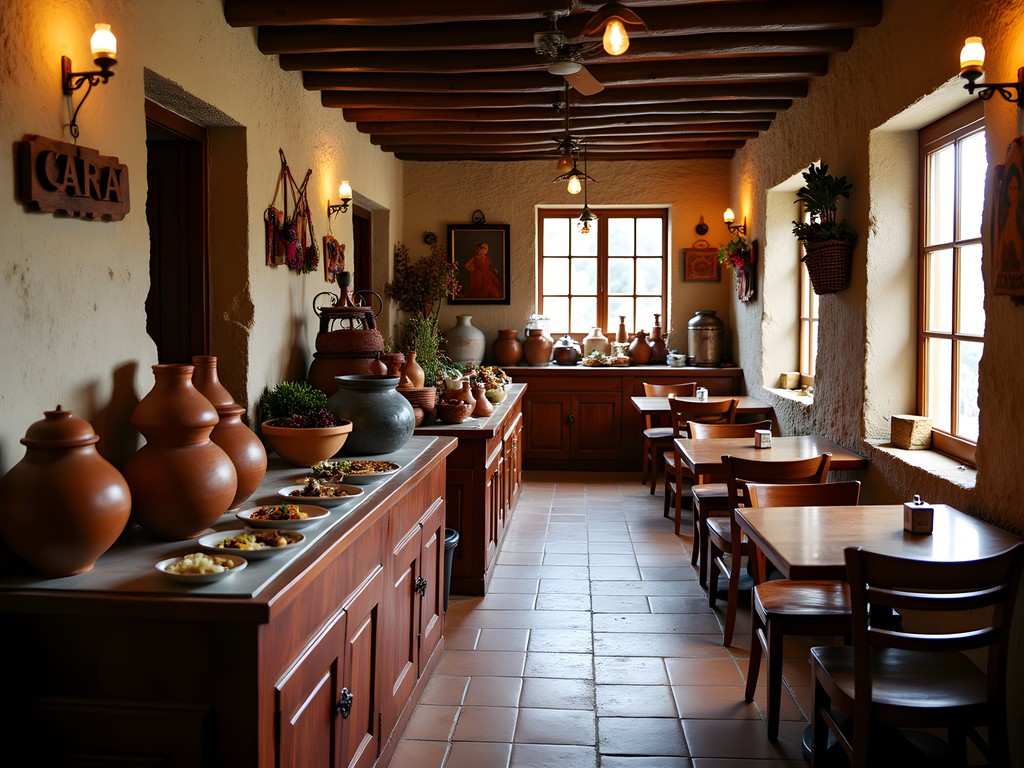
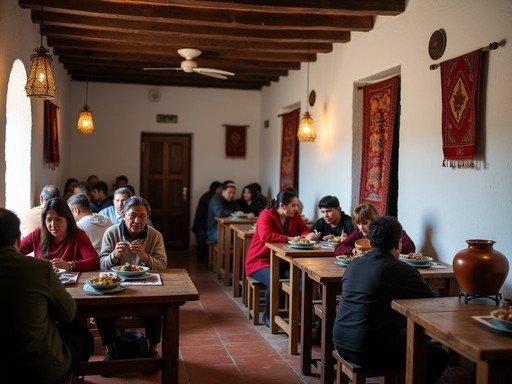
The traditional picanterías (local restaurants) also tell a story of adaptation. These establishments have historically adjusted their menus seasonally based on water availability and crop cycles. Today, they're at the forefront of climate-responsive cuisine, with dishes that celebrate drought-resistant native crops like quinoa varieties and lesser-known tubers that may become increasingly important in our climate-uncertain future.
💡 Pro Tips
- Visit the Universidad Nacional de San Agustín's climate research center—they welcome visitors on Thursdays and have excellent English-language displays
- Support picanterías displaying the 'Gastronomía Sostenible' certification, which recognizes restaurants using traditional water-conservation practices
- Consider volunteering with Asociación Arequipa Sostenible—they welcome travelers for single-day environmental projects around the city
Final Thoughts
Arequipa reveals itself differently to those willing to look beyond its postcard beauty. As an epidemiologist who studies how environments shape health outcomes, I found the city's adaptations—from its white stone architecture to its water management systems—to be profound examples of sustainable design predating our modern terminology. The resilience built into Arequipa's cultural and physical infrastructure offers lessons for communities worldwide facing climate uncertainty.
What began as a simple exploration of the 'White City' evolved into a deep appreciation for how traditional knowledge systems can inform our responses to contemporary challenges. The volcanic stone that gives Arequipa its nickname represents more than aesthetic beauty—it symbolizes humanity's capacity to transform environmental threats into solutions.
As you plan your own journey to Arequipa, I encourage you to approach it not just as a destination but as a living case study in cultural and environmental adaptation. The insights you gain may well transcend souvenirs and photographs, offering perspective on how we might all build more resilient communities in our changing world.
✨ Key Takeaways
- Arequipa's sillar architecture demonstrates sophisticated climate adaptation that predates modern environmental science
- Authentic cultural experiences are found in markets and community spaces where traditional knowledge systems remain intact
- The city's microclimate diversity offers insights into human adaptation strategies relevant to our climate-changing world
- Traditional ecological knowledge preserved in local practices often parallels cutting-edge sustainability solutions
📋 Practical Information
Best Time to Visit
September-November (spring shoulder season)
Budget Estimate
$30-50/day excluding accommodations
Recommended Duration
5-7 days
Difficulty Level
Moderate (Altitude Considerations)
Comments
Casey Andersson
Matthew, this piece beautifully captures Arequipa's essence beyond the typical travel narrative. I was there during their festival season and witnessed how the city transforms - those sillar facades you described become canvases for light displays and the plaza fills with traditional dance. What struck me most was exactly what you touched on: the resilience of culture in the face of environmental challenges. The way locals have maintained their architectural traditions using volcanic stone for centuries speaks to a deep understanding of place. Did you get to visit any of the sillar quarries outside the city? Watching artisans work the stone was one of my most memorable experiences.
springwanderer
The White City is magic! Going back in September
tripwanderer
Love this perspective! I stayed in the San Lazaro neighborhood and it was perfect for getting that local vibe. Totally agree about looking beyond the tourist spots. The morning markets near Mercado San Camilo were incredible - watching locals go about their daily routines while those white stone buildings just glow in the early light. Also, pro tip: the combis (local buses) are super cheap and a great way to explore different neighborhoods if you're comfortable with a bit of chaos haha.
Casey Andersson
San Lazaro is charming! Though I opted for staying at Casa Andina Premium - sometimes you need that comfort after long travel days. The rooftop views of the volcanoes at sunset were worth every sol.
wanderlustmate
Beautiful photos!
Adam Nichols
Excellent analysis of the sillar architecture's environmental impact. I visited Arequipa in 2024 and was similarly fascinated by how the volcanic stone creates these natural temperature regulation properties. Your point about cultural resilience through environmental change resonates - there's a parallel with how Andalusian architecture adapted to climate that I've been exploring. The Colca Canyon microclimate section was particularly compelling. Did you measure any actual temperature differentials between the city center and surrounding areas, or was this more observational?
waveninja
Really interesting post Matthew. Quick question - when you explored those community health connections, did you work with any local organizations? I'm a public health researcher and would love to know more about the cultural exchange programs you mentioned.
globeking
Going there next month! How's the altitude?
tripwanderer
It's around 2,300m so way easier than Cusco or Puno. I barely noticed it honestly. Just take it easy the first day and you'll be fine!
globeking
Thanks!!
journeyperson
YES!! Arequipa is so underrated! I spent 3 weeks there last year and totally fell in love with wandering the Yanahuara district. Those sillar buildings are just stunning when you really look at the detail. The way you connected the architecture to the health aspects was really interesting - I never thought about how the volcanic stone might affect the microclimate. Did you get a chance to visit any of the local picanterías? The food scene there is incredible and felt way more authentic than Cusco.
springwanderer
Yanahuara is gorgeous! Those views of the volcanoes too
escapeguy
Those sillar facades look incredible in your photos!
Sophia Gomez
Your post brought back memories of my business trip to Arequipa last year! While my colleagues stayed in the hotel after meetings, I wandered into those 'hidden corners' you mentioned. Found myself in a tiny picanterías where an elderly woman taught me how to properly eat rocoto relleno while telling me stories about growing up in the shadow of El Misti. Those unexpected cultural exchanges are what transform a work trip into a life experience. The White City has a way of pulling you in, doesn't it?
Venture X
Premium card with 2X miles, $300 travel credit, Priority Pass