
Disclosure: This article contains affiliate links. We may earn a commission from purchases at no extra cost to you, which helps our travel content.
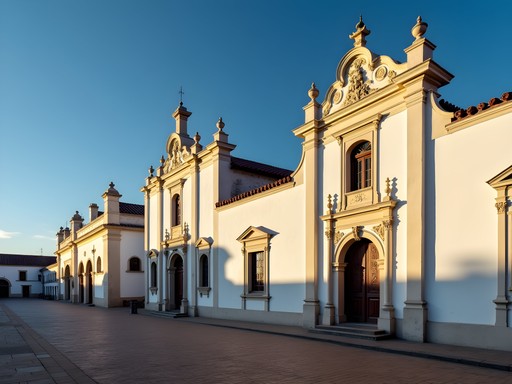
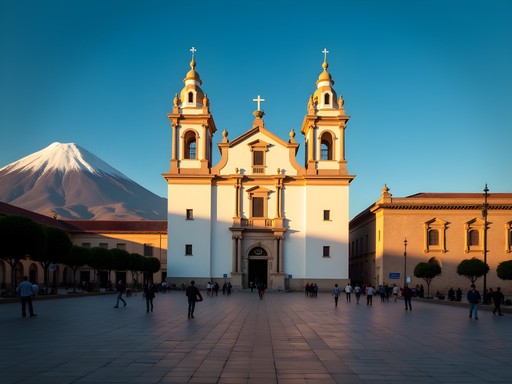
Standing in Plaza de Armas as the morning sun illuminates Arequipa's sillar facades to a brilliant white, I'm reminded why this UNESCO World Heritage city captured my heart years ago during my first engineering project in South America. The volcanic stone structures aren't just aesthetically striking—they represent centuries of architectural innovation and cultural resilience. While most travelers rush through Arequipa en route to Colca Canyon, I've returned to spend a full week exploring the hidden corners of Peru's White City, where colonial Spanish influence intertwines with deep Andean roots in ways that continue to surprise even this seasoned traveler.

The Engineering Marvel of Sillar Architecture
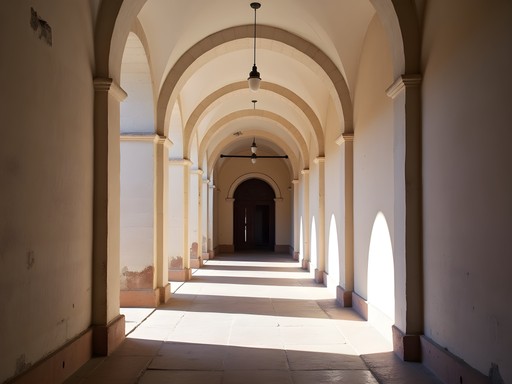
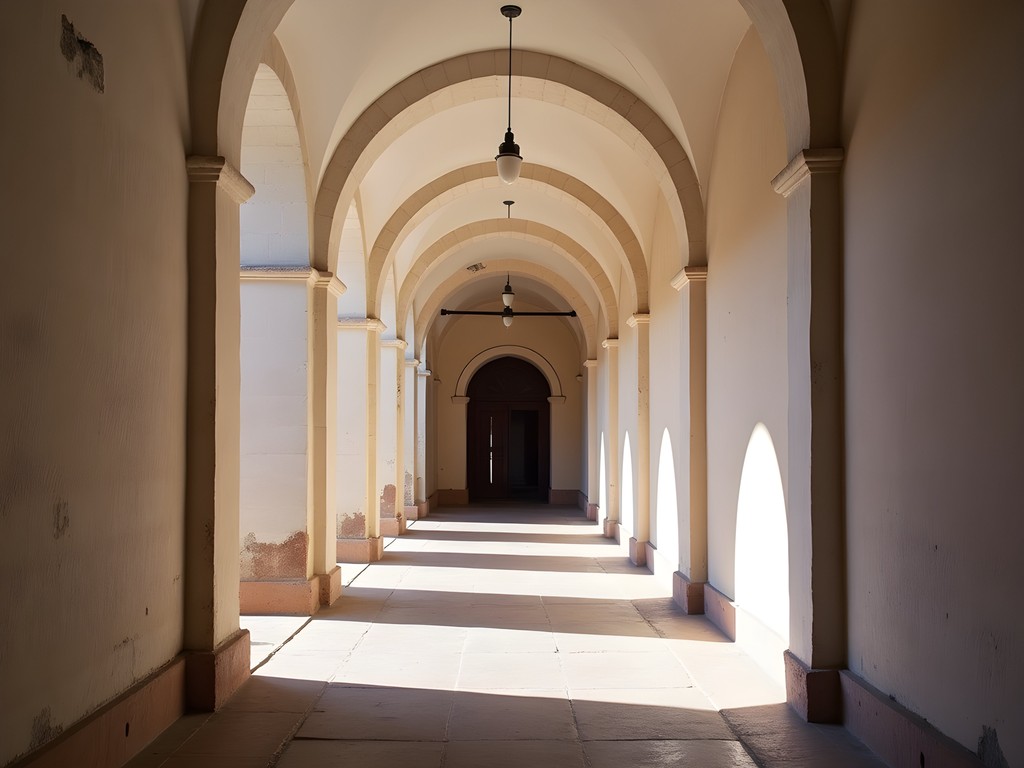
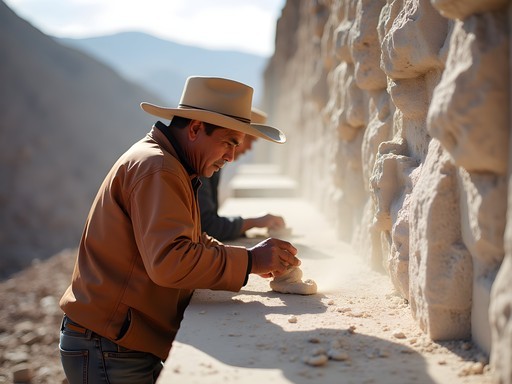
As a civil engineer, I find myself constantly marveling at Arequipa's architectural ingenuity. The city's iconic white buildings aren't merely aesthetic choices—they represent sophisticated engineering solutions developed centuries ago. The volcanic sillar stone that gives Arequipa its nickname is remarkably resilient against earthquakes, a critical feature in this seismically active region.
During my visit to the Monastery of Santa Catalina, I spent hours examining how the 16th-century builders created structural stability through ingenious arch systems and wall thickness variations. My laser measure became my constant companion as I documented the precise dimensions of these historical structures—a habit that earned me curious glances from other tourists but satisfied my professional curiosity.
The most fascinating aspect is how the sillar construction creates natural temperature regulation. During Arequipa's cool winter mornings, I noticed how the stone absorbs heat, gradually releasing it throughout the chilly evenings—an early example of passive climate control that modern sustainable architecture still emulates.
💡 Pro Tips
- Visit architectural sites between 10am-2pm when the sunlight best highlights the sillar stonework's intricate details
- Join the specialized architecture tour at Santa Catalina Monastery (offered Tuesdays and Thursdays at 11am) for technical insights not covered in standard tours
- Bring a small notebook to sketch interesting architectural details—many buildings don't allow interior photography
Culinary Traditions: Beyond Picanterías
Arequipa's gastronomy deserves its reputation as Peru's culinary capital, but the true food experience extends far beyond the tourist-filled picanterías. My approach to understanding a culture has always been through its food preparation techniques, and Arequipa offers a masterclass in culinary engineering.
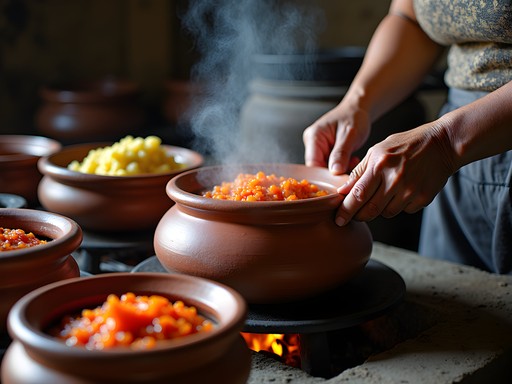
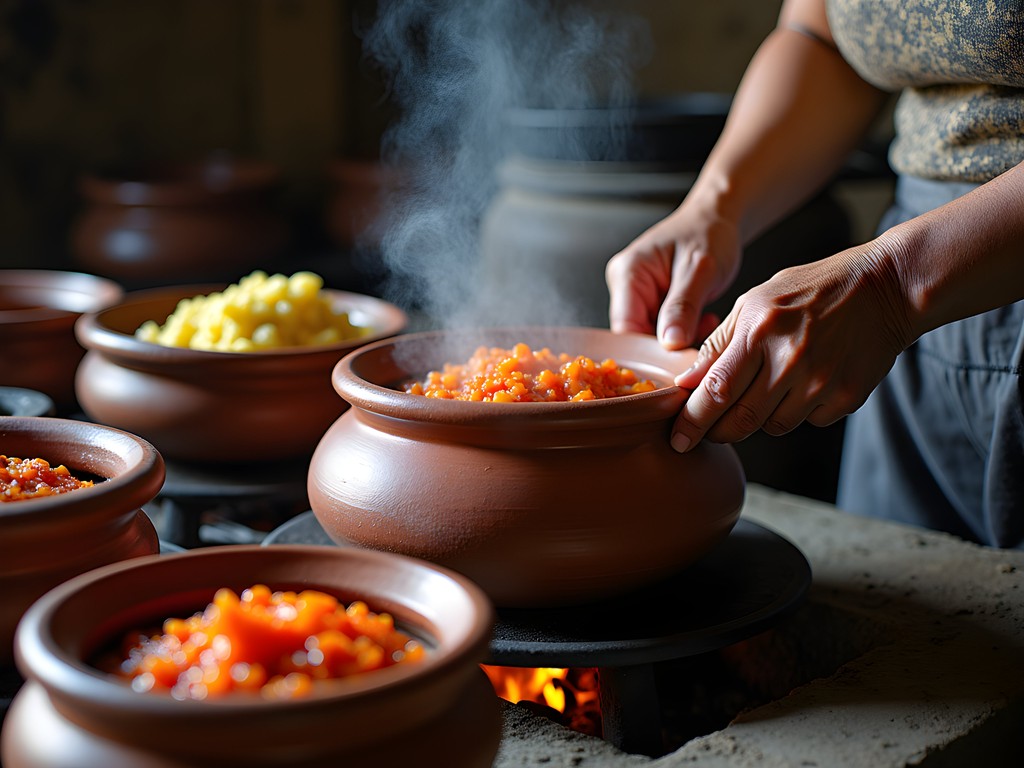
I spent a morning with Señora Carmen, whose family has preserved traditional cooking methods for five generations. In her modest home kitchen in the Yanahuara district, I learned that the secret to authentic rocoto relleno isn't just the ingredients but the precise temperature control achieved through clay cookware. My digital food thermometer confirmed what Carmen's experienced hands already knew—the stuffed peppers must maintain an exact temperature gradient to balance the pepper's heat with the cheese's creaminess.
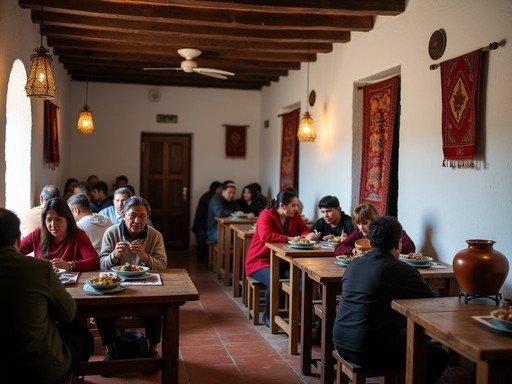
The most memorable meal wasn't at a Michelin-aspiring restaurant but at the Sunday morning Feria Gastronómica in Sachaca district. Here, local families serve dishes like chupe de camarones (shrimp chowder) and ocopa arequipeña (potato dish with creamy sauce) prepared using techniques passed down through generations. The engineering precision in these traditional methods—from stone grinding to clay pot cooking—produces flavors that modern shortcuts simply cannot replicate.
💡 Pro Tips
- Visit the Sachaca food market on Sunday mornings (7am-11am) when local families serve traditional dishes not found in restaurants
- Book a cooking class through Mercado San Camilo for hands-on experience with traditional clay pot cooking techniques
- Request 'medio picante' when ordering spicy dishes—Arequipeño chefs season authentically unless asked otherwise
Textile Traditions: Weaving Mathematical Precision
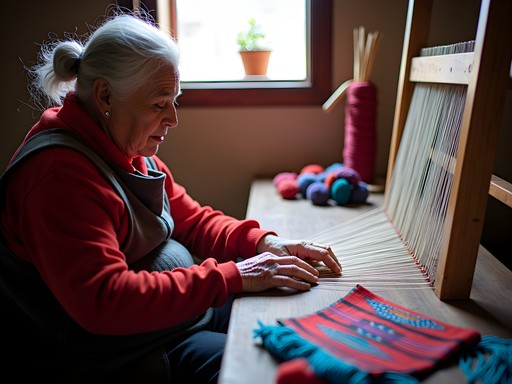
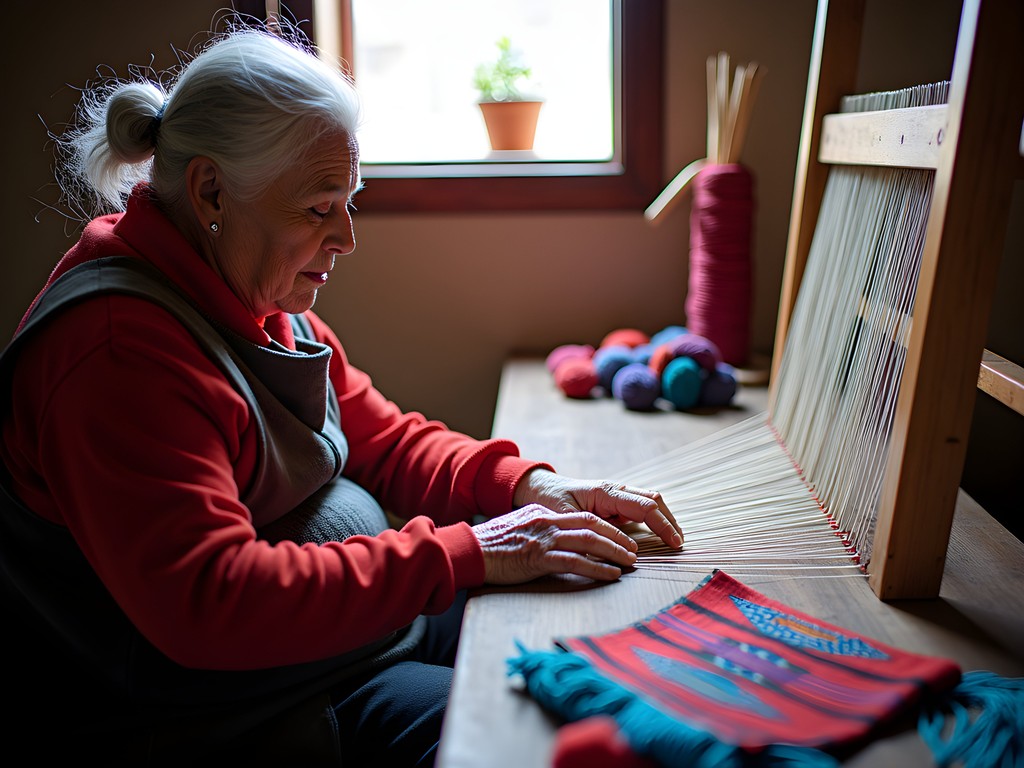
My engineering mind has always been fascinated by the mathematical precision in traditional textiles, and Arequipa's weaving traditions did not disappoint. In the small workshop of Artesanías Andinas, I spent an afternoon with master weaver Margarita, whose fingers moved with calculator-like precision across her backstrap loom.
What appears decorative to the untrained eye is actually a complex system of mathematical patterns. Margarita demonstrated how traditional Andean textiles encode information through geometric patterns—a form of cultural knowledge preservation that predates written records. Using my digital notebook, I documented the systematic pattern variations that differentiate family lineages and geographic origins.
The most enlightening experience was participating in a natural dyeing workshop in Carmen Alto district. The process combines chemistry, botany, and generational knowledge to achieve specific colors using local plants, minerals, and even insects. I was particularly impressed by the mordant techniques that ensure colorfast textiles without modern chemical fixatives—a sustainable approach that modern textile engineering is only now beginning to appreciate.
For those interested in bringing home authentic textiles, avoid the mass-produced items in tourist markets. Instead, visit the Mundo Alpaca workshop where you can observe the entire process from raw fiber to finished product. My prized purchase was a hand-woven alpaca throw blanket in traditional patterns—significantly more expensive than tourist versions but ethically produced and of heirloom quality.
💡 Pro Tips
- Schedule textile workshops at least two days in advance through local organizations like Centro de Textiles Tradicionales del Cusco (they have an Arequipa branch)
- Visit textile workshops in the morning when natural light is best for distinguishing authentic natural dyes from synthetic ones
- Learn the basic difference between alpaca qualities (baby alpaca, suri, huacaya) before shopping to ensure you're getting authentic products

Wellness Traditions: Ancient Meets Modern
My interest in wellness practices has grown alongside my engineering career—I've found that understanding how different cultures approach well-being provides valuable balance to technical work. Arequipa offers fascinating insights into traditional Andean wellness practices that combine spiritual beliefs with practical herbal knowledge.
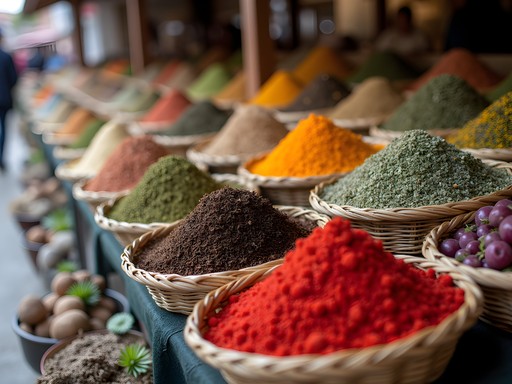
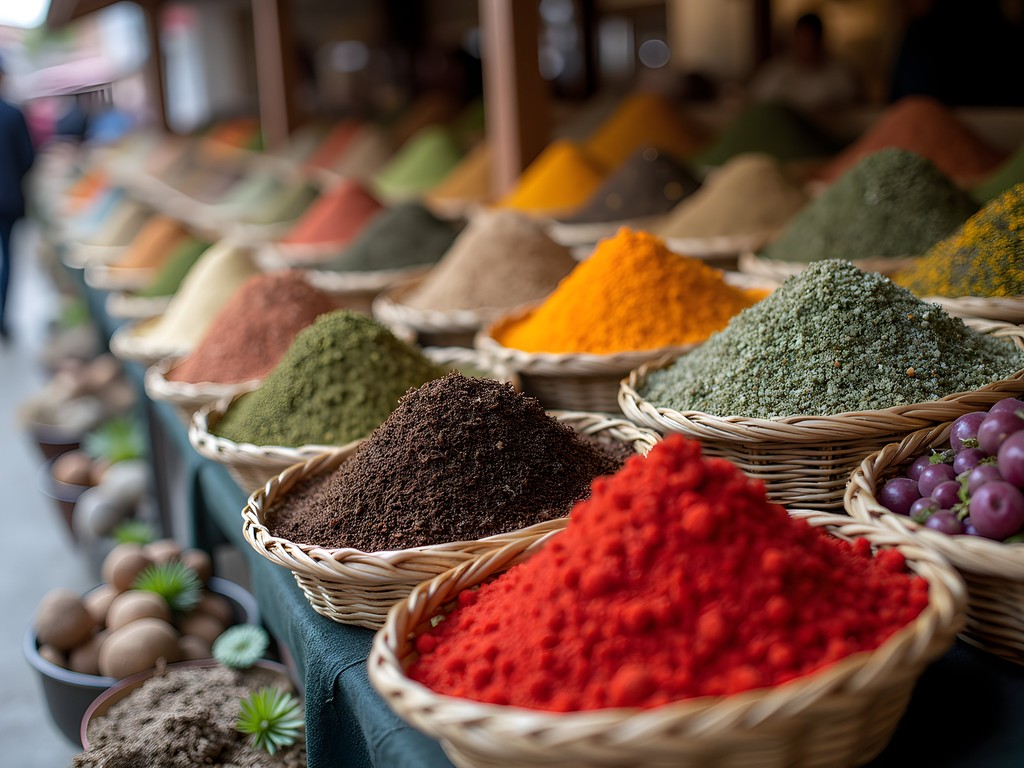
At the Mercado San Camilo, the medicinal herbs section is where locals shop for remedies long before considering modern pharmaceuticals. I spent a morning with herbalist Doña Juana, who explained how altitude-specific plants address different ailments. My pocket microscope allowed me to examine the structural differences between similar-looking herbs—a level of detail that earned Doña Juana's approval and led to more in-depth knowledge sharing.
The most rejuvenating experience was visiting the thermal baths at Yura, about 30km from the city center. Unlike the commercialized hot springs elsewhere in Peru, these mineral-rich waters are still primarily frequented by locals. The varying temperature pools (ranging from 24°C to 85°C) are naturally stratified due to their proximity to volcanic activity—a geothermal phenomenon that my engineering background helped me appreciate on multiple levels.
For those seeking deeper wellness experiences, I recommend the traditional temazcal (sweat lodge) ceremony offered at Eco Truly Park outside the city. The combination of medicinal herbs, controlled steam, and intention-setting creates a purification experience that left me feeling physically refreshed and mentally centered—a perfect counterbalance to days of intensive cultural exploration.
💡 Pro Tips
- Visit Mercado San Camilo's medicinal herb section with a local guide who can translate the specific uses and preparation methods
- Bring a water bottle with electrolyte hydration tablets when visiting thermal baths to prevent dehydration at Arequipa's altitude
- Schedule wellness activities for your mid-trip days when altitude adjustment and travel fatigue typically peak
Final Thoughts
As I board my flight from Arequipa's airport, my engineer's notebook is filled with sketches of sillar arches, textile pattern calculations, and notes on thermal bath mineral compositions—alongside recipes, personal stories, and contact information from the generous Arequipeños who shared their knowledge with me. This city offers a profound reminder that cultural preservation isn't about freezing traditions in time but about understanding the ingenious solutions our ancestors developed and finding their relevance in contemporary contexts.
Arequipa deserves more than a quick stopover en route to Colca Canyon. Its architectural marvels, culinary innovations, textile mathematics, and wellness traditions offer insights that satisfy both the analytical mind and the cultural soul. For solo travelers willing to venture beyond the standard tourist circuit, Arequipa reveals itself as a living laboratory of cultural resilience and adaptation—qualities I've come to value deeply both in my engineering work and personal explorations.
Whether you're calculating the precise angle of a 16th-century arch or measuring the exact temperature for the perfect rocoto relleno, Arequipa invites you to engage with its heritage through multiple dimensions. I'll return not just as a visitor but as a student of this remarkable city where technical precision and cultural richness are so beautifully intertwined.
✨ Key Takeaways
- Arequipa's architectural heritage represents sophisticated engineering solutions using volcanic sillar stone that modern sustainable design still references
- Authentic culinary experiences are found in local homes and Sunday markets rather than tourist restaurants
- Traditional textiles contain mathematical precision and cultural coding worth understanding before purchasing
- Local wellness practices combine ancestral knowledge with practical applications that provide balance to intensive cultural exploration
📋 Practical Information
Best Time to Visit
May through September (Peruvian winter) for clear skies and comfortable temperatures
Budget Estimate
$30-50 USD daily excluding accommodations
Recommended Duration
5-7 days minimum to explore beyond surface attractions
Difficulty Level
Moderate Due To 2,335m Elevation And Hilly Terrain
Comments
nomadexplorer
Pro tip: get to Plaza de Armas right at sunrise like Amanda mentioned. Totally different vibe before the tour groups arrive and the light on the cathedral is incredible. Also grab breakfast at one of the cafes on the second floor overlooking the plaza - perfect people watching spot. And yeah, don't skip the picanterías, they're the real deal!
redadventurer
Anyone know if the textile workshops require advance booking? Heading there in March and would love to do one
Jean Wells
Most accept walk-ins but I'd recommend booking a day ahead, especially in high season. The Michell Group has a good museum and workshop combination.
Douglas Bradley
Excellent breakdown of the city's cultural layers. I appreciated your engineer's perspective on the textile mathematics - that's not something most travel writers pick up on. When I was there documenting traditional crafts, I noticed the same precision in how the weavers explain their patterns. It's not just art; it's geometric problem-solving passed down through oral tradition. One thing I'd add for readers: the Museo Santuarios Andinos is absolutely worth visiting for understanding pre-Columbian culture in the region. The Juanita exhibit provides crucial context for the area's indigenous heritage.
islandmood
YES to the picantería section!! We stumbled into La Nueva Palomino without a reservation and it was PACKED with locals which is always a good sign. The rocoto relleno was insanely good but SO spicy - fair warning to anyone not used to heat! Also the portions are huge, we could barely finish. The whole experience felt really authentic, not touristy at all. And Amanda's right about the textile workshops - we did one in Sachaca and learning about the natural dyes and patterns was fascinating. The women there have been doing this for generations!
nomadexplorer
La Nueva Palomino is the BEST! Their adobo arequipeño on Sundays is unreal
Jean Wells
Amanda, your section on the sillar architecture really resonated with me. I spent a morning at the Ruta del Sillar quarries last year and watching the canteros (stone cutters) work was mesmerizing. The way they explained how volcanic ash compressed over millennia into this workable stone, and how it's been the foundation of Arequipa's identity for 400+ years - it's engineering and culture intertwined. Did you get a chance to visit the quarries themselves? The contrast between the working quarries and the artistic installations carved into abandoned sections is quite striking.
redadventurer
Didn't know about the quarries! Adding this to my list for next month
blueone8418
Love the photos of the white buildings!
journeydiver
This looks amazing! Planning my first trip to Peru and wasn't sure if Arequipa was worth the stop or if I should just do Cusco. How many days would you recommend staying?
Douglas Bradley
Definitely worth 3-4 days minimum. The city itself deserves two full days, and you'll want time for Santa Catalina Monastery alone. Plus the food scene is incredible.
journeydiver
Thanks! That's super helpful
Haley Hamilton
Amanda, your engineer's eye captures Arequipa so beautifully! I backpacked through Peru last year and spent a week in the White City. The sillar architecture completely captivated me - especially Santa Catalina Monastery with those vibrant blue and orange walls against the white stone. I'd add that the local markets are another cultural treasure worth exploring. The San Camilo Market was a sensory overload in the best way possible! I filled my journal with sketches of the architectural details too, though mine probably lack your mathematical precision! For anyone visiting, I recommend catching sunset from Yanahuara viewpoint - the volcanic stone glows golden as the sun hits Misti volcano. Pure magic.
Amanda Watanabe
Thanks Haley! Can't believe I forgot to mention Yanahuara viewpoint - that sunset view is absolutely spectacular. Did you try any of the queso helado vendors there?
Haley Hamilton
Yes! That cinnamon-infused ice cream was the perfect treat while watching the sunset. I'm still trying to recreate the recipe at home with little success!
moonfan
Going to Peru in September and now thinking of adding Arequipa to our itinerary. How many days would you recommend staying there?
Amanda Watanabe
I'd recommend at least 3 days for the city itself, plus 2-3 more if you want to visit Colca Canyon. The altitude is significant (2,300m), so factor in some adjustment time!
moonfan
Thanks for the quick reply! Will definitely add those days to our plan. Any issues with altitude sickness?
escapelife5376
Not Amanda, but I found Arequipa's altitude much easier than Cusco. I used altitude sickness pills just in case and was totally fine. Drink lots of coca tea too!
moonhero
Love the engineering perspective on the architecture!
Venture X
Premium card with 2X miles, $300 travel credit, Priority Pass