

Disclosure: This article contains affiliate links. We may earn a commission from purchases at no extra cost to you, which helps our travel content.
Standing atop the weathered ramparts of Tripoli's Citadel of Raymond de Saint-Gilles, I couldn't help but draw parallels to my first Olympic assignment in Barcelona—both places where ancient stonework tells stories spanning millennia. Unlike Barcelona's carefully manicured Olympic venues, however, Tripoli offers something refreshingly unpolished: a historical palimpsest where Crusader fortifications and Ottoman elegance coexist in fascinating tension, waiting for curious travelers to decode their secrets. Lebanon's second-largest city remains surprisingly off the mainstream tourist circuit, making it the perfect weekend escape for couples seeking cultural immersion without the crowds.

The Crusader Citadel: A Medieval Marvel
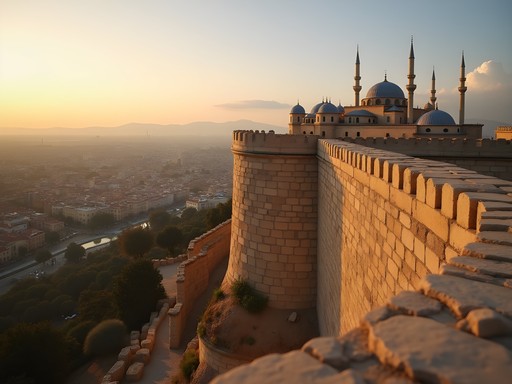
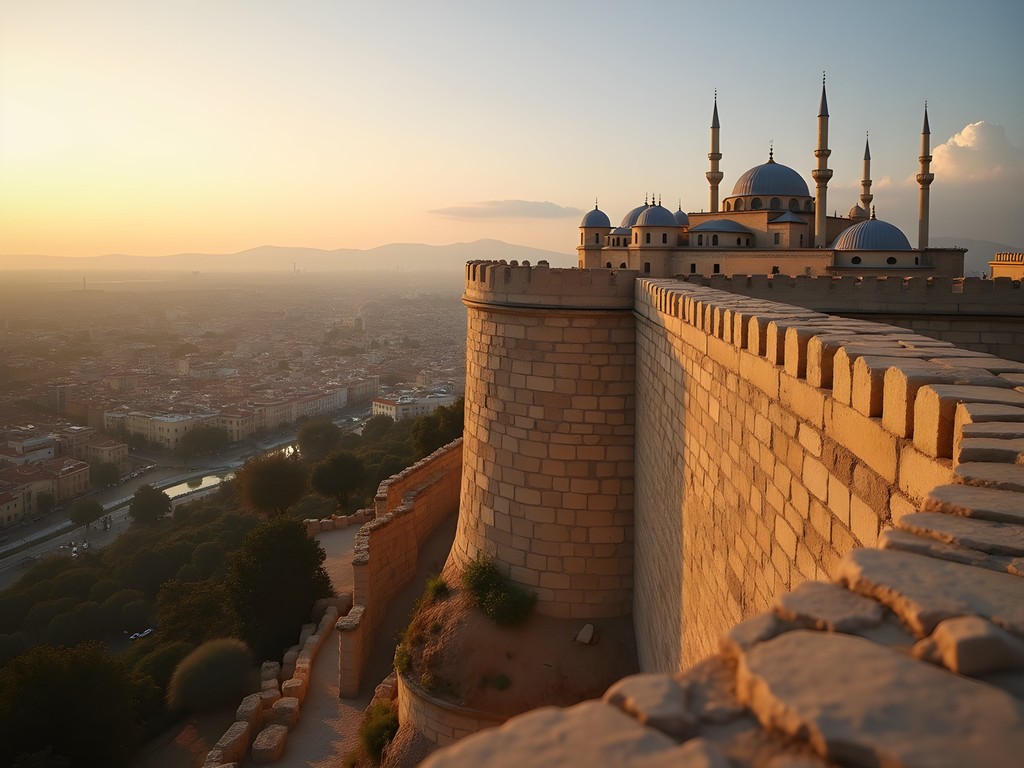
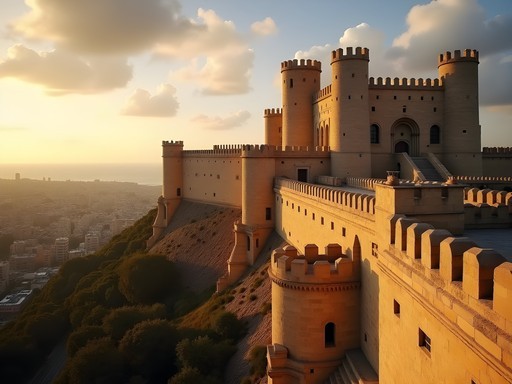
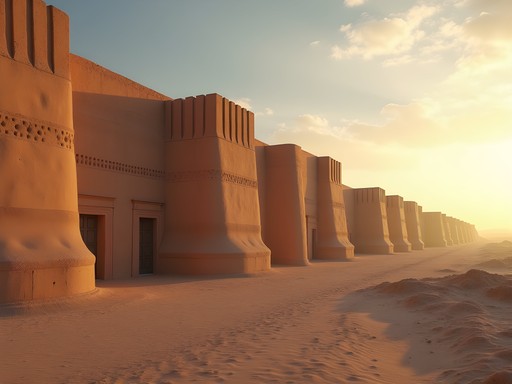
The Citadel of Raymond de Saint-Gilles (Qal'at Sanjil) looms over Tripoli like an aging Olympic champion—battle-scarred but dignified. Built in 1103 during the First Crusade, this formidable fortress offers a masterclass in medieval military architecture that would impress even the most seasoned castle enthusiast.
During my visit last spring, I hired Bassam, a local guide whose encyclopedic knowledge transformed what could have been a simple sightseeing stop into a vivid historical narrative. For 25,000 Lebanese pounds (approximately $16 USD), he walked me through the castle's many iterations—Crusader foundations, Mamluk expansions, and Ottoman adaptations—each leaving distinctive architectural fingerprints.
The panoramic views from the eastern tower provide the perfect orientation to Tripoli's layout. I spent nearly an hour there, sketching the cityscape in my watercolor travel set, which has become my favorite way to mindfully absorb a new destination. The light in Lebanon has a particular quality—a golden warmth that transforms ordinary stone into something magical, especially during the late afternoon hours.
💡 Pro Tips
- Visit the citadel first thing in the morning (8-9am) to avoid both crowds and midday heat
- Wear sturdy shoes with good traction—many surfaces are uneven and can be slippery
- Bring cash for entrance fees and guide services as credit cards aren't widely accepted
Navigating Tripoli's Ottoman Old Souk
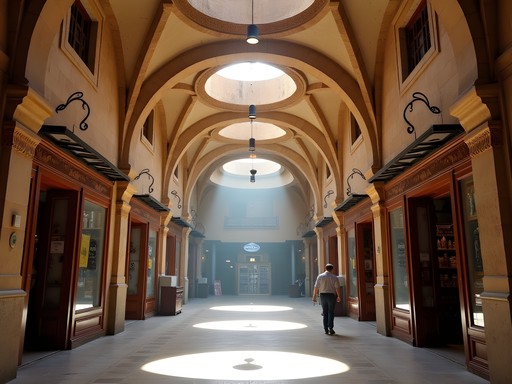
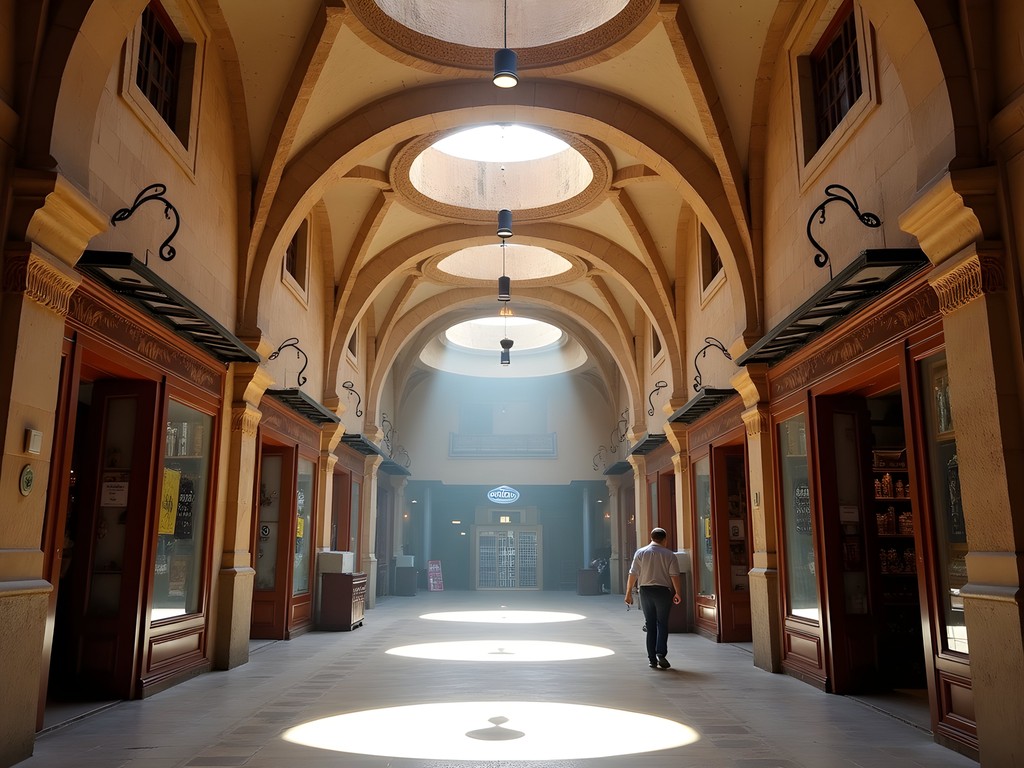
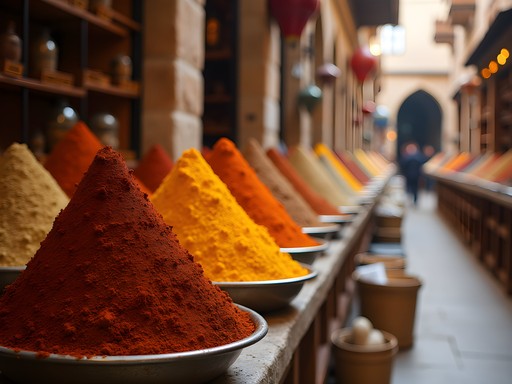
If the Citadel represents Tripoli's military past, the Old Souk embodies its commercial soul. This labyrinthine marketplace, with roots stretching back to the 14th century, showcases some of the finest Ottoman urban design in the Levant. Unlike the carefully choreographed tourist souks I've encountered elsewhere, Tripoli's bazaar remains authentically local—a working commercial district where everyday life unfolds alongside architectural splendor.
The jewel in this Ottoman crown is undoubtedly the Al-Mansouri Great Mosque, with its distinctive black and white stone alternation (ablaq) that reminded me of architectural details I'd admired in Kyoto temples—proof that beauty finds similar expressions across cultures. The mosque's courtyard offers a moment of tranquility amid the souk's cheerful chaos.
For lunch, I ducked into a small family-run establishment near Khan al-Saboun (the soap khan) and enjoyed the best fattoush salad of my life, washed down with fresh lemonade infused with orange blossom water. The proprietor insisted I try their knafeh—a sweet cheese pastry soaked in syrup—which I now rank among my top five dessert experiences worldwide.
Navigating the narrow alleys can be challenging in the heat, so I was grateful for my cooling towel that kept me comfortable throughout the afternoon. Simply wet it, wring it out, and wear it around your neck for hours of heat relief—an absolute game-changer for spring and summer exploration in Mediterranean climates.
💡 Pro Tips
- Wear modest clothing that covers shoulders and knees when visiting mosques and religious sites
- Most shops close for midday prayer and reopen later—plan accordingly
- Learn a few basic Arabic phrases—locals appreciate the effort and often respond with exceptional hospitality
Hammam Al-Abed: Ottoman Bathing Culture Preserved
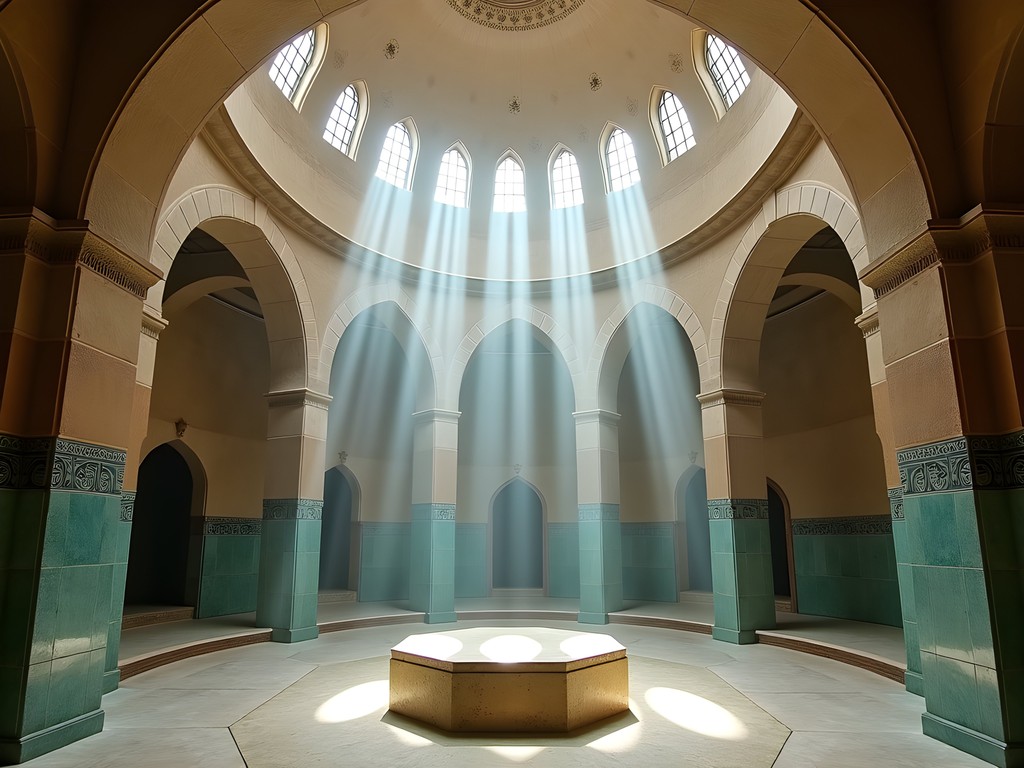
One cannot fully appreciate Ottoman cultural contributions without experiencing a traditional hammam. Tripoli boasts several historic bath houses, but Hammam Al-Abed stands out for its authentic preservation and continued operation. Dating from the 17th century, this hammam offers a glimpse into bathing rituals that once formed the cornerstone of social life across the Ottoman Empire.
Though initially hesitant (public bathing isn't exactly standard practice in either California or Sydney), I decided to embrace the experience with an open mind. The hammam operates with separate days for men and women, so check the schedule before planning your visit. I brought along my quick-dry travel towel, though towels are available for rent.
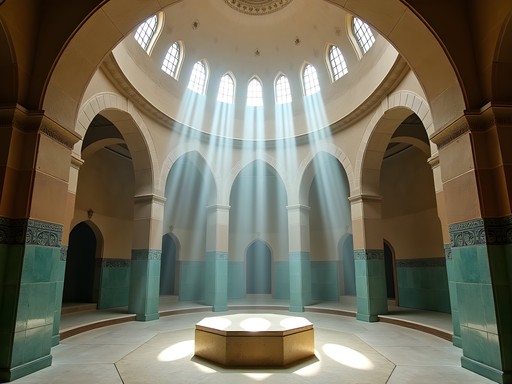
The ritual begins in the warm room (beit awwal) where you acclimate to the rising temperature before moving to the hot room (beit al-harara) with its magnificent domed ceiling perforated by star-shaped skylights. The play of light through these openings creates an almost spiritual atmosphere as steam rises from the central stone platform.
The exfoliation treatment with a traditional kessa glove removed several Olympic Games worth of dead skin (I'll spare you those details), followed by a soap massage that left me feeling as limber as the synchronized swimmers I once watched in Athens. The experience concludes in the cooling room with mint tea and quiet conversation—a perfect opportunity to process both the physical and cultural dimensions of what you've just experienced.
💡 Pro Tips
- Bring your own toiletries if you have specific preferences, though basic soap is provided
- Hydrate well before and after your hammam experience
- Don't rush—allocate at least 2-3 hours for the full traditional experience

Culinary Time Travel: Ottoman-Influenced Dining
My retail buying career taught me that understanding a culture's cuisine offers invaluable insights into its history and values. In Tripoli, the Ottoman influence extends deliciously to the dining table, with flavors that have evolved over centuries of cultural exchange.
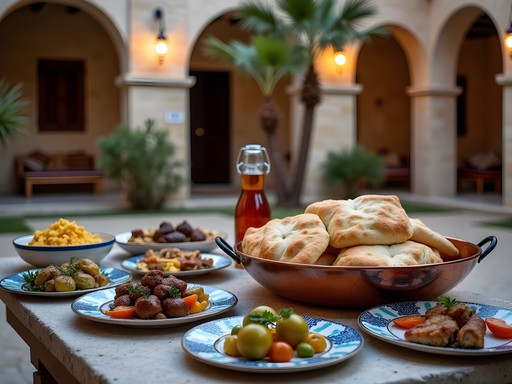
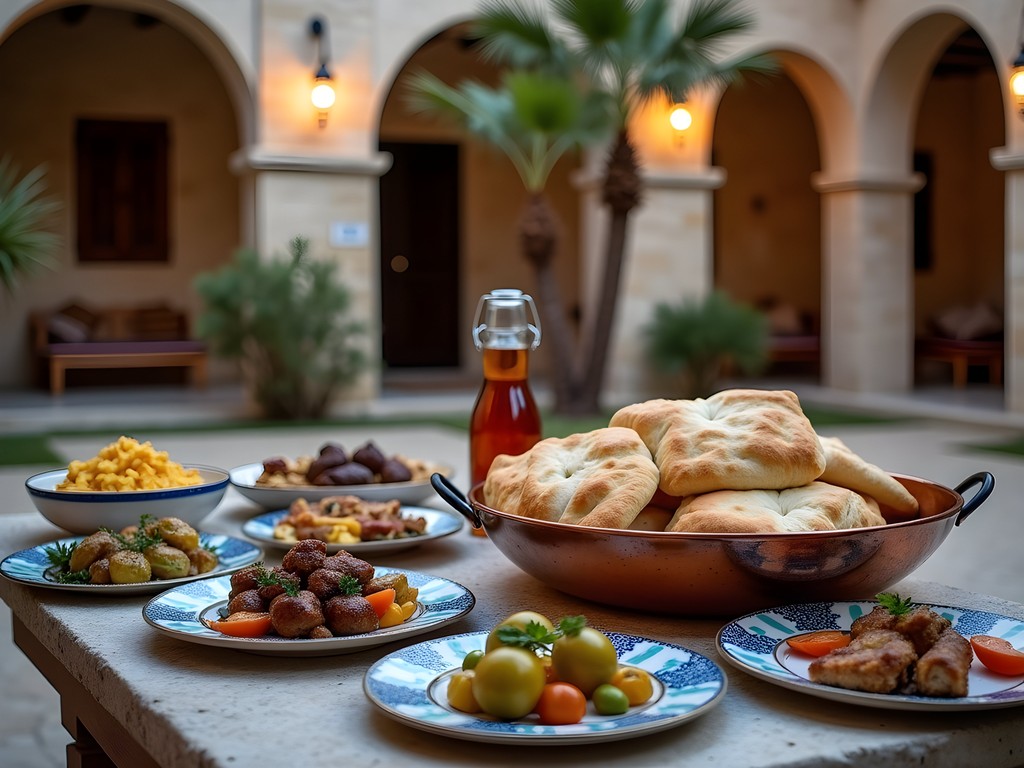
For a truly memorable dining experience, I recommend Beit El Qamar in the Al-Mina district. Housed in a restored Ottoman mansion, this restaurant serves traditional North Lebanese cuisine with presentations that honor historical traditions while satisfying contemporary palates. The seven-spice sea bass wrapped in grape leaves was a standout, as was their rendition of sultan's delight (hünkar beğendi)—a smoky eggplant purée topped with tender lamb that originated in Ottoman palace kitchens.
For the full experience, I suggest investing in a food tour on your first day. This orientation to local specialties will enhance every subsequent meal during your stay. My guide, Fatima, introduced me to street foods I would have otherwise missed, including kaak bi halib (milk bread rings) from a bakery that's operated continuously since 1881.
Don't leave Tripoli without trying the local specialty, sfiha Traboulsieh—open-faced meat pies topped with pomegranate molasses and pine nuts that perfectly balance savory, sweet, and tart notes. I've attempted to recreate them at home in Sydney using recipes from my Lebanese cookbook, but nothing compares to enjoying them fresh from a centuries-old wood-fired oven in Tripoli's old city.
💡 Pro Tips
- Restaurants typically serve lunch from 12-3pm and dinner from 7-10pm, with many closed on Mondays
- Vegetarians will find plenty of options—just look for 'sajiyeh' menu sections
- Coffee culture is serious business—allow time for a proper Turkish coffee experience at least once daily
Accommodations: Heritage Stays in Historic Tripoli
After years of navigating sterile airport hotels during my retail buying days, I've developed a deep appreciation for accommodations with character and context. Tripoli offers several heritage properties that allow you to literally sleep within history, turning your lodging into an integral part of the cultural experience rather than merely a place to rest.
I chose Beit El Nessim, a meticulously restored Ottoman-era mansion in the Al-Mina district, converted into a boutique guesthouse with just five rooms. My corner suite featured 18-foot ceilings with original painted wooden panels, marble floors cooled by sea breezes, and windows framed by intricate mashrabiya screens that cast geometric shadows across the room throughout the day.
The rooftop terrace became my morning ritual space, where I'd enjoy a traditional Lebanese breakfast while planning the day's explorations. The property's owner, Nabil, is a walking encyclopedia of local history who takes evident pride in preserving architectural details that might otherwise be lost to time.
For sound-sensitive travelers like myself, I recommend packing a white noise machine. Heritage buildings often have thinner walls than modern hotels, and the authentic neighborhood sounds (including early morning calls to prayer) might interrupt light sleepers. I never travel without mine—it's been a game-changer for creating a consistent sleep environment across continents.

💡 Pro Tips
- Book heritage accommodations well in advance as they typically have limited rooms
- Request rooms away from the street if you're sensitive to early morning noise
- Many heritage properties have stairs but no elevators—consider this if mobility is a concern
Final Thoughts
As I reluctantly departed Tripoli, I found myself reflecting on how this underappreciated Lebanese gem offers something increasingly rare in our globalized world—an authentic historical experience that hasn't been excessively curated for tourism. The juxtaposition of Crusader military might and Ottoman refinement creates a narrative tension that makes Tripoli's story particularly compelling for history enthusiasts.
Like the Olympic venues I've watched transform from sporting arenas back to civic spaces, Tripoli's historical sites remain living, breathing parts of the urban fabric. Families still live in Ottoman-era houses, merchants still haggle in centuries-old souks, and traditional crafts continue in workshops that have operated for generations.
While Lebanon has faced its share of challenges, the resilience of Tripoli and its people offers a masterclass in cultural preservation against odds. For couples seeking a weekend break filled with historical exploration, architectural wonder, and culinary discovery, Tripoli delivers an experience that rivals more famous Mediterranean destinations—without the crowds or commercialization. As the city carefully balances preservation with progress, now is the perfect moment to witness this delicate dance between past and present.
✨ Key Takeaways
- Tripoli offers an authentic historical experience combining Crusader military architecture and Ottoman refinement
- The city remains refreshingly off the mainstream tourist path despite its world-class historical assets
- Spring visits provide ideal weather for exploration with fewer tourists than coastal Lebanese destinations
📋 Practical Information
Best Time to Visit
April-May or September-October for mild temperatures and minimal rainfall
Budget Estimate
$100-150 per day per couple (mid-range)
Recommended Duration
2-3 days
Difficulty Level
Moderate (Some Uneven Terrain And Stairs At Historical Sites)

Comments
explorephotographer
Adding this to my bucket list!
sunsethero
The Ottoman architecture in Tripoli is seriously underrated. I've been to Istanbul, Sarajevo, and several other Ottoman cities, and Tripoli's old town has this raw, authentic feel that's hard to find elsewhere. Less touristy, more genuine. The hammam experience you described sounds incredible - I chickened out when I was there! One thing I'd add for photographers: bring a wide angle lens if you have one. Those narrow souk alleyways and the citadel interior spaces really benefit from it. The lighting inside the khans is tricky but magical.
globevibes
How many days would you recommend for Tripoli?
Hunter Thompson
2-3 days is perfect! One day for the citadel and souk, another for the hammams and just soaking up the atmosphere. Maybe a third if you want to hit the coastal areas.
globevibes
Perfect, thanks!
Frank Garcia
Great write-up Ella! I visited the citadel back in March and was blown away by how empty it was compared to other Crusader sites I've been to. Practically had the whole place to myself. The views over the city from the top are worth the climb alone. Did you manage to get inside any of the old khans in the souk? I found Khan al-Khayyatin particularly fascinating with all the tailors still working there. Also, pro tip for anyone going - hire a local guide at the entrance. Cost me about $15 and learned so much more about the layers of history there.
sunsethero
Second the guide recommendation! Made such a difference understanding the different architectural periods.
explorephotographer
Your citadel photos are stunning!! What time of day did you shoot these?
sunsetgal
Right?? That golden hour lighting is perfect
sunsetgal
This looks amazing! Is it safe to visit Tripoli right now? Been wanting to explore Lebanon but nervous about traveling there solo.
Hunter Thompson
I was there last spring and felt completely safe! The locals in Tripoli are incredibly welcoming. Just use common sense like anywhere else. The old souk is brilliant for wandering around.
wildguide
Pro tip: hire a local guide for the souk! I wandered around solo first time and missed SO much. Second visit with a guide was totally different - learned about the soap making traditions, the old caravanserais, all kinds of stuff. Worth every penny.
Douglas Bradley
Excellent analysis of Tripoli's layered history, Ella. What strikes me most about this city is how it represents the architectural palimpsest of Mediterranean trade routes - Crusader fortifications overlaid with Mamluk modifications and Ottoman refinements. The Citadel of Raymond de Saint-Gilles is particularly fascinating because you can literally read the power transitions in the stonework. I spent three days documenting the Khan al-Khayyatin and was amazed by how the Ottoman commercial architecture still functions today. Did you get a chance to explore the Taynal Mosque? It's a perfect example of that Crusader-to-Islamic architectural conversion. For anyone planning a visit, I'd recommend this architecture guide - it really helped me understand the historical context.
Ella Morgan
I did visit Taynal! You're absolutely right about the architectural conversion - it's remarkable. I focused more on the experiential side for this post, but the technical details are endlessly fascinating.
redone
Love the photos! That citadel shot is gorgeous.
Megan Martin
Excellent coverage of Tripoli's historical layers, Ella. I appreciate how you highlighted the Ottoman architecture - it often gets overshadowed by the Crusader sites in travel literature. The soap khan was a particular highlight for me. For anyone planning a visit, I'd recommend hiring a local guide for the citadel. The historical context really brings the site to life, and you're supporting the local economy. The guidebook has a solid section on Tripoli if you want to read up beforehand.
Venture X
Premium card with 2X miles, $300 travel credit, Priority Pass