
Disclosure: This article contains affiliate links. We may earn a commission from purchases at no extra cost to you, which helps our travel content.
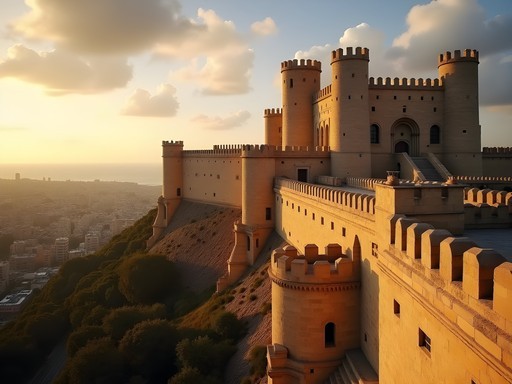
Standing atop the ancient Citadel of Raymond de Saint-Gilles as the afternoon light bathes the stone in a honey-gold glow, I'm struck by how Tripoli remains Lebanon's best-kept secret. While Beirut buzzes with cosmopolitan energy and Byblos draws the Instagram crowds, this northern Lebanese city quietly preserves one of the Middle East's most authentic historical cores. The second-largest city in Lebanon isn't on most travelers' radars, which makes it all the more magical for those of us who appreciate architectural preservation without the tourist crowds. As someone who's photographed historical sites across 37 countries, I can confidently say that Tripoli's layered history—from Crusader fortifications to Mamluk madrasas and Ottoman hammams—offers one of the Mediterranean's most concentrated yet overlooked architectural timelines. For students of history, architecture, or simply those curious about the complex cultural tapestry of the Levant, this city demands your weekend attention.

The Crusader Citadel: Where Medieval History Comes Alive
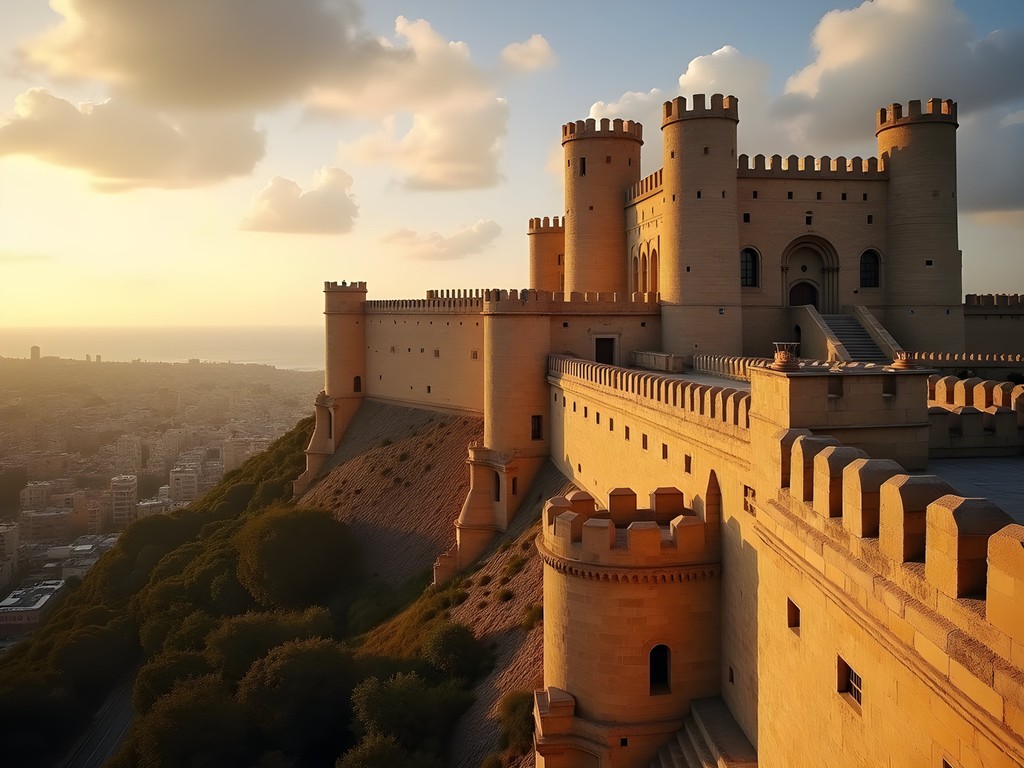
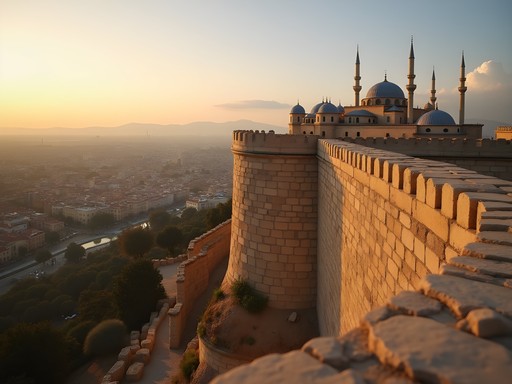
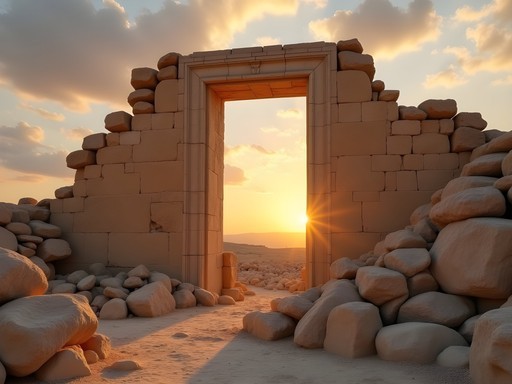
My fascination with Tripoli began where most visitors should start their journey—at the imposing Citadel of Raymond de Saint-Gilles, perched dramatically on a hill overlooking the city. Built in 1103 during the First Crusade, this fortress tells the story of the complex power struggles that defined the medieval Mediterranean.
The citadel's massive walls rise from the hillside like an extension of the earth itself, with later Ottoman modifications seamlessly integrated into the Crusader architecture. What struck me most was how the fortress design reveals the cultural exchange that occurred even during times of conflict—Arab military architectural influences are evident in the defensive innovations added by European crusaders.
During my visit last spring, I spent a full morning exploring the labyrinthine corridors and climbing to various vantage points. Each turn revealed another layer of history—a Mamluk inscription here, a repurposed Byzantine column there. I recommend bringing a good travel journal to sketch architectural details that catch your eye. My own is filled with drawings of the unique arrow slits and defensive positions that made this fortress nearly impregnable.
The entrance fee (about 10,000 LBP/~$6.50 USD for students) is nominal compared to similar sites across Europe, and the relative lack of crowds means you can actually hear the whispers of history without being jostled by tour groups. Take your time here—the panoramic views of the Mediterranean coastline and Tripoli's old city from the upper ramparts are worth lingering over.
💡 Pro Tips
- Visit early morning (8-10am) for the best light for photography and fewer visitors
- Wear sturdy shoes as the stone pathways are uneven and can be slippery
- The citadel closes earlier than advertised sometimes (around 4pm), so don't leave it for late afternoon
The Mamluk Legacy: Madrasas and Minarets
After the Crusaders were expelled in the late 13th century, Tripoli fell under Mamluk rule, ushering in one of the city's most architecturally significant periods. The Mamluks relocated the city inland from its original port location and established what is now Tripoli's enchanting old city, Al-Mina.
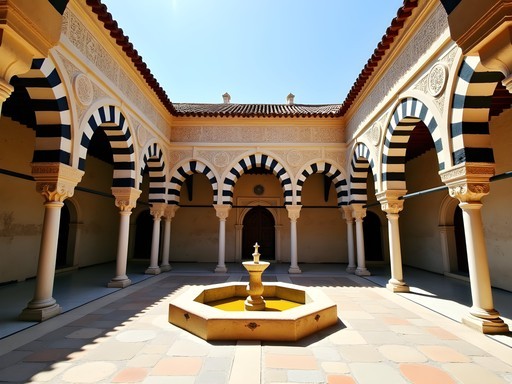
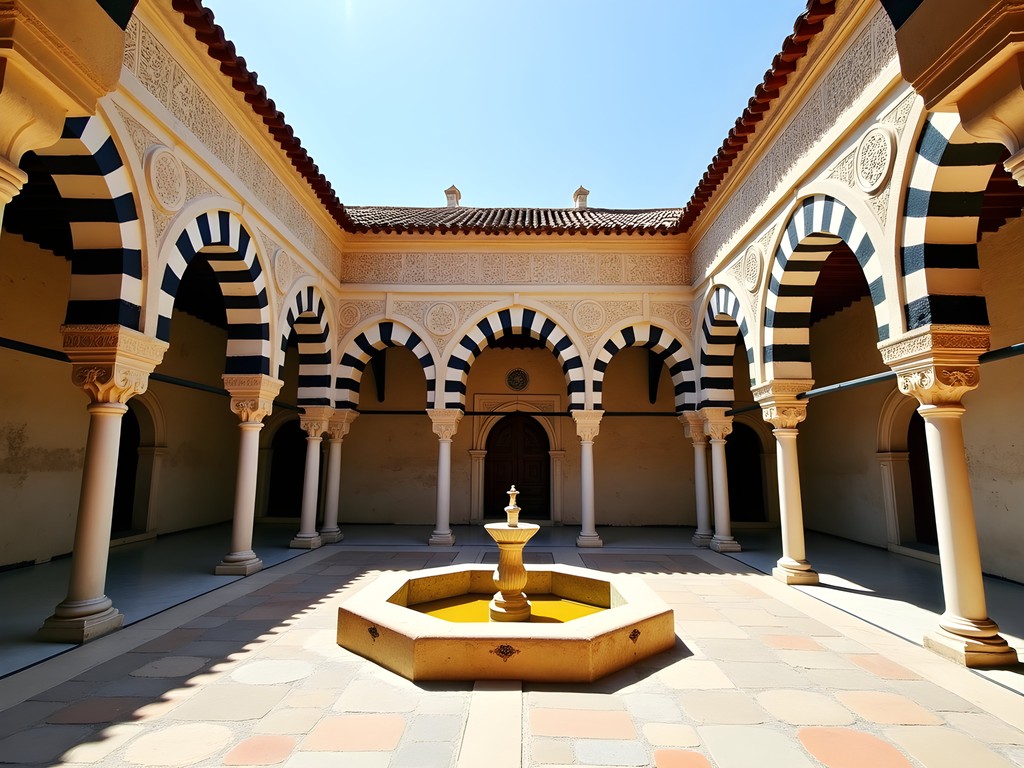
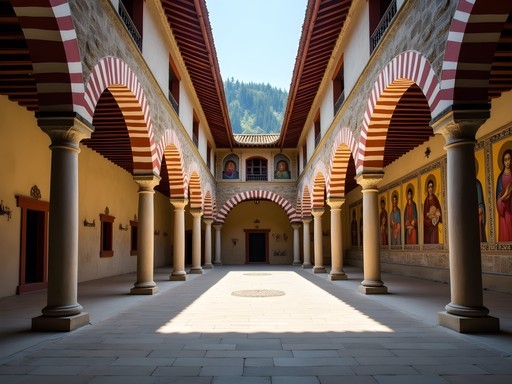
My architectural background drew me immediately to the cluster of madrasas (Islamic schools) near the Great Mosque. The Madrasa al-Qartawiyya, with its striking black and white stone alternation (ablaq) and intricate muqarnas (stalactite-like decorative vaulting), exemplifies the sophisticated Mamluk architectural style that spread throughout their empire.
What makes Tripoli exceptional is that these buildings aren't museums—they're living history. Walking through the old city, I watched artisans practicing traditional crafts in workshops housed in centuries-old buildings. The Madrasa al-Nuriyya still functions as a place of learning, though now offering different subjects than its medieval curriculum.
I spent an entire afternoon meandering between these architectural masterpieces, my compact binoculars allowing me to study the detailed calligraphy and geometric patterns adorning the higher reaches of these structures. These binoculars have become an essential part of my architectural exploration kit, revealing details that would otherwise remain hidden to the naked eye.
The concentration of Mamluk monuments in Tripoli is unparalleled in Lebanon and rivals collections in Cairo and Damascus. For students of Islamic art and architecture, this compact area provides an open-air classroom spanning several centuries of artistic evolution.
💡 Pro Tips
- Many madrasas require modest dress with shoulders and knees covered
- Visit the Great Mosque first, as local guides often gather there and can provide impromptu tours of surrounding buildings
- Carry small denominations of Lebanese pounds for unexpected entrance fees to smaller sites
Ottoman Hammams: Bathing in History
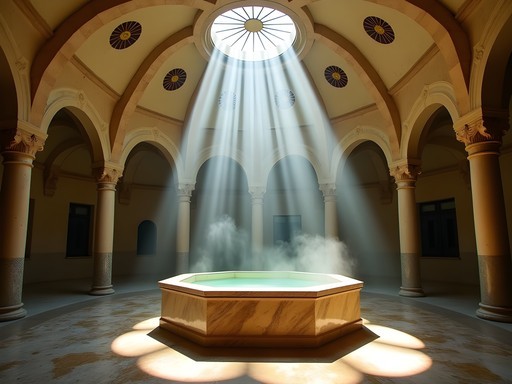
Perhaps my most memorable experience in Tripoli was visiting Hammam al-Jadid, one of the best-preserved Ottoman bathhouses in the Levant. Built in 1740, this hammam operated continuously until the late 20th century and has now been beautifully restored as a cultural center.
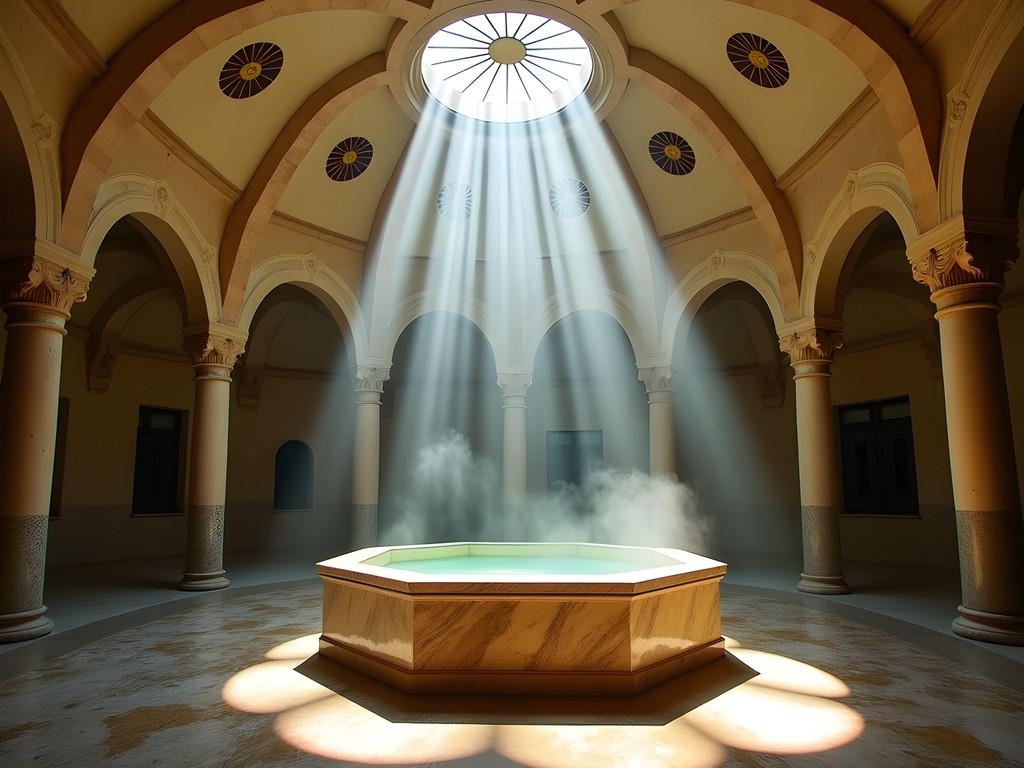
The transition from the busy market streets into the cool, domed chambers of the hammam is transportive. Light filters through star-shaped cutouts in the ceiling, creating ethereal patterns across the marble floors. The central bathing hall, with its octagonal washing platform and surrounding niches, speaks to the sophisticated understanding of both architecture and human comfort that Ottoman builders possessed.
What makes these hammams architectural marvels isn't just their beauty but their functionality. The ingenious heating systems—with hot water and steam circulating beneath floors and between walls—showcase advanced engineering that predates modern heating systems by centuries.
While Hammam al-Jadid is the most accessible to visitors, Tripoli boasts several other Ottoman bathhouses in various states of preservation. Hammam Izz al-Din (dating to the 1290s but renovated during Ottoman rule) and Hammam al-Nouri offer glimpses into how these social institutions evolved over time.
I spent an afternoon sketching the transition spaces between the hammam's cold, warm, and hot rooms, fascinated by how the architects used subtle changes in ceiling height and light to create distinct atmospheric zones. If you're interested in architectural drawing, I highly recommend bringing a watercolor travel set to capture the play of light and shadow that makes these spaces so magical.
💡 Pro Tips
- Check opening hours in advance as some hammams are only open on specific days or for special events
- Some hammams still function as bathhouses with separate days for men and women—research beforehand if you want the authentic bathing experience
- Bring a small flashlight to better see architectural details in dimly lit areas

Al-Tall Square and the Ottoman Clock Tower
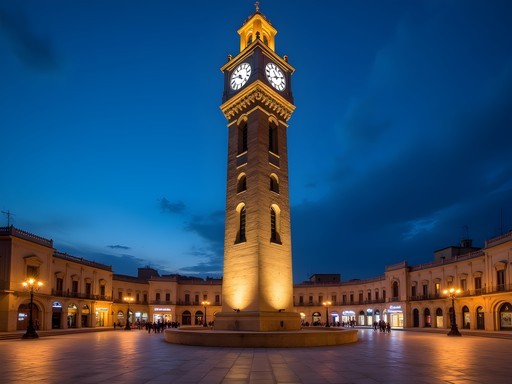
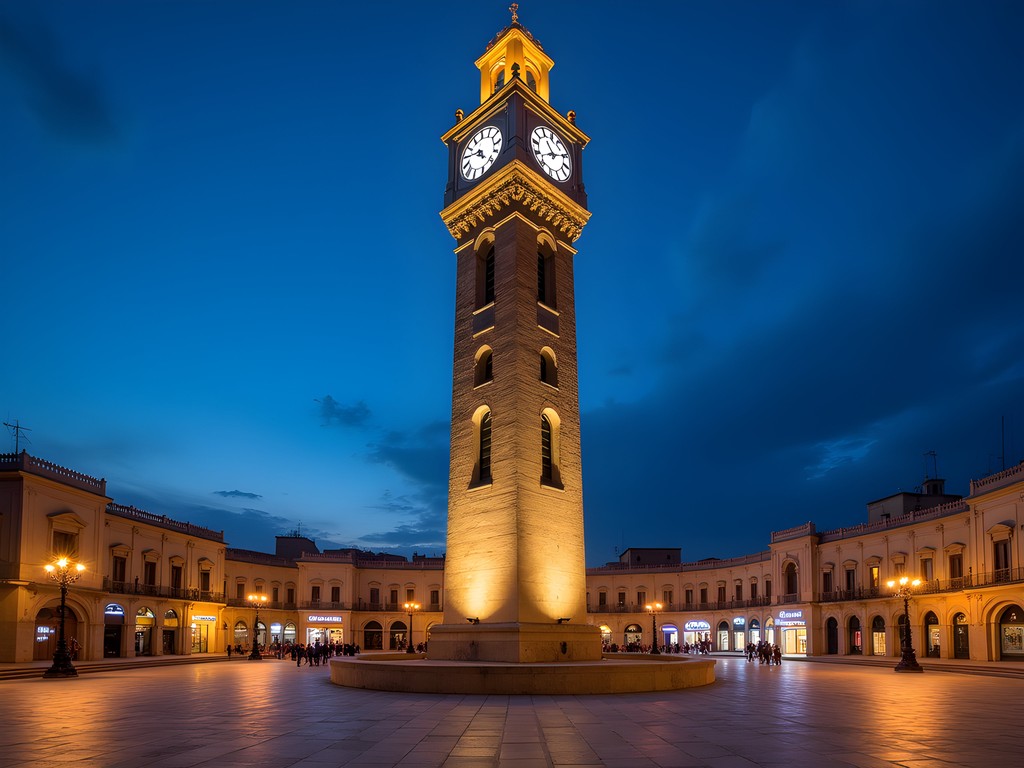
Transitioning from medieval to more recent history, Tripoli's Al-Tall Square (Place de l'Étoile) represents the Ottoman Empire's late attempts at modernization. The square's centerpiece—a magnificent clock tower built in 1901 to celebrate Sultan Abdul Hamid II's 25th year in power—stands as a testament to the architectural evolution of the city.
What fascinated me about this area is how it represents the Ottoman Empire's embrace of European urban planning concepts. The radiating streets, reminiscent of Haussmann's Paris designs, create an interesting counterpoint to the organic layout of the older medina nearby. This juxtaposition perfectly encapsulates the empire's struggle between tradition and modernization in its final decades.
The square comes alive in the early evening when local families promenade around the clock tower and enjoy ice cream from nearby shops. I spent several evenings here people-watching and sketching the eclectic mix of Ottoman and colonial-era buildings that frame the square.
Nearby, don't miss the Ottoman military barracks (now repurposed as government buildings) and the elegant 19th-century mosques that showcase the empire's later architectural style—a fascinating blend of traditional Islamic elements with European Baroque influences.
As the sun sets, the clock tower is beautifully illuminated, creating perfect photo opportunities. My travel tripod proved invaluable for capturing low-light shots of the square without blur. It's compact enough to carry all day but sturdy enough for long exposures that capture the magical quality of the square after dark.
💡 Pro Tips
- Visit during both day and evening to experience the square's different atmospheres
- The surrounding cafes offer excellent people-watching opportunities
- Look for the subtle architectural differences between early and late Ottoman structures around the square
The Souks: Commerce Through the Centuries
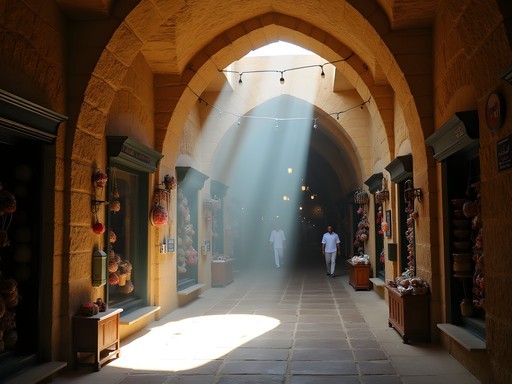
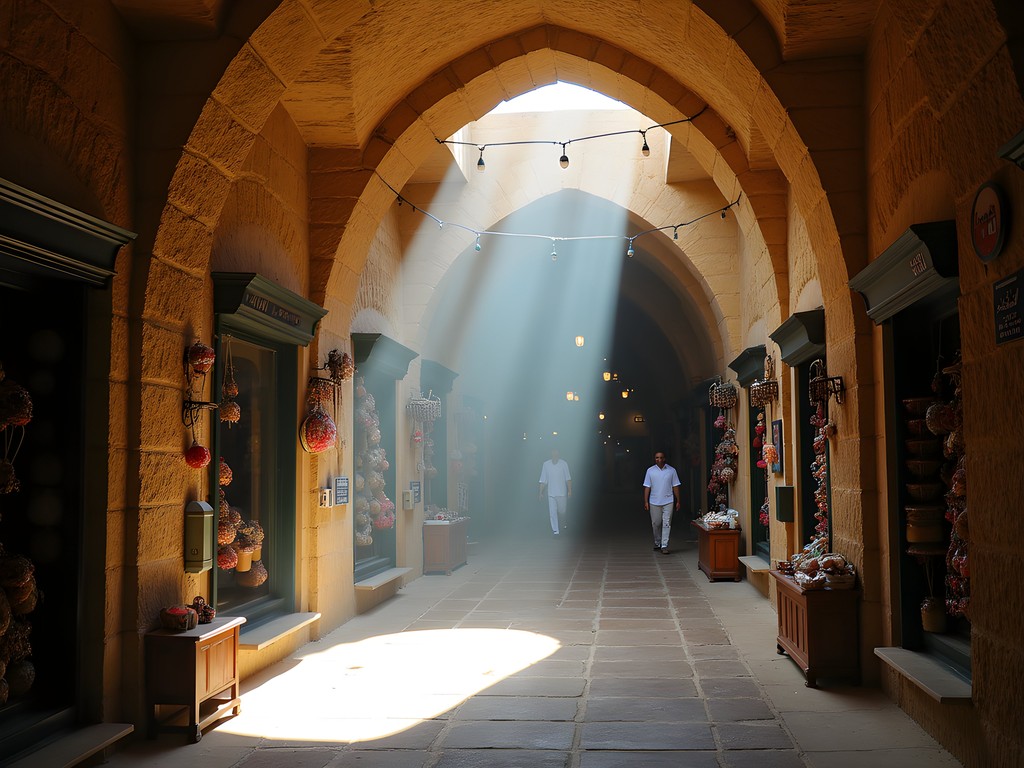
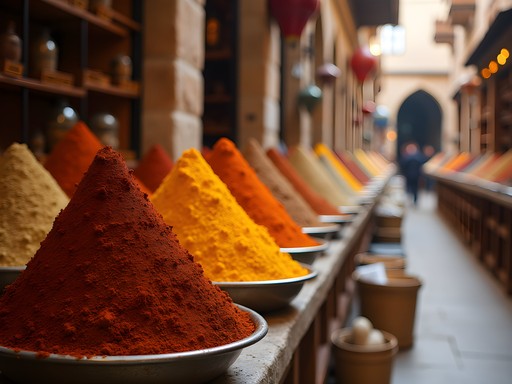
No historical exploration of Tripoli would be complete without diving into its atmospheric souks (traditional markets), which have retained their medieval layout and function. Unlike the more tourist-oriented souks in other Middle Eastern cities, Tripoli's markets primarily serve locals, giving you an authentic glimpse into daily life that has continued largely unchanged for centuries.
The organization of Tripoli's souks follows the traditional Islamic city model, with specific areas dedicated to different trades and crafts. The Khan al-Saboun (Soap Khan) particularly captured my attention—this 17th-century caravanserai where traders would historically stay with their goods now houses workshops producing Tripoli's famous olive oil soaps. The vaulted stone architecture creates natural temperature regulation, demonstrating the environmental wisdom embedded in traditional building techniques.
As an investor in sustainable tourism ventures, I was impressed by the continuity of traditional crafts here. In the Souk al-Nahhasin (Coppersmith Market), artisans still hammer intricate patterns into metal using techniques passed down through generations. The rhythmic clanging echoes through the vaulted passageways, creating a soundscape that has remained unchanged for centuries.
For architecture enthusiasts, the souks offer a masterclass in vernacular building techniques. Notice how light filters through the ingenious ventilation systems, how the slightly raised thresholds prevent rainwater from entering shops, and how the stone construction maintains comfortable temperatures despite external weather conditions.
I spent hours wandering these labyrinthine passageways, photographing architectural details and collecting small treasures—handcrafted copper items, traditional olive oil soaps, and local sweets. My crossbody travel bag kept my camera and valuables secure while leaving my hands free to examine craftwork and take notes on architectural features.
💡 Pro Tips
- Visit on weekday mornings when the souks are bustling with local shoppers
- The soap workshops in Khan al-Saboun welcome visitors—ask for demonstrations of traditional production methods
- Many shops close for Friday prayers—plan accordingly if visiting on this day
Final Thoughts
As I reluctantly boarded my bus back to Beirut, I found myself already planning a return trip to Tripoli. This city, so often overshadowed by Lebanon's other destinations, offers an unparalleled window into the architectural evolution of the Eastern Mediterranean. From the military pragmatism of Crusader fortifications to the spiritual refinement of Mamluk madrasas and the social sophistication of Ottoman hammams, Tripoli preserves a millennium of architectural history within a walkable urban core. For students of history, architecture, or cultural exchange, this northern Lebanese gem provides an accessible weekend adventure that rivals more famous destinations. The layers of civilizations here aren't cordoned off as museum pieces but remain integrated into the living city—a testament to how history can be preserved not by freezing it in time, but by allowing it to adapt and continue serving its community. When you visit, take your time, look up often, and remember that each stone has witnessed the passage of countless lives across centuries of tumultuous history.
✨ Key Takeaways
- Tripoli offers one of the Mediterranean's most concentrated collections of medieval and Ottoman architecture
- The city remains authentically Lebanese with few tourists, making it ideal for students seeking genuine cultural experiences
- Spring visits provide ideal weather for exploring while avoiding summer heat and winter rains
- A weekend is sufficient to see major sites, though architecture enthusiasts could easily spend longer
📋 Practical Information
Best Time to Visit
March to May (spring) or September to November (fall)
Budget Estimate
$50-80 per day including accommodation, food, and entrance fees
Recommended Duration
2-3 days (weekend trip)
Difficulty Level
Beginner

Comments
Nicole Russell
Claire, this post is giving me ALL the nostalgia! I visited Tripoli during my Lebanon trip in 2019 and it was honestly one of my favorite stops. I loved how uncrowded everything was compared to Beirut. One tip for anyone planning to visit: try to go on a weekday if possible. I went on a Friday and some of the sites had limited hours. Also, hiring a local guide for a half-day tour was SO worth it - learned so much more about the Mamluk history than I would have on my own. The citadel at sunset is absolutely magical!
journeylegend
Where did you find a guide? Any recommendations?
Nicole Russell
I booked through my hostel in Beirut actually! But I think you can also just ask around at the citadel entrance - there are usually guides hanging around who speak English.
roamhero
Tripoli is seriously underrated! I was there last year and completely fell in love with the place. The souks are way more authentic than the touristy ones in Beirut, and the food scene is incredible - especially the sweets! Make sure you try the halawet el jibn if you go. Also, the locals are some of the friendliest I've met anywhere in the Middle East. Claire, did you make it to the Taynal Mosque? That's another architectural gem that doesn't get enough attention.
Claire Hawkins
Yes! The Taynal Mosque is beautiful. I didn't include it in this post because I was focusing on the Crusader-Ottoman timeline, but it definitely deserves a mention. And you're so right about the sweets - I gained like 5 pounds eating my way through the old city 😂
journeylegend
Did you actually go inside one of the hammams? Would be cool to try!
Claire Hawkins
Yes! I went to Hammam al-Jadid. It's still functioning and you can book a traditional scrub and massage. Cost me about $25 and was such an authentic experience. The attendant didn't speak much English but we managed with gestures and smiles!
mountainblogger
Love these photos! That citadel view is incredible.
greenwanderer
This looks amazing! I've been wanting to visit Lebanon for ages but always heard mixed things about safety in Tripoli. How did you find it? Would you recommend it for solo travelers?
Claire Hawkins
I felt totally safe during my visit! The locals were incredibly welcoming and helpful. Just use common sense like anywhere - stick to the main areas during the day and you'll be fine. The old souk area is bustling and feels very safe.
greenwanderer
Thanks! That's really reassuring. Definitely adding it to my list now.
luckyclimber
Is there good food in Tripoli? What should I try?
Claire Hawkins
The sweets! Tripoli is famous for them. Try the halawet el jibn and knefeh. There are pastry shops everywhere in the souks.
Hannah Woods
Tripoli really is Lebanon's hidden gem. I spent a week there in 2021 documenting the souks and was blown away by the layers of history. What struck me most was how lived-in everything feels - these aren't museum pieces, they're active spaces. The soap souks especially are fascinating, with families still making traditional olive oil soap using centuries-old methods. For anyone planning a visit, I'd recommend staying in the old city rather than the modern part. There are some lovely guesthouses in restored Ottoman buildings that give you a much more authentic experience.
luckyclimber
Do you remember any guesthouse names? That sounds perfect for my trip
roamlife
That golden hour shot from the citadel is stunning! Really captures the vibe
summerbackpacker
How many days would you recommend for Tripoli? Trying to plan my Lebanon itinerary
Hannah Woods
Not Claire, but I'd say 2 full days minimum. One for the citadel and souks, another for the hammams and madrasas. You could easily spend 3-4 days if you want to explore at a relaxed pace.
summerbackpacker
Perfect, thanks!
escapetime
We visited Lebanon last year but didn't make it to Tripoli and now I'm kicking myself! The hammam experience sounds incredible. Did you do the full treatment or just visit to see the architecture?
Venture X
Premium card with 2X miles, $300 travel credit, Priority Pass