
Disclosure: This article contains affiliate links. We may earn a commission from purchases at no extra cost to you, which helps our travel content.
As I stepped into the labyrinthine alleys of Tripoli's ancient souks, the symphony of aromas transported me instantly: cardamom-infused coffee brewing in copper pots, charcoal-grilled meats sizzling on open flames, and the unmistakable sweetness of orange blossom syrup drizzled over fresh pastries. Lebanon's second-largest city remains its undisputed culinary capital, a place where Ottoman, Arab, and Mediterranean influences have melded over centuries into something uniquely Tripolitanian. Having spent years exploring culinary traditions across continents, I can confidently say that Tripoli offers one of the most authentic food experiences in the Middle East—one that remains refreshingly unburdened by mass tourism.

The Ancient Souks: Tripoli's Culinary Heart
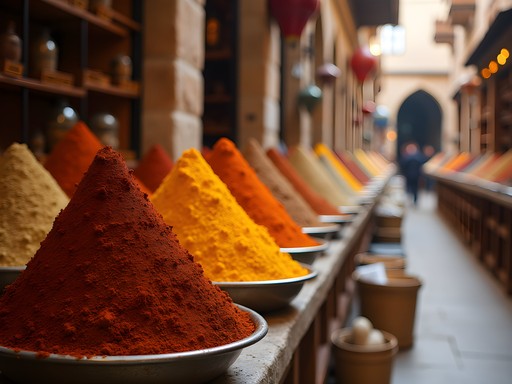
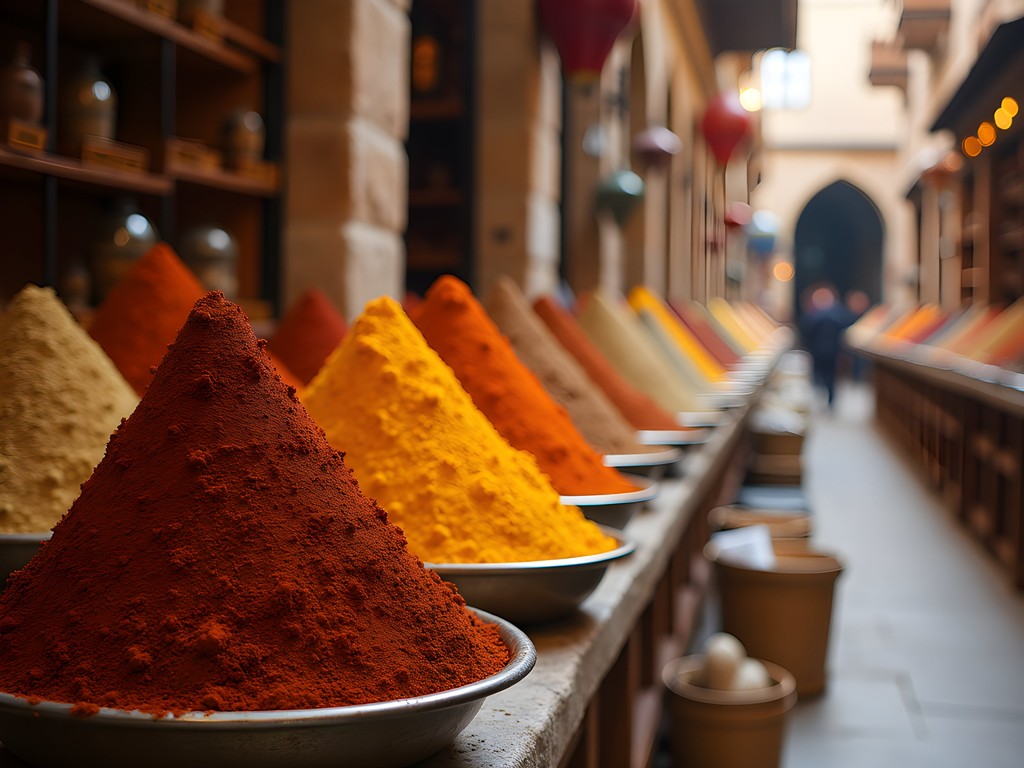
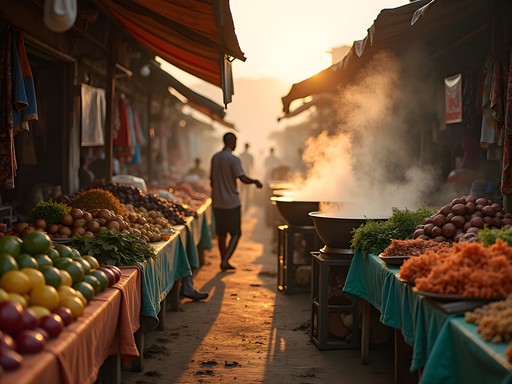
The 14th-century Al-Mina and Al-Tall souks form the backbone of Tripoli's food culture, where little has changed in centuries. During my spring visit, I found myself wandering through narrow stone passageways lined with vendors whose families have occupied the same stalls for generations. Unlike Beirut's more commercialized markets, Tripoli's souks maintain an authentic rhythm that feels untouched by time.
Each morning begins with a ritual: locals gathering for breakfast at tiny stalls serving ful medames (stewed fava beans with olive oil, lemon, and garlic) and manakish (flatbreads topped with za'atar or cheese) fresh from wood-fired ovens. I recommend bringing a sturdy market tote to collect your culinary treasures—mine quickly filled with fragrant spice blends, local olive oils, and dried fruits that I'm still rationing months later.
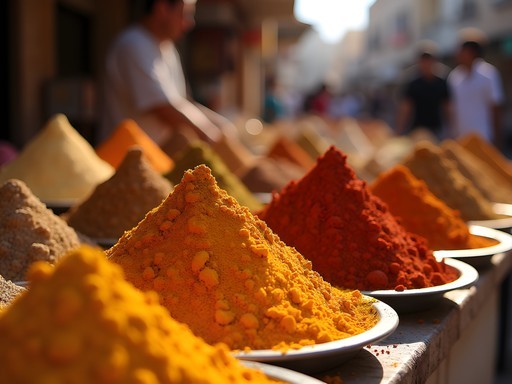
The spice merchants are particularly fascinating, creating custom blends while explaining each component's historical significance and health properties—knowledge that resonates with my physical therapy background, where I often discuss anti-inflammatory foods with patients.
💡 Pro Tips
- Visit the souks between 7-10am to watch vendors prepare for the day and enjoy the freshest breakfast options
- Look for the spice merchant Abu Hassan near Khan al-Saboun (Soap Khan) for the most aromatic za'atar blend
- Most vendors speak basic English, but learning a few Arabic food terms will enhance your experience tremendously
Street Food Treasures: Beyond Hummus and Falafel
While Lebanon's famous mezze are certainly available throughout Tripoli, the city's true culinary identity emerges in its distinctive street foods. My physical therapist's schedule often leaves me with brief lunch breaks during conferences, so I've developed an appreciation for quick yet nourishing street food options worldwide.
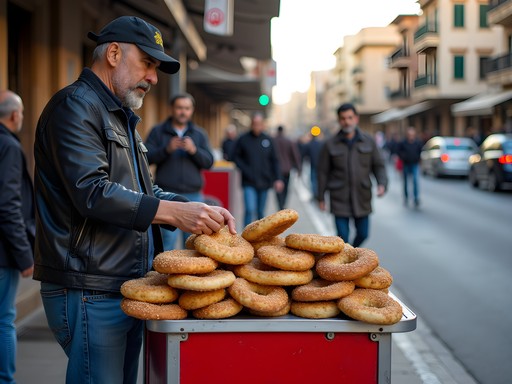
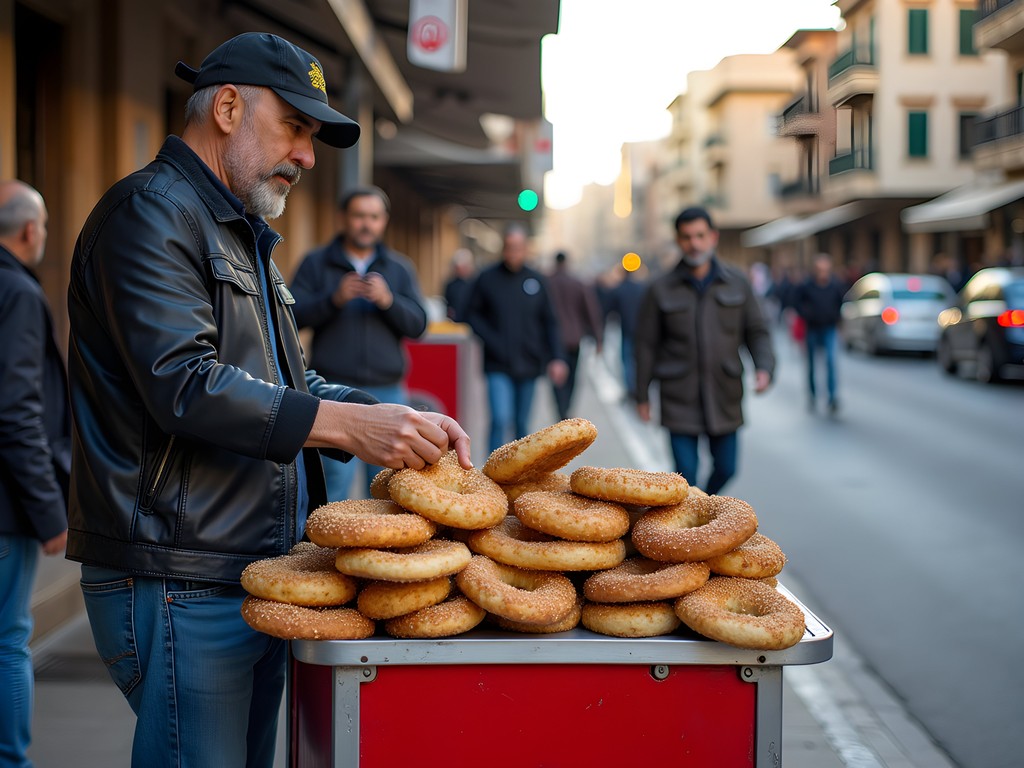
In Tripoli, kaak reigns supreme—sesame-crusted bread rings sold from distinctive red carts throughout the city. The vendors slice them open with astonishing speed, filling them with Akkawi cheese, wild thyme, or my personal favorite: a combination of labneh (strained yogurt) and olive oil. For just 5,000 Lebanese pounds (approximately $3 USD), this satisfying lunch provides the perfect fuel for an afternoon of exploration.
Don't miss fatayer (savory pastries) from the tiny bakeries along Syria Street, particularly those filled with spinach, sumac, and pine nuts. I tracked down the city's best based on recommendations from my taxi driver—a hole-in-the-wall operation where three generations of women work together, rolling dough with mesmerizing efficiency.
For capturing these ephemeral food moments, I rely on my smartphone gimbal to shoot steady food videos even in crowded market conditions. The ability to create smooth, one-handed footage while navigating busy streets has transformed my travel documentation.
💡 Pro Tips
- The best kaak vendors set up near Al-Mansouri Great Mosque after morning prayers
- Street food prices should never exceed 10,000 Lebanese pounds per item—if they're charging more, you're in a tourist spot
- Carry a small bottle of hand sanitizer, as eating with your hands is both common and expected
The Sweet Legacy: Tripoli's Centuries-Old Dessert Traditions
If there's one culinary domain where Tripoli truly outshines all other Lebanese cities, it's in its sweet traditions. The city's confectioners have preserved Ottoman-era techniques that have disappeared elsewhere, creating desserts that balance sweetness with subtle floral and nut flavors.
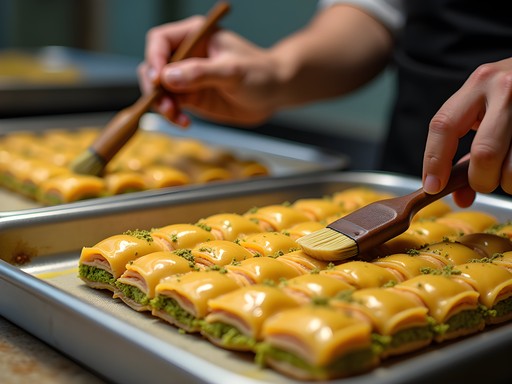
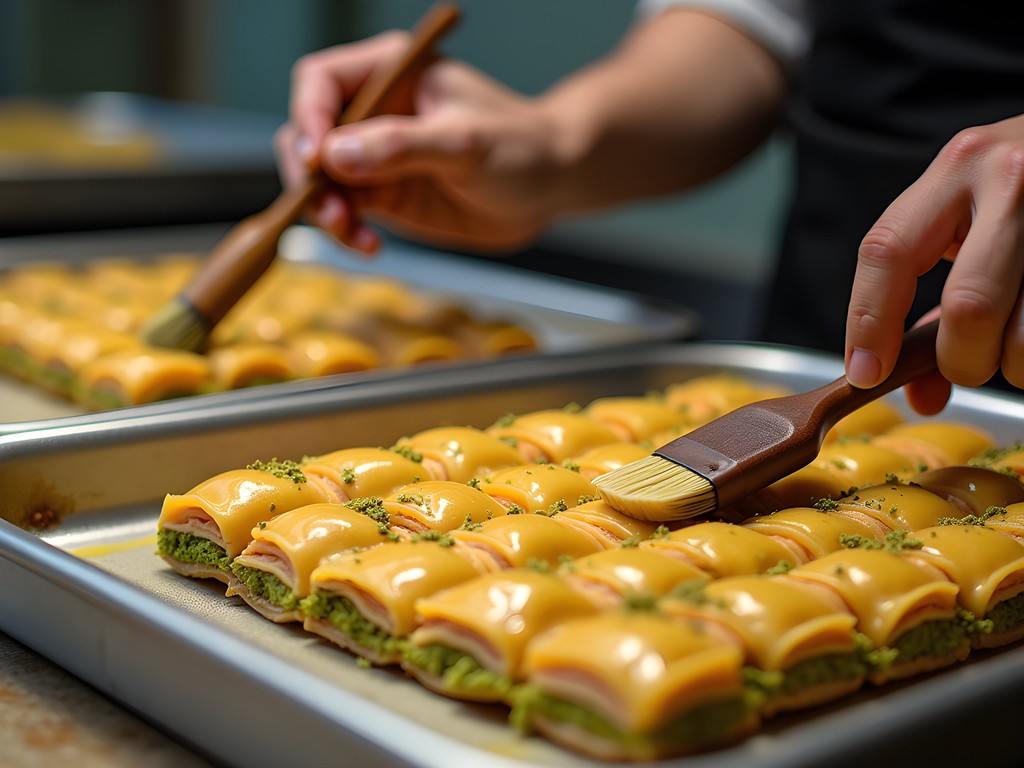
Abdel Rahman Hallab & Sons stands as the most renowned establishment, operating since 1881 in a beautiful space where you can watch artisans stretching delicate strings of knafeh cheese and layering paper-thin phyllo for baklava. While impressive, I found the true gems in smaller establishments along Al-Mina Road, where prices are lower and innovation more apparent.
At Kasr El-Helou (Palace of Sweets), I discovered mafroukeh tripoliye—a semolina pudding topped with ashta cream and pistachios that's specific to northern Lebanon. The owner, noticing my interest, demonstrated how they infuse the semolina with both orange blossom and rose waters, a technique requiring precise measurement to avoid overwhelming the palate.
During my week in Tripoli, I developed a daily ritual of afternoon sweets paired with Lebanese coffee. To continue this tradition at home, I purchased a traditional Lebanese coffee pot with matching cups. This copper rakweh has become both a cherished souvenir and practical tool for recreating those sensory memories.
💡 Pro Tips
- Visit sweet shops between 3-5pm when fresh batches emerge from the kitchens
- Ask for sweets with 'less sugar' (sukkar khafeef) if you find Lebanese desserts too sweet
- The best baklava contains local pine nuts, not the cheaper imported varieties—ask before purchasing

Home Cooking & Culinary Workshops: Beyond Restaurant Walls
While Tripoli's restaurant scene offers wonderful experiences, the soul of Lebanese cuisine lives in family kitchens. Through my professional connections with a physical therapy clinic in Beirut, I was fortunate to arrange a cooking workshop with Madame Samira, a 70-year-old culinary instructor who welcomes small groups into her traditional Tripoli home.
For a modest fee (approximately $45 USD per person), we spent an afternoon learning to prepare kibbeh nayyeh—Lebanon's famous raw lamb dish seasoned with bulgur and spices. As someone raised by a Spanish chef father, I appreciate the technical precision required to hand-chop the meat to the perfect consistency rather than using modern food processors.
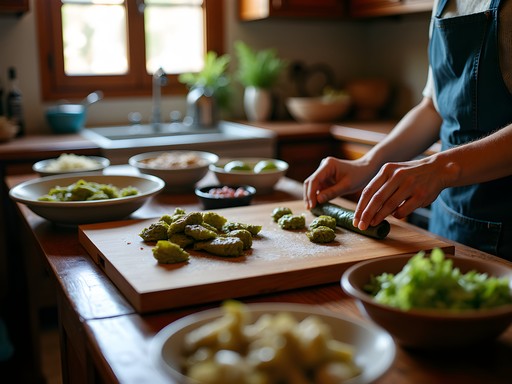
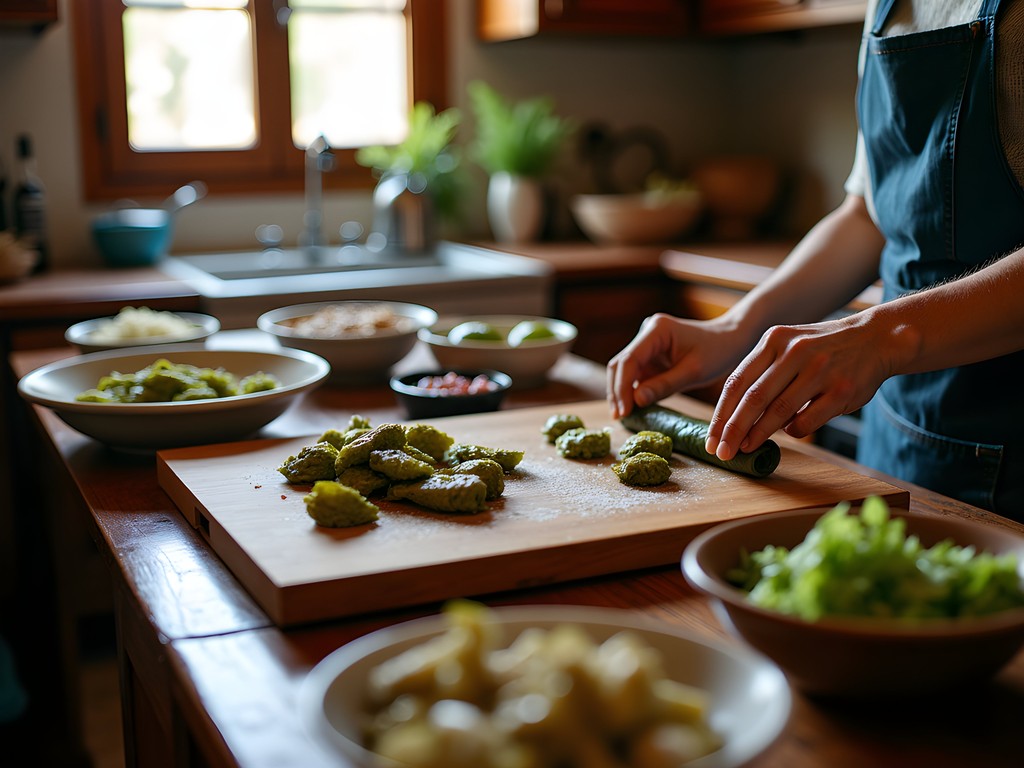
Madame Samira also demonstrated the proper technique for rolling grape leaves (warak enab), a meditative process requiring patience and dexterity. Her wooden rolling pin with tapered ends proved so effective for this task that I purchased an identical one from a local woodworker in the souk.
The workshop culminated in a family-style feast on her terrace overlooking the Mediterranean, where we were joined by three generations of her family. This experience provided insights into Tripoli's food culture that no restaurant could offer—particularly the importance of seasonality and the subtle regional variations in dishes that appear standardized to outside observers.
💡 Pro Tips
- Cooking workshops can be arranged through Souk el Tayeb organization or by asking at your accommodation
- Bring a small gift from your home country for your cooking instructor—culinary items are especially appreciated
- Request vegetarian options in advance if needed; most workshops can accommodate dietary restrictions with prior notice
Preserving Culinary Heritage: Conservation Challenges & Opportunities
As someone deeply interested in cultural preservation, I was fascinated by Tripoli's ongoing efforts to protect its culinary heritage amid economic challenges and regional instability. The NGO Akkar Trail has established a food heritage documentation project, recording traditional recipes and techniques from elderly residents before they're lost to time.
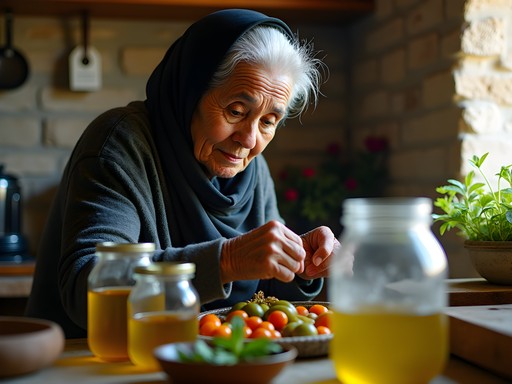
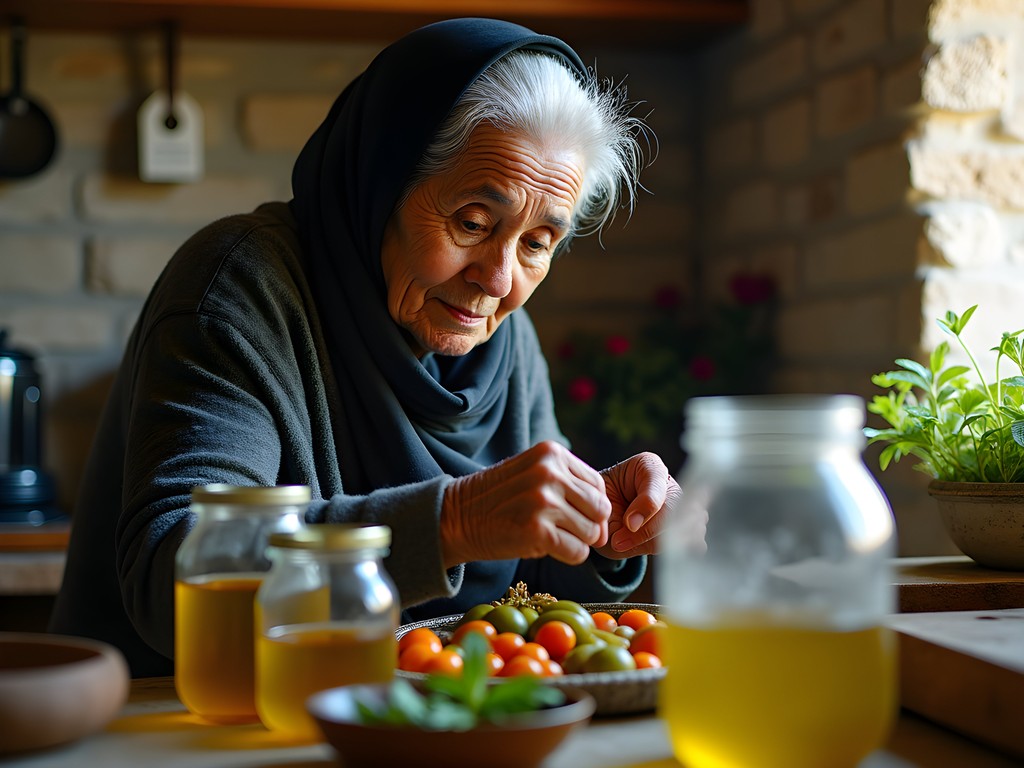
I spent an afternoon with their team as they interviewed Um Hassan, a 90-year-old woman known for her mastery of mouneh (traditional food preservation techniques). She demonstrated how to preserve seasonal vegetables in olive oil, a practice that sustained families through harsh winters before refrigeration. Her fermentation crock reminded me of similar vessels my Italian grandmother used—evidence of the Mediterranean's shared culinary language despite political borders.
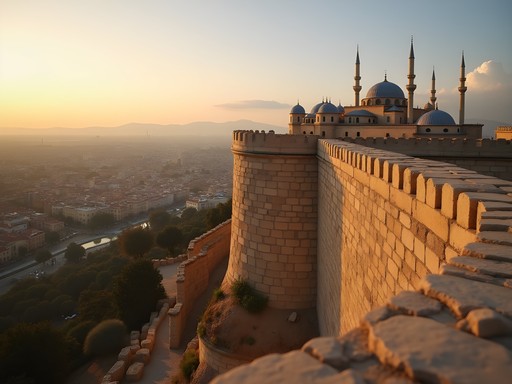
Tripoli's position as Lebanon's northern hub has made it vulnerable to the spillover effects of Syria's civil war, with tourism declining dramatically over the past decade. This economic pressure threatens the viability of traditional food businesses, particularly those requiring specialized equipment or time-intensive techniques. Yet I found hope in young entrepreneurs like Karim, whose café near the Citadel combines traditional recipes with contemporary presentation, attracting a new generation to appreciate their culinary heritage.
For travelers concerned about safety, I can report that Tripoli felt completely secure during my spring 2023 visit. The warmth and hospitality of Tripolitanians transcended any geopolitical tensions, and food served as the perfect medium for cultural exchange even across language barriers.
💡 Pro Tips
- Support the Akkar Trail's preservation efforts by purchasing their cookbook featuring traditional northern Lebanese recipes
- Ask older vendors about how recipes have changed over their lifetime—many are eager to share this knowledge
- Visit the small food heritage museum inside Khan al-Saboun to see historical cooking implements and recipe documentation
Final Thoughts
As my week in Tripoli drew to a close, I found myself lingering over a final cup of cardamom coffee at a small café near Al-Mansouri Mosque, reluctant to leave this city that speaks so eloquently through its food. What makes Tripoli's culinary scene extraordinary isn't just the flavors—though they are remarkable—but the way food serves as a living museum of cultural resilience.
In an era where globalization homogenizes urban experiences worldwide, Tripoli remains steadfastly authentic. Its food traditions haven't been packaged for tourist consumption or diluted for international palates. Instead, they continue to serve their primary purpose: nourishing community and preserving identity through shared meals.
For couples seeking a culinary adventure beyond the ordinary, Tripoli offers an intimate window into Lebanese culture that bypasses clichés. Come with curiosity, a willingness to communicate beyond language, and most importantly—an empty stomach. The soul of Lebanon awaits you here, served one unforgettable bite at a time.
✨ Key Takeaways
- Tripoli offers Lebanon's most authentic food experiences, with culinary traditions dating back to Ottoman times
- Spring visits provide the perfect balance of pleasant weather and seasonal ingredients like fresh herbs and early fruits
- Moving beyond restaurants into home kitchens and workshops provides the deepest understanding of local food culture
📋 Practical Information
Best Time to Visit
March-May (spring) or September-October (early fall)
Budget Estimate
$30-50 USD per day for food
Recommended Duration
5-7 days
Difficulty Level
Intermediate


Comments
springwanderer
That picture of the baklava being made is absolutely stunning! You really captured the craftmanship that goes into it. Making me hungry just looking at it!
greenchamp
Those dessert photos!! 😍 Now I'm hungry
Nicole Russell
YES YES YES to everything in this post!! I spent two weeks in Tripoli last year and honestly, it's SO underrated compared to Beirut. The food scene is incredible and way more authentic. I did one of those home cooking workshops you mentioned and learned to make proper tabbouleh - life changing! The family I stayed with taught me that the bulgur should barely be there, it's all about the parsley. Charlotte, did you try the fish sandwiches down by the port? They're unreal and like $2. Also the Middle East guidebook has a great walking food tour route if anyone wants more structure.
hikingfan7270
fish sandwiches sound great, where exactly?
Nicole Russell
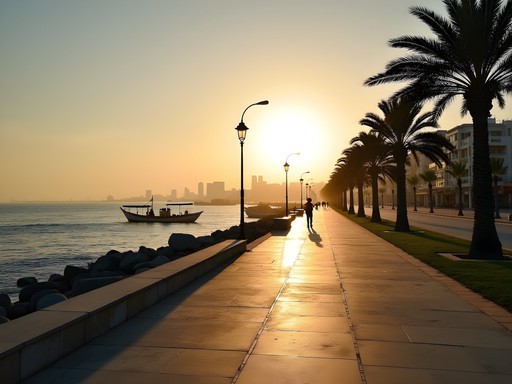
Right along the corniche near the old port! You'll see a bunch of small stands, just follow the locals :)
freefan
Pro tip for anyone going - the souks get crazy crowded after 10am on weekends. We went early morning around 8am and had the place mostly to ourselves. Got to chat with vendors, try samples, and the light was perfect for photos. Also bring cash, most of the small food stalls don't take cards.
Riley Griffin
Charlotte, this brought back so many memories! We took our kids to Tripoli three years ago and it was honestly one of the best family food adventures we've had. My 10-year-old still talks about the knefeh from that place near the souks. The locals were so welcoming and patient with our kids trying to order in broken Arabic. One shop owner gave them free baklava just for trying! Did you get a chance to visit any of the halawiyat shops in the old city? Those dessert makers are true artisans.
greenchamp
That's so sweet!! Love when locals are welcoming like that
coffeechamp
How's the cardamom coffee compared to Turkish coffee? Looks so good in your photos
Charlotte Ramirez
It's similar but the cardamom gives it this incredible aromatic quality! Less bitter too. You'll love it if you're into coffee culture.
coffeechamp
perfect, thanks!
hikingfan7270
This looks amazing! Adding to my list
dreamtime
Going there in March! Any specific street you recommend for the best food concentration?
Charlotte Ramirez
Definitely spend time around Al-Tall Square and the streets leading to the old souks. That's where you'll find the most authentic spots all clustered together!
dreamtime
Thanks so much!
Ana Ahmad
Charlotte, this brings back so many memories! I visited Tripoli in 2023 and completely agree about the dessert scene - it's criminally underrated compared to Beirut. Did you get a chance to try the knefeh at Rafaat Hallab? The cheese-to-syrup ratio there is perfection. Also, I'm curious about the cooking workshop you mentioned. I've been looking for authentic culinary experiences beyond the typical tourist cooking classes. Did you book it in advance or just walk in? Would love to know the name of the place if you're comfortable sharing.
Charlotte Ramirez
Yes! Rafaat Hallab was incredible. For the workshop, I actually connected with a local family through a friend's recommendation - it wasn't a formal business, just a grandmother who loves teaching. If you're looking for something more structured, the cultural center near the Khan al-Saboun offers monthly sessions. I'd email them ahead though, they fill up fast!
Ana Ahmad
Perfect, thank you! I'll reach out to the cultural center.
oceanguy
Those dessert photos are making me so hungry!
Charlotte Ramirez
Right?? I gained like 5 pounds that week 😂
Venture X
Premium card with 2X miles, $300 travel credit, Priority Pass