

Disclosure: This article contains affiliate links. We may earn a commission from purchases at no extra cost to you, which helps our travel content.
The desert wind whispers ancient secrets as I stand at the threshold of what was once the world's largest city. Ancient Merv, rising from the Karakum Desert like a mirage of mud-brick monuments, has drawn me to this remote corner of Turkmenistan. As someone who has spent a lifetime exploring the intersection of faith traditions, this Silk Road metropolis—where Buddhism, Christianity, Zoroastrianism, and Islam once flourished side by side—offers a profound lesson in humanity's spiritual journey. The ruins speak of both grandeur and impermanence, a meditation written in clay and sand that has survived nearly three millennia.

The Spiritual Heartbeat of the Silk Road
Mary, the modern Turkmen city that serves as the gateway to Ancient Merv, bears little resemblance to its illustrious predecessor. My journey began here, in a modest hotel where the proprietor's eyes lit up when I mentioned my pilgrimage to the ancient city. 'You will feel the souls of many worlds there,' he told me in carefully measured English.
He wasn't wrong. Standing amid the sprawling complex the following morning, I was immediately struck by the spiritual pluralism that once defined this crossroads of civilizations. The ruins of Buddhist stupas neighbor remnants of Nestorian Christian churches, while traces of Zoroastrian fire temples and grand Islamic structures tell the story of faith's evolution across centuries.
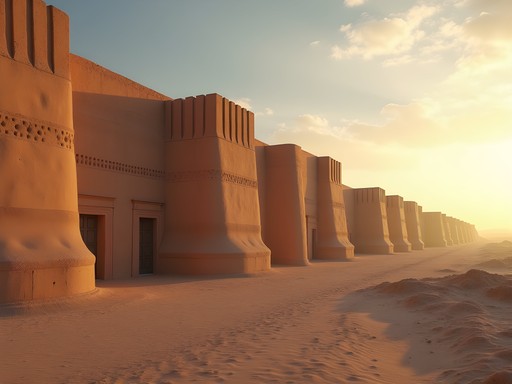
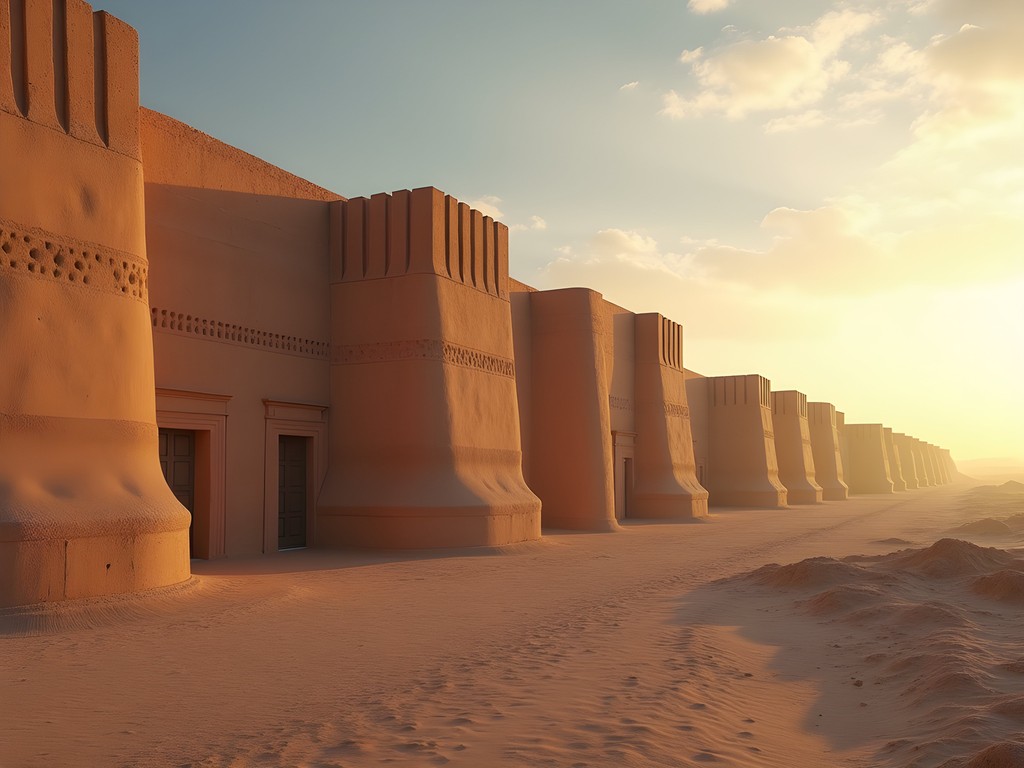
The Greater Kyz Kala fortress, with its corrugated walls rising dramatically against the desert sky, became my first meditation spot. I sat in its shadow, my travel meditation cushion providing comfort against the hard-packed earth, and contemplated how these walls once protected scholars who preserved knowledge during Europe's Dark Ages.
💡 Pro Tips
- Visit at sunrise when the light casts dramatic shadows across the ruins
- Hire a knowledgeable local guide who can explain the historical and spiritual significance of different structures
- Bring at least 2 liters of water per person - the desert heat is unforgiving even in spring
Walking Through Three Millennia of History
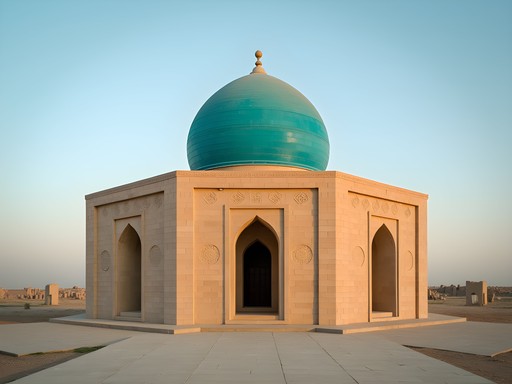
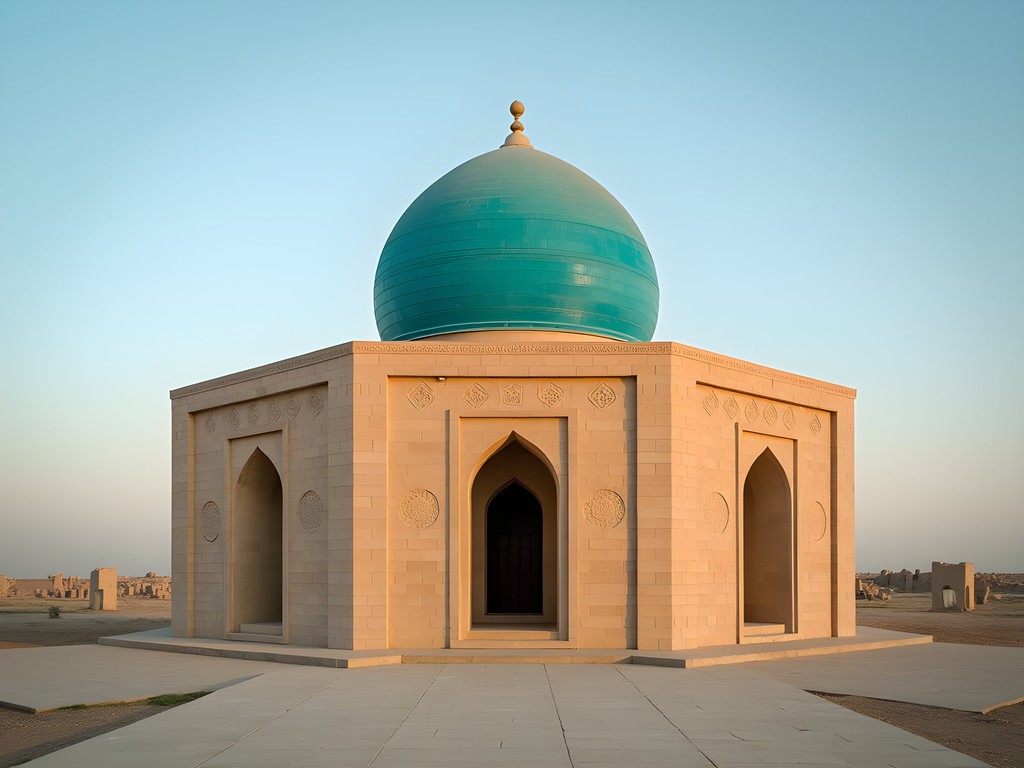
Ancient Merv is not a single site but a collection of adjacent urban centers that shifted over centuries. My second day began with Sultan Sanjar Mausoleum, its restored dome gleaming against the cloudless sky. The cool interior offered respite from the spring heat, which, even in April, climbed steadily throughout the morning.
I traced the evolution of the city through its five distinct sections, from Erk Kala (the oldest settlement dating to the 7th century BCE) to the Islamic-era Sultan Kala. Each step traversed not just distance but time itself. My archaeological guidebook proved invaluable, providing context that the sparse information placards couldn't offer.
'In Ireland, we consider a building from the 12th century to be ancient,' I remarked to my guide, Maksat. 'Here, that would be practically modern.' He laughed, pointing to a crumbling caravanserai where Silk Road traders once haggled over goods from China and India. 'My ancestors might have traded spices from your mother's homeland right here,' he said, a connection across time that left me momentarily speechless.
💡 Pro Tips
- Wear sturdy walking shoes - the site covers over 1,000 hectares with uneven terrain
- Consider bringing a GPS device as it's easy to get disoriented among the various ruins
- Visit the Sultan Sanjar Mausoleum early or late in the day when fewer tour groups are present
Twilight Meditation at Kyz Kala
As the day's heat began to subside, I made my way back to the Lesser and Greater Kyz Kala fortresses. These mysterious structures, with their distinctive corrugated walls, are among Merv's most enigmatic features. Historians still debate their original purpose – were they elite residences, defensive structures, or something else entirely?
I climbed a nearby dune with my lightweight camping chair to watch the sunset transform the mud-brick monuments. As twilight settled over the landscape, the fortresses took on an otherworldly glow, their corrugated walls catching the last rays of sun like the pleats of a monk's robe.
In this moment of desert solitude, I was struck by how Merv embodies the impermanence that both Buddhist and Christian traditions contemplate. The city that once rivaled Baghdad and Constantinople now returns slowly to the earth from which it rose. Yet something essential remains – a testament to human creativity and spiritual seeking that transcends the physical structures themselves.
'The wind that shaped these walls carries the prayers of countless pilgrims,' I wrote in my journal as darkness fell, the temperature dropping rapidly as it only does in desert environments.

💡 Pro Tips
- Bring a lightweight jacket even in spring - desert temperatures drop significantly after sunset
- A headlamp or flashlight is essential for navigating back to your vehicle after sunset
- Consider bringing a small offering (like a flower) to leave at Sultan Sanjar's tomb as a sign of respect

The Living Heritage of Mary
While Ancient Merv captivated my soul, the modern city of Mary offered its own cultural treasures. After days exploring ruins, I found myself drawn to the Mary Regional Museum, where artifacts from excavations bring context to the crumbling structures I'd been exploring.
The museum's collection of Parthian rhytons (ceremonial drinking vessels often shaped like animals) particularly fascinated me. I spent an hour sketching their intricate designs in my travel watercolor set, attracting curious glances from local visitors unaccustomed to seeing foreign tourists so engaged with their heritage.
In the evenings, I sought out local cuisine at small family-run establishments away from my hotel. At one such place, an elderly woman served me plov (rice pilaf with lamb) from a massive kazan (cooking pot) that could have fed a small caravan. When I mentioned my visit to Merv in my limited Russian, she nodded knowingly. 'My grandfather worked with the first archaeologists there,' she told me through a younger relative who translated. 'He always said the city was not dead, just sleeping.'
This sentiment – that ancient sites remain spiritually alive – resonated deeply with my own experiences at sacred places across traditions. In Merv, as in the stone circles of Ireland or the temples of Kerala, the connection between past and present is not severed but transformed.

💡 Pro Tips
- Visit the Mary Regional Museum before exploring the archaeological site for valuable historical context
- Learn a few phrases in Turkmen or Russian - locals deeply appreciate the effort
- Try traditional Turkmen plov (rice pilaf) at local restaurants rather than hotel dining
Desert Stargazing and Spiritual Reflection
On my final night, I arranged through my hotel for a special desert excursion with a local astronomer who occasionally guides visitors. We drove 30 minutes beyond the archaeological site, deep into the Karakum Desert where light pollution fades to nothing.
As darkness enveloped us completely, the stars emerged with an intensity I've rarely witnessed outside the Arctic regions of Scandinavia. My guide set up a modest portable telescope and oriented me to the night sky as seen from this part of Central Asia.
'The ancient scholars of Merv were renowned astronomers,' he explained, pointing out constellations. 'They mapped these same stars and planets, contributing significantly to medieval understanding of the cosmos.'
We sat in contemplative silence on desert camping mats, sipping sweet tea from a thermos as shooting stars occasionally streaked across the vault of heaven. In that moment, the artificial boundaries between faith traditions seemed as insubstantial as the thin desert air. The scholars of ancient Merv – Buddhist, Zoroastrian, Christian, and Muslim alike – had all looked to these same stars for orientation, just as spiritual seekers across traditions still do.
'In the desert,' I reflected aloud, 'we're reminded of our true scale in the universe.' My guide nodded, adding, 'And yet the desert also teaches us that even the smallest things – a seed, a drop of water – contain tremendous significance.'

💡 Pro Tips
- Book a stargazing excursion through your hotel or a local tour operator - never venture into the desert alone
- Bring warm layers even in spring - nighttime temperatures can drop below 10°C (50°F)
- Consider learning basic astronomy apps on your smartphone to enhance your stargazing experience
Final Thoughts
As my week in Mary and Ancient Merv drew to a close, I found myself changed in subtle yet profound ways. This journey reminded me why I'm drawn to places where spirituality and history intertwine across traditions. Merv, perhaps more than any other site I've visited, embodies the transient nature of human achievement while simultaneously celebrating its enduring impact.
The city that once housed scholars, mystics, and traders from across the known world now offers its quiet wisdom to those willing to listen. Its message speaks not of empire or dominance but of cultural exchange, intellectual curiosity, and spiritual seeking – values that remain as relevant today as they were a thousand years ago.
For couples seeking more than a typical vacation, Ancient Merv offers something increasingly rare: perspective. Walking hand-in-hand through ruins that have witnessed the rise and fall of civilizations invites conversations about what truly matters in our brief time together. In a world obsessed with the immediate and disposable, Merv stands as a testament to the lasting power of human connection, creativity, and contemplation.
I leave you with the words my hotel proprietor shared as I departed: 'Those who listen carefully in Merv hear not silence, but the whispers of history.' May your journey to this remarkable place open your hearts to those whispers and the wisdom they contain.
✨ Key Takeaways
- Ancient Merv offers a unique window into the spiritual pluralism of the Silk Road era
- Spring provides ideal weather for exploring this vast archaeological site
- Combining visits to the ruins with time in modern Mary creates a more complete cultural experience
- Desert stargazing near Merv connects visitors to the astronomical traditions of ancient scholars
- The site's remote location rewards travelers with profound solitude and contemplative spaces
📋 Practical Information
Best Time to Visit
Mid-March to early May or September to October
Budget Estimate
$70-100 USD per day including accommodation, food, and local transportation
Recommended Duration
3-5 days (1-2 in Mary, 2-3 at the archaeological site)
Difficulty Level
Moderate


Comments
Casey Andersson
Beautiful post, Amit. There's something about these Silk Road sites that just gets under your skin, isn't there? I found Turkmenistan to be one of the most surreal travel experiences - it's like nowhere else I've been. The contrast between the ancient ruins and the gleaming marble capital is just bizarre in the best way. For anyone planning to go, I'd recommend spending at least 3-4 days to really soak it in. The heat can be brutal in summer though - I was there in May and it was already pushing 40°C. Spring or autumn would be ideal.
adventurehero
Is it safe to travel there solo? And do people speak English?
Amit Sullivan
Felt very safe the entire time! English is limited outside of tour guides, but people are incredibly welcoming. I'd recommend having a translation app downloaded - Google Translate worked offline for me with Russian which many locals speak alongside Turkmen.
adventurehero
awesome thanks!
wanderclimber
Adding this to my Central Asia trip planning!!
Savannah Walker
Amit, this brought back so many memories! I visited Merv three years ago and it completely blew my mind. The scale of those ruins is just staggering when you're standing there in person. I remember our guide telling us about how it was larger than Damascus or Baghdad at its peak - hard to imagine now with just the desert all around. Did you make it to the ice house (Gyaur Kala)? That mud-brick architecture keeping ice frozen in the desert heat is wild. Also totally agree about Mary being underrated - that local bazaar is fantastic.
Amit Sullivan
Yes! The ice house was fascinating. I loved hearing the engineering behind it. And agreed on the bazaar - some of the best plov I've ever had came from a tiny stall there.
springdiver
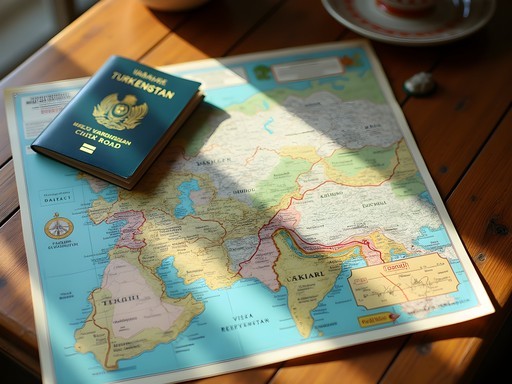
How hard is it to get the visa for Turkmenistan? I've heard it's pretty complicated?
Casey Andersson
Not OP but I went last year - it's definitely a process! You need a letter of invitation which takes about 3 weeks. I went through a tour agency in Ashgabat and they sorted everything. Totally worth the hassle though, the country is absolutely fascinating.
springdiver
Thanks! Good to know it's doable
globebackpacker
Wow this is now on my bucket list!!
photobuddy
Those sunset shots at Kyz Kala are incredible! What lens were you using?
Amit Sullivan
Thanks! I was shooting with a 24-70mm for most of it. The golden hour light there is just magical, honestly didn't need much editing.
Riley Griffin
Amit, your post captures the haunting beauty of Ancient Merv perfectly. We took our teenagers there last year (yes, brave or crazy, I know!), and I was worried they'd be bored by 'old ruins' - but they were completely fascinated. Our guide told stories about the Silk Road caravans and the Mongol invasions that had them completely hooked. The local Mary Museum was also surprisingly engaging with its artifacts. For families considering this journey: the logistics take work but it's doable. We stayed at a small guesthouse in Mary where the owner cooked amazing meals and treated our kids like family. One tip: bring good sun protection and LOTS of water for exploring Merv - the desert heat is no joke, even in spring. Your description of the 'spiritual heartbeat' really resonated with us - there's something profound about standing in a place with such layered history.
sunsetphotographer
Those mud structures look incredible against that sky! 😍
Sage Dixon
Your post brought back such vivid memories of my own journey through Turkmenistan three years ago. The scale of Ancient Merv is truly humbling - I remember walking through the Sultan Sanjar mausoleum and being awestruck by the engineering. What struck me most was how we were practically the only visitors that day at what would be an absolute tourist magnet anywhere else in the world. Did you get a chance to visit the Margush archaeological site nearby? The Bronze Age artifacts there complement the Merv experience beautifully. I found that my Bradt Turkmenistan Guide was essential since internet access was so spotty. Your twilight meditation at Kyz Kala sounds magical - wish I'd thought to time my visit for sunset!
Amit Sullivan
Thanks for sharing your experience, Sage! I didn't make it to Margush unfortunately - just ran out of time. And you're right about the lack of crowds being both surprising and special. It really does let you connect with the place in a more intimate way.
Venture X
Premium card with 2X miles, $300 travel credit, Priority Pass