



Disclosure: This article contains affiliate links. We may earn a commission from purchases at no extra cost to you, which helps our travel content.
When most travelers think of Uganda, images of mountain gorillas and safari adventures immediately come to mind. But after spending a week in Entebbe on what my university colleagues mockingly called my 'budget luxury adventure,' I discovered a cultural tapestry far richer than any wildlife pamphlet had prepared me for. Trading my urban planning blueprints for a historical preservation lens has taught me to look beyond the obvious attractions—and Entebbe rewarded that curiosity tenfold.

Navigating Entebbe's Markets Like a Local
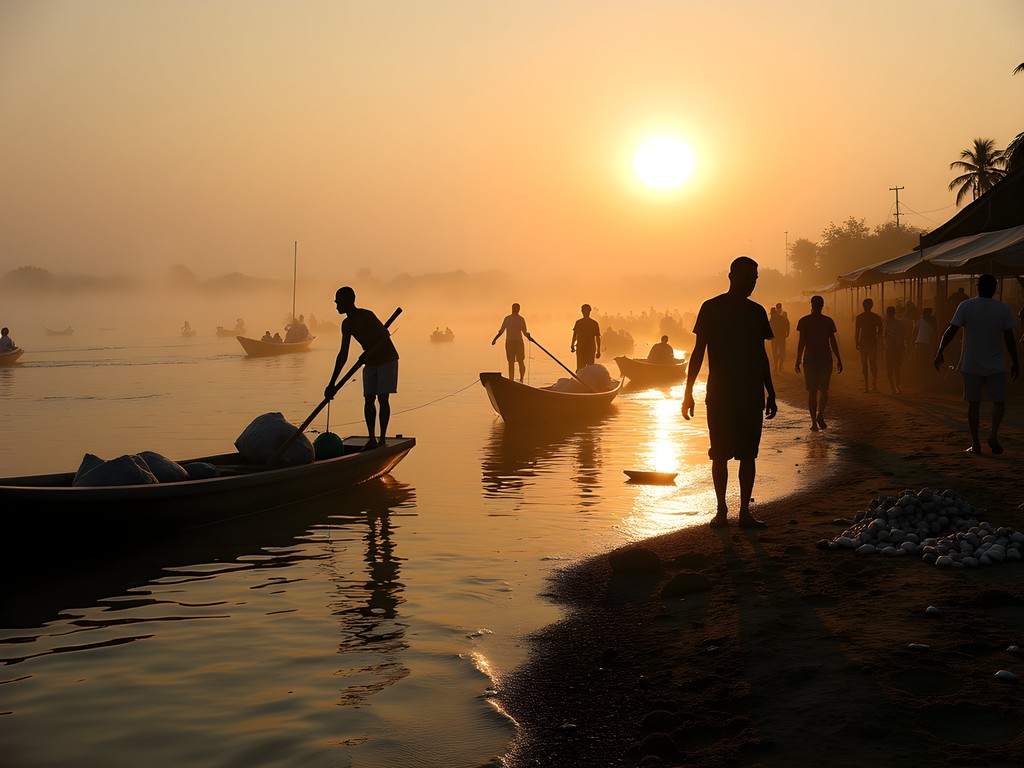
As someone who's spent countless hours analyzing urban spaces, Entebbe's markets were my academic playground and budget-friendly cultural immersion all in one. The Nakiwogo Fish Market became my morning ritual, where I'd watch fishermen haul in their catches from Lake Victoria around 6 AM. Pro tip: bring small Ugandan shilling notes and a reusable bag like my trusty foldable tote which proved invaluable for carrying market treasures.
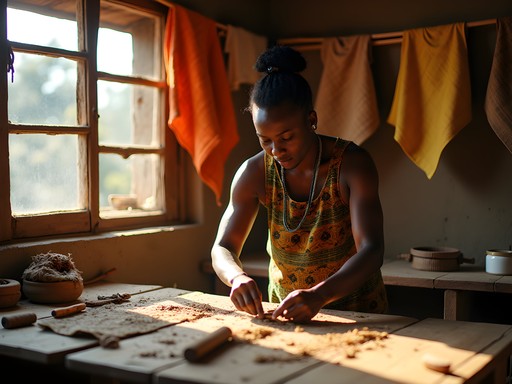
The real cultural education happens at the Kitoro Market, where I spent hours practicing my painfully rudimentary Luganda with elderly craft vendors. One woman named Nabulungi taught me the traditional weaving techniques her grandmother had passed down while laughing good-naturedly at my clumsy attempts. I've preserved ancient buildings in my studies, but watching these living traditions continue felt infinitely more meaningful.
After a particularly hot market morning, I found salvation in a locally made insulated water bottle that kept my water ice-cold for hours in the Ugandan heat—a practical investment that saved me from buying plastic bottles throughout my trip.
💡 Pro Tips
- Visit fish markets early (5-7 AM) for the best cultural experience and freshest catch
- Learn basic Luganda greetings - vendors appreciate the effort and often offer better prices
- Bring small denominations of Ugandan shillings to avoid change problems
The Botanical Gardens: Colonial History Meets Environmental Education
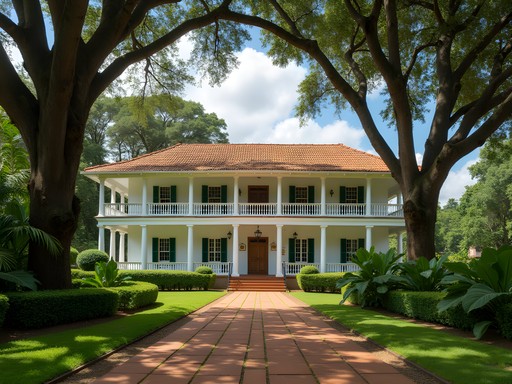
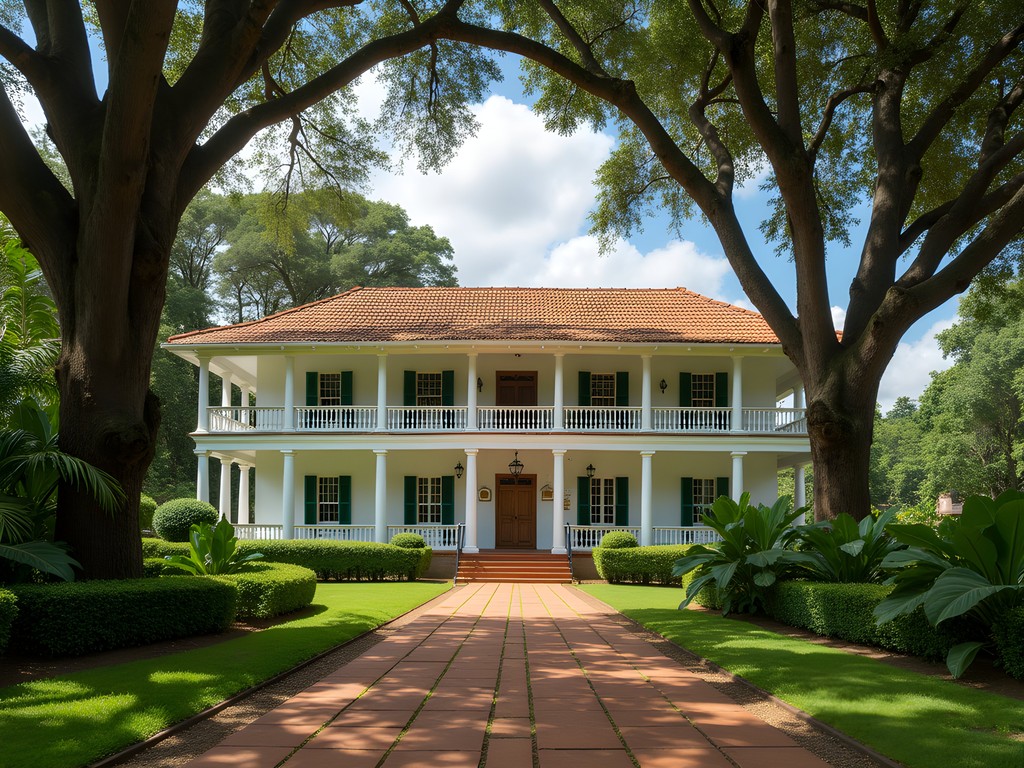
My Master's research on historical preservation led me straight to the Entebbe Botanical Gardens, established in 1898 as Uganda's first protected green space during British colonial rule. The gardens offer a fascinating glimpse into colonial scientific history, but what truly captivated me was how local guides have reclaimed the narrative.
My guide, Kato, transformed what could have been a standard tour into a profound lesson on indigenous plant knowledge and traditional medicine. As we wandered past century-old mahogany trees, he pointed out plants used in ceremonies I'd never find in academic texts. The preservation student in me was frantically taking notes on my weatherproof notebook that withstood both surprise rain showers and my profuse sweat in the humidity.
The gardens also served as my impromptu office when I needed to catch up on coursework. Finding a spot beneath a massive fig tree with my solar charger keeping my devices powered, I experienced the surreal moment of writing a paper on architectural conservation while vervet monkeys played overhead—certainly beats the university library back in Montreal.
💡 Pro Tips
- Hire a local guide for a deeper understanding of indigenous plant knowledge
- Visit early morning or late afternoon to avoid the midday heat and crowds
- Pack insect repellent as mosquitoes are prevalent near water features
Craft Workshops: Hands-On Cultural Preservation
My academic interest in preservation collided beautifully with my student budget at Entebbe's craft workshops. Instead of buying expensive souvenirs, I spent an afternoon learning traditional bark cloth making at the Ngamba Cultural Center. For just 15,000 Ugandan shillings (about $4 USD), I received a hands-on lesson in this UNESCO-recognized cultural heritage practice.
The process involves harvesting bark from fig trees without killing them—a sustainable practice that predates modern conservation theory by centuries. My instructor, Mugisha, explained how bark cloth once served as currency and ceremonial dress before colonial textiles arrived. As someone studying preservation, witnessing this living tradition was worth more than any textbook could offer.
Pro tip for fellow budget travelers: many workshops let you participate for a fraction of what finished products cost in tourist shops. I recorded the experience using my clip-on smartphone lens which captured stunning close-up details of the intricate bark cloth patterns without carrying bulky camera equipment.
Later that week, I joined a drumming workshop where my complete lack of rhythm provided entertainment for local children. The instructor insisted I take home a small hand drum, which I carefully packed using my packing cubes to prevent damage during my return flight.

💡 Pro Tips
- Call workshops a day ahead to confirm availability and pricing
- Participate rather than just observe - most artisans welcome hands-on learners
- Budget 2-3 hours for each workshop experience to fully appreciate the process

Lake Victoria's Hidden Cultural Narrative
My casino dealing background has taught me that sometimes the most interesting stories happen away from the main attraction. While tourists flock to Lake Victoria for boat tours to see otters and birds, I found myself drawn to the fishing communities that have sustained life here for generations.
Through a connection at my guesthouse, I arranged an early morning fishing expedition with Okello, a third-generation fisherman who spoke eloquently about how lake traditions are evolving with climate change and tourism. We set out in his wooden boat before sunrise, navigating by stars until the pink dawn revealed islands I hadn't seen on any tourist map.
Okello showed me traditional fishing methods and explained how his community is adapting sustainable practices to preserve fish populations. For comfort during the chilly pre-dawn boat ride, my lightweight blanket proved essential—packable enough for my backpack but warm enough for those surprisingly cool morning hours on the water.
Later, I joined a community fish preparation demonstration where women showed traditional smoking techniques. The experience culminated in a lakeside dinner featuring fresh tilapia prepared five different ways. Being invited to share this meal felt like accessing a cultural dimension completely invisible to standard tourism.

💡 Pro Tips
- Arrange fishing experiences through local guesthouses rather than tour companies for authenticity
- Respect fishing community etiquette by asking before photographing
- Budget for appropriate compensation - this isn't a formal tour but someone sharing their livelihood
Finding Golf Culture in Unexpected Places
As a lifelong golf enthusiast operating on a perpetual student budget, I've developed a knack for finding affordable ways to indulge my passion. Entebbe Golf Club, established in 1901 as one of East Africa's oldest courses, offered a fascinating blend of colonial history and modern Ugandan culture that satisfied both my academic and recreational interests.
Despite being a prestigious club, they offer surprisingly affordable twilight rates for visitors (around $25 USD after 3 PM). The course itself is a historical preservation marvel—colonial-era design elements remain intact while the clubhouse exhibits photographs documenting Uganda's golf evolution through independence and beyond.
What truly made this experience cultural rather than merely recreational was my caddie, Joseph, who has worked the course for 40 years. Between holes, he shared stories of caddying for government officials during political transitions and pointed out how the course landscape reflects broader Ugandan history. My golf rangefinder came in handy for measuring distances on this unfamiliar course, though Joseph's experienced eye was usually more accurate.
The 19th hole experience provided unexpected cultural insights as I joined locals for Uganda Waragi (local gin) and discussions about everything from politics to Premier League football. One evening, a member invited me to join his family's celebration, where I witnessed traditional Kiganda dance performed alongside contemporary Ugandan pop music—cultural preservation and evolution happening simultaneously.

💡 Pro Tips
- Book twilight tee times for significant savings and cooler temperatures
- Request an experienced caddie for historical context beyond the standard golf experience
- Budget time for post-round socializing - the cultural exchange happens in the clubhouse
Final Thoughts
My week in Entebbe transformed my understanding of what sustainable cultural tourism can be. As a historical preservation student, I'm often torn between my academic interest in cultural heritage and the uncomfortable reality that tourism can undermine the very traditions it claims to celebrate. Yet Entebbe offered something different—authentic cultural exchanges that felt mutually beneficial rather than extractive.
The experiences that will stay with me longest weren't found in guidebooks or on TripAdvisor's top ten lists. They emerged from genuine connections: learning bark cloth techniques from Mugisha, discussing fishing sustainability with Okello, and hearing Joseph's four-decade perspective on Uganda's evolving golf culture.
For travelers willing to step beyond wildlife itineraries, Entebbe offers a profound opportunity to engage with living cultural heritage. Whether you're a fellow student on a tight budget or simply a traveler seeking deeper connections, I encourage you to approach Entebbe with curiosity and respect. The cultural tapestry you'll discover extends far beyond what any safari could reveal—and might just change how you think about preservation altogether.
✨ Key Takeaways
- Cultural experiences in Entebbe can be more budget-friendly than wildlife tourism while offering deeper connections
- Local markets, craft workshops and fishing communities provide authentic interactions beyond standard tourist experiences
- Historical sites like the Botanical Gardens and Golf Club offer insights into both colonial history and contemporary Ugandan culture
- Making personal connections with local guides and artisans transforms standard tourist activities into meaningful cultural exchanges
📋 Practical Information
Best Time to Visit
Year-round, though June-August and December-February offer drier conditions
Budget Estimate
$30-50/day excluding accommodation
Recommended Duration
Minimum 3 days, ideally 5-7 days
Difficulty Level
Easy


Comments
nomadbuddy
Going there next month! Any restaurant recommendations?
Frank Garcia
Really solid breakdown of the cultural layer that most people miss. I think what you're touching on here is important - Uganda's tourism infrastructure has been so gorilla-focused that places like Entebbe get treated as transit points rather than destinations. The colonial history angle at the botanical gardens is particularly interesting. From a backpacking perspective, I'd add that the boda-boda motorcycle taxis are dirt cheap for getting around town (like $1-2 USD per ride) and the drivers often know the best local spots. Just negotiate the price before you get on. The craft workshops you mentioned are usually way more affordable than the hotel concierge makes them sound - I paid about 15,000 shillings for a half-day basket weaving session.
oceanexplorer
This is super helpful, thanks! Definitely doing the boda-boda thing
oceanexplorer
This is exactly what I've been looking for! I'm tired of the typical safari circuit. How easy is it to get around without a guide? My budget is pretty tight but I really want authentic experiences like you described. Also did you stay in Entebbe the whole time or did you day trip in?
Fatima Sims
Chase, this really resonates with me! I spent three weeks in Uganda last year and Entebbe was such a pleasant surprise. The fishing communities along Lake Victoria have incredible stories - I ended up spending an entire afternoon with a fisherman who taught me about traditional boat building techniques passed down through generations. His grandfather had worked on the lake during the colonial era and the family history was fascinating. The cultural depth there is seriously underrated. Did you get a chance to try the fresh tilapia at any of the lakeside spots? Absolutely incredible.
Chase Johansson
Yes! The tilapia was amazing. I love that you connected with the fishing communities - those intergenerational stories are exactly what makes this kind of travel so meaningful.
roammaster
Which craft workshop would you recommend most? Only have 2 days there
Chase Johansson
The bark cloth workshop near the botanical gardens was my favorite - it's a UNESCO recognized tradition and the artisans are so knowledgeable!
springphotographer645
Great photos!
globeking
How safe is it to walk around the markets? Planning my first solo trip to East Africa
springphotographer645
Was there last year. Totally safe during the day, just keep your bag close
Chase Johansson
Exactly what springphotographer645 said! I felt completely safe during daytime. The locals were incredibly welcoming and helpful.
sunnyone
Love this!! Everyone always talks about the gorillas but this sounds amazing
cityadventurer
If anyone's going, stay a few extra days. We rushed through in 2 days and regretted it. There's so much more than just a stopover before safari. The sunset views over Lake Victoria alone are worth it.
Sarah Powell
Really appreciate your perspective on the botanical gardens, Chase. I think many travelers skip them entirely, which is such a missed opportunity. The intersection of colonial history and current environmental work there tells such a complex story. From a solo traveler's perspective, I found Entebbe to be an ideal introduction to Uganda - less overwhelming than Kampala, but still authentically Ugandan. The lake shore communities you mentioned deserve way more attention in travel content. Have you written anything about the fishing villages?
Chase Johansson
Working on a follow-up piece about the fishing communities actually! The oral histories there are fascinating. Should be up next month.
Venture X
Premium card with 2X miles, $300 travel credit, Priority Pass