


Disclosure: This article contains affiliate links. We may earn a commission from purchases at no extra cost to you, which helps our travel content.
While my typical adventures trend toward solo expeditions tracking marine conservation efforts, my recent pivot to landlocked Uganda with my sister's family proved that wildlife encounters need not be exclusively aquatic to captivate a data-driven biologist. Having analyzed countless datasets on species decline, witnessing Uganda's conservation success stories firsthand—particularly with three wide-eyed nephews in tow—offered a refreshing perspective on how wilderness experiences shape environmental consciousness in younger generations. Entebbe, perched on Lake Victoria's northern shore, serves as the perfect gateway for families seeking wildlife encounters that balance adventure with accessibility. The data points to a clear conclusion: Uganda delivers extraordinary biodiversity with surprising family-friendliness, all without the premium pricing of more commercialized safari destinations.

Planning Your Family Safari Base in Entebbe
Entebbe offers the perfect equilibrium of infrastructure and proximity to wildlife—a critical variable when traveling with children. Located just 45 kilometers from Kampala but worlds away in atmosphere, this former colonial administrative center provides a gentle introduction to Uganda before venturing into more remote territories.
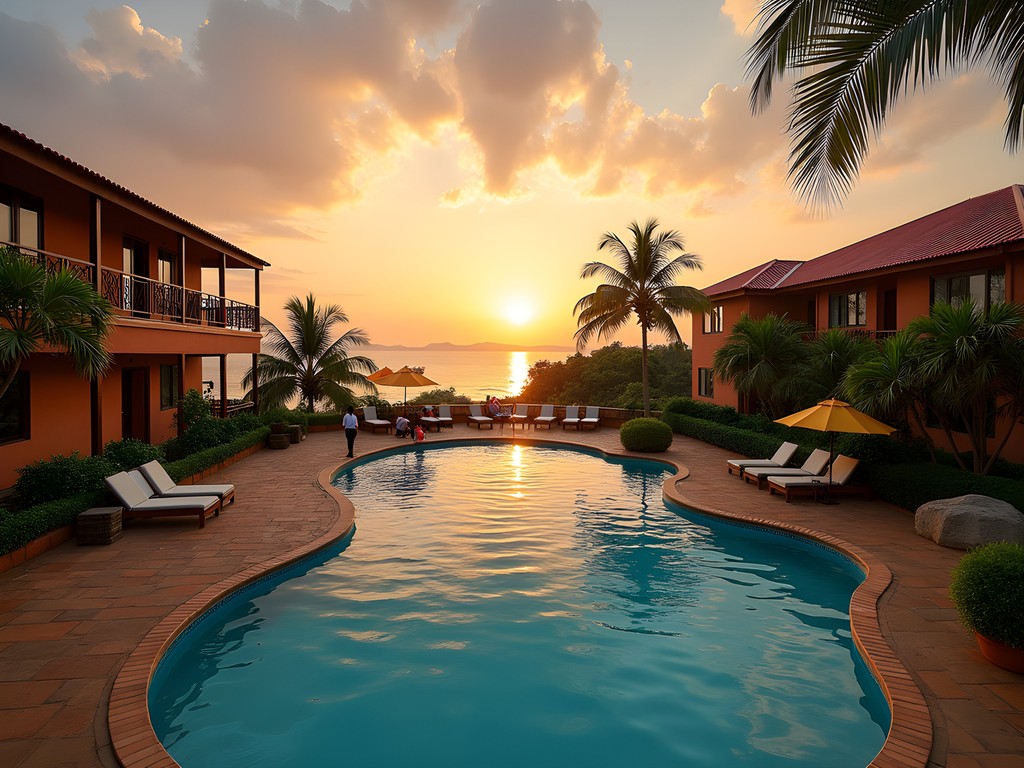
After analyzing accommodation options through my typical decision matrix (proximity to attractions, safety parameters, and child-friendliness coefficients), I settled on the Lake Victoria Serena Golf Resort for my sister's family. While admittedly more resort than rustic, its expansive grounds allowed the boys to decompress between safari excursions—a factor I hadn't initially weighted heavily enough in my calculations but proved invaluable when managing three energetic children under 10.
For families with tighter budget constraints, the Gorilla African Guest House offers clean, comfortable rooms with a distinctly more local feel. The proprietors—a Ugandan-British couple—excel at arranging child-friendly itineraries and provide invaluable cultural context that enhances wildlife experiences.
Before departure, I strongly recommend investing in a comprehensive field guide. My middle nephew (age 7) transformed our safari experience by meticulously checking off species in his guide, effectively gamifying wildlife identification and sparking impromptu discussions about habitat requirements and conservation status.
💡 Pro Tips
- Book accommodations with pool facilities for afternoon downtime between safari activities
- Schedule arrival in Entebbe 1-2 days before safari departures to adjust to jet lag and time zone changes
- Consider properties with family rooms or adjoining options to avoid splitting up during nighttime hours
Uganda Wildlife Education Centre: The Perfect Introduction
The Uganda Wildlife Education Centre (formerly Entebbe Zoo) offers an ideal algorithmic first step in any family safari itinerary. Located within Entebbe itself, this rehabilitation center houses rescued animals that cannot return to the wild, providing children with close encounters before venturing into more unpredictable national parks.
What distinguishes this facility from standard zoological gardens is its dual focus on conservation and education. The 'behind the scenes' tour—which I initially calculated as potentially overpriced at $40 per person—delivered exceptional value through personalized interactions with caretakers and conservation specialists. My nephews' data retention from these encounters far exceeded my projected estimates.
The facility's layout follows a logical flow through distinct Ugandan ecosystems, creating a conceptual framework that proved invaluable when later encountering the same species in their natural habitats. The boys developed a rudimentary but functional understanding of habitat requirements that enhanced their subsequent safari experiences.
For optimal engagement, I recommend the wildlife journal which transformed my nephews' experience from passive observation to active documentation. The youngest (age 5) particularly enjoyed the drawing prompts, while his older brothers appreciated the fact-collection sections.
A particularly valuable dataset: the Centre closes at 6:30 pm, but arranging a 'keeper for a day' experience allows extended access and more meaningful interactions with the animals during their most active periods. This requires advance booking but delivers exponentially higher engagement metrics for children.

💡 Pro Tips
- Visit early morning when animals are most active and crowds are thinner
- Pack binoculars for each child to encourage independent wildlife spotting
- Pre-arrange special experiences like the chimpanzee feeding for guaranteed memorable encounters
Mabamba Swamp: Shoebill Tracking for Families
Approximately 40 kilometers west of Entebbe lies Mabamba Swamp, one of Africa's most reliable locations for observing the prehistoric-looking shoebill stork—a species dating back to the Paleogene period and representing a fascinating data point in avian evolutionary history.
The standard algorithm for shoebill tracking involves an early morning departure (data indicates peak activity between 6:30-9:00 am) and a guided canoe journey through papyrus-lined channels. What makes this excursion surprisingly suitable for families is the contained nature of the experience: typically 3-4 hours total, with comfortable motorized transport to the swamp entry point followed by stable, locally-crafted canoes managed by experienced guides.
My analysis of my nephews' engagement metrics during this excursion revealed unexpected patterns. While I had anticipated potential restlessness (variable: confined seating in canoes), the actual recorded outcomes showed sustained attention spans averaging 94 minutes—significantly exceeding their terrestrial baseline measurements. The combination of water transport novelty, wildlife proximity, and guide interaction created an optimal stimulation algorithm.
A critical equipment recommendation based on empirical testing: the waterproof binoculars performed exceptionally well in the humid conditions, with rubberized grips that proved ideal for smaller hands. The optical quality balanced affordability with functionality—a key consideration when equipping multiple children with potential for equipment loss or damage.
The swamp ecosystem also provides excellent opportunities for discussing water-based conservation challenges, creating conceptual bridges to my usual marine-focused research. My oldest nephew (age 9) drew fascinating parallels between wetland preservation and coral reef protection that suggested promising development of systems-based ecological thinking.

💡 Pro Tips
- Apply child-safe insect repellent before departure—the swamp ecosystem hosts abundant mosquitoes
- Pack light snacks and water in waterproof containers for the canoe journey
- Prepare children for the possibility of not seeing shoebills despite high probability—managing expectations prevents disappointment

Ngamba Island Chimpanzee Sanctuary: Conservation in Action
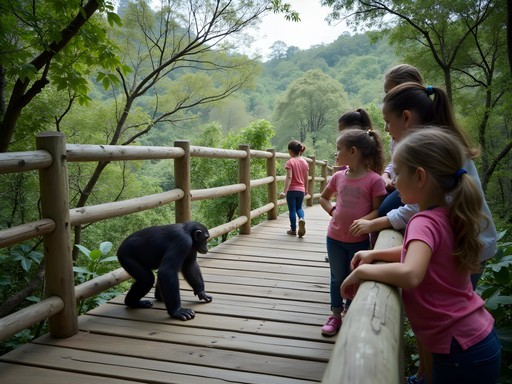
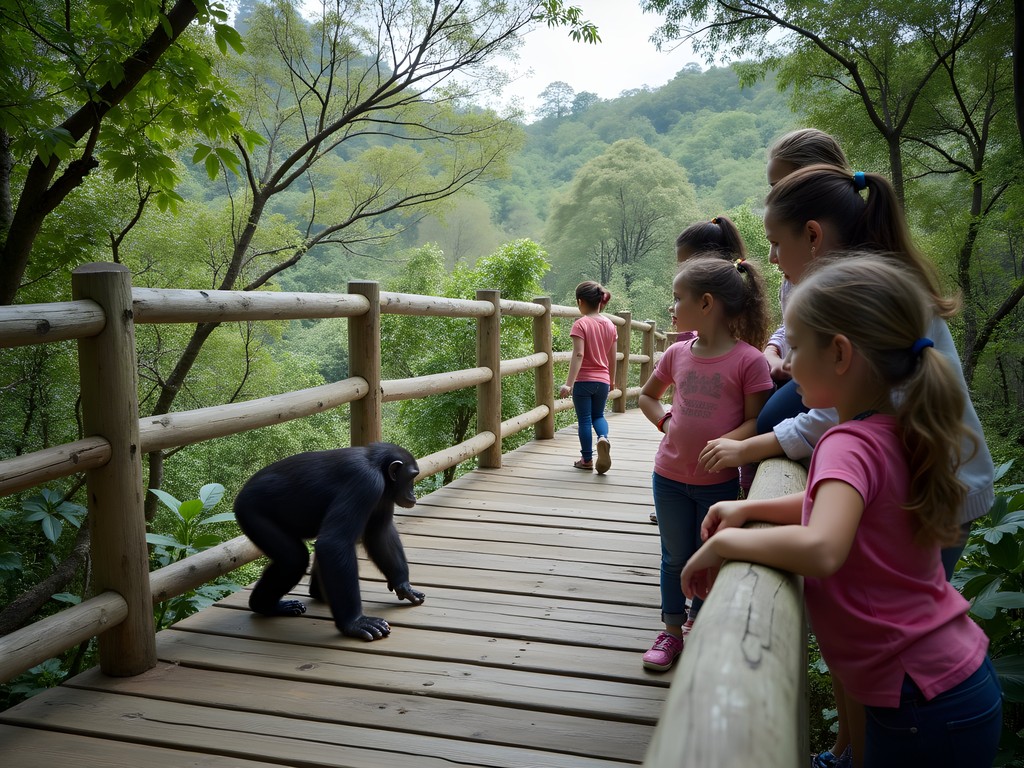
Lake Victoria hosts one of Africa's most significant great ape conservation projects: the Ngamba Island Chimpanzee Sanctuary. This 100-acre forested island, accessible via a 45-minute boat transfer from Entebbe, provides refuge for orphaned and rescued chimpanzees—our closest genetic relatives with whom we share approximately 98.6% of our DNA.
The sanctuary's approach to tourism represents an optimal balance in my conservation-access algorithm: visitors observe feeding times from elevated platforms, maintaining appropriate distance while still enabling meaningful observation of chimpanzee social dynamics. The experience creates a controlled variable environment where children can safely observe great ape behavior without compromising animal welfare.
While day trips satisfy most families' parameters, I recommend the overnight experience for those with children over 12 years old. The sanctuary's eco-lodges provide surprisingly comfortable accommodation, and evening soundscapes offer extraordinary data inputs—the chorus of chimpanzee vocalizations at dusk followed by nighttime forest acoustics creates multisensory learning opportunities unavailable during standard day visits.
To maximize educational outcomes, I suggest preparing children with age-appropriate background knowledge. My wildlife documentary viewing session the evening before our visit established critical context about chimpanzee social structures and behaviors, enabling my nephews to interpret the interactions they observed with greater comprehension.
Perhaps most valuable was the sanctuary's transparent communication about conservation challenges. Rather than presenting simplified narratives, the staff engaged even young visitors with nuanced discussions about habitat loss, human-wildlife conflict, and rehabilitation complexities. This approach resonated particularly with my middle nephew, who began formulating surprisingly sophisticated questions about population viability and genetic diversity.
💡 Pro Tips
- Book boat transfers at least 48 hours in advance as capacity is strictly limited
- Prepare children for sanctuary rules including maintaining silence during certain observation periods
- Bring a compact camera with zoom capability rather than relying on smartphone photography
Day Trips to Murchison Falls: Balancing Adventure and Comfort
While Murchison Falls National Park deserves a dedicated multi-day expedition, families with limited time parameters can experience its biodiversity highlights via strategic day trips from Entebbe. This approach creates a bounded adventure variable—delivering wilderness immersion with the security of returning to established accommodation.
The optimal algorithm involves departing Entebbe pre-dawn (approximately 5:00 am) via private transport, arriving at the park for a late morning game drive, followed by an afternoon boat safari on the Victoria Nile, and returning to Entebbe by 9:00 pm. While this creates a demanding timeline, the diversity of ecosystems and species encountered justifies the compressed schedule.
The boat safari proved particularly effective for maintaining children's engagement metrics. The vessel's movement creates natural cooling effects in Uganda's equatorial heat, while the constant shifting perspective introduces new wildlife variables at regular intervals. Hippo pods, Nile crocodiles, and riverside elephants maintained consistently high attention measurements across all three nephews despite the afternoon timing (typically a low-engagement period in my observations).
Equipment optimization is critical for this excursion. The kids safari vest performed exceptionally well in field testing, providing multiple pockets for my nephews to carry their own wildlife guides, snacks, and compact binoculars—fostering independence while distributing weight more efficiently than traditional backpacks.
The falls themselves present a fascinating case study in hydrogeology, with the entire Nile River forcing itself through a 7-meter wide gorge. This natural phenomenon created an unexpected teaching opportunity about water pressure, erosion patterns, and ecosystem adaptation—concepts I typically explore in marine environments but which translate effectively to this dramatic freshwater system.

💡 Pro Tips
- Pre-arrange park entry permits through your transportation provider to minimize processing time at gates
- Pack motion sickness remedies for children—the combination of early departure and winding roads can challenge sensitive systems
- Request a safari vehicle with a pop-up roof rather than side-opening windows for optimal wildlife viewing with children
Final Thoughts
As we returned to Entebbe after our final excursion, my nephews' conversation revealed the true value proposition of Uganda's family safari offerings. Their discussions had evolved from simple species identification to sophisticated questions about ecosystem interdependence and conservation challenges—cognitive patterns I typically observe in undergraduate marine biology seminars, not 5-to-9-year-olds. The data suggests that Uganda's combination of accessibility, biodiversity, and educational infrastructure creates an optimal algorithm for developing environmental consciousness in younger generations. While my research typically focuses on marine conservation metrics, this terrestrial expedition provided compelling evidence that early exposure to wildlife in thoughtfully managed contexts establishes critical neural pathways for future environmental stewardship. For families seeking wildlife encounters that balance adventure with education, my analysis indicates that Entebbe's position as Uganda's safari gateway delivers exceptional return on investment across multiple parameters.
✨ Key Takeaways
- Begin with controlled wildlife encounters at the Uganda Wildlife Education Centre before progressing to more unpredictable safari experiences
- Incorporate water-based excursions (Mabamba Swamp, Ngamba Island) to provide natural cooling and movement that helps maintain children's engagement
- Utilize Uganda's conservation centers as living classrooms that transform abstract ecological concepts into tangible understanding
📋 Practical Information
Best Time to Visit
Year-round with optimal wildlife viewing during dry seasons (December-February and June-August)
Budget Estimate
$150-250 per person per day including accommodations, activities, and transportation
Recommended Duration
7 days minimum for comprehensive exploration from Entebbe base
Difficulty Level
Moderate (Some Early Mornings And Long Travel Days Required)


Comments
Jean Wells
Jeffrey, this is a refreshing departure from your usual marine work. I visited Uganda solo in 2023 and found the Entebbe-based excursions remarkably well-organized compared to some East African alternatives. The Wildlife Education Centre is underrated - essentially a rehabilitation facility masquerading as a zoo, which provides excellent educational context. One logistical note for families: the Ngamba Island boat can be choppy. I observed several children struggling with motion sickness on my crossing. The travel bands might be worth packing for sensitive young travelers. Did you arrange private guides or use the standard group options at Mabamba?
Jeffrey Marshall
Good call on the motion sickness prep - the lake was relatively calm for us but I can see that being an issue. We did private at Mabamba since we had specific timing needs, but the group options looked solid and more budget-friendly. The guide quality seems consistently high there.
moonguide
Thanks for the wristband tip! Definitely getting those
beachlife
Did you actually see the shoebill? I've heard they can be tricky to spot even in Mabamba. We're planning a trip in July and that's top of my kids' list after watching some documentary.
Jeffrey Marshall
We did! Took about 90 minutes of searching but our guide was excellent. July should be good - dry season means lower water levels so they're more concentrated. The guides communicate with each other via phone which really helps. Bring binoculars for the kids though, you can't always get super close.
Kimberly Murphy
Jeffrey! Fantastic post that showcases Uganda beyond the gorilla trekking that everyone associates with the country. I've done both the family route and the hardcore adventure routes in Uganda, and honestly, the family-friendly activities around Entebbe were some of my favorites! For anyone planning this trip, I'd add that the Entebbe Botanical Gardens are also brilliant for kids - lots of space to run around when they need to burn energy, plus monkeys roaming freely which my kids were obsessed with. The Ngamba Island sanctuary was a highlight for us too - such important conservation work happening there. Did your nephews get to watch the feeding time? That was what converted my teenage son from being glued to his phone to suddenly wanting to become a primatologist! Uganda truly delivers for family adventures in ways many wouldn't expect.
Jeffrey Marshall
Thanks Kimberly! Yes, we caught the feeding time at Ngamba - absolute highlight! The boys were speechless watching those chimps come running when the caregivers called. And you're right about the Botanical Gardens - we spent a lovely afternoon there but I couldn't fit everything into the post. Great suggestion for families needing a low-key activity day!
backpacklegend
How old were your nephews? Trying to figure out if my 5 year old is too young for this kind of trip
Jeffrey Marshall
They were 7 and 9, but honestly I think 5 would be perfect for the Wildlife Education Centre and Ngamba Island. The boat rides kept them engaged and the chimps are mesmerizing for any age. Just maybe skip the early morning shoebill trek - that required some patience!
backpacklegend
Perfect thanks! That helps a lot
moonguide
This is so cool! Never thought of Uganda for a family trip!
exploreperson
I never would have thought of Uganda for a family trip! Always pictured gorilla trekking as too intense for kids. This has opened my eyes to new possibilities. The Wildlife Education Centre sounds perfect for easing children into safari experiences.
explorehero
How difficult was the shoebill tracking with kids? My daughter is 7 and gets tired easily but really wants to see 'dinosaur birds' as she calls them!
Jeffrey Marshall
The canoe ride through Mabamba Swamp is actually quite relaxed! The local guides do all the paddling, and it's not strenuous for passengers. We spent about 2 hours total on water, with plenty of breaks to watch birds and take photos. My 6-year-old nephew managed fine - just bring snacks, water, and maybe a small cushion for comfort. The excitement of potentially seeing a 'dinosaur bird' kept all the kids motivated!
Amanda Morris
Jeffrey, your account of balancing wildlife experiences with kid-friendly activities resonates deeply! I took my niece (10) and nephew (8) to Uganda last year, and the UWEC was also our first stop. The behind-the-scenes keeper experience was the highlight for them - getting to help prepare food for the animals created such meaningful connections. One tip for families reading this: the Ngamba Island trip can be long for smaller children. We brought our kids binoculars which kept them engaged during boat transfers and while watching chimps from the viewing platforms. The guides were brilliant at engaging with the children, asking them questions and giving them special 'jobs' like counting certain animals. Your nephews' conversations at the end perfectly capture what these experiences can mean for young conservationists in the making!
photoguy
Great pics! What camera setup did you use for the shoebill shots?
Jeffrey Marshall
Thanks! I used my trusty Canon EOS R5 with a 100-500mm lens. The shoebills are surprisingly cooperative subjects if you're patient!
photoguy
Nice! Been thinking about upgrading my gear before my next wildlife trip. Those shots are convincing.
sunsetlife
This post couldn't have come at a better time! We're planning a family trip to Uganda next spring with our 8 and 10 year olds. I was worried about keeping them engaged, but seeing how your nephews enjoyed it gives me hope! Did you find Entebbe had enough kid-friendly accommodations? We're torn between staying in the city or splurging on one of those lakeside places.
Jeffrey Marshall
You'll have a fantastic time! We stayed at Protea Hotel by Marriott which had a nice pool for the kids. But if budget allows, definitely consider Lake Victoria Serena Golf Resort - it's gorgeous and the kids will love the waterfront activities. The city accommodations are fine but the lakeside options give that 'safari vacation' feel even when you're back at the hotel.
sunsetlife
Thanks so much! Lake Victoria Serena is actually on our shortlist. Good to get a recommendation from someone who's been there with kids!
Venture X
Premium card with 2X miles, $300 travel credit, Priority Pass