
Disclosure: This article contains affiliate links. We may earn a commission from purchases at no extra cost to you, which helps our travel content.
When my healing journey first took me to Southeast Asia ten years ago, I discovered that Kuala Lumpur—this magnificent collision of cultures, cuisines, and contrasts—doesn't have to drain your bank account. The city that boasts some of the world's tallest skyscrapers also harbors some of its most affordable adventures. After multiple return visits and countless conversations with local friends, I've perfected the art of experiencing KL's magic for under $30 a day. So grab your backpack, fellow budget wanderers—this vibrant Malaysian metropolis is calling.

Finding Your Budget Sanctuary
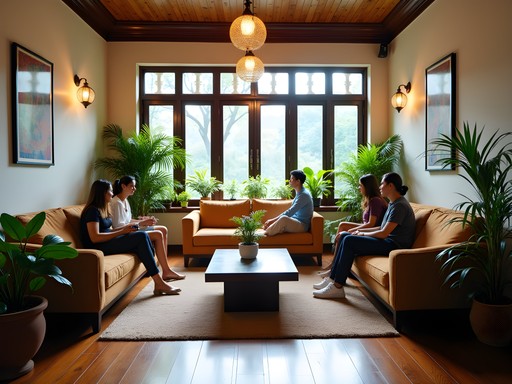
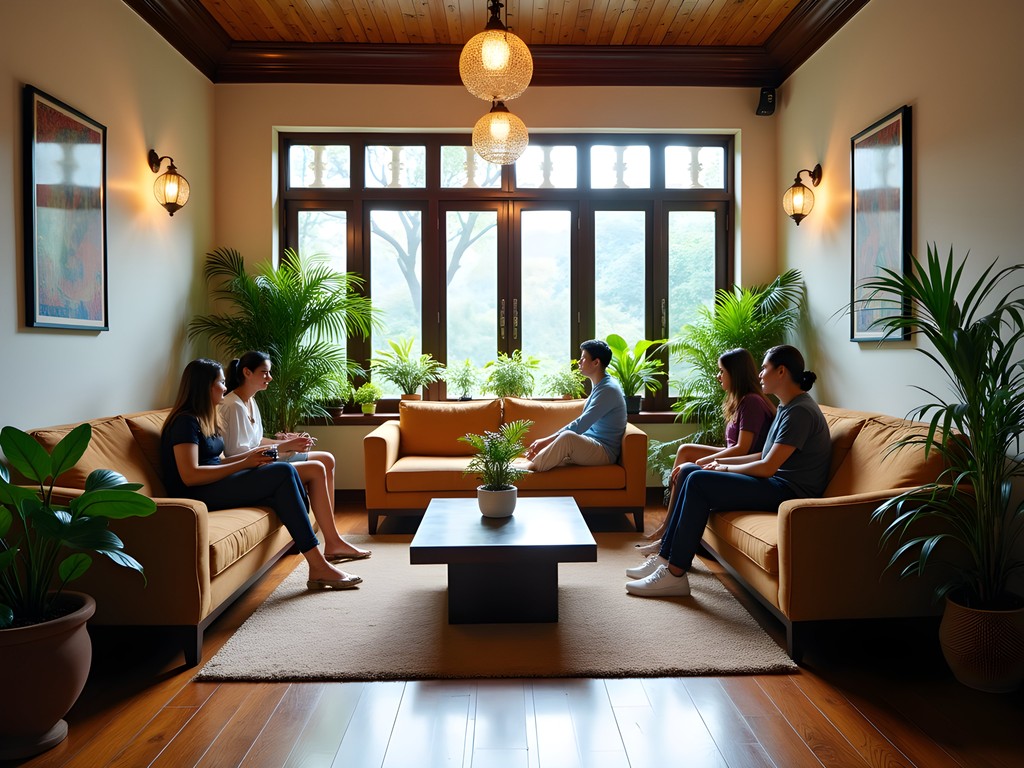
Accommodation typically swallows the largest chunk of any travel budget, but Kuala Lumpur offers remarkable sanctuary options that won't break the bank. My personal recommendation is to base yourself in either Chinatown (Petaling Street area) or Bukit Bintang, where budget hostels and guesthouses abound while keeping you central to the action.
On my last visit, I stayed at BackHome Hostel in a clean, air-conditioned dorm for just 35 MYR ($8) per night. The place had character in spades—housed in a beautifully restored shophouse with wooden floors that reminded my massage therapist's hands of the healing properties of natural materials. For those who prefer privacy, look into Submarine Guest House or Paper Plane Hostel, both offering private rooms under $20.
For longer stays, consider Airbnb where monthly discounts can drop your daily accommodation costs significantly. I once booked a small room in a local family's apartment in Bangsar for just $200 for two weeks—they even invited me to join their weekly family dinners, providing cultural immersion no guidebook could offer.
💡 Pro Tips
- Book accommodations with free breakfast to save on one meal daily
- Many hostels offer weekly rates with significant discounts—ask at check-in
- Choose places with communal kitchens to cook simple meals occasionally
Feast Like a Local: Street Food Paradise
If there's one thing my body has learned through years of healing work, it's that nourishment doesn't need to be expensive to be extraordinary. Kuala Lumpur's food scene is a budget traveler's paradise where $10 can feed you like royalty throughout the day.
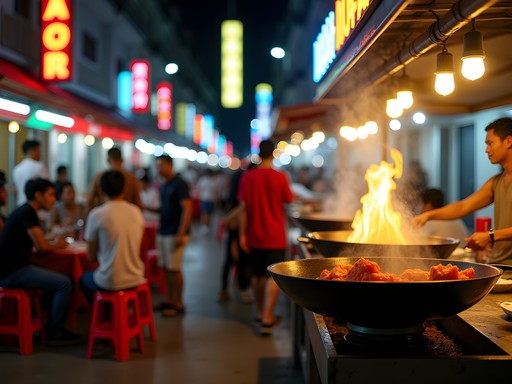
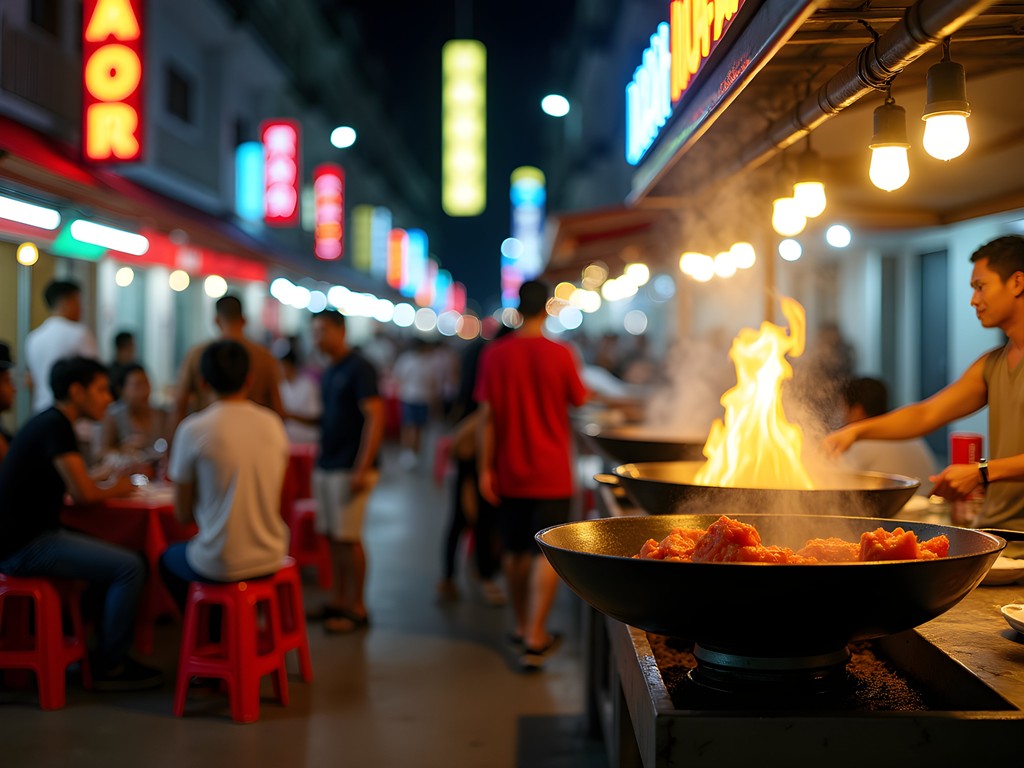
Jalan Alor transforms nightly into a sensory explosion of sizzling woks, fragrant spices, and plastic stools filled with both locals and visitors. Here, a plate of char kway teow (stir-fried noodles) sets you back just 7-9 MYR ($1.50-2), while satay skewers go for about 1 MYR ($0.25) each. My body still remembers the healing warmth of a bowl of laksa that cost less than $2 but delivered more comfort than any luxury meal.
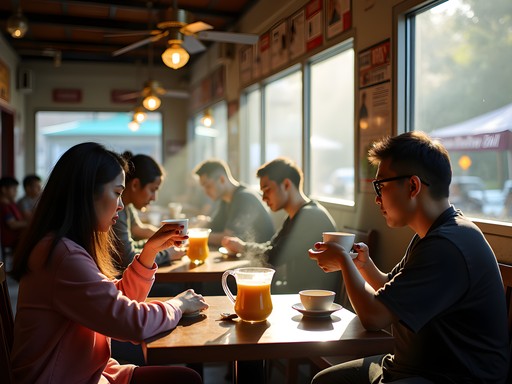
For breakfast, head to any local kopitiam (coffee shop) for kaya toast and soft-boiled eggs with strong Malaysian coffee—usually under 6 MYR ($1.50). Lunch at a basic restaurant serving economy rice (nasi kandar) where you choose several dishes to accompany your rice typically costs 8-12 MYR ($2-3).
Bring a reusable water bottle like my trusty insulated water bottle to stay hydrated in the tropical heat without buying plastic bottles. The tap water isn't potable, but most hostels and many public places offer filtered water stations for refilling.
💡 Pro Tips
- Follow the locals—if a street stall has a line of residents, the food is both good and safe
- Visit Lot 10 Hutong food court for affordable hawker classics in air-conditioned comfort
- Eat your main meal at lunch when many places offer special set menu prices
Free and Nearly-Free Attractions
The beauty of Kuala Lumpur lies in how many of its treasures cost absolutely nothing to experience. My healing journey has taught me that the most transformative experiences rarely come with a price tag, and KL proves this beautifully.
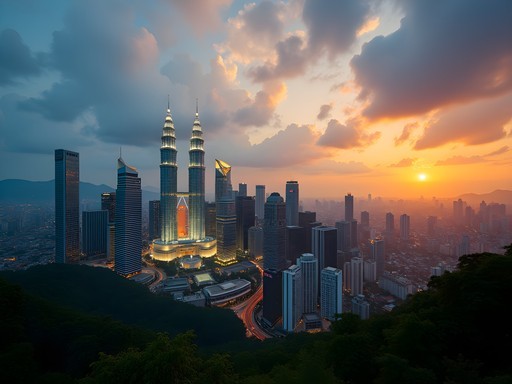
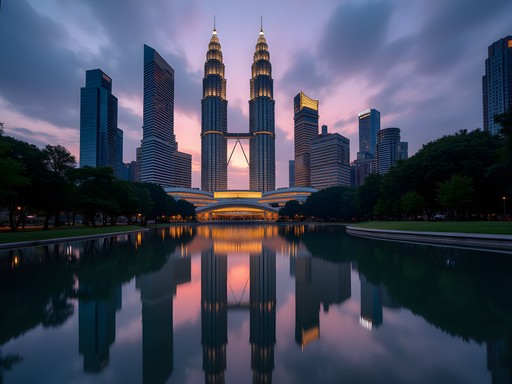
The iconic Petronas Twin Towers may charge for access to their skybridge, but the KLCC Park at their base offers free evening light shows and a perfect vantage point for photographs. I've spent hours watching the towers transform from gleaming silver to golden as the sun sets, my body finding peace in the juxtaposition of urban architecture and carefully designed greenery.
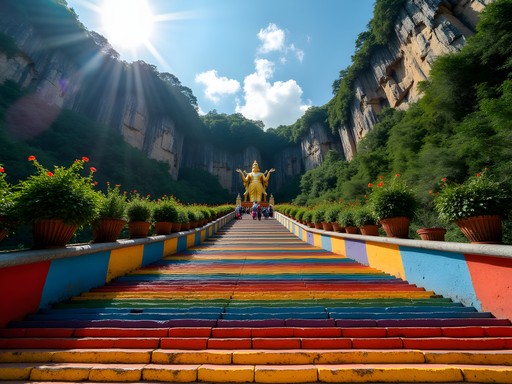
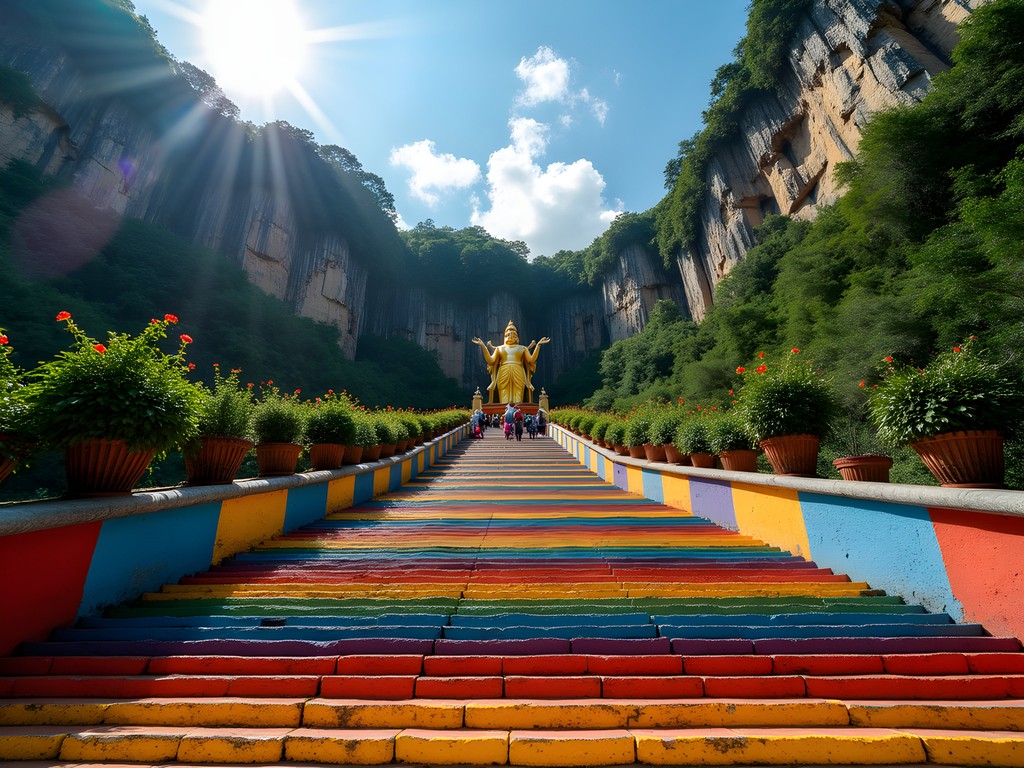
Batu Caves, with its 272 rainbow-colored steps leading to limestone cave temples, costs nothing to explore (unless you visit specific paid museum sections). Go early morning to avoid both crowds and the punishing midday heat. Bring a lightweight quick-dry towel to manage the humidity and occasional rain showers that are part of KL's tropical climate.
Cultural immersion comes free at temples like Sin Sze Si Ya Temple, Sri Mahamariamman, and the National Mosque (outside prayer times). The heritage walking trail through Merdeka Square and the old railway station costs nothing but offers priceless insights into Malaysia's colonial history and independence journey.
For art lovers, the Islamic Arts Museum charges a modest 14 MYR ($3.50) entrance fee—well worth it for one of Southeast Asia's finest collections. On weekends, check out the free cultural performances often held at KLCC and various shopping malls.
💡 Pro Tips
- Visit Batu Caves on weekdays to avoid weekend crowds and religious festivals
- Download the free KL Heritage Trail map from the tourism website for self-guided walks
- Many museums offer discounted or free entry on certain days—check before visiting

Navigating KL: Transport on a Budget
After my accident years ago, I became acutely aware of how movement shapes our experience of a place. Kuala Lumpur's public transportation network is not only budget-friendly but surprisingly gentle on the body—something I deeply appreciate as both a massage therapist and a traveler with an old injury.
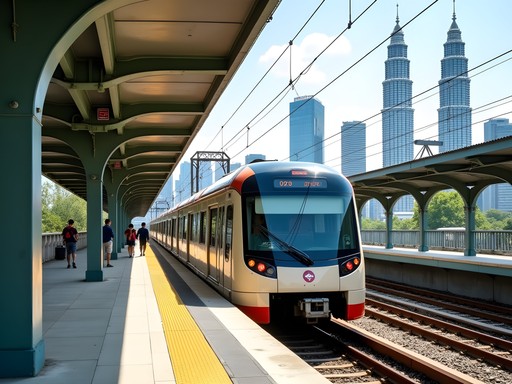
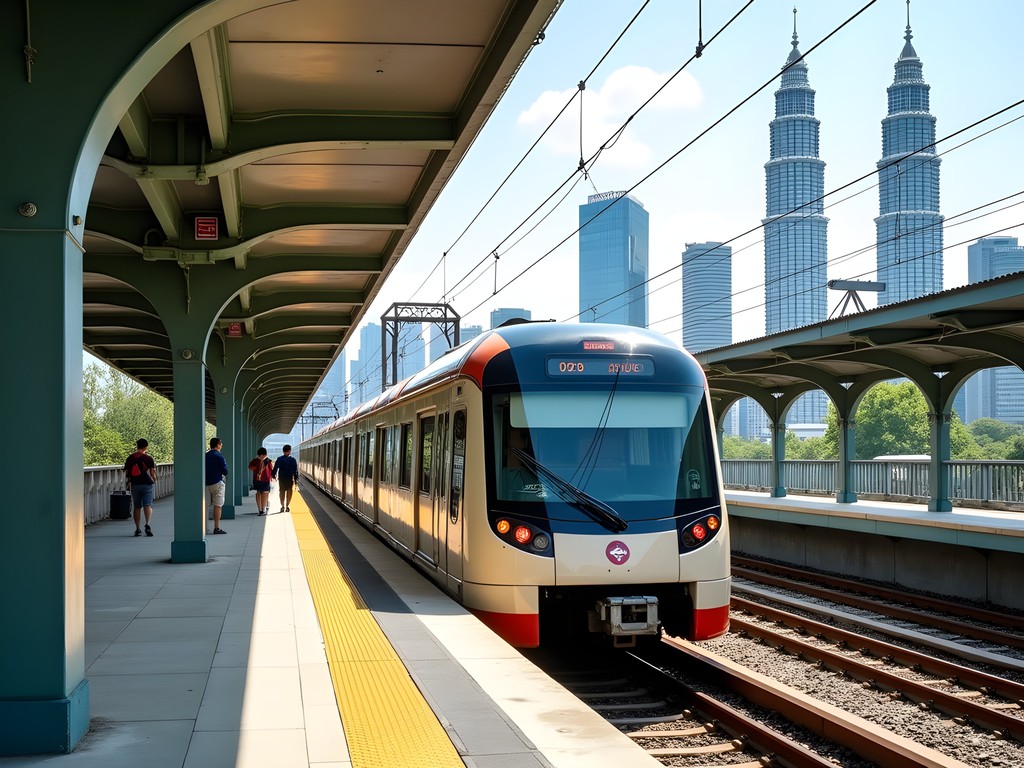
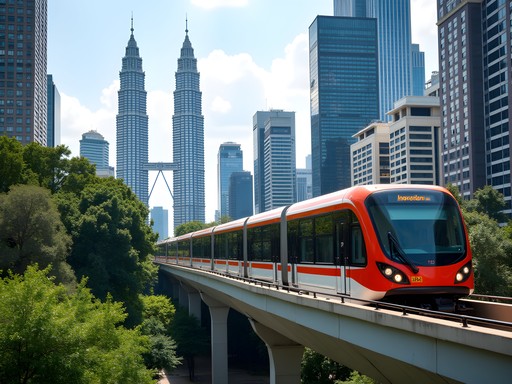
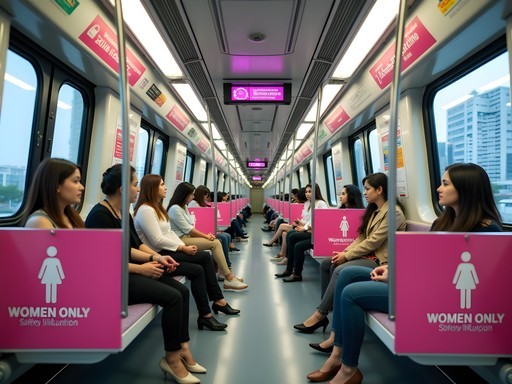
The integrated rail system (LRT, MRT, Monorail) connects most major attractions for 1.10-5.50 MYR ($0.25-1.30) per journey. Purchase a Touch 'n Go card or prepaid transit card from any station to save on individual fares. I typically budget about 15 MYR ($3.50) daily for transportation, which covers several journeys across the city.
For areas not served by trains, GoKL offers free bus services on several routes marked by different colors. The purple line connects Bukit Bintang and KLCC, while the green line serves Chinatown. These air-conditioned buses provide welcome relief from the tropical heat between sightseeing stops.
When venturing further or traveling late at night, ride-sharing apps like Grab (Southeast Asia's equivalent to Uber) offer affordable options. A 15-minute ride typically costs 10-15 MYR ($2.50-3.50)—significantly cheaper than traditional taxis and with the added security of tracked journeys, something particularly valuable for solo female travelers like myself.
My secret budget hack? Walk the central areas during mornings or evenings when temperatures are milder. Kuala Lumpur reveals its most authentic self through its side streets and unexpected encounters that you'll miss from inside a vehicle. Just pack a small travel umbrella for the frequent afternoon showers.
💡 Pro Tips
- Download the MyRapid PULSE app for real-time public transport information and trip planning
- Travel during off-peak hours (avoid 7-9am and 5-7pm) for more comfortable journeys
- Look for the free GoKL bus stops marked by their route color for air-conditioned city transport
Daily Budget Breakdown & Money-Saving Hacks
After numerous visits to Kuala Lumpur, I've refined my spending to maximize experiences while minimizing costs. Here's my realistic daily budget breakdown for experiencing KL on under $30:
- Accommodation: $8-12 (hostel dorm or budget guesthouse)
- Food: $8-10 (street food and local eateries)
- Transportation: $3-5 (public transit)
- Attractions: $0-5 (mostly free sights with occasional paid entry)
- Miscellaneous: $2-3 (water, small souvenirs, etc.)
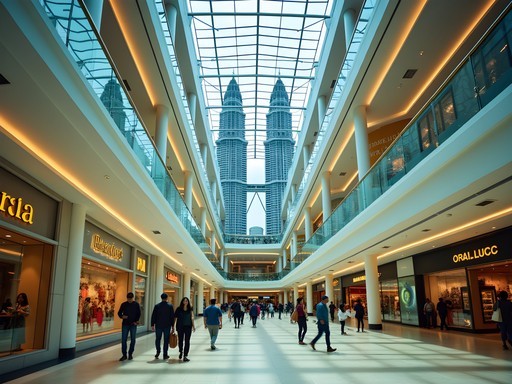
My body's wisdom extends to my wallet—knowing when to splurge and when to save has become second nature after years of budget travel. One of my favorite money-saving hacks is visiting shopping malls not for shopping but for their free air conditioning, clean restrooms, and cultural events. Pavilion KL and Suria KLCC regularly host free traditional performances and art exhibitions.
For staying connected without roaming charges, pick up a local prepaid SIM card at the airport or any convenience store. A data-heavy package costs about 30-40 MYR ($7-10) and lasts a week or more, providing maps, translation, and ride-hailing apps at your fingertips.
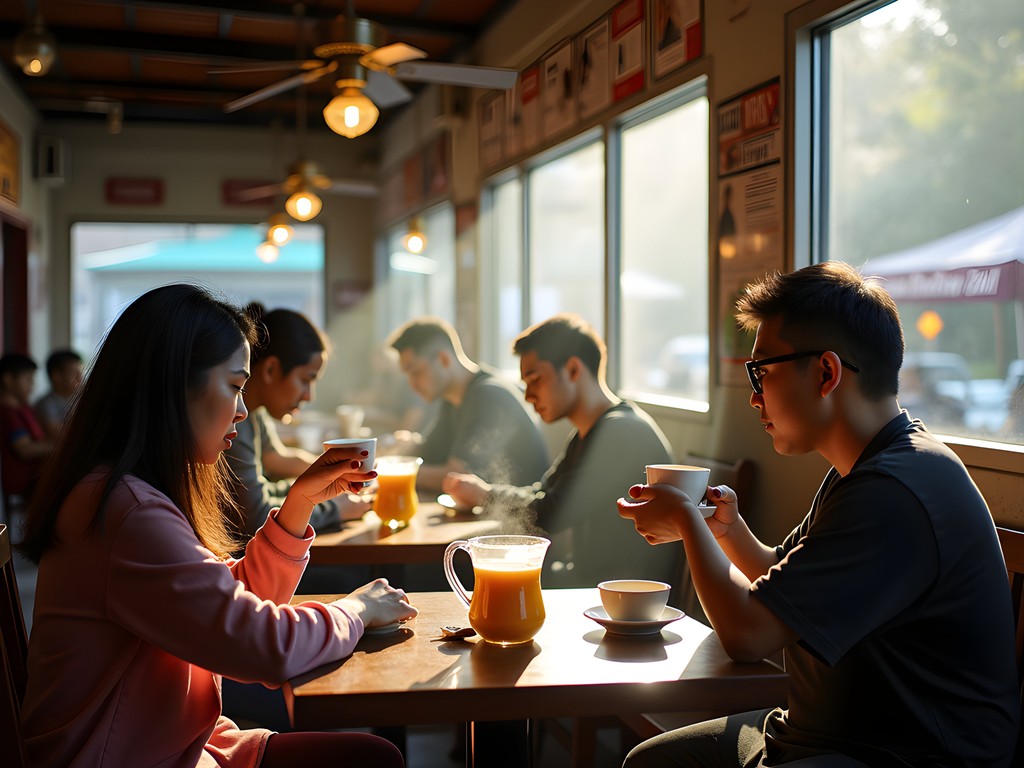
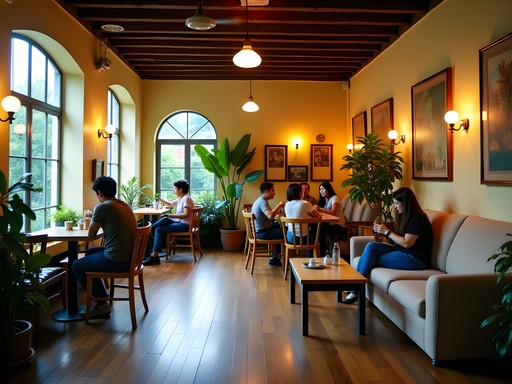
Finally, timing is everything. Visit popular attractions like the KL Tower observation deck during weekday afternoons when they sometimes offer discounted rates. And don't overlook the value of simply sitting in a local coffee shop with a 5 MYR ($1.20) teh tarik, watching the beautiful chaos of daily life unfold—often the most memorable moments cost the least.
💡 Pro Tips
- Exchange money at official money changers in shopping malls for better rates than airport kiosks
- Many attractions offer significant discounts (20-50%) for online booking or during off-peak hours
- Keep small denominations of cash handy for street vendors and markets that don't accept cards
Final Thoughts
Kuala Lumpur taught me that traveling on a budget isn't about deprivation—it's about intention. This city of contrasts showed me how to find luxury in simplicity, whether through the perfect $1 plate of nasi lemak or the priceless sunset view from a public park bench. The healing I sought in my travels came not from expensive experiences but from authentic connections with people and places that welcomed me exactly as I was.
As students with limited funds but limitless curiosity, you'll discover that KL rewards the resourceful traveler. The city offers a gentle introduction to Southeast Asia with its navigable English signage, efficient public transport, and incredible cultural diversity—all while being remarkably kind to your wallet.
So pack light, budget wisely, and come with an open heart. Kuala Lumpur awaits with its symphony of prayer calls and street food vendors, its towering monuments to human ambition and humble temples of ancient faith. And perhaps, like me, you'll find that traveling on a shoestring doesn't diminish your experience—it enriches it in ways that matter most.
✨ Key Takeaways
- Kuala Lumpur offers exceptional value with daily costs under $30 while delivering rich cultural experiences
- The best experiences often cost nothing: street food culture, religious sites, public parks, and architectural wonders
- Strategic choices in accommodation location and transportation options maximize both savings and experiences
📋 Practical Information
Best Time to Visit
Year-round (May-July for driest weather, avoid November-March monsoon if possible)
Budget Estimate
$25-30 per day excluding international flights
Recommended Duration
3-5 days minimum, 1 week ideal
Difficulty Level
Easy

Comments
triptime
This is super helpful! Quick question - is the LRT confusing? I've never used public transit in Asia before and I'm a bit nervous about getting lost
starmood
It's honestly easier than most Western cities lol. Everything's in English and the signs are super clear. Just get a Touch n Go card at the station
Megan Martin
Jessica, this is such a helpful breakdown! I was in KL last year for a conference and extended my stay to explore on a budget. Your point about the street food is spot-on—I ate at Jalan Alor night market almost every evening and never spent more than $5 for an incredible meal. The Batu Caves are absolutely worth the trip, and yes, completely free. One tip I'd add: get a Touch 'n Go card for public transport right when you arrive at the airport. Makes everything so much easier and you save a bit on fares. The combination of the LRT and walking really does make the city accessible without taxis.
happyace
Good tip about the card! Where do you get it?
Megan Martin
You can get it at the KLIA Express counter or any LRT station. They're at all the convenience stores too!
Fatima Sims
Jessica, this brings back so many memories! I spent three weeks in KL back in 2023 and you've captured the essence perfectly. One thing I'd add - the free walking tours (tip-based) are incredible for understanding the layers of history in the city. I met a guide named Ahmad who told stories about the colonial architecture that completely changed how I saw the buildings. Also, if anyone's going during monsoon season, those afternoon rainstorms are no joke - I learned to always carry a compact umbrella after getting absolutely drenched near Central Market!
triptime
How do you find the free walking tours? Is there a website or something?
Fatima Sims
Just search 'KL free walking tour' - there are a few companies. I used Simply Enak Tours but there are others too. You just show up at the meeting point!
starmood
YES to the street food!! Jalan Alor is amazing but honestly some of the best nasi lemak I had was from a random stall near Masjid Jamek station for like 3 ringgit. Also pro tip - the hostels in Chinatown are even cheaper than what you mentioned, I stayed at one for $8/night and it was totally fine. The LRT really does make everything accessible.
triptime
Which hostel in Chinatown? I'm trying to figure out where to stay
starmood
It was called BackHome I think? Near Petaling Street. Nothing fancy but clean and the location was perfect
happyace
This is awesome! Going there in March!
Megan Martin
You'll love it! March is a great time to visit. The weather should be pretty manageable.
happyace
Thanks! Any hostel recommendations in the Chinatown area?
greenbuddy
OMG your photos of the Batu Caves are STUNNING! Did you really climb all 272 steps? I'm heading there in a few weeks and those monkeys look terrifying but I'm still excited! Did anyone try the pink mosque in Putrajaya? Worth the trip outside the city?
roamfan3901
We did Putrajaya as a half-day trip - the pink mosque is gorgeous for photos but check prayer times before going. The monkeys at Batu Caves aren't that bad if you don't have food visible!
smartqueen
How's the weather in November? Trying to decide between KL and Bangkok for a quick getaway.
Gregory Boyd
@smartqueen November is technically part of the rainy season but I've been twice in November and it's usually just afternoon showers - not all-day downpours. Humidity is high but temperatures are consistent (28-32°C). I actually prefer KL over Bangkok in November - fewer tourists and the rain cools things down nicely.
Gregory Boyd
Having done KL on a budget multiple times, I'd add a few data points to Jessica's excellent guide: 1. Accommodation: Prices have crept up in Bukit Bintang. The best value is now in Bangsar South or Cheras areas - both on MRT lines. 2. Food budgeting: Street food meals average RM7-12 ($1.50-2.70). For the absolute cheapest eats, university canteens are open to public and meals cost RM5-6. 3. SIM cards: Get the Digi tourist SIM at KLIA - 10GB data for RM35 (~$7.50) valid for 30 days. 4. Free attractions: Add the KLCC Park light show (8pm nightly) and Eco Forest Park (free entry before 8am). One counterpoint - I'd skip Petaling Street nowadays unless you're after counterfeit goods. The authentic cultural experience has diminished considerably since 2022 renovations.
luckylife
Good point about Petaling Street - we were disappointed too. Jalan Alor was much better for both food and atmosphere.
roamfan3901
We did the public transportation and it was great! The purple line took us everywhere we needed. One tip - get the Touch n Go card right at the airport, it works for all transit and some shops too. Also don't miss the night market in Chinatown, we found knockoff designer shirts for like $5 each lol.
happylife
OMG I'm literally booking my flight to Malaysia right now!! This post couldn't have come at a better time! So excited to try all the food at Jalan Alor and visit Batu Caves! 😍😍😍
beachclimber
Make sure you go to Batu Caves early in the morning! Way fewer tourists and not as hot for climbing those stairs.
happylife
Thanks for the tip! Will definitely do that! 🙌
Venture X
Premium card with 2X miles, $300 travel credit, Priority Pass