

Disclosure: This article contains affiliate links. We may earn a commission from purchases at no extra cost to you, which helps our travel content.
The Amazon rainforest has always fascinated me as both a geological wonder and a living laboratory for human adaptation. When I decided to spend a week in Iquitos, Peru—the largest city in the world inaccessible by road—I knew I was in for a unique mental and physical journey. As someone who studies the intersection of environment and psychological wellbeing, I was curious: what does it mean for our collective psyche when a modern city of nearly 400,000 people exists completely disconnected from the global road network? After my recent burnout recovery journey, this isolated urban center surrounded by uninterrupted jungle presented the perfect opportunity to examine how geographic isolation shapes community mental health while satisfying my geological curiosity about this unique Amazonian setting.

Getting There: The Journey as the Destination
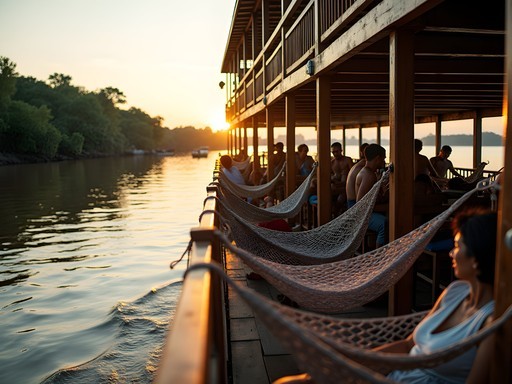
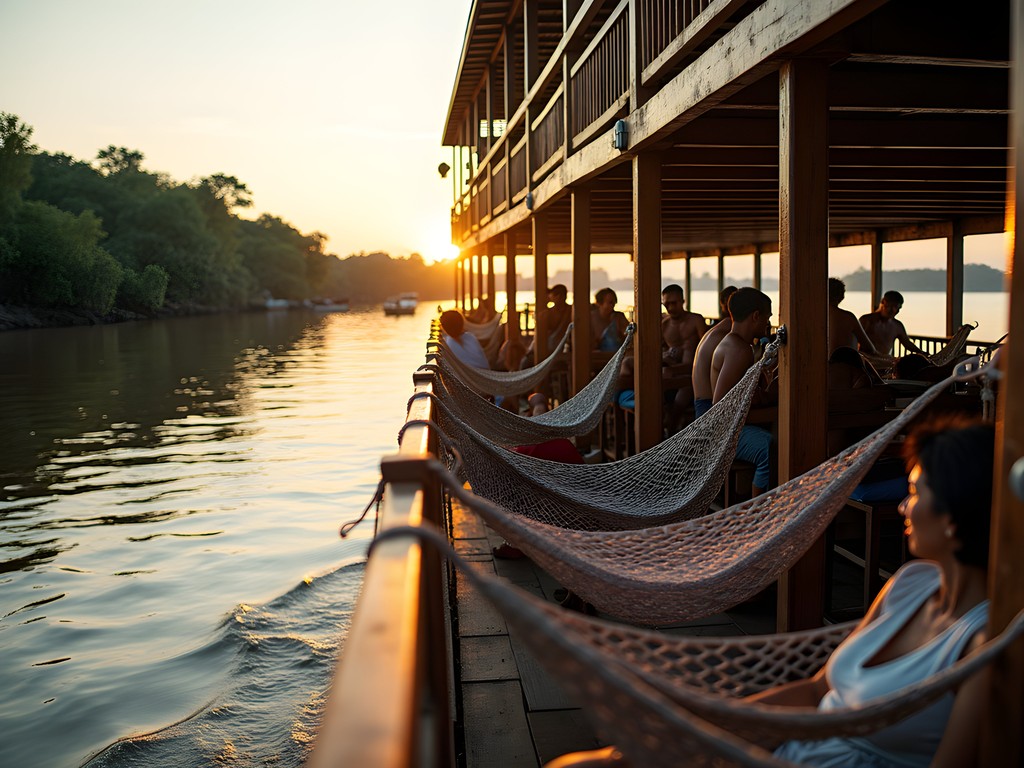
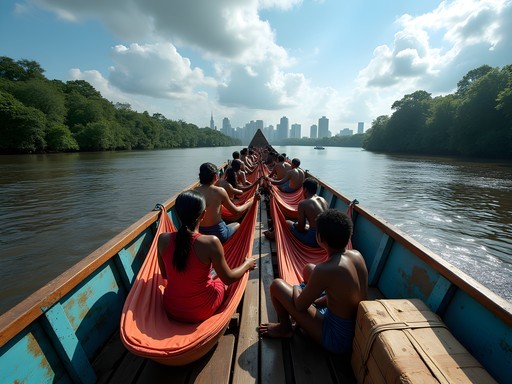
Most travelers reach Iquitos via a two-hour flight from Lima, but as someone studying the psychological effects of geographical isolation, I opted for the more immersive route: a three-day boat journey from Yurimaguas. This slow travel approach costs roughly 120 soles ($30) for a basic hammock space—a stark contrast to the $200+ flight.
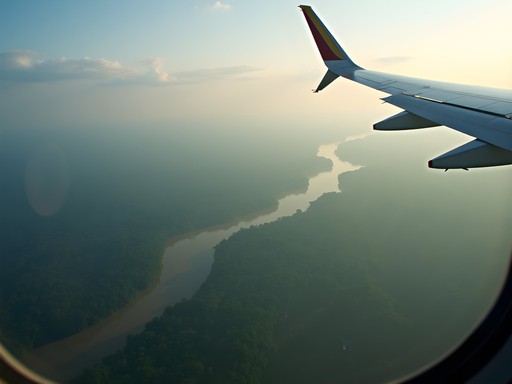
The river journey fundamentally reorients your relationship with time and space. Without the usual landmarks of highways and road signs, you begin to measure progress differently—by river bends, small communities appearing and disappearing along muddy banks, and the gradual shifts in the surrounding ecosystem.
I spent hours on the upper deck with my waterproof binoculars, which proved invaluable for spotting pink river dolphins and distant birds. The psychological transition was palpable; as the last cell signal disappeared, I observed my own mind shifting from the perpetual multi-tasking mode of Tokyo to a state of presence that's increasingly rare in our connected world.
By day three, I found myself engaged in deep conversations with fellow passengers—Peruvians returning home, indigenous traders, and the occasional adventurous traveler. There's something about shared isolation that accelerates human connection, a phenomenon I've observed repeatedly in my cross-cultural psychiatric research.
💡 Pro Tips
- Book your boat ticket 1-2 days in advance during high season (June-August)
- Bring your own hammock for the multi-day journey—they're sold cheaply in Yurimaguas markets
- Pack enough water and snacks, though basic meals are typically included
Finding Your Base: Budget Accommodations with Character
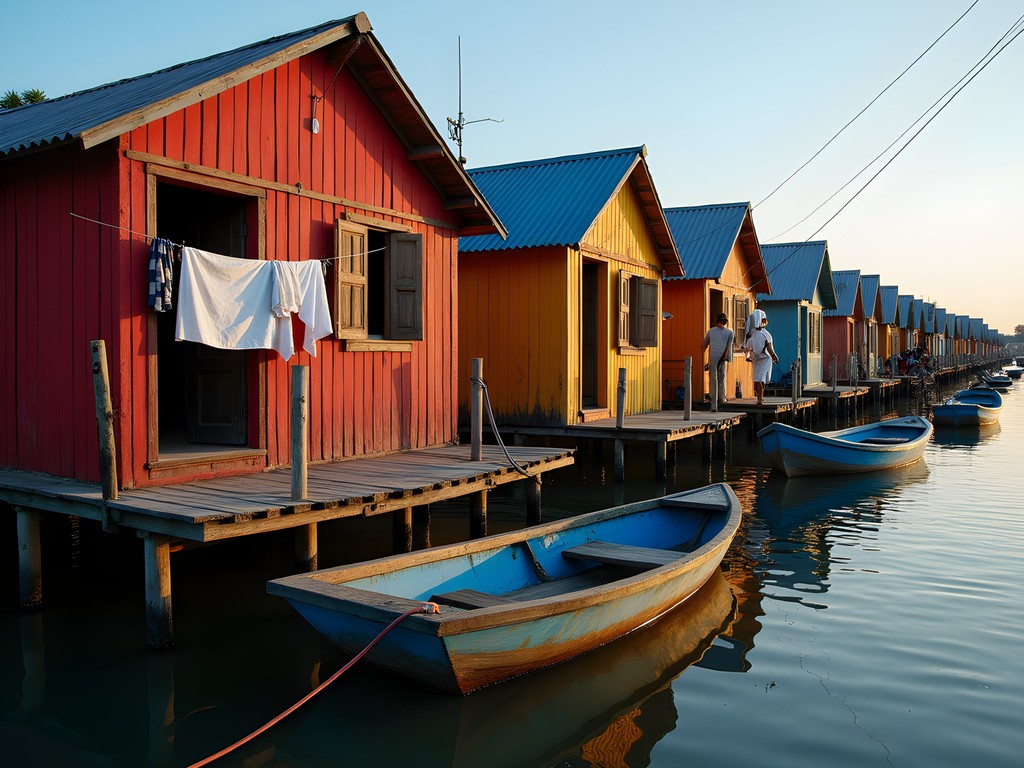
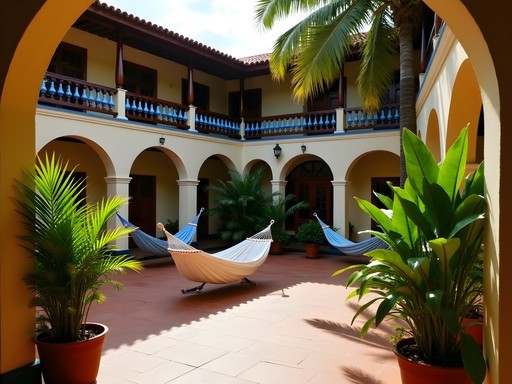
Arriving in Iquitos feels surreal—a bustling city emerging from the jungle with no connecting roads to the outside world. For budget travelers, I recommend staying in the Belén district, where I found a simple but clean room at Hospedaje El Colibri for just 40 soles ($10) per night. While basic, it offered the authentic experience I was seeking, with a shared rooftop terrace where locals and travelers exchange stories each evening.
For those preferring more amenities while maintaining budget-consciousness, The Amazon Within Hostel near the Plaza de Armas offers dorm beds from 35 soles ($9) and private rooms from 80 soles ($20), with the added benefits of reliable Wi-Fi and a helpful English-speaking staff.
I opted for a middle path, spending my first three nights at Amazon Within to orient myself and make connections, then transitioning to a local homestay I arranged through contacts at the hostel. This combination provided both comfort and cultural immersion.
From a psychological perspective, I found that having a stable base was particularly important in Iquitos. The sensory intensity of the city—its humidity, sounds, smells, and visual stimuli—can be overwhelming for even experienced travelers. Your accommodation becomes not just a place to sleep but a necessary retreat for mental processing.
💡 Pro Tips
- Book accommodations with ceiling fans or air conditioning—the humidity is relentless
- Bring earplugs as the city rarely sleeps and noise travels in the humid air
- Consider splitting your stay between different neighborhoods to experience the city's diversity
Urban Exploration: Navigating a City Without Roads
Iquitos presents a fascinating urban planning case study—a city that developed without the organizing principle of major roadways connecting to other population centers. Instead, the city's layout follows the logic of the river and its tributaries.
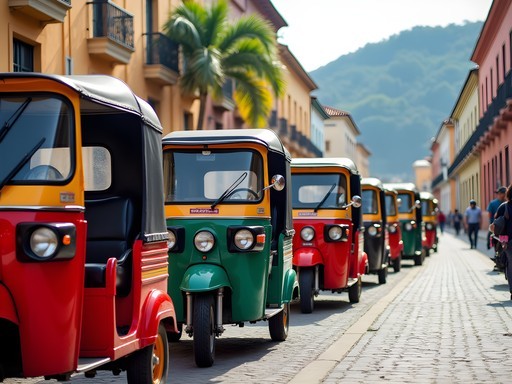
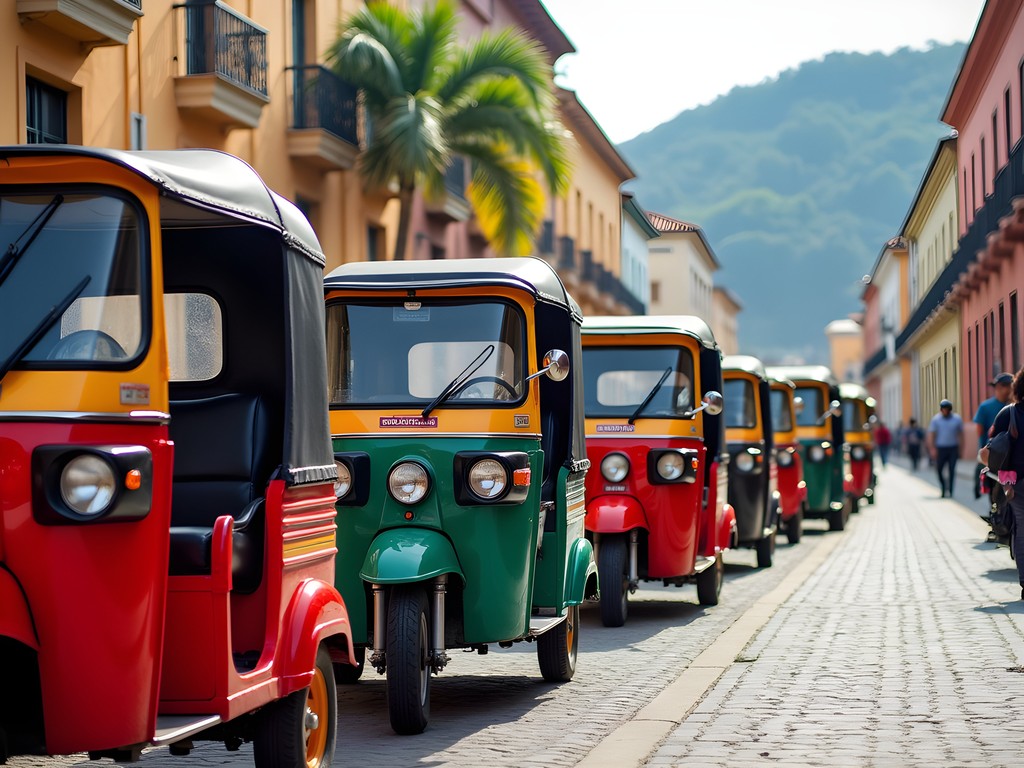
I spent my first full day simply walking the malecon (riverfront promenade) and central district, observing how life organizes around water rather than asphalt. The most striking feature is the prevalence of mototaxis—over 40,000 of these three-wheeled vehicles zip through the city, creating a chaotic but somehow functional transportation system. A typical ride costs 3-5 soles ($0.75-$1.25) depending on distance.
Don't miss the Iron House (Casa de Fierro), a structure designed by Gustave Eiffel himself and shipped piece by piece to this remote location during the rubber boom. The juxtaposition of European industrial architecture in the middle of the Amazon perfectly captures the city's surreal character.
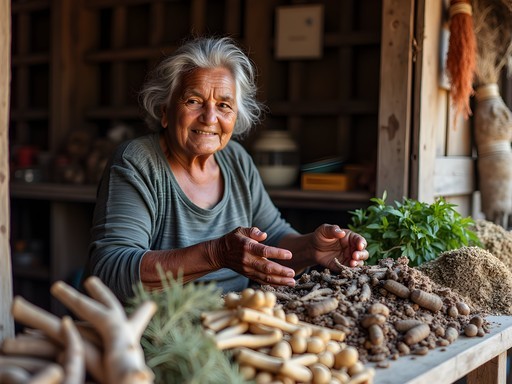
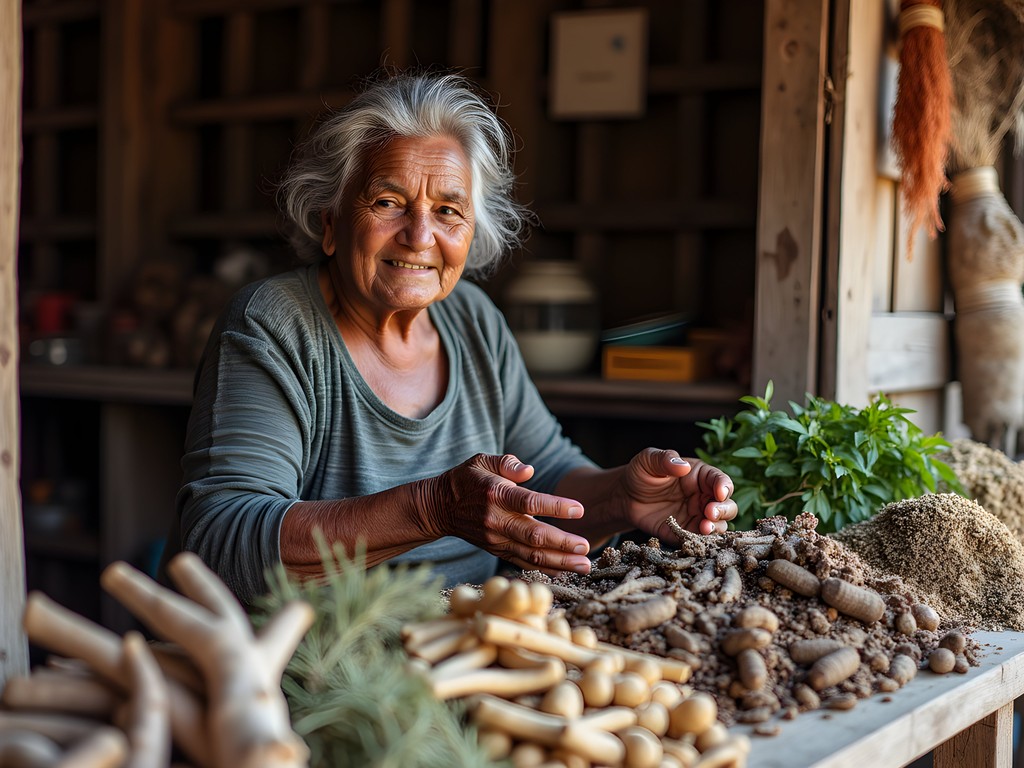
The Belén Market offers the most intense sensory experience—a sprawling maze selling everything from medicinal plants to jungle meat. As a psychiatrist interested in traditional healing practices, I was fascinated by the ayahuasca components and medicinal plants openly sold here, representing knowledge systems that long predate Western psychological approaches.
For a deeper understanding of the region's complex history, the Museum of Indigenous Amazonian Cultures provides excellent context through artifacts and educational displays about the diverse indigenous groups who have inhabited this region for millennia.
💡 Pro Tips
- Use the Plaza de Armas as your orientation point when navigating the city
- Visit Belén Market early (before 9am) when it's less crowded and temperatures are cooler
- Carry small bills for mototaxis as drivers rarely have change

Beyond the City: Jungle Excursions on a Budget
While Iquitos itself is fascinating, the surrounding Amazon rainforest is the region's true treasure. As a budget traveler with a background in geology and mental health, I approached jungle excursions with dual interests: understanding the ecosystem and observing how immersion in primary rainforest affects psychological wellbeing.
After researching numerous options, I chose a 3-day/2-night excursion with Amazon Explorer, costing 600 soles ($150) all-inclusive. This was significantly cheaper than the luxury lodges charging $100+ per night, yet still provided authentic experiences with knowledgeable guides. Before committing, I visited their office near the Plaza de Armas to meet the guides and clarify exactly what the trip included.
Preparing for jungle excursions requires thoughtful packing. My dry bag proved essential for protecting my journal and camera during sudden downpours and canoe trips. I also relied heavily on my headlamp during night walks when we searched for nocturnal creatures.
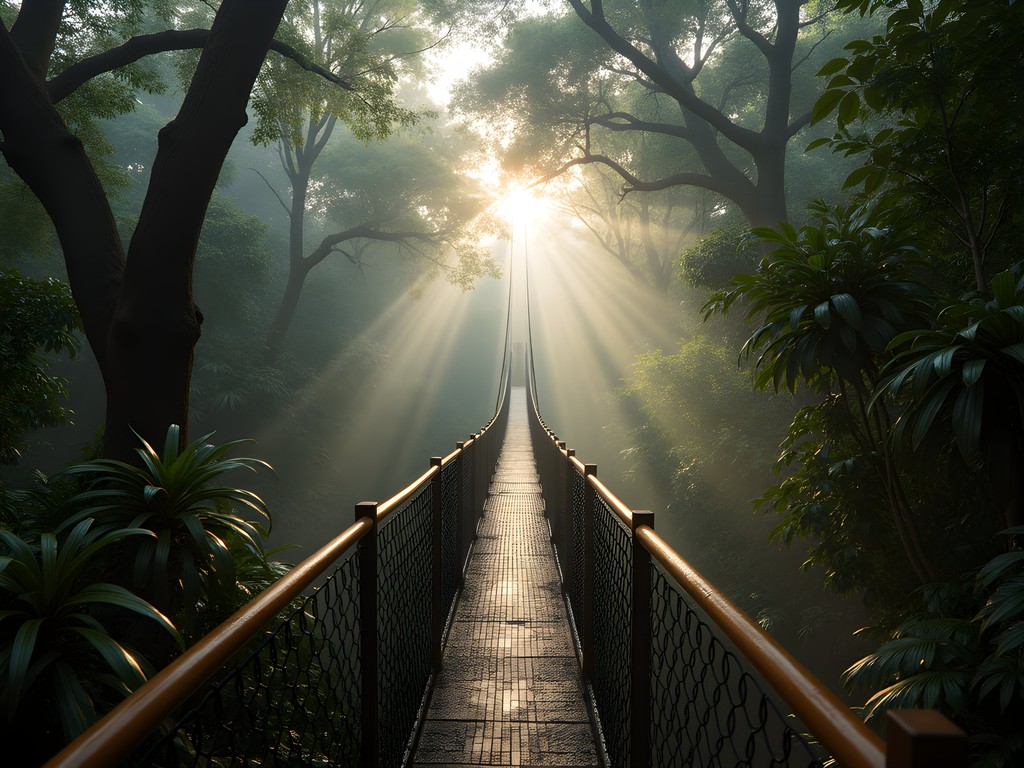
The psychological impact of true rainforest immersion is profound. Research shows that exposure to biodiverse environments can reduce stress hormones and improve cognitive function, but the Amazon takes this to another level. During a night spent in a basic jungle camp, I experienced what indigenous guides call 'forest bathing'—a sensory immersion that seems to recalibrate the nervous system.
For those with limited time or budget, day trips to nearby reserves like Monkey Island (Isla de los Monos) cost around 100 soles ($25) and still provide meaningful jungle experiences without the commitment of overnight stays.
💡 Pro Tips
- Book jungle tours after arriving in Iquitos for better prices—they're much cheaper than booking online
- Always check if your guide speaks your language fluently before booking
- Pack lightweight, quick-dry clothing that covers arms and legs for mosquito protection
Cultural Immersion: Mental Wellness Through Local Perspectives
As a psychiatrist researching cross-cultural approaches to mental health, Iquitos offered a unique opportunity to explore how geographic isolation shapes community wellness practices. The city exists at a fascinating intersection of indigenous knowledge, Catholic traditions, and contemporary approaches to wellbeing.
I spent an afternoon at the Pilpintuwasi Butterfly Farm and Animal Orphanage, where I connected with staff working on conservation psychology—the study of how humans emotionally relate to environmental preservation. The entrance fee of 30 soles ($7.50) supports their rehabilitation work with animals rescued from the illegal wildlife trade.
One of my most meaningful experiences came through connecting with a women's cooperative near Belén Market, where I participated in a traditional craft workshop. Beyond learning practical skills, these sessions revealed how creative expression serves as community therapy in a setting where formal mental health services are limited.
For those interested in indigenous healing traditions, approach with caution and respect. While ayahuasca retreats are heavily marketed to tourists, many are exploitative or inauthentic. If this interests you, extensive research is essential. The Ethnobotanical Garden at the IIAP (Instituto de Investigaciones de la Amazonía Peruana) offers a more educational introduction to medicinal plants without the commercialized spiritual tourism aspect.
I found that simply engaging in daily rituals—like joining locals for early morning exercise along the malecon or participating in evening gatherings in neighborhood plazas—provided insight into how community connections buffer against isolation's psychological challenges.
💡 Pro Tips
- Learn basic Spanish phrases to facilitate deeper connections with locals
- Respect photography etiquette—always ask permission before photographing people
- Participate in community activities like Sunday evening gatherings in Plaza de Armas
Practical Survival: Managing the Challenges of Isolation
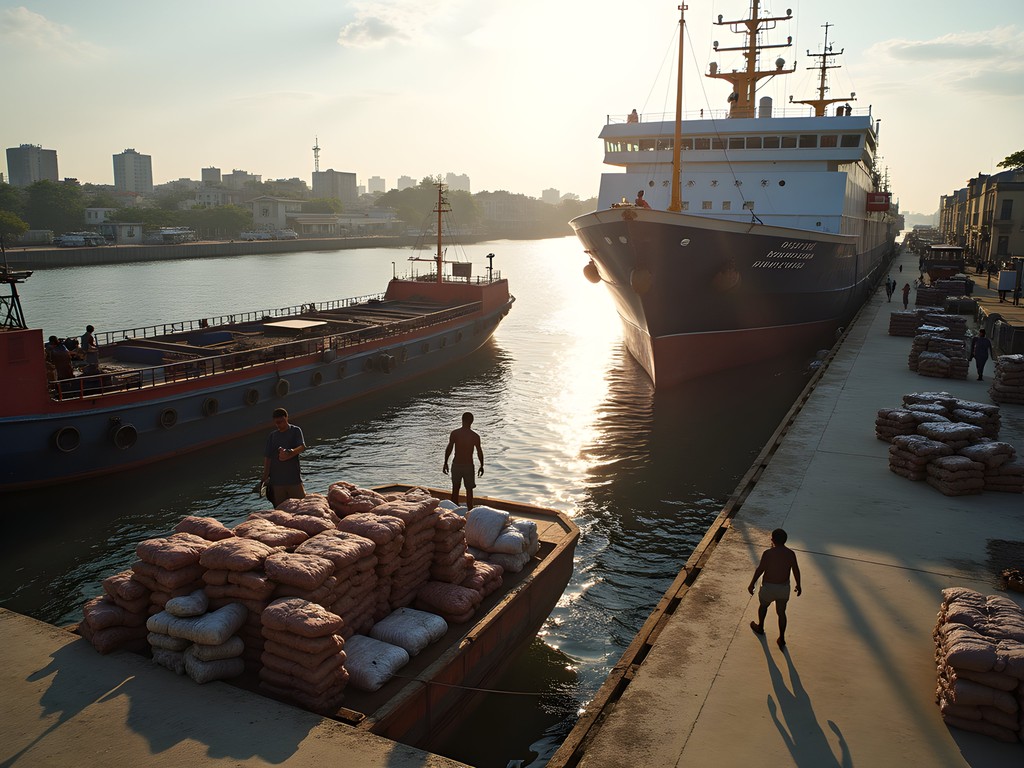
Iquitos's isolation creates unique practical challenges that even experienced travelers should prepare for. The city's disconnection from the road network means everything not produced locally must arrive by air or river, affecting both availability and cost.
Banking is a primary concern—ATMs frequently run out of cash, especially during holidays or festivals. I withdrew my anticipated budget immediately upon arrival and secured most of it in my money belt, which proved invaluable for discreetly carrying cash in crowded areas.
Healthcare access requires forethought. I packed a comprehensive first aid kit including broad-spectrum antibiotics (prescribed by my doctor before traveling), high-quality mosquito repellent, and anti-diarrheal medication. While Iquitos has hospitals and clinics, they may lack specialized equipment or medications.
Internet connectivity varies dramatically across the city. I purchased a local SIM card from Claro (20 soles/$5 with data) immediately upon arrival, which provided reasonable service in central areas but became unreliable in peripheral neighborhoods. Most hostels and cafés offer Wi-Fi, but expect frequent outages, especially during heavy rain.
Food safety requires vigilance without becoming paranoid. Street food represents an important cultural experience, but I followed locals' recommendations on which stalls maintained the best hygiene practices. The juice stands along the malecon offer amazing Amazonian fruit combinations at minimal cost (5-8 soles/$1.25-$2), providing both refreshment and immune-boosting nutrients.
Despite these challenges, there's something psychologically liberating about adapting to a place defined by its disconnection. Research shows that successfully navigating unfamiliar systems builds cognitive flexibility and resilience—mental skills that transfer back to our everyday lives.
💡 Pro Tips
- Withdraw cash immediately upon arrival as ATMs frequently run out
- Purchase a local SIM card for emergency connectivity
- Pack essential medications as specific pharmaceuticals may be unavailable
Final Thoughts
As my boat pulled away from Iquitos toward my next destination, I reflected on how this isolated urban experiment had shifted my perspective. There's profound psychological value in experiencing places that challenge our assumptions about connectivity and accessibility. Iquitos demonstrates that isolation doesn't necessarily mean disconnection—it simply requires different systems of relationship and resilience.
For the mindful traveler, Iquitos offers more than exotic adventure; it provides a living case study in human adaptation and community formation outside the standard patterns of global development. Whether you're drawn by geological curiosity about this unique river basin, interest in Amazonian ecosystems, or simply the allure of experiencing a city that exists in magnificent defiance of our road-mapped world, Iquitos rewards those willing to embrace its rhythms and challenges. What psychological insights might you gain by temporarily stepping outside the interconnected world we take for granted?
✨ Key Takeaways
- Iquitos offers unique insights into human adaptation to geographical isolation
- Budget travel is very feasible but requires flexibility and advance planning
- The psychological benefits of disconnection can be profound even for short visits
- Combining urban exploration with jungle excursions provides the most complete experience
📋 Practical Information
Best Time to Visit
June-August (drier season) or November-December (fewer tourists)
Budget Estimate
$30-50/day including accommodation, food, and local activities
Recommended Duration
5-7 days minimum
Difficulty Level
Challenging



Comments
rednomad
I went to Iquitos two years ago and totally agree about the budget accommodations having character! Stayed in this quirky guesthouse run by a French expat who'd been there 20 years. The stories he told over breakfast were incredible. Also the street food scene is underrated—those juanes (rice tamales) from the market vendors are amazing. Just make sure your stomach can handle it first haha.
Stephanie Romano
Beautiful post! We visited Iquitos last year and it was one of those destinations that completely exceeded expectations. The kids were initially skeptical about a city with no roads, but they loved the mototaxis and boat rides. We stayed at a budget hostel near the Plaza de Armas that had a wonderful family room. The owner connected us with a local guide who took us to communities along the river—those authentic interactions were worth more than any fancy tour. One tip: bring cash. ATMs are limited and many places don't take cards. We learned that the hard way!
journeywalker
This is super helpful, thank you! Do you remember the name of the hostel?
redguide
What's the best time of year to visit? I'm worried about rain and mosquitoes tbh.
greenqueen
It's the Amazon so mosquitoes are everywhere year-round lol. Just bring good repellent!
oceanexplorer
Love this! The photos are stunning.
tripguide
Did you book your jungle tours in advance or just find them when you got there? I've heard mixed things about booking ahead vs negotiating in person. Also curious about the boat ride from Lima—how long does that take?
journeywalker
How many days would you recommend staying? And is it safe for solo travelers?
Stephanie Romano
Not the author, but we spent 5 days there with our kids (ages 9 and 12) and felt very safe. The city itself is walkable during the day, and we did a 3-day jungle lodge trip that was amazing. Our guide was fantastic with the kids—they still talk about spotting pink dolphins!
Ahmed Palmer
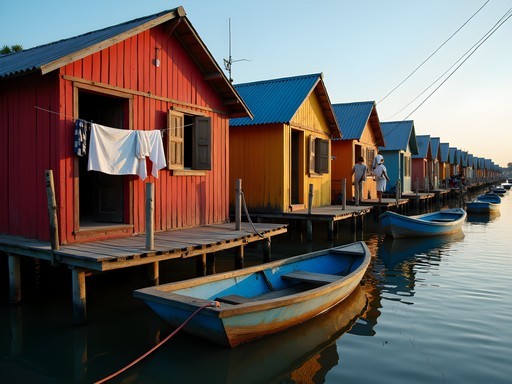
Excellent write-up, Leah. I visited Iquitos in 2019 and your observations about the city's unique urban dynamics are spot-on. The isolation creates a fascinating economic ecosystem—everything costs more because it has to arrive by boat or plane. I found the Belén market particularly interesting from an anthropological perspective. The floating neighborhoods adapt to seasonal water level changes in ways you simply don't see in road-connected cities. Did you get a chance to visit during high water season? The transformation is remarkable.
rednomad
How much more expensive are we talking? Like 20% more or double?
Ahmed Palmer
Depends on the item. Local produce is reasonable, but imported goods can be 30-50% higher than Lima. Accommodation and tours are actually quite affordable compared to other tourist destinations.
greenqueen
This place looks incredible! Adding to my bucket list.
Casey Andersson
Leah, this brought back so many memories! I visited Iquitos three years ago and it completely changed how I think about urban isolation. What struck me most was how the city has developed its own rhythm entirely separate from the rest of Peru. The mototaxi culture is fascinating—it's like the entire city pulses to the sound of those little engines. I stayed at a boutique place near the Malecón and spent evenings watching the river traffic, each boat carrying its own story. Did you make it to the Belén market? The floating neighborhood there is unlike anything I've seen elsewhere. It's chaotic and beautiful and slightly overwhelming all at once.
Leah Boyd
Yes! Belén was incredible. The floating market section during high water season was surreal. I loved how you described the mototaxi rhythm—that's exactly it.
wildwalker
This looks amazing!! How much did the boat ride from Lima cost you?
Leah Boyd
I actually flew from Lima! The boat option would take 4-5 days from Pucallpa. Flight was around $120 one way.
wildwalker
oh wow ok that makes more sense lol. thanks!
Venture X
Premium card with 2X miles, $300 travel credit, Priority Pass