
Disclosure: This article contains affiliate links. We may earn a commission from purchases at no extra cost to you, which helps our travel content.
The tram rattled and swayed as it climbed the steep gradient toward Mid-Levels, a familiar mechanical symphony that's been playing across Hong Kong Island for over a century. Below me, the iconic skyline dissolved into a labyrinth of narrow streets and hidden passageways. This is where the real Hong Kong breathes – in the neighborhoods that tourists rarely venture into, where everyday life unfolds in vibrant color and controlled chaos. After five visits to this vertical city, I've finally learned to look beyond the postcard panoramas to discover the soul of Hong Kong in its secret neighborhoods.

Sham Shui Po: Where Locals Shop and Makers Create
My love affair with Sham Shui Po began three years ago when a local friend insisted I visit this working-class district in Kowloon. 'This is the real Hong Kong,' she promised. She wasn't exaggerating. Unlike the polished shopping malls of Central, Sham Shui Po reveals Hong Kong's raw entrepreneurial energy through its specialized markets and family-run businesses.
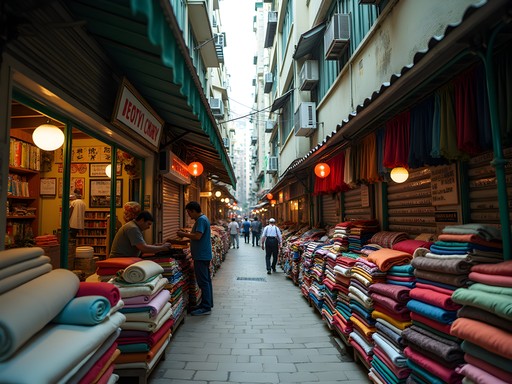
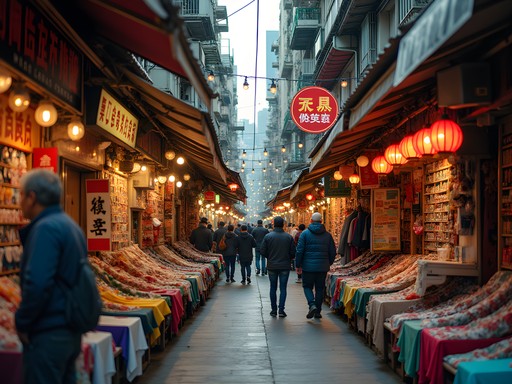
The electronics market along Apliu Street is a tinkerer's paradise – a chaotic wonderland of components, gadgets, and tools where you'll find everything from vintage camera parts to the latest smartphone accessories. Nearby, fabric sellers along Ki Lung Street display rolls of textiles in every imaginable color and texture. This is where Hong Kong's fashion students source materials, and where I found the perfect linen for a custom shirt made by a local tailor.
But it's the food scene that keeps drawing me back. Forget michelin stars – the true culinary treasures hide in plain sight. At Lau Sum Kee, I watched in awe as the noodle master hand-pulled bamboo-pressed noodles using techniques passed down through generations. For the best experience navigating these crowded streets, I always bring my crossbody sling bag – perfect for keeping valuables secure while leaving hands free for street food exploration.

💡 Pro Tips
- Visit on weekdays to avoid the weekend crowds
- Bring cash as many small vendors don't accept cards
- Try the cheong fun (rice noodle rolls) at the Michelin-recommended Hop Yik Tai on Kweilin Street
Tai Hang: Creative Hub in the Urban Shadows
Nestled between Causeway Bay's commercial buzz and Victoria Park's green expanse lies Tai Hang, a neighborhood that perfectly embodies Hong Kong's rapid transformation. Once home to auto repair shops and modest apartments, it's now a creative enclave where traditional businesses coexist with stylish cafés and boutiques.
The narrow grid of streets here feels like a secret hideaway. On my last visit, I spent hours wandering through Tai Hang's lanes, where century-old temples stand alongside sleek coffee shops. Lin Fa Kung Temple offers a moment of spiritual reflection amid the urban energy, its incense coils hanging from the ceiling creating hypnotic spirals of fragrant smoke.
For coffee enthusiasts, this neighborhood is a revelation. My personal ritual involves starting mornings at Unar Coffee Company, a hole-in-the-wall café barely bigger than a closet, where the baristas craft exceptional flat whites. I typically bring my insulated coffee mug for takeaway coffee – it keeps drinks hot for hours while I explore, and reduces single-use waste.
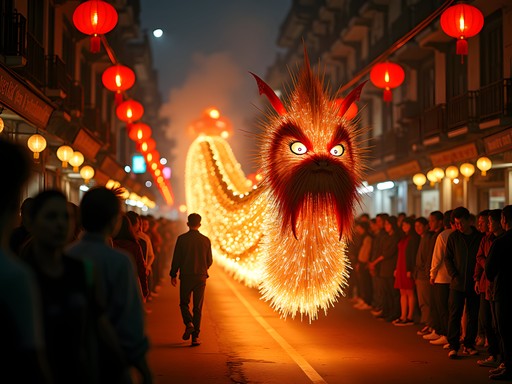
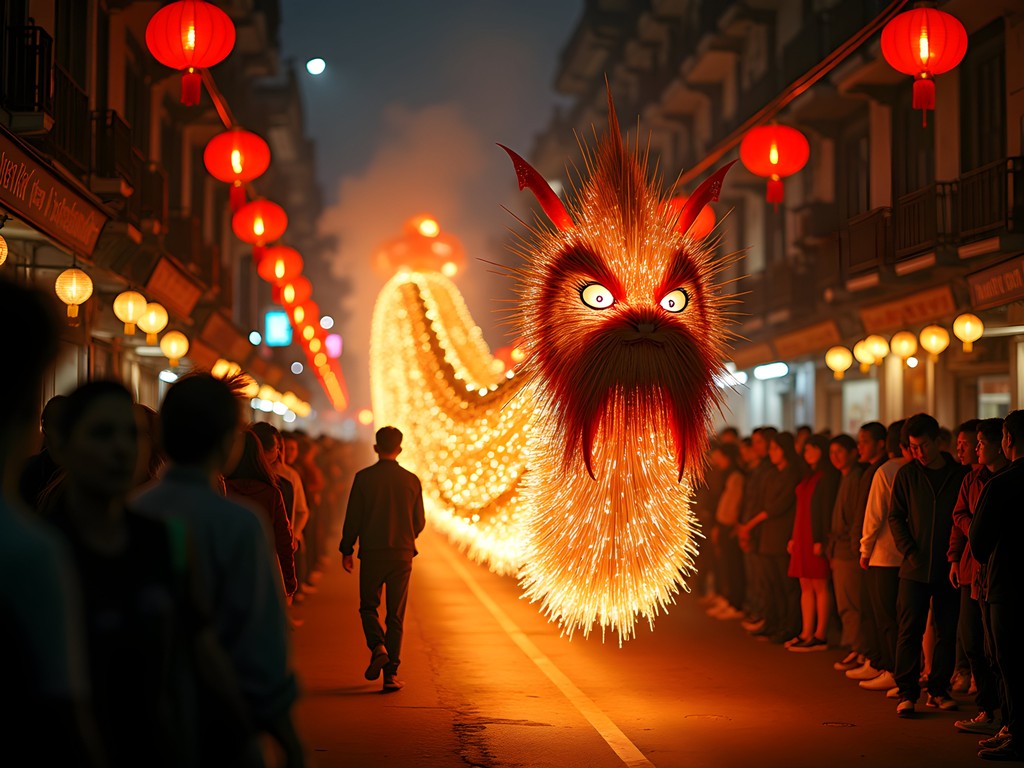
The neighborhood truly comes alive during the Fire Dragon Festival each autumn, when a 67-meter dragon studded with incense sticks winds through these narrow streets in a tradition dating back over a century. Time your visit right, and you'll witness one of Hong Kong's most authentic cultural spectacles.
💡 Pro Tips
- Visit Lin Fa Kung Temple early morning to avoid crowds
- Book dinner reservations in advance for popular spots like Second Draft
- Explore the side streets between Tung Lo Wan and School Streets for hidden boutiques
Peng Chau: The Island Time Forgot
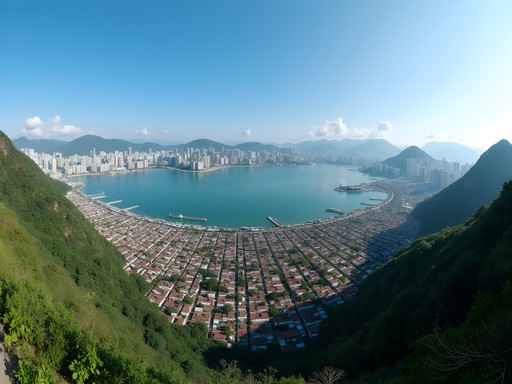
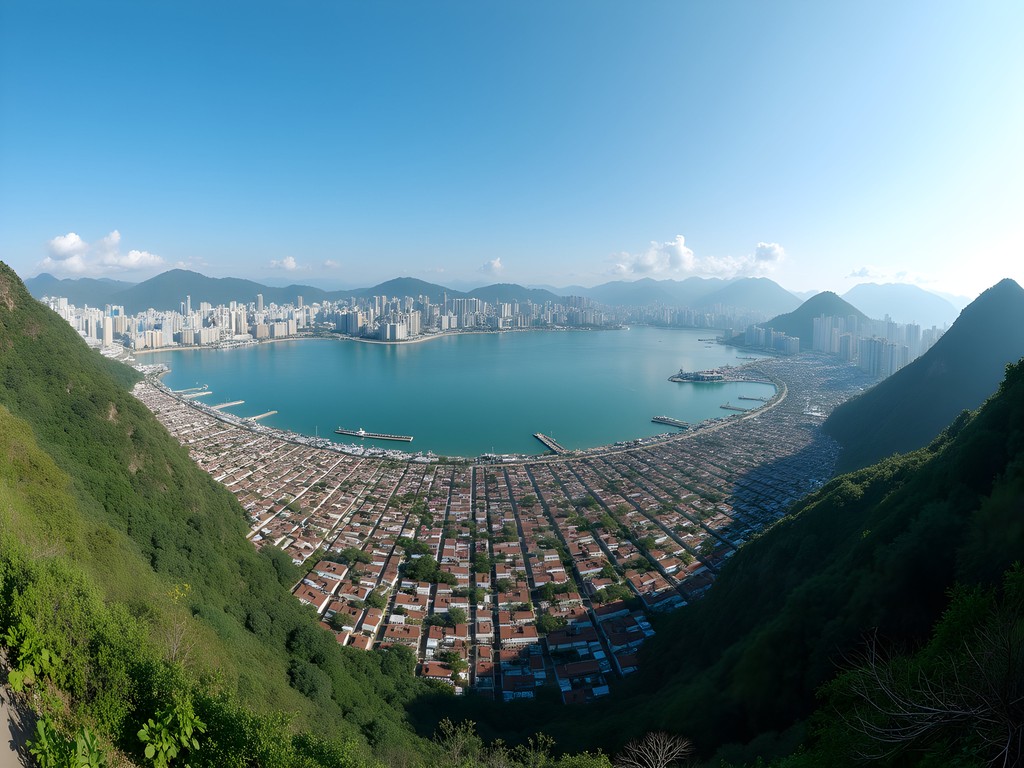
Just a 25-minute ferry ride from Central lies Peng Chau, a tiny car-free island that feels worlds away from Hong Kong's frenetic pace. At just 0.99 square kilometers, this forgotten gem represents the antithesis of the city's vertical ambitions – a place where three-story buildings qualify as 'tall' and bicycle bells replace car horns.
My first visit to Peng Chau was entirely accidental. After missing my intended ferry to Lamma Island, I spontaneously boarded the next departing vessel and found myself on this charming islet. What began as a navigational error became one of my most treasured Hong Kong discoveries.
The island's history as an industrial center has left fascinating remnants – abandoned factories, colonial-era administrative buildings, and the crumbling Great China Match Factory that once employed hundreds. Today, these spaces are finding new life through artist collectives and creative enterprises.
A leisurely circumnavigation of the island takes just a couple of hours. The Finger Hill trail offers spectacular panoramic views of surrounding islands and distant Hong Kong skyscrapers – a perfect visual metaphor for the island's relationship with its metropolitan neighbor. When hiking here, my compact water filter bottle has been invaluable for refilling from public taps without worrying about water quality.
For lunch, follow the locals to Kee Sum Café for their legendary peanut butter French toast – a Hong Kong comfort food elevated to art form – or try the catch of the day at one of the waterfront seafood restaurants where prices are refreshingly reasonable compared to Hong Kong Island.
💡 Pro Tips
- Check ferry schedules carefully as they're less frequent than to larger outlying islands
- Rent a bicycle near the ferry pier to explore more efficiently
- Bring Hong Kong dollars as there are no ATMs on the island

Lai Chi Wo: Rural Hong Kong's Hakka Heritage
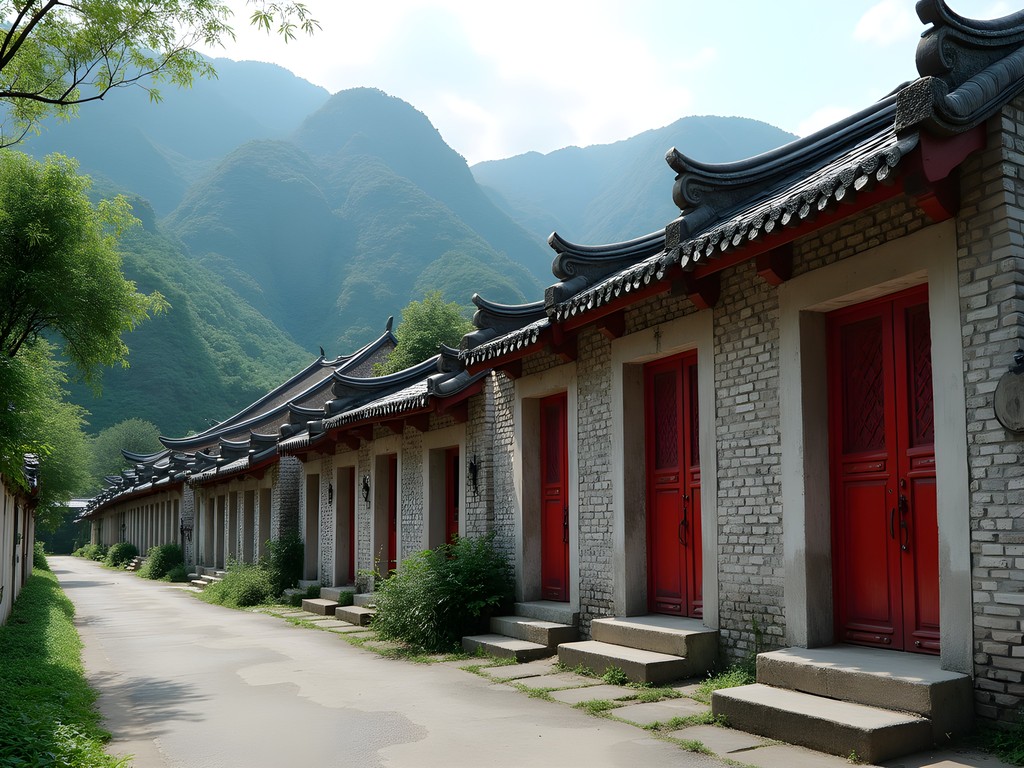
Few visitors realize that Hong Kong's territory is 75% countryside, with substantial areas designated as country parks and nature reserves. Among these green spaces, the abandoned Hakka village of Lai Chi Wo stands as my favorite testament to Hong Kong's rural heritage.
Reaching this remote northeastern corner of the New Territories requires commitment – a combination of public transport and a 4km hike through Plover Cove Country Park. The journey itself becomes part of the experience, winding through bamboo groves and past abandoned rice terraces slowly being reclaimed by nature.
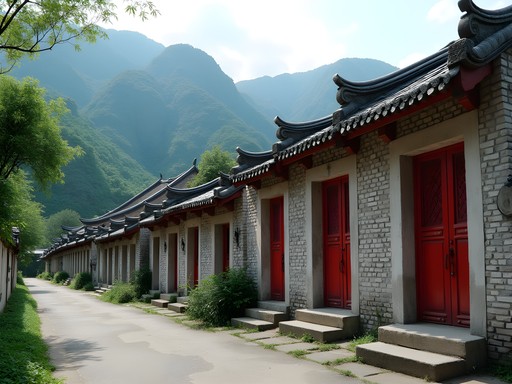
Founded 400 years ago, Lai Chi Wo was once a prosperous Hakka village with over 200 houses arranged according to feng shui principles. While largely abandoned in the 1960s as residents sought opportunities in the city or abroad, recent revitalization efforts have brought new energy. A handful of elders have returned, and weekend visitors can now enjoy farm-to-table meals featuring locally grown produce.
The village's most impressive feature is its feng shui woodland – a crescent of ancient trees carefully cultivated over centuries to protect the settlement. Some of these magnificent specimens are over 500 years old. When photographing these natural giants, I rely on my wide angle smartphone lens to capture their full majesty without carrying bulky equipment on the hike.
For the full experience, time your visit to coincide with one of the Hakka cultural festivals when traditional performances and food offerings provide glimpses into this distinct cultural heritage. The village's remoteness means you'll need to pack essentials – I always bring my ultralight day pack which folds down tiny when not needed but expands to carry water, snacks and layers for changing weather.
💡 Pro Tips
- Join a guided tour with the Lai Chi Wo Cultural Landscape Conservation Project for deeper insights
- Check the ferry schedule from Ma Liu Shui pier before planning your trip
- Pack sufficient water as there are limited facilities along the hiking route
Stone Nullah Lane: Wan Chai's Historic Heart
Between the gleaming office towers and luxury hotels of Wan Chai hides Stone Nullah Lane, a street that offers a time-traveling glimpse into colonial-era Hong Kong. The name 'stone nullah' refers to the canal that once ran through this area, channeling rainwater from the hills down to the harbor.
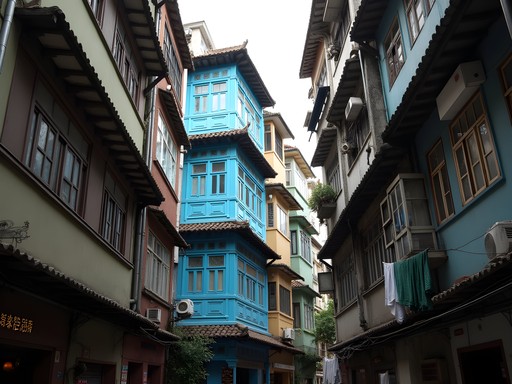
At the heart of this historical lane stands the 'Blue House,' a four-story tenement building painted in a distinctive indigo blue. Built in the 1920s, this rare surviving example of tong lau architecture now houses the Hong Kong House of Stories, a community museum where I've spent hours absorbing personal narratives of old Wan Chai through photographs, artifacts, and oral histories.
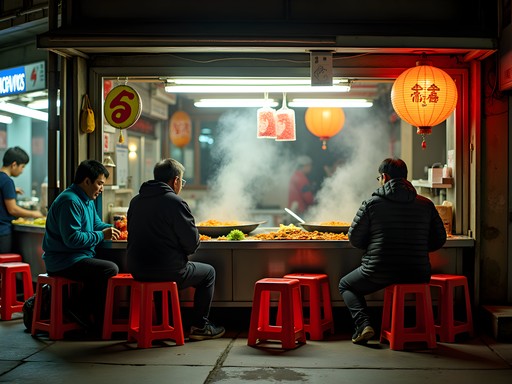
What makes this neighborhood special is the authentic slice of local life that persists despite gentrification pressures. Elderly residents hang laundry from bamboo poles extended from windows, traditional medicine shops display dried herbs in glass jars, and dai pai dongs (open-air food stalls) serve no-frills Cantonese classics.
The area has also embraced thoughtful revitalization. The former Wan Chai Market, an Art Deco building from 1937, has been partially preserved within a modern residential development – a rare compromise between heritage conservation and urban renewal in a city often criticized for prioritizing development over history.
For evening exploration, I recommend joining locals for craft beers at The Ale Project or cocktails at Bar Moth, where the pocket translator I carry has facilitated fascinating conversations with Hong Kong residents about the neighborhood's transformation. These personal exchanges provide insights no guidebook can offer.

💡 Pro Tips
- Visit the Hong Kong House of Stories between 10am-6pm (closed Mondays)
- Look for the historic street signs with both English and Chinese characters
- Try traditional egg waffles from the small shop near the intersection with Queen's Road East
Final Thoughts
As my week exploring Hong Kong's hidden neighborhoods comes to an end, I find myself sitting at a dai pai dong in Central, watching the evening commuter rush while sipping milk tea from a glass mug. The contrast between this traditional street café and the banking towers overhead embodies what makes Hong Kong so captivating – it's a city of layers, where the ultramodern and the traditional don't just coexist but intertwine in fascinating ways.
Beyond the postcard vistas and shopping malls lies a Hong Kong of incredible depth and character – one that reveals itself slowly to those willing to venture into its lesser-known neighborhoods. From the creative energy of Tai Hang to the rural tranquility of Lai Chi Wo, these districts tell a more nuanced story about Hong Kong's identity and evolution.
Next time you visit this vertical city, I encourage you to set aside at least half your itinerary for neighborhood exploration. Ride the ding-ding tram without a destination in mind, follow that intriguing side street, or simply exit the MTR at an unfamiliar station. The Hong Kong that unfolds might surprise you – it certainly continues to surprise me, even after multiple visits. After all, the soul of a city rarely reveals itself along the tourist trail, but rather in the quiet corners where everyday life unfolds.
✨ Key Takeaways
- Hong Kong's neighborhood character varies dramatically across short distances
- Public transportation makes even remote districts accessible for exploration
- The most authentic experiences often happen in areas with few tourists
- Urban renewal and heritage preservation create fascinating contrasts throughout the city
📋 Practical Information
Best Time to Visit
October-December (autumn)
Budget Estimate
$100-150 USD per day (mid-range)
Recommended Duration
5-7 days
Difficulty Level
Moderate

Comments
islandvibes
Your photos are gorgeous! Really captures the vibe.
Ahmed Palmer
Brilliant work highlighting Lai Chi Wo. I did the hike out there two years ago and it's genuinely one of the most rewarding day trips from urban Hong Kong. The Hakka walled village restoration is beautifully done, and the mangrove ecosystem along the coast is pristine. For anyone planning this, note that it's quite remote - bring water, snacks, and I'd suggest downloading offline maps. The village is only accessible on weekends and public holidays, and there's a guided tour option which I found added tremendous historical context. The contrast between this rural heritage site and the hypermodern city is what makes Hong Kong so endlessly fascinating.
hikinghero
This is going on my list! Thanks for the practical tips.
hikinghero
Tai Hang sounds amazing! I'm always looking for neighborhoods with local character. The fire dragon festival must be incredible to see. Do you know if the creative shops and cafes are open on weekends or is it more of a weekday vibe?
redlover
Going to HK in March! Is Peng Chau easy to get to? How long should I plan to spend there?
Ahmed Palmer
Ferry from Central Pier 6 - takes about 30 minutes. I'd recommend a half day minimum, full day if you want to really soak it in. Bring cash as many places don't take cards.
Hannah Woods
Jerry, excellent piece on the lesser-known sides of HK. I spent three weeks in Sham Shui Po last year and was fascinated by the fabric markets and electronics stalls. The contrast between the maker spaces and traditional shops is remarkable. One thing I'd add for readers: the Golden Computer Arcade is worth visiting even if you're not tech-savvy - it's a cultural experience in itself. Did you get a chance to explore any of the rooftop communities in SSP? They're increasingly rare but offer incredible insights into local life.
islandvibes
how do you access the rooftop communities? can tourists just go up?
Hannah Woods
It's tricky - they're residential so you need to be respectful. I connected with a local guide through a community organization. Definitely don't just wander up without context.
waveblogger
Love this! Never heard of Peng Chau before.
wanderlustfan
Those photos of Lai Chi Wo are stunning! Never knew HK had such beautiful countryside.
citywanderer
How's the public transportation to Lai Chi Wo? Is it complicated to get there without a tour?
escapewanderer
Not Jerry, but I did this trip last year! You take the MTR to Fanling, then bus 56K to Luk Keng, then it's about a 1-hour hike. Bit complex but totally doable independently.
Jerry Kelley
Exactly right! Though on weekends and holidays there's also a direct ferry from Ma Liu Shui pier near University MTR station. Makes it much easier!
Robert Moreau
Jerry, your post brought back wonderful memories of my last Hong Kong visit. While I typically gravitate toward luxury experiences, I found myself completely enchanted by Peng Chau's simplicity. That seafood restaurant you mentioned - Wai Hay - truly is a hidden gem! I spent an afternoon there sipping local beer while watching fishermen bring in their catch. One tip for readers heading to these hidden neighborhoods: Hong Kong's humidity can be brutal, especially when exploring off the beaten path. I always carry my compact umbrella which works for both surprise rain showers and as sun protection. Tai Hang is next on my list - those craft coffee shops sound right up my alley!
wildlover
Planning my first HK trip for next month! Is Sham Shui Po safe for solo female travelers? Any specific markets or shops you'd recommend there?
Venture X
Premium card with 2X miles, $300 travel credit, Priority Pass