
Disclosure: This article contains affiliate links. We may earn a commission from purchases at no extra cost to you, which helps our travel content.
When my company sent me to Hong Kong for a week-long conference last fall, I knew the real business would happen after hours—around dinner tables and food stalls where connections are forged over shared meals. Meu Deus, what a delicious assignment! As someone who grew up straddling Brazilian and American food cultures, Hong Kong's blend of traditional Cantonese cuisine, international influences, and innovative cooking techniques felt like the perfect culinary playground. Whether you're traveling with colleagues or friends, I've mapped out a budget-friendly food adventure that delivers maximum flavor without breaking the bank.

Navigating Hong Kong's Dai Pai Dongs: Street Food 101
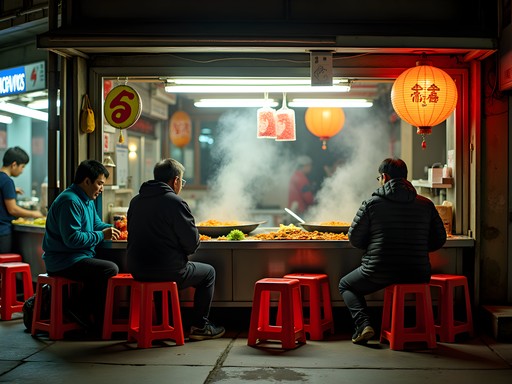
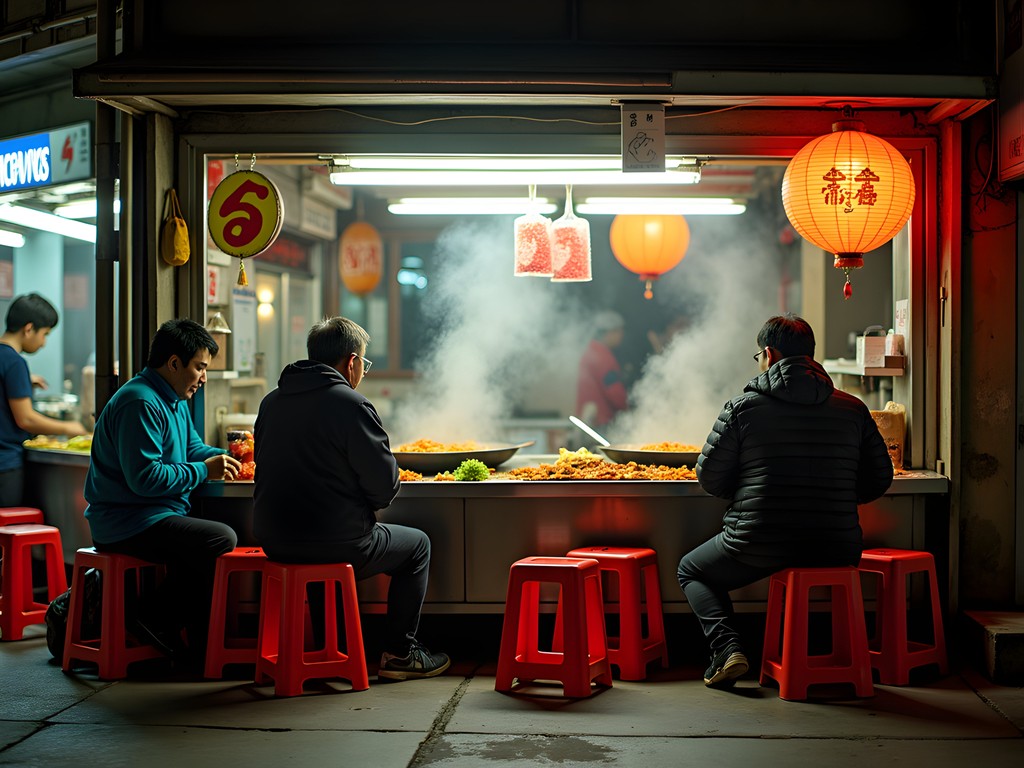
My first rule of business travel: eat where the locals eat. In Hong Kong, that means seeking out dai pai dongs—open-air food stalls that serve some of the city's most authentic and affordable cuisine.
On my second night, after a grueling day of presentations, I escaped the hotel district and found myself in the narrow streets of Sham Shui Po. The plastic stools, makeshift tables, and chorus of sizzling woks at Keung Kee Dai Pai Dong told me I'd found the real deal. For less than $10 USD, I feasted on stir-fried clams in black bean sauce, garlicky morning glory vegetables, and a mountain of rice.
What these places lack in ambiance, they make up for in flavor and authenticity. Don't be intimidated by the lack of English menus—I've found that a smile, pointing at neighboring tables' dishes, and a simple 'mm goi' (thank you in Cantonese) goes a long way. If you're concerned about communication, consider downloading a translation app to your phone before heading out.
Remember that many dai pai dongs are cash-only operations, so come prepared with Hong Kong dollars. And don't be surprised when you're asked to share a table with strangers—it's all part of the experience!
💡 Pro Tips
- Look for dai pai dongs with long lines of locals—it's a good sign the food is worth waiting for
- Bring cash as most street vendors don't accept credit cards
- Learn basic Cantonese phrases like 'mm goi' (thank you) and 'ho sik' (delicious)
Dim Sum Diplomacy: Where to Find the Best Dumplings
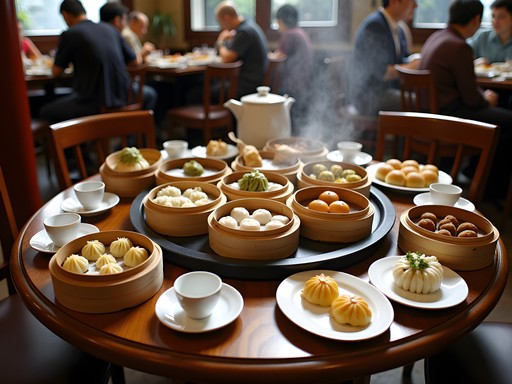
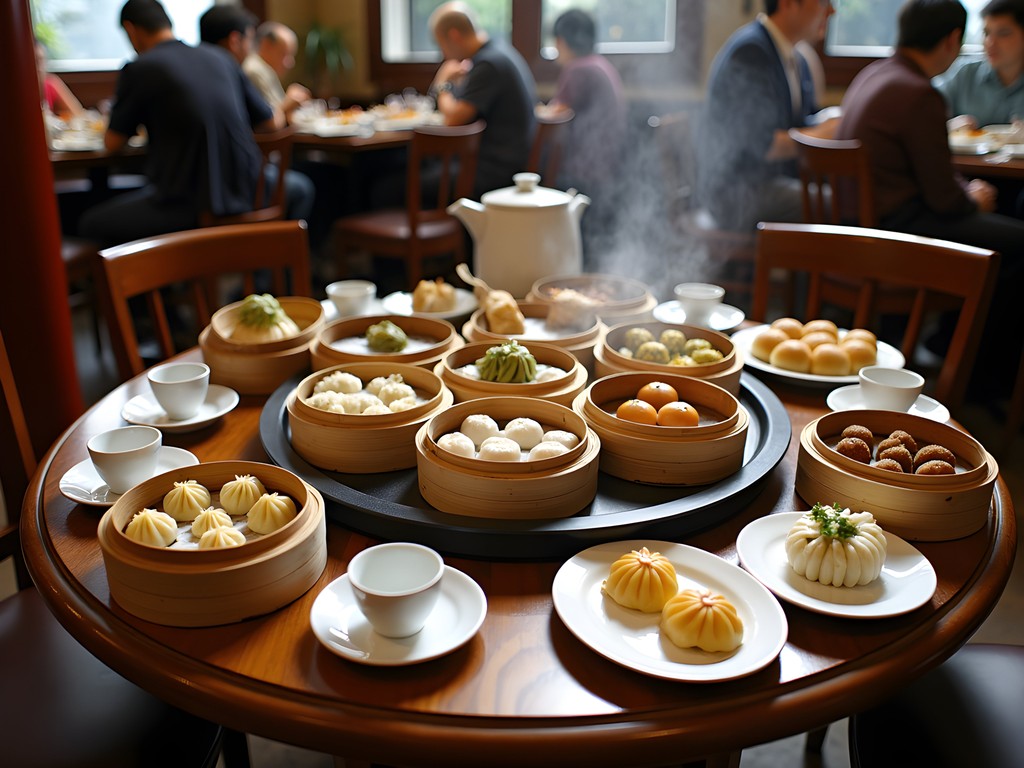
In my experience, nothing breaks down business barriers faster than sharing dim sum with colleagues. The ritual of selecting dishes, pouring tea, and passing bamboo steamers creates an instant sense of community.
While Hong Kong offers plenty of high-end dim sum experiences, I've found that some mid-range establishments deliver equally impressive quality. Tim Ho Wan, the famous 'world's cheapest Michelin-starred restaurant,' lives up to its reputation. Their baked BBQ pork buns are transcendent—crispy on the outside, fluffy inside, with sweet-savory filling that will make you order seconds.
For a more traditional experience, Lin Heung Tea House in Central offers old-school charm with dim sum carts and a boisterous atmosphere. Be prepared to be assertive—when you see a cart with something appetizing, flag it down immediately or watch your desired dumplings disappear to another table!
Dim sum is typically a morning to early afternoon affair, with most places closing by 3-4pm. If you're planning a business meeting over dim sum, I recommend bringing a pocket guidebook with pictures of common dim sum items to help everyone navigate the options.
Pro tip from my Brazilian side: approach dim sum with the same enthusiasm we have for our weekend feijoada gatherings—it's not just about the food, but the shared experience.
💡 Pro Tips
- Go early (before 11am) to avoid the longest lines at popular dim sum spots
- Always order har gow (shrimp dumplings) to test a restaurant's skill—the wrapper should be thin and translucent
- When someone pours tea for you, tap two fingers on the table as a silent 'thank you'
The Cha Chaan Teng Experience: Hong Kong's Unique Fusion Cafés
Between client meetings and sightseeing, I discovered my perfect lunch spots: Hong Kong's cha chaan tengs (tea restaurants). These retro diners serve a fascinating fusion of Chinese and Western comfort foods—a culinary reflection of Hong Kong's colonial history.
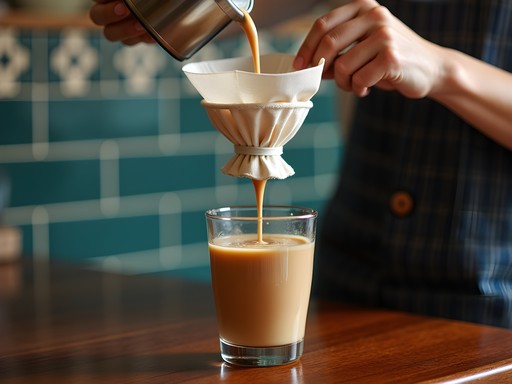
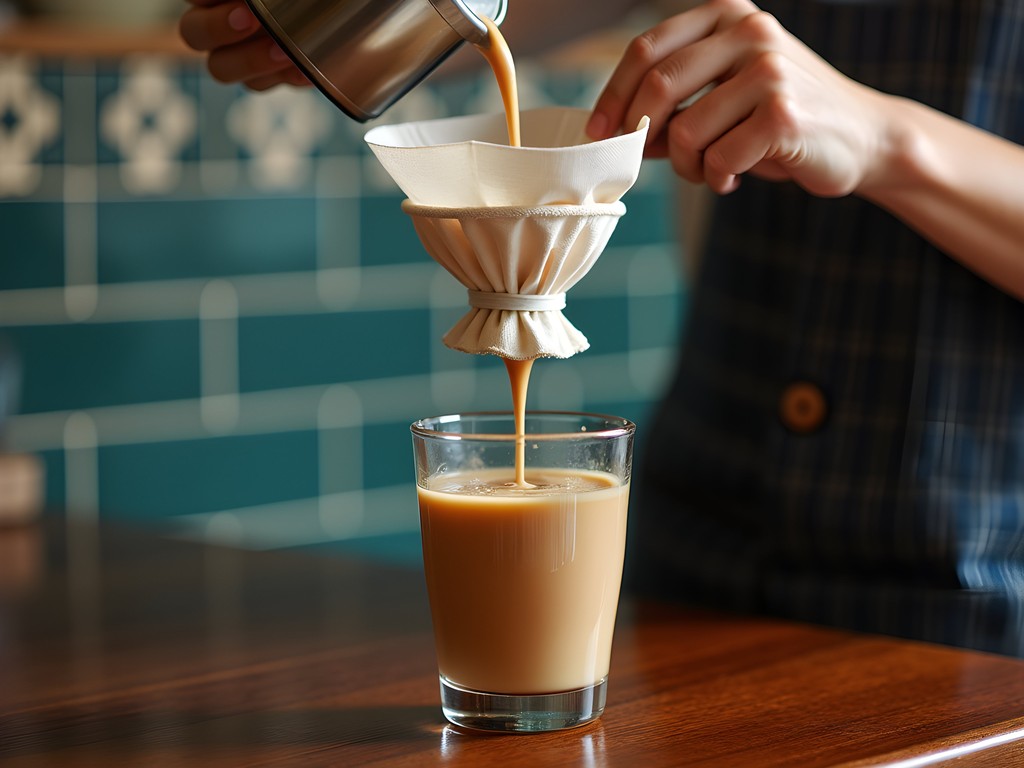
At Australian Dairy Company in Jordan, I joined the queue of office workers for their legendary scrambled eggs and toast, paired with Hong Kong-style milk tea. The service is famously brusque, the seating cramped, and the turnover lightning-fast—but the silky eggs are worth every second of the wait.
For a quintessential cha chaan teng dish, try pineapple buns with a thick slab of cold butter (bo lo bao) at Kam Wah Café in Mong Kok. These sweet buns have a crackly top resembling a pineapple pattern, though they contain no actual pineapple. Pair it with a hot travel mug of milk tea to go, and you've got the perfect afternoon pick-me-up between meetings.
Don't miss the quirky menu translations that are part of the cha chaan teng charm—from 'French toast' (which bears little resemblance to its Western namesake) to 'Swiss sauce chicken wings' (which have nothing to do with Switzerland). É uma delícia—it's delicious cultural confusion!
💡 Pro Tips
- Order the signature dish at each cha chaan teng—scrambled eggs at Australian Dairy Company, French toast at Capital Café, etc.
- Be prepared for shared tables and quick service—these places are designed for efficiency
- Try yuanyang, a coffee-tea hybrid drink that perfectly symbolizes Hong Kong's east-meets-west culture

Temple Street Night Market: After-Hours Food Adventure
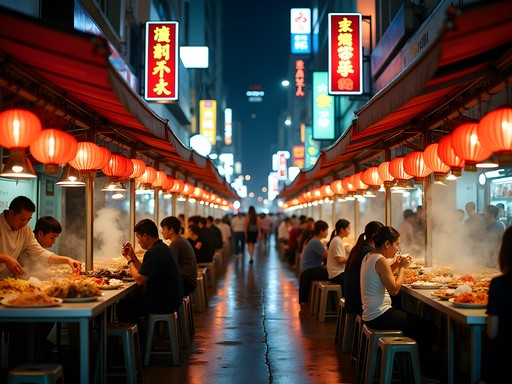
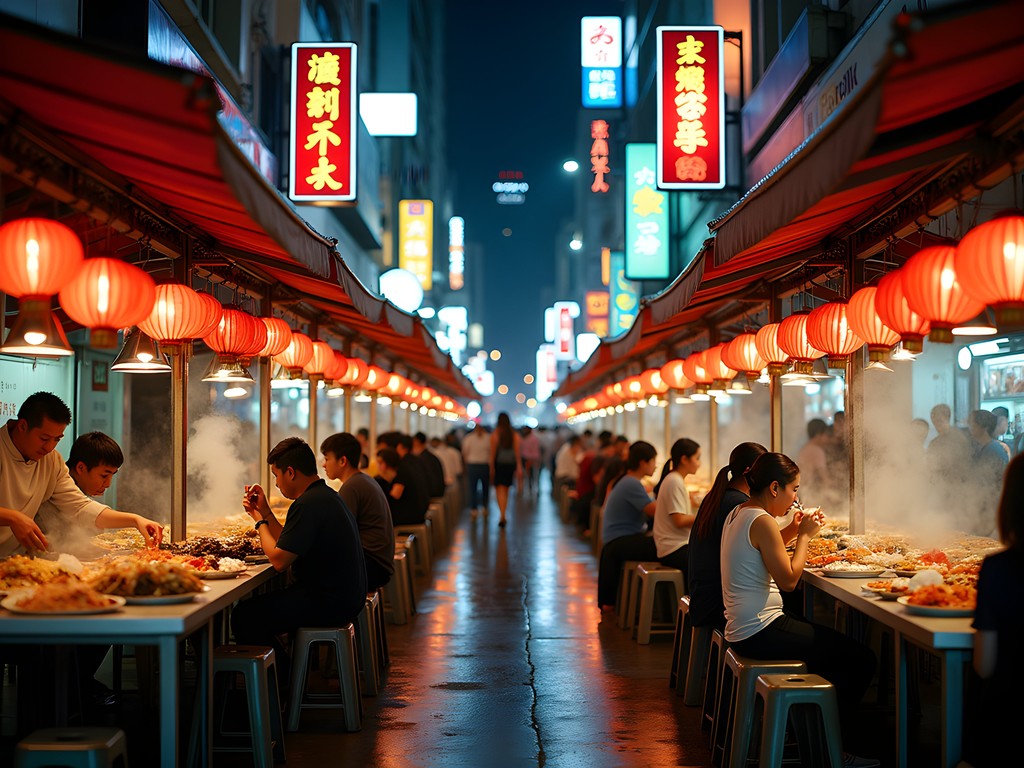
When the workday ends in Hong Kong, the real culinary adventures begin. Temple Street Night Market in Kowloon comes alive after dark, transforming into a sensory playground of sizzling woks, aromatic spices, and boisterous conversation.
On my third evening, after a particularly successful client meeting, I treated myself to a self-guided food tour through the market. The makeshift seafood restaurants that line the street offer an experience you won't find in any business district. Simply point to the live seafood you want—I chose mantis shrimp and razor clams—and watch as they're prepared on the spot.
For the adventurous eater, stinky tofu stands emit their distinctive aroma throughout the market. I'll admit, as someone who grew up with Brazil's pungent cheese bread, even I found the smell challenging—but the flavor was surprisingly mild and addictive.
The market is also perfect for souvenir hunting. I picked up a travel chopstick set for my daughter who loves practicing with them at home. These portable utensils have become my essential travel companion for street food adventures across Asia.
As you navigate the market, be prepared to haggle—it's expected for goods, though food prices are generally fixed. Keep small bills handy and watch your belongings in the crowd. Most importantly, come hungry and with an open mind!
💡 Pro Tips
- Eat at seafood dai pai dongs where you can select live seafood from tanks for ultimate freshness
- Bring wet wipes or hand sanitizer as eating conditions are casual
- Visit after 7pm when the market is fully operational and buzzing with energy
Affordable Michelin Experiences: Star-Quality Food on a Budget
Hong Kong has one of the world's highest concentrations of Michelin-starred restaurants, but here's a business traveler's secret: you don't need an expense account to experience this culinary excellence.
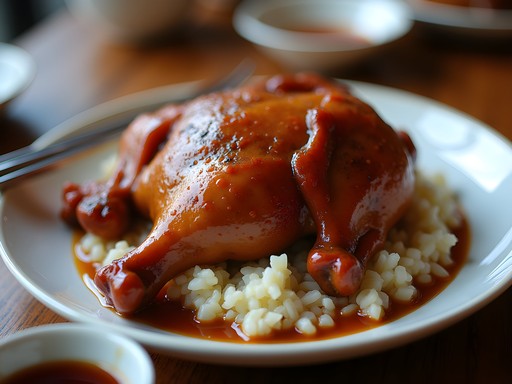
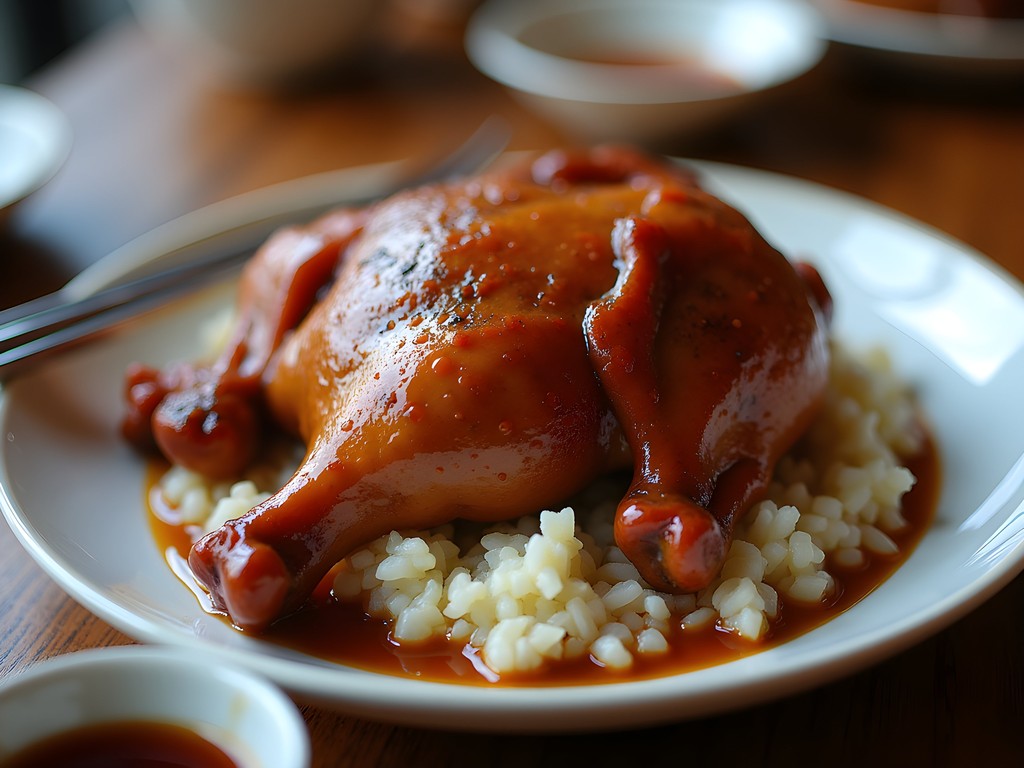
Beyond Tim Ho Wan, Hong Kong offers several budget-friendly Michelin experiences. Yat Lok in Central serves roast goose that will haunt your dreams—crispy skin, tender meat, and a perfect ratio of fat to lean. At around $10 USD for a plate of goose and rice, it's an incredible value for Michelin-recognized food.
Mak's Noodle specializes in wonton noodle soup with a clear, umami-rich broth and plump shrimp dumplings. The portions are small by American standards but perfect for sampling multiple dishes without overspending.
For a sweet finish, Kai Kai Dessert serves traditional Chinese desserts like mango pomelo sago and black sesame soup. Their red bean soup with lotus seeds saved me during a bout of homesickness—something about warm, sweet comfort food transcends cultural boundaries.
Before my trip, I downloaded the OpenRice app (Hong Kong's version of Yelp) to find these hidden gems. The app's English interface made navigating Hong Kong's complex food scene much easier, especially when searching for specific dishes or dietary requirements.
Não se preocupe—don't worry about formality at these places. Despite their Michelin status, most maintain a casual atmosphere where the focus is squarely on the food, not the frills.
💡 Pro Tips
- Visit Michelin-recognized spots during off-peak hours (2-5pm) to avoid the longest lines
- Order signature dishes that earned the restaurant its recognition
- Take photos of restaurant names in Chinese characters to show taxi drivers if you're having trouble finding a location
Final Thoughts
Hong Kong's food scene perfectly mirrors its business culture—efficient, diverse, and unapologetically focused on results. In just one week, I experienced everything from humble street carts to Michelin-starred excellence without once breaking my modest per diem. The beauty of eating in Hong Kong is that price rarely correlates with quality—some of my most memorable bites cost less than $5.
As someone who navigates between cultures professionally, I found Hong Kong's food scene to be the perfect metaphor for successful business travel: respect traditions, embrace local customs, and don't be afraid to point at what looks good even when you can't pronounce its name.
Next time your company sends you to Hong Kong, extend your stay by a few days if possible. The connections you'll make over clay pot rice or late-night noodles will be just as valuable as any boardroom meeting. Bom apetite and safe travels, friends!
✨ Key Takeaways
- Hong Kong offers incredible food value across all price points, from street stalls to Michelin stars
- Shared meals create deeper connections with colleagues and clients than formal meetings
- Learning a few basic Cantonese phrases and food terms enhances your culinary adventure
- The most authentic food experiences happen outside hotel and business districts
📋 Practical Information
Best Time to Visit
October to December (fall)
Budget Estimate
$30-50 USD per day for food
Recommended Duration
5-7 days
Difficulty Level
Beginner


Comments
sunsetvibes
Those dim sum photos are making me hungry! 🥟 Which place had the best char siu bao? That's my absolute favorite!
Ahmed Turner
Tim Ho Wan (the original location) still has my vote for best char siu bao - they're baked rather than steamed, with a crispy top that's just *chef's kiss*. Worth the wait!
exploregal
Did you find Temple Street Night Market too touristy? I've heard mixed things but your post makes it sound worth visiting!
nomadexplorer3105
Not Ahmed but I'd say yes, it's touristy but still awesome. The trick is to walk past the first few stalls where prices are higher and go deeper into the market. The food is legit even if there are tourists around!
Ahmed Turner
Exactly what @nomadexplorer3105 said! It's popular with tourists AND locals for good reason. I'd recommend going around 9pm when it's fully buzzing but before it gets too packed. The clay pot rice near the fortune tellers was my favorite find there.
beachhero
Any tips on food etiquette? I've heard there are specific customs around tea pouring and using chopsticks that I don't want to mess up!
Ahmed Turner
Great question! When someone pours tea for you, tap two fingers on the table as a thank you. Never stick chopsticks vertically in rice (resembles funeral incense). And at dim sum, it's polite to serve others before yourself. Most locals are understanding with tourists though!
beachhero
Thanks Ahmed! That's super helpful. Can't wait to try all this food without accidentally offending anyone 😅
Frank Garcia
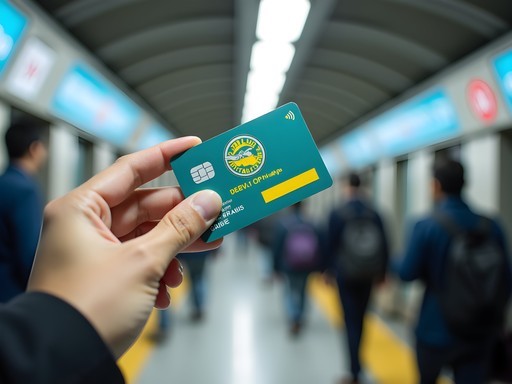
Great write-up! I'd add that the best time to hit the dai pai dongs is actually around 6-7pm before the evening rush. You get fresher food and can actually snag a seat. Also, the Octopus card is essential - works on MTR, buses, ferries, AND you can use it to pay at most street food stalls and convenience stores. Saved me so much hassle compared to carrying cash everywhere. The efficiency of Hong Kong's food culture really is unmatched - you can eat incredibly well on £10-15 a day if you stick to local spots.
globewanderer
Which area would you recommend staying in to be close to the best food spots?
Ahmed Turner
I stayed in Tsim Sha Tsui and it was perfect - close to Temple Street, easy MTR access to everywhere. Central is good too but pricier.
starseeker
Agreed on TST. Mong Kok is also amazing for food and more local vibe.
Olivia Sanchez
Ahmed, your post captures the beautiful chaos of Hong Kong's food scene perfectly! It reminds me of my adventure there during Lunar New Year when I stumbled upon a tiny place in Causeway Bay that served the most incredible claypot rice. The owner saw me struggling with the technique and personally showed me how to scrape the crispy rice from the sides - that moment of connection transcended our language barrier completely. For anyone heading to the dai pai dongs, I'd recommend bringing a small phrase book - just knowing a few basic food terms made my experience so much richer. Also, don't miss the egg waffles from the street vendors - best eaten piping hot while wandering the markets!
journeyclimber
Any vegetarian-friendly options at the dai pai dongs? My partner doesn't eat meat and we're always worried about street food in Asia.
Frank Garcia
Actually HK is surprisingly good for vegetarians! Look for Buddhist vegetarian restaurants - they're everywhere and super cheap. Dai pai dongs will do stir-fried veggies and noodles without meat if you ask. I backpacked there on a tight budget last year and ate well as a vegetarian. Just watch out for oyster sauce - it's in everything.
Abigail Matthews
Ahmed, excellent breakdown of the food scene! I've done several business trips to HK and completely agree about the cha chaan teng culture. One tip I'd add: Tim Ho Wan (the Michelin-starred dim sum spot) has multiple locations now, but the original in Sham Shui Po is still the best experience. Also, if you're there for business meetings, the Peninsula Hotel's afternoon tea is worth the splurge for impressing clients. The food quality matches the ambiance perfectly.
Ahmed Turner
Yes! I actually went to the Sham Shui Po location. The wait was worth it. Peninsula is on my list for next time!
starseeker
Temple Street night market is incredible. Great post!
globegal
This looks amazing! Quick question - did you find the dai pai dongs easy to navigate if you don't speak Cantonese? Planning a trip in spring and a bit nervous about ordering at the street stalls.
Ahmed Turner
Honestly, pointing and gesturing works pretty well! Most popular places have pictures on the wall. Also, locals are super helpful if you look confused.
starseeker
Download Google Translate with offline Cantonese. Saved me so many times!
Venture X
Premium card with 2X miles, $300 travel credit, Priority Pass