
Disclosure: This article contains affiliate links. We may earn a commission from purchases at no extra cost to you, which helps our travel content.
Like the rings of a tree revealing its age, Hong Kong's skyline tells the story of its remarkable journey through time. Having spent three decades analyzing municipal budgets, I've developed an eye for how cities allocate resources to their built environment. But it wasn't until age 57, five years into my retirement adventure in Japan, that I first set foot in Hong Kong. What I discovered was an architectural textbook come to life—a place where Victorian colonial buildings stand in the shadow of gleaming postmodern towers, where traditional Chinese temples neighbor Brutalist concrete structures. For the budget-conscious student traveler, there's no better classroom than Hong Kong's streets, and no better way to experience it than on foot. This fall weekend itinerary costs little more than your walking shoes and MTR fare, but the education you'll receive is priceless.

Day 1: Colonial Footprints in Central
My journey began where Hong Kong itself took shape—in Central district, where the first British colonizers planted their flag in 1841. I arrived at the Central MTR station just as the morning commuter rush was subsiding, armed with my trusty Moleskine City Notebook where I'd mapped out the day's route and budget allocations (old habits die hard).
First stop: the Former Legislative Council Building, an 1912 neoclassical structure that now houses the Court of Final Appeal. Its columned facade and central dome speak to the British Empire's attempt to project authority through architecture. Just across Statue Square stands the HSBC Building, a masterclass in feng shui-influenced modern design by architect Norman Foster. The contrast between these neighbors—separated by mere meters but decades of architectural evolution—sets the tone for Hong Kong's story.
Walking up Battery Path, I reached St. John's Cathedral, the oldest Anglican church in the Far East. Its Gothic revival style transported me straight to the English countryside, yet the tropical foliage surrounding it created a juxtaposition that felt quintessentially Hong Kong. The cathedral has survived Japanese occupation, rapid urbanization, and the handover to China—standing as a quiet witness to history.
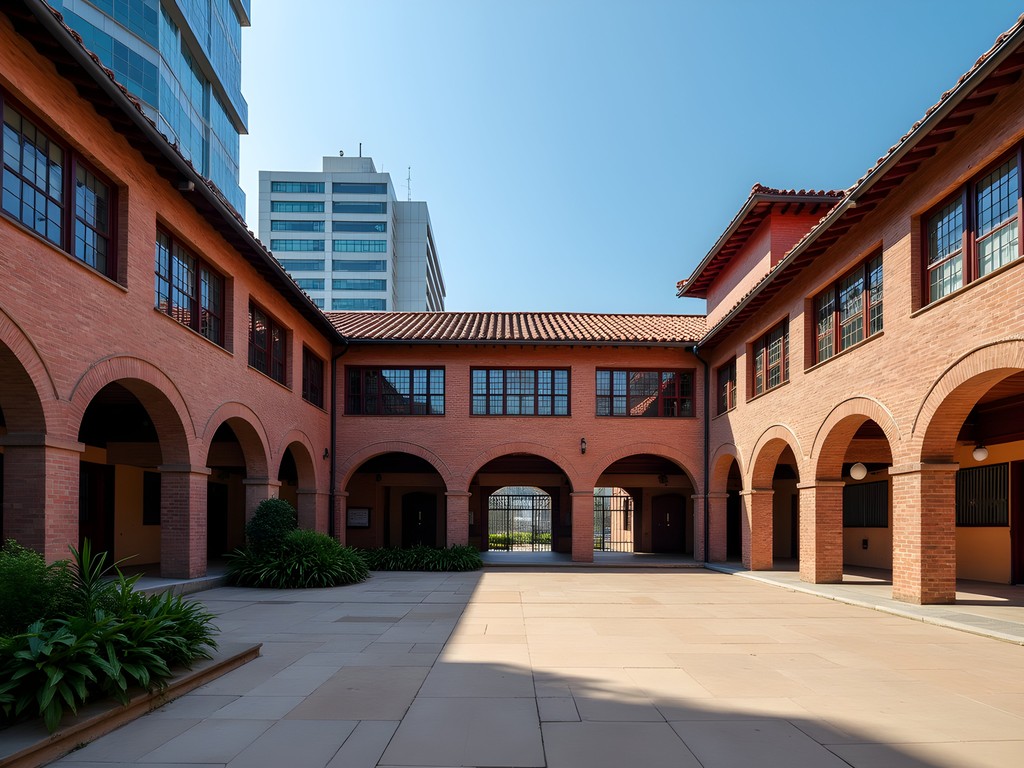
By midday, I reached the Former Central Police Station compound, now transformed into the Tai Kwun Centre for Heritage and Arts. This adaptive reuse project exemplifies how historic preservation can work in harmony with contemporary needs. The original buildings date from the 1860s to 1920s, but now house galleries, performance spaces, and restaurants. I spent two hours exploring the barracks, prison cells, and parade ground, now reimagined as public space.
💡 Pro Tips
- Visit the Former Central Police Station (Tai Kwun) after 2pm on weekdays to avoid crowds
- Many colonial buildings offer free guided tours—check schedules online before your visit
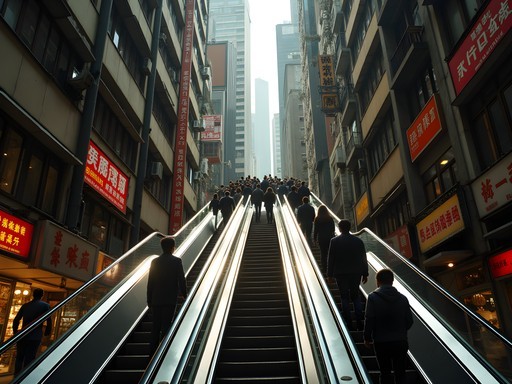
- The Mid-Levels Escalator nearby is the world's longest outdoor covered escalator system—use it to save energy between sites
Day 1 Afternoon: The Mid-Levels and Beyond
After a budget-friendly lunch of dim sum (HK$60) at a local eatery, I continued my architectural exploration uphill toward the Mid-Levels district. This area reveals another layer of Hong Kong's development—the affluent residential zone where colonial administrators once lived to escape the heat and hustle of the harbor below.
The Mid-Levels Escalator system itself is an engineering marvel worth experiencing. This 800-meter moving walkway was built in 1993 to ease commuter congestion, but it's become an attraction in its own right. As I glided upward, the cityscape transformed around me—narrow lanes revealing glimpses of both colonial-era walk-ups and luxury high-rises.
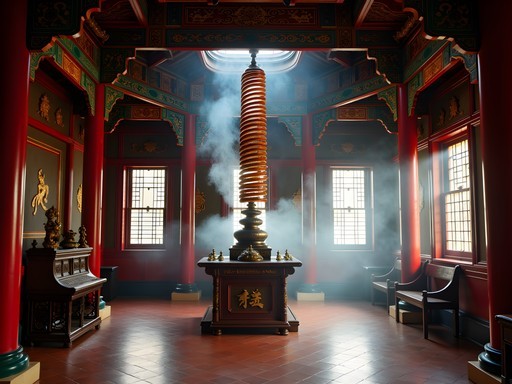
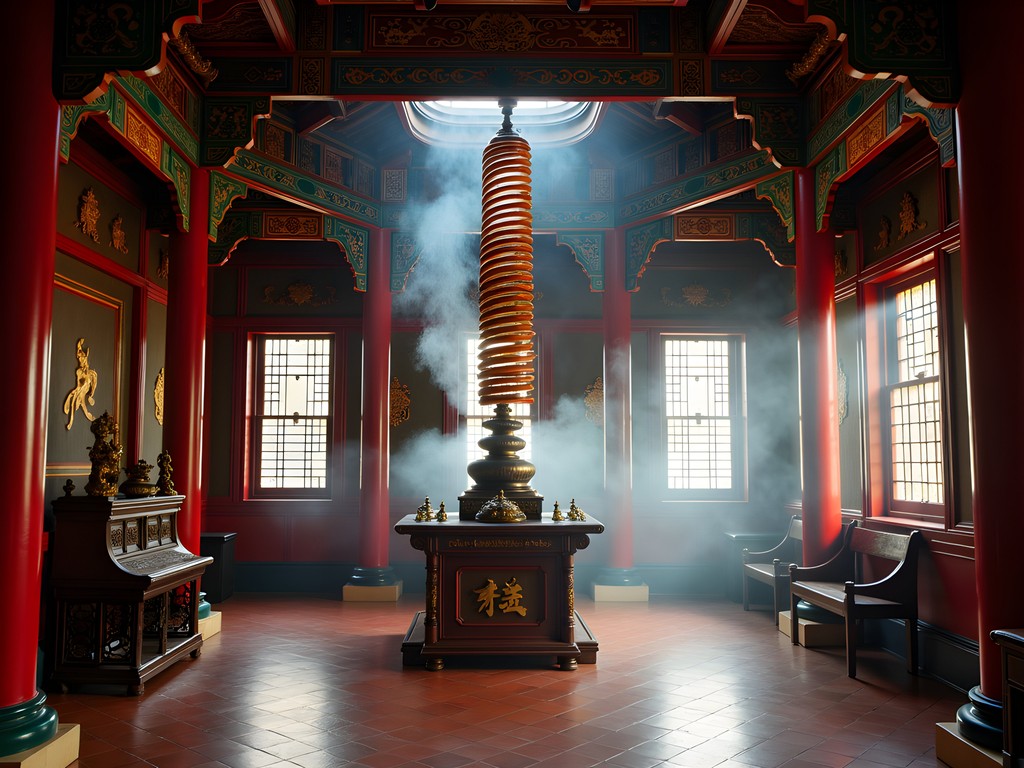
At Caine Road, I detoured to visit the Man Mo Temple, built in 1847. This Taoist temple dedicated to the gods of literature and war represents traditional Chinese architecture that survived amid waves of development. The contrast between its ornate roof, massive incense coils hanging from the ceiling, and the surrounding glass-and-steel apartments perfectly encapsulates Hong Kong's architectural dialogue.
By late afternoon, I reached Hong Kong Park, where the Flagstaff House (built 1846) stands as the oldest surviving colonial building in Hong Kong. Now housing the Museum of Tea Ware, this Greek Revival structure with its columned verandahs sits surrounded by a contemporary park landscape and the soaring towers of Admiralty district. I spent an hour sketching the building in my travel journal, trying to capture how this modest white building holds its ground against the skyscrapers towering above.
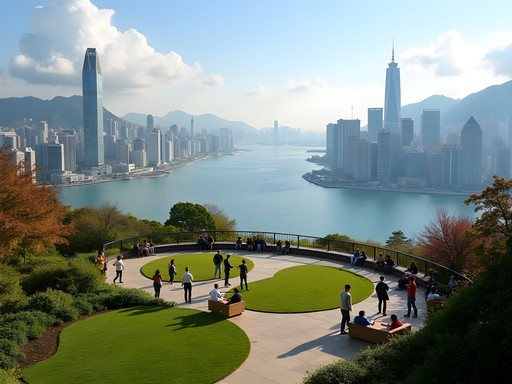
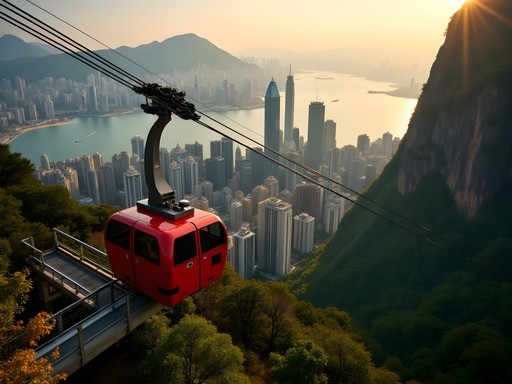
As twilight approached, I made my way to the Peak Tram terminus. While the tram ride and Peak viewing platform would exceed my day's budget, I found a public viewing area nearby that offers spectacular vistas of the harbor and architectural tapestry below without the entrance fee.
💡 Pro Tips
- The Man Mo Temple is free to enter, but consider making a small donation
- Bring a refillable water bottle—Hong Kong's humidity makes hydration essential during walking tours
- Public libraries often have free exhibitions on local architecture and history
Day 2: Kowloon's Architectural Contrasts
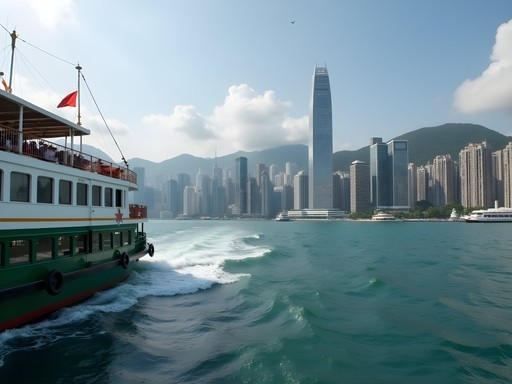
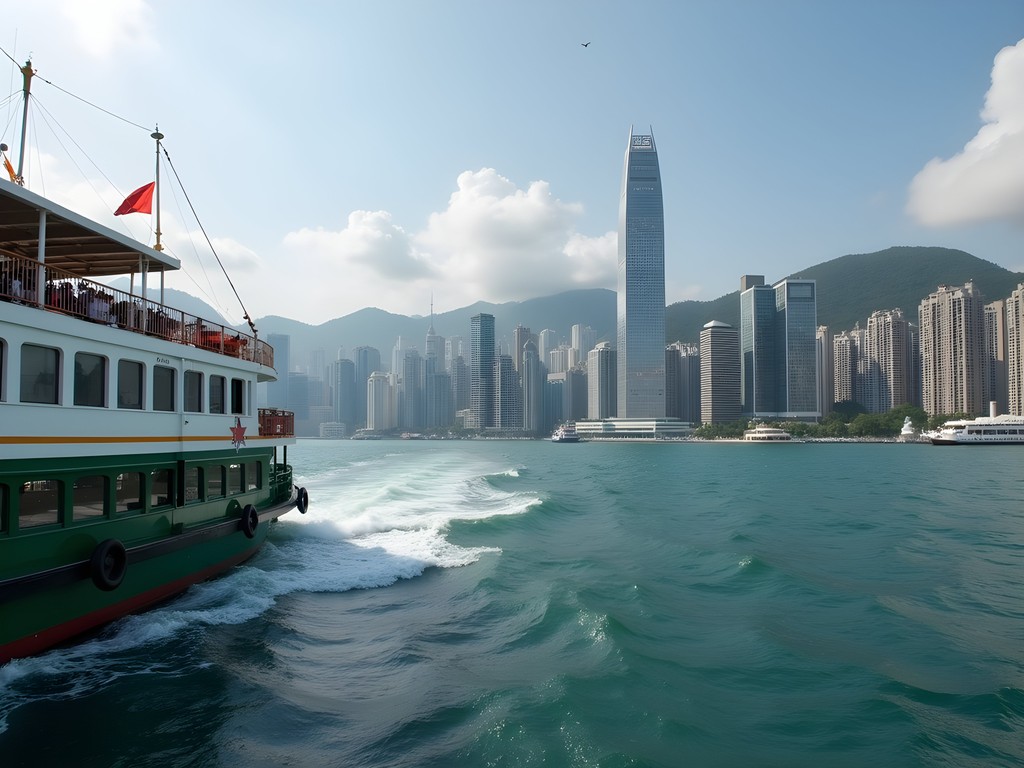
My second day began with a Star Ferry crossing to Kowloon (HK$2.70)—a journey that offers one of the world's great harbor views and a floating perspective on Hong Kong's vertical ambition. The ferry itself is a piece of living history, operating since 1888 with a design that has changed little over the decades.
Upon reaching Tsim Sha Tsui, I headed straight for the Clock Tower, the sole remnant of the former Kowloon-Canton Railway terminus. This 1915 red brick tower stands as a solitary sentinel, dwarfed by the cultural centers and shopping complexes that have replaced its original context. Standing at its base, I contemplated how cities choose which pieces of their past to preserve amid the relentless pressure of development.
Nearby, the Peninsula Hotel presents a study in colonial luxury architecture. Opened in 1928 and known as the "Grande Dame of the Far East," its classical facade has witnessed Japanese occupation (it served as their headquarters during WWII), the refugee influx of the 1950s, and the economic boom years. I couldn't afford its famous afternoon tea on my budget, but the lobby is open to respectful visitors wanting to admire its grandeur.
Walking north along Nathan Road, Hong Kong's architectural timeline unfolds chronologically. The 1950s and 60s saw the rise of Chungking Mansions—a complex that represents the post-war functionalist approach, housing everything from budget hostels to curry restaurants and electronics vendors under one roof. Not architecturally beautiful by conventional standards, but culturally significant as a microcosm of globalization.
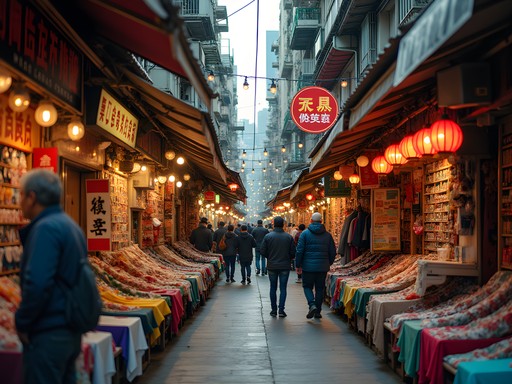
Further along, I reached the Mong Kok district, where tightly-packed tenement buildings from the 1950s-70s create urban canyons festooned with neon signs and air conditioning units. These buildings represent Hong Kong's rapid population growth period when functionality trumped aesthetics. Yet there's an undeniable energy to these streets that newer, more sterile developments often lack.
💡 Pro Tips
- The Star Ferry is not just transportation but one of the best harbor views—sit on the upper deck for the best experience
- Visit the Peninsula Hotel lobby to see colonial luxury architecture without spending on their famous high tea
- Look up! In dense areas like Mong Kok, the most interesting architectural details are often above street level

Day 2 Afternoon: New Territories and Contemporary Visions
After a simple lunch of beef brisket noodles (HK$45) at a local shop, I took the MTR to Diamond Hill station to visit the Chi Lin Nunnery and adjacent Nan Lian Garden. Here, traditional Tang Dynasty architecture from the 1990s (yes, you read that correctly—it's a modern recreation of ancient styles) creates a peaceful counterpoint to the surrounding high-rise apartments. The wooden structures were built using traditional joinery techniques without a single nail—a testament to architectural knowledge preserved across centuries.
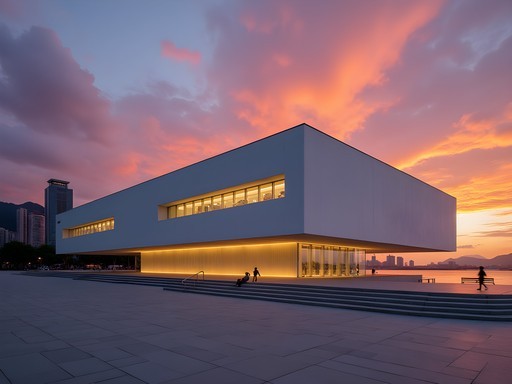
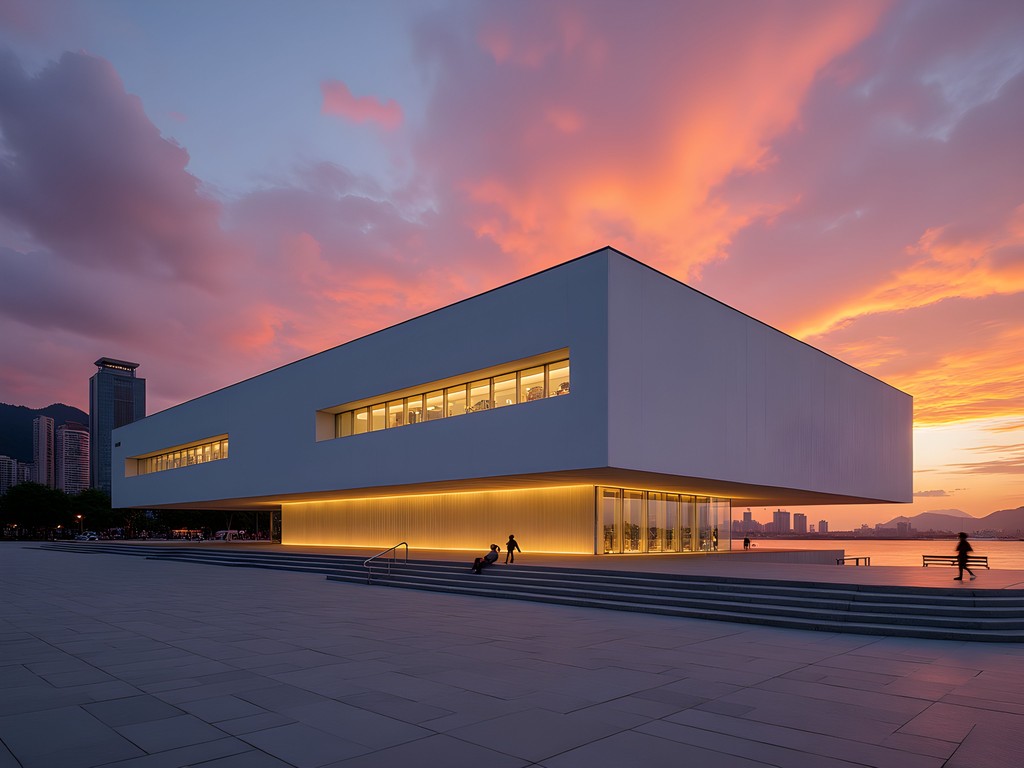
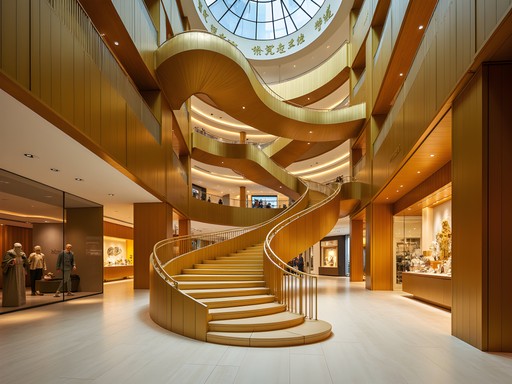
From there, I traveled to the West Kowloon Cultural District, Hong Kong's ambitious new arts hub built on reclaimed land. The recently completed M+ Museum by Herzog & de Meuron represents Hong Kong's architectural future—a horizontal slab building with a LED-capable facade that transforms into a giant screen by night. The museum's focus on visual culture from the 20th and 21st centuries makes it particularly relevant to understanding how art and architecture shape each other.
Walking along the West Kowloon Waterfront Promenade as the afternoon light softened, I had a panoramic view back toward Hong Kong Island. From this vantage point, the layered architectural history becomes clear—from colonial-era buildings near the water's edge to the International Commerce Centre (ICC) soaring 108 stories above me. I pulled out my compact binoculars to study details of distant facades across the harbor.
As twilight approached, I made my way to the Avenue of Stars—Hong Kong's answer to the Hollywood Walk of Fame—which was redesigned in 2019 by New York architectural firm James Corner Field Operations. The sinuous waterfront promenade offers thoughtfully designed seating areas perfect for watching the Symphony of Lights show that illuminates buildings on both sides of the harbor each evening at 8pm.
The light show itself is an architectural spectacle—lasers and synchronized LED systems transforming static structures into dynamic canvases. It struck me that this nightly display represents architecture's newest frontier: buildings as media surfaces, where form follows not just function but becomes a platform for communication and artistry.
💡 Pro Tips
- M+ Museum offers free entry to its ground floor spaces and certain exhibitions
- Visit the Avenue of Stars just before sunset to secure a good spot for the Symphony of Lights at 8pm
- West Kowloon Cultural District has free public WiFi—good for uploading photos or researching architectural details on the spot
Hidden Architectural Gems: The Speakeasy Connection
While Hong Kong's architectural narrative is largely written in its public spaces, my particular interest in historic speakeasies led me to explore a different dimension of the city's built environment. Throughout history, cities under various forms of control—colonial rule, prohibition, or political restrictions—have developed clandestine spaces where people gather away from official oversight.
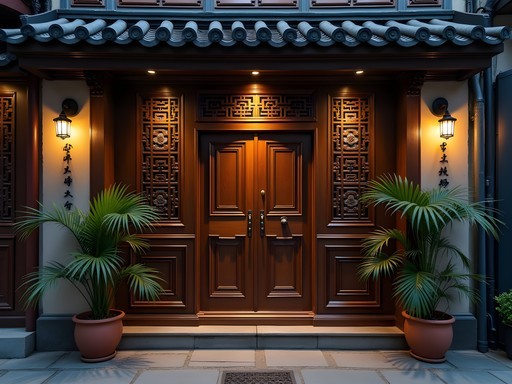
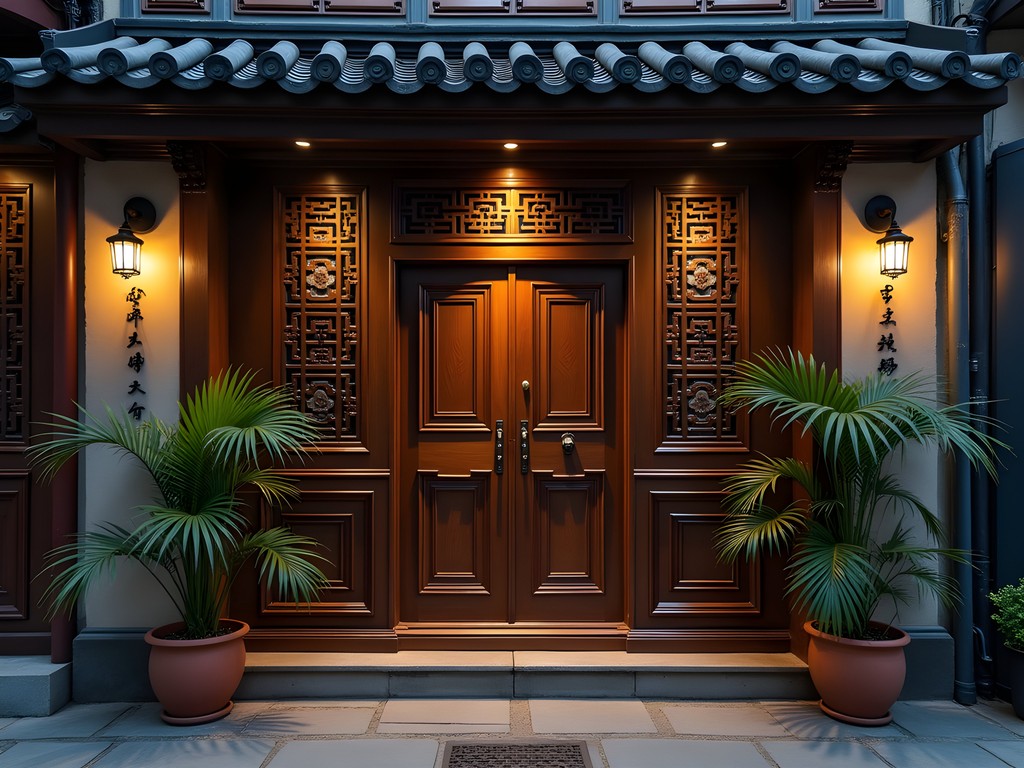
In Central district, behind an unassuming facade on Wellington Street, I discovered a contemporary speakeasy that occupies a former Chinese medicine shop. While I won't reveal its exact name (that's part of the experience), the space represents an architectural trend I've observed globally: the adaptive reuse of heritage interiors with their original features preserved but repurposed. The medicine cabinets now store spirits rather than herbs, but the wooden drawers, counters, and ceiling beams tell stories of the building's century-old history.
What fascinates me about these spaces is how they represent architectural continuity through changing social conditions. During prohibition in America, speakeasies were hidden by necessity. In Hong Kong, today's versions are hidden by choice—creating an exclusive atmosphere that plays on nostalgia while serving very contemporary cocktails.
Another remarkable example sits in an ordinary-looking commercial building in Sheung Wan. After entering through what appears to be a vintage eyeglasses shop, visitors pass through a British phone booth that serves as a secret door. Inside, the space transforms into a meticulously designed 1920s-inspired cocktail bar, where architectural elements salvaged from demolished buildings throughout Asia create an atmosphere that exists outside of time.
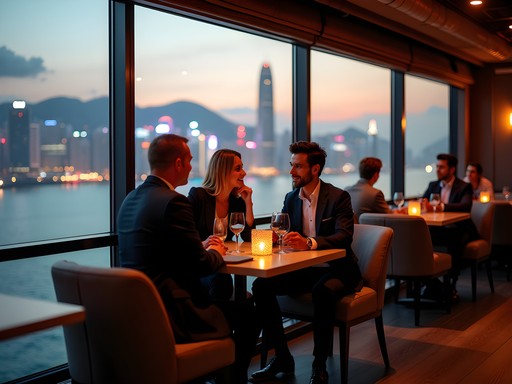
These hidden architectural gems require more effort to find than the obvious landmarks, but for the budget traveler, they offer extraordinary design experiences for the price of a single drink (which can be nursed slowly while absorbing the atmosphere). I recommend using my traveler's hack: visit during opening hours, order a club soda with lime (often complimentary or minimally priced), and enjoy the architectural splendor without the evening crowds or expense.
💡 Pro Tips
- Research hidden bars before your visit—many require reservations or have specific entry instructions
- Most speakeasies open around 5-6pm and are quietest during these early hours—perfect for architecture appreciation
- Look for buildings with mixed uses—some of Hong Kong's most interesting adaptive reuse projects combine retail, F&B, and creative spaces
Budget Breakdown: Architecture on a Shoestring
As a former municipal budget analyst, I believe in financial transparency. Here's how I managed this architectural expedition on student-friendly funds:
Transportation: - Airport Express + 3-day MTR Tourist Pass: HK$250 - Star Ferry crossings (4 trips): HK$10.80 - Peak Tram: Skipped to save HK$52
Accommodation: - Hostel in Chungking Mansions (2 nights): HK$400 - (Alternative: YMCA Youth Hostel if Chungking feels too adventurous)
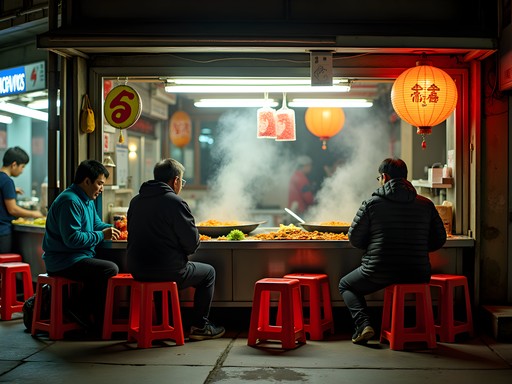
Food: - Breakfast from bakeries/convenience stores: HK$80 - Lunch at local eateries: HK$120 - Dinner at dai pai dongs (street food stalls): HK$160 - Water/coffee: HK$60
Attractions: - Most architectural sites: Free - M+ Museum (partial access): Free - Tai Kwun Centre: Free - One architectural cocktail for speakeasy experience: HK$120
Miscellaneous: - Architecture map from Hong Kong Tourism Board: Free - Public toilets/facilities: Free
Total for weekend: Approximately HK$1,200 (≈ USD $155)
This budget demonstrates that architectural exploration need not be expensive. The city itself is the museum, and its admission fee is merely the cost of getting there. I've found that my waterproof daypack has been essential for these urban explorations—lightweight enough to carry all day but expandable for any small souvenirs or snacks acquired along the way.
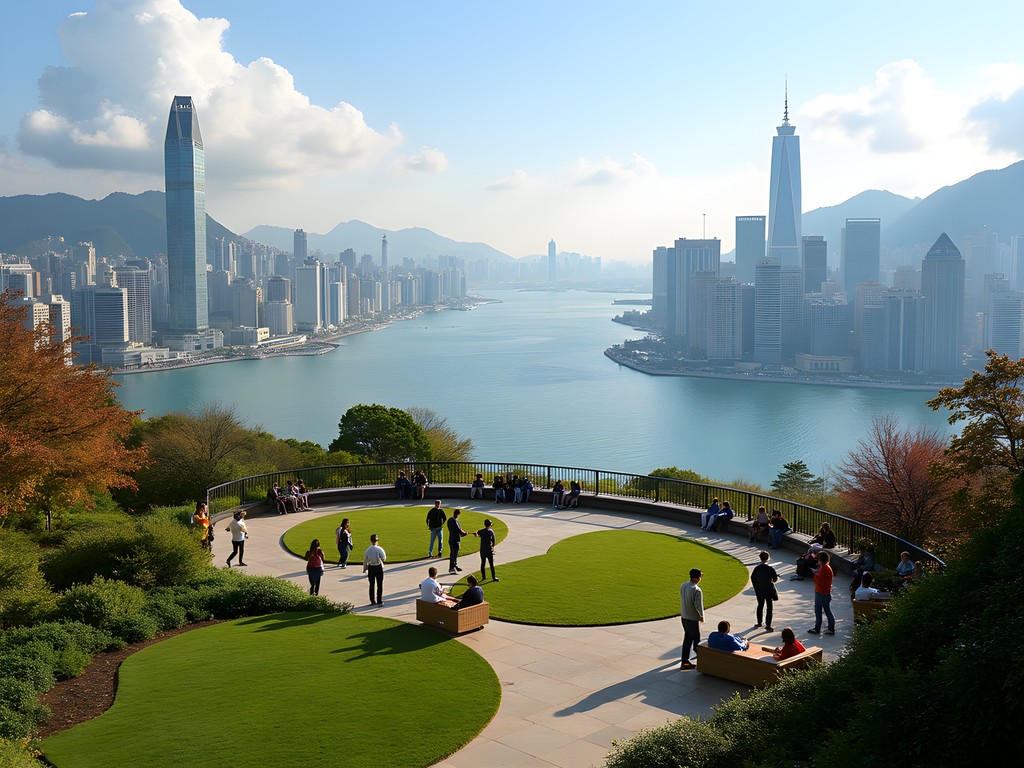
One budget-saving strategy I've refined over years of travel: rather than paying for expensive observation decks, seek out publicly accessible high points. In Hong Kong, the IFC Mall has a free public roof garden on the 4th floor with harbor views comparable to paid alternatives. Similarly, university buildings often have accessible upper floors with panoramic vistas—the Run Run Shaw Tower at Hong Kong University offers spectacular views toward the west.
💡 Pro Tips
- The Hong Kong Tourism Board offers free architecture maps at visitor centers
- Many high-end hotels have architecturally significant lobbies you can visit without being a guest
- Public libraries often have free exhibitions on local architecture and history
Final Thoughts
Hong Kong's architectural story isn't just about buildings—it's about a city constantly reinventing itself while negotiating which pieces of its past to preserve. As someone who discovered travel later in life, I find special resonance in places like Hong Kong where the old and new don't just coexist but actively converse with each other. The weekend walking route I've outlined costs little more than your time and curiosity, yet offers an education no classroom could provide.
For students of architecture, history, or simply life itself, Hong Kong presents a unique opportunity to witness how political transitions, economic forces, and cultural values manifest in physical form. Like the nautical charts I study in my marine conservation work, the city's architectural layers map the currents of history—colonial ambitions, post-war recovery, economic miracle, and contemporary identity formation.
As you trace these steps yourself, remember that buildings are more than static objects—they're vessels of memory, containers of stories, and bridges between eras. In Hong Kong, that bridge spans from Victorian colonial offices to parametric digital design, all within a single day's walk.
✨ Key Takeaways
- Hong Kong offers one of the world's most accessible architectural timelines, viewable entirely on foot and public transport
- The contrast between colonial heritage and futuristic development creates a unique urban landscape that tells the story of the city's evolution
- Architectural exploration can be done on a tight budget by focusing on public spaces, adaptive reuse projects, and free access points
📋 Practical Information
Best Time to Visit
October-November (fall) for comfortable temperatures and clear skies
Budget Estimate
HK$1,000-1,500 (USD $130-200) for a weekend
Recommended Duration
2-3 days minimum
Difficulty Level
Easy (Flat Terrain In Central, Some Hills In Mid-Levels)

Comments
redrider
Just revisited this post to plan my return trip! Has anyone done this tour during summer? Wondering if the heat makes it too challenging.
luckybuddy
Just got back! Did this in August and it was HOT. Start early, take lots of water breaks in air-conditioned malls (they're everywhere), and maybe split Day 1 into two days. The humidity is no joke!
mountainlover
If you're following this walking tour, don't forget to look UP! Hong Kong's buildings have so many interesting details above eye level. Also, the light at Victoria Harbour around 5-6pm is absolutely perfect for photos of that skyline. We took the Star Ferry crossing right at sunset and it was magical.
sunsetvibes
Saving this for my trip next year! 📱🗺️
globephotographer5062
Those photos of the Bank of China Tower against the old colonial buildings are stunning! The architectural contrast in one frame really tells the whole story of HK. Did you use a wide-angle lens for those skyline shots?
Gregory Boyd
John's analysis of Hong Kong's architectural transitions is spot on. I led architecture tours there for three years, and what makes HK unique is how these different eras literally stack on top of each other. One tip I'd add: visit Tai Kwun (the restored Central Police Station compound) - it's a masterclass in adaptive reuse of colonial structures. Also, for serious architecture buffs, I recommend carrying pocket guide which has excellent maps and historical context for each building. The section on Day 2 covering Kowloon's transformation is particularly insightful - that area tells the story of Hong Kong's post-war industrial boom that's often overshadowed by the financial district's glamour.
freefan
Thanks for the Tai Kwun recommendation! Is it easy to fit into this itinerary or would you need an extra day?
Gregory Boyd
It fits perfectly into Day 1! It's right in Central, maybe a 10-minute walk from the Legislative Council Building John mentions. Could easily spend 1-2 hours there.
luckybuddy
Going to HK next month! How walkable is this itinerary for someone who's not super fit? And is it easy to use public transport between these spots?
Hannah Woods
Hong Kong has one of the best public transport systems in the world! The MTR (subway) connects most major areas John mentions, and it's incredibly efficient. For the hillier parts in Mid-Levels, there are escalators and funiculars. I'd recommend getting an Octopus Card right at the airport - it works for all public transport and even many shops and restaurants. I tracked nearly 20,000 steps daily when I was there, but you can definitely moderate with strategic transport use!
luckybuddy
Thanks Hannah! That's super helpful. Will definitely get that Octopus Card.
redrider
Just got back from Hong Kong last month and wish I'd seen this post before! We did stumble upon some colonial buildings in Central but missed so much of what you've outlined here. The contrast between the old British colonial architecture and those gleaming skyscrapers is mind-blowing. Did anyone else find the Mid-Levels escalator system as cool as I did? Perfect way to explore the elevation changes without dying in that humidity!
mountainlover
The Mid-Levels escalator was a lifesaver! Especially after a full day of walking. Great spot for people-watching too.
redrider
Absolutely! And all those little restaurants and cafes along the way... perfect for pit stops!
freefan
This walking tour looks amazing! I've always been fascinated by Hong Kong's skyline but never thought about exploring its architectural history on foot.
coffeepro
If anyone's following this route, there's an amazing dim sum place near the Western Market called Lin Heung Tea House. Perfect spot to refuel during the Day 1 walk - just be prepared to share tables with locals and point at what you want! It's the real deal.
bluechamp
I second Lin Heung! The char siu bao there changed my life. Just don't expect English menus!
mountainzone
Great post! The Bank of China Tower is my favorite HK building - so iconic!
Venture X
Premium card with 2X miles, $300 travel credit, Priority Pass