

Disclosure: This article contains affiliate links. We may earn a commission from purchases at no extra cost to you, which helps our travel content.
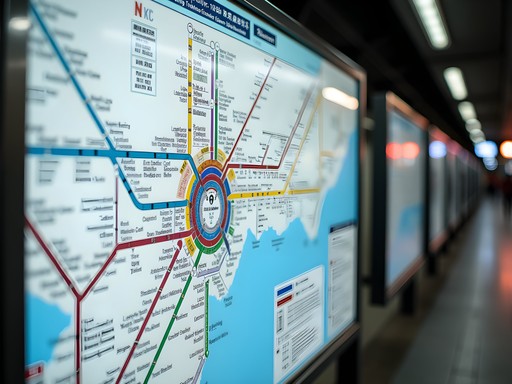
Standing in Shinjuku Station for the first time feels like being dropped into the control room of a living organism. As someone born and raised in Yokohama, I've spent countless hours navigating Tokyo's intricate transit web, watching tourists' eyes widen with equal parts wonder and panic. The labyrinth of colored lines on the transit map might seem overwhelming at first glance, but I promise you this: mastering Tokyo's transportation system is not only possible but will transform your entire Japan experience. Let me guide you through this marvel of human engineering with some practical wisdom I've gathered from both sides of the experience—as a local and as someone who now returns as a visitor to my homeland.

Understanding Tokyo's Transit Ecosystem
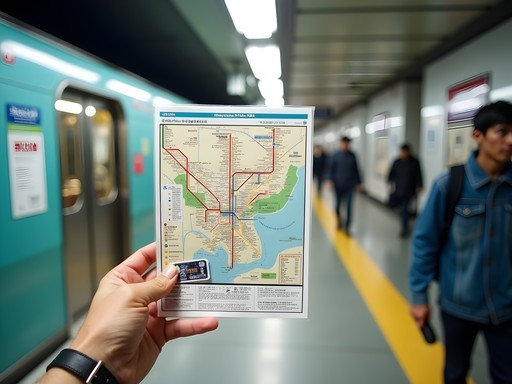
Tokyo's transportation isn't just a single system but rather an ecosystem of interconnected networks operated by different companies. The primary players include JR (Japan Railway), Tokyo Metro, Toei Subway, and numerous private railway companies.
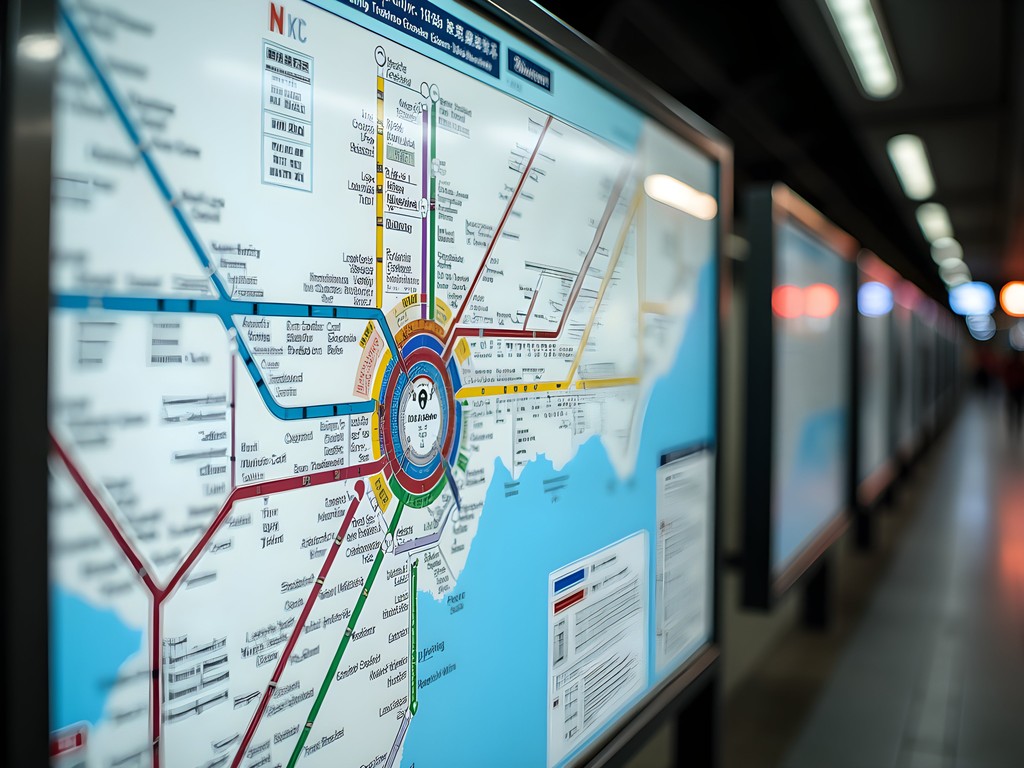
The JR lines form a loop around central Tokyo (the famous Yamanote Line) and extend outward like spokes on a wheel. The subway systems run beneath the city in a complex grid. Private railways typically connect outlying areas to central hubs.
When I first returned to Tokyo after moving to the US, even I needed to reorient myself. What helped immensely was having a good transit app on my phone. Google Maps works reasonably well, but I swear by Japan Transit Planner which offers more accurate real-time information and platform guidance that Google sometimes misses.
Remember that trains and subways generally run from around 5 AM to midnight. Miss that last train, and you're looking at either a very expensive taxi ride or an impromptu night adventure until the first morning train!
💡 Pro Tips
- Download the Japan Transit Planner app before your trip and test it out
- Take a screenshot of the Yamanote Line map - it's your circular reference point for central Tokyo
- Remember that different colored trains on the same line may be local, rapid, or express services
Suica & Pasmo Cards: Your Transit Magic Wand
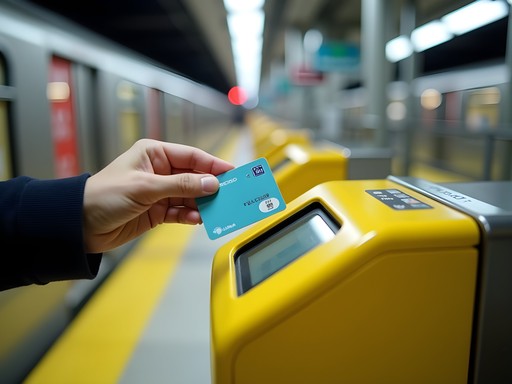
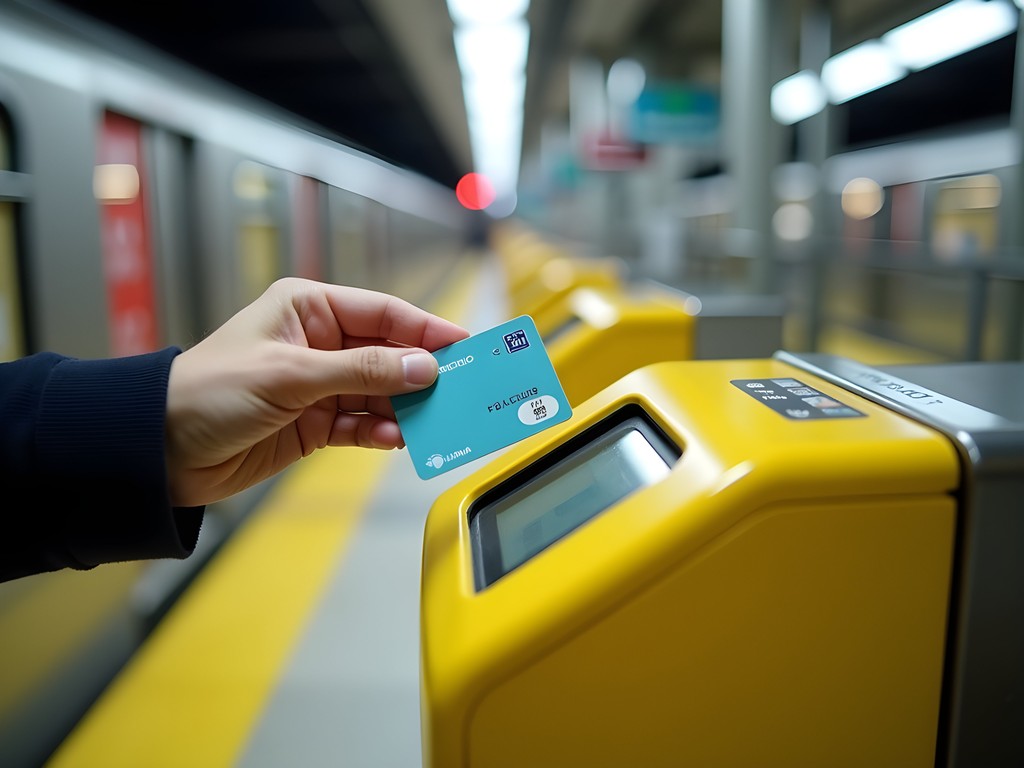
My first piece of advice to any Tokyo visitor: get a Suica or Pasmo card immediately upon arrival. These rechargeable IC cards are your golden ticket to seamless travel across virtually all transportation in Tokyo and beyond.
When I brought my college friends to Tokyo last spring, the first thing we did after clearing customs was head to a JR ticket office to get everyone set up. The look of delight on their faces when they first tapped through a gate without fumbling for tickets was priceless.
Both cards function identically for transit purposes, so choose either one. You can purchase them from ticket machines at any JR station (for Suica) or subway station (for Pasmo). The initial cost is ¥2,000 (about $18) which includes a ¥500 refundable deposit and ¥1,500 in credit.
Beyond transit, these cards work at convenience stores, vending machines, and many restaurants. I always keep my IC card holder accessible in my front pocket for quick access – much better than constantly pulling out your entire wallet at every station.
For tourists staying 14 days or less, consider the Welcome Suica, which doesn't require the ¥500 deposit but can't be refunded for remaining balance when you leave.
💡 Pro Tips
- Load at least ¥3,000 initially if you plan to use trains frequently
- Keep your card in an easily accessible pocket or holder, separate from your phone (which may have NFC conflicts)
- Register your card if staying long-term - this protects your balance if lost
Navigating the Station Labyrinth
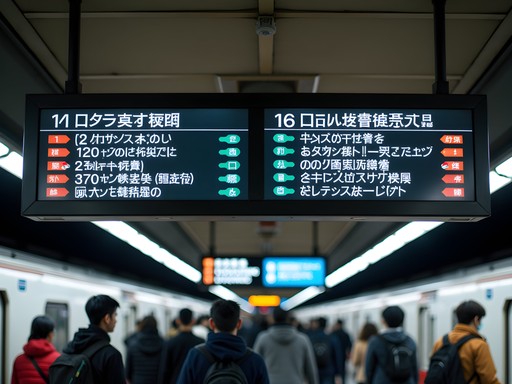
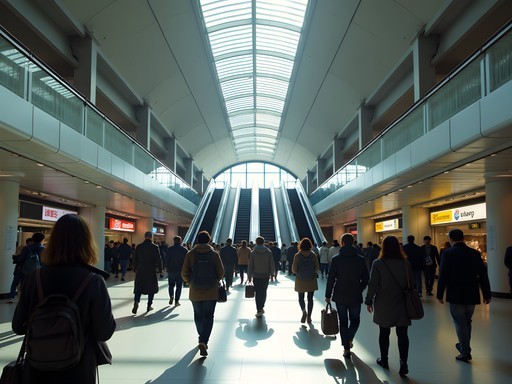
Tokyo's major stations are cities unto themselves. Shinjuku Station alone has over 200 exits and serves more than 3.5 million passengers daily. My strategy for not getting hopelessly lost? Always look up.
The overhead signage in Tokyo stations is extraordinarily systematic once you understand it. Yellow signs point to JR lines, while subway lines each have their distinct colors. Exit numbers are clearly marked, usually with neighborhood landmarks listed.
When meeting friends in Tokyo, I never say "Let's meet at Shibuya Station" (a recipe for disaster). Instead, I specify: "Let's meet at Shibuya Station, Hachiko Exit, by the statue" - giving a precise landmark that can't be confused.
For complex stations like Tokyo, Shinjuku, or Ikebukuro, I recommend carrying a small station map until you're comfortable. Most major stations also offer free maps near the information centers.
Transfers between lines can sometimes involve long walks. If mobility is a concern, research your routes in advance and consider alternatives. Station staff are incredibly helpful and usually can communicate basic English - don't hesitate to approach them with a smile and simple questions.

💡 Pro Tips
- Always confirm the exit number/name you need before entering the station maze
- Look for the colored line symbols rather than trying to read all the Japanese text
- Position yourself strategically on the platform based on your exit/transfer point

Budget-Friendly Transit Passes & Hacks
As someone who grew up watching my grandmother pinch pennies at Yokohama weekend markets, finding value is in my blood. Tokyo transit can be expensive if you're crisscrossing the city multiple times daily, but there are smart ways to save.
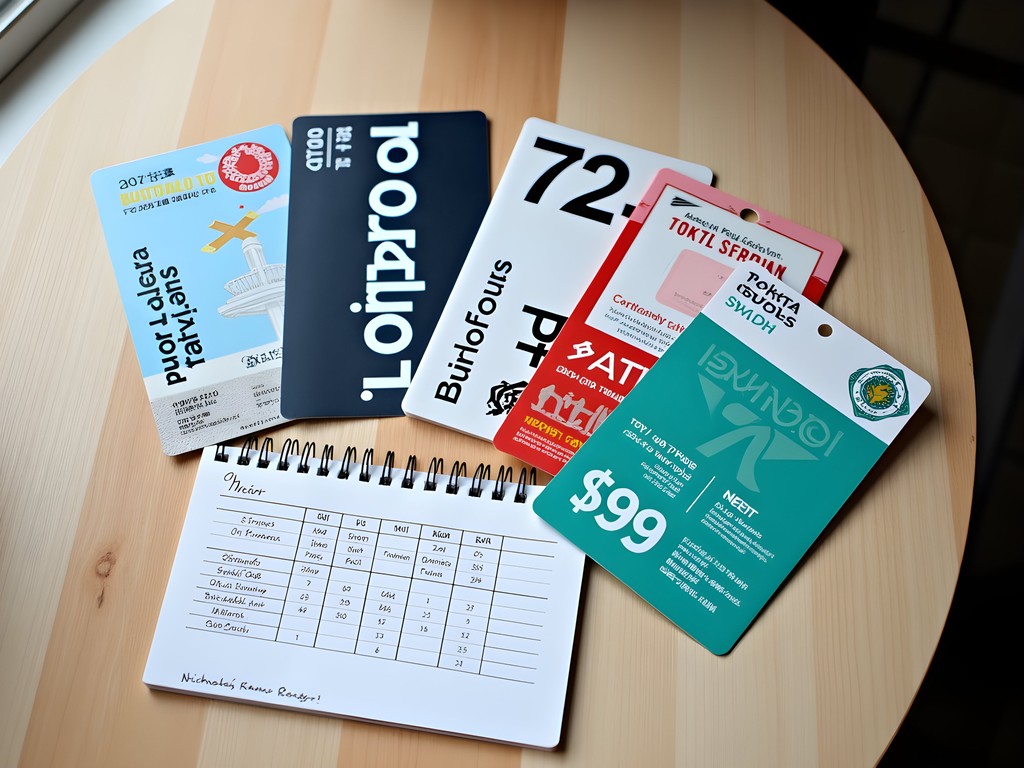
If you're staying within Tokyo proper, the Tokyo Metro 24-hour (¥800), 48-hour (¥1,200), or 72-hour (¥1,500) tickets offer unlimited rides on Tokyo Metro and Toei Subway lines. Note that these don't cover JR lines, including the Yamanote.
For JR lines, the Japan Rail Pass is rarely economical if you're only exploring Tokyo, but becomes valuable if you're making day trips or traveling to other cities. Calculate your expected trips before purchasing.
One lesser-known hack: if your hotel is near a Toei Bus route, the one-day Toei Bus Pass (¥500) can be an incredible value for sightseeing. Buses are slower but offer street-level views of neighborhoods you'd miss underground.
To keep track of expenses and routes, I use a travel expense tracker to log daily transit costs. After a few days, patterns emerge that help optimize your routing choices.
Also, consider walking between nearby attractions. Tokyo is incredibly walkable and safe, with fascinating alleys and side streets that reveal the city's true character better than any train window.
💡 Pro Tips
- Group attractions by area to minimize transit costs
- Consider day passes only on heavy sightseeing days when you'll make 3+ trips
- Travel during off-peak hours (avoid 7:30-9:00 AM and 5:30-7:00 PM) for more comfortable rides
Transit Etiquette & Survival Tips
Growing up in Japan instilled certain transit behaviors that are second nature to me but often surprising to first-time visitors. Understanding these unwritten rules will help you blend in and have a smoother experience.
First, silence is golden. Phone conversations on trains are considered extremely rude. If you must take a call, excuse yourself at the next station. Speaking quietly with travel companions is acceptable, but keep voices low.
During rush hours (7:30-9:00 AM, 5:30-7:00 PM), trains become incredibly crowded. If possible, adjust your schedule to avoid these times. If you must travel during peak hours, remove backpacks and hold them in front, or consider a slim daypack that won't take up excessive space.
Priority seating is taken seriously. These designated seats are for elderly, pregnant, injured, or disabled passengers. Even if these seats are empty, avoid them unless you qualify.
Food and drink are generally avoided on trains, though an exception exists for long-distance services like Shinkansen. When in doubt, observe locals.
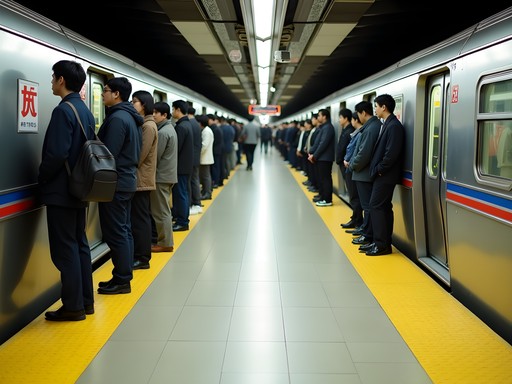
Lastly, queuing for trains is an art form in Tokyo. Look for the painted lines on platforms and join the orderly queues that form. Cutting in line or rushing ahead when doors open will earn disapproving glances.
One personal essential I always carry is a compact hand towel - public restrooms often don't have hand dryers, and having a small towel is both practical and culturally appropriate.

💡 Pro Tips
- Stand on the left side of escalators in Tokyo (right side in Osaka) to allow people to pass
- Have your Suica/Pasmo ready before reaching the gates to maintain smooth flow
- If lost, find a station attendant rather than blocking traffic while consulting maps
Final Thoughts
Tokyo's transit system, once decoded, transforms from an intimidating maze into a gateway for authentic exploration. I still remember my grandmother's words when teaching me to navigate Yokohama's trains as a child: "The rails connect more than stations—they connect stories." Each time I return to Japan, I'm reminded that mastering this system isn't just about efficient travel; it's about connecting with the city's rhythm and soul.
Start small by focusing on the Yamanote Line and one or two subway lines relevant to your accommodations. Build confidence gradually, and soon you'll be navigating transfers with the smooth precision of a local. Embrace the occasional wrong turn—some of my most memorable Tokyo discoveries came from accidental detours.
The true beauty of Tokyo's transit lies in its reliability. In a city where trains apologize for departing 20 seconds early, you're experiencing not just transportation but a cultural philosophy of precision, respect, and harmony. Take that spirit with you as you explore, and Tokyo will reveal itself not as an overwhelming metropolis, but as a collection of fascinating neighborhoods connected by silver threads of rail.
✨ Key Takeaways
- Get a Suica/Pasmo card immediately upon arrival for seamless travel
- Use transit apps for real-time navigation rather than trying to memorize the system
- Group your sightseeing by area to minimize transit costs and maximize exploration time
- Observe and respect local transit etiquette for a smoother experience
- Allow extra time for transfers at major stations until you become familiar with their layouts
📋 Practical Information
Best Time to Visit
year-round
Budget Estimate
¥1,000-2,000 per day for transit
Recommended Duration
1-week
Difficulty Level
Beginner (With Preparation)

Comments
firsttimetokyo
Bookmarking this for my trip next spring! Thanks!
tokyofan88
Pro tip: if you have mobile payment set up, you can add your Suica to Apple Wallet or Google Pay and just use your phone! Saved me so much fumbling around.
sunsetmood
OMG this brought back so many memories! Got lost in Shinjuku Station THREE TIMES on my first day 😂 But by the end of the week I was zipping around like a local! The Suica card is a total game changer!
vacationperson
That makes me feel better about being nervous! Did you use any specific apps to help navigate?
sunsetmood
Yes! I used Japan Travel by NAVITIME which was amazing for transit directions - works offline too which saved me when my data was spotty. But honestly, the station staff are super helpful even with limited English!
Douglas Bradley
Nicholas, this guide is phenomenal and aligns perfectly with my experiences. I'd add that Google Maps works surprisingly well for transit directions in Tokyo, but I've found Japan Transit Planner to be even more accurate for complex routes. One tip I always share: when transferring at major hubs like Shinjuku or Tokyo Station, follow the color-coded signs religiously - they're lifesavers! And for anyone struggling with the language barrier, most ticket machines have English options (just look for the little button in the corner). I spent three weeks hopping around Tokyo last year and the transit system went from intimidating to exhilarating within days.
Nicholas Ramos
Thanks for the additional tips, Douglas! You're absolutely right about Japan Transit Planner - I should have mentioned that. And those color-coded signs are indeed essential navigation tools.
vacationperson
This is super helpful! I'm heading to Tokyo next month for the first time. Is it worth getting a Suica card right at the airport or should I wait until I'm in the city?
Douglas Bradley
Definitely get it at the airport! The machines have English options and it saves you from fumbling with tickets on your first day when you're jetlagged. You can even get a Welcome Suica that doesn't require the usual deposit.
vacationperson
Thanks Douglas! That's really helpful. I'll do that for sure.
Timothy Jenkins
Excellent guide, Nicholas. I particularly appreciated your section on the station labyrinth navigation - the colour-coded signage tip is spot on. One thing I'd add for first-time visitors: download the Tokyo Metro app before you arrive. The offline maps feature saved me multiple times when my data wasn't working underground. Also, during rush hour (7-9am), some stations have women-only carriages which can be less overwhelming if you're traveling with children or just want a bit more space. The system really is remarkably efficient once you understand the basics.
moonking
Quick question - is the Suica card worth getting if I'm only staying 5 days? Or should I just buy individual tickets?
Timothy Jenkins
Absolutely get the Suica! Even for 5 days it's worth it. You can use it at convenience stores too, not just trains. Makes everything so much faster than queuing for tickets each time.
moonking
Oh nice didn't know about the convenience store thing. Thanks!
skymaster
Shinjuku station is absolutely insane!! Got lost there for like 40 minutes lol
Nicholas Ramos
Haha, 40 minutes is actually pretty good for a first timer! The west exit vs east exit confusion gets everyone.
skymaster
Right?? I was trying to find the JR line and kept ending up at the metro entrances
George Hayes
We just got back from Tokyo with our two kids (8 and 11) and I wish I'd read this beforehand! The transit system seemed overwhelming at first, but by day three we were navigating like locals. My daughter loved being in charge of tapping our Pasmo cards. One unexpected challenge was navigating with strollers - not all stations have elevators, so we ended up using a baby carrier more than expected. The trains themselves were spotless and always on time though. My son still talks about the punctuality!
summerace
Good to know about the strollers! Thanks for sharing.
waveace
Been to Tokyo 5 times and this guide nails it. One thing I'd add - don't be afraid to ask station staff for help. They're incredibly patient even with the language barrier. Also, the Yamanote Line is your best friend when you're first learning the system. It loops around all the major areas so you can't really get too lost. Pro tip: avoid rush hour (7-9am, 5-7pm) if you can. I made that mistake once at Shibuya and thought I was gonna get trampled!
Venture X
Premium card with 2X miles, $300 travel credit, Priority Pass