


Disclosure: This article contains affiliate links. We may earn a commission from purchases at no extra cost to you, which helps our travel content.
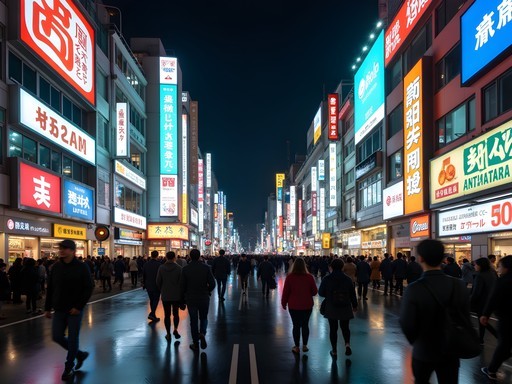
There's something magical about Tokyo after dark. As a PE teacher from Buffalo who's been fortunate enough to visit Japan four times now, I've developed what my friends call an 'unhealthy obsession' with izakayas – those cozy Japanese pubs where food and drink flow in equal measure, and where the real soul of Tokyo reveals itself night after night. My first izakaya experience happened by accident when I ducked into a tiny establishment in Shinjuku to escape a sudden downpour. Five hours, countless small plates, and several new Japanese friends later, I emerged with a newfound passion that's drawn me back to Tokyo's labyrinthine alleyways time and again. What follows is my carefully curated night crawl through the hidden izakayas of Shinjuku and Shibuya – perfect for couples looking to experience authentic Tokyo nightlife beyond the tourist trail.

Understanding the Izakaya Culture
Think of izakayas as Japan's answer to tapas bars – casual drinking establishments where the food is just as important as the beverages. The word itself combines 'i' (to stay) and 'sakaya' (sake shop), reflecting their evolution from sake stores where customers would linger to drink. Today, they're the cornerstone of Japanese after-work social life.
What makes izakayas special isn't just the food or drink, but the atmosphere. Most are intimate spaces where you'll sit elbow-to-elbow with locals unwinding after work. There's an unspoken choreography to the experience: order drinks first (typically beer or sake), followed by a steady stream of small plates designed for sharing. Unlike Western restaurants, there's no rush – you're expected to take your time.
As someone who grew up in a cross-cultural household, I've always appreciated how izakayas blend formality with relaxed conviviality. There are customs to observe – saying 'kampai' (cheers) before drinking, using the small oshibori towel for hands only, not waving your chopsticks around – but the overall vibe is decidedly laid-back. It's this beautiful contradiction that makes them such perfect places for couples to connect while experiencing authentic Japanese culture.
Before setting out, I recommend downloading the Japan travel phrasebook app to your phone. While many izakaya staff in Tokyo speak some English, having key phrases at your fingertips shows respect and opens doors to more authentic experiences.

💡 Pro Tips
- Always greet staff with 'Konbanwa' (good evening) when entering
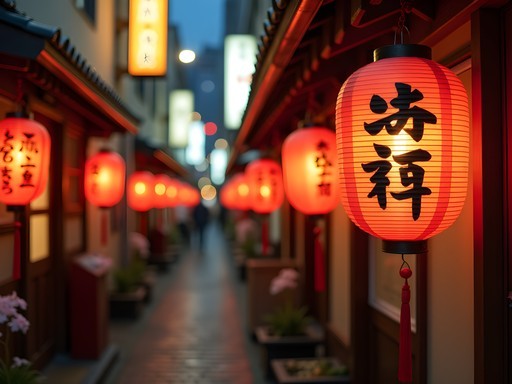
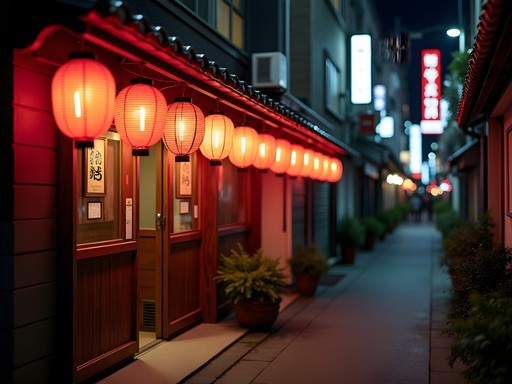
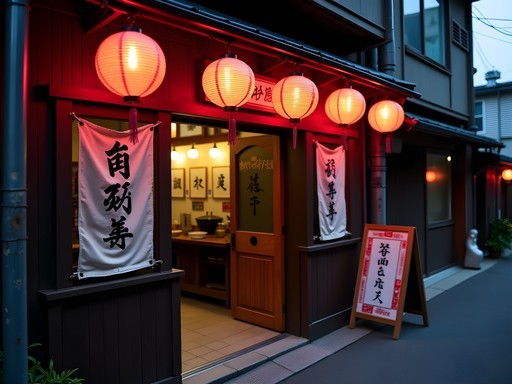
- Look for red lanterns (akachōchin) outside – the traditional izakaya symbol
- Most izakayas have a seating charge (otōshi) of 300-700 yen per person – it's standard practice
Navigating Shinjuku's Golden Gai & Omoide Yokocho
My love affair with Tokyo's izakaya scene began in Shinjuku's legendary Golden Gai – a network of six narrow alleys packed with over 200 tiny bars and eateries, most seating just 5-10 customers. This atmospheric warren of two-story buildings survived the post-WWII development boom and feels like stepping back in time.
On my last visit, my friend Takashi (a local I met during my first trip) guided me to Albatross, a three-story izakaya with eclectic decor and a rooftop offering rare Golden Gai views. The mama-san (female proprietor) remembered me from two years prior – a testament to the personal connections that make izakaya culture special.
Just a 10-minute walk west lies Omoide Yokocho (Memory Lane), affectionately nicknamed 'Piss Alley' from its less sanitary post-war days. Don't let the charming moniker deter you – this narrow pedestrian alley houses dozens of tiny yakitori (grilled chicken skewers) specialists where salary men have been unwinding since the 1940s.
For couples seeking authentic experiences, I recommend Ebisu Yokocho in Omoide. This standing-only joint specializes in motsu-nabe (offal hotpot) and serves the best chicken hearts I've had anywhere. The chef grills them over binchotan charcoal right before your eyes, seasoned simply with salt and a squeeze of lemon. Paired with a frosty Sapporo, it's perfection.
Navigating these labyrinthine districts can be overwhelming, so before my last trip, I invested in a portable Wi-Fi device which proved invaluable for checking locations and translating menus on the fly. In these narrow alleys where Google Maps struggles with precision, having reliable internet access is essential for finding your way back to the train station after those sake rounds.

💡 Pro Tips
- Many Golden Gai establishments have cover charges – look for signs or ask before entering
- Bring cash – most smaller izakayas don't accept credit cards
- If you see a 'regulars only' sign in English, respect it and find another spot
Shibuya's Hidden Izakaya Gems
While Shinjuku's izakaya scene exudes old-world charm, Shibuya offers a fascinating blend of traditional and contemporary drinking establishments. Just steps away from the famous Shibuya Crossing, you'll find Nonbei Yokocho (Drunkard's Alley) – two parallel alleyways lined with dozens of miniature bars and izakayas dating back to the 1950s.
On my third night in Tokyo last spring, I discovered Okasan (meaning 'mother') in Nonbei Yokocho, a six-seat counter izakaya run by an elderly couple for over 40 years. The husband silently prepared sashimi while his wife chatted animatedly with customers. Despite my limited Japanese, she insisted I try her homemade umeshu (plum wine), served in a hand-painted ceramic cup that belonged to her grandmother. These intimate human connections transcend language barriers and create memories that last far longer than photos of tourist attractions.
For couples seeking slightly more space but equally authentic experiences, venture ten minutes north to Ebisu, where you'll find Ebisu Yokocho – an indoor food alley housing multiple specialized izakayas under one roof. My personal favorite is Nikuzushi, which serves – you guessed it – sushi made with meat instead of fish. Their wagyu beef nigiri, lightly seared with a blowtorch and brushed with sweet soy, pairs beautifully with a glass of Dassai 23 sake.
One of my most memorable evenings happened at Uoshin in Ebisu, a boisterous seafood izakaya where you select fresh fish from ice-filled coolers for the chefs to prepare. A Japanese businessman noticed me struggling with the all-Japanese menu and not only helped me order but insisted I join his colleagues. Four hours later, we were belting out American 80s rock songs at a nearby karaoke box – a perfect example of how izakayas facilitate those spontaneous cross-cultural connections I've treasured since childhood.

💡 Pro Tips
- Arrive at popular spots by 6:30pm to secure seats – most don't take reservations
- Order 'omakase' (chef's choice) if you're feeling adventurous
- In Shibuya's izakayas, the freshest seafood typically arrives on Tuesdays and Fridays

Essential Izakaya Dishes & Drinks
The beauty of izakaya dining lies in its variety – each establishment typically specializes in particular dishes that reflect the chef's expertise. Rather than ordering a large main course, the izakaya experience is about sampling many small plates, creating a personalized tasting menu that evolves as the night progresses.
As a PE teacher who values both nutrition and indulgence (balance is key!), I appreciate how izakaya food offers incredible flavor without the heaviness of Western bar food. Start with edamame (steamed soybeans) or hiyayakko (chilled silken tofu with ginger, bonito flakes, and soy sauce) – light dishes that complement your first round of drinks.
For protein, yakitori (grilled chicken skewers) is an izakaya staple. Don't just stick to breast meat – try the more flavorful parts like thigh (momo), skin (kawa), or my personal favorite, the tender oyster meat (soriresu) found near the thigh. If you're feeling adventurous, order the chicken heart (hatsu) or liver (reba) – they're delicacies in Japan.
Seafood lovers should seek out izakayas specializing in grilled fish. One of my most memorable meals was at an izakaya near Tsukiji where the chef salt-grilled whole aji (horse mackerel) until the skin was crispy while the flesh remained succulently tender.
For drinks, start with a draft beer (nama bīru) – usually Asahi, Kirin, or Sapporo. Once you've cooled down, transition to sake or shochu. Quality sake is served chilled, not hot, and comes in a bewildering variety of styles from dry (karakuchi) to sweet (amakuchi). If you're unsure, ask for a tasting flight to discover your preference. I track my favorites using the sake journal which has helped me develop my palate over multiple Japan trips.
My partner and I always end our izakaya crawls with an order of dashimaki tamago (Japanese rolled omelet) – the ultimate comfort food that soaks up any excess alcohol before the journey home.

💡 Pro Tips
- Order dishes progressively – light to heavy, mild to strong flavors
- When your drinks get low, expect prompt service – empty glasses signal attentive staff
- Try 'nama-bīru' (draft beer) first, then progress to sake as your meal develops
Izakaya Etiquette: Navigating Social Customs
As someone who grew up between German and American cultures, I've always been fascinated by the unwritten social rules that govern different societies. Japanese izakaya culture has its own set of customs that, when understood, enhance the experience immensely.
First, the seating charge (otōshi) that appears on your bill isn't a tourist tax – it's standard practice and usually includes a small appetizer. Consider it the price of occupying space in these tiny establishments. Similarly, don't be surprised when your table is given a time limit during peak hours – most izakayas operate on tight margins and need customer turnover.
When drinking, observe the beautiful ritual of oshaku – pouring drinks for others rather than yourself. If someone pours for you, lift your glass with both hands as a sign of respect. These small gestures build connection across language barriers.
One custom that caught me off-guard during my first visit was the oshibori ritual. These small towels (hot in winter, cold in summer) are for cleaning your hands only – never use them on your face or neck as Westerners might with a napkin.
Izakayas vary in their smoking policies. While Japan has recently tightened smoking regulations, many smaller establishments still permit it. If you're sensitive to smoke, look for 'no smoking' signs or ask 'kinen-seki arimasu ka?' (Do you have non-smoking seats?)
For couples visiting Tokyo, learning a few key phrases goes a long way. Before my first trip, I spent evenings practicing with my Japanese language guide which helped me master essential izakaya vocabulary beyond basic tourist Japanese. Even simple phrases like 'oishii desu!' (This is delicious!) or 'kanpai!' (Cheers!) create genuine connections with staff and fellow patrons.
Perhaps the most important etiquette tip: embrace the concept of 'nomunication' – a Japanese portmanteau of 'nomu' (to drink) and 'communication.' Izakayas are social spaces where the boundaries between strangers blur after a few drinks. Some of my most treasured Tokyo memories involve impromptu conversations with locals who were initially reserved but opened up over shared plates and sake cups.

💡 Pro Tips
- Always say 'itadakimasu' before eating and 'gochisōsama deshita' after finishing
- Never stick your chopsticks vertically into rice – it resembles funeral incense
- If invited to join locals, accept graciously – it's a genuine gesture of hospitality
Planning Your Perfect Izakaya Crawl
After multiple Tokyo visits, I've perfected the art of the izakaya crawl. The key is balancing structure with spontaneity – have a general plan but be ready to abandon it when that unmarked doorway with delicious aromas beckons.
Start your evening around 6:00-6:30pm to secure seats at your first destination. While many Tokyo restaurants require reservations, most authentic izakayas operate on a first-come, first-served basis. I recommend beginning in Golden Gai or Nonbei Yokocho, then progressing to larger establishments as the night continues and inhibitions lower.
For couples, I suggest limiting your crawl to 3-4 establishments in one night. At each spot, order one drink and 2-3 small dishes per person. This approach lets you experience diverse specialties without overwhelming your palate or your wallet. Plan to spend roughly 45-60 minutes per location.
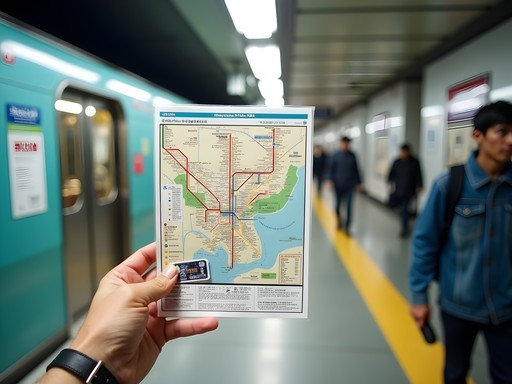
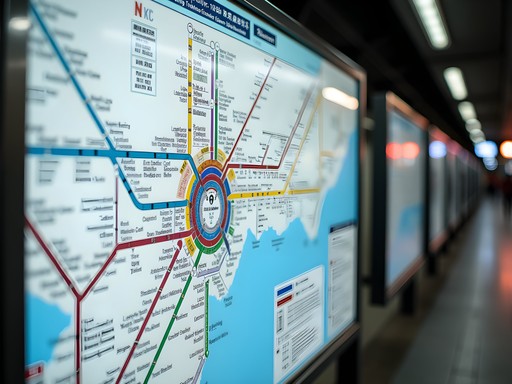
Navigating between districts is easiest via Tokyo's impeccable subway system, but be aware that trains stop running around midnight. If you're planning a late night, check the schedule for your route back to your accommodation or be prepared to take a taxi. I always keep my hotel's address written in Japanese to show drivers.
While spontaneity is part of the fun, having a loose itinerary helps. On my last trip, I created a custom Google Map marking izakayas I wanted to try, saving it offline on my smartphone power bank which was a lifesaver during long nights exploring Tokyo's backstreets. The last thing you want is a dead phone when you're trying to find your way back after sampling Japan's finest sake!
For couples seeking romance alongside culinary adventure, include at least one upscale izakaya in your crawl. Establishments like Tsurutontan in Roppongi or Gonpachi in Nishi-Azabu (famous for inspiring the Kill Bill restaurant scene) offer more space and English-friendly service while maintaining authentic flavors.
Finally, remember that izakaya hopping is a marathon, not a sprint. Pace your drinking, stay hydrated with water between establishments, and don't feel pressured to finish every dish or drink. The goal is to create memories through food, not to challenge your liver's processing capabilities!

💡 Pro Tips
- Visit higher-end places early when you're more likely to appreciate subtle flavors
- Keep track of spending with the 'one drink, 2-3 dishes' rule per establishment
- Take photos of your favorite dishes and establishments – izakayas can be hard to find again!
Final Thoughts
As I sit writing this from my home in Buffalo, the taste of charcoal-grilled yakitori and the warmth of premium sake still linger in my memory. Tokyo's izakayas represent everything I love about travel – the perfect intersection of food, culture, and human connection. These humble establishments have taught me more about Japanese society than any museum or temple ever could. For couples seeking authentic experiences, there's something uniquely bonding about navigating these hidden gems together, sharing small plates and big laughs while creating memories that will outlast any souvenir. Whether you're clinking glasses with newfound friends in a six-seat counter joint or discovering your new favorite food in an alley you stumbled upon by accident, Tokyo's izakaya culture offers a window into the soul of this magnificent city. So raise a glass – kampai! – and dive into the beautiful controlled chaos of Tokyo's hidden izakaya scene. I promise it will be the highlight of your Japanese adventure.
✨ Key Takeaways
- Izakayas offer a more authentic nightlife experience than tourist-oriented restaurants
- The best establishments are often hidden in plain sight – look for red lanterns and narrow doorways
- Learning basic Japanese phrases and etiquette dramatically enhances your experience
- Balance planning with spontaneity for the perfect izakaya crawl
📋 Practical Information
Best Time to Visit
year-round, though spring (March-May) and fall (September-November) offer the most pleasant weather
Budget Estimate
$50-100 per person for a night of izakaya hopping (3-4 establishments)
Recommended Duration
One full evening (6pm-midnight)
Difficulty Level
Intermediate - Requires Some Navigation Skills And Basic Japanese Phrases

Comments
Jean Wells
Excellent write-up, Kennedy. One addition for your readers: if you're visiting Golden Gai, be aware that some bars charge a 'seating fee' (¥500-1,000) which can surprise first-timers. It's standard practice in these tiny establishments. Also, Omoide Yokocho gets incredibly crowded after 8pm on weekends - I recommend arriving around 6:30-7pm for a more relaxed experience. The yakitori at Kabuto is exceptional if it's still there.
beachace7261
Good to know about the seating fee! Would've caught me off guard
wintertime
Great post! Thanks for sharing
summerwalker
YES!! I went to Tokyo last spring and stumbled into an izakaya in Shibuya totally by accident and it was honestly the highlight of my trip! The owner didn't speak much English but he was so friendly and kept bringing us different dishes to try. I had no idea what half of it was but everything was delicious. Your post is making me want to go back and actually explore properly this time instead of just getting lucky lol. Did you have any language barriers?
Jean Wells
That's the beauty of izakayas! Even after living here for years, I still discover new favorites. Many have picture menus now, and pointing works surprisingly well. The omakase approach (letting the chef choose) is always a safe bet.
summeradventurer
Love this! Adding to my bucket list
freeexplorer8586
Pro tip: learn how to say "osusume wa nan desu ka" (what do you recommend?). Worked wonders for me at places without English menus. The owners always seemed happy to suggest their specialties. Also the highball and lemon sour game in Tokyo izakayas is next level.
beachace7261
This sounds amazing! Quick question - do most of these places in Golden Gai accept credit cards or should I bring cash? Planning my trip for October and trying to figure out logistics.
Jean Wells
Definitely bring cash! Most izakayas in Golden Gai are tiny establishments that only accept yen. I'd recommend withdrawing from 7-Eleven ATMs - they have the best rates and are everywhere. Budget about ¥5,000-8,000 per person for a good night out.
beachace7261
Thanks! Super helpful
Casey Andersson
This brings back memories! I did a similar crawl last autumn and stumbled into this tiny 6-seat place in Shibuya where the owner spoke zero English but made the most incredible grilled fish I've ever tasted. He drew us pictures to explain each dish. That's the magic of these places - they're not just about the food, they're about those unexpected human connections. Kennedy, your point about going early to secure seats is crucial. We made the mistake of starting at 10pm on a Friday and everywhere was packed. Also, for anyone planning this, bring cash - most small izakayas don't take cards.
wintertime
The cash thing is so important! Learned that the hard way
wavehero
Golden Gai is incredible at night
wanderlustmaster
Going to Tokyo in March! How did you find these places? Just wandering around or did you have a map? My Japanese is basically nonexistent lol
Casey Andersson
Not Kennedy, but I'd recommend downloading Google Maps offline for the area. Most izakayas have photos on Google reviews even if the names are in Japanese. Also, don't be afraid to just follow the red lanterns - that's half the fun!
wanderlustmaster
Thanks! That's really helpful
summerzone
Love the photos!
Venture X
Premium card with 2X miles, $300 travel credit, Priority Pass