
Disclosure: This article contains affiliate links. We may earn a commission from purchases at no extra cost to you, which helps our travel content.
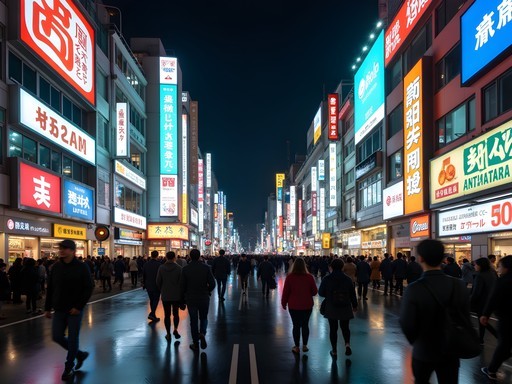
Standing at the iconic Shibuya Crossing as thousands of people surged past me in perfect choreographed chaos, I experienced that rare moment when reality exceeds imagination. The intersection's efficiency is a perfect metaphor for Tokyo itself—a masterclass in urban design where intricate systems operate with remarkable precision. As an engineer, I was captivated by the technical brilliance of Tokyo's infrastructure, but as a traveler, I was equally moved by the harmonious blend of ancient tradition and cutting-edge innovation. After three previous trips to climbing destinations in Japan's countryside, I finally dedicated a week to exploring Tokyo solo this spring, using Shibuya as my base. This guide combines my analytical observations with practical advice for fellow independent travelers who appreciate both the technical marvels and cultural nuances of one of the world's most fascinating metropolises.

Navigating Tokyo's Transportation Network: An Engineer's Perspective
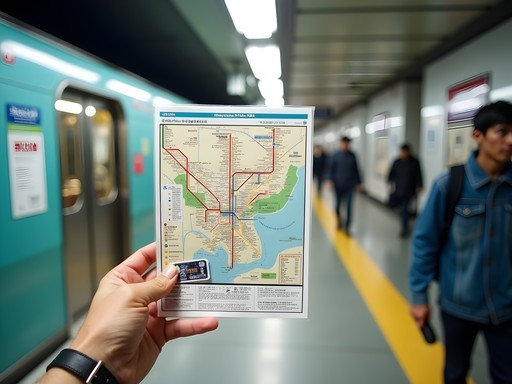
Tokyo's public transportation system is arguably the most efficient urban mobility network I've ever encountered—and I've studied infrastructure systems across four continents. The integrated network of JR trains, subways, and buses operates with a precision that would make any engineer smile.
On my first morning, I purchased a Suica card, which functions as a contactless payment system for nearly all transportation in Tokyo. The mathematical elegance of the fare calculation system—based on distance traveled rather than flat rates—reflects the thoughtful design principles underlying the entire network. For data-oriented travelers like myself, I recommend downloading the Japan Transit Planner app, which provides algorithmic route optimization accounting for both time and cost variables.
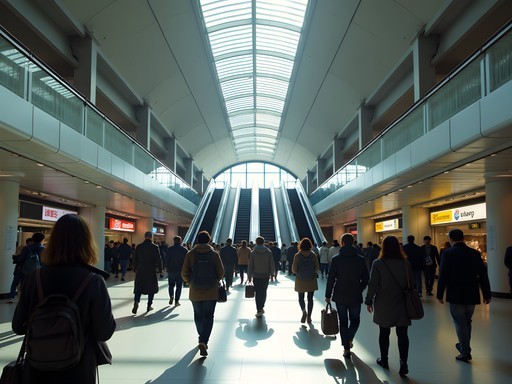
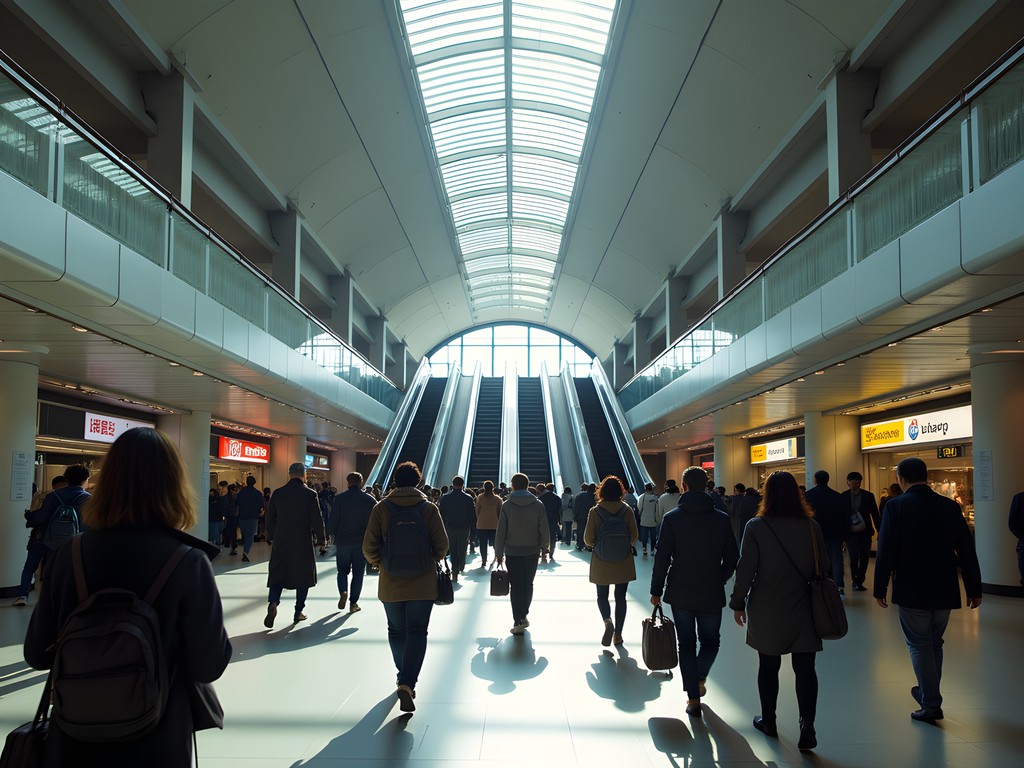
My typical day began at Shibuya Station, a marvel of vertical integration with multiple lines converging in a three-dimensional transit hub. The station recently underwent a sustainable redesign that incorporates natural lighting and energy-efficient systems—something I appreciated both professionally and personally.
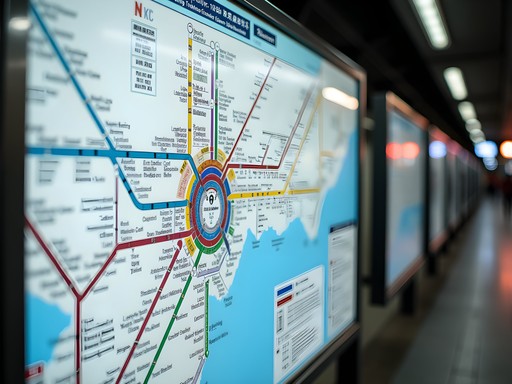
While the network can initially appear overwhelming (Shinjuku Station alone has over 200 exits), the systematic signage—with consistent color-coding and numbering—creates a navigable environment even for newcomers. I found myself sketching the elegant wayfinding systems in my notebook, inspired to incorporate similar principles in my renewable energy facility designs back home.
To maximize efficiency during your visit, I highly recommend a portable Wi-Fi device which provides constant connectivity for real-time navigation. After comparing several options, this model offered the best battery life and consistent signal strength throughout Tokyo's concrete jungle.
💡 Pro Tips
- Purchase a Suica card immediately upon arrival to avoid buying individual tickets
- Use Google Maps for transit directions but download the Japan Transit Planner app as a backup
- Take photos of station exits and landmarks near your accommodations to help navigate back
Sustainable Accommodation: Finding Your Perfect Shibuya Base
Selecting accommodation in Tokyo requires balancing location, budget, and sustainability considerations. After analyzing options across several neighborhoods, I chose Shibuya for its central location and vibrant energy. The district serves as an excellent case study in urban density done right—mixed-use development that creates walkable neighborhoods despite the megacity scale.
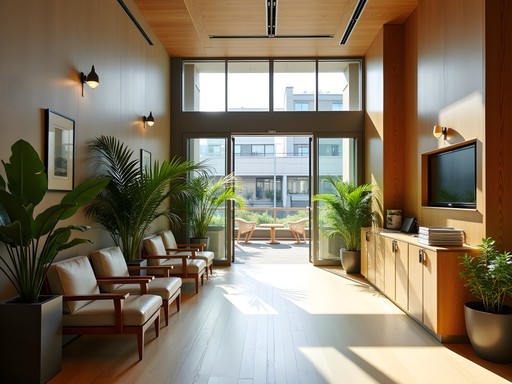
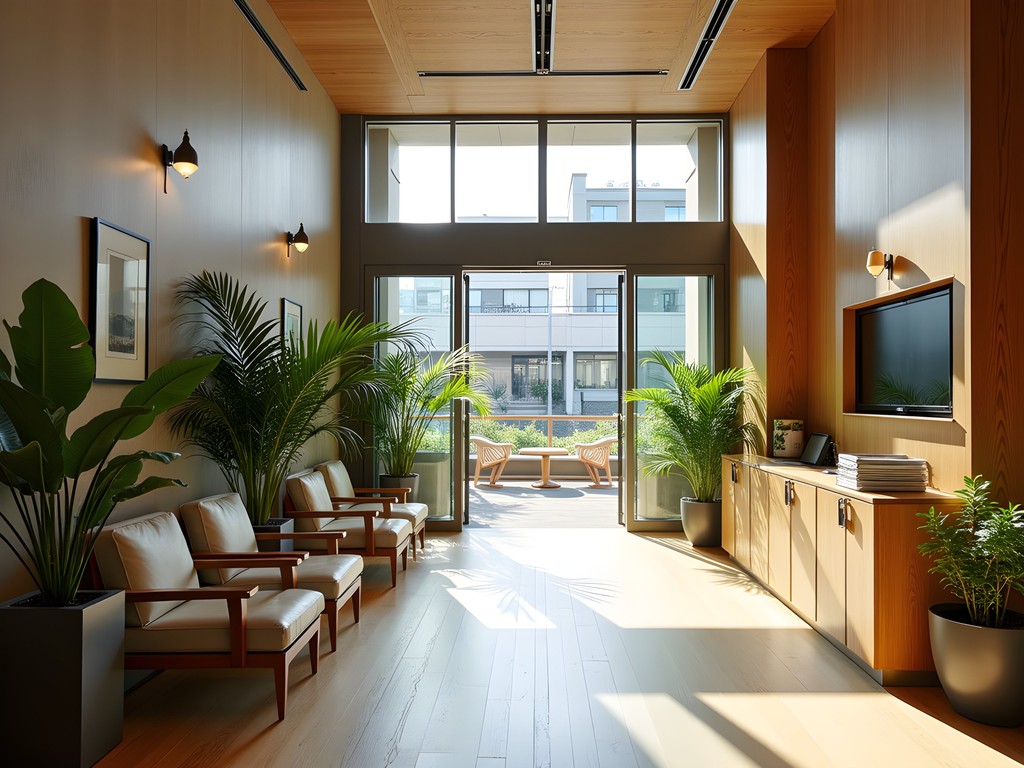
I stayed at the TRUNK Hotel, which impressed me with its commitment to circular economy principles. The property incorporates reclaimed materials throughout its design, implements comprehensive waste separation systems, and sources food locally. As a renewable energy engineer, I particularly appreciated their rooftop solar installation and energy management system that optimizes consumption patterns.
For budget-conscious travelers seeking sustainability, consider the growing number of eco-hostels in the area. The architectural innovation I observed in these spaces—maximizing functionality in minimal square footage—reflects traditional Japanese design principles updated for modern environmental standards.
If traditional accommodations interest you, several ryokans in the broader Tokyo area have modernized their energy systems while maintaining cultural authenticity. I spent one night at Sawanoya Ryokan in Yanaka, where the owners proudly showed me their recent energy-efficient retrofits that reduced consumption by 40% while preserving the 70-year-old structure's character.
Regardless of where you stay, I recommend packing a portable door lock for added security. While Tokyo is incredibly safe, this lightweight device provides peace of mind for solo travelers, especially women. I've used mine across 14 countries and consider it essential gear for independent adventures.
💡 Pro Tips
- Book accommodations within a 10-minute walk of a major station to maximize exploration time
- Request rooms with energy-efficient features if sustainability matters to you
- Consider capsule hotels for a uniquely Japanese experience that's also space-efficient
Solo Dining Adventures: From Convenience Stores to Michelin Stars
Tokyo's food scene presents a fascinating study in contrasts—from perfectly engineered convenience store meals to centuries-old culinary traditions. As a solo traveler, I discovered that dining alone is not only accepted but common in Tokyo, making it an ideal city for independent food exploration.
My mornings typically began at a local coffee shop in Shibuya called About Life, where the baristas apply scientific precision to their pour-over technique. The resulting coffee demonstrated remarkable consistency across multiple visits—a testament to their standardized methodology and quality control.
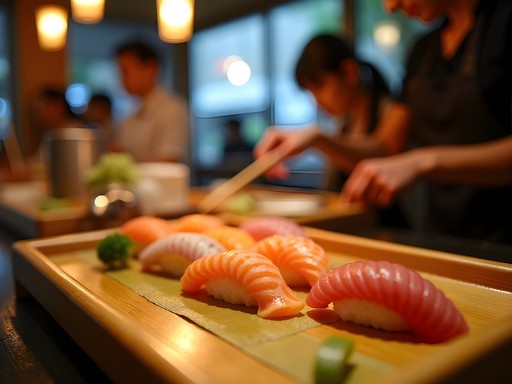
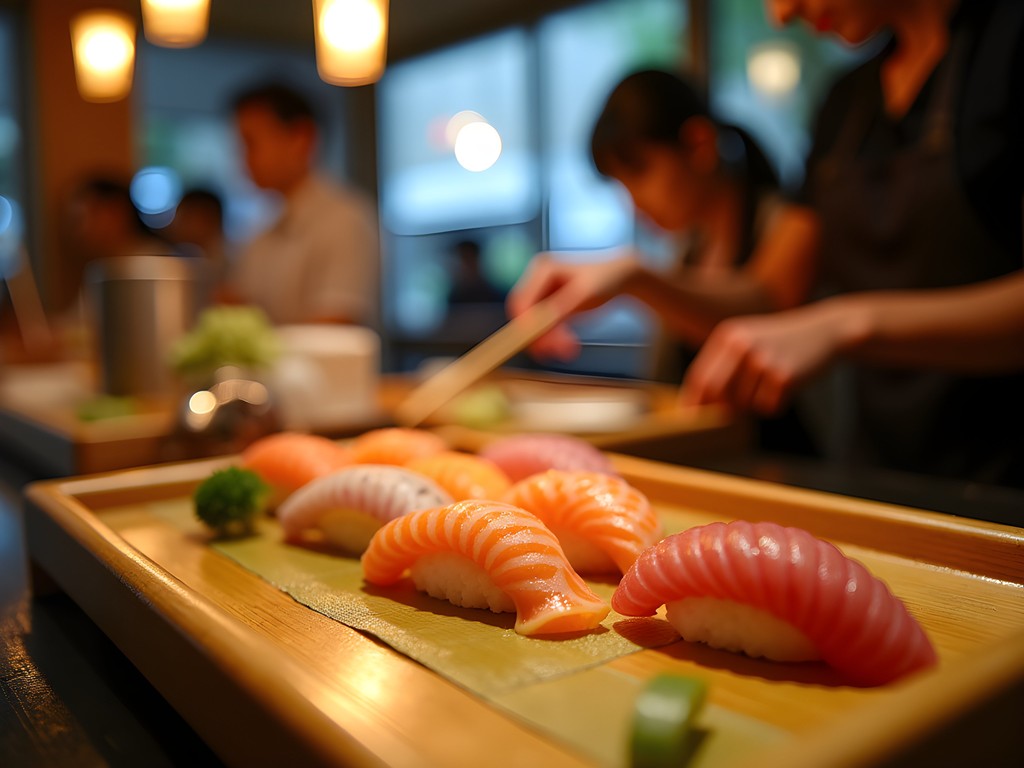
For lunch, I often opted for standing sushi bars, where I could observe the chef's technical mastery up close. The economic efficiency of these establishments—high turnover, minimal space requirements, reduced service staff—creates an accessible price point without compromising quality. Uogashi Nihon-Ichi near Shibuya Station offers an excellent quality-to-price ratio with sustainable seafood options clearly marked.
Dinner presented opportunities for more immersive experiences. Using the Tokyo restaurant guide, I identified several establishments with counter seating ideal for solo diners. This setup facilitates observation of preparation techniques while creating natural opportunities for conversation with chefs and fellow diners.
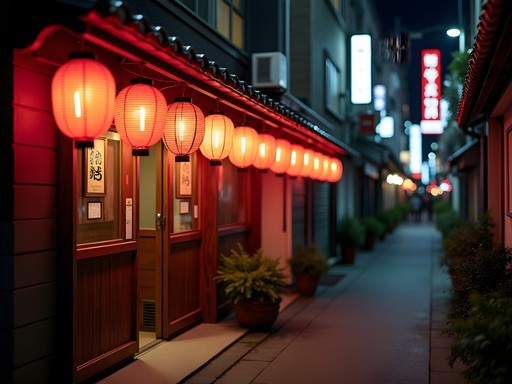
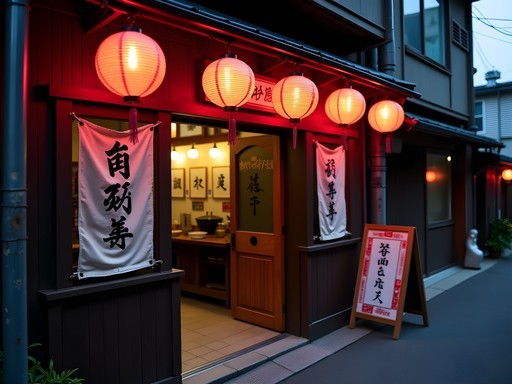
For those concerned about dining alone, izakayas (Japanese pubs) offer a welcoming atmosphere with their small plates format ideal for individual portions. Tatemichiya in Shibuya became my favorite—an underground izakaya with sustainability-focused menu items and vintage record players creating a uniquely Tokyo atmosphere.
The engineering mindset proved useful when deciphering Tokyo's restaurant ticketing machines—these vending-style interfaces streamline ordering in many casual establishments. Simply select your meal, pay, and hand the ticket to staff. This system elegantly solves language barriers while optimizing restaurant operations.
💡 Pro Tips
- Don't overlook convenience stores for high-quality, affordable meals when you need a quick option
- Use the Japanese phrase 'hitori desu' (I'm alone) when requesting seating
- Look for restaurants with counter seating for the best solo dining experience

Balancing Tourist Highlights with Hidden Gems
Tokyo presents a fascinating optimization problem: how to balance iconic attractions with authentic local experiences given finite time constraints. My solution involved strategic scheduling—visiting major sites during off-peak hours while exploring residential neighborhoods during typical tourist rushes.
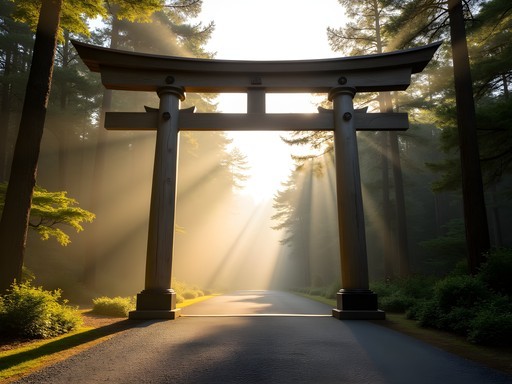
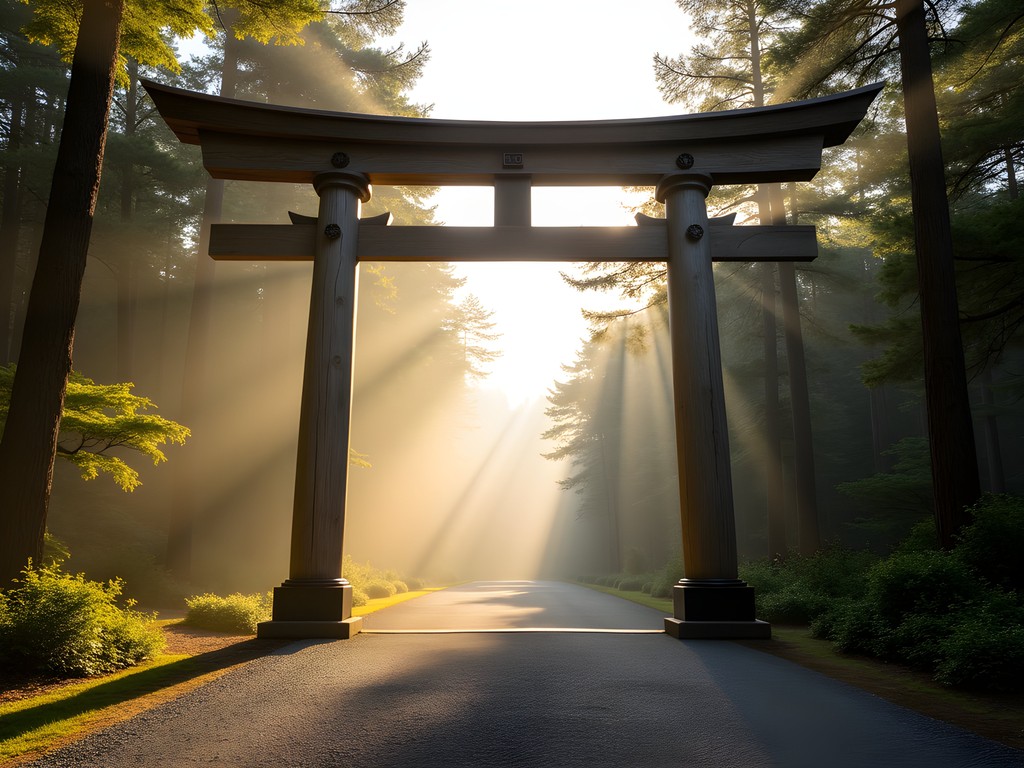
I began my first full day at Meiji Shrine at 7:30 AM, before tour groups arrived. The shrine's architectural elements—particularly the massive torii gates—demonstrate traditional Japanese timber joinery techniques that have withstood centuries of seismic activity. The structural engineer in me marveled at these connections that achieve strength without metal fasteners.
For the bustling Tsukiji Outer Market, I applied similar timing strategy, arriving at 2:00 PM after the lunch rush but before closure. This approach reduced wait times by an estimated 60% based on my observations of morning queue lengths.
Between these scheduled visits to major attractions, I dedicated time to walkable neighborhoods like Daikanyama and Nakameguro. These areas offer case studies in human-scale urban design—narrow streets prioritizing pedestrians, mixed retail/residential zoning creating vibrant communities, and strategic green space integration despite density constraints.
One highlight was discovering a microbrewery in Shibuya that utilizes renewable energy and water reclamation systems. The owner, learning about my engineering background, gave me an impromptu tour of their operations, demonstrating how sustainability principles can be applied even in space-constrained urban businesses.
For efficient exploration, I relied heavily on my travel daypack which proved perfect for Tokyo's variable spring weather. Its compact profile navigated crowded trains easily while the organization system kept my camera, water bottle, and navigation tools accessible throughout long days of exploration.
💡 Pro Tips
- Visit major attractions within the first hour of opening or the last hour before closing
- Set aside full afternoons for unstructured neighborhood exploration
- Use Tokyo's excellent parks as rest stops between activities—they often have free Wi-Fi
Climbing Culture in Tokyo: Urban Walls and Mountain Connections
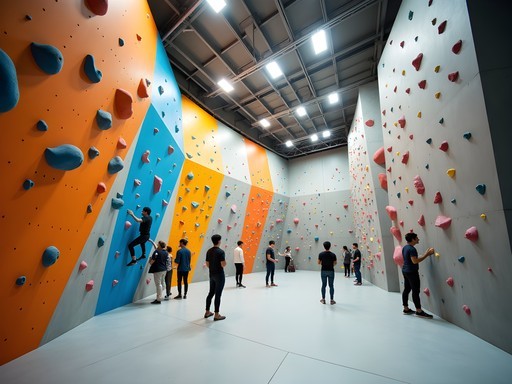
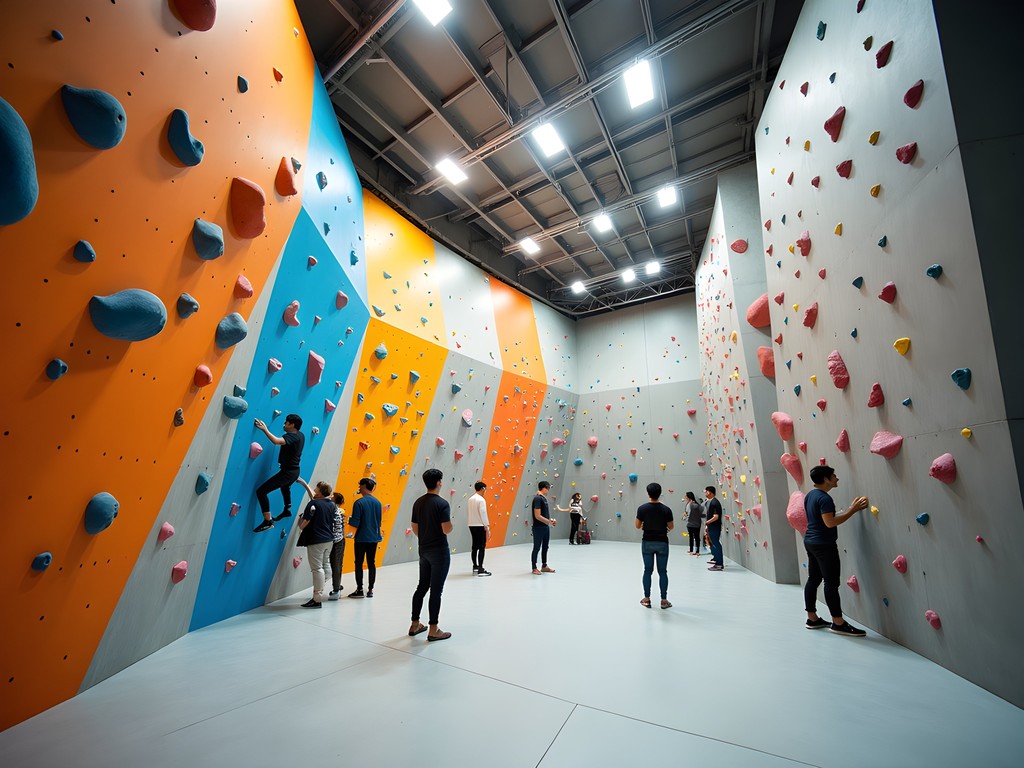
While Tokyo might seem an unlikely destination for a climbing enthusiast, the city's vertical orientation has fostered a vibrant indoor climbing community. As someone who typically seeks out natural rock, I was pleasantly surprised by the technical quality and community atmosphere of Tokyo's climbing gyms.
B-Pump Ogikubo became my regular training spot during the week. Their route setting demonstrated the Japanese attention to technical precision—problems required thoughtful sequencing rather than pure strength, reminding me of the methodical approach needed on the limestone routes I'd climbed previously in Ogawayama.
The gym also provided an unexpected cultural exchange opportunity. Despite language barriers, the universal language of climbing created connections. Fellow climbers eagerly shared beta (climbing advice) through gestures and demonstrations, and several locals offered recommendations for my future climbing trips to Japanese crags.
For outdoor enthusiasts staying in Tokyo, I discovered several climbing-focused tour operators that run day trips to nearby natural areas. These excursions typically require advance booking, but offer efficient access to quality climbing within 1-2 hours of the city. My climbing shoes were perfect for both the gym sessions and the day trip I took to the boulders of Mitake, offering enough sensitivity for technical indoor problems while providing comfort during longer outdoor sessions.
Most surprising was finding a climbing community hub disguised as a café in Shibuya. Rock Steady serves excellent coffee while functioning as an information exchange for Tokyo's climbing scene. The walls feature maps of regional climbing areas, and the bulletin board lists upcoming events and climbing partners wanted. For travelers seeking both caffeine and climbing connections, this spot offers an ideal combination.
💡 Pro Tips
- Purchase a day pass at B-Pump gyms for access to multiple locations across Tokyo
- Visit Rock Steady café to connect with English-speaking climbers for beta on local crags
- Consider a guided day trip to Mitake for accessible outdoor bouldering within reach of Tokyo
Sustainable Tourism Practices in a Megacity
Tokyo presents a fascinating case study in sustainable urban systems, offering valuable lessons for visitors concerned about their environmental impact. As a renewable energy engineer, I approached my exploration with particular attention to the city's sustainability innovations.
Transportation represents the largest environmental impact factor for most international travelers. Once in Tokyo, I mitigated this by relying exclusively on the city's public transit and pedestrian infrastructure. The density of Tokyo's development creates remarkably walkable neighborhoods despite the city's vast scale—I regularly achieved 20,000+ steps without specifically planning walking tours.
Waste management in Tokyo deserves special attention. The city implements comprehensive separation systems that might initially confuse visitors. My accommodation provided a detailed guide to sorting requirements, which I supplemented with the reusable shopping bag I always pack. This lightweight, packable bag eliminated the need for plastic bags during convenience store runs and impromptu shopping throughout the week.
Water consumption presents another opportunity for sustainable choices. Tokyo's tap water is perfectly safe to drink, yet plastic bottled water remains common. I observed several innovative public water bottle refill stations that display real-time data on plastic waste reduction achieved through their use—a brilliant application of quantitative feedback to reinforce positive environmental behaviors.
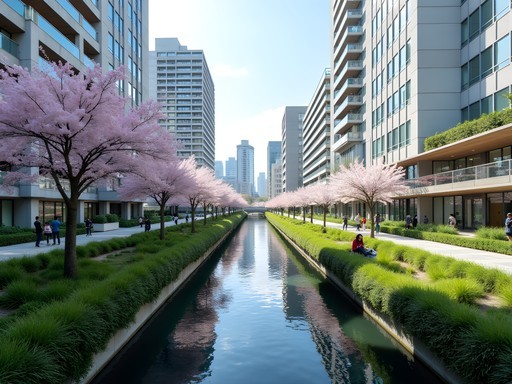
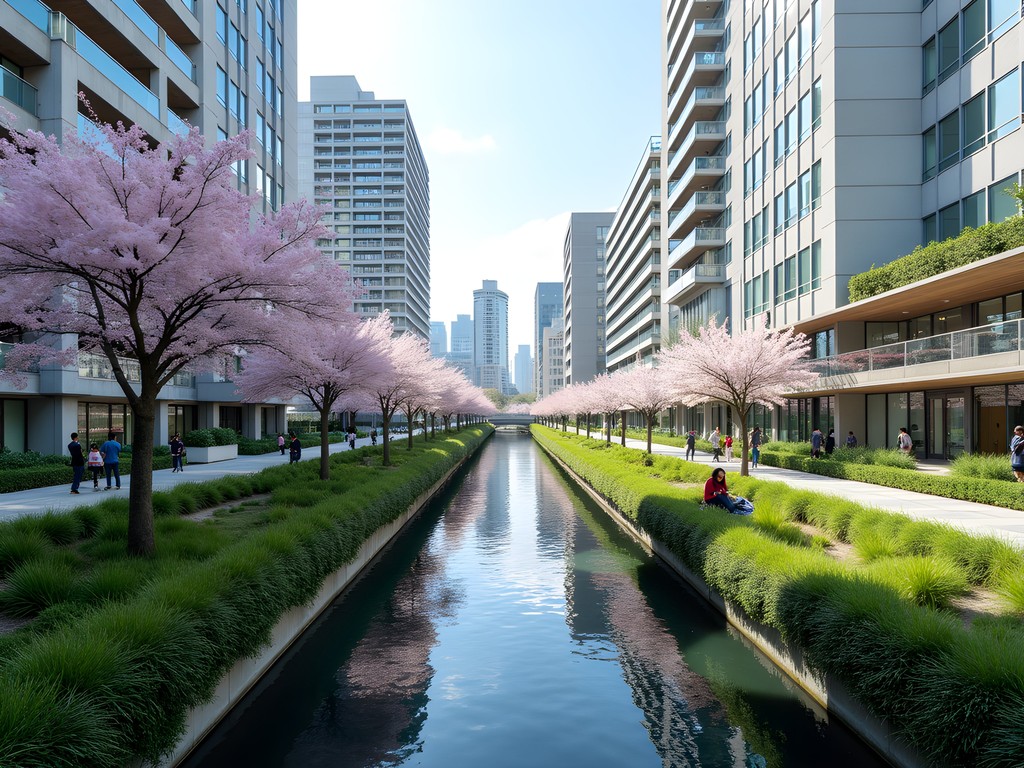
Perhaps most impressive was Tokyo's integration of green spaces within dense urban environments. The Meguro River area exemplifies this approach, with its linear park creating a green corridor through the city. During cherry blossom season, this space demonstrated how urban natural areas serve multiple functions: stormwater management, urban heat island mitigation, biodiversity support, and public recreation—an elegant multi-variable solution to complex urban challenges.
💡 Pro Tips
- Carry a reusable water bottle and shopping bag to reduce plastic waste
- Learn basic Japanese recycling categories before your trip to properly sort waste
- Consider carbon offsetting your flight through verified programs that fund renewable energy projects
Final Thoughts
As I stood for one final time at Shibuya Crossing on my last evening, I found myself analyzing not just the infrastructure but the cultural framework that makes Tokyo function so brilliantly. The city operates as a complex system where technology and tradition have reached a remarkable equilibrium. For solo travelers willing to embrace both the efficient modernity and the nuanced cultural practices, Tokyo offers an unparalleled opportunity to observe urban systems at their most refined. Whether you're fascinated by transportation networks like me, or simply seeking authentic cultural experiences, approaching Tokyo with curiosity and respect will reward you with insights that extend far beyond tourism. I'll be returning to Liverpool with not just photographs and souvenirs, but with engineering inspiration and a deeper appreciation for how thoughtful design can create harmony even in the world's largest urban area.
✨ Key Takeaways
- Tokyo's public transportation system is comprehensive but requires strategic planning for efficient use
- Solo dining is widely accepted and offers opportunities to observe culinary techniques up close
- Timing visits to major attractions during off-peak hours dramatically improves the experience
- The city offers surprising opportunities for climbing enthusiasts in both urban and nearby natural settings
📋 Practical Information
Best Time to Visit
spring (March-May) or fall (September-November)
Budget Estimate
$150-200 per day including mid-range accommodation, meals, and activities
Recommended Duration
5-7 days
Difficulty Level
Moderate (Language Barrier And Navigation Complexity)

Comments
wavefan
Great guide! One thing I'd add - the Shibuya Sky observation deck is worth it at sunset. Less crowded than Tokyo Tower and amazing views. Also totally agree about solo dining, once you get over the initial awkwardness it's actually really freeing. I grabbed my pocket wifi device at the airport and having constant internet made navigating so much easier.
wildzone
Good call on the wifi! Was wondering about that
sunnymaster
THIS IS EXACTLY WHAT I NEEDED!! Booking my first solo trip to Tokyo next spring and I've been so overwhelmed with planning. The transportation section answered so many questions. Did you get a JR Pass or just use IC cards?? Also your photos are STUNNING!!!
wildzone
Going to Tokyo in September! How much Japanese do you actually need to know? I only know like 3 phrases and getting a bit nervous about navigating alone.
wavefan
You'll be fine! Most signs have English and people are super helpful. Download Google Translate offline though, that saved me multiple times.
Fatima Sims
Savannah, this brought back so many memories! I did Tokyo solo three years ago and completely relate to that moment at Shibuya Crossing. The transportation system intimidated me at first, but I found it incredibly intuitive once I got the hang of it. Your point about convenience store dining is spot on - some of my best meals were 7-Eleven onigiri at 2am after exploring Golden Gai. Did you make it to any of the smaller izakayas in the side streets? I found those way less intimidating for solo dining than I expected.
sunnymaster
Wait, 7-Eleven has actual good food there?? That's wild!
Fatima Sims
YES! Totally different from North American convenience stores. Fresh rice balls, hot ramen, amazing snacks. It's a game changer for budget solo travel.
redzone1628
Shibuya crossing looks insane! Adding to my bucket list
Jose McDonald
YES to the hidden gems section! Everyone hits up the obvious spots but the real magic is wandering the back streets of Shibuya at night. I stumbled into this tiny yakitori place under the train tracks near Ebisu and it was just me, the chef, and two salarymen. No English menu, just pointing and nodding, but easily top 3 meals of my life. Also pro tip - hit up Miyashita Park early morning for the skate park vibes before the crowds show up. The rooftop there has sick views and way fewer tourists than the Shibuya Sky observation deck. Did you make it to any of the record shops in Udagawacho? That area is a goldmine if you're into vinyl.
travelgal
Love your photos! The night shot of the crossing is incredible.
backpackseeker
Which hostel did you stay at? Looking for something social but not party vibes.
travelgal
Not the author but I stayed at Unplan Shinjuku last year and it was perfect for that vibe - common area but chill crowd. Close to Shibuya too.
Ahmed Palmer
Excellent breakdown of the transportation infrastructure, Savannah. I found your engineer's perspective particularly refreshing - most guides gloss over the systematic logic behind Tokyo's transit network. One addition: the Suica card integration with convenience store purchases is brilliant for tracking daily expenses. I averaged about ¥3,500-4,500 daily on food when I balanced konbini meals with occasional restaurant splurges. The 7-Eleven onigiri at 2am after exploring Golden Gai remains one of my favorite Tokyo memories. Have you considered extending your analysis to the Yamanote line's circular efficiency versus the spoke system in other major cities?
luckyperson
Thanks! That budget helps a lot with planning.
luckyperson
How much did you budget per day for food? The convenience store thing sounds interesting but wondering about overall costs.
Venture X
Premium card with 2X miles, $300 travel credit, Priority Pass