

Disclosure: This article contains affiliate links. We may earn a commission from purchases at no extra cost to you, which helps our travel content.
My first encounter with Tokyo's legendary metro system was both exhilarating and overwhelming—a labyrinth of color-coded lines, Japanese characters, and the most punctual trains I've ever experienced. After spending countless hours cycling through rural Japan's rice paddies, nothing could prepare me for the beautiful complexity of Tokyo's underground arteries. Yet by day three, I was gliding through stations like Shinjuku and Shibuya with the confidence of a local. C'est incroyable how quickly one adapts! Whether you're a solo adventurer or traveling with friends, this guide will transform you from confused tourist to metro-navigation master in no time.

Understanding Tokyo's Transit Networks
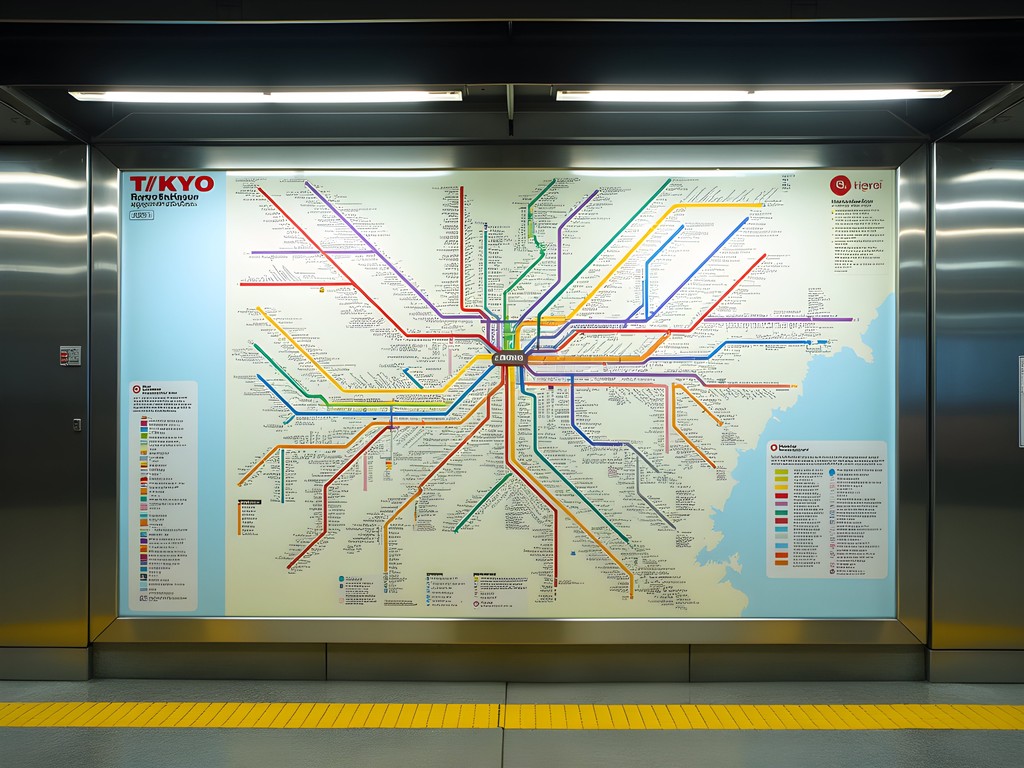
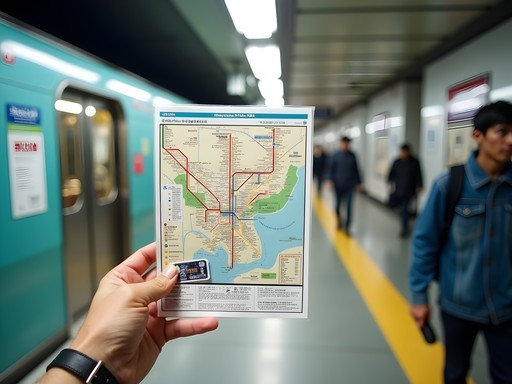
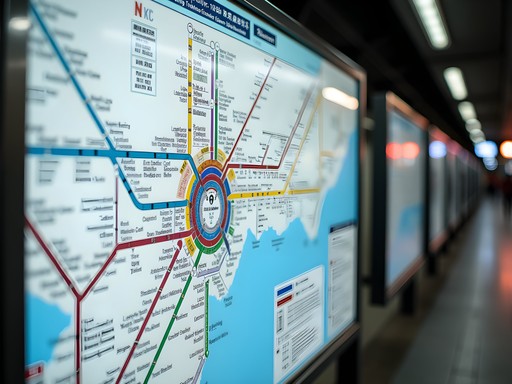
Tokyo's public transportation is actually a marriage of multiple systems working in harmony—primarily the Tokyo Metro (privately owned) and the Toei Subway (government-owned), complemented by JR lines (including the famous Yamanote loop) and various private railways.
This distinction matters because different tickets and passes apply to different systems. While initially confusing, I found this multi-network approach brilliant as it offers redundancy—if one line is delayed (rare in Japan!), you often have alternatives.
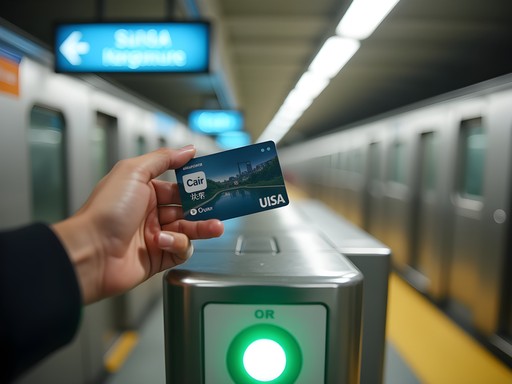
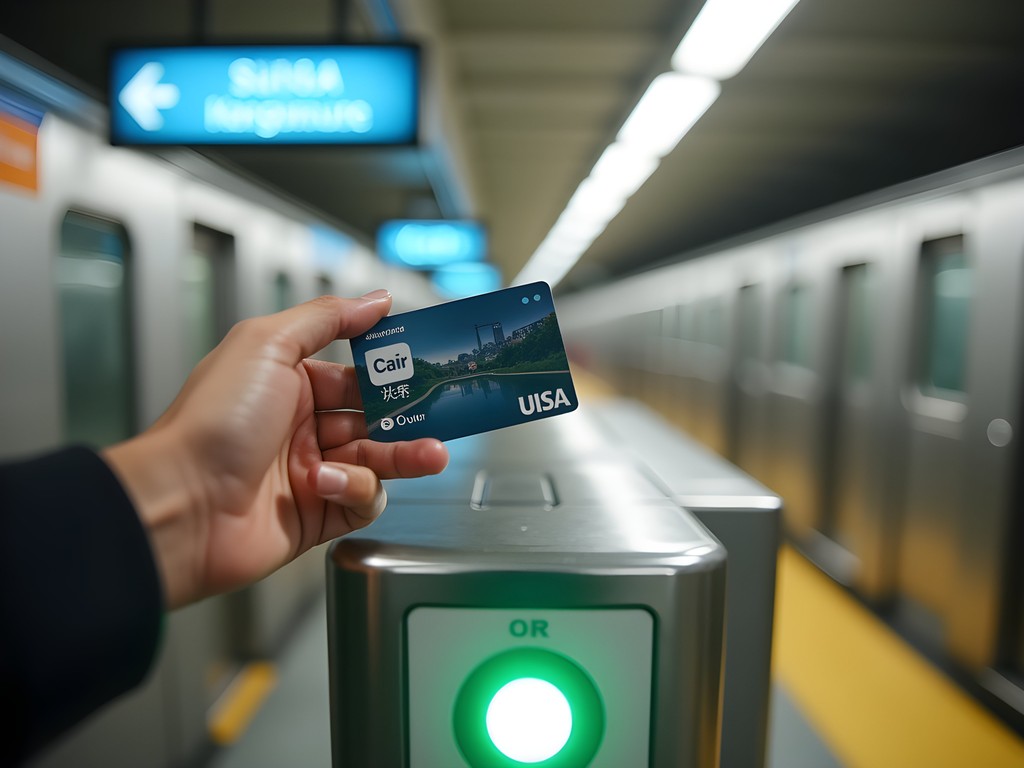
During my week in Tokyo, I discovered that the Japan Rail Pass wasn't economical for city-only exploration. Instead, the rechargeable IC cards—Suica or Pasmo—became my faithful companions. These tap-and-go cards work across all systems and even function for vending machines and konbini (convenience stores).
For budget travelers spending 3+ days exploring Tokyo's neighborhoods, the Tokyo Subway Ticket offers unlimited rides on both Metro and Toei lines—a bargain that saved me nearly 2,000 yen daily during my most active sightseeing days.
💡 Pro Tips
- Purchase a Suica/Pasmo card immediately upon arrival to avoid buying individual tickets
- Download the Tokyo Metro app which works offline and provides English route planning
- Consider a 24, 48, or 72-hour Tokyo Subway Ticket if planning intensive sightseeing days
Navigating Stations Like a Pro
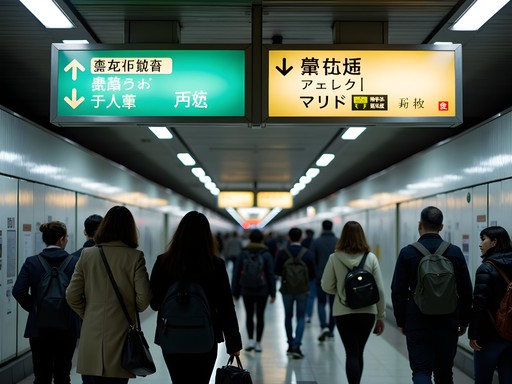
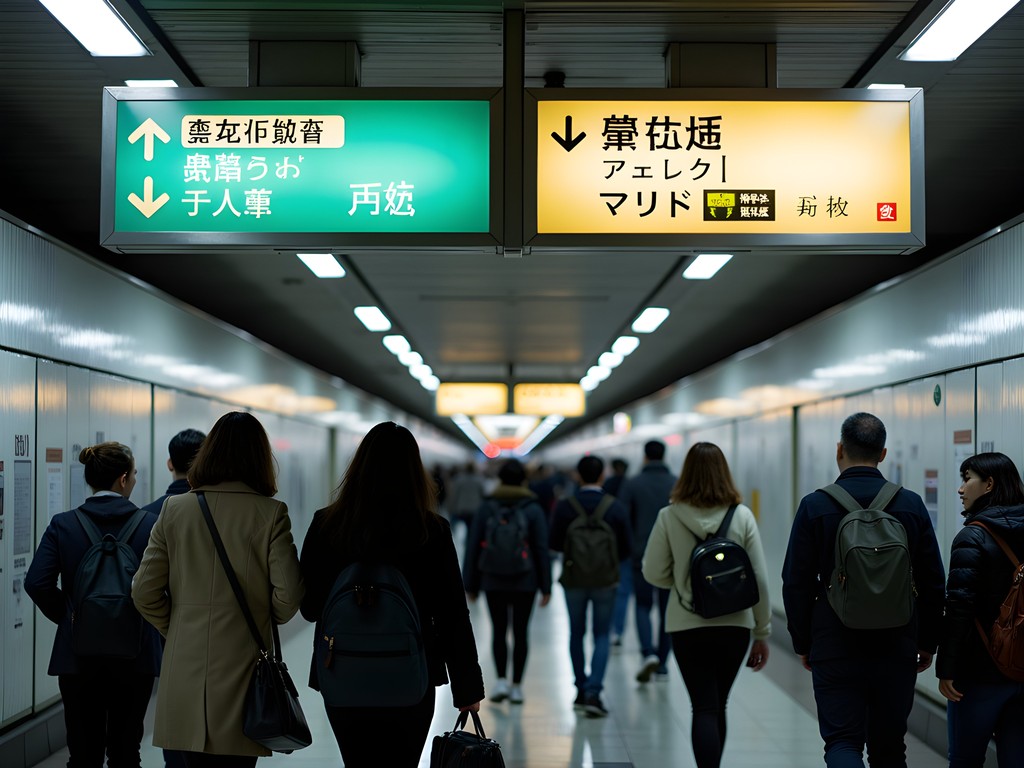
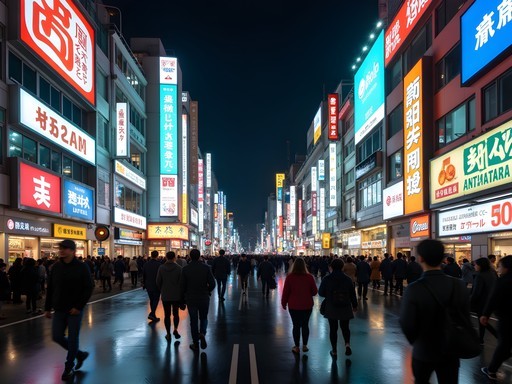
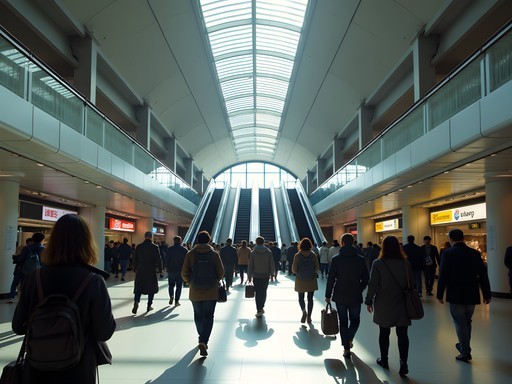
Tokyo's major stations—particularly Shinjuku, Shibuya, and Tokyo Station—are underground cities unto themselves. My first time in Shinjuku Station (the world's busiest with over 3.6 million daily passengers), I spent 20 minutes just finding the correct exit among the 200+ options!
The key to mastering these megalithic transit hubs is understanding the exit numbering system. Each station exit is numbered and corresponds to specific landmarks or directions. Before arriving at your destination, research which exit number leads closest to your goal. The Japan Travel app became my secret weapon here, providing detailed station maps with exit information.
Stations are immaculately maintained but can be intensely crowded during rush hours (7:30-9:00 AM and 5:30-7:30 PM). During these times, white-gloved oshiya (pushers) quite literally compress passengers into train cars—an experience both fascinating and claustrophobic for the uninitiated.
To avoid this human tetris game, I adjusted my schedule to travel mid-morning and early afternoon when possible. For those early temple visits or when carrying luggage, I found my compact foldable stool invaluable during unexpected waits.
💡 Pro Tips
- Research station exits before arriving at your destination
- Look for the colored lines on the floor that guide you to specific train lines
- Stand on the left side of escalators in Tokyo (unlike Osaka where it's reversed)
Mastering Tokyo Metro Etiquette
Understanding the unwritten rules of Tokyo's metro system is just as important as knowing which train to board. As someone who values cultural respect deeply, I quickly observed and adopted local customs that made my experience—and that of those around me—more harmonious.
Silence reigns supreme on Tokyo trains. Unlike the chatty metros of Paris, conversations are conducted in hushed tones, and phone calls are strictly avoided. I noticed locals switching their phones to manner mode (マナーモード) upon entering stations, and many use noise-cancelling earbuds for personal audio without sound leakage.
Eating on trains is generally avoided (though sipping a closed beverage is acceptable). Save your onigiri rice balls for the station platform or outside. This contributes to the remarkable cleanliness of Tokyo's transit system—despite millions of daily riders, I never saw a single piece of litter on trains.
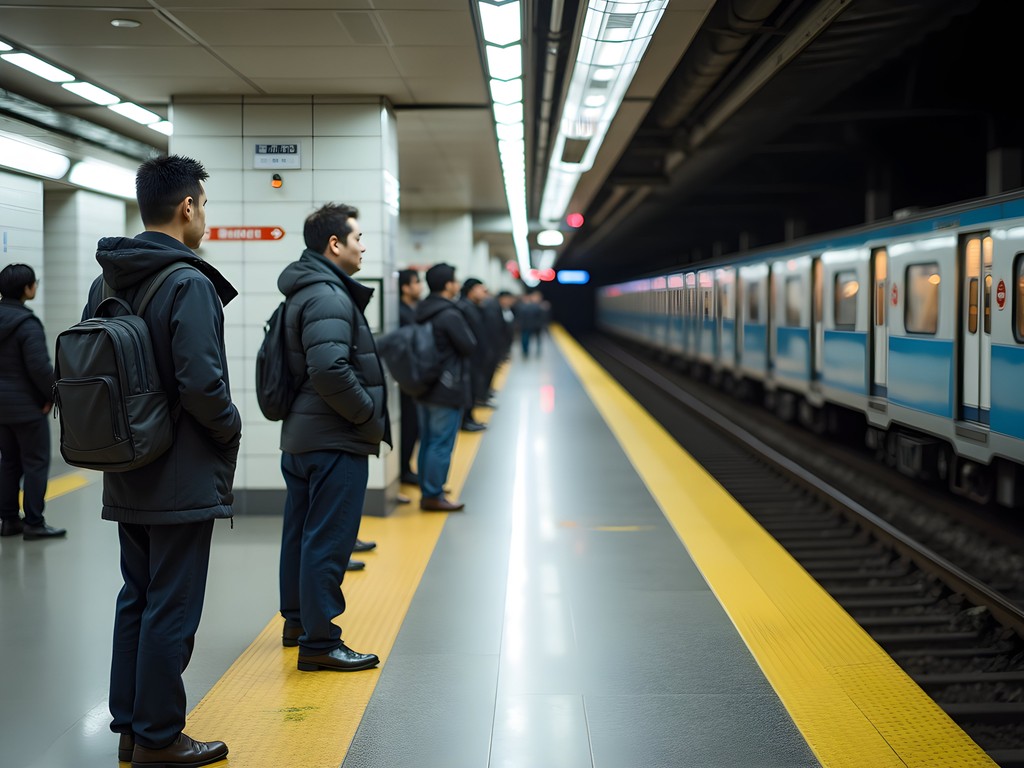
Priority seating is taken seriously. These clearly marked seats are reserved for elderly, pregnant, injured, or disabled passengers. Even when these seats are empty and the train crowded, most younger Japanese stand rather than sit in them—a practice I respectfully followed.
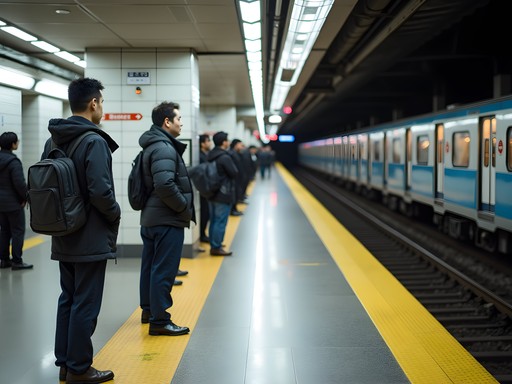
Perhaps most importantly, patience and orderliness define the Tokyo metro experience. Queuing in designated line markings on platforms and allowing passengers to exit before boarding becomes second nature after just a few rides.
💡 Pro Tips
- Switch your phone to silent mode before entering stations
- Stand in orderly lines at marked platform positions
- Always let passengers exit before attempting to board

Essential Apps and Tech Tools
Technology transforms the Tokyo metro experience from potentially overwhelming to remarkably smooth. As someone who's navigated transportation systems across Southeast Asia and Europe, I can confidently say Tokyo offers the best digital tools for travelers.
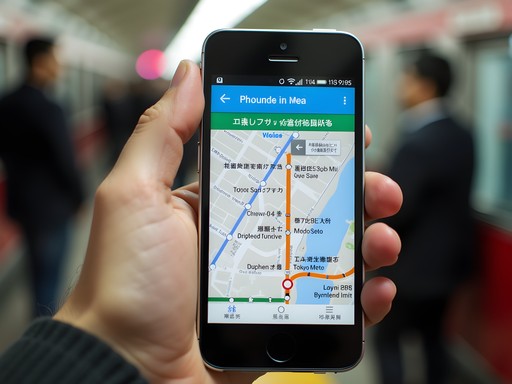
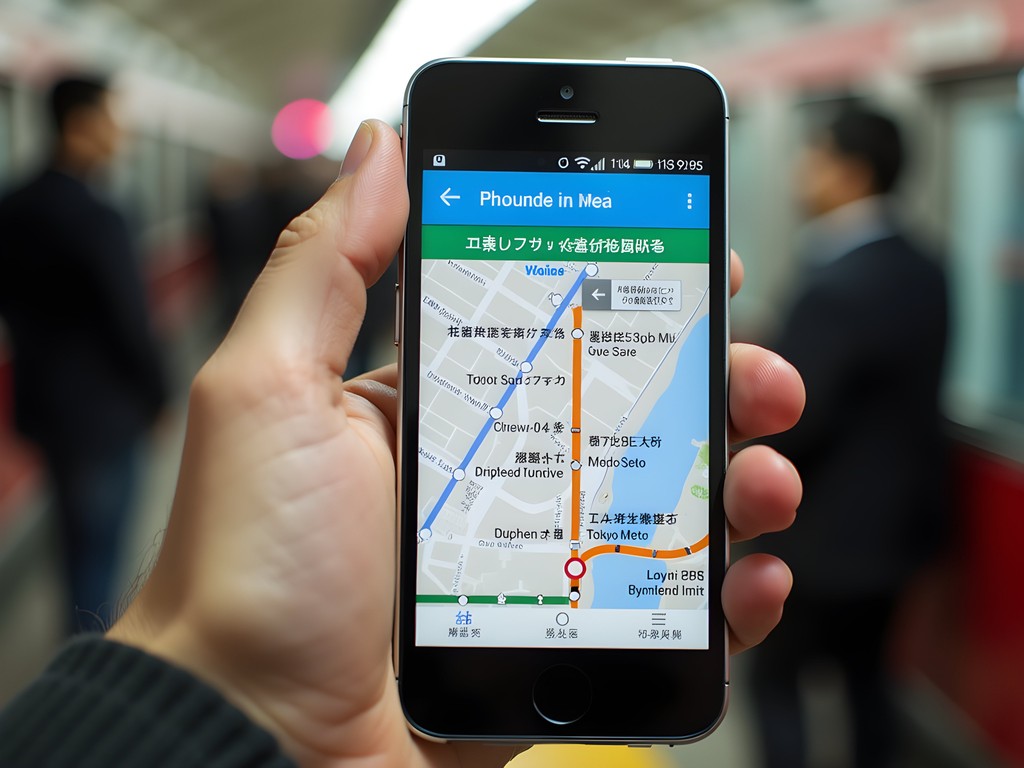
The official Tokyo Metro app provides offline route planning, delay notifications, and station maps—essential for areas with spotty WiFi. For broader journey planning including buses and walking directions, Google Maps works exceptionally well in Tokyo, accurately displaying platform numbers and transfer times.
My secret weapon was the Japan Transit Planner app, which offers hyperspecific routing options including route choices that minimize transfers (ideal when carrying luggage) or maximize use of specific rail passes.
Connectivity is crucial for on-the-go navigation. Rather than hunting for WiFi or dealing with expensive roaming charges, I used a portable WiFi device rented at Narita Airport, providing unlimited data across Tokyo for about ¥800 daily—worth every yen for stress-free navigation.
For language barriers, the translation device proved invaluable when station staff couldn't speak English. While most signage includes English, this device helped with unexpected situations like service disruptions or special announcements.
💡 Pro Tips
- Download transit apps before arriving in Japan
- Screenshot directions when you have WiFi as backup
- Set your home station in apps for quick routing back to your accommodation
Budget-Friendly Transit Strategies
Tokyo's transportation can consume a significant portion of your travel budget if approached without strategy. As someone who prefers mid-range travel with occasional splurges on meaningful experiences, I developed several money-saving tactics during my week in Tokyo.
First, understand the economics of day passes versus pay-as-you-go. The Tokyo Metro 24-hour ticket (¥800) becomes economical after just three trips. For intensive sightseeing days when I visited Asakusa, Ueno, and Roppongi, this pass paid for itself before lunch.
However, on days focused on a single neighborhood like Shimokitazawa or when I joined a local fermentation workshop in Koenji, individual Suica card payments proved more economical. The travel money belt I wore beneath my clothes kept my transit cards and yen secure while navigating crowded stations.
Walking between nearby stations saves money and offers street-level discoveries. The distance between Harajuku and Shibuya stations is a pleasant 15-minute stroll through fascinating neighborhoods—yet many tourists unnecessarily ride the train for just one stop.
For budget travelers, Tokyo's buses offer significant savings over the metro, with flat fares around ¥210 regardless of distance. While slower and requiring more Japanese language navigation, the money saved allowed me to splurge on a memorable tea ceremony experience.
Finally, consider combination tickets that bundle transit with attractions. The Grutt Pass includes metro rides plus discounted/free entry to 99 museums and gardens—perfect for culture enthusiasts looking to maximize value.
💡 Pro Tips
- Calculate your planned trips to determine if day passes will save money
- Look for combo tickets that include both transit and attraction entry
- Consider walking between stations less than 1km apart to save money and discover local neighborhoods
Final Thoughts
As I tapped my Suica card for the final time before departing Tokyo, I felt a surprising pang of nostalgia for the metro system that had initially intimidated me. What began as a complex puzzle had transformed into a reliable companion throughout my Tokyo adventures. The metro became more than transportation—it was my window into Japanese efficiency, social harmony, and urban design brilliance.
Remember that mastering Tokyo's metro is less about memorizing routes and more about embracing the system's underlying logic and rhythms. Be observant, respectful of local customs, and willing to make occasional mistakes (which station staff will graciously help you correct).
Whether you're racing to catch the first morning light at Senso-ji Temple or navigating back to your accommodation after sake tasting in Ebisu, Tokyo's metro system stands ready to deliver you with remarkable precision. Bon voyage on your underground Tokyo adventure—may your transitions be smooth and your discoveries abundant!
✨ Key Takeaways
- Purchase a Suica/Pasmo IC card immediately upon arrival for seamless travel across all transportation systems
- Download key navigation apps before your trip and consider portable WiFi for constant connectivity
- Respect local etiquette including silence, queuing, and priority seating customs
- Calculate whether day passes or pay-as-you-go will be more economical based on your itinerary
- Allow extra time for navigating major stations until you become familiar with the exit systems
📋 Practical Information
Best Time to Visit
year-round
Budget Estimate
¥800-1500 daily for transportation
Recommended Duration
1-week
Difficulty Level
Beginner

Comments
Taylor Moreau
Comprehensive guide, Ana. I travel to Tokyo quarterly for business and the efficiency of their metro system never ceases to impress. One tip for business travellers - the first-class Green Cars on JR lines are worth the small premium during rush hour if you're carrying luggage or need to review presentations. Also, the Narita Express has excellent WiFi for catching up on emails during the airport transfer.
bluelife4027
Great guide Ana! I've been to Tokyo three times now and the metro still amazes me every trip. One thing I'd add - download Google Maps offline for Tokyo before you go. Saved me so many times when my data was spotty underground. The station exits can be confusing (some stations have 20+ exits!) so knowing exactly which exit to take before you get there is clutch. Also the metro stops running around midnight so plan accordingly if you're out late in Shibuya or Roppongi!
Taylor Moreau
Excellent point about the exit strategy. I learned that lesson the hard way during my first business trip there - emerged 10 minutes walk from where I needed to be!
freerider
Going there in March!! Quick question - should I get the Suica or Pasmo card? Does it really matter?
bluelife4027
Either one works exactly the same! I've used both and honestly can't tell the difference. Just grab whichever one you find first at the airport.
freerider
Awesome thanks!
Sophia Gomez
Ana, you nailed this guide! I remember my first Tokyo metro experience during a business trip in 2024 - I stood frozen at Shibuya station for a solid five minutes just trying to process the organized chaos. The thing that surprised me most was how quiet everyone was on the trains despite being packed like sardines during rush hour. I learned the hard way not to take phone calls on the train after getting some serious side-eye from a grandmother. Now I actually miss the efficiency of it all when I'm back dealing with delayed trains at home. The punctuality is just on another level - if the sign says 14:32, that train is leaving at 14:32, not 14:33!
backpackperson
THIS POST IS PERFECT TIMING!!! Literally booking my flights tonight! Can't wait to experience this!
photoking
Great photos! The one of Shinjuku station during rush hour is wild. Did you use any specific apps for navigation? I keep hearing about different ones and not sure which to download.
Sophia Gomez
I swear by Google Maps for Tokyo metro. It shows you exactly which car to board for fastest transfers. Total game changer!
George Hayes
Ana, this brings back memories of our family trip last year! We were terrified of navigating with two kids (ages 6 and 9), but honestly, Tokyo's metro became our favorite part of the trip. The kids loved watching the train schedule boards count down to the second. One tip I'd add: download the Google Maps offline map for Tokyo before you go. Even though the metro has great signage, having that backup when you're underground with spotty signal was a lifesaver for us. Also, stations have these amazing detailed 3D maps near exits that show every building - super helpful when you're trying to figure out which exit gets you closest to your destination.
backpackperson
The 3D maps!! Yes! Those saved me so many times!
greenstar8694
This is SO helpful!! I've been stressing about the metro for weeks. Tokyo is my first international trip and I was worried about getting completely lost. Your section on the etiquette was really interesting too - I had no idea about the quiet rule on trains! Definitely saving this post to read again before my trip in April!
globeclimber
going in march. is the suica card hard to get?
Sophia Gomez
Not at all! You can grab one at any major station from the ticket machines. Just look for the English option on the screen. Load it with about ¥2000 to start and you're good to go.
globeclimber
awesome thanks!
travelclimber
Just got back from Tokyo and your guide would have saved me so much stress! Those station exits are no joke - I spent 20 minutes trying to find the right one at Shinjuku. Next time I'll know better!
Venture X
Premium card with 2X miles, $300 travel credit, Priority Pass