
Disclosure: This article contains affiliate links. We may earn a commission from purchases at no extra cost to you, which helps our travel content.
As someone who's spent years navigating both Tokyo's chaotic streets as a police officer and Japan's winding countryside roads on my motorcycle, I've developed a certain appreciation for matching the right vehicle to the right terrain. Iceland's Ring Road (Route 1) presents a unique challenge that tests both driver and vehicle across 1,332 kilometers of some of the most dramatic landscapes you'll ever witness. Having recently completed this circuit with my family during a two-week adventure, I can tell you firsthand: your vehicle choice can make or break your Ring Road experience. The difference between confidently fording a shallow river in a 4x4 versus turning back in a compact rental isn't just about convenience—it's about what parts of Iceland you'll actually get to see. Whether you're planning a summer expedition under the midnight sun or braving the winter darkness for a chance at the Northern Lights, this guide will help you choose the perfect vehicle for your Icelandic adventure.

Understanding Iceland's Ring Road Challenges
Before we dive into vehicle recommendations, let's talk about what makes driving Iceland's Ring Road uniquely challenging. As a police officer who's responded to countless vehicle incidents, I can spot potential road hazards from a mile away—and Iceland has plenty.
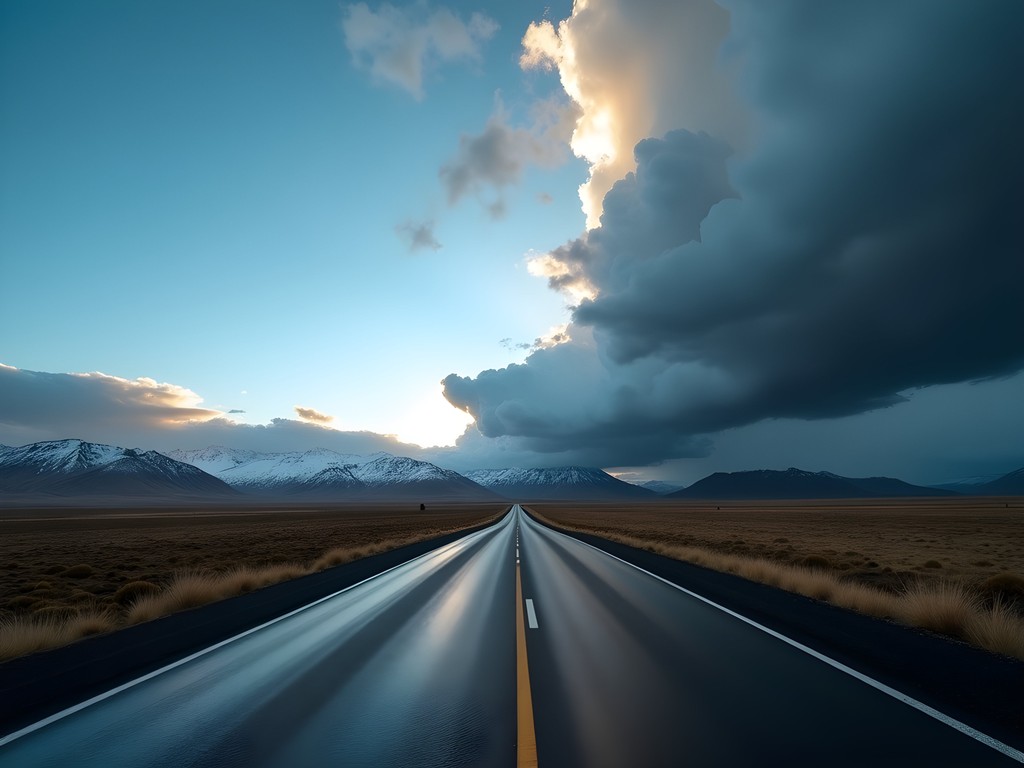
The Ring Road itself is mostly paved and well-maintained, but it's the side adventures and weather conditions that demand careful consideration. F-roads (mountain roads) require 4x4 vehicles by law, not just as a suggestion. River crossings, even shallow ones, can quickly become dangerous with the wrong vehicle. And Iceland's weather? It can shift from sunshine to horizontal sleet faster than you can say 'Eyjafjallajökull.'
During our family trip last September, we experienced all four seasons in a single day while driving the eastern segment between Höfn and Lake Mývatn. The morning started with clear skies, transitioned to heavy rain by noon, and by evening, we were navigating through a light snowfall. This climate unpredictability means your vehicle needs to handle multiple driving conditions.
The wind deserves special mention. As someone who's toured extensively on motorcycles, I've developed a healthy respect for crosswinds. Iceland's open landscapes create wind tunnels that can push smaller vehicles across lanes. During our trip, we encountered winds so strong near Vík that rental car companies were sending warnings to their customers about opening doors carefully to prevent them from being ripped off their hinges.
💡 Pro Tips
- Download the SafeTravel Iceland app for real-time road conditions and weather alerts
- Always check road.is before heading out each morning
- Never underestimate water crossings - what looks shallow can be deceptively deep
Summer Vehicle Options (May-September)
Summer offers the most forgiving conditions on the Ring Road, with extended daylight (practically 24 hours in June) and generally ice-free roads. This doesn't mean you should take vehicle selection lightly.
Standard 2WD Cars: For families sticking strictly to the Ring Road and major attractions like the Golden Circle during summer months, a standard 2WD vehicle can suffice. We saw plenty of tourists in compact cars like the Toyota Yaris or Volkswagen Golf managing fine on the main routes. These options are budget-friendly and fuel-efficient, which matters when you're paying Iceland's steep gas prices.
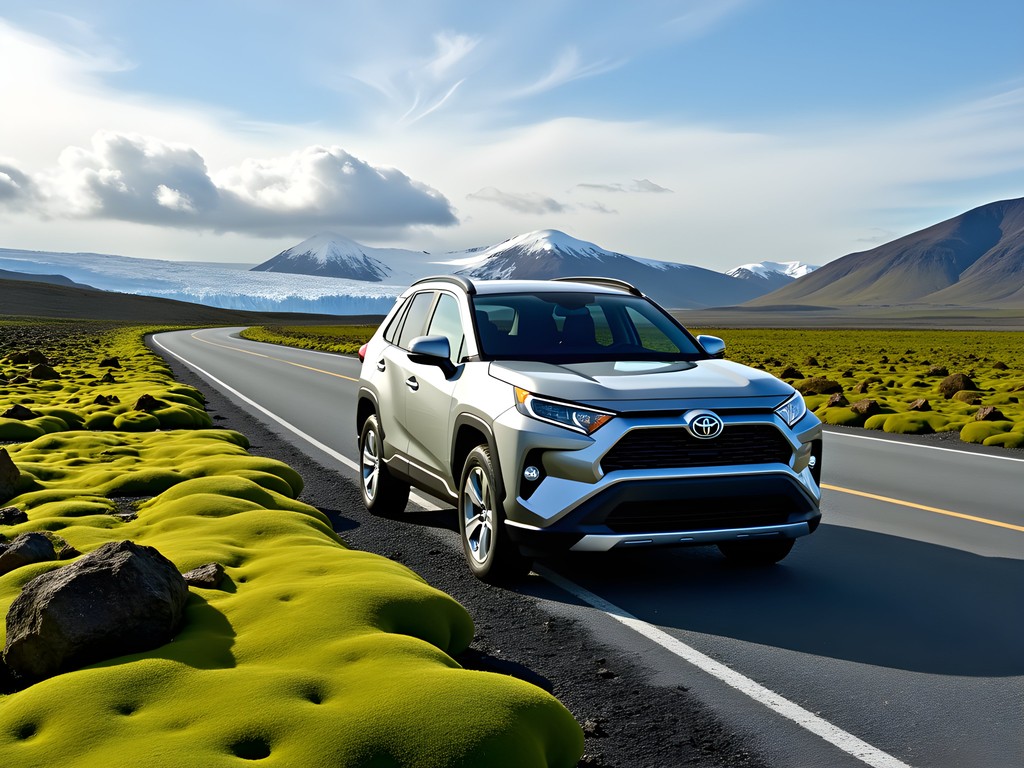
Compact SUVs: A step up, vehicles like the Dacia Duster or Suzuki Vitara offer slightly more clearance without breaking the bank. For our family of four, we opted for a mid-size SUV which provided the perfect balance of comfort, storage space, and capability. The extra ground clearance came in handy when we visited Dettifoss waterfall, where the access road was unpaved and rutted even in summer.
Camper Vans: If you're looking to save on accommodation costs (which can be substantial in Iceland), camper vans are incredibly popular in summer. We met a family from California traveling in a compact camper that slept four comfortably. The benefit here is flexibility—you can adjust your itinerary based on weather or interests without losing accommodation deposits.
From my law enforcement perspective, I noticed the drivers having the most trouble were those who rented vehicles too small for their needs. Trying to stuff four adults plus luggage into a compact car leads to visibility issues and driver fatigue, both safety concerns on long stretches of remote road.
💡 Pro Tips
- Book vehicles at least 3-4 months in advance for summer travel
- Opt for the gravel protection insurance regardless of your vehicle choice
- Consider a slightly larger vehicle than you think you need—Iceland's wind can make small cars unstable
Winter Vehicle Requirements (October-April)
Winter transforms Iceland into an entirely different driving experience. As someone who's handled emergency response in adverse weather conditions, I can't stress enough the importance of proper vehicle selection during Iceland's dark months.
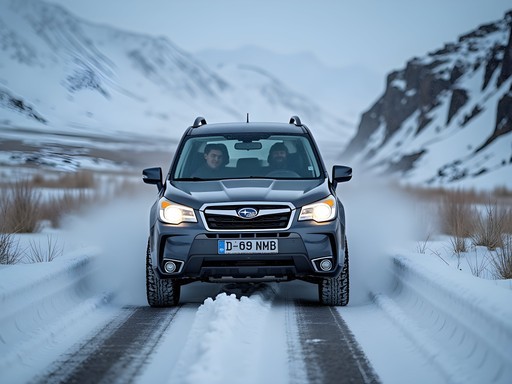
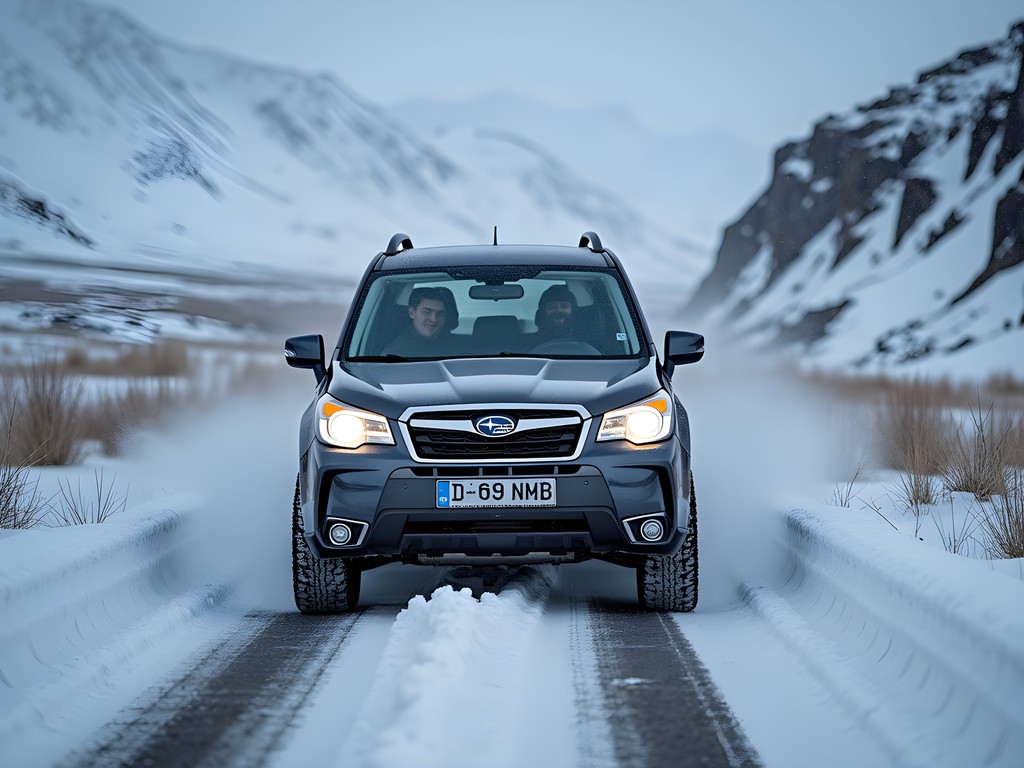
4WD/AWD is Non-Negotiable: During our winter reconnaissance trip last February, we quickly realized that four-wheel drive isn't just recommended—it's essential. Black ice forms without warning, and snowdrifts can appear suddenly around bends. We rented a Subaru Forester with studded winter tires, which provided confidence even when conditions deteriorated rapidly.
Vehicle Size Considerations: While a larger vehicle provides stability in winter winds, you'll need to balance this with maneuverability on potentially narrow, snow-banked roads. Mid-sized SUVs like the Toyota Land Cruiser or Mitsubishi Outlander hit the sweet spot for most families.
Emergency Equipment: In winter, your vehicle needs to double as potential emergency shelter. One night near Akureyri, we encountered a road closure due to a sudden blizzard and had to wait three hours for conditions to improve. Having a vehicle with good insulation and heating system efficiency became critically important.
I've applied many of the same principles I use for motorcycle touring in adverse conditions: redundant systems, extra supplies, and always having a contingency plan. The winter survival kit we packed included emergency blankets, hand warmers, and high-calorie snacks—all essentials if you find yourself stranded even briefly.
From my police experience, I've noticed that winter accidents often involve drivers unfamiliar with how quickly conditions can change. What starts as light snowfall can become white-out conditions within an hour. Your vehicle needs to handle this rapid transition safely.
💡 Pro Tips
- Always rent vehicles with studded winter tires between October and April
- Choose a vehicle with good heating and defrosting systems
- Leave extra time in your daily itinerary—winter driving is slower and daylight is limited

Specialty Vehicles and Unique Options
For families seeking something beyond the standard rental experience, Iceland offers some intriguing specialty vehicle options that can transform your Ring Road adventure.
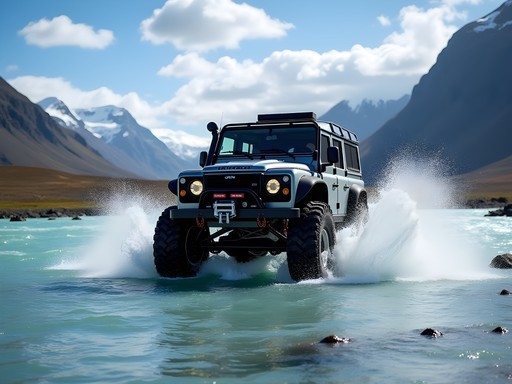
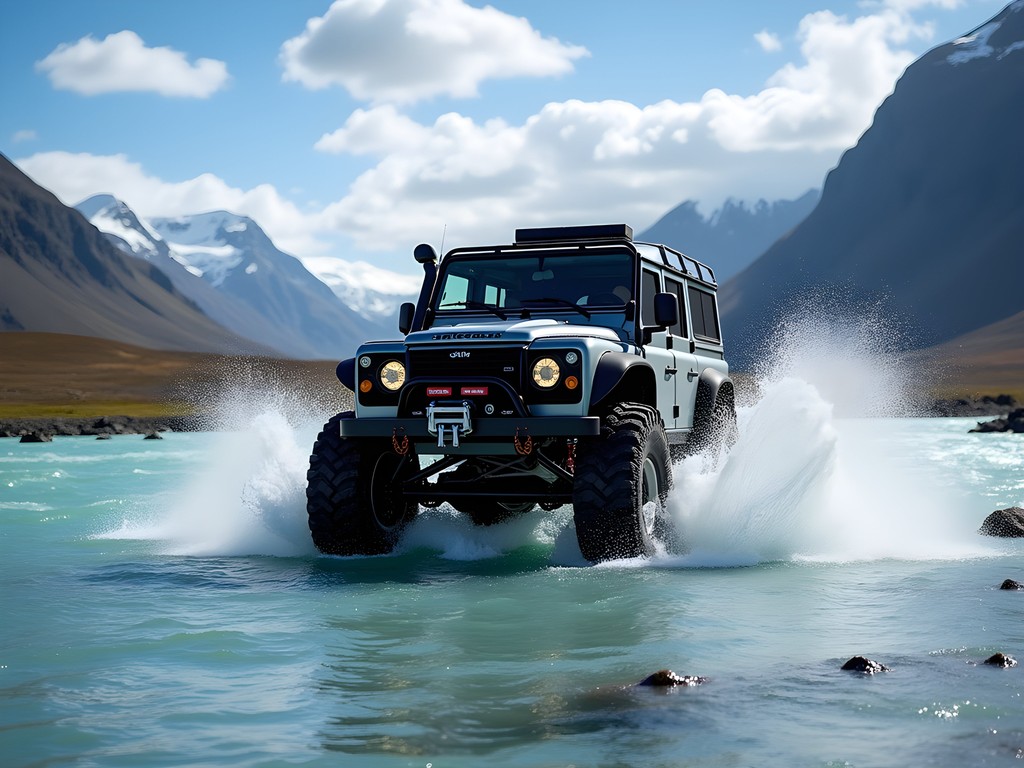
Super Jeeps: These modified vehicles with massive tires can access areas regular 4x4s simply cannot. While overkill for the Ring Road itself, they're worth considering if you're planning significant highland detours. During our winter trip, we splurged on a day tour in a Super Jeep to reach Þórsmörk Valley—an experience that would have been impossible in our regular rental.
Motorcycle Touring: As an avid motorcycle enthusiast, I have to mention this option, though it's weather-dependent and not suitable for most families with young children. I returned to Iceland solo last summer and rented a adventure motorcycle for a week of Ring Road exploration. The connection to the landscape is unparalleled, but you'll need serious riding experience and proper gear. Iceland's wind can make motorcycle handling challenging even for experienced riders.
Electric Vehicles: Iceland's Ring Road is becoming increasingly EV-friendly, with charging stations now available at reasonable intervals. During our summer family trip, we encountered numerous Tesla Model Y rentals. The cost savings on fuel can be significant, but you'll need to plan charging stops carefully and build extra time into your itinerary. I spoke with a family from Germany who completed the entire Ring Road in a Kia EV6 without issues, though they mentioned some anxious moments watching the range estimate drop faster than expected when battling headwinds.
Roof Tent Vehicles: A growing trend is SUVs equipped with rooftop tents. These offer a middle ground between traditional camping and camper vans. We met a Swiss family with two teenagers traveling in a Land Rover Defender with a rooftop tent setup, allowing them to camp virtually anywhere while maintaining the driving dynamics of a standard vehicle.
💡 Pro Tips
- If renting an EV, download the Plugshare app for real-time charging station availability
- Super Jeep rentals typically come with significantly higher insurance deductibles
- For motorcycle rentals, bring your own riding gear rather than relying on rental equipment
Budget Considerations and Insurance
Iceland isn't cheap, and vehicle rentals represent a significant portion of your travel budget. As someone who values both safety and fiscal responsibility, here's my breakdown of costs and insurance considerations.
Rental Cost Variations: During our summer family trip, we found that standard 2WD vehicles started around $70-90 USD daily, while 4WD options began at $120-150 daily. Winter rates can be 10-20% higher due to increased demand for 4WD vehicles and the necessity of winter tires. Camper vans typically range from $150-300 daily depending on size and amenities.
One budget strategy we employed was booking a smaller vehicle for our time in Reykjavík, then switching to a more capable SUV for the Ring Road portion. This saved us approximately $200 over two weeks.
Insurance Realities: Having reviewed countless accident reports as a police officer, I strongly recommend comprehensive coverage in Iceland. The standard CDW (Collision Damage Waiver) often comes with a high deductible of $1,500-3,000. We opted for Super CDW to reduce this to around $200, which added about $15 daily to our rental cost.
Gravel protection is non-negotiable. Even careful drivers will encounter flying rocks on unpaved sections or from passing vehicles. Sand and ash damage insurance is also worth considering if you'll be near southern beaches or traveling during volcanic activity periods.
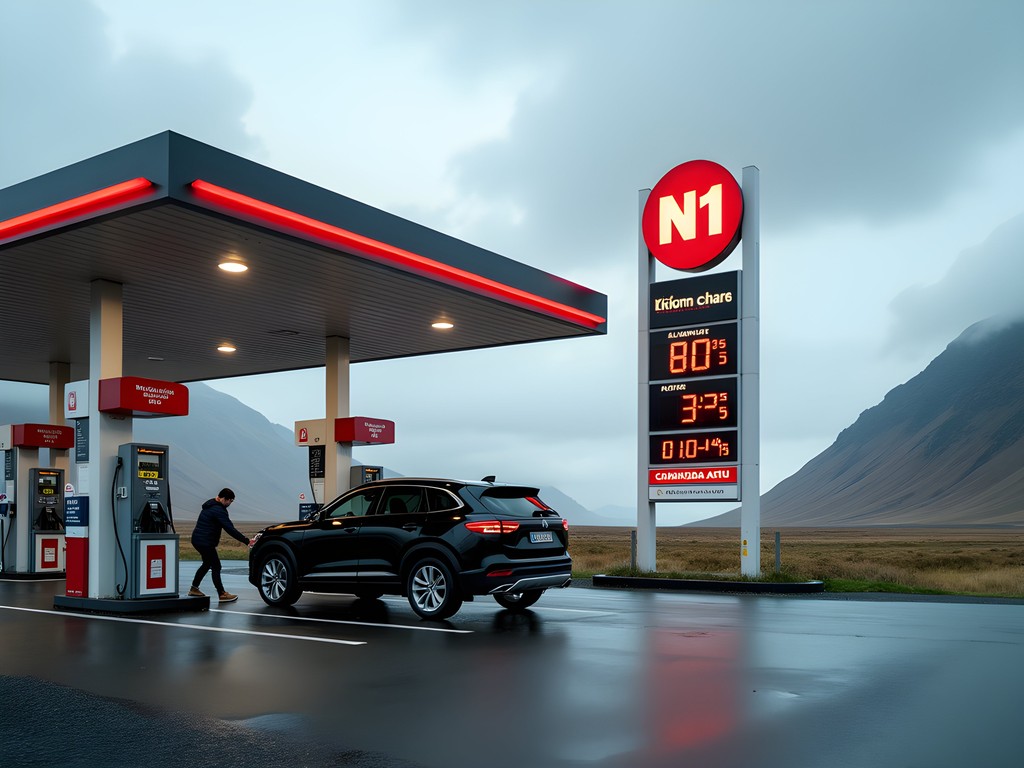
Fuel Budget Planning: Fuel costs approximately 50-70% more than in the United States. Our mid-size SUV consumed about $400 in fuel for the complete Ring Road circuit with side excursions. To track expenses accurately, I used a trip budget app which helped us stay within our planned spending limits.
Hidden Cost Savers: Consider renting from local Icelandic companies rather than international chains. We found savings of nearly 30% with Lotus Car Rental compared to the major international brands, with excellent service and newer vehicles. Additionally, many local companies offer free additional drivers, which saved us another $10-15 daily compared to the major rental agencies.
💡 Pro Tips
- Book vehicles 3-6 months in advance for best rates, especially for summer travel
- Check if your credit card offers rental insurance coverage in Iceland before purchasing additional policies
- Budget 30-50% more for fuel than you would for a similar distance in North America
Family-Specific Vehicle Considerations
Traveling Iceland's Ring Road with family adds another dimension to vehicle selection. Having completed the circuit with various family members, I've learned what features truly matter for family comfort and harmony on long Icelandic driving days.
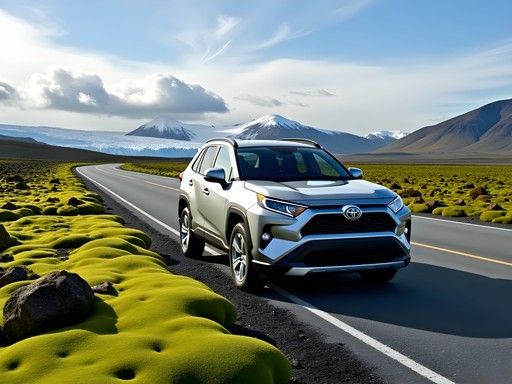
Space Configuration: For families with two or more children, I strongly recommend vehicles with true rear passenger space. During our two-week journey, my sister's family discovered that the quoted "seats 5" compact SUV was technically accurate but practically uncomfortable for their two teenagers on stretches exceeding 2-3 hours. Mid-size SUVs like the Toyota RAV4 or Skoda Kodiaq offer significantly better rear passenger comfort.
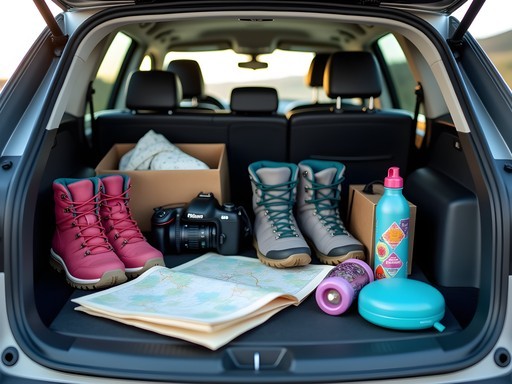
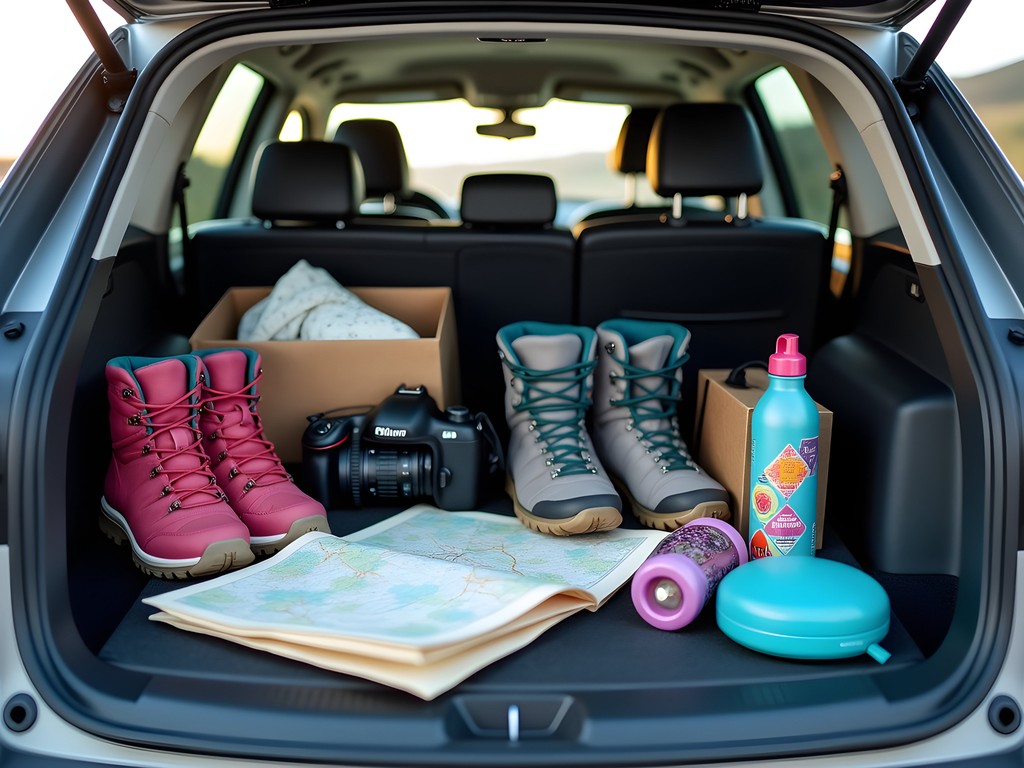
Storage Solutions: Iceland's weather demands layers, and families typically carry more gear. Our vehicle's cargo capacity was tested daily as we shuffled between rain gear, hiking equipment, and day bags. Consider a rooftop cargo carrier if you're traveling with three or more people. This addition freed up valuable interior space for our family and prevented the constant repacking struggles I've witnessed with other traveling groups.
Entertainment and Connectivity: While Iceland's landscapes provide natural entertainment, the reality of family travel includes some lengthy drives. Vehicles with built-in USB ports for device charging became surprisingly important during our journey. We also found that having a dedicated phone mount for navigation allowed the passenger to serve as photographer without juggling multiple devices.
Safety Features for Family Peace of Mind: As someone with a law enforcement background, I pay particular attention to vehicle safety systems. Features like lane departure warnings and adaptive cruise control reduce driver fatigue significantly on Iceland's long, hypnotic stretches of Ring Road. These aren't just luxury items in Iceland—they're practical safety tools when conditions turn challenging or when driving with the distraction of excited children pointing out every waterfall and sheep.
Comfort for Nap-Friendly Journeys: If traveling with younger children who might nap during drives, consider vehicles with better sound insulation and smoother rides. The difference in road noise between economy and mid-range vehicles is substantial and directly impacts how well children can rest between destinations.
💡 Pro Tips
- Request child safety seats at least a month before arrival, as availability can be limited during peak season
- Choose vehicles with rear climate control for family comfort in Iceland's variable conditions
- Consider a larger vehicle than you'd normally rent at home—the extra space becomes invaluable for managing gear and maintaining family harmony
Final Thoughts
After completing Iceland's Ring Road multiple times in different vehicles and seasons, I can confidently say that your vehicle choice fundamentally shapes your experience of this extraordinary country. The right vehicle isn't just transportation—it's your mobile basecamp, weather shelter, and sometimes your lifeline. For families especially, the balance between capability, comfort, and budget requires careful consideration. Whether you opt for a sturdy 4x4 to explore beyond the beaten path or an efficient camper van to maximize your accommodation budget, prioritize safety features and adequate space for both passengers and gear. Remember that Iceland's weather and terrain demand respect regardless of season. As we say in both law enforcement and motorcycle touring: prepare for the conditions you might encounter, not just the ones you hope for. The Ring Road will reward your preparation with some of the most spectacular family memories possible—glaciers calving into lagoons, waterfalls powerful enough to feel in your chest, and landscapes that seem transported from another planet. Your perfectly chosen vehicle is simply the key that unlocks it all.
✨ Key Takeaways
- 4WD/AWD is essential for winter travel and recommended year-round for families wanting flexibility
- Vehicle size should accommodate both your family and gear comfortably for long driving days
- Comprehensive insurance coverage is worth the additional cost in Iceland's unique conditions
- Local rental companies often offer better value than international chains with comparable service
📋 Practical Information
Best Time to Visit
Year-round, but May-September offers easiest driving conditions
Budget Estimate
$1,200-2,500 for 2-week vehicle rental depending on type and season
Recommended Duration
Minimum 7 days, ideally 10-14 days
Difficulty Level
Intermediate - Requires Confident Driving In Variable Conditions







Comments
happymate
anyone done this in a campervan? thinking about renting one for 10 days in August. worth it or should we just do hotels?
citywalker
we did campervan last summer and it was amazing! so much freedom and you save money on accommodation. just book campsites ahead in peak season
springking
Totally worth it!
springking
Love this!! Booking my trip now!
Douglas Bradley
Your perspective from both urban and rural driving in Japan is an interesting lens for this, Lars. I found the Ring Road fascinating from a cultural perspective - the way Icelanders approach road maintenance and seasonal access really reflects their relationship with the landscape. I drove it last March in a rented 4x4 and your winter warnings are absolutely valid. The section between Höfn and Egilsstaðir was particularly challenging with sudden weather changes. One thing I'd emphasize for winter travelers: check road.is religiously. I checked it three times daily and it saved me from some dangerous conditions. The Icelandic road authorities are excellent about closing roads when necessary, but you need to stay informed.
coolpro
Can you do the ring road in a regular car in summer or do you need 4x4??
Douglas Bradley
Regular 2WD is fine for summer if you're sticking to the main Ring Road. Just avoid F-roads (highland roads) - those require 4x4 year-round and are often illegal to drive without one.
Taylor Moreau
Excellent breakdown, Lars. I've covered the Ring Road twice for business assignments - once in summer with a standard sedan and once in October with a 4x4. The October trip really drove home your point about vehicle requirements. The weather shifted dramatically within hours, and having that 4x4 capability was essential for some of the gravel sections near Akureyri. Your advice about insurance coverage is spot-on as well. I'd add that travelers should carefully review what their rental agreement actually covers regarding gravel damage and ash damage, as these can be costly surprises.
happymate
what insurance would you recommend? the rental companies have so many options and its confusing
Taylor Moreau
At minimum, get the gravel protection and SCDW (Super Collision Damage Waiver). The basic CDW often has high deductibles that can really add up if anything happens.
citywalker
This is super helpful! Going in June, so excited!!
nomadzone
Just finished the Ring Road last week! Tip for anyone going - download offline maps before you go. Cell service was spotty in the eastern fjords and we got turned around a couple times.
photomood1486
First timer here! Is it crazy to try the Ring Road in December? Or should I wait until summer?
Sofia Franklin
I completed the Ring Road solo on a tight budget last September. After analyzing rental costs, I went with a basic 2WD Hyundai i10 for $35/day instead of the $90+ for 4WD options. For anyone on a budget, this is totally doable IF you stick to main roads and check weather constantly. I saved around $500 which covered all my accommodation! The key is flexibility - I had to skip Dettifoss due to road conditions, but added extra time at Lake Mývatn instead. One expense I didn't skimp on was my roadside assistance coverage which thankfully I didn't need, but the peace of mind was worth it.
starlover
This is super helpful! I'm trying to keep costs down too. Did you feel like you missed out on much with the 2WD?
Sofia Franklin
Not really! There were a couple viewpoints I couldn't reach, but the main attractions are all accessible with 2WD in summer. Just be prepared for some FOMO when you see those big 4x4s heading up into the highlands!
wandervibes
Anyone tried those specialized photo tour vans Lars mentioned? Worth it?
Venture X
Premium card with 2X miles, $300 travel credit, Priority Pass