
Disclosure: This article contains affiliate links. We may earn a commission from purchases at no extra cost to you, which helps our travel content.
Five years ago, if you'd told me—a former corporate finance executive from California—that I'd be writing about navigating Budapest's public transit system while living as an intern in Madrid, I would have laughed. Yet here I am, 55 years young, having traded spreadsheets for travel journals and board meetings for boarding passes. Budapest holds a special place in my heart as one of the first European cities I explored during my midlife reinvention, and its accessible transportation system makes it perfect for students and budget travelers seeking authentic experiences without the financial strain.

From Airport to City Center: Your First Hungarian Adventure
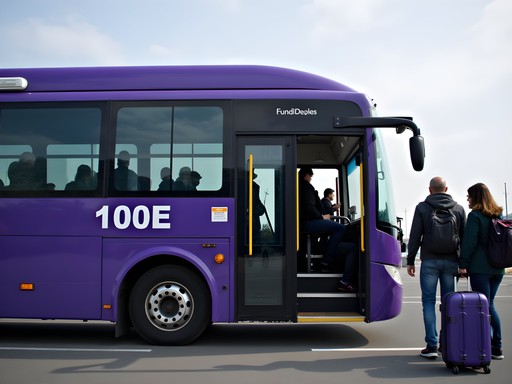
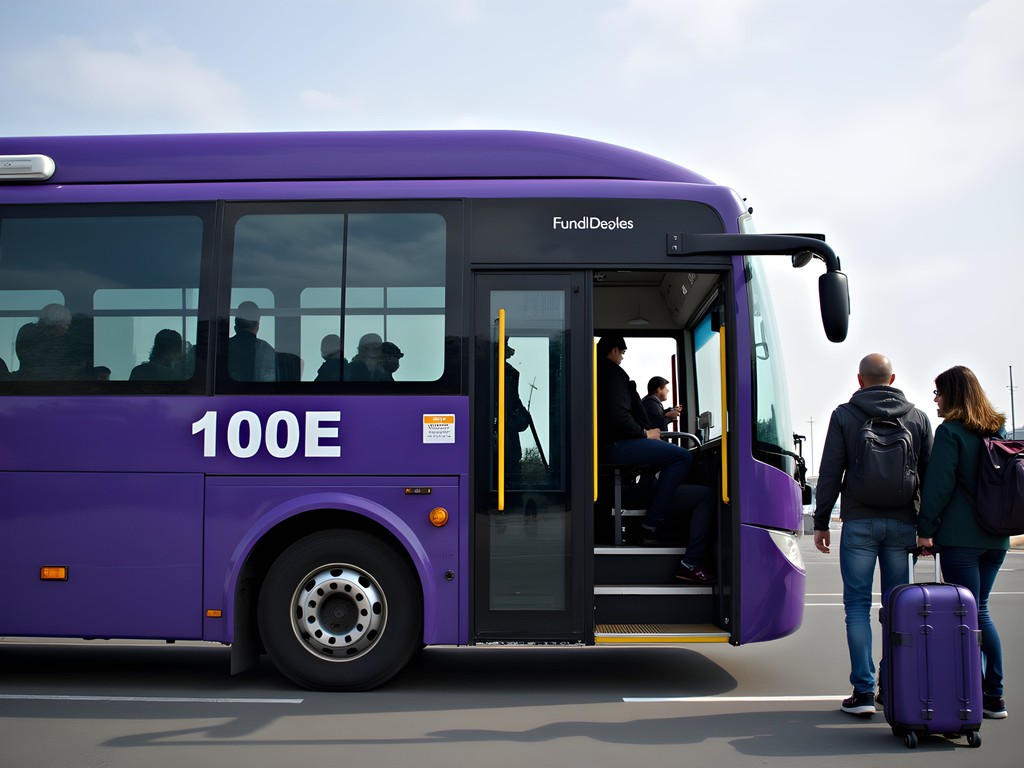
Landing at Budapest Ferenc Liszt International Airport (BUD) marks the beginning of your Hungarian adventure, and immediately presents your first choice as a budget traveler. Forget the overpriced airport taxis—the 100E direct airport bus is your wallet's best friend at just 900 HUF (about €2.50) each way.
During my first visit, after a long flight from Thailand where I'd been completing a yoga teacher training, I was tempted by the convenience of a cab. Instead, I followed my new budget-conscious philosophy and boarded the purple 100E bus outside the terminal. The 45-minute journey became an unexpected highlight—watching the city gradually transform from suburbs to the magnificent architecture of central Pest.
The bus makes limited stops at key locations like Kálvin tér and Deák Ferenc tér, perfect jumping-off points to reach most accommodations. If you're arriving late night (between 11 PM and 4 AM) when the 100E doesn't run, take the 200E bus to Nagyvárad tér metro station, then connect to the night bus network.
Before leaving the airport, I recommend picking up a Budapest Card if you're staying for a few days. It includes unlimited public transportation plus free or discounted entry to many attractions—the math worked out favorably during my weekend visit.
💡 Pro Tips
- Buy your 100E airport bus ticket from the purple vending machines before boarding—they don't sell tickets on the bus
- Download the BKK Futár app for real-time transportation updates and route planning
- Keep small Hungarian Forint notes handy for ticket machines that might not accept cards
Mastering the BKK: Budapest's Transportation Network
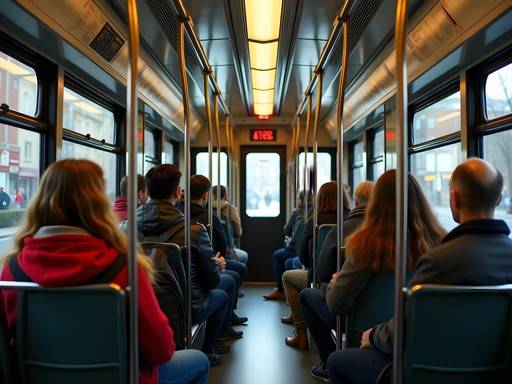
Budapest's public transportation system (BKK) quickly became my trusted companion during my weekend exploration. The network consists of four metro lines, trams, buses, trolleybuses, and even boats—all accessible with the same tickets or passes.
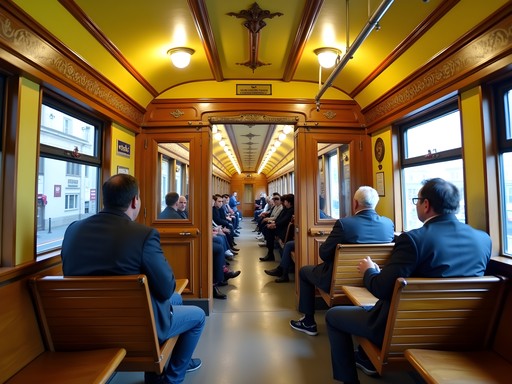
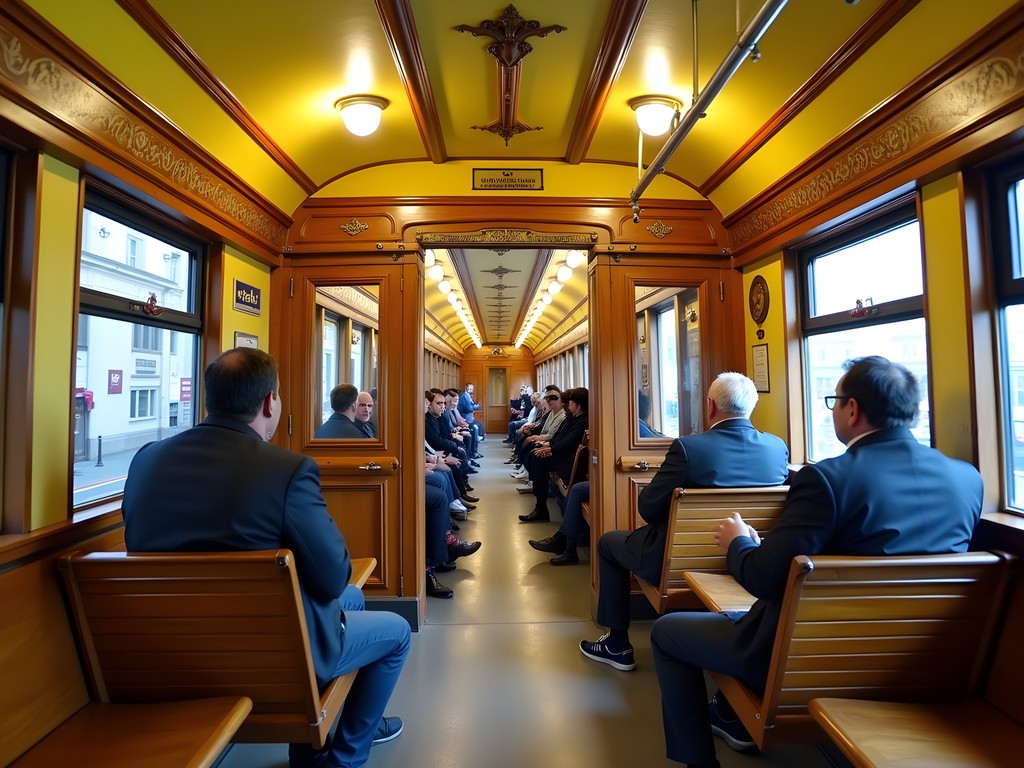
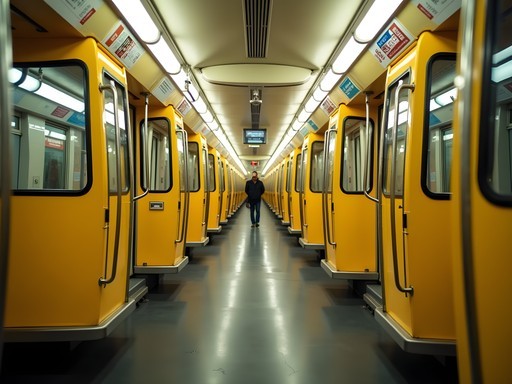
The metro system deserves special mention. Line 1 (yellow line) is continental Europe's oldest underground railway and a UNESCO World Heritage site—riding it feels like time traveling in a beautifully preserved Victorian-era carriage. Lines 2, 3, and 4 are more modern but equally efficient.
During my stay, I found the 24-hour pass (2,500 HUF/€7) to be the best value for a full day of exploration. For a weekend visit, the 72-hour travel card (4,150 HUF/€11.50) makes even more sense. Individual tickets (350 HUF/€1) are available but require validation upon boarding and need to be repurchased for each new vehicle—unless you buy a transfer ticket (530 HUF/€1.50).
I kept all my transportation essentials organized in my trusty neck wallet, which proved invaluable for keeping tickets, small currency, and my phone accessible while protecting them from the pickpockets that occasionally target tourists on crowded vehicles.
After years of navigating complex metro systems worldwide during my wellness travel adventures, I can confidently say Budapest's system ranks among the most intuitive and tourist-friendly I've encountered.
💡 Pro Tips
- Always validate paper tickets in the orange machines when first boarding
- Metro lines intersect at Deák Ferenc tér, making it a useful transfer hub
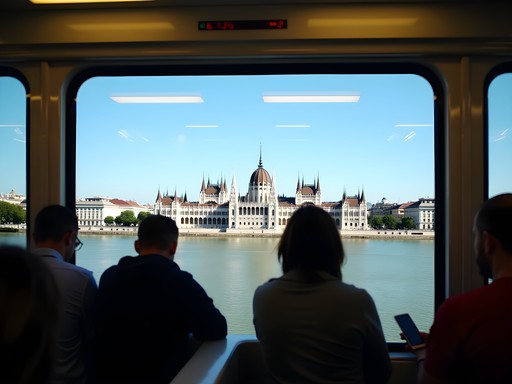
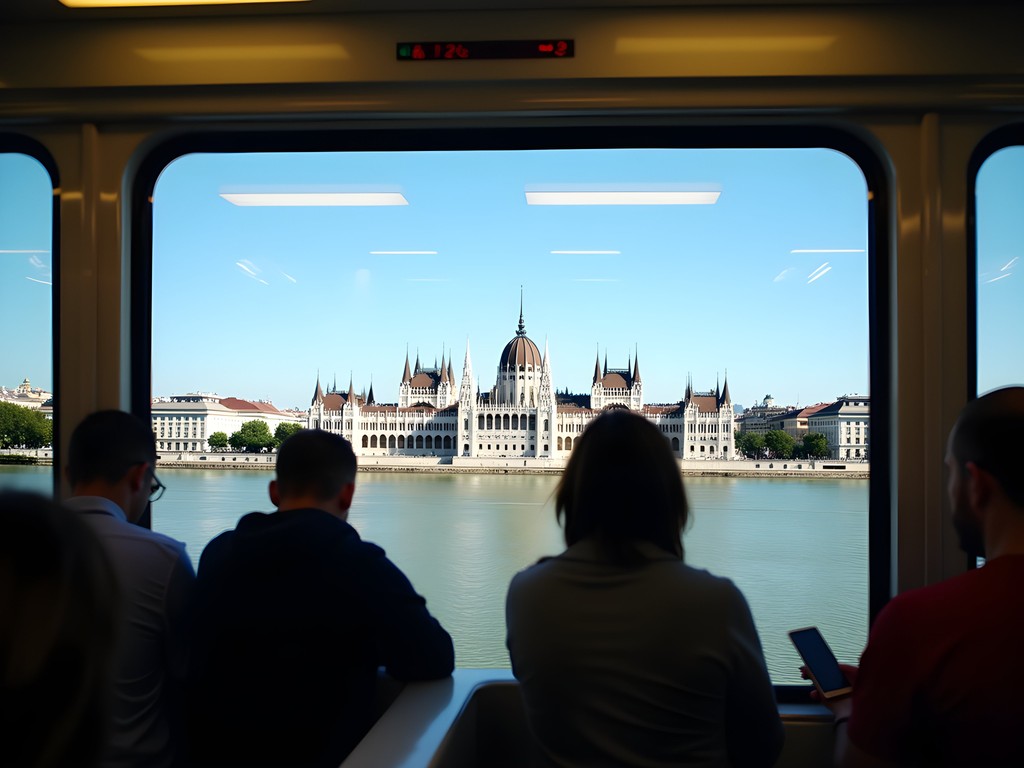
- Tram #2 runs along the Danube and offers spectacular views of the Parliament Building and Buda Castle—it's like a sightseeing tour for the price of a transit ticket
Budget-Friendly Routes to Top Attractions
Budapest's major attractions are remarkably accessible via public transportation, which is music to any budget traveler's ears. Here's how to reach the must-see spots without spending a forint on taxis:
Buda Castle & Fisherman's Bastion: Take the metro to Batthyány tér, then either walk across the Chain Bridge or catch Bus 16 up Castle Hill. Alternatively, the historic Castle Hill Funicular offers a scenic ascent, though it's the one transportation splurge I'd consider worthwhile for the experience.
Széchenyi Thermal Bath: Metro Line 1 takes you directly to Széchenyi fürdő station, just steps from this magnificent bath complex. During my visit, I packed my essentials in a waterproof dry bag which kept my belongings secure while I soaked in the therapeutic waters after days of walking.
Central Market Hall: Tram 2 or 47 to Fővám tér drops you right at this foodie paradise. I spent a delightful morning here sampling Hungarian specialties and picking up paprika to bring home to Madrid.
Heroes' Square & City Park: Metro Line 1 to Hősök tere places you directly at this monumental square. From there, the expansive City Park with Vajdahunyad Castle is just a short walk.
Gellért Hill & Citadella: Tram 19, 41, or 47 to Szent Gellért tér, then a moderately challenging uphill walk. The panoramic views of the Danube and both Buda and Pest sides make every step worthwhile—I found myself lingering here well into the evening to catch the city lights coming alive.
For evening exploration, Budapest's night bus network (marked with numbers starting with 9) keeps running after regular service ends. I felt perfectly safe using these services, even as a solo traveler in my mid-50s.
💡 Pro Tips
- Buy tickets or passes in advance at metro stations to avoid queues and language barriers
- Tram 2 offers the scenic route along the Danube—essentially a sightseeing tour for the price of a transit ticket
- Use Google Maps' public transport option with downloaded offline maps to navigate without using mobile data

Navigating Like a Local: Tips & Cultural Insights
After years of business travel where I barely scratched the surface of destinations, my wellness journey has taught me to move through cities more mindfully. In Budapest, this means embracing the public transport experience as part of the cultural immersion.
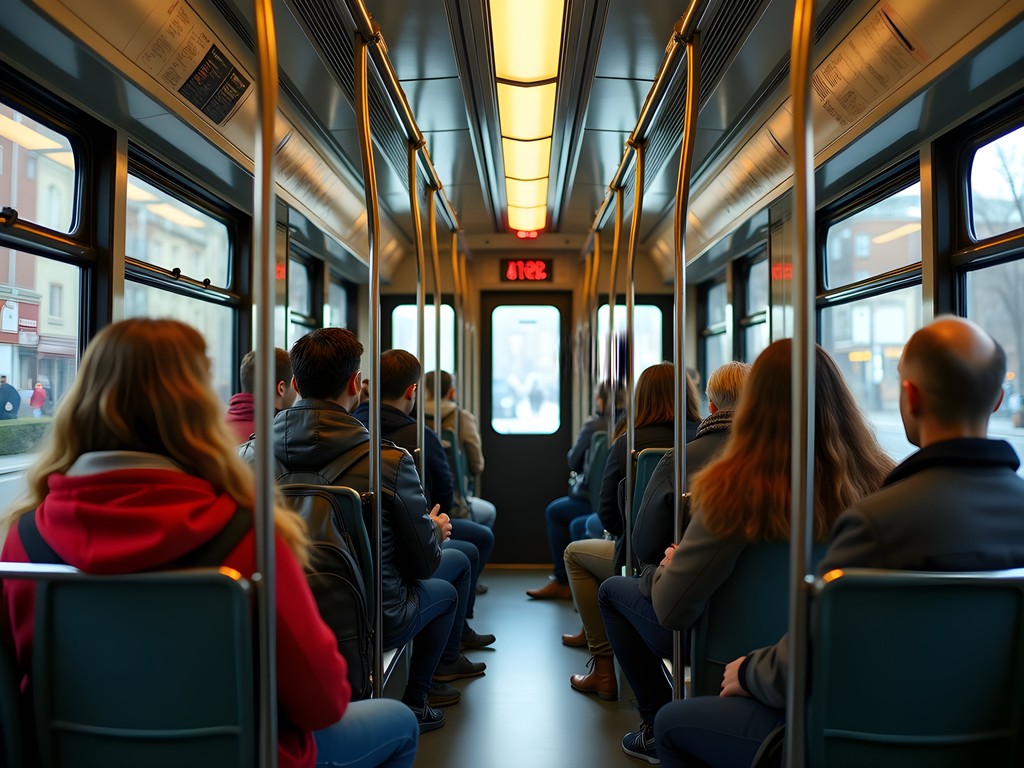
Hungarians take an orderly approach to public transportation—standing on the right side of escalators to let hurried passengers pass on the left, offering seats to elderly or pregnant passengers, and maintaining a respectful quiet in metro carriages. These unwritten rules became apparent within my first few hours in the city.
For students and budget travelers, I recommend starting each day with a plan but allowing flexibility. Group attractions by neighborhood to minimize transit time and costs. My foldable city map became invaluable when my phone battery died unexpectedly one afternoon—technology is wonderful until it isn't.
Language barriers are minimal on public transportation, with announcements in Hungarian and English on most services. Still, learning basic phrases like "köszönöm" (thank you) and "elnézést" (excuse me) goes a long way.
Don't miss the opportunity to cross the Danube on public transport. Both the 4-6 tram crossing Margaret Bridge and tram 2 along the riverbank offer spectacular views that luxury tour boats charge substantial fees to see. During my visit, I found myself repeatedly riding these routes at different times of day, watching how the light transformed the cityscape.
Finally, consider walking between some attractions. Budapest's compact central districts reveal hidden courtyards, street art, and local cafés that you'd miss underground. My collapsible water bottle was perfect for staying hydrated during longer walking stretches without taking up valuable bag space when empty.
💡 Pro Tips
- Metro Line 3 is undergoing renovation—check for replacement buses on the BKK website before planning your route
- Ticket inspectors are common—always validate your ticket to avoid the 8,000 HUF (€22) fine
- Consider walking across the iconic Chain Bridge at least once—it's free and offers unparalleled views
Final Thoughts
As my weekend in Budapest came to a close and I boarded the 100E bus back to the airport, I reflected on how the city's public transportation had become more than just a means to an end—it was an integral part of my experience. For students and budget travelers, Budapest offers a rare combination of affordability, efficiency, and charm that makes exploring on a limited budget not just possible, but preferable.
From the historic charm of the yellow metro line to the panoramic views from Tram 2, Budapest reveals itself differently when you travel as locals do. The money saved on transportation can be better invested in thermal bath experiences, Hungarian cuisine, or perhaps an evening Danube cruise—splurges that create lasting memories.
As someone who reinvented his life at 50, I've learned that travel isn't about checking off attractions but about the journey itself. Budapest's public transportation system embodies this philosophy perfectly. So grab your transit pass, download the BKK app, and prepare to discover Budapest not just as a destination, but as a living, breathing city that welcomes those willing to navigate its public arteries. The city of spas, ruin bars, and stunning architecture awaits—no expensive taxi required.
✨ Key Takeaways
- The 100E airport bus offers the most cost-effective airport transfer at just 900 HUF (€2.50)
- A 72-hour travel card (4,150 HUF/€11.50) provides unlimited access to all public transportation for a weekend visit
- Tram #2 functions as a sightseeing tour along the Danube for the price of a regular ticket
- Budapest's historic Line 1 metro is a UNESCO World Heritage site and an attraction in itself
- Walking between some attractions reveals hidden gems and local experiences you'd miss underground
📋 Practical Information
Best Time to Visit
year-round, though spring (April-May) and fall (September-October) offer pleasant temperatures and fewer crowds
Budget Estimate
€20-30 per day including accommodation in hostels, public transportation, and budget meals
Recommended Duration
2-3 days minimum, ideally a full weekend
Difficulty Level
Easy



Comments
backpack_dave
Great post! Anyone know if the Budapest Card is worth it if you're mainly interested in thermal baths and maybe 1-2 museums?
cityperson
We didn't think it was worth it just for that. Better to pay separately for the baths and use regular transport tickets.
wanderlust_emma
Going to Budapest next week! This couldn't have come at a better time, thanks!
Taylor Moreau
Excellent guide, George. Having visited Budapest quarterly for business over the past decade, I can confirm your advice is spot-on. One additional tip for business travelers: the airport shuttle buses (100E) are far more efficient than taxis during rush hour. For those staying longer, I recommend downloading the BKK Futár app - it provides real-time updates and has saved me countless times when meetings run late. Also, don't overlook the convenience of the monthly pass if staying more than a week - it pays for itself quickly and eliminates the need to purchase individual tickets. I always carry my pocket translator which has been invaluable for reading Hungarian transit signs.
happytraveler92
Is the BKK Futár app available in English? Planning my first trip there!
Taylor Moreau
Yes, it has an excellent English interface. Very intuitive to use even for first-time visitors.
cityperson
This guide is exactly what I needed! Just got back from Budapest last week and wish I'd seen this before going. We figured out the 72-hour travel card was the best deal for us, but spent way too long at the airport ticket machine trying to understand all the options. The locals were super nice helping us figure out which tram to take near Fisherman's Bastion when we got lost. Anyone know if the night buses run frequently? We ended up taking taxis after dinner because we weren't sure.
Taylor Moreau
The night buses in Budapest are quite reliable - they run every 30 minutes on most routes. I've used them extensively during business trips. Look for routes with an N prefix. Much more economical than taxis!
cityperson
Thanks for the tip! Will definitely use the night buses next time. Would have saved us a lot of money.
luckyninja
Just got back from Budapest and used this guide extensively - spot on advice! One thing I'd emphasize is how easy it is to buy tickets from the purple machines. They have English options and take cards. The tram #2 along the Danube is definitely the best sightseeing value in the city - better views than many paid tours. We also found that walking between many central attractions was quicker than expected. The metro Line 1 (yellow line) is worth riding just for the historic stations alone - it's the oldest underground on continental Europe! One warning though: ticket inspectors are EVERYWHERE. We saw tourists getting fined because they forgot to validate their tickets. Don't make that mistake!
islanddiver
Love the photos! Adding this to my bucket list
dreamexplorer
is budapest good for a first time solo traveler? looks amazing but im a bit nervous about navigating a new city alone
George Miller
Absolutely! It's one of the easier European cities to navigate. The public transport is intuitive once you get the hang of it, and locals are generally helpful. Start with the major attractions along the metro lines and you'll build confidence quickly.
Joshua Cooper
Solid guide, George. I spent a week in Budapest solo last fall and the BKK system became my best friend. One thing I learned the hard way - always validate your ticket! I got caught on the M3 line without validating (even though I had a valid ticket in my pocket) and the fine was 8,000 HUF on the spot. The inspectors are no joke. Also, download the BKK app - it has real-time arrivals and saved me from waiting in the cold more than once. The night buses are surprisingly reliable too if you're out late exploring the ruin bars in District VII.
islanddiver
wait they fine you even if you have a ticket?? thats harsh
Joshua Cooper
Yep! The ticket has to be validated in those orange machines when you board. Lesson learned!
Claire Hawkins
George, this brings back memories! We took our two kids (7 and 9) to Budapest last summer and the public transport was surprisingly family-friendly. The trams especially - my daughter called them 'the yellow dragons' and insisted we ride Tram 2 along the Danube every evening. One tip I'd add: the 72-hour travel card is perfect for families. We paid once and didn't have to worry about validating tickets every time the kids wanted to hop on another tram. Made the whole trip so much more relaxed. The thermal baths were our favorite - easily reached by metro!
dreamexplorer
the yellow dragons haha thats adorable! how much was the 72 hour card?
Claire Hawkins
It was around 4,150 HUF per adult if I remember correctly - totally worth it for us!
smartfan
This is SO helpful!! Going in March and was stressing about the airport transfer. Definitely taking the 100E now!
Venture X
Premium card with 2X miles, $300 travel credit, Priority Pass