
Disclosure: This article contains affiliate links. We may earn a commission from purchases at no extra cost to you, which helps our travel content.
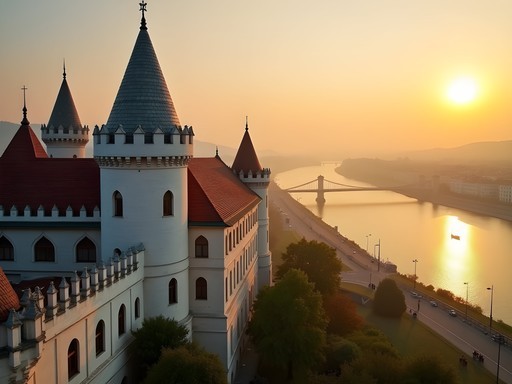
The Danube River cuts through Budapest like time itself, dividing Buda from Pest while connecting past to present. I found myself standing on the Chain Bridge last October, watching the autumn sun cast golden light across the Parliament Building, calculating not just the remarkable history before me, but also the remarkably modest sum in my wallet. After three decades scrutinizing municipal budgets in Riverside, I've discovered that my analytical skills transfer perfectly to stretching travel dollars abroad. Budapest represents the ideal confluence of European grandeur and Eastern European pricing—a mathematical equation that benefits the thoughtful traveler. Having navigated 47 countries since my retirement awakening a decade ago, I can confidently report that few destinations offer such magnificent returns on minimal investment as Hungary's capital.

Navigating Budapest: Transportation Without Breaking the Bank
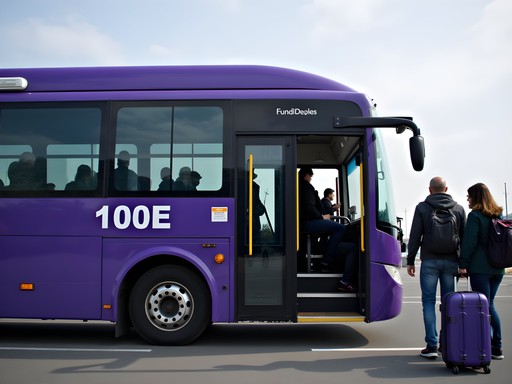
Budapest's public transportation system operates with the precision of a well-maintained timepiece, and fortunately for budget travelers, at a fraction of Western European costs. Upon arrival at Ferenc Liszt Airport, resist the siren call of airport taxis and instead board the 100E direct airport bus (3.40€) connecting to the metro system.
For your week's stay, the 7-day Budapest Travel Card (17€) grants unlimited access to all buses, trams, metros, and even the charming HÉV suburban railway. I calculated this saves approximately 15€ over purchasing individual tickets, assuming two daily journeys. The mathematical advantage becomes even greater when you factor in spontaneous exploration.
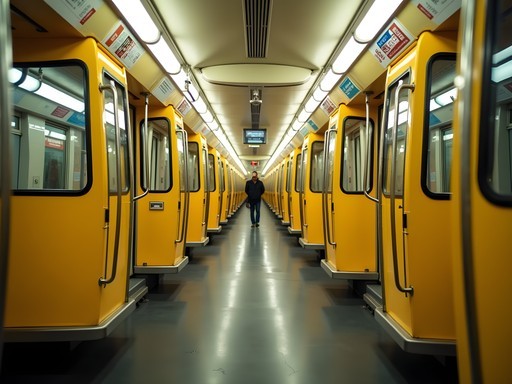
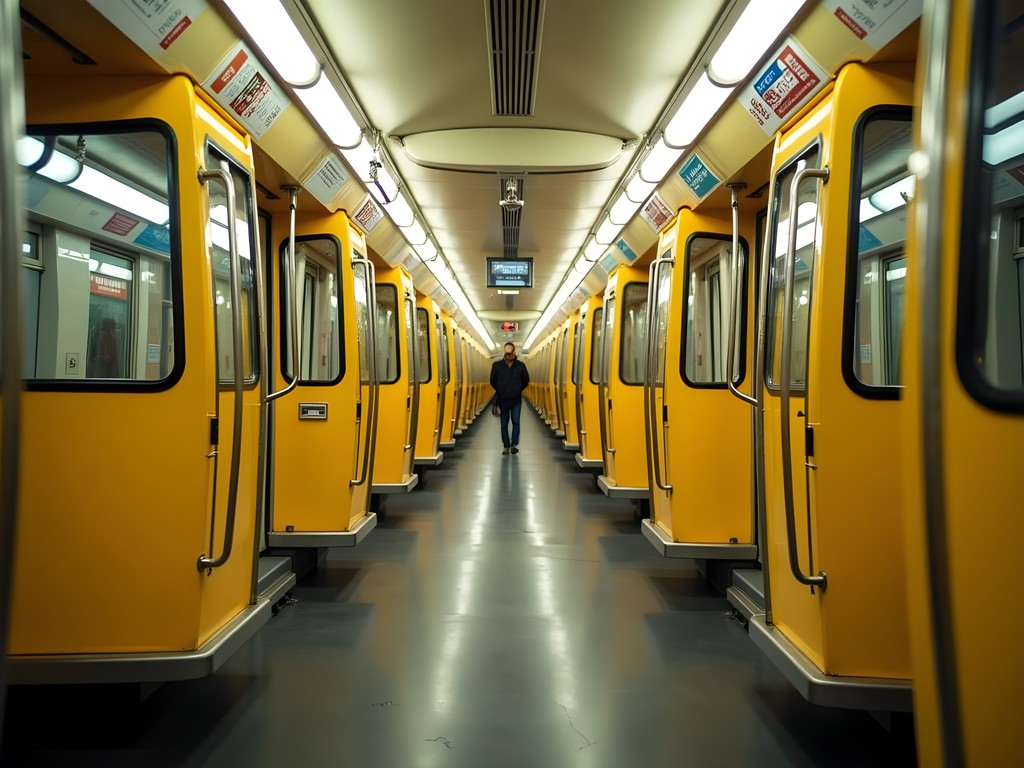
The metro itself deserves special mention—Line 1 is the European continent's oldest underground railway, a UNESCO World Heritage site you can ride for the price of a regular ticket. I found myself boarding it repeatedly just to admire its vintage yellow carriages and historic stations.
When plotting your daily routes, consider Budapest's logical layout. The Danube serves as your primary navigation reference, with major attractions clustered in predictable patterns. I spent one entire day exploring simply by riding tram #2, which Fortune magazine once named among the world's most scenic tram routes. It hugs the Danube's eastern bank, offering million-dollar views for approximately one euro.
For longer city distances, download the BKK FUTÁR app to your smartphone before arrival. This official transit app provides real-time updates, route planning, and ticket purchase options. Having accurate transit information prevented numerous unnecessary taxi expenses during unexpected weather changes.
💡 Pro Tips
- Purchase the 7-day Budapest Travel Card immediately upon arrival to maximize value
- The #2 tram offers the best views of the Danube and major landmarks for just a regular fare
- Metro Line 1 is both practical transportation and a UNESCO World Heritage experience
Affordable Thermal Bliss: Budapest's Budget-Friendly Baths
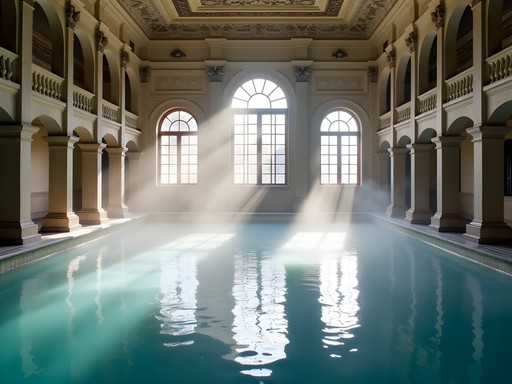
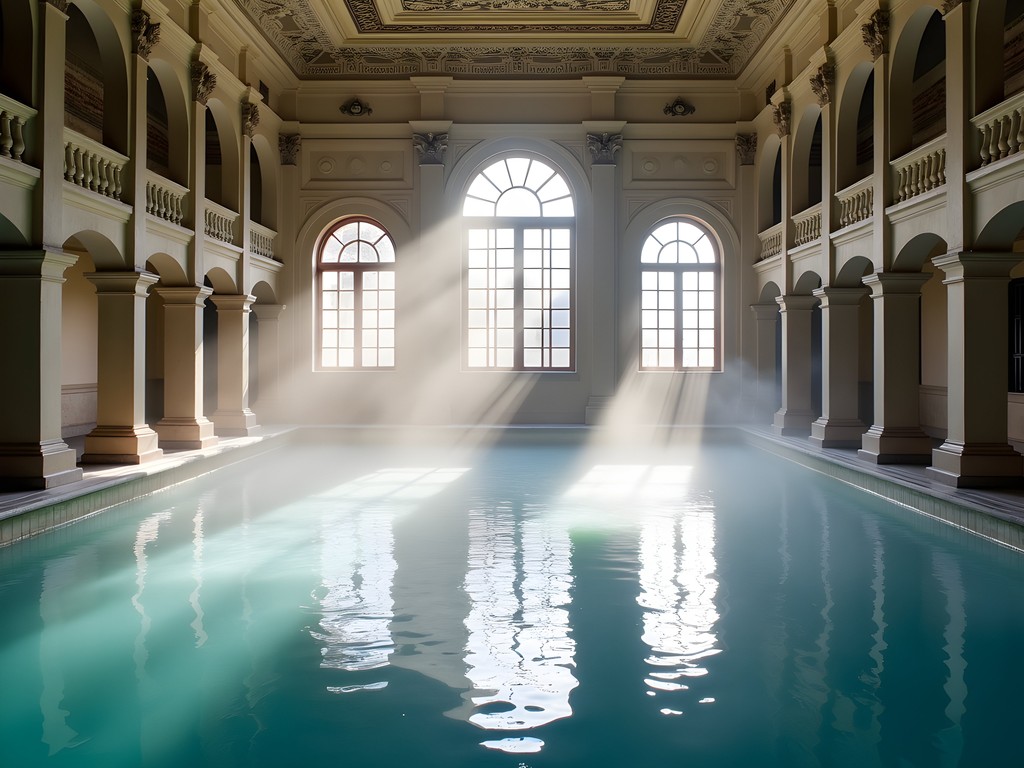
No Budapest experience compares to floating in centuries-old thermal waters while mentally calculating the tremendous value proposition before you. While the famous Széchenyi Baths grace most postcards (and command premium prices), the budget-conscious traveler can discover equally authentic thermal experiences without the accompanying financial steam.
Lukács Baths became my personal favorite, offering the perfect balance sheet of quality and affordability. Entry costs approximately 15€ on weekdays (versus 20-22€ at Széchenyi), with fewer tourists and more locals—always my preferred ratio. The medicinal waters here have served healing purposes since the 12th century, making your admission fee not merely recreation but a historical immersion.
For even greater savings, visit Dandár Baths in the 9th district, where weekday morning admission runs under 10€. This recently renovated neighborhood bath lacks the architectural grandeur of its famous counterparts but compensates with authentic local atmosphere and identical thermal benefits. The mineral composition of Budapest's thermal waters remains consistent throughout the city, meaning your body receives the same wellness benefits regardless of price point.
To maximize both your budget and experience:
- Visit baths on weekday mornings for reduced rates and smaller crowds
- Bring your own towel and flip-flops rather than renting them (a 5-7€ savings)
- Pack a quick-dry travel towel that won't burden your daypack after use
My analytical approach to bath visits involved alternating premium and budget facilities throughout the week. This strategy provided varied architectural experiences while maintaining a sustainable average expenditure. The mathematical precision of alternating 10€ and 20€ admission fees created both financial balance and diverse memories.
💡 Pro Tips
- Visit Lukács or Dandár Baths instead of Széchenyi to save 5-10€ while enjoying identical thermal benefits
- Always bring your own towel and flip-flops to avoid rental fees
- Weekday mornings offer the best combination of lower prices and smaller crowds
Dining Strategies: Maximum Flavor, Minimum Expenditure
Budapest's culinary landscape presents a fascinating economic case study: how can a city simultaneously offer 3€ street food and 30€ restaurant entrees within the same district? The answer lies in knowing precisely where locals eat—information I methodically collected during my week-long stay.
For breakfast, bypass hotel offerings and visit neighborhood pékség (bakeries) for fresh pogácsa (savory scones) and rétes (strudel) at 1-2€ each. My morning routine involved stopping at a different bakery each day, calculating that my typical breakfast cost 3€ compared to 10-15€ at tourist cafés.
Lunch presents the budget traveler's greatest opportunity. Most Budapest restaurants offer weekday ebéd menü (lunch menus) between 12-3pm, featuring two or three courses at fixed prices around 6-9€—often the same dishes that cost twice as much by dinner. I documented 14 different restaurants offering these specials within walking distance of major attractions.
Standout budget dining discoveries included:
- Belvárosi Disznótoros: A standing-room-only butcher shop serving massive portions of traditional Hungarian dishes for 5-7€
- Hummus Bar: A local chain offering excellent Middle Eastern plates for 6-8€
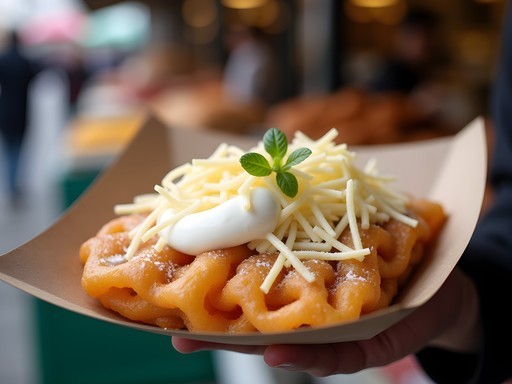
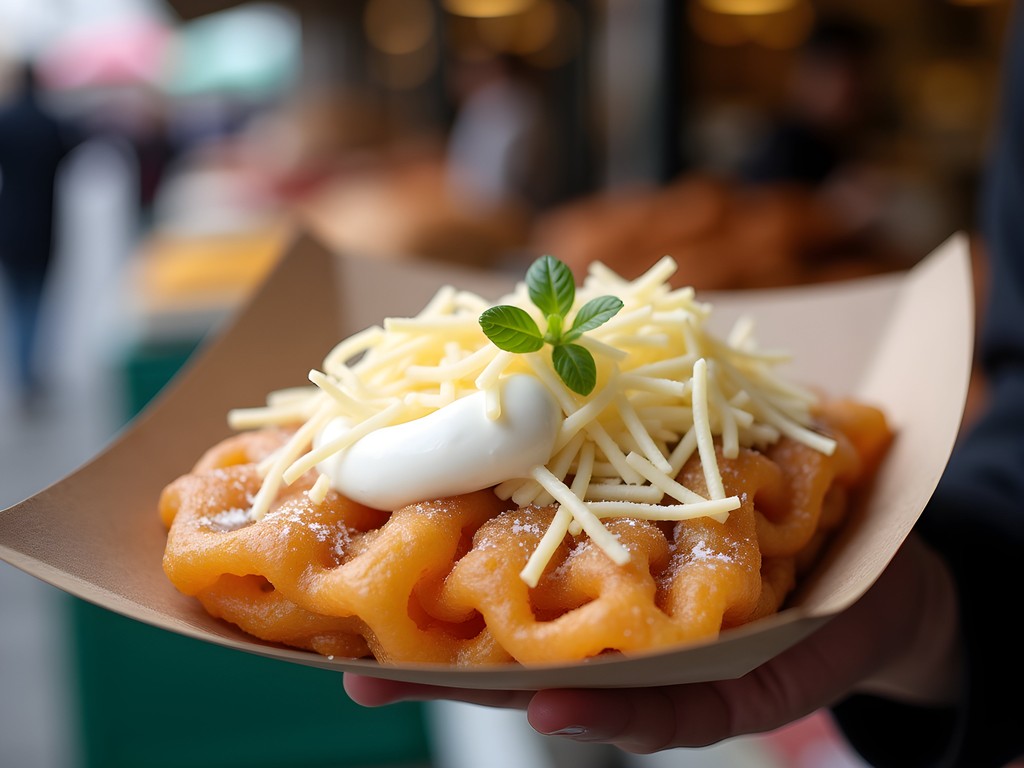
- Great Market Hall: The upstairs food stalls serve enormous lángos (fried dough with toppings) and other Hungarian specialties for 3-5€
For evening meals, I developed a hybrid approach—alternating between self-catering picnics along the Danube (approximately 7€ from grocery stores) and strategic restaurant visits during early bird specials (typically 15% off before 6pm).
Perhaps my most valuable discovery was that Hungarian wine offers exceptional quality-to-price ratio. At grocery stores like Spar or Aldi, excellent bottles cost 4-7€—I recommend Egri Bikavér (Bull's Blood) or any dry Furmint. Pair with local cheese and paprika-spiced salami from the Central Market Hall for an economical riverside dinner as the Parliament Building illuminates across the water.
When tracking expenses in my travel journal, I calculated my average daily food costs at 18€—remarkable for a European capital where I never once felt I was sacrificing quality for economy.
💡 Pro Tips
- Seek out 'ebéd menü' (lunch menu) specials for the best restaurant value
- Visit the Central Market Hall for affordable Hungarian specialties and picnic supplies
- Hungarian wines offer exceptional quality at 4-7€ per bottle in grocery stores

Ruin Bars and Speakeasies: Budget-Friendly Nightlife
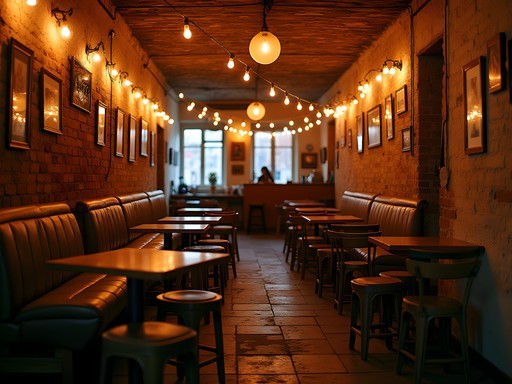
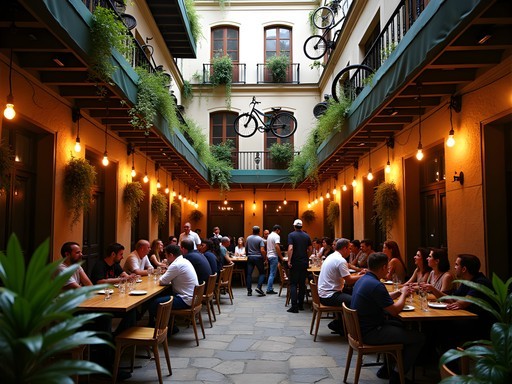
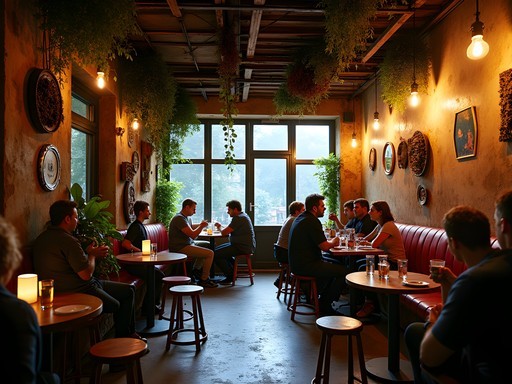
Long before I developed my passion for marine conservation or highway exploration, I cultivated an appreciation for historic drinking establishments. Budapest's ruin bar phenomenon represents one of the world's most fascinating adaptive reuses of abandoned urban spaces—and fortunately for budget travelers, they maintain reasonable pricing despite international fame.
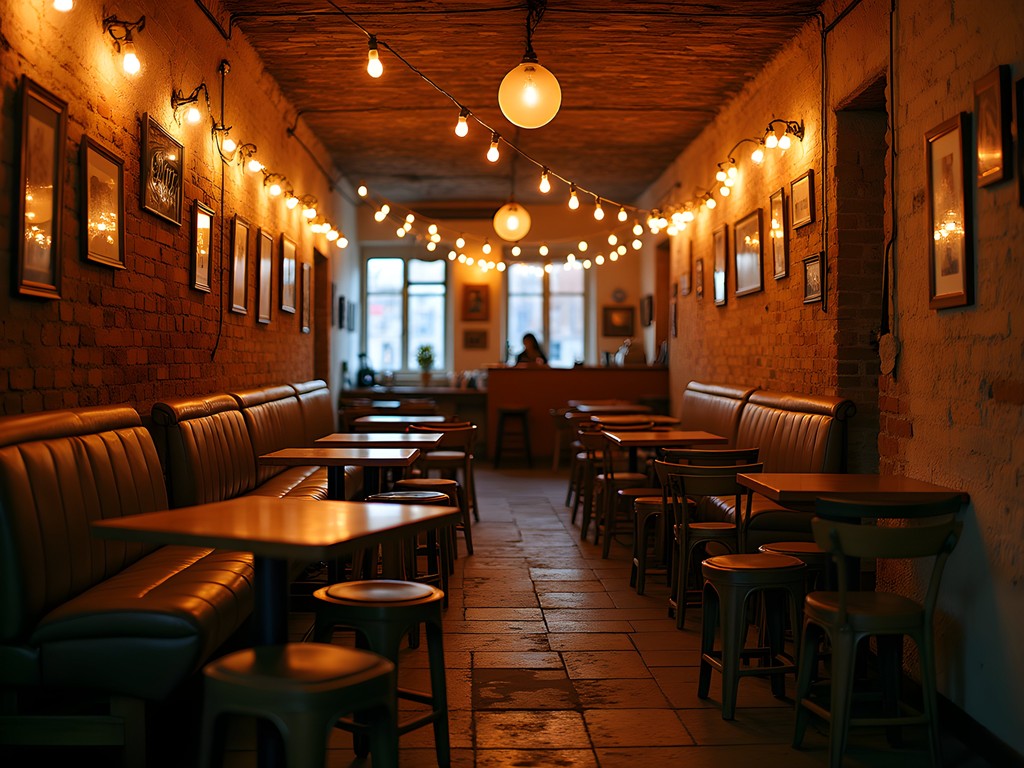
The original ruin bar, Szimpla Kert, has admittedly succumbed to its own popularity, with prices reflecting its must-visit status in every guidebook. However, venture just a few blocks away to find Ellátó Kert or Anker't, where draft beer costs 2-3€ compared to Szimpla's 4-5€. The mathematical advantage becomes significant over multiple evenings.
My analytical approach to Budapest nightlife involved systematically exploring different districts:
- District VII (Jewish Quarter): Home to most famous ruin bars, highest prices but essential experience
- District VIII: Emerging area with newer ruin bars and 20-30% lower prices
- District IX: Local university district where beers average 1.80-2.50€
For those sharing my appreciation for speakeasies and hidden bars, Budapest offers remarkable value compared to similar establishments in Western Europe. While not the absolute cheapest drinking option, venues like Warmup Bar and Tuk Tuk Bar serve craft cocktails for 7-9€—approximately half what you'd pay in Paris or London.
To truly optimize your nightlife budget, time your visits around happy hours, which I dutifully recorded in my pocket notebook. Most ruin bars offer 30-40% discounts between 4-7pm, creating an ideal post-sightseeing, pre-dinner window for economical enjoyment.
Perhaps my most valuable discovery came from following groups of Hungarian university students one Tuesday evening. They led me to Csángó Klub, a folk music venue where local musicians gather weekly. The 3€ cover included a welcome drink, followed by hours of authentic Hungarian folk music and dancing—cultural immersion at a fraction of what organized folklore shows charge tourists.
💡 Pro Tips
- Visit ruin bars during 4-7pm happy hours for 30-40% discounts
- Explore District VIII and IX for similar ruin bar experiences at lower prices
- Check university Facebook groups for authentic folk music nights frequented by locals
Free and Nearly-Free Cultural Experiences
The true mathematical genius of Budapest reveals itself when analyzing the cost-to-value ratio of its cultural offerings. During my week-long stay, I documented 17 completely free experiences that would command admission fees in most Western capitals.
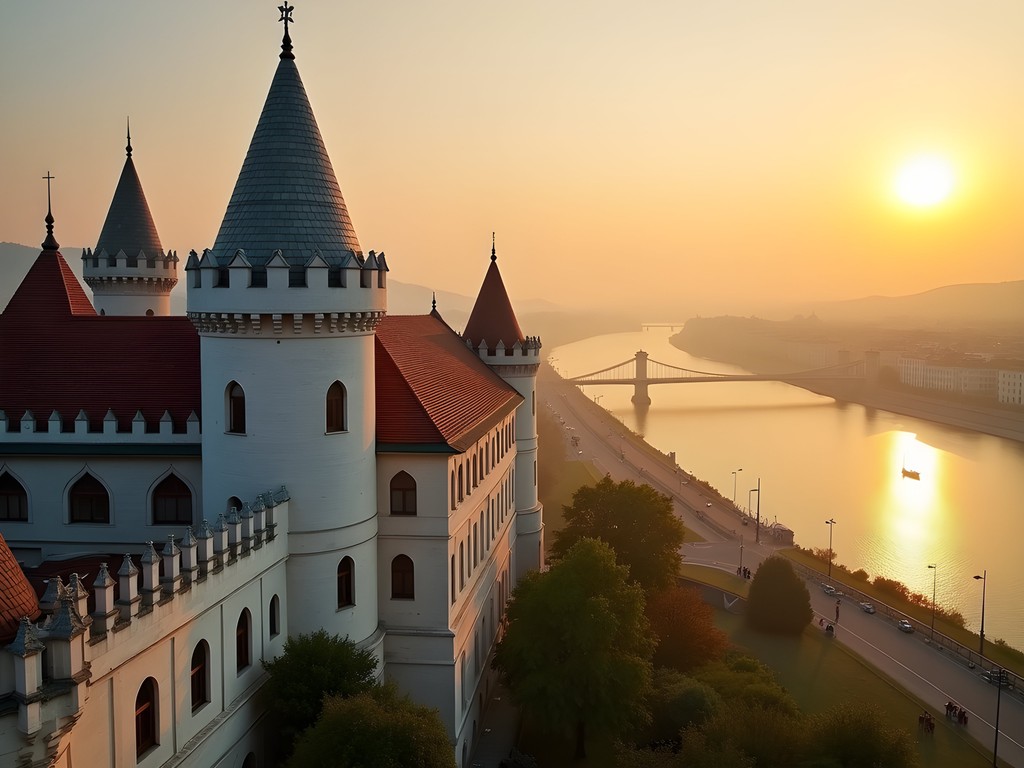
Buda Castle District, while charging for interior museum access, allows completely free exploration of its stunning exterior grounds, streets, and panoramic viewpoints. I spent one entire morning walking its historic lanes without spending a single forint. Similarly, the magnificent Parliament Building can be admired from numerous free vantage points—my favorite being the east bank near Batthyány Square at sunset.
For those seeking museum access, strategic timing becomes essential. Most major Budapest museums offer free admission on specific days each month, typically the first Sunday. By scheduling my visit accordingly, I enjoyed the National Gallery without the usual 10€ fee. Additionally, the Hungarian National Museum offers free entry for EU citizens over 62 (useful if you have European friends) and discounted rates for all seniors.
Beyond these obvious attractions, I discovered numerous hidden cultural gems:
- Free organ concerts at St. Stephen's Basilica on Thursday evenings
- Complimentary art gallery openings (listed weekly on Budapest.hu)
- University lecture series in English at Central European University
- Self-guided architecture tours using the free Budapest Architecture Guide app
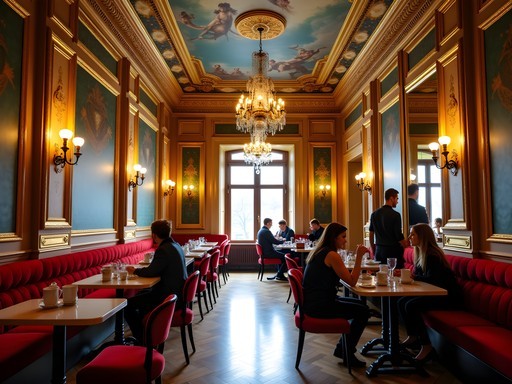
For literature enthusiasts, the magnificent Szabó Ervin Library conceals a stunning secret—its fourth floor houses the former Wenckheim Palace rooms, maintained as reading rooms. For the 1.50€ visitor registration fee, you gain access to one of Budapest's most opulent interiors, where locals casually read newspapers in neo-baroque splendor.
Perhaps my most rewarding discovery was Budapest's network of free walking tours. While these operate on a tip basis, even a generous 8-10€ contribution represents tremendous value for 2-3 hours of expert guidance. I particularly recommend the Communist History tour, which provides essential context for understanding modern Hungary.
For planning these free activities, I relied heavily on my travel guidebook, whose detailed calendar of free events quickly paid for itself many times over.
💡 Pro Tips
- Visit major museums on their monthly free admission days (typically first Sunday)
- Register as a visitor at Szabó Ervin Library to see the magnificent Wenckheim Palace rooms for just 1.50€
- Use free walking tours for orientation, then revisit favorite areas independently
Accommodation Strategies: Comfort Without Cost
Accommodations typically represent the largest expense in any travel budget, but Budapest offers remarkable opportunities for cost reduction without sacrificing comfort. After analyzing dozens of options across multiple booking platforms, I developed a systematic approach to securing quality lodging well under market rates.
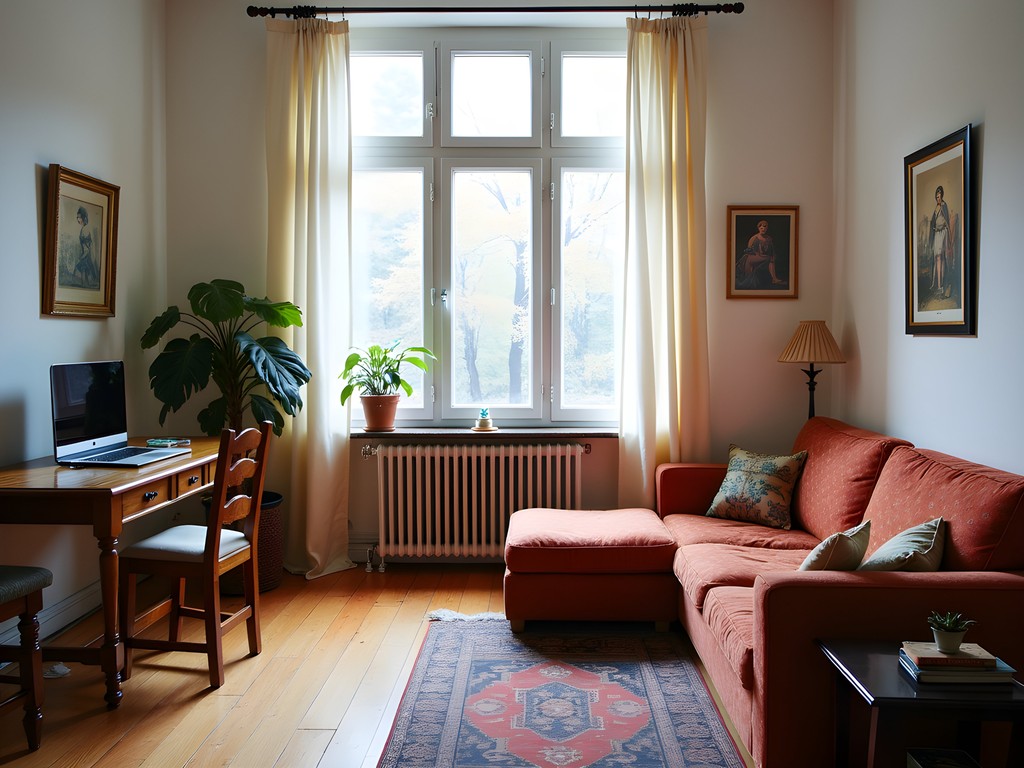
My first strategic decision involved location selection. While Districts V and VI (near the Danube) command premium prices, I identified District VII's outer edges and District VIII as offering the optimal balance of affordability, safety, and proximity. By booking a well-reviewed apartment just two metro stops from the tourist center, I secured accommodations for 35€/night—approximately 40% less than comparable properties in District V.
For solo travelers, Budapest's boutique hostels present an exceptional value proposition. Unlike typical dormitory-style hostels, establishments like Maverick City Lodge and Carpe Noctem offer private rooms with ensuite bathrooms at 30-40€/night during shoulder season. These properties combine hotel-level privacy with hostel social opportunities—an ideal configuration for the solo traveler seeking both economy and interaction.
My research revealed a distinct mathematical advantage to longer stays. Many apartment rentals offer significant discounts for 7+ night bookings—in my case, reducing the nightly rate from 38€ to 35€. When calculated across a week, this 8% reduction funded an additional thermal bath visit in my budget.
For maximum savings, consider properties slightly further from the center but directly on metro lines. I identified numerous quality options near the Grand Boulevard (Nagykörút) offering excellent value while remaining just 10-15 minutes by public transport from major attractions.
Regardless of which neighborhood you select, I strongly recommend traveling with a portable door lock. This small security device adds an extra layer of protection to any accommodation without modifying the door—particularly valuable in apartment buildings where multiple parties may have historical access to keys.
Perhaps my most useful accommodation strategy involved direct communication with property owners. After identifying promising listings, I messaged hosts directly to negotiate rates, securing an additional 5% discount by offering cash payment—a mutually beneficial arrangement that circumvented platform fees.
💡 Pro Tips
- Book accommodations in District VII (outer edges) or District VIII for 30-40% savings over tourist center properties
- Consider boutique hostels with private rooms for solo travelers seeking both economy and social opportunities
- Message hosts directly to negotiate rates, especially for stays of 7+ nights
Final Thoughts
As I stood on the Liberty Bridge my final evening, watching the sunset transform the Danube into a ribbon of gold, I calculated my week's expenditures with the same precision I once applied to municipal water treatment facilities. The mathematical conclusion was irrefutable: Budapest had delivered extraordinary returns on minimal investment. By applying analytical thinking to travel decisions—from accommodation location to thermal bath timing—I had experienced a world-class European capital for under $50 daily without once feeling I'd sacrificed quality for economy. Like navigating the passages between Buda and Pest, successful budget travel requires understanding currents, timing, and local knowledge. The greatest value in Budapest isn't found in its affordability alone, but in the remarkable disparity between cost and experience—a rare economic equation that rewards the thoughtful traveler. What destinations have you discovered that offer similar mathematical advantages? I'm already calculating my return journey.
✨ Key Takeaways
- Strategic timing (shoulder season, weekday visits, early morning arrivals) consistently reduces costs by 20-40%
- Budapest's public transportation system eliminates the need for taxis or tour buses while providing authentic local experiences
- The city's east-west divide creates natural price variations—Buda commands premium prices while Pest offers tremendous value just minutes away
📋 Practical Information
Best Time to Visit
September-October, April-May
Budget Estimate
$45-50 per day excluding flights
Recommended Duration
5-7 days
Difficulty Level
Easy


Comments
Douglas Bradley
Excellent breakdown, John. I'd add that the Great Market Hall deserves more than a quick visit - the upper floor has some fascinating folk art vendors that most tourists skip. Regarding accommodation, I found staying in District VII (the Jewish Quarter) offered the best value-to-location ratio. You're within walking distance of most attractions and surrounded by those ruin bars you mentioned. One correction though: the 72-hour transport pass is now closer to 4,150 HUF, not the 4,000 you mentioned - still an incredible deal. The pricing creep has been minimal compared to Western Europe.
photomaster
Thanks for the District VII tip! Just booked an Airbnb there
photomaster
Going there in April! How easy is it to get around without speaking Hungarian?
starclimber3720
Super easy! Most younger people speak English and the metro is pretty straightforward. Just get the transport app
starclimber3720
Totally agree on the thermal baths! We went to Széchenyi and yeah it was touristy but honestly worth it. The locals section was way quieter. Pro tip - go early morning like 7am and you'll have the place mostly to yourself. Also the langos stands near the baths are AMAZING and super cheap. Did you try any of the cave baths? Heard those are even less crowded.
Douglas Bradley
The cave baths are definitely worth exploring if you have time. Gellért has some interesting architectural elements too, though it's slightly pricier than what John mentions. The early morning strategy is solid advice.
starclimber3720
Thanks! Yeah we skipped Gellért because of the price but might go back next time
hikingchamp
Love the photos from the Chain Bridge!
starking
Any hostel recommendations? I'm traveling solo and trying to keep it cheap but not sketchy lol
travelfan
How was the weather in October? Trying to decide between September or October for my trip.
Claire Hawkins
October is lovely! We took our kids last October and it was perfect - cool mornings (bring layers), warm afternoons around 15-18°C. The autumn colors along the Danube are stunning. Just pack a light rain jacket. September is warmer but more crowded in my experience.
Frank Garcia
Solid breakdown, John. I'd add that the weekly public transport pass (4,950 HUF / ~$13) makes even more sense if you're there 5+ days. Did the math on my trip last spring and saved about €8 compared to daily tickets. Also, the night trams are surprisingly reliable if you're hitting the ruin bars late. Instant is probably the best value for food - that lángos is unbeatable at 2am.
starking
Good to know about the weekly pass! Going in March
dreamninja
Which thermal bath did you go to?
travelfan
Not John but I'd recommend Széchenyi if you're on a budget. It's the most touristy but still authentic and way cheaper than Gellért. Go early morning to avoid crowds!
dreamninja
thanks!!
hikingchamp
This is awesome! Budapest has been on my list forever!!
islandhero
Just wanted to add something about food - those langos John mentioned are amazing but HUGE. My partner and I shared one and it was plenty. Also, check out the Belvárosi Disznótoros near the basilica for incredible Hungarian street food at local prices. We ate there three times in a week!
cityclimber
Omg yes to the langos! I made the mistake of ordering one each and then couldn't eat dinner 😂
Venture X
Premium card with 2X miles, $300 travel credit, Priority Pass