
Disclosure: This article contains affiliate links. We may earn a commission from purchases at no extra cost to you, which helps our travel content.
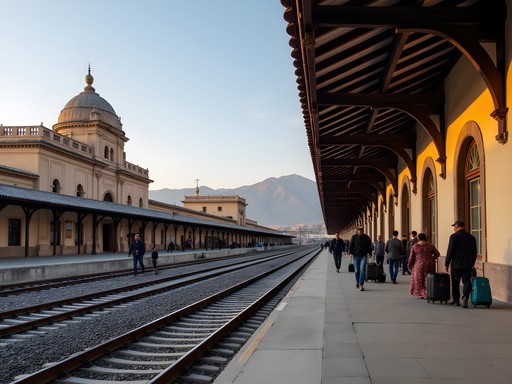
Standing at the bustling Quetta Railway Station, watching the ancient engines huff into their berths, I felt the peculiar sensation of being both foreigner and native son. My father's stories of traversing these mountainous routes decades ago echoed in my mind as I prepared to navigate this gateway to Pakistan's wild Balochistan province. After three decades helping others resettle across borders, I found poetic symmetry in returning to my ancestral homeland—not as a refugee case manager, but as a curious explorer retracing family footsteps through this resilient mountain city.
Getting to Quetta: The Long Road In
Quetta sits in splendid isolation, a fact you'll appreciate whether arriving by air, rail, or road. Pakistan International Airlines operates regular flights connecting Quetta to Karachi, Islamabad, and Lahore—though schedules can be temperamental during spring's occasional dust storms. Having learned the hard way during my first visit, I now religiously check flight status updates through the Flight Tracker App which has proven invaluable for monitoring delays in this region.
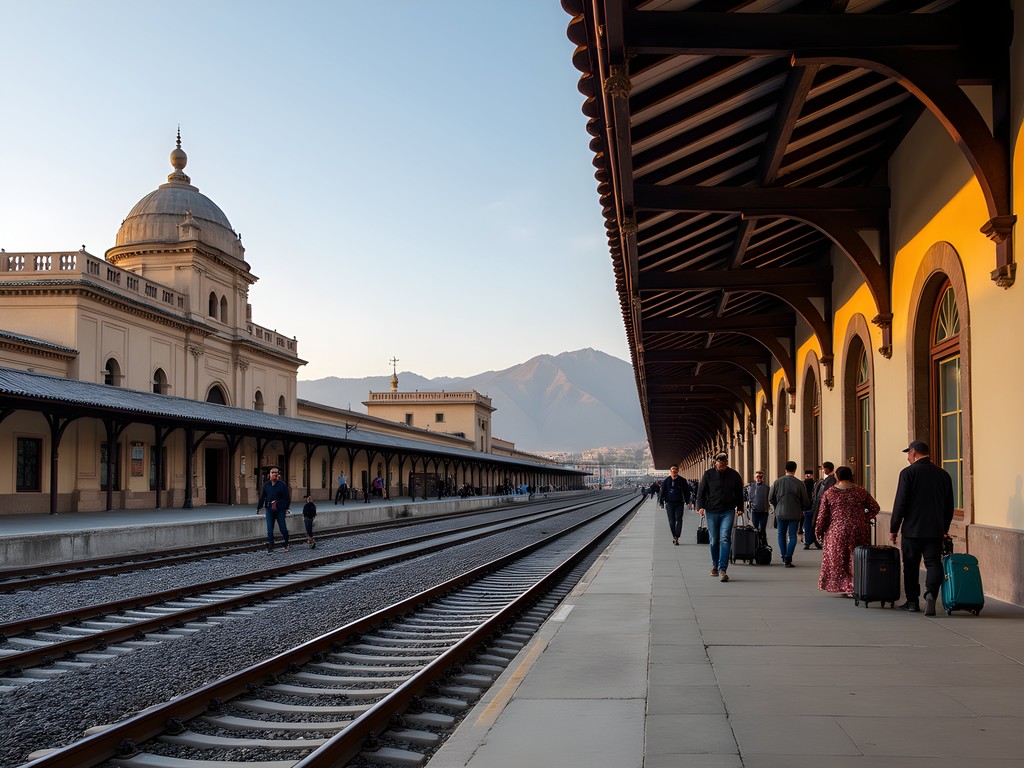
The railway offers a more romantic entry, albeit at the cost of time. The Quetta Express from Karachi takes approximately 16-20 hours but rewards passengers with spectacular mountain panoramas impossible to appreciate from 30,000 feet. For those with a passion for rail journeys (a passion I've cultivated since my first Amtrak adventure at age 12), this route delivers both nostalgia and authenticity—the rhythmic clickety-clack across Balochistan's stark landscape provides a meditative introduction to Pakistan's frontier province.
Overland routes via bus or hired car require fortitude. The National Highway connecting to Karachi involves a 10-12 hour journey through territory where comfort stops are scarce and road conditions unpredictable. Yet there's unparalleled freedom in this approach, allowing impromptu pauses at roadside chai stalls where conversations with local truckers have yielded some of my most treasured insights into Baloch culture.
💡 Pro Tips
- Book flights at least 3 weeks in advance for better rates and availability
- For train journeys, opt for AC class berths which provide essential comfort during the long journey
- If driving, ensure your vehicle has robust suspension and carry extra water
Navigating Quetta's Urban Landscape
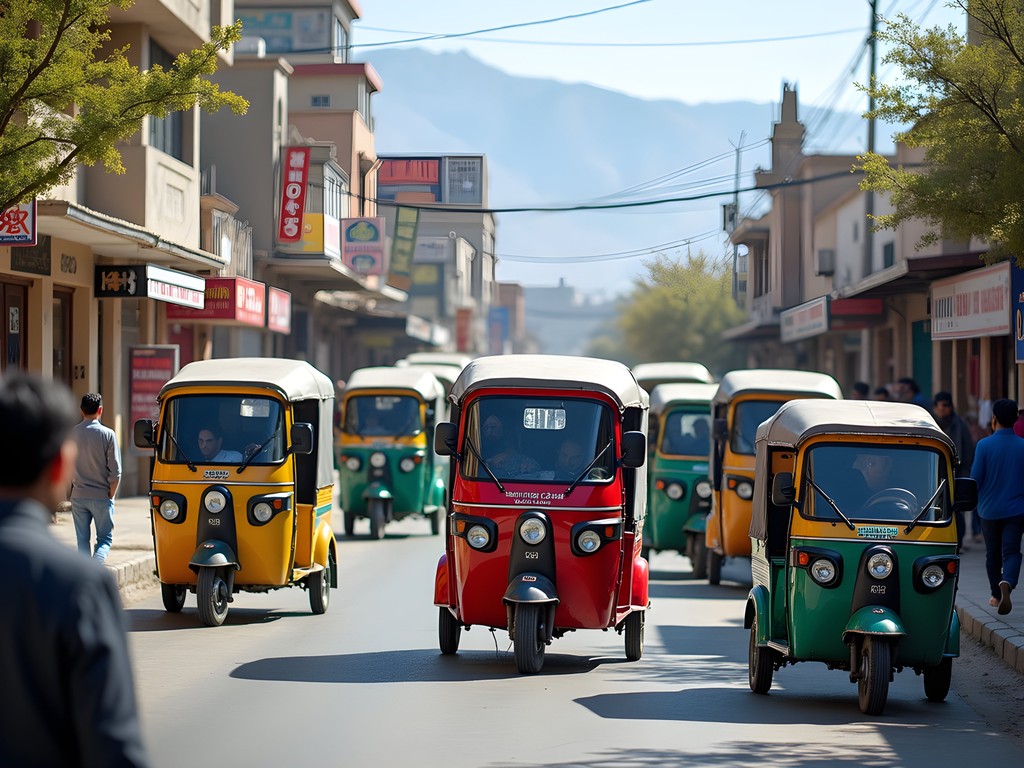
Quetta's compact city center initially appears chaotic to the uninitiated, but reveals its navigational logic after a day or two. Auto-rickshaws (locally called Qingqis) form the backbone of public transportation within city limits. These three-wheeled chariots dart through traffic with alarming agility, charging between 100-300 rupees for most intra-city journeys. I've found that carrying a pocket translator helps tremendously with negotiating fares and communicating destinations to drivers who rarely speak English.
For those preferring greater independence, ride-hailing apps have finally reached Quetta, though coverage remains spotty in outlying areas. Careem operates most reliably, followed by local alternatives like Paxi. Having both installed on your phone provides a safety net when one service experiences outages—not uncommon given the intermittent cellular connectivity.
Walking remains my preferred method for exploring the central bazaars and colonial-era neighborhoods. The city's grid layout around Jinnah Road makes orientation relatively straightforward, though female travelers should note that solo walking attracts attention in this conservative region. I've found that carrying a anti-theft daypack provides peace of mind when navigating crowded market areas, particularly around Liaquat Bazaar where pickpocketing occasionally occurs.
💡 Pro Tips
- Download offline maps before arrival as internet connectivity can be unreliable
- Negotiate auto-rickshaw fares before entering the vehicle
- Avoid walking alone after dark, especially in peripheral neighborhoods
Day Trips and Regional Exploration
Quetta's true value lies in its position as a launchpad for Balochistan's natural and cultural treasures. The challenge comes in arranging reliable transportation to these often-remote sites. After several visits, I've refined my approach to exploring the region's highlights.
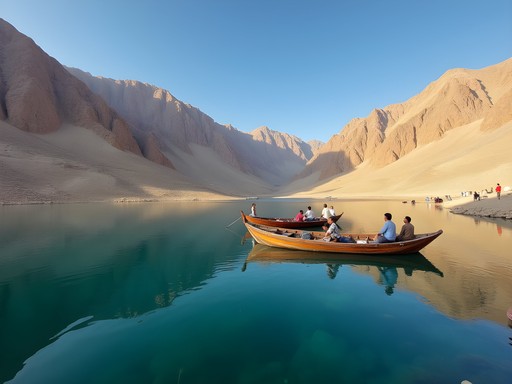
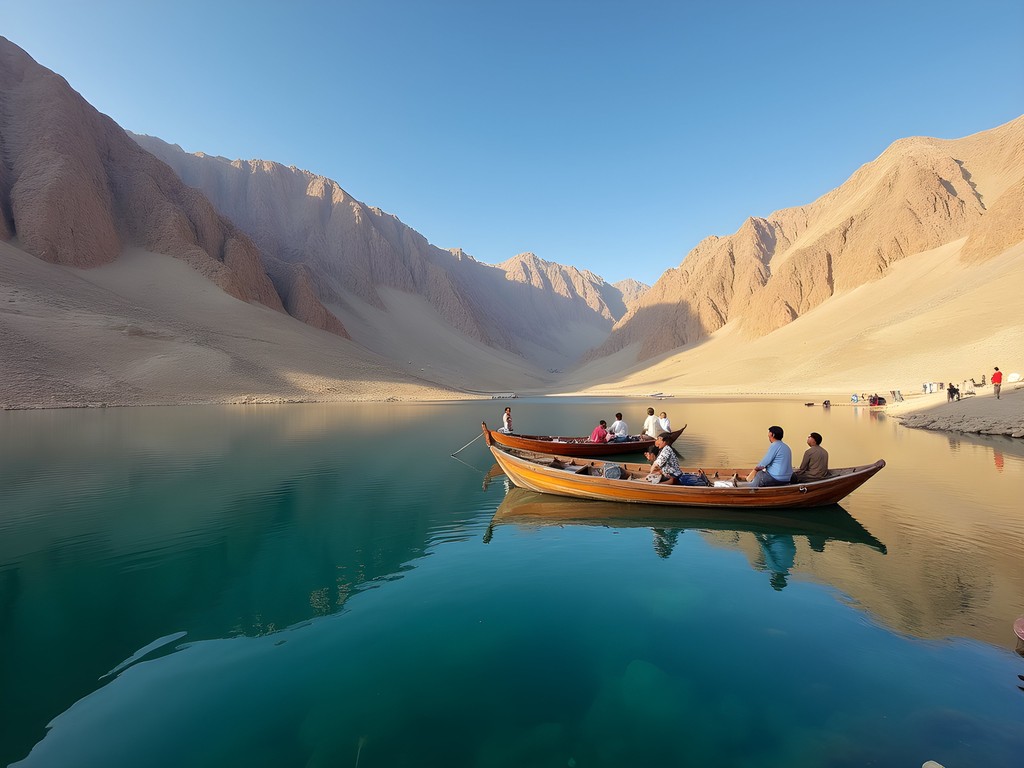
Hanna Lake, just 10km from the city center, offers the easiest excursion. While public minibuses run this route, their irregular schedule makes hiring a taxi (approximately 2000-2500 rupees for a half-day) the more practical option. The driver will typically wait while you explore the lakeside and enjoy the refreshing mountain air—a welcome respite from Quetta's dusty urban environment.
For more ambitious excursions to sites like the Pir Ghaib waterfall or Ziarat (famous for its juniper forests and Quaid-e-Azam residency), arranging a dedicated vehicle becomes essential. Local tour operators cluster around Jinnah Road and Serena Hotel, offering day trips with English-speaking drivers. Having compared numerous options, I recommend negotiating a package that includes a 4WD vehicle—the rugged terrain demands it. Before any extended journey, I always ensure my satellite messenger is fully charged, as cell coverage disappears quickly once you leave populated areas.
The Bolan Pass route toward Sibi presents one of the most spectacular drives in Pakistan but requires advance planning. Security checkpoints are common, and foreigners occasionally need travel permits for certain areas. Arranging this journey through your hotel or a reputable local agency saves considerable hassle with paperwork.
💡 Pro Tips
- Carry printed hotel information and contact details for security checkpoints
- Pack ample water and snacks as services are minimal on outlying routes
- Inform your hotel of your itinerary when taking day trips outside the city

Crossing Borders: Onward Travel from Quetta
Quetta's position near Pakistan's western frontier makes it a natural transit point for travelers continuing to Iran or returning to other Pakistani destinations. The Pakistan-Iran border crossing at Taftan lies approximately 630km west—a journey requiring thorough preparation.
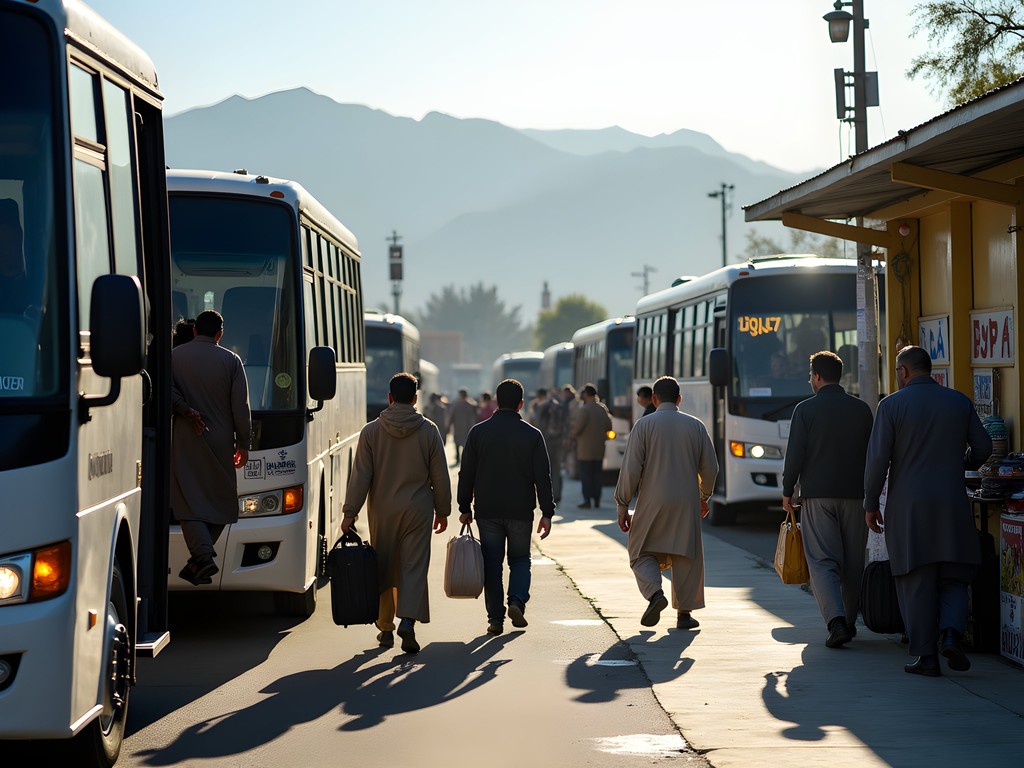
Bus services to Taftan operate from Quetta's western terminal, though frequency has diminished in recent years. The more reliable option involves hiring a private vehicle or joining a shared taxi (locally called "lift"), which departs when full from designated points near Liaquat Bazaar. This journey typically takes 12-15 hours, crossing remote desert landscapes where amenities are scarce. My travel water purifier has proven invaluable on this route, allowing me to safely refill at questionable water sources along the way.
For those continuing eastward into Pakistan's interior, the North-East Railway offers connections to Lahore via Rohri Junction. This multi-day journey requires advance booking during peak seasons (March-April being particularly busy). The alternative—domestic flights—saves considerable time but lacks the cultural immersion that ground travel provides.
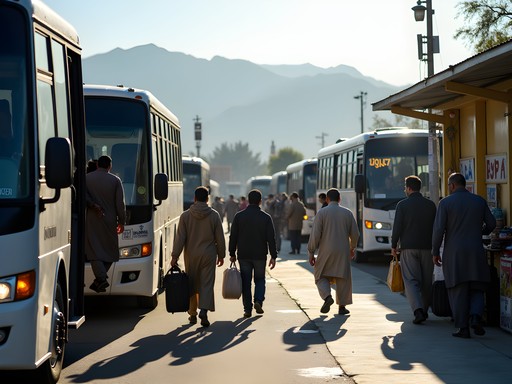
During my most recent visit, I discovered that Quetta's transportation landscape is gradually modernizing. The bus terminal now offers several companies running comfortable coaches to Karachi, Peshawar, and Islamabad. Daewoo Express provides the most reliable service, with air-conditioned vehicles and scheduled rest stops—a welcome improvement from my first visit in 2010 when such comforts were nonexistent.
💡 Pro Tips
- Purchase onward train tickets at least 3-4 days in advance during spring season
- Carry small denominations of Pakistani rupees for roadside purchases as ATMs are rare outside cities
- Consider breaking long journeys with overnight stays in mid-route towns like Dalbandin or Khuzdar
Final Thoughts
As I departed Quetta on the early morning train to Rohri, watching the city's lights fade into the mountain shadows, I reflected on how transportation here isn't merely functional—it's transformative. Each rickety bus ride and train journey had delivered not just to destinations but to connections with fellow travelers and locals whose stories enriched my understanding of this complex frontier region. My father's tales of traversing these same routes decades ago suddenly felt less like distant history and more like a continuous narrative I was privileged to join.
Navigating Quetta requires patience, flexibility, and a willingness to embrace uncertainty—qualities that my years as a refugee case manager inadvertently prepared me for. Whether you're continuing onward to Iran, deeper into Pakistan, or simply exploring Balochistan's rugged treasures, Quetta rewards the persistent traveler with experiences that transcend typical tourism. Pack your sense of adventure alongside your luggage, and allow this mountain gateway to reveal itself at its own deliberate pace. The journey, as they say, truly becomes the destination.
✨ Key Takeaways
- Quetta's transportation options require flexibility and advance planning, especially for onward international travel
- Local auto-rickshaws provide the most efficient city transportation, while private vehicles are essential for regional exploration
- Spring offers optimal travel conditions but requires advance bookings for trains and flights
📋 Practical Information
Best Time to Visit
March through May
Budget Estimate
$30-50 per day
Recommended Duration
4-7 days
Difficulty Level
Moderate




Comments
winterone
Going there in March!! So excited now, thanks for this.
Nicole Russell
This is such a comprehensive guide! I'm planning my Pakistan trip for next year and Quetta is definitely on the itinerary now. Quick question - you mentioned the bus system for day trips. How easy is it to figure out routes if you don't speak Urdu? I usually manage with a mix of Google Maps and hand gestures but wondering if that works here. Also, the personal connection you have with the city really comes through in your writing. Beautiful storytelling!
photostar
I was wondering the same thing about the language barrier!
smartninja
The railway info is gold! Been looking everywhere for this kind of practical guide.
roammood
Just booked my tickets to Pakistan after reading this! Can't wait for those train journeys!
Taylor Moreau
Chase, I appreciate your detailed analysis of transportation options in Quetta. As someone who frequently travels to Pakistan for business, I've found the logistics in Balochistan particularly challenging. Your section on navigating the urban landscape is especially helpful. One point worth noting for business travelers: the airport transfers have become more standardized since your visit, with a new pre-paid taxi counter that helps avoid negotiation hassles. The railway connections to Karachi remain unreliable for time-sensitive travel - I still recommend the Pakistan International Airlines connection despite the premium cost. Would be interested in your thoughts on how transportation infrastructure has evolved since your father's time there.
Sage Dixon
Chase, this brings back memories! I took that same Rohri train back in 2019. The mountain passes at sunrise were absolutely stunning. One thing I'd add for readers - the Quetta-Chaman route near the Afghan border is incredible but definitely check current travel advisories. I hired a driver through my guesthouse and it made all the difference. The local knowledge was invaluable, especially navigating the checkpoints. The fruit markets in Chaman alone made the trip worthwhile!
winterone
Chaman sounds amazing! Adding to my list.
wildway
Really helpful, saving this for later!
coolgal
This post is GOLD! I've been to Quetta three times and your transportation advice is spot on. One thing I'd add for anyone planning to visit - the shared taxis to surrounding areas like Ziarat are actually super comfortable and affordable. We paid about 800 rupees per seat and the drivers know all the best stops for photos. Also, I always carry my travel scarf which was perfect for keeping valuables secure on those crowded buses. Chase, did you make it to the Hanna Lake area? The transport options there have improved a lot recently!
Chase Khan
Thanks for the additional tips! Yes, I did visit Hanna Lake - took one of those new shuttle services they started running from Liaquat Bazaar. Much better than when I visited years ago!
dreamperson
What's the best way to get from the airport to the city center? Are taxis reliable or should I arrange something in advance?
luckynomad
I'd love to know this too actually!
Hunter Thompson
Brilliant write-up Chase! I passed through Quetta back in 2024 and honestly wish I'd had this guide then. The local minibuses were absolutely mental but such good fun once you get the hang of the routes. Did you manage to catch any of the shared taxis up to Ziarat? The drive through those mountain passes is absolutely stunning. Also your bit about the railway station brought back memories - that chai stall on platform 2 is legendary!
Chase Khan
Yes! The Ziarat route is incredible. I almost included a whole section on it but the post was getting too long. That chai stall is still there and still amazing haha
Venture X
Premium card with 2X miles, $300 travel credit, Priority Pass