

Disclosure: This article contains affiliate links. We may earn a commission from purchases at no extra cost to you, which helps our travel content.
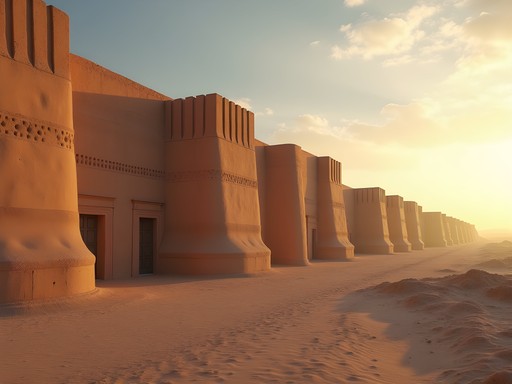
As I stood atop the weathered ramparts of Mehrgarh, watching the golden autumn light dance across Balochistan's rugged landscape, I couldn't help but feel like I was standing at the crossroads of forgotten history. Pakistan's southwestern province holds some of South Asia's most underappreciated archaeological treasures, with Quetta serving as the perfect base for exploration. The region's ancient fortresses and historical sites tell stories of civilizations that thrived here 9,000 years ago—predating even the Egyptian pyramids. My legal background has taught me to search for evidence and narratives that others might miss, and Quetta's surrounding historical sites offer exactly that: compelling stories etched in stone, waiting for curious travelers willing to venture beyond the typical tourist path. This two-week journey through Balochistan's historical wonders offers couples a chance to connect not just with each other, but with the layers of human history that make this region so extraordinary.

Mehrgarh: Cradle of Civilization
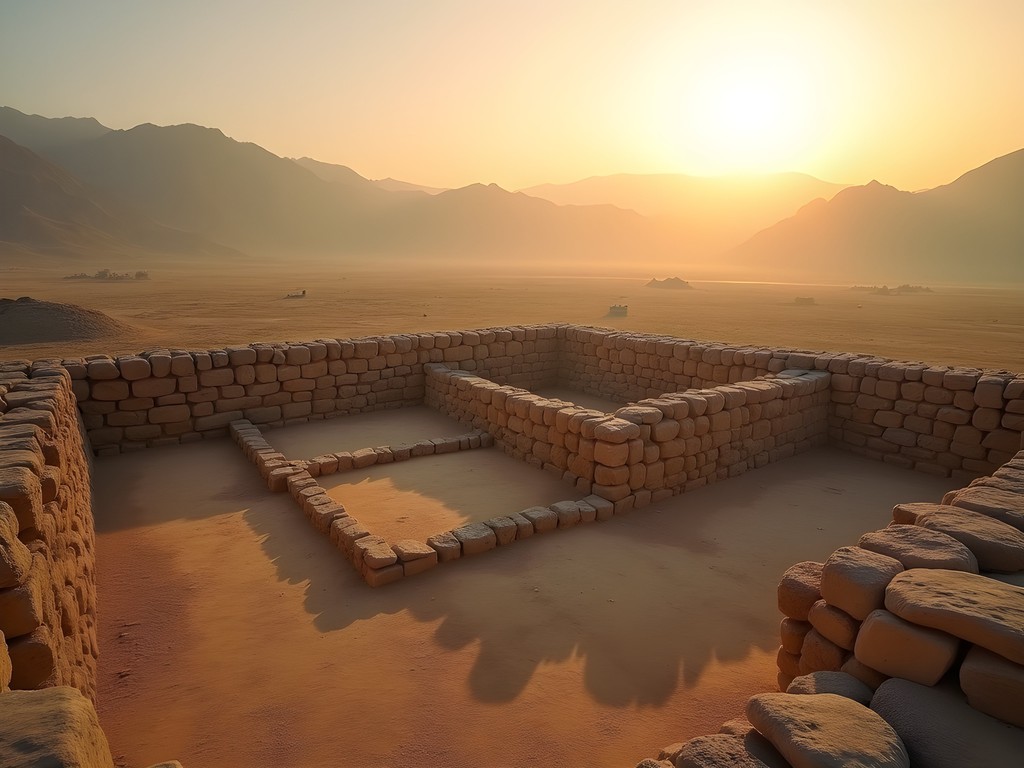
Just a few hours' drive from Quetta lies what might be South Asia's most significant yet least-visited archaeological site. Mehrgarh predates the famed Indus Valley Civilization by thousands of years, with evidence of farming communities dating back to 7000 BCE. Walking these ancient grounds with my partner last fall was like stepping through a time portal to the very dawn of human settlement.
The site sprawls across several mounds, each representing different periods of this remarkable Neolithic settlement. What struck me most was the sophisticated understanding these early people had of agriculture, pottery, and even dentistry (archaeologists discovered evidence of dental drilling here dating back 9,000 years!).
While exploring, we met Dr. Aslam, a local archaeologist who graciously showed us recent excavations revealing intricate burial sites with pottery and personal ornaments. He explained how Mehrgarh challenges traditional narratives about civilization's development, proving that complex societies existed here millennia before conventional history acknowledges.
The site lacks the infrastructure of more famous archaeological destinations, which is precisely what makes visiting so special—you'll likely have these world-class ruins almost entirely to yourselves. I recommend bringing a detailed archaeological guidebook to fully appreciate what you're seeing, as on-site information is minimal.
💡 Pro Tips
- Visit early morning (7-9am) for the best lighting and temperatures
- Hire a local guide in Quetta before departing—they provide cultural context impossible to get otherwise
- Bring plenty of water and sun protection—the site offers minimal shade
Quetta's Hidden Fortress: Miri Qalat
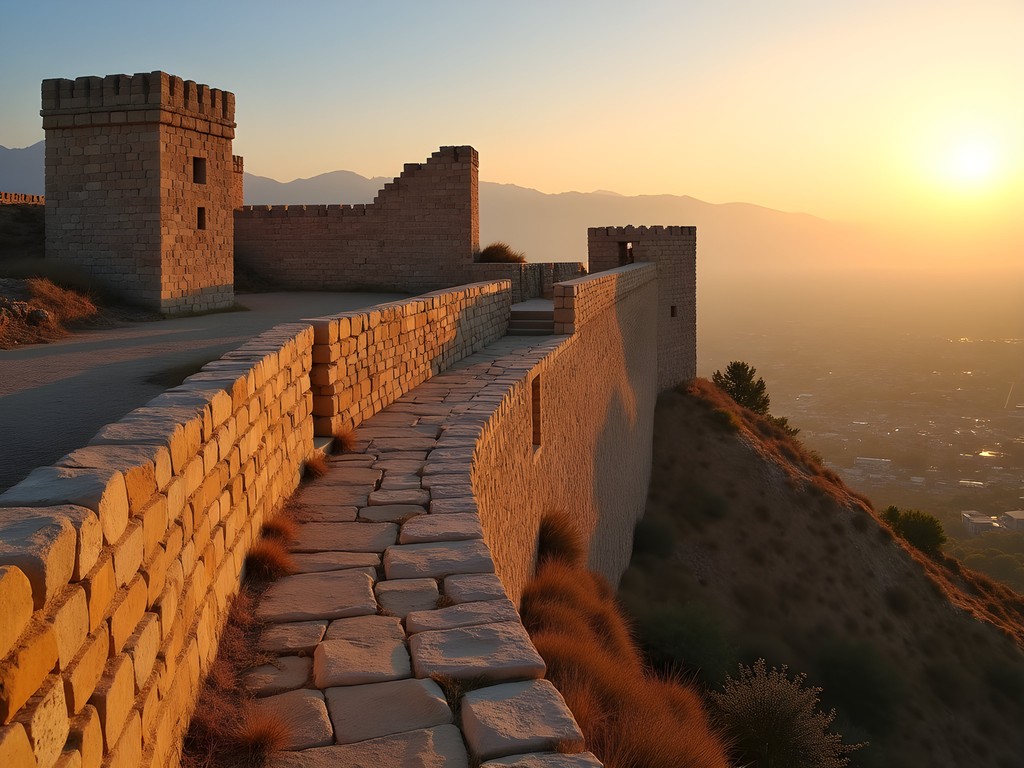
While most visitors to Quetta focus solely on the city's colonial-era architecture or bustling bazaars, I encourage you to seek out Miri Qalat, a fortress whose origins remain shrouded in mystery. Perched on a strategic hilltop overlooking ancient trade routes, this stone sentinel has witnessed centuries of history unfold across the valley below.
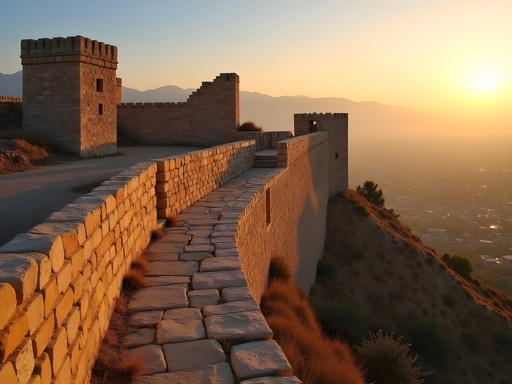
Reaching Miri requires a moderate hike up a winding path—about 45 minutes of steady climbing. My partner and I tackled this in the late afternoon when the harsh sun had softened, and the stones glowed amber in the fading light. The path isn't well-marked, so we arranged for a local guide through our guesthouse (I highly recommend this approach).
The fortress itself features impressive defensive walls that have withstood both time and numerous sieges. What fascinated me most were the small architectural details revealing different historical periods—Islamic arches incorporated into older structures, evidence of repurposing by successive civilizations.
From the highest point, the panoramic views of Quetta and the surrounding mountains are breathtaking. We packed a small picnic and lingered until sunset, watching the city lights begin to twinkle below. These moments of quiet contemplation amid ancient stones created one of our most intimate memories from Pakistan.
Be sure to wear sturdy hiking shoes as the path is rocky and uneven. I was grateful for mine when scrambling over loose stones near the summit.
💡 Pro Tips
- Visit 2-3 hours before sunset to explore fully and still catch the magical golden hour
- Bring a small flashlight for the return journey if staying until sunset
- Women should bring a scarf to cover their heads when passing through nearby traditional villages
Bolan Pass: The Gateway Fortress
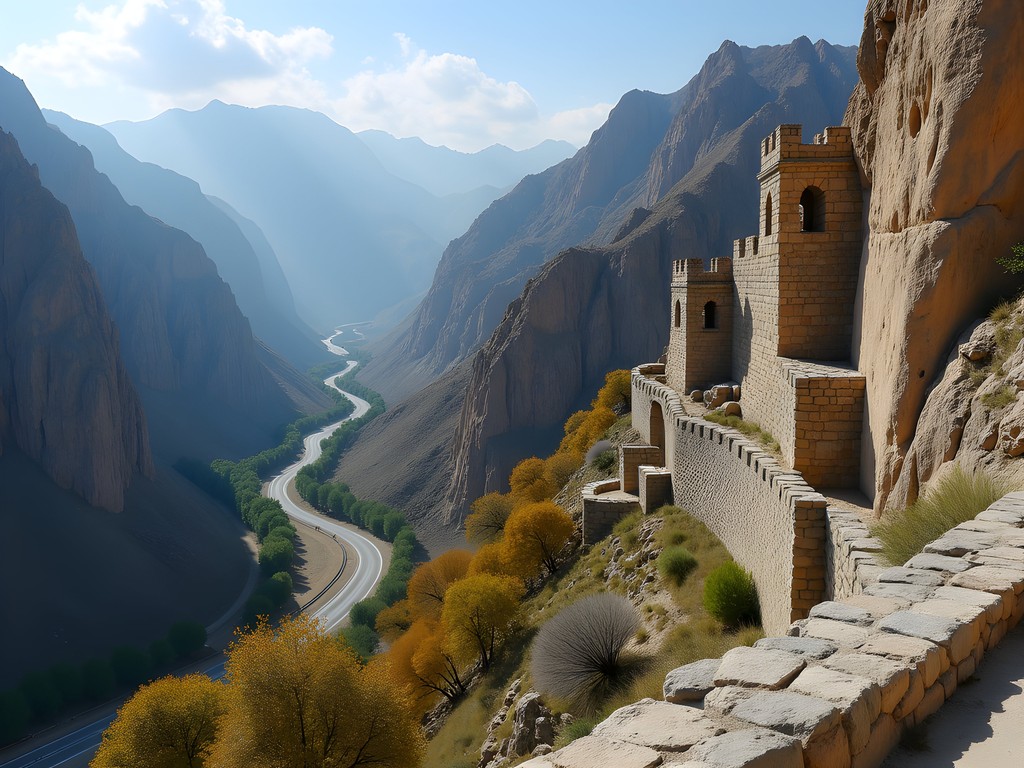
The historic Bolan Pass has served as a crucial route through the mountains for millennia, connecting the plains of present-day Pakistan with Afghanistan and beyond. Alexander the Great, Genghis Khan, and countless traders traversed this same path, and the strategic fortifications built to control this passage tell fascinating stories of power, commerce, and conquest.
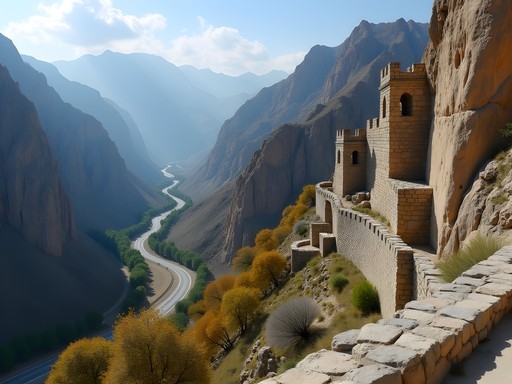
The drive through the pass itself is spectacular—towering cliffs frame a winding road that follows an ancient caravan route. About halfway through the pass lies the remains of what locals call the Gateway Fortress, a structure built into the natural rock formations that once controlled all movement through this vital corridor.
What makes this site special is how the fortress builders incorporated the dramatic natural landscape into their defensive strategy. My background researching historical bridges gave me a deep appreciation for how the architects used the topography to create an essentially impregnable position with minimal construction.
During our visit, we encountered a group of local Baloch shepherds who shared stories passed down through generations about the fortress. Through our translator, they recounted tales of ancient battles and siege attempts that may never have made it into formal historical records. These oral histories added rich context to the crumbling walls we explored.
The area can be windy, so I was thankful for my lightweight jacket that provided protection without overheating during our exploration. For photography enthusiasts, the interplay of light and shadow among the ruins creates stunning opportunities throughout the day.
💡 Pro Tips
- Secure a travel permit for the Bolan Pass area at least 2-3 days before visiting
- Consider hiring a driver familiar with the area's history and road conditions
- Bring binoculars to appreciate distant architectural details and defensive positions

Quetta's Archaeological Museum: Context and Treasures
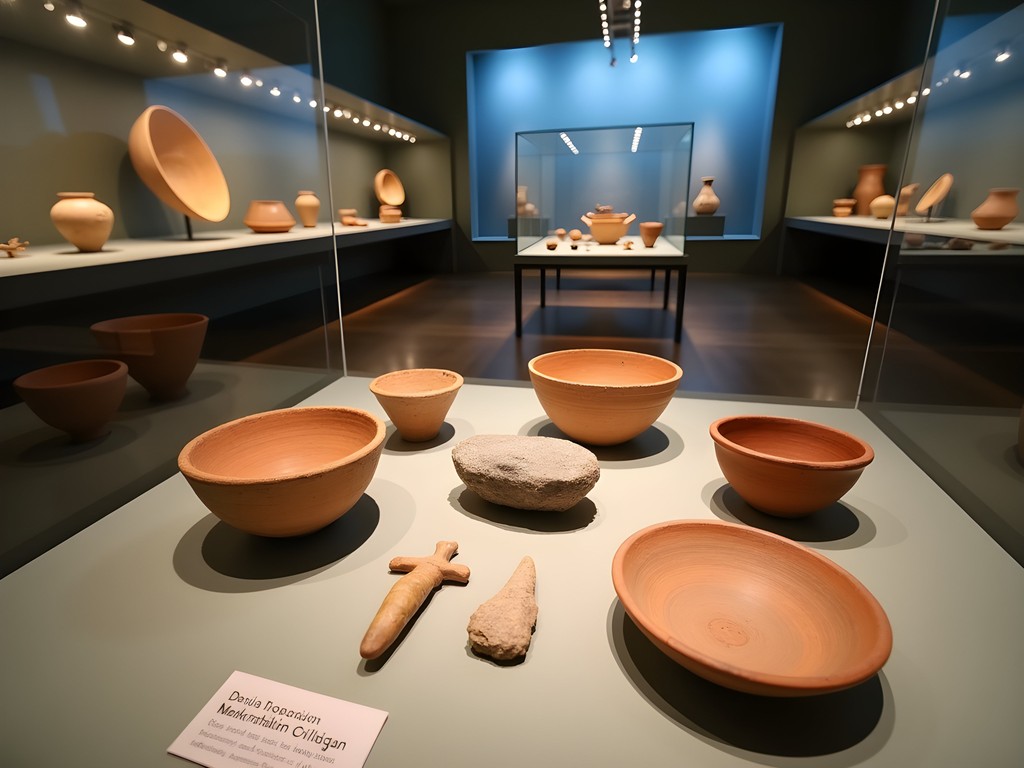
Between fortress explorations, Quetta's Archaeological Museum provides essential context that ties together the region's scattered historical sites. Housed in a colonial-era building near the heart of the city, this modest museum punches well above its weight in historical significance.
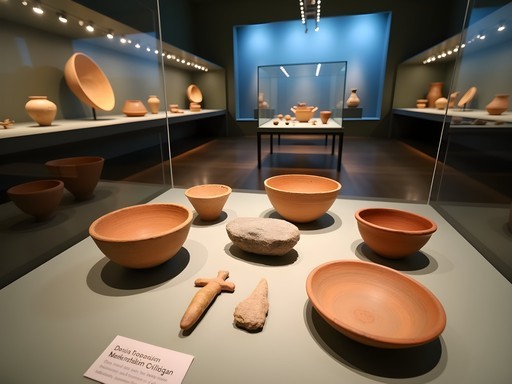
The collection features artifacts from Mehrgarh that revolutionized our understanding of early civilization—including some of the world's oldest pottery and evidence of early metallurgy. What struck me most was seeing the actual dental tools used for prehistoric medical procedures, tangible evidence of sophisticated knowledge that existed thousands of years earlier than we previously thought.
During our visit, the curator—noticing our genuine interest—invited us behind the scenes to view artifacts still being cataloged from recent excavations. This impromptu private tour revealed delicate jewelry, intricate seals, and everyday household items that humanized these ancient people in ways the formal exhibits couldn't capture.
The museum also houses an impressive collection of manuscripts that showcase the region's rich literary traditions and document historical accounts of the fortresses we had been exploring. I spent hours photographing detailed inscriptions and architectural drawings with my travel camera, which handled the museum's challenging lighting conditions beautifully.
While the museum itself might not impress those accustomed to world-class institutions like the British Museum or the Louvre, the artifacts' historical significance and the staff's passionate knowledge make this an essential stop for understanding Balochistan's historical context.
💡 Pro Tips
- Visit on weekday mornings when local school groups are less likely to be present
- Request an English-speaking guide in advance (small donation expected)
- Bring a notebook—photography is restricted in certain sections
Kalat Fort: The Mountain Citadel
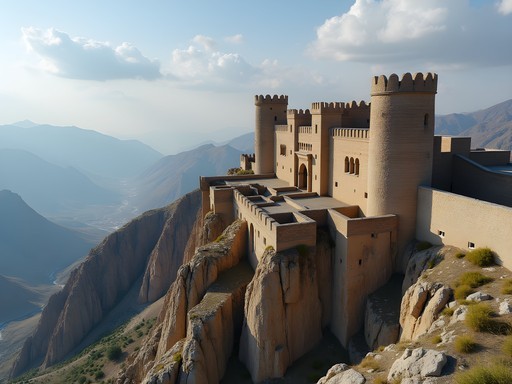
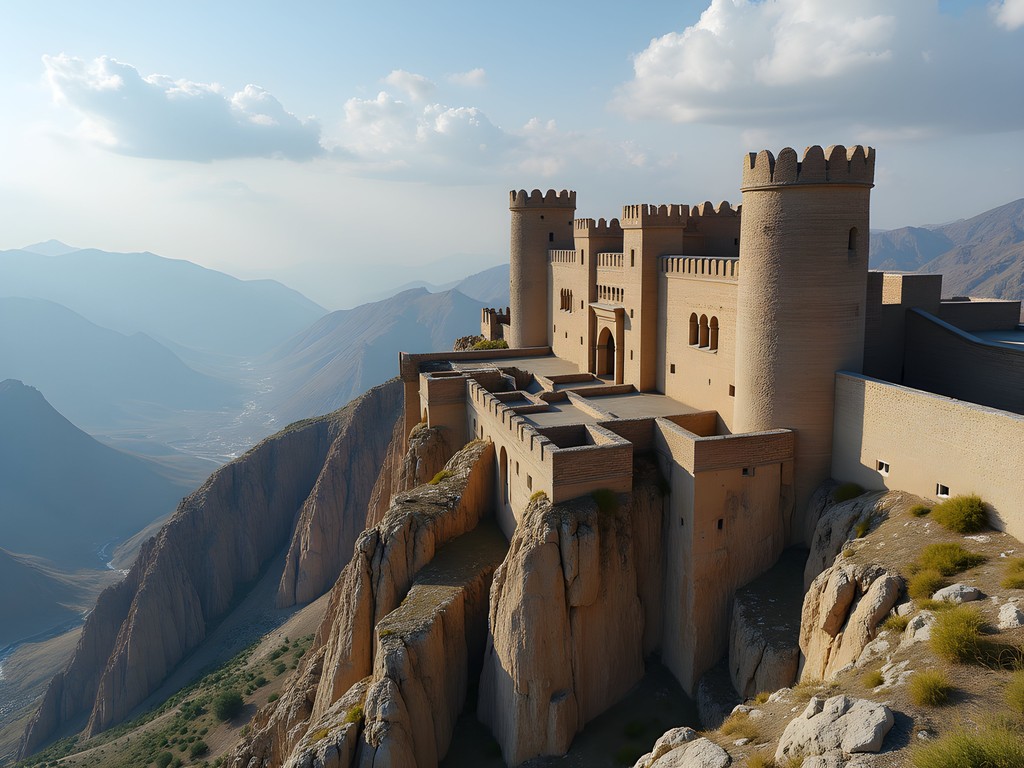
A day trip from Quetta (about 2-3 hours drive) brings you to the impressive Kalat Fort, once the seat of the powerful Kalat Khanate that controlled large swaths of what is now Pakistan and Afghanistan. Perched dramatically atop a limestone ridge, this sprawling fortress complex offers perhaps the most complete picture of historical defensive architecture in the region.
Unlike some of the more ancient sites, Kalat Fort has been continuously occupied and modified over centuries, resulting in a fascinating architectural palimpsest where you can trace different building techniques and cultural influences. The oldest sections date back to the 12th century, with significant additions during the 17th and 18th centuries when the Khanate was at the height of its power.
What immediately captured our attention was the ingenious water management system—a network of channels and reservoirs designed to collect and store rainwater, allowing the fortress to withstand extended sieges. My partner, who works in modern water infrastructure, was particularly impressed by how these ancient engineers solved complex sustainability problems using only gravity and careful design.
The fortress interior contains a small museum displaying royal artifacts, weapons, and historical documents. Most fascinating were the detailed maps showing trade routes that once connected this seemingly remote location to networks stretching from China to the Mediterranean.
The current caretaker is a descendant of the royal family that once ruled from these walls. For a small donation, he shared personal stories passed through generations about life in the fortress, political intrigues, and the gradual decline of the Khanate's power. These personal connections to history made our visit infinitely richer.
The fortress complex is extensive, and exploring it thoroughly requires comfortable walking shoes and plenty of water. I was grateful for my insulated water bottle that kept our drinks cool throughout the hot afternoon.
💡 Pro Tips
- Start your visit early to allow 3-4 hours for thorough exploration
- Respect local customs by dressing modestly and removing shoes when entering certain rooms
- Consider hiring a local guide from Kalat town who can provide cultural context and family histories connected to the fortress
Final Thoughts
As our two weeks in and around Quetta drew to a close, I found myself reflecting on how these ancient fortresses and settlements have weathered millennia of human drama—wars, migrations, cultural shifts—yet remain standing as silent witnesses to our shared history. What struck me most wasn't just their architectural impressiveness, but how they challenge our understanding of civilization's development. Sites like Mehrgarh prove that sophisticated societies existed far earlier than conventional historical narratives acknowledge. For couples seeking a travel experience that combines adventure with profound historical discovery, Quetta's forgotten fortresses offer something increasingly rare in our hyperconnected world: the chance to explore truly off-the-beaten-path wonders that few international travelers ever see. The region requires patience and preparation but rewards visitors with perspectives that transform how you view human history. I left with a deeper appreciation for how ancient peoples solved complex problems and created communities that thrived in challenging environments—lessons perhaps more relevant than ever in our modern world.
✨ Key Takeaways
- Mehrgarh predates the Egyptian pyramids and challenges conventional timelines of civilization's development
- Local guides provide essential context and access to sites that aren't well-documented in guidebooks
- Fall offers ideal temperatures for exploring these often exposed archaeological sites
📋 Practical Information
Best Time to Visit
September to November
Budget Estimate
$75-150 per day for a couple (excluding international flights)
Recommended Duration
12-14 days
Difficulty Level
Moderate


Comments
Amit Sullivan
Savannah, this brought back memories! I visited Quetta back in 2019 and was similarly blown away by how under-the-radar these sites are. Mehrgarh especially - standing there knowing it predates Mesopotamian civilizations by centuries is just mind-bending. I spent an afternoon at the Archaeological Museum and the curator gave me an impromptu private tour, sharing stories his grandfather had told him about the excavations. The hospitality in Balochistan is something else entirely. One thing I'd add for future visitors - the autumn months (like when you went) really are ideal. I went in summer and the heat was brutal! Your photos captured that golden light beautifully.
Savannah Torres
Amit! Yes, the curator was wonderful - was it the same gentleman with the incredible stories about the pottery finds? And totally agree on timing, we were so glad we went in October!
dreamlegend
This is so cool hearing from people who've actually been there!
springtime9359
Is it safe for solo female travelers?
Savannah Torres
I traveled with my husband, but we met several solo female travelers in Quetta who were doing fine. I'd recommend dressing conservatively and arranging tours through reputable companies. The locals were incredibly welcoming!
dreamlegend
WOW!! I had no idea Pakistan had sites this old!! Adding this to my bucket list immediately 🏰✨
summerfan
This looks amazing! I've never heard of Mehrgarh before. How did you get around to all these sites? Did you hire a driver or is public transport an option?
Savannah Torres
Hi! We hired a local guide with a 4x4 for the more remote sites like Mehrgarh. Totally worth it - he knew all the history and the roads can be rough. For Miri Qalat you could probably manage with a taxi though!
summerfan
Thanks! That's really helpful
Haley Hamilton
Savannah, your post transported me right back to my trek through Balochistan three years ago! The Bolan Pass section particularly resonated with me. I remember standing there, imagining Alexander the Great's armies marching through that very corridor, the dust and echoes of history almost tangible in the air. The locals shared stories about how their ancestors watched armies come and go through that pass for millennia. For anyone planning to visit: the light at Mehrgarh is truly magical during the golden hour, just as Savannah captured. I'd recommend planning your visit for late afternoon when the site is less crowded and the shadows create dramatic textures across the ancient structures. Also, the small tea stall run by an elderly man named Karim near the entrance makes the most incredible cardamom tea - a perfect end to your exploration!
oceantime3714
Is that tea stall still there? Sounds like a must-visit!
Haley Hamilton
It was as of last year when a friend visited! Karim's son has taken over more of the daily operations but they still use the same family recipe. Look for the blue tarp about 100m from the ticket booth.
winterway
Is it possible to visit these sites without knowing the local language? Did you have a translator?
hikingguide
Not the author but when I went, our guide spoke excellent English. Most educated Pakistanis speak English well, especially in the tourism industry.
Savannah Torres
Exactly what @hikingguide said! Our guide was fluent in English, Urdu and the local Balochi language. Made everything so much easier.
blueperson
Love the photos!
Frank Garcia
Great breakdown of the sites, Savannah. I'm curious about the accessibility of Miri Qalat - you mentioned it's "hidden" but didn't elaborate much on the logistics. Is it reachable by public transport or do you need private hire? Also, what's the best season to visit? I imagine summer in Balochistan is brutal. I've been researching the Indus Valley Civilization sites and Mehrgarh keeps coming up as essential, but practical information is surprisingly scarce online.
Savannah Torres
Frank - definitely need private hire for Miri Qalat, it's about 45 min from central Quetta on rough roads. October-March is ideal, we went in November and weather was perfect. Summer would be intense!
sunsetgal4872
This looks amazing but is it safe to travel there? I've always wanted to visit Pakistan but I'm a solo female traveler and a bit nervous. Your photos are gorgeous btw!
Sophia Gomez
I traveled solo in Quetta and felt safe, but definitely connect with local guides and stay aware. The hospitality is incredible - people went out of their way to help me. Just do your research and trust your instincts!
sunsetgal4872
Thank you! That's really helpful :)
Sophia Gomez
Savannah, this brought back memories! I visited Quetta in 2019 for a conference and managed to squeeze in a day trip to Bolan Pass. There's something haunting about standing where so many empires marched through - Alexander's armies, the Mughals, the British. The layers of history are just staggering. I wish I'd had more time to explore Mehrgarh like you did. The archaeological museum was a highlight though - those Neolithic pottery fragments are mind-blowing when you realize how old they are. Did you get to meet Dr. Rahman who curates the collection? He's incredibly knowledgeable.
Savannah Torres
Yes! Dr. Rahman was wonderful - spent almost two hours with us explaining the excavation history. Such a passionate curator.
Venture X
Premium card with 2X miles, $300 travel credit, Priority Pass