

Disclosure: This article contains affiliate links. We may earn a commission from purchases at no extra cost to you, which helps our travel content.
The first time I saw Lhasa unfold before me from the window of a rattling bus climbing up from the Gonggar Airport, I felt like I'd slipped into another dimension. The Potala Palace rising above the city like something from a dream, prayer flags dancing in the thin mountain air, and that impossible Tibetan blue sky stretching forever. Getting to the rooftop of the world isn't straightforward, y'all – but that's exactly what makes the journey worthwhile. After three visits documenting cultural archives and exploring the region's sacred lakes, I've learned a thing or two about navigating this remarkable place.

The Permit Puzzle: Your First Transportation Challenge
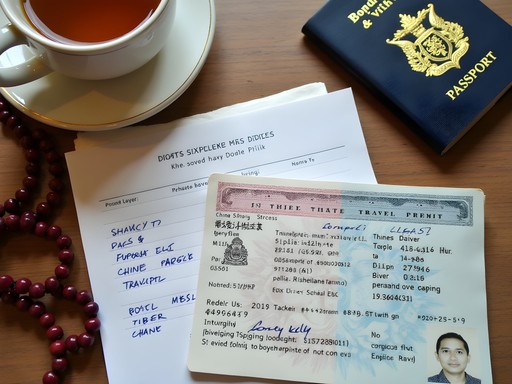
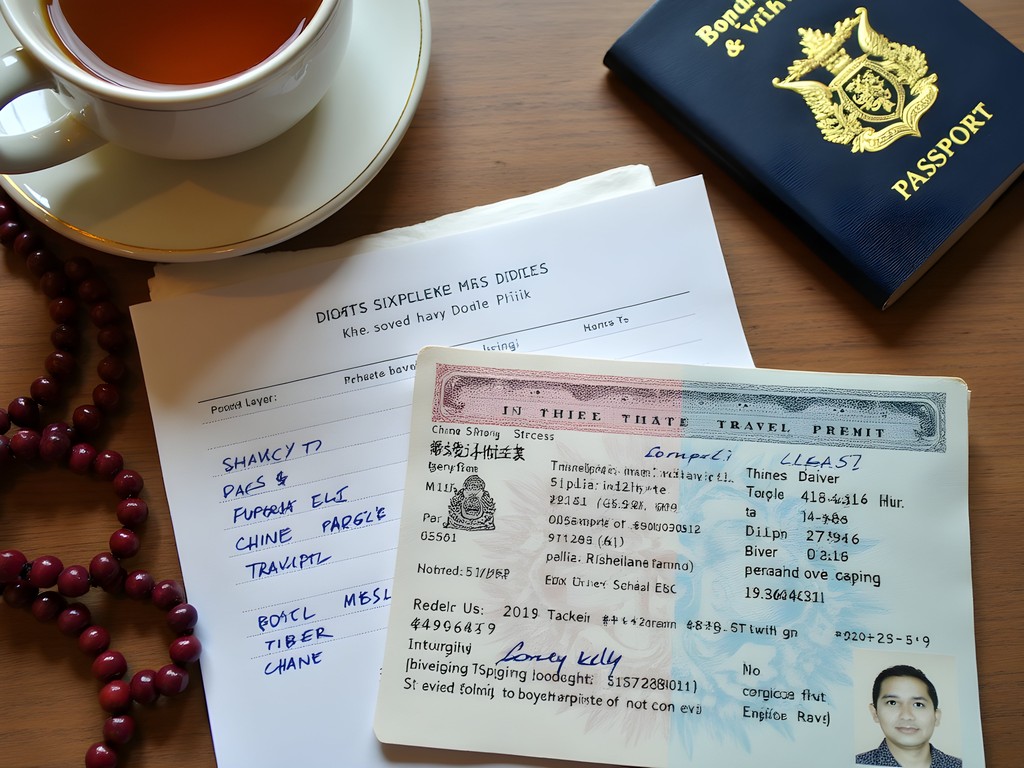
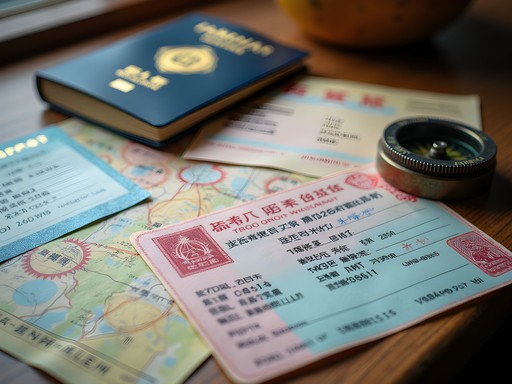
Let's get this straight from the jump – you can't just book a ticket to Tibet and roll up whenever you please. The Chinese government requires every foreign traveler to have a Tibet Travel Permit, and you can only get one through a licensed Tibetan tour agency who'll arrange your itinerary. This isn't just bureaucratic red tape; it's your literal ticket to ride.
I learned this lesson the hard way my first attempt, getting stuck in Chengdu for three extra days while my paperwork processed. These days, I start planning at least 3-4 weeks ahead with a reputable agency like Tibet Vista, who handle the permit headache while you dream about butter tea and mountain passes.
Your permit will determine not just your entry but your entire transportation journey – which cities you'll transit through, whether you're flying or taking the train, and even which sites you can visit once you're in Lhasa. It's all connected, and the system doesn't flex for spontaneity.
💡 Pro Tips
- Apply for your Tibet Travel Permit at least one month before your planned trip
- Keep digital AND physical copies of all permits and travel documents
- Choose an established Tibetan tour agency with English-speaking guides
Sky Road vs. Iron Dragon: Flying or Training to Lhasa
You've got two main options for reaching Lhasa: flying direct or taking the legendary Qinghai-Tibet Railway. Each offers dramatically different experiences and acclimatization benefits.
The Sky Road (Flying)
Flying into Lhasa's Gonggar Airport gets you there quick – about 2 hours from Chengdu or 4 from Beijing – but hits your body with the full altitude shock. At nearly 12,000 feet, Lhasa will humble you with headaches, dizziness, and that peculiar breathlessness that feels like you've forgotten how to inhale properly.
If you're tight on time, flying makes sense, but do yourself a favor and pick up some altitude sickness medication before your trip. I've found starting the medication 24 hours before landing helps take the edge off that first brutal day.
The Iron Dragon (Train)
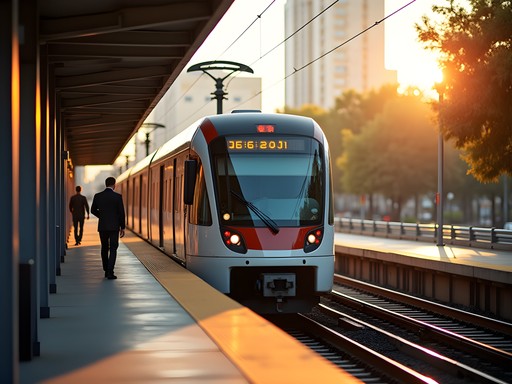
Now, for the true experience – the 'Sky Train' climbing the Tibetan plateau is something that'll stick with you forever. The 40+ hour journey from Beijing (or shorter options from Chengdu, Xi'an, or Shanghai) gives your body time to adjust gradually as you climb through some of the most spectacular scenery on earth.
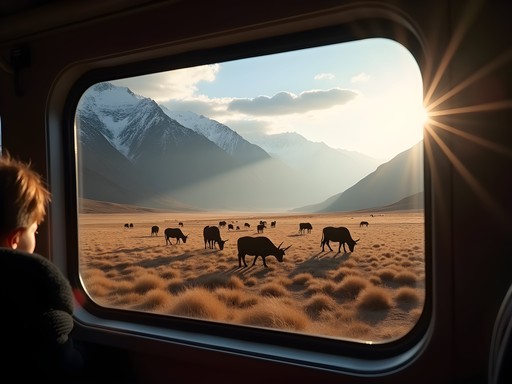
I'll never forget waking up on that second morning as we crossed the permafrost of Tanggula Pass – the highest railway in the world at over 16,000 feet – watching wild yaks grazing while oxygen pumped through the carriages. My travel journal is filled with sketches from those train windows that later became prints in my 'Passages to Lhasa' series.

💡 Pro Tips
- Book soft sleeper class on the train for multi-day journeys – hard sleepers are rough for Westerners
- The train has limited food options – bring plenty of snacks and instant noodles
- Window seats on the left side (facing forward) offer the best views on the approach to Lhasa
Altitude Acclimation: The Transportation Strategy Most Guides Skip
Here's something they don't tell you in the glossy brochures – your transportation choices should be directly tied to your altitude strategy. The biggest mistake I see folks make is landing in Lhasa and immediately trying to do everything at once.
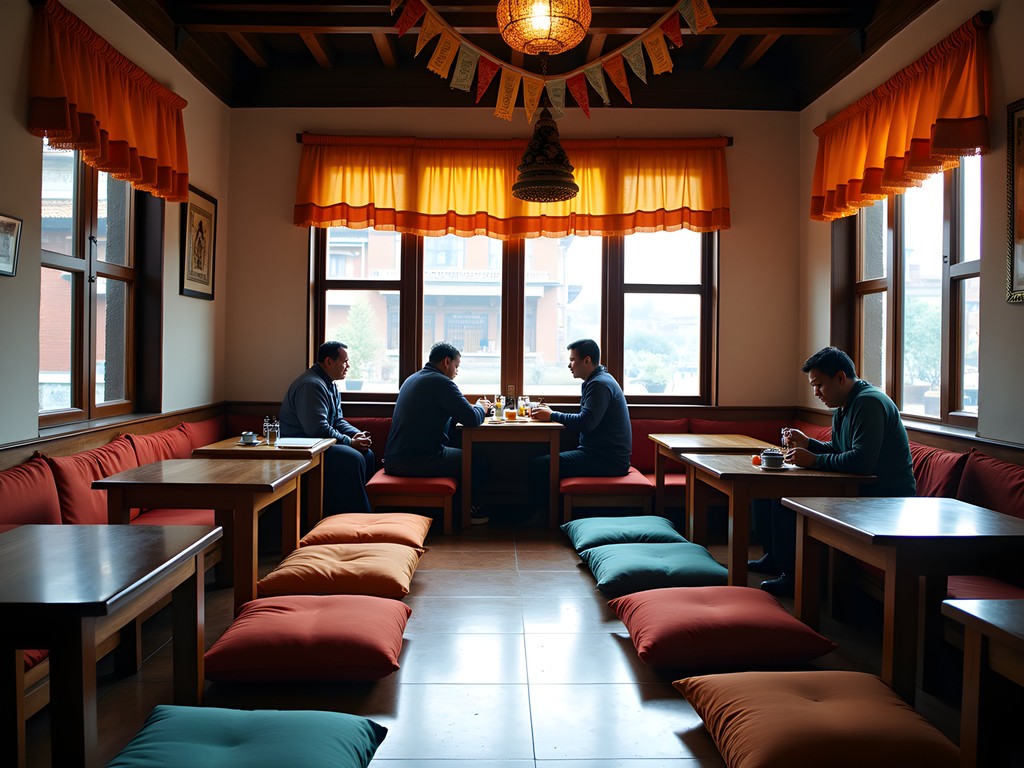
After that first disastrous visit where I spent two days in my guesthouse with splitting headaches, I've developed a rhythm that works: arrive, then do absolutely nothing for 24 hours. I mean it. Drink water, rest, maybe take a slow 10-minute walk, then rest some more.
If you're flying in, consider this transportation hack: ask your tour operator to arrange a stop in Tsedang (at a lower 11,450 feet) or Gyantse before heading to Lhasa. These intermediate stops give your body crucial adaptation time.
For equipment, I swear by my pulse oximeter to monitor my blood oxygen levels those first few days. When the reading drops below 85%, I know it's time to slow down and breathe deliberately. My Tibetan guide Tenzin taught me to carry a small bag of dried goji berries – a traditional remedy that seems to help with the headaches, though the science is still out on that one.
💡 Pro Tips
- Schedule nothing important for your first full day in Lhasa
- Drink at least 3-4 liters of water daily to combat altitude effects
- Avoid alcohol completely for the first 48 hours after arrival

Getting Around Lhasa: Local Transportation Deep Dive
Once you've conquered the journey to Lhasa and your lungs have made peace with the altitude, you'll need to navigate the city itself. Lhasa is more compact than you might expect, with most major sites concentrated in a walkable area – though that 'walkable' designation comes with an asterisk when every step requires more oxygen than your body wants to provide.
Walking the Kora
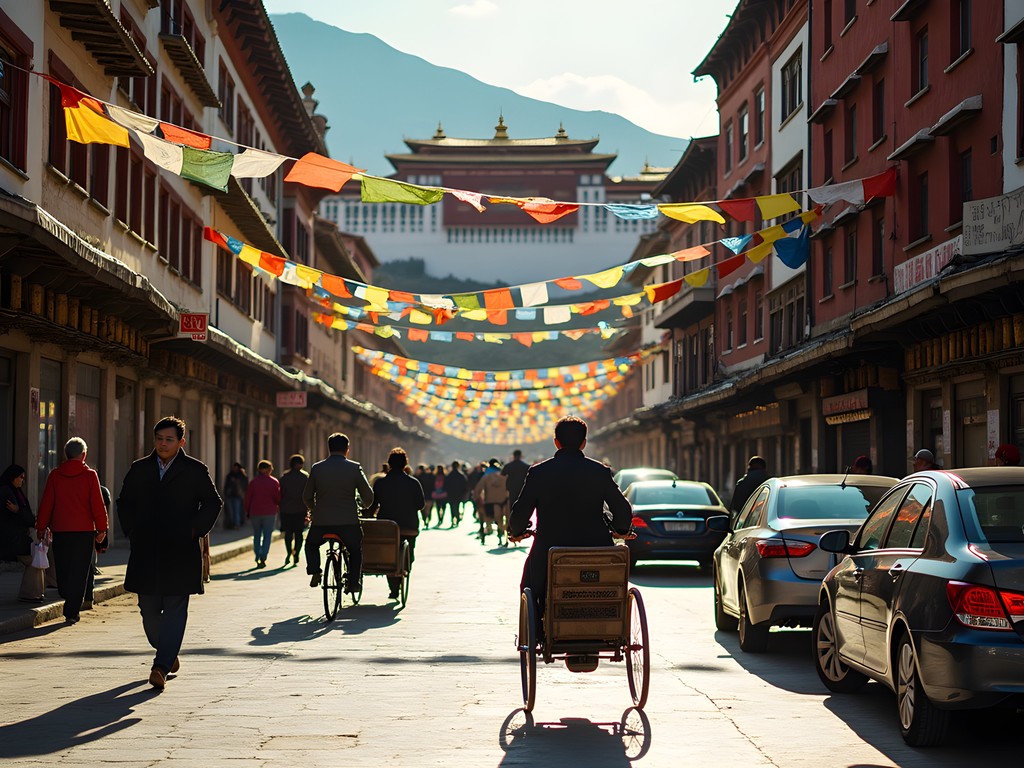
The most authentic way to experience Lhasa is on foot, especially around the Barkhor Circuit – the traditional kora (pilgrimage path) that surrounds the Jokhang Temple. Join the flow of Tibetan pilgrims making their clockwise rotations, some prostrating every few steps. The thin air makes even gentle slopes challenging, so pace yourself and carry water.
Public Buses
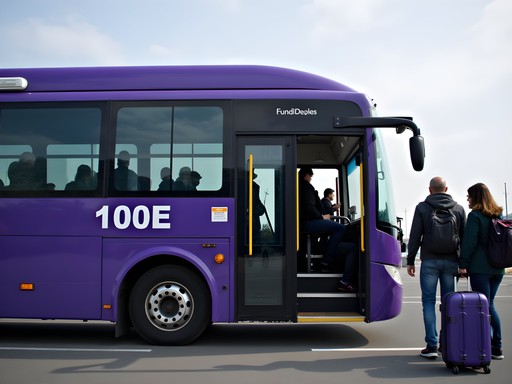
Lhasa's public bus system is surprisingly functional and dirt cheap (1-2 yuan per ride), though signage is primarily in Chinese and Tibetan. Buses 1 and 2 cover most tourist areas. I've found that saving a screenshot of bus routes on my phone helps navigate when language barriers arise.
Taxis & Rideshares
Taxis are abundant and affordable, starting at 10 yuan for short trips. Always confirm the price before getting in, as meters are theoretical concepts rather than actual practice. For longer excursions to places like Drepung Monastery, negotiate a waiting fee with the driver.
My secret weapon for getting around is the translator device that allows me to speak English and have it translated to Mandarin or Tibetan. The looks on drivers' faces when my little machine starts speaking their language is worth the investment alone.
Bicycle Rentals
For the brave and well-acclimated, bicycle rentals offer an exhilarating way to explore. After my third day, I rented a mountain bike to explore the city's edges and reach the stunning Drepung Monastery. Just remember that the altitude makes even gentle pedaling feel like an Olympic effort.
💡 Pro Tips
- Download maps offline before arrival – Google Maps doesn't work well in Tibet
- Learn basic directional phrases in Tibetan – locals appreciate the effort
- For destinations outside the city center, hire a driver through your hotel for the best rates
Beyond Lhasa: Day Trips and Excursions
The true magic of Tibet often lies outside Lhasa's city limits, where ancient monasteries perch on impossible cliffs and turquoise lakes reflect snow-capped peaks. Your transportation options expand here, but so do the complications.
Lake Namtso: The Jewel of Tibet
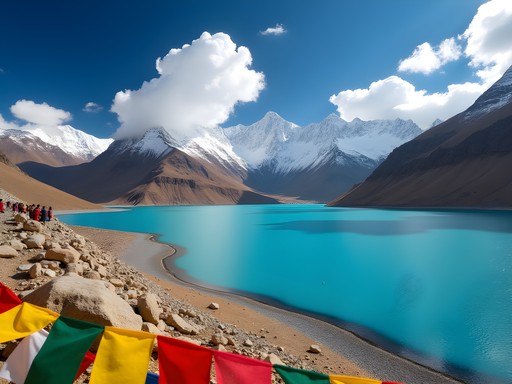
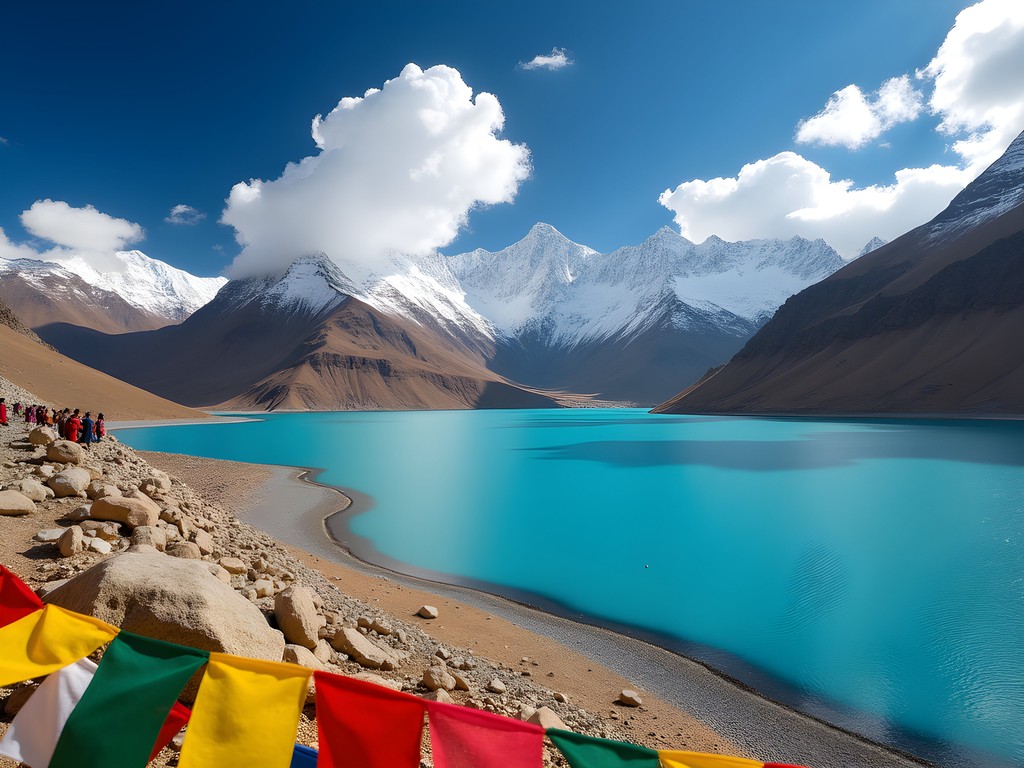
My research into sacred lakes led me to Namtso, about 4-5 hours from Lhasa by private vehicle. This high-altitude lake (15,479 feet) requires both proper acclimatization and careful planning. Most visitors go as part of an overnight tour, as the road crosses a 17,000-foot pass that can close without warning due to weather.
The lake's otherworldly blue against the stark mountain backdrop was worth every bump in the road. I captured some of my favorite photographs using my polarizing filter to cut glare and enhance those impossible blues.
Ganden and Samye Monasteries
For shorter excursions, the monasteries of Ganden (1.5 hours from Lhasa) and Samye (4 hours) offer profound cultural experiences. Most hotels can arrange shared minivans to these sites, though having your own vehicle provides flexibility for photography stops.
At Ganden, I spent hours documenting the monastery's collection of ancient texts – a privilege arranged through university connections that became the centerpiece of my 'Sacred Archives' exhibition back in New Orleans.
Transportation Reality Check
Remember that all travel outside Lhasa requires additional permits arranged by your tour company. Improvised road trips aren't a thing in Tibet – every movement is documented and approved in advance. This can feel restrictive to independent travelers, but it also creates a structure that helps prevent altitude-related emergencies in remote areas.
💡 Pro Tips
- Book day trips at least 2-3 days in advance through your hotel or tour operator
- Bring twice as much water as you think you'll need for excursions outside the city
- Always carry your original passport and permit for checkpoints on roads outside Lhasa
Final Thoughts
Reaching Lhasa isn't just another stamp in your passport – it's a pilgrimage that demands patience, preparation, and respect for both physical limitations and cultural complexities. The transportation challenges are real: the permits, the altitude, the restricted movement. But these very obstacles are what keep Tibet feeling like one of the last truly profound journeys left on our increasingly accessible planet.
After three visits, I still feel my heart race when that first glimpse of the Potala Palace comes into view from the train window or airport road. The bureaucratic hoops and oxygen-starved first days fade away, replaced by the understanding that some places should require effort to reach.
When you go – and I hope you will – move slowly. Let the rhythm of Lhasa's ancient streets set your pace. The thin air forces a kind of mindfulness that we rarely practice in our daily lives, a deliberate consideration of each step and breath. In our rush to document and share experiences, this might be Tibet's greatest gift: the enforced presence that comes when simply breathing requires attention.
✨ Key Takeaways
- Start the permit process at least one month before your planned travel date
- Consider the train journey for better altitude acclimation despite the longer travel time
- Plan nothing important for your first 24 hours in Lhasa
- All transportation outside Lhasa requires additional permits and advance planning
- Respect the pace that the altitude demands – this isn't a destination for rushed itineraries
📋 Practical Information
Best Time to Visit
May-October, with July-August being warmest but rainiest
Budget Estimate
$150-250 per day including permits, transportation, accommodation, and guided tours
Recommended Duration
7-14 days minimum, with at least 3 full days in Lhasa before attempting higher elevations
Difficulty Level
Challenging



Comments
Douglas Bradley
Excellent breakdown of the transportation logistics, Corey. I'd emphasize your point about the permit timeline even more - in my experience, 4-6 weeks minimum is realistic, sometimes longer during sensitive political periods. What many travelers don't realize is that the Tibet Tourism Bureau permit is just one of several you might need depending on your itinerary. For anyone reading: factor in permit processing time when booking international flights. I always kept my altitude sickness medication handy regardless of whether I took the train or flew - better safe than sorry at 3,650m elevation.
moonlover
Great guide! The permit section answered so many questions
nomadclimber
Did the Qinghai-Tibet railway last spring and it was honestly one of the most incredible train journeys I've ever done. Yeah it's long (22 hours from Xining) but watching the landscape change from green valleys to the stark Tibetan plateau was unreal. Plus they pump oxygen into the cars once you get above 4000m which definitely helps. The viewing cars get crowded though so camp out early if you want good photos. Also bring snacks - the dining car food is meh.
adventureace
Planning my first trip there for October - is flying really that bad for altitude sickness? I only have 2 weeks total
nomadclimber
It hits everyone differently but yeah flying is rough. I'd still recommend spending at least one full day just resting when you arrive. Don't try to sightsee right away
Douglas Bradley
October is actually perfect timing - post-monsoon and clear skies. If you're flying, consider spending 2-3 days in Xining or Chengdu first at moderate altitude. It's a middle ground approach that can help.
Claire Hawkins
Corey, this brought back so many memories! We traveled to Lhasa in 2019 with our then 8-year-old daughter, and the altitude was our biggest concern. We spent three nights in Chengdu first, which helped, but she still got headaches the first two days. The local buses around Lhasa were surprisingly easy to navigate - we used them to get to Sera Monastery and saved quite a bit compared to hiring private drivers every day. One thing I'd add: the shared taxis near Barkhor Square are great for quick trips but negotiate the price BEFORE getting in. We learned that lesson the expensive way!
moonlover
Good tip about the taxis! Did you have any issues traveling with a kid permit-wise?
Claire Hawkins
No issues at all! Just needed her passport info like the rest of us. The tour company handled everything
adventurechamp
The permit thing is no joke! Took us almost 6 weeks to get everything sorted through our tour operator. But totally worth it. We did the train from Chengdu and honestly that slow climb helped so much with the altitude. First day in Lhasa I felt fine while others who flew in were struggling hard. Your point about the transportation strategy being part of acclimation is spot on.
adventureace
6 weeks?? wow that's longer than I thought. which tour operator did you use?
adventurechamp
We went with Tibet Vista. They were solid but yeah the permit process is just slow no matter who you use
skybuddy
Really cool post!! Shared with my travel group - we're going in September!
Megan Martin
Excellent guide, Corey. I'd add one thing about local transportation in Lhasa - download a translation app before you arrive since many taxi drivers don't speak English. Having your hotel address written in Chinese characters is essential. The public buses are surprisingly efficient once you figure out the routes, and at 1 yuan per ride, they're incredibly affordable. For visiting monasteries outside the city center, I found hiring a driver through my hotel for the day (around 400-500 yuan) was the most practical option.
photophotographer
which translation app worked best for you?
Megan Martin
Pleco worked well for me, especially the offline mode since internet can be spotty.
oceanphotographer
Great photos! That Potala Palace shot is stunning
Bryce Diaz
Corey nailed it with the train recommendation. I took the Qinghai-Tibet Railway from Xining last year and it was honestly one of the most spectacular train journeys of my life. Yes, it's 21 hours, but watching the landscape shift from green valleys to the stark beauty of the Tibetan Plateau while your body gradually adjusts to the altitude? Worth every minute. The oxygen pumped into the cars really does help. I arrived in Lhasa feeling way better than friends who flew in and spent their first two days miserable with altitude sickness. Plus you meet incredible people on that train - shared a compartment with a Tibetan family heading home and they taught me basic phrases over endless cups of butter tea.
skybuddy
YES! The train is the way to go! Did the same route and absolutely loved it
Venture X
Premium card with 2X miles, $300 travel credit, Priority Pass