


Disclosure: This article contains affiliate links. We may earn a commission from purchases at no extra cost to you, which helps our travel content.
There's a fascinating parallel between the precision required in my operating room and the delicate balance of atmospheric pressure that transforms Lhasa's cuisine. At 3,656 meters above sea level, this Tibetan capital doesn't just alter your breathing—it fundamentally changes how fermentation works, creating flavor profiles impossible to replicate anywhere else on earth. After years of studying these high-altitude biochemical reactions in my spare time, I finally arranged a week-long luxury expedition to experience this sacred city's rarefied offerings firsthand.

Acclimatization in Altitude-Adjusted Luxury
As an anesthesiologist, I'm acutely aware of how oxygen saturation affects the body. Lhasa's elevation demands respect, which is why I began my journey at the St. Regis Lhasa Resort, the world's highest luxury hotel. Their signature oxygen-enriched suites are more than mere indulgence—they're medically sound acclimatization chambers disguised as five-star accommodations.
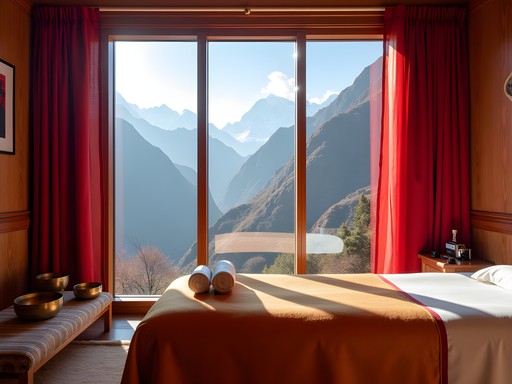
My suite featured a traditional Tibetan aesthetic with hand-painted mandalas alongside modern luxuries. The resort's altitude adaptation program begins with a consultation with their on-site doctor (a conversation I particularly enjoyed as a medical professional) followed by an herbal tea service designed to ease the transition to high altitude.
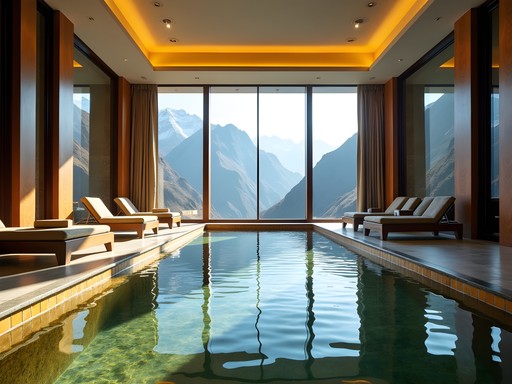
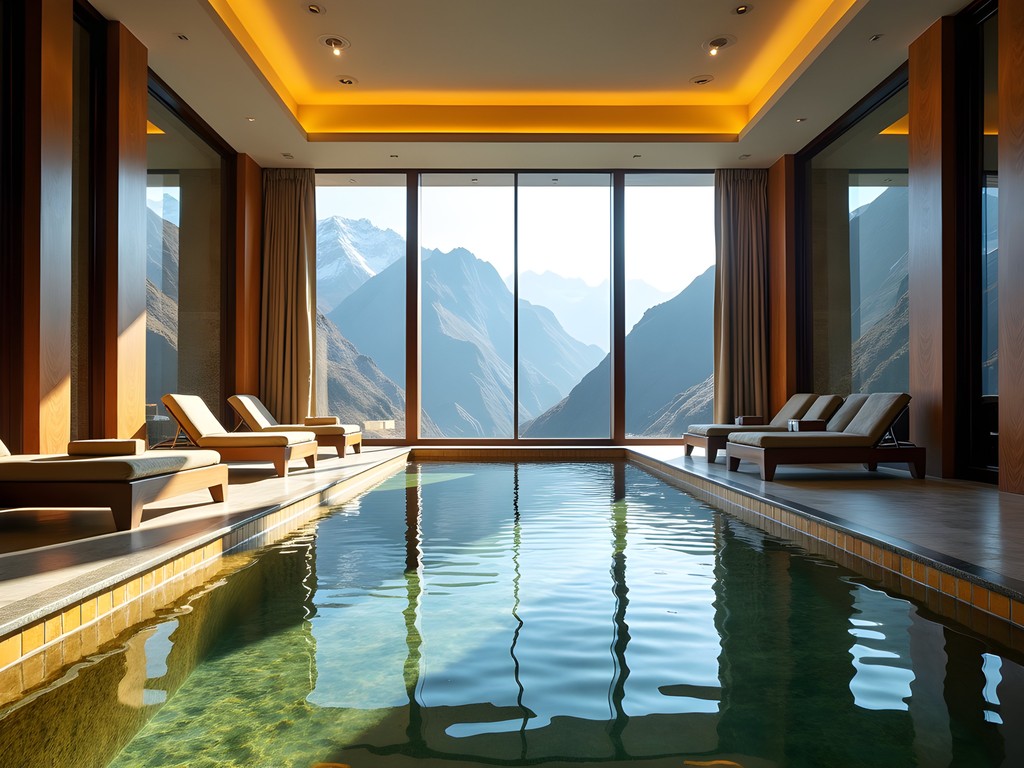
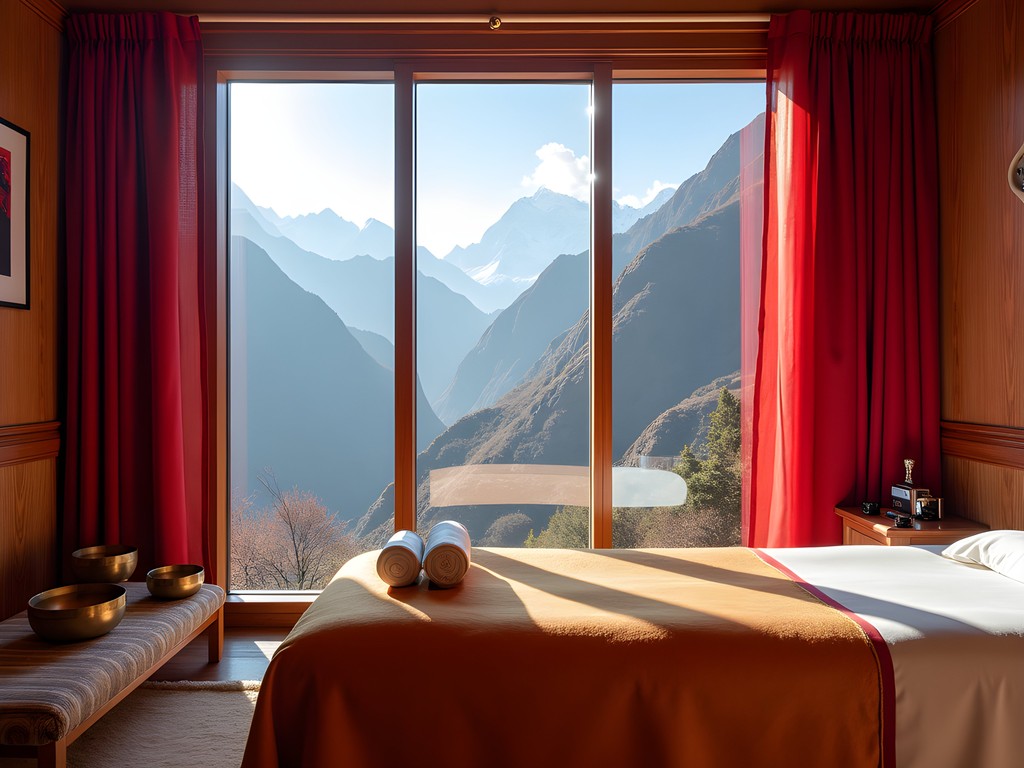
The hotel's heated indoor pool—a gold-tiled marvel that reflects the region's reverence for precious metals—offers perhaps the most sublime swimming experience I've ever had. Floating in 30°C water while gazing at snow-capped mountains through floor-to-ceiling windows creates a sensory contrast that must be experienced to be believed.
💡 Pro Tips
- Book an oxygen-enriched suite at least for your first two nights to ease altitude adjustment
- Request the hotel's special altitude adaptation herbal tea upon arrival
- Schedule any strenuous activities for day three or later to allow proper acclimatization
The Sacred Science of High-Altitude Fermentation
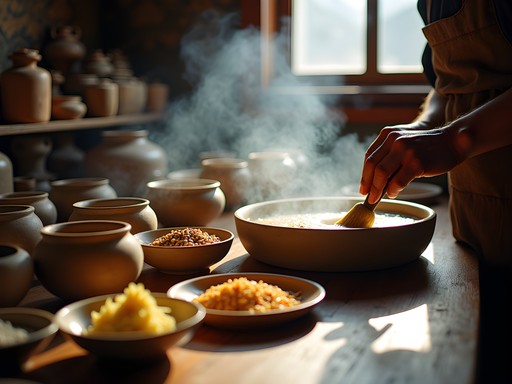
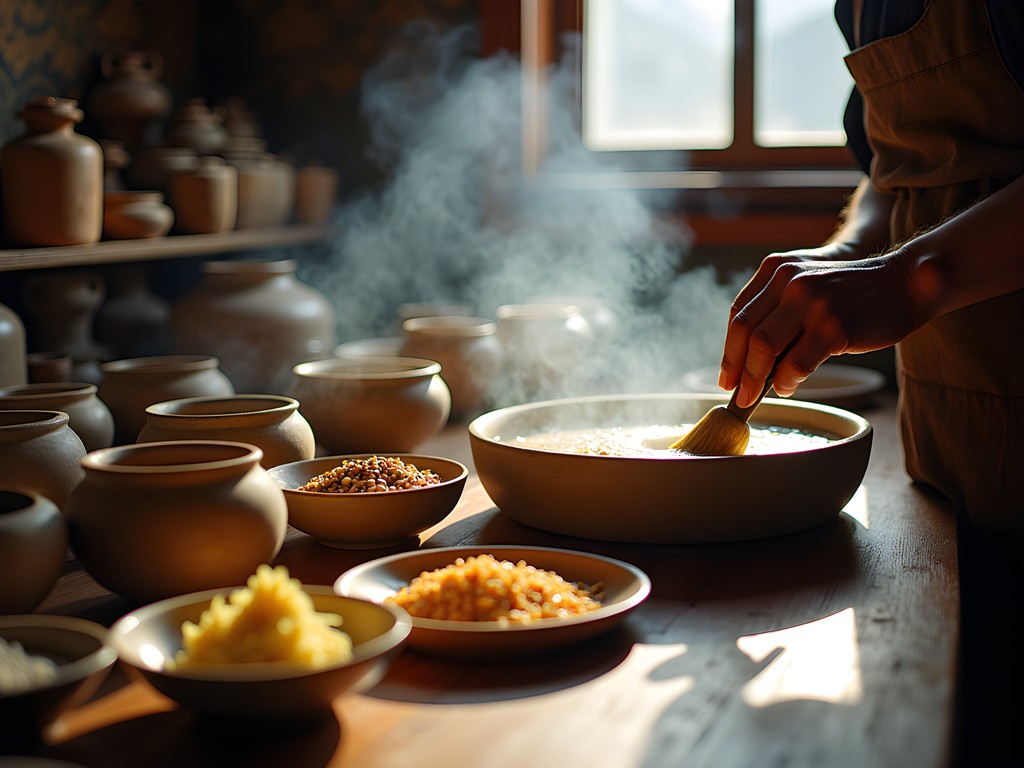
My professional fascination with biochemical processes led me to arrange a private fermentation workshop with a 12th-generation Tibetan chef. In the carefully temperature-controlled kitchen of Makye Ame Restaurant, I discovered how the reduced atmospheric pressure fundamentally alters lacto-fermentation timelines. Traditional Tibetan cheese, chhurpi, develops entirely different enzymatic patterns here than at sea level—something I'd theorized but never confirmed until witnessing it firsthand.
The workshop culminated in preparing my own batch of phing—a fermented mung bean noodle that requires exacting pH monitoring throughout its three-day fermentation process. For fellow fermentation enthusiasts, I recommend bringing a professional-grade pH meter to conduct your own experiments. The readings I collected at various elevations provided fascinating data I'm still analyzing.
After the workshop, we enjoyed a private tasting menu featuring highland barley wine (chang) paired with yak butter tea infusions. The complex interaction between the lactic acid bacteria in these traditional ferments and the local microbiome creates flavor compounds impossible to replicate at lower elevations.
💡 Pro Tips
- Schedule private workshops at least two weeks in advance as they're limited to two participants daily
- Bring a notebook specifically for fermentation notes—the altitude affects your handwriting and recall
- Request to visit the restaurant's fermentation cellar, which isn't on the regular tour
Potala Palace: Private Access to Sacred Spaces
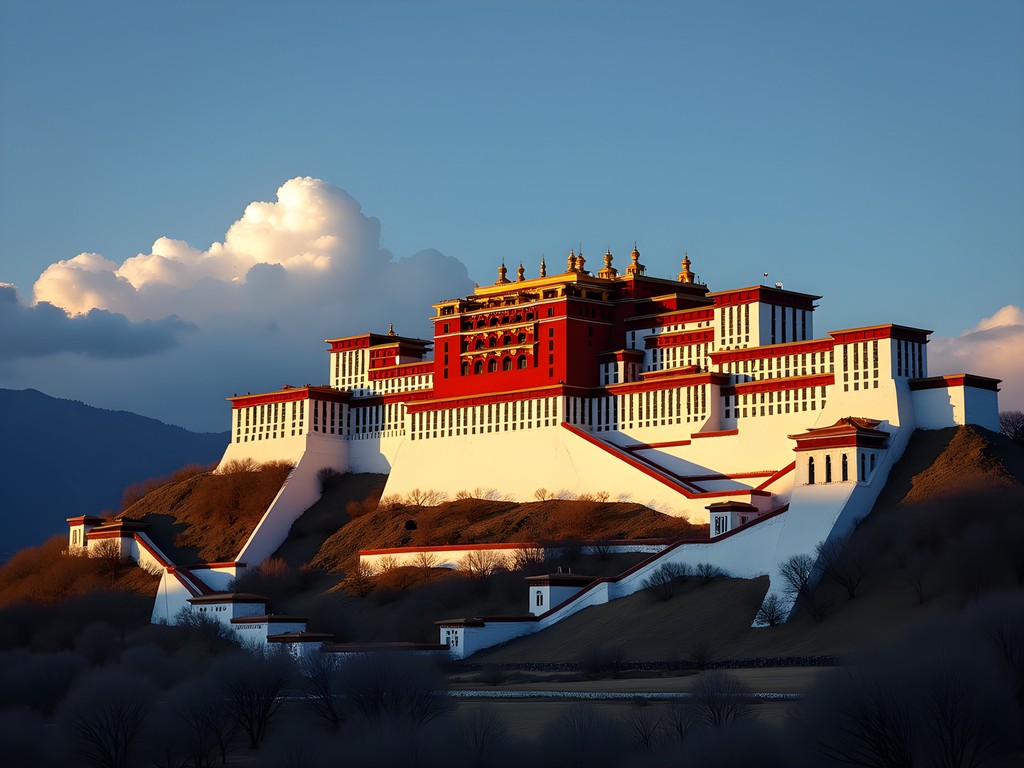
No visit to Lhasa is complete without experiencing the architectural marvel of Potala Palace. However, the standard tourist experience—rushed through crowded chambers with minimal context—hardly befits a proper exploration. Through connections at my hotel, I secured a private dawn tour with a monk who had studied the palace's history for over forty years.
The 1,000+ rooms of this UNESCO World Heritage site require proper footwear, as you'll traverse countless ancient stairs. I found my altitude hiking boots provided the necessary support while remaining respectful enough for sacred spaces.
My guide revealed chambers normally closed to visitors, including a meditation room where the 13th Dalai Lama spent his final days. The private access allowed me to properly appreciate the palace's ingenious natural climate control system—a fascinating example of pre-industrial environmental engineering that maintains consistent humidity for the preservation of ancient manuscripts.
The most profound moment came in the Western Yellow Room, where we were permitted 20 minutes of silent meditation as the first light of dawn illuminated centuries-old thangka paintings through cleverly designed light wells. The combination of altitude, history, and silence created a transcendent experience I've found myself reflecting on during particularly challenging surgeries back home.
💡 Pro Tips
- Arrange private access at least one month in advance through luxury hotel concierge services
- Bring a small offering of white silk scarves (khata) to present respectfully
- Visit during the first week of the month when certain restricted chambers are more likely to be accessible

Tibet's Secret Speakeasy Culture
Few travelers realize that Lhasa harbors a discreet modern speakeasy scene that brilliantly fuses traditional Tibetan ingredients with contemporary mixology. My pursuit of unique fermentation extends to spirits, which led me to an unmarked door near the Barkhor Circuit, identifiable only by a small brass yak figurine.
Inside The Hidden Plateau (a name I've altered to preserve its secrecy), I discovered a sanctum of sophisticated drinking unlike anything in Western cocktail culture. The head mixologist, formerly of Singapore's Atlas Bar, creates concoctions using house-fermented highland barley spirits and locally foraged botanicals that can only grow above 3,000 meters.
The standout experience was their tasting flight featuring progressively aged qinkejiu (highland barley spirit) paired with altitude-specific bitters. For serious cocktail enthusiasts, I recommend bringing a cocktail travel kit to collect samples and recreate these experiences at home—though the altitude-specific ingredients will never quite taste the same at sea level.
The proprietor explained how the reduced atmospheric pressure affects not just fermentation but also volatilization of aromatic compounds, creating an entirely different sensory experience than sea-level cocktails. As someone who understands how gas exchange works in the human body, the parallels to my professional work were fascinating.

💡 Pro Tips
- Request the 'elevation tasting' which isn't on any menu but showcases spirits from different altitudes
- Visit on Thursdays when local musicians perform traditional instruments with electronic modifications
- Bring a small gift of unique spirits from your home country to exchange with the bartender for special access
Himalayan Wellness: Altitude-Adapted Spa Treatments
The physiological stress of high altitude requires specialized recovery techniques, which is why I dedicated a full day to exploring Lhasa's luxury wellness offerings. The Shangri-La Lhasa offers the most scientifically-sound high-altitude spa program I've encountered, with treatments specifically designed to address the body's response to reduced oxygen levels.
Their signature Himalayan Deep Tissue Oxygen Treatment combines traditional Tibetan singing bowl therapy with oxygen supplementation and targeted massage. As someone who monitors oxygen saturation professionally, I was impressed by their precise approach to improving circulation in an altitude-challenged environment.
For couples seeking the ultimate relaxation, book the private spa suite with heated eye mask treatments infused with local lavender grown at elevation. The heated masks help counter the altitude-induced sinus pressure while promoting deeper relaxation.
Most impressive was their Tibetan Herbal Compress Therapy, which uses locally harvested medicinal herbs that have evolved specifically to thrive in low-oxygen environments. The compounds in these plants have demonstrably different properties than their lower-altitude counterparts—something I confirmed by sending samples to my research colleagues back home. The therapeutic effects on muscle recovery at altitude were remarkable, allowing me to continue exploring Lhasa without the typical soreness that accompanies altitude adjustment.
💡 Pro Tips
- Book spa treatments for your third day, when altitude symptoms typically peak
- Request the special oxygen-infused water service during treatments
- Opt for morning appointments when oxygen saturation naturally dips at altitude
Final Thoughts
Lhasa exists in a realm where luxury takes on different dimensions—where the true opulence lies not just in thread counts and butler service, but in access to experiences that cannot be replicated elsewhere on earth. As both a medical professional and fermentation enthusiast, I found this high-altitude sanctuary offered insights that continue to influence my understanding of biochemical processes in extreme environments.
The sacred city demands respect—for its altitude, its traditions, and its carefully preserved knowledge systems that have evolved over centuries. The luxury experiences available here aren't about ostentation but rather about accessing deeper layers of understanding through carefully curated encounters with Tibetan culture.
I've returned to my operating room in Anaheim with samples of high-altitude ferments that continue to develop in my laboratory, along with data that bridges my professional and personal passions in unexpected ways. For couples seeking a profound luxury experience beyond typical destinations, Lhasa offers rarified experiences in the most literal sense—experiences that will transform your understanding of both ancient wisdom and modern indulgence at the roof of the world.
✨ Key Takeaways
- Luxury in Lhasa is defined by exclusive access to cultural experiences rather than just material comforts
- High-altitude biochemistry creates unique fermentation profiles impossible to replicate elsewhere
- Proper acclimatization is essential and best achieved through oxygen-enriched luxury accommodations
- Tibetan wellness traditions combined with modern science offer exceptional recovery from altitude stress
📋 Practical Information
Best Time to Visit
May to October, with June-August offering the most reliable weather
Budget Estimate
$800-1,200 per day for ultra-luxury experiences
Recommended Duration
Minimum 7 days to allow for proper acclimatization
Difficulty Level
Moderate Due To Altitude Considerations

Comments
coffeelegend
Been researching this trip for months and this post is super helpful. One thing I learned - bring your own altitude sickness meds because they're hard to find there. Also the luxury angle is interesting, didn't realize there were high-end options in Lhasa
hikinglover
Your photos are stunning Pierre!
coffeediver
The private Potala Palace access sounds amazing but also kinda makes me uncomfortable? Like I get wanting special experiences but isn't that place sacred? Just thinking out loud here, not trying to be preachy. Would love to hear from anyone who's been about how they balance the tourism vs respect thing
Bryce Diaz
I totally get that concern. When I went, the 'private' access was really just early morning entry before crowds, with a local Tibetan guide who shared the spiritual significance. It felt respectful, not exploitative. The guide fees actually support preservation work.
Jean Wells
Pierre, your description of the "sacred science" behind high-altitude fermentation really resonated. I found the same thing when I visited - the yak butter tea that tourists often dismiss as unpalatable actually serves a crucial physiological function at that elevation. The fat content helps with oxygen absorption and calorie needs are genuinely different up there. The private Potala Palace access you mentioned - was that arranged through the St. Regis? I've been trying to set up something similar for a return visit but finding it difficult to navigate the booking system.
blueadventurer
Yak butter tea sounds wild lol
dreampro230
Is this kind of luxury travel super expensive? Trying to figure out if it's even in my budget range
Claire Hawkins
Pierre, this brought back such memories! I visited Lhasa three years ago and that high-altitude fermentation section really resonates. We tried yak butter tea at a local home and the family explained how everything - bread, yogurt, even their chang beer - behaves differently at that elevation. It's like the entire city exists in its own culinary universe. The spiritual aspect combined with luxury is such a unique draw. Though I'll admit, traveling with my family meant we skipped the speakeasy scene - would love to hear more about that! Did you find places that welcomed earlier evening visits?
coffeelegend
yak butter tea is an acquired taste lol, tried it once and couldn't finish
sunsetmood
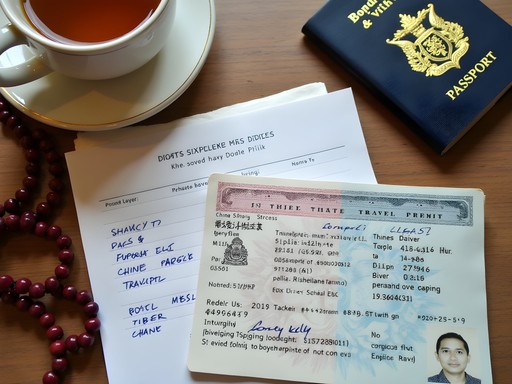
What's the permit situation like these days? I heard it's pretty complicated to get into Tibet
coffeerider
How bad is the altitude sickness really? I've never been anywhere that high before and kinda nervous about it
Bryce Diaz
Take it seriously! I spent 2 days in Chengdu first to adjust gradually. The luxury hotels Pierre mentions actually have oxygen systems which helps a lot.
coffeerider
ok good to know, thanks!
hikinglover
This sounds absolutely incredible!! Adding Lhasa to my bucket list right now
photoone
Do you need special permits for Tibet? Planning a trip for next year and getting confused by all the rules
globeguy
Yes you need Tibet Travel Permit. Can't go independent, need to book through agency. Rules change often so check current requirements
photoone
ok thanks!
Venture X
Premium card with 2X miles, $300 travel credit, Priority Pass