

Disclosure: This article contains affiliate links. We may earn a commission from purchases at no extra cost to you, which helps our travel content.
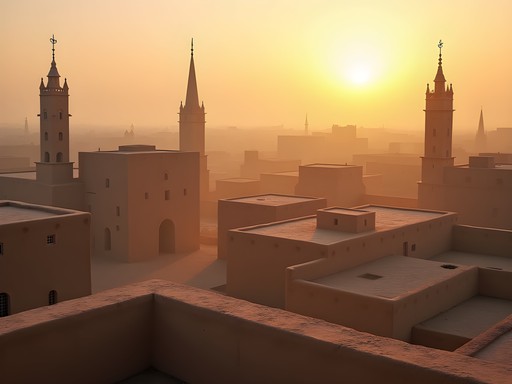
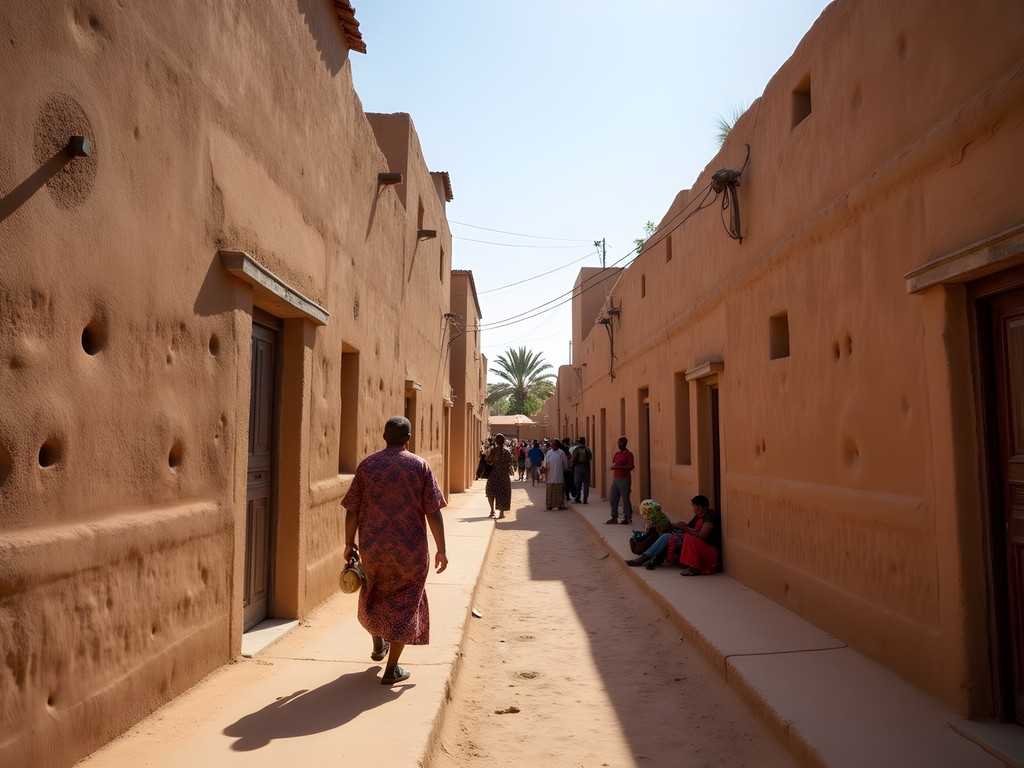
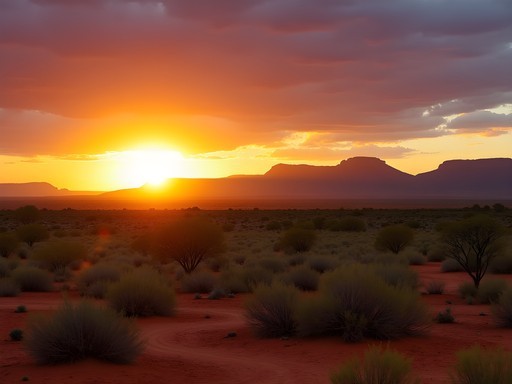
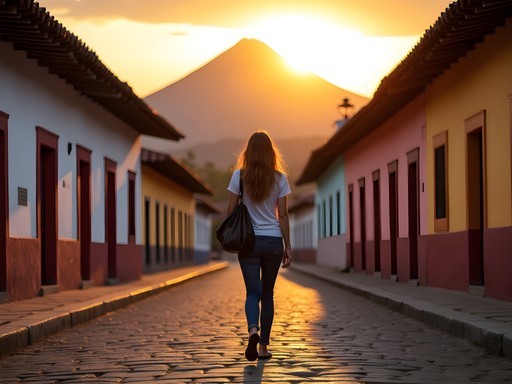
Standing at the edge of the Sahara, watching the sunset paint the ancient mud-brick buildings in hues of gold and amber, I couldn't help but whisper, 'Finalmente cheguei' — finally, I've arrived. Timbuktu has long existed in our collective imagination as a byword for remoteness, yet here I was, a Brazilian-British tax advisor who'd traded Seoul's neon skyline for Mali's legendary desert city. This isn't your typical vacation destination, and that's precisely why it demands a spot on any serious traveler's bucket list. But venturing here solo requires preparation, cultural sensitivity, and a spirit of adventure that goes beyond the ordinary.

Planning Your Journey to the Edge of the Sahara
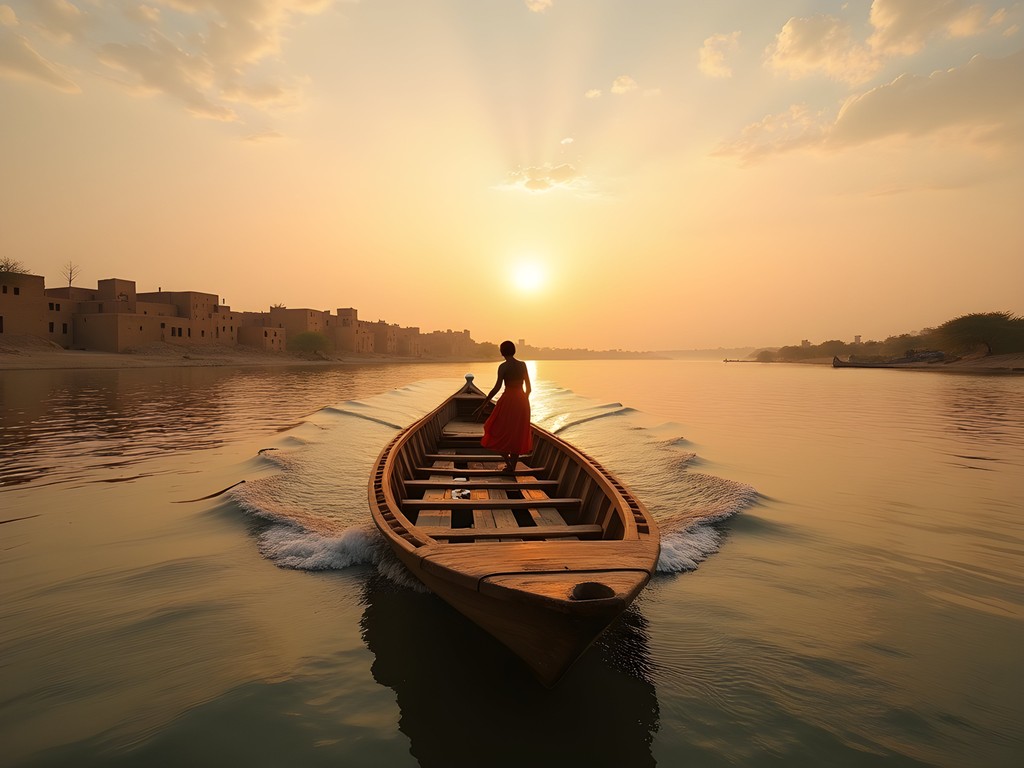
Let me be direct: getting to Timbuktu is half the adventure. Despite its remote location, there are several routes depending on your risk tolerance and budget. I flew into Bamako, Mali's capital, and spent two days acclimating before catching a domestic flight to Mopti, followed by a combination of 4x4 transport and finally a pinasse (traditional wooden boat) along the Niger River.
Security considerations cannot be overstated. Mali's political situation remains complex, and travel advisories change frequently. I hired a local guide through TourRadar months in advance—worth every penny for both safety and cultural insights. Before departure, I invested in comprehensive travel insurance that specifically covered remote destinations and medical evacuation, a non-negotiable expense in my experience.
Connectivity is limited, so I brought a satellite communicator that allowed me to send text messages and GPS coordinates to family members even without cell service. 'Prevenido vale por dois' as we say in Brazil—being prepared is worth double.
💡 Pro Tips
- Apply for your Mali visa at least 8 weeks before departure
- Register with your country's embassy in Mali before arrival
- Download offline maps and translation apps while still in areas with good internet
Accommodation & Daily Life in the Ancient City
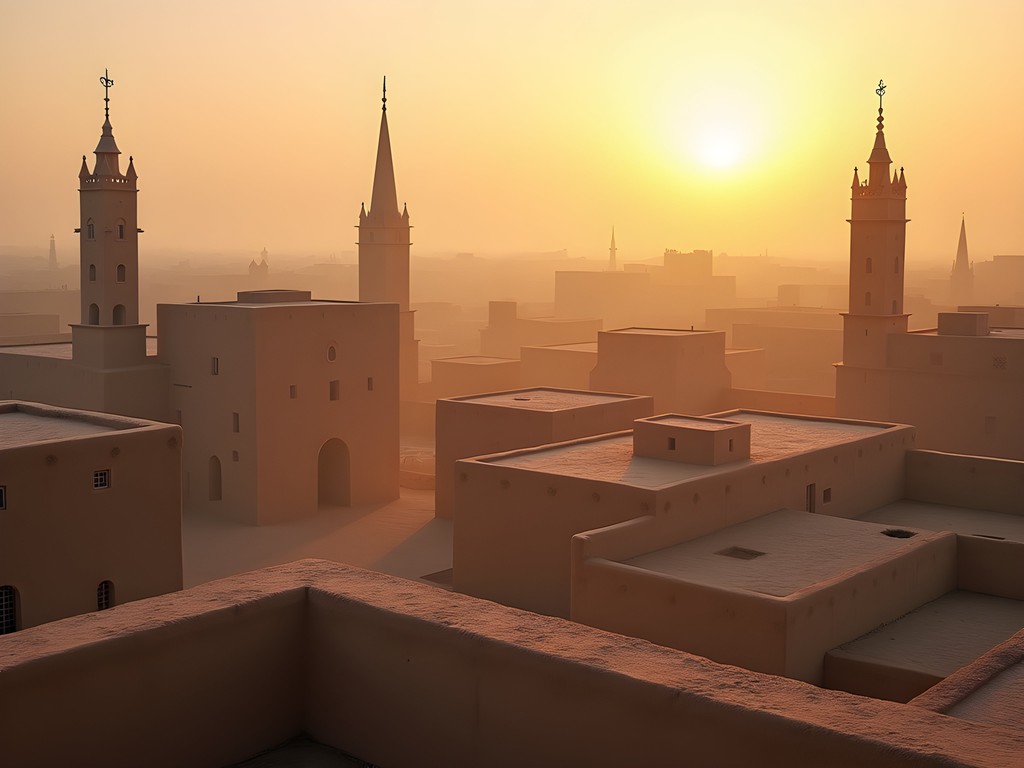
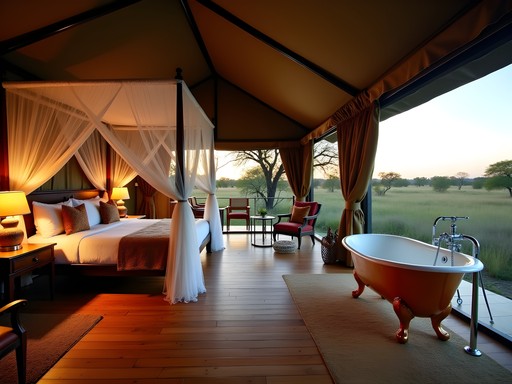
Timbuktu offers limited accommodation options, but what's available ranges from basic guesthouses to the surprisingly comfortable Hotel Hendrina Khan, where I stayed. My mid-range room cost approximately 35,000 CFA (about $60 USD) per night and included breakfast and much-needed air conditioning. Reserve well in advance via email, as online booking platforms rarely list these properties.
Daily life here moves at the rhythm of the desert. Mornings are best for exploring the UNESCO World Heritage sites before the heat becomes overwhelming. I started each day with a thermos of strong coffee prepared using my trusty portable espresso maker – a luxury that kept this Brazilian caffeinated and sane.
Water conservation is crucial in this arid environment. I purified local water using my water purifier bottle rather than consuming plastic bottles, saving both money and reducing waste. The locals appreciated this gesture of environmental respect, which opened many doors to genuine conversations about sustainability in desert communities.
💡 Pro Tips
- Bring twice as much cash as you think you'll need—ATMs are unreliable or nonexistent
- Learn basic Bambara phrases beyond French—locals appreciate the effort
- Respect prayer times when planning your daily activities
Cultural Immersion & Historical Treasures
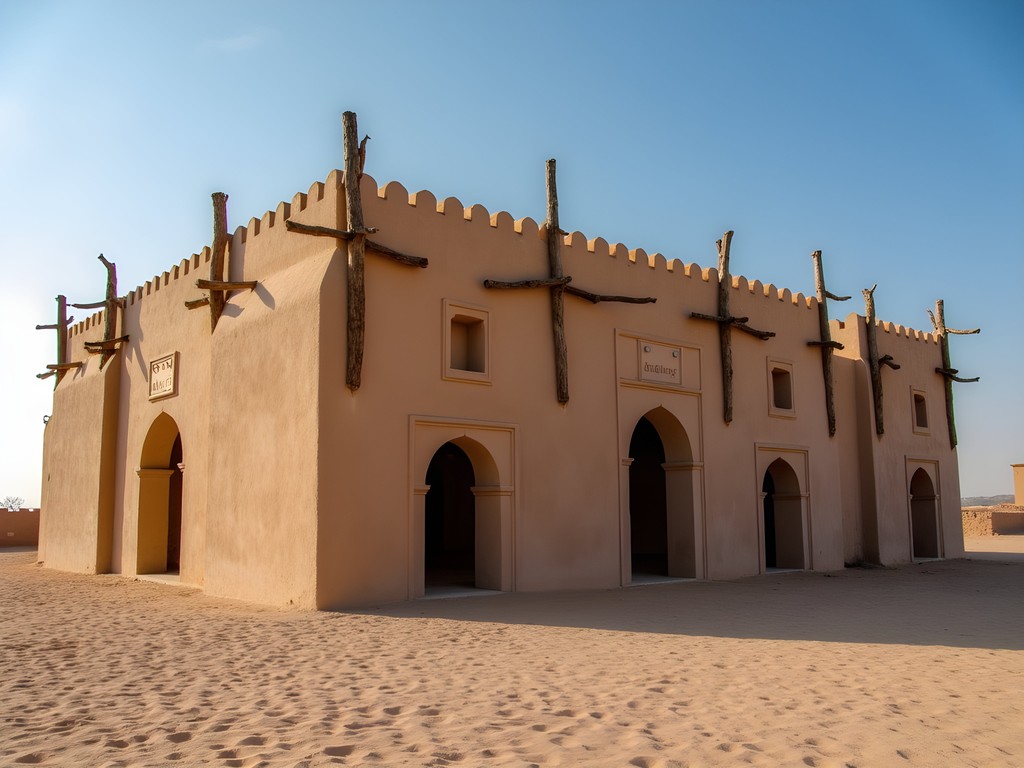
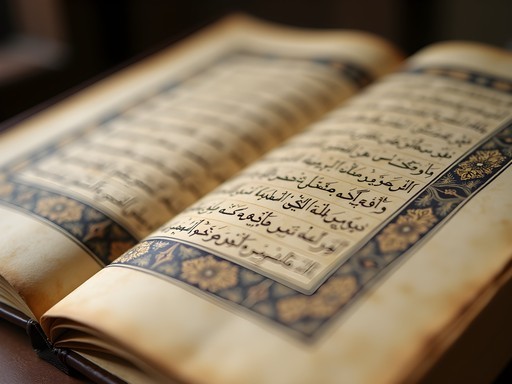
Timbuktu's historical significance as a center of Islamic scholarship cannot be overstated. The Sankore Mosque and University, dating back to the 15th century, stands as testament to the city's intellectual heritage. I spent a full day exploring the ancient manuscripts with a local scholar who explained how these documents revolutionized mathematics, astronomy, and medicine centuries ago.
Navigating cultural norms requires sensitivity. As in many conservative regions, modest dress is essential regardless of the heat. My quick-dry travel pants and lightweight long-sleeve shirts kept me cool while remaining respectful. Women travelers should consider bringing a scarf to cover their hair when visiting religious sites.
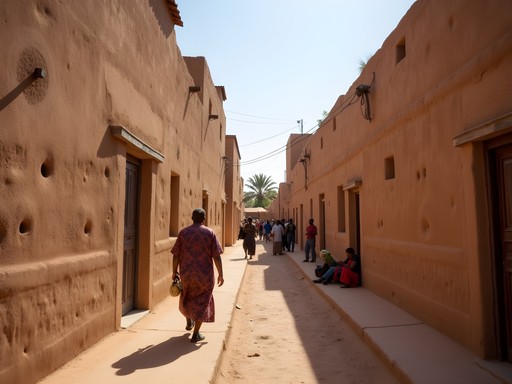
The market district offers a glimpse into daily Malian life, with artisans crafting traditional Tuareg silver jewelry and leather goods. Price negotiation is expected, but remember that fair trade matters—these artisans depend on tourism income that has been severely impacted by regional instability. I purchased a handmade leather-bound journal that now holds my tax notes and travel observations side by side, a perfect metaphor for my dual professional and adventurous identities.
'O barato sai caro,' as we say in Brazil—cheap things end up expensive. This applies perfectly to hiring guides in Timbuktu. Invest in knowledgeable local expertise rather than trying to navigate the cultural and historical complexities alone.
💡 Pro Tips
- Always ask permission before photographing people
- Carry small denomination CFA notes for purchases and tips
- Visit the manuscript libraries early in the day when the curators have more time for questions

Desert Excursions & Tuareg Culture
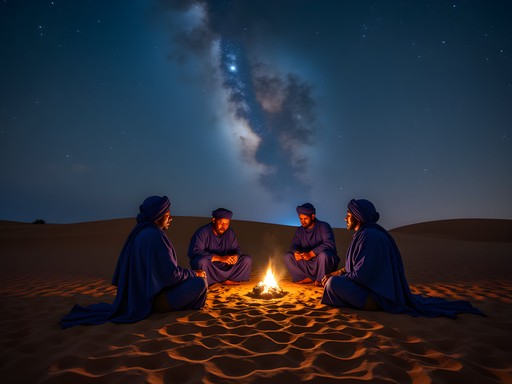
No trip to Timbuktu is complete without venturing into the Sahara. I arranged a two-day desert excursion with Tuareg guides, sleeping under stars so bright they seemed close enough to touch. The silence of the desert creates a meditative space unlike anywhere else I've traveled across six continents.
Preparing for desert conditions requires specialized gear. My desert gaiters prevented sand from filling my boots during long walks, while a desert scarf protected my face during occasional wind gusts. Temperature fluctuations between day and night are extreme—I recorded a 30°C difference on my outdoor thermometer.
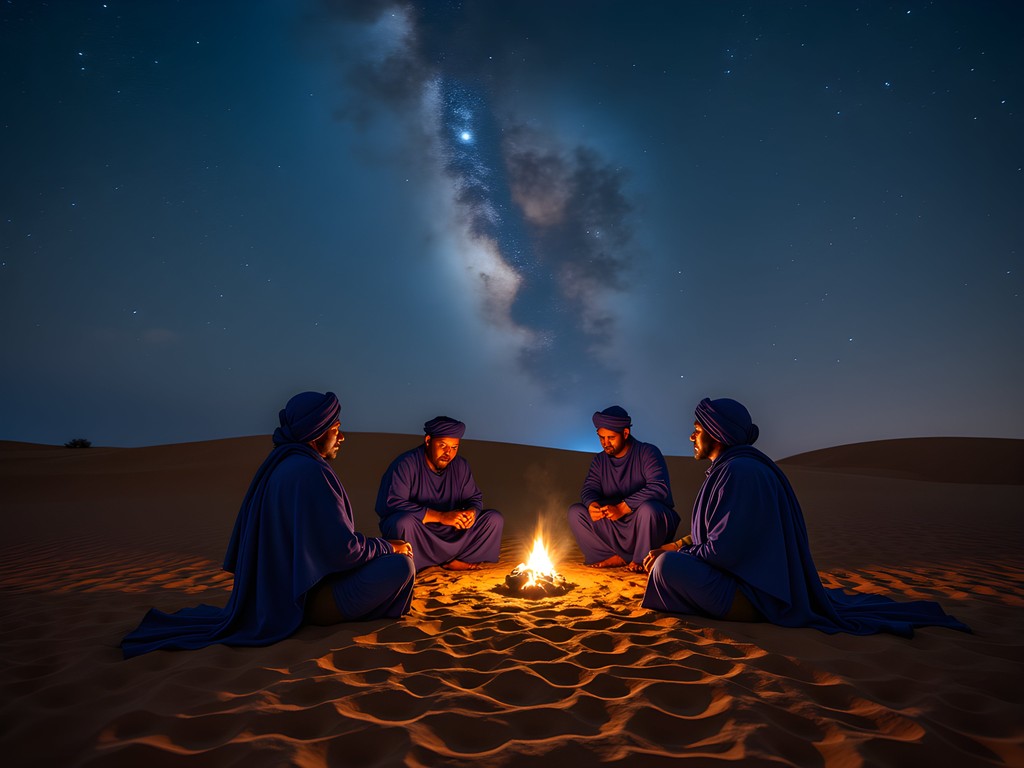
The Tuareg people, historically known as the 'blue men of the desert' for their indigo-dyed clothing, shared their nomadic traditions during evening campfires. We discussed their sophisticated tax-free trading systems that have operated across borders for centuries—a fascinating conversation given my professional background in international taxation. Their adaptive approach to resource management in harsh conditions offers lessons that modern financial systems could learn from.
The desert night sky provided the perfect backdrop for my star chart app, which helped identify constellations from this unique vantage point far from light pollution. The Tuareg guides were equally fascinated by this technology, creating a cultural exchange around our shared wonder at the cosmos.
💡 Pro Tips
- Pack high SPF lip balm—desert wind causes severe chapping
- Bring small gifts like quality tea or LED flashlights for your guides
- Wear closed-toe shoes even at night—scorpions are no joke
Safety Considerations & Practical Advice
Let's address the elephant in the room: safety concerns in Mali are legitimate. The country has experienced political instability and security challenges, particularly in the north. However, with proper preparation, Timbuktu can still be visited by determined travelers.
I maintained constant awareness of my surroundings while never projecting fear or anxiety—a balance I've perfected through years of international business travel. Registering with my embassy, carrying a hidden money belt for important documents and cash, and keeping a low profile were non-negotiable practices.
Health precautions are equally important. I visited a travel clinic two months before departure for necessary vaccinations and packed a comprehensive first aid kit with prescription antibiotics and antimalarials. Water-borne illnesses are common, so I treated all drinking water and avoided raw vegetables unless I could verify their preparation.
'A prevenção é o melhor remédio'—prevention is the best medicine. This Brazilian saying guided my approach to safety throughout the journey. I established check-in protocols with friends back in Seoul and carried multiple forms of emergency communication. While these precautions may seem excessive, they allowed me the freedom to fully immerse myself in this extraordinary destination without unnecessary worry.
💡 Pro Tips
- Register your travel plans with your country's embassy in Mali
- Photograph all important documents and store copies in cloud storage
- Arrange airport transfers in advance through your accommodation
Final Thoughts
Timbuktu defies simple description—it's simultaneously exactly what you might imagine and nothing like you expected. The legendary city at the edge of the Sahara offers a profound connection to history, intellectual heritage, and the enduring human spirit that thrives in even the most challenging environments.
As I prepared to leave, watching another golden sunset from the rooftop of my hotel, I reflected on how this journey had transformed my perspective. The Tuareg concept of imouchan—finding one's path through the trackless desert—seemed a perfect metaphor for solo travel in remote destinations. We navigate by stars, instinct, and the wisdom of those who've gone before us.
For the prepared, respectful, and genuinely curious traveler, Timbuktu offers rewards that far outweigh its challenges. If you're considering this journey, start your preparations early, embrace the complexity of the experience, and approach with an open heart. 'Quem não arrisca, não petisca,' as we say in Brazil—who doesn't take risks, doesn't snack. Sometimes the most meaningful journeys are those that take us furthest from our comfort zones.
Until next time, boa viagem!
✨ Key Takeaways
- Timbuktu remains accessible to determined solo travelers despite regional challenges
- Cultural sensitivity and proper preparation are essential for a meaningful experience
- Local guides provide invaluable safety, historical context, and cultural insights
- The desert landscape and night sky offer profound natural beauty beyond the historical sites
- Advance planning for safety and health concerns enables greater freedom to enjoy the destination
📋 Practical Information
Best Time to Visit
November to February (winter)
Budget Estimate
$100-150 per day including accommodation, guide, meals and local transport
Recommended Duration
10-14 days including travel time
Difficulty Level
Challenging
Comments
winternomad
those sunset photos are stunning!
Jean Wells
Excellent write-up. I appreciate your honest approach to the challenges alongside the rewards. After 30+ years of solo travel, I've learned that places like Timbuktu require patience and flexibility—things don't run on schedule, accommodations are basic, and you need to embrace the uncertainty. But that's precisely what makes it worthwhile. The cultural authenticity you experience in less-touristed destinations like this is increasingly rare. My only addition would be to emphasize respecting local customs around photography, especially of people.
exploreway4631
This is so cool! Always wanted to visit Timbuktu
winterseeker1465
How much did the whole trip cost you roughly? And how many days would you recommend staying? I'm trying to plan something for next year but not sure if I can afford it on my budget.
travellife3522
yeah would love to know this too
Frank Garcia
Luca, really interesting read. I've been researching Mali for a while now but keep seeing conflicting information about the security situation. When you were there in late 2023/early 2024, what was the actual on-the-ground reality? Were you able to move around freely, or did you need armed escorts outside the city? Also curious about your route in—did you fly directly to Timbuktu or go overland from Bamako? The logistics seem pretty complex.
exploreway4631
Yeah I was wondering the same thing! Is it actually safe to go solo?
Fatima Sims
Luca, this brought back so many memories! I visited in 2019 and that moment when you first see the city emerging from the desert is something you never forget. The hospitality of the Tuareg guides I met was extraordinary. One evening, sitting around a fire under more stars than I'd ever seen, sharing tea and stories—that's when travel becomes transformation. Did you get to visit the Ahmed Baba Institute? The manuscript collection there is mind-blowing.
winternomad
the manuscript thing sounds amazing
islandninja
is it actually safe to go there solo? been hearing mixed things about mali
Jean Wells
Check current travel advisories for your country. Situations change, but many travelers work with local guides and tour operators who know the current situation best. Do your research and don't go if advisories say not to.
islandninja
thanks! yeah will definitely look into guides
travellife3522
wow this is on my bucket list!! looks incredible
journeyway
Just WOW! Your description of the sunset over the desert and those ancient libraries gave me chills! I've been fascinated by Timbuktu since I was a kid reading about ancient trade routes. Never thought it was actually possible to visit as a tourist these days. Your practical tips about getting there are gold! Saving this post for future reference - though I might wait until the security situation improves a bit more. Did you feel safe the whole time? The photos of the mud architecture are INCREDIBLE by the way!
Savannah Walker
Luca, your post transported me right back to my own Timbuktu adventure last year! The camel trek into the desert with Tuareg guides was life-changing. For anyone considering this journey, I'd add that connecting with the right guide makes all the difference. Our guide Ibrahim not only kept us safe but shared incredible stories about the stars at night that I'll never forget. One practical tip: I found learning a few Tamashek phrases really opened doors with the Tuareg communities. Also, the sandstorms can come out of nowhere - I wrapped my camera in a plastic bag and kept it inside my backpack when not in use. The photos of those rippling dunes were worth every precaution!
coolexplorer
Do you remember any useful Tamashek phrases you could share? Would love to learn a few before I go!
Savannah Walker
Sure! "Adeeyat" (hello), "Tanemmirt" (thank you), and "Mani tulid?" (where are you from?) were the ones I used most. The locals really appreciated the effort!
Venture X
Premium card with 2X miles, $300 travel credit, Priority Pass